Ronghui Chen photographs the young people of China's forgotten “Freezing Lands”
One of the cultural promises of urbanisation, and the waves of inter-city migration that comes with it, is the opportunity to interact with people from all walks of life. Regions grow and shrink as the industries that buttress it succeed or fail. And it’s usually young people who move into cities that seem to offer endless opportunities. But what happens to those who get left behind, those who don’t have the ability to move and follow the economic growth? And what happens to those who leave, suddenly transplanted into a new environment?
This is the world that Ronghui Chen explores in his work. Currently based in New Haven while attending Yale School of Art, the photographer originally came from Lishui, a small village in the Zhejiang province in warm southern China. His photography often serves as a way to answer questions about the individual’s position in China’s urban landscapes as economic opportunities find new locations to thrive in.
“The story of China over the past 40 years is one of urbanisation. It is also my story. Like so many other young Chinese people, I left my hometown in search of opportunities in the city,” Ronghui tells It’s Nice That. “And like so many other young Chinese people, this has left me with an unstable sense of self. Now that I’ve left, I feel out of place in both the city and the countryside.”
Having an in-between identity often makes you look for stable structures, something that can perhaps remind you of what you’d call home, or a childhood that you can tether yourself to. Ronghui approaches it from the opposite way: by finding the counterpoint to his warm childhood environment as well as his urban experience in Shanghai.
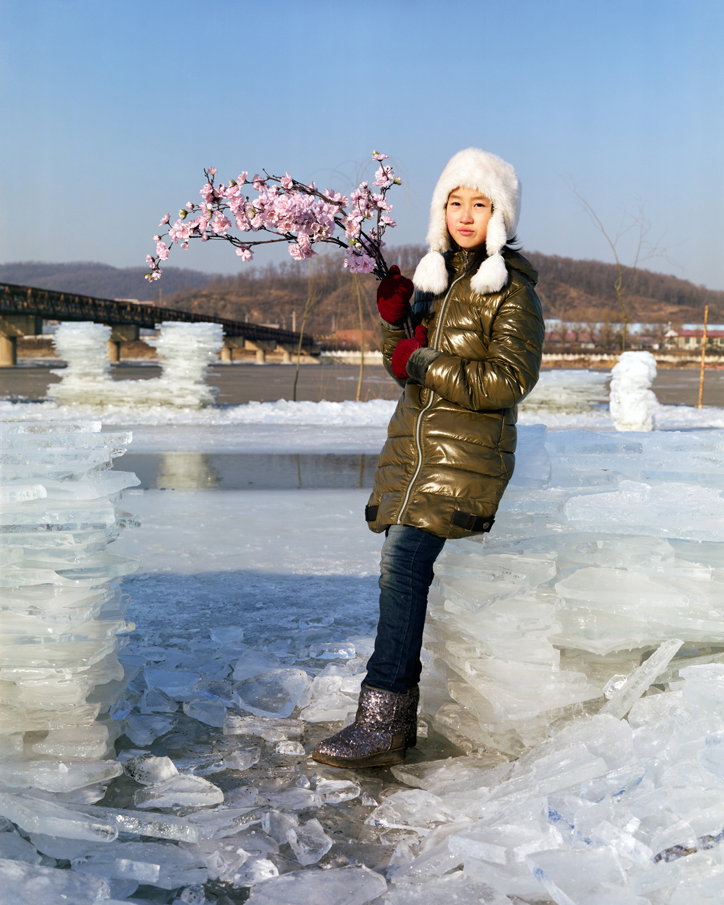
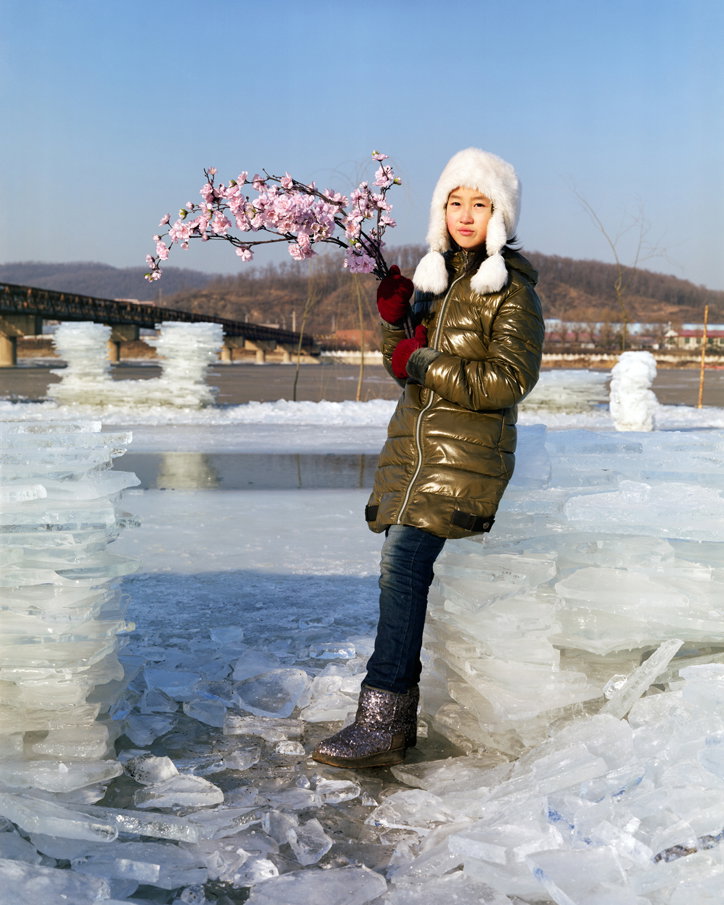
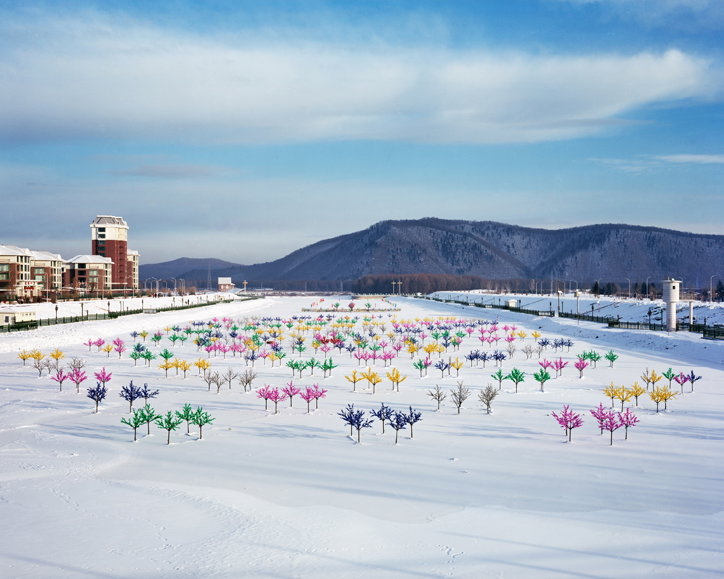
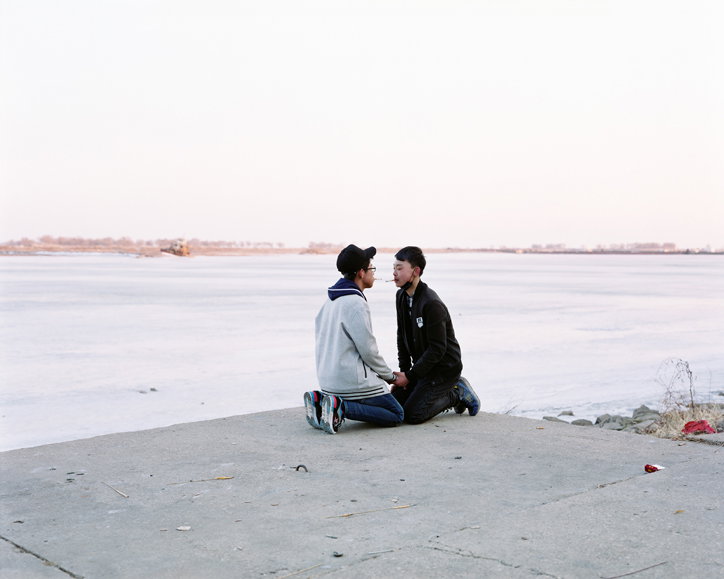
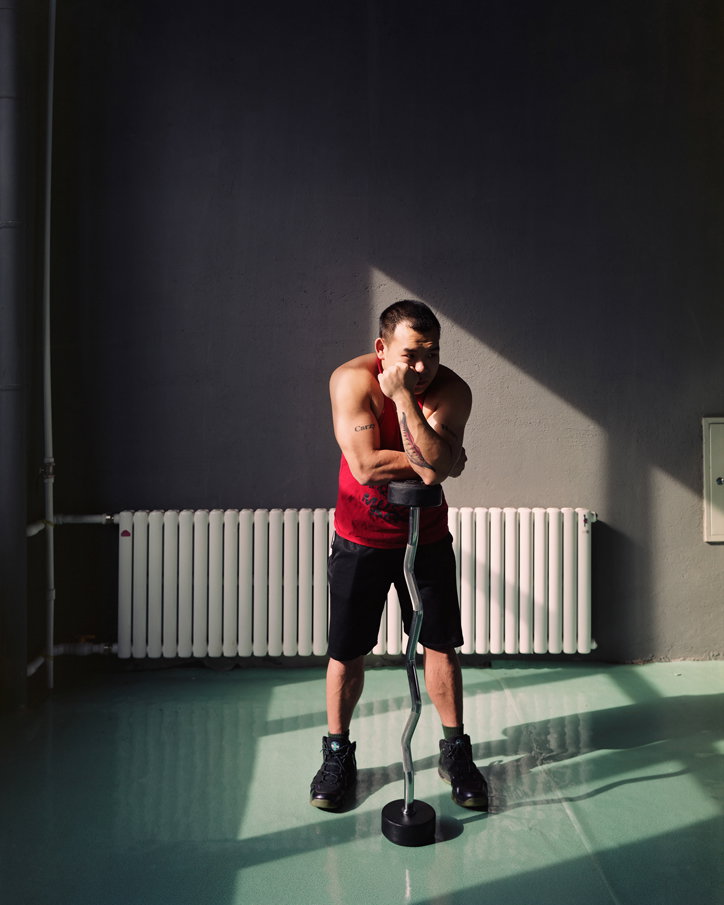
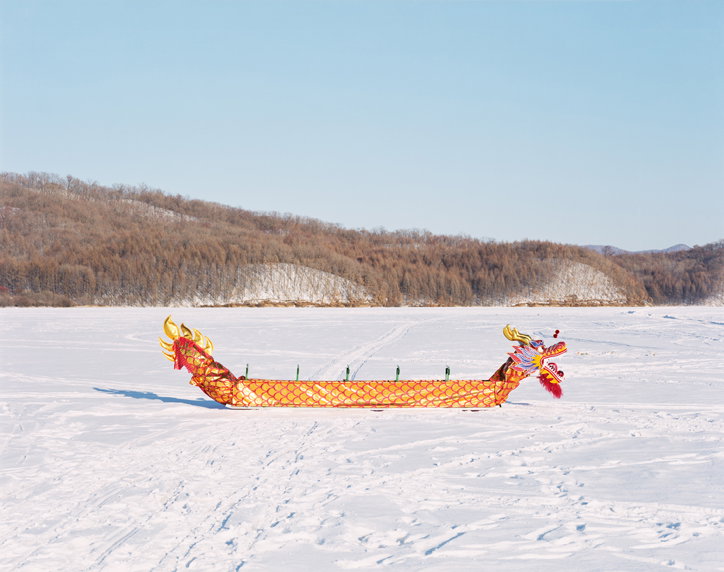
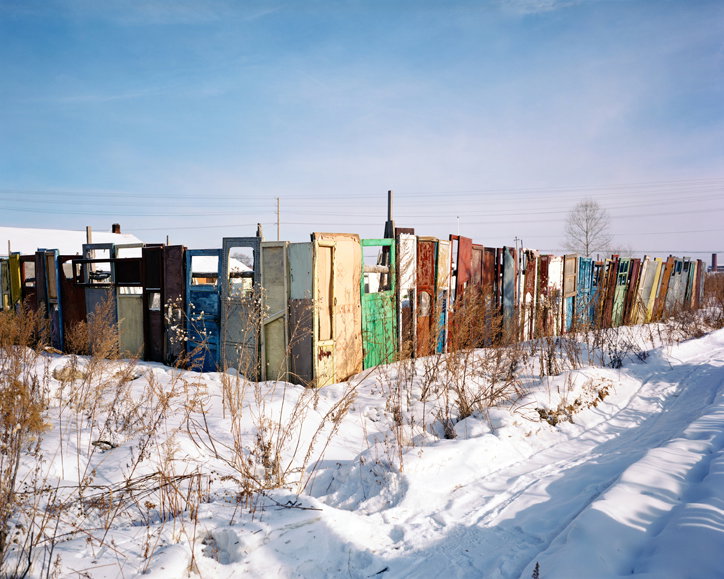
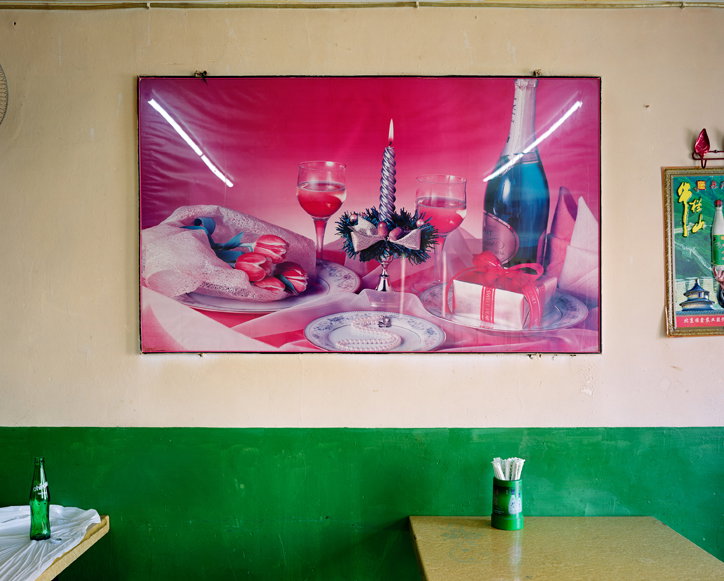
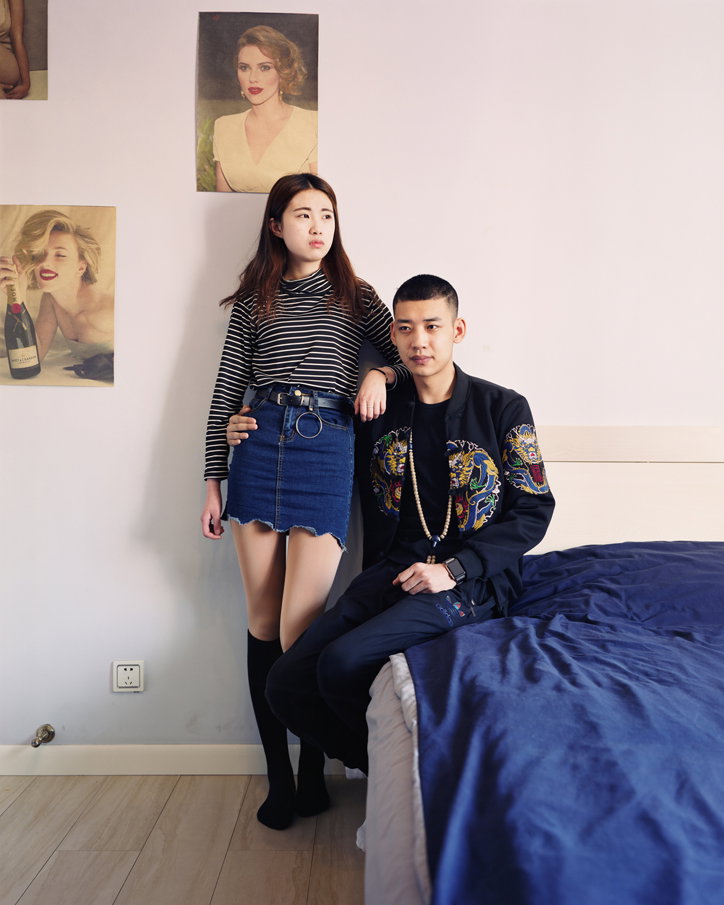
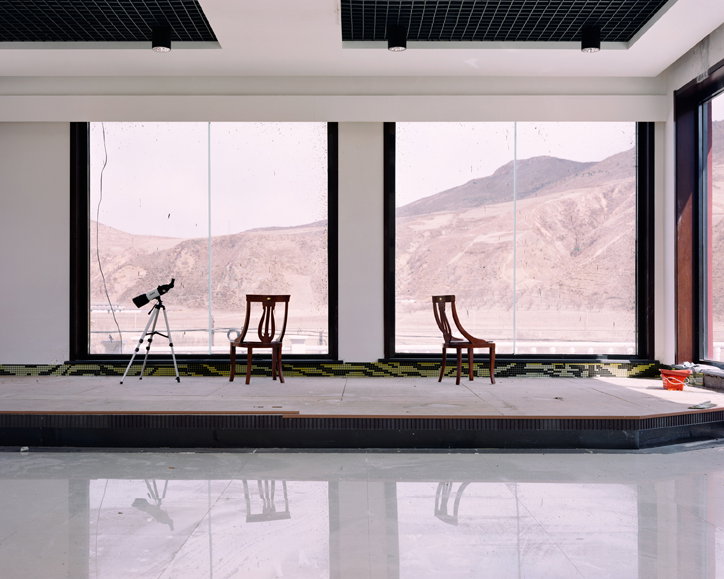
“I came across a novel called Tales of Hulan River, which is about the declining northeastern region of China. For years, I couldn’t shake the scenes described in the book from my head, scenes of ice and snow intertwining with peculiar characters,” Ronghui says. An opportunity came to shoot a project in the region, and thus his project Freezing Land was conceived. “_Freezing Land_ comprises of a series of landscapes and environmental portraits shot across China’s once-prosperous northeastern area, where today’s population is shrinking, industries are sinking and ecological problems are rising,” Ronghui adds.
Ronghui Chen
As one of the earliest regions to industrialise, its state run businesses were hit hard by the depletion of its natural resources as well as the increasing privatisation of China’s economy. “It is a story about broken Chinese dreams along the country’s rust belt, about how young people deal with their desperation and aspiration,” Ronghui says. “Meanwhile, Chinese president Xi Jinping started a campaign for the ‘Chinese Dream.’ But what does this mean to the young people living in the northeast, the once prosperous land?”
What results is a series of cold photographs of a neglected region that documents the lives and the environment of this location. His photographs mostly picture young people, following his previous project Modern Shanghai that explores “urbanisation in China and the lonely Chinese youth.” Abandoned infrastructures, doorframes, and rooms are set against the backdrop of freezing mountains and lakes.
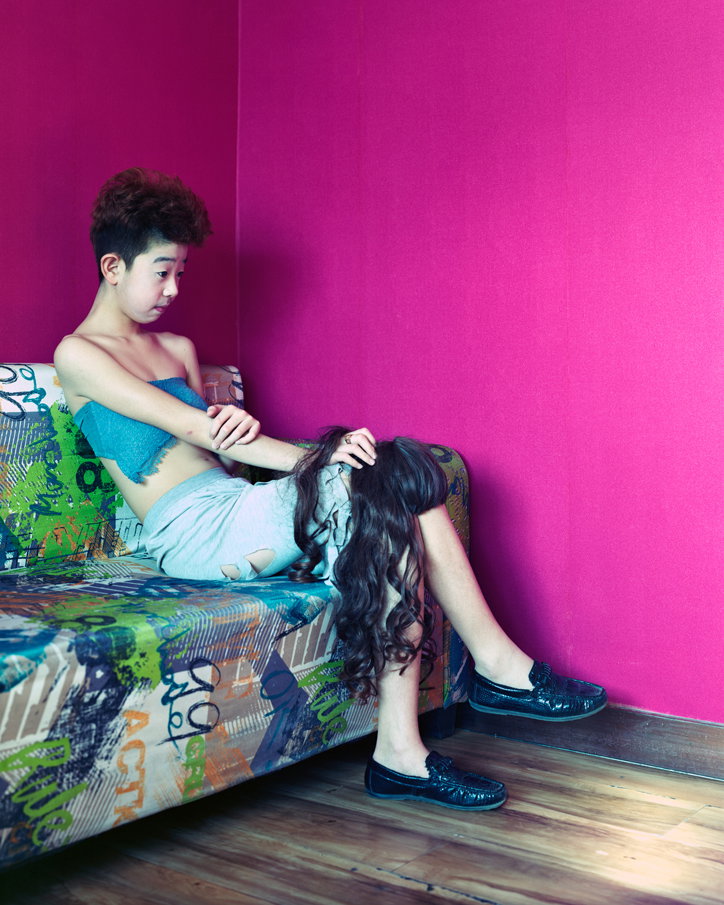
Ronghui tells us about one of his subjects, a boy sitting alone in a brightly coloured room, holding a wig while he stares at the ground. The boy, only 14 years old, is a live-streamer, which serves as his main source of revenue. “He has lots of fans online to interact with, and he even makes money from them,” Ronghui explains. “But he doesn’t have a lot of friends in real life. His life seems colourful yet full of loneliness.” Ronghui’s documentation of the forgotten, the abandoned, and the lonely is a striking reflection on the unseen impacts of urbanisation today.
Ronghui Chen
Ronghui Chen
Ronghui Chen
Ronghui Chen
Ronghui Chen
Ronghui Chen
Ronghui Chen
Ronghui Chen
Share Article
Further Info
About the Author
—
Alif joined It's Nice That as an editorial assistant from September to December 2019 after completing an MA in Digital Media at Goldsmiths, University of London. His writing often looks at the impact of art and technology on society.