Simon Lehner shows us how truth is constructed in a war simulation subculture
“As a kid, long before I ever had access to a camera, I used to take pictures just by quickly closing my eyelids,” the Vienna-based photographer Simon Lehner tells It’s Nice That. The 23-year-old photographer, who was born in rural Wels, Austria, didn’t come from an artistic family. “My mother was a barber and teacher, my grandfather worked in an office. So me deciding to be an artist always makes for some good discussions when I visit them,” he says of his background.
Melding CGI with his photography practice, Simon explores the themes of vulnerability, masculinity and truth formation in his work. His project How far is a lightyear? for instance, looks at fatherhood, domestic violence and the development of identity through family interactions. Simon’s interests lie in the psychological and the somatic, weaving through the concepts that interest him with his intuitive self. “It’s definitely a lot of playing hide and seek with my subconscious,” he says, adding that he intends to explore these themes through digital methods, testing his projects against AI techniques “to find out if it can evoke the same sensations that lens-based images have been doing for so long.”
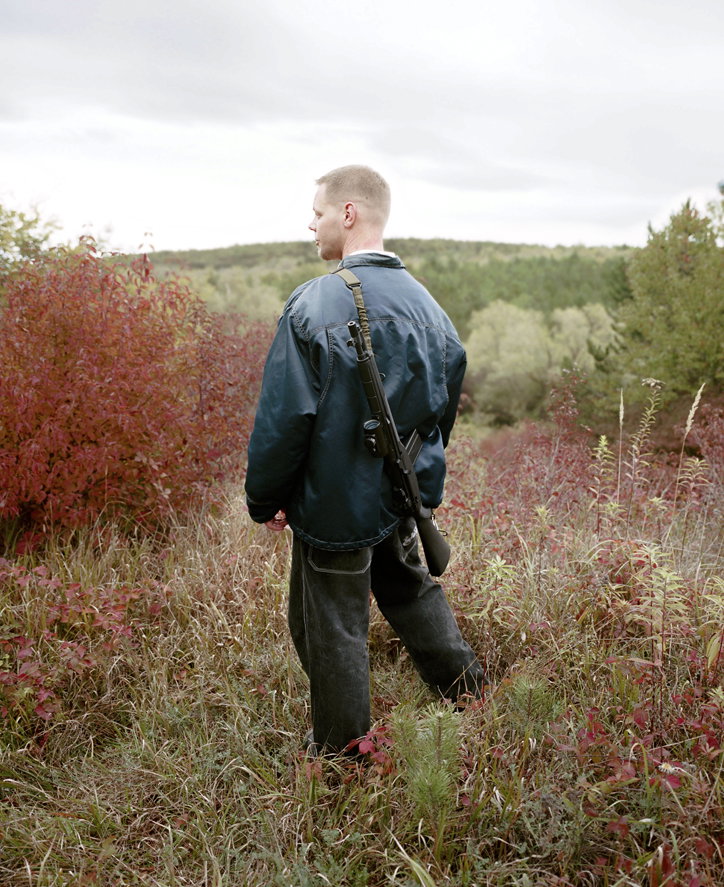
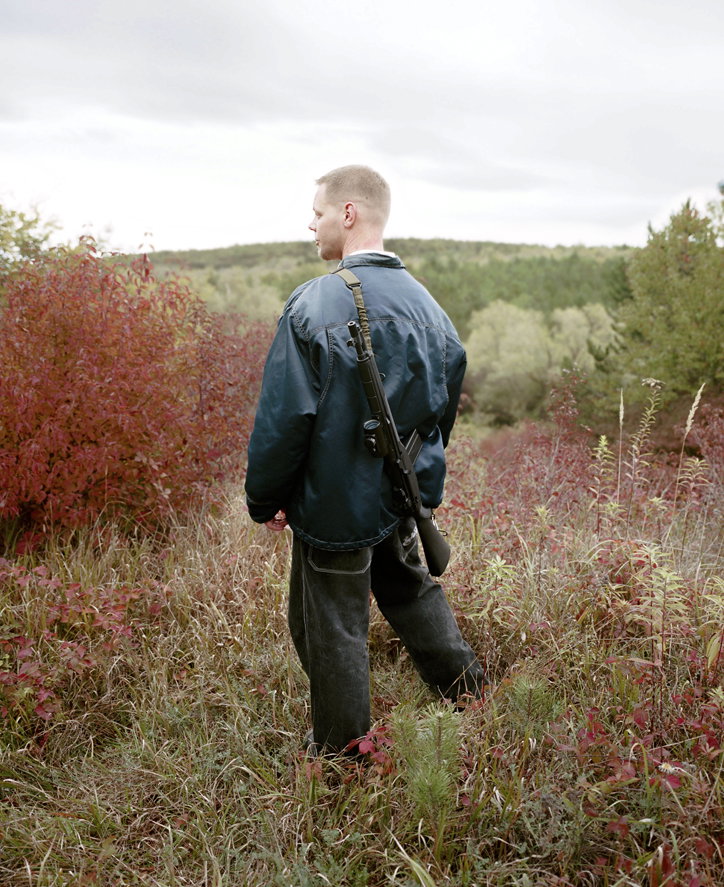
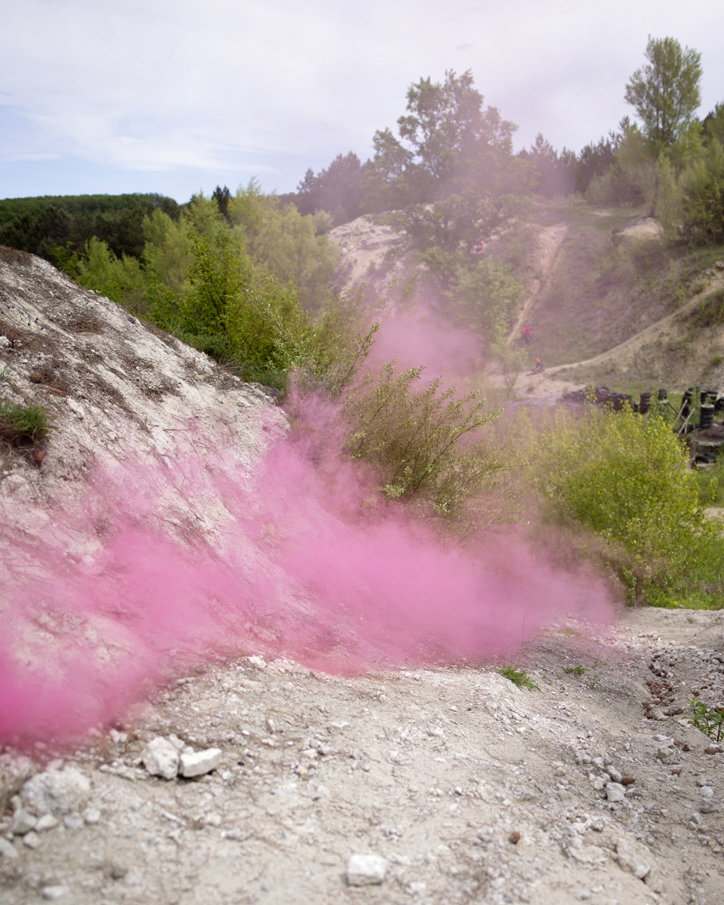
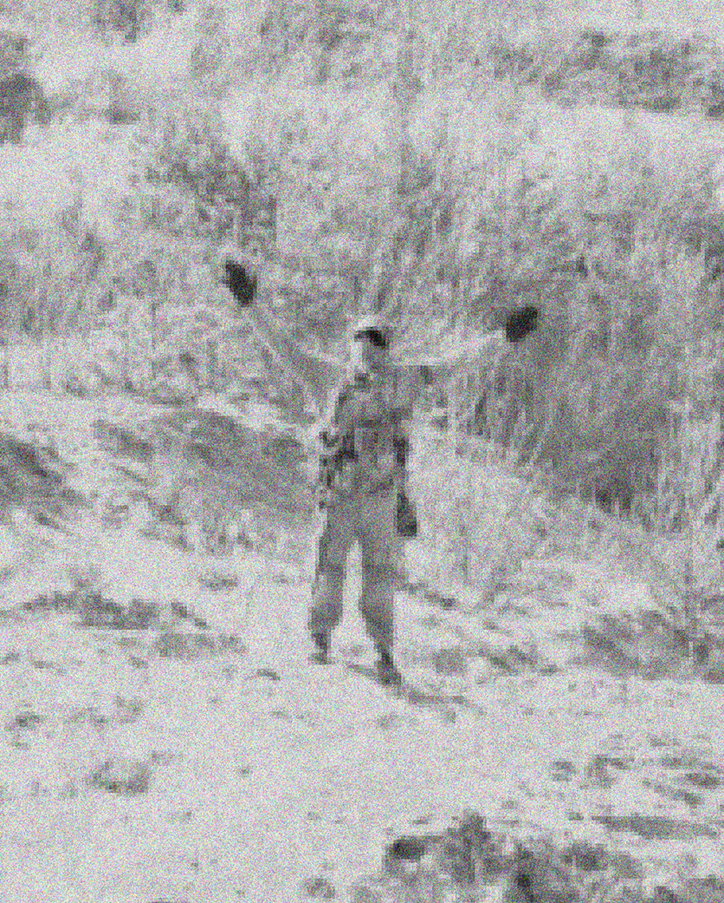
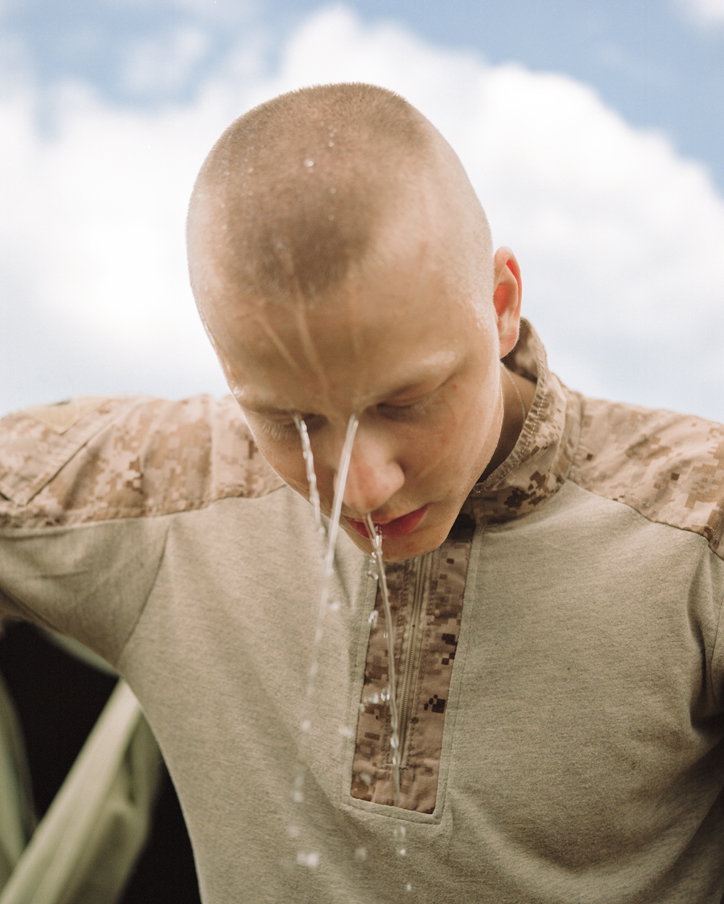
More recently, he has been working an ongoing project titled Men Don’t Play / Men Do Play that explores the subculture of war simulation in central Europe. Simon encountered this group of people that tries to simulate war zones as authentically as possible, producing a surreal scene of war fetishisation that distils the hyper-masculine aspects of war, separating it from its grim and deadly socio-political realities. “It took me about a year and a half of searching and contacting people through forums until they let me come with them to one of their games,” Simon says.
Simon Lehner: Men Don’t Play / Men Do Play
He describes what these simulations are like: “weekends with 50 hours of no sleep and straight warfare, with dummy weapons and plastic bullets, up to 1,500 participants, tanks, helicopters, explosive suicide belts connected to cell phones, real tactics and artificial deaths,” held in the forests of places like Hungary and the Czech Republic, but made to simulate situations in Iraq and Afghanistan.
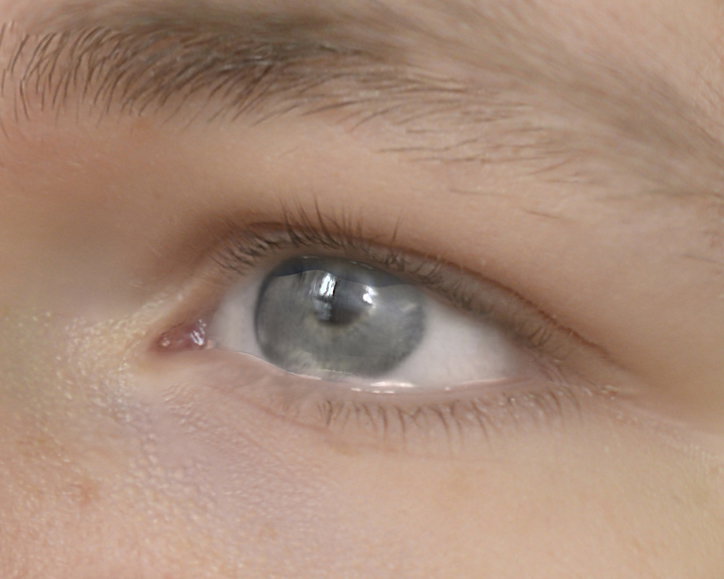
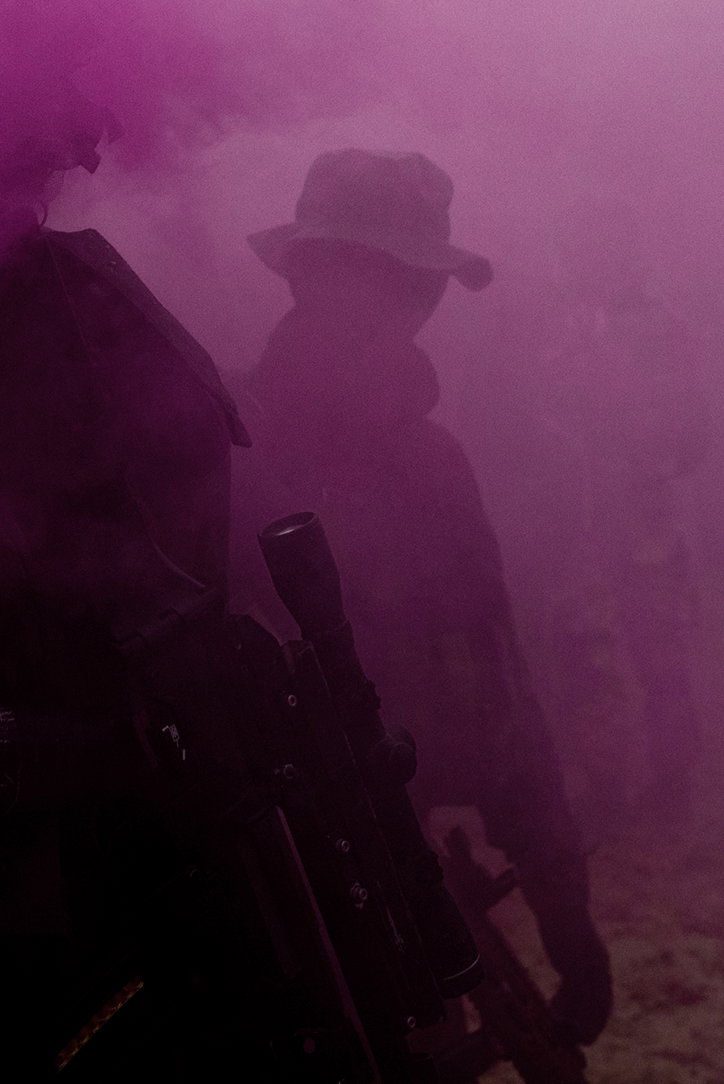
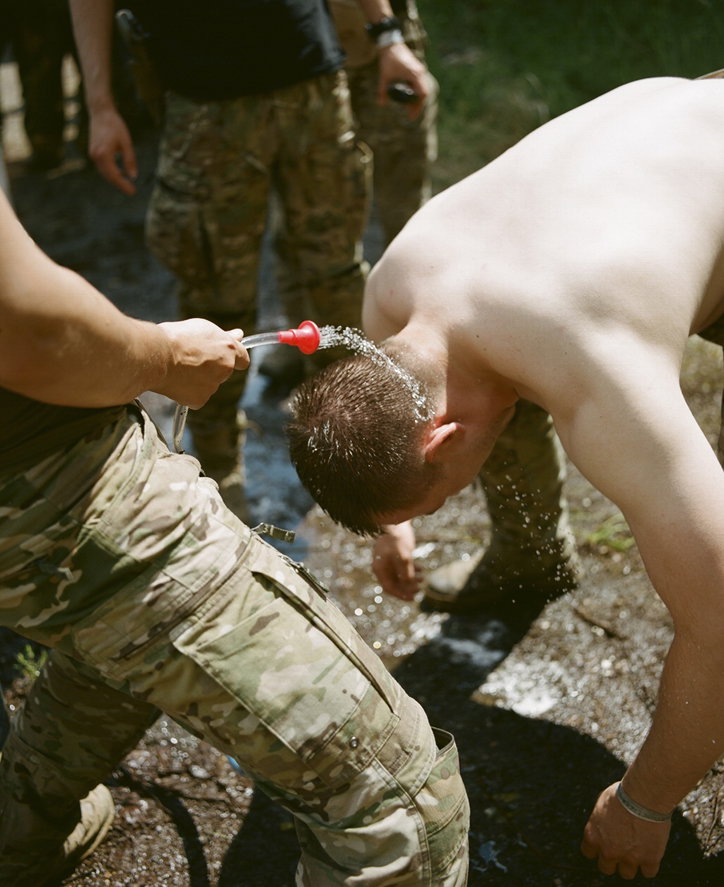
The resulting photographs, a somewhat dissonant reflection of the subculture, documents these simulations away from these brutal moments in an attempt to examine how the realities of war are often constructed in its own meta-universe. “The lines between perception and reality start to blur as the events on the ground develop into their own form of social reality,” Simon explains, wanting viewers to “decipher for themselves what is actually real and what is fictitious.” Continuing on works like YoHa’s Endless War that asks “how does the way war is thought relate to how it is fought?” the images feature scenes of pink smoke grenades, fragile insects landing on a soldier’s resting face, and one soldier washing one another as Simon manipulates the simulations into his own reality.
The project took another turn in 2019 as he began to incorporate 3D-generated images to further this alternate world-building. Referencing war video games, another format of war simulation that contextualises war in its own universe, Simon doesn’t distinguish which images are generated and which are real. “I just can’t forget the sleepless nights in the base camps in the forests of Poland when I was working on Men don’t play, where every other minute, grenades are detonated and propaganda paroles are blasted through speakers to keep opponents from sleeping,” he explains. Currently, Simon is trying to compile the project into a book, as well as recently shooting for L’Uomo Vogue for a project that incorporates his grandfather and his own family archives.
Simon Lehner: Men Don’t Play / Men Do Play
Simon Lehner: Men Don’t Play / Men Do Play

Simon Lehner: Men Don’t Play / Men Do Play
Simon Lehner: Men Don’t Play / Men Do Play
Simon Lehner: Men Don’t Play / Men Do Play
Simon Lehner: Men Don’t Play / Men Do Play

Simon Lehner: Men Don’t Play / Men Do Play
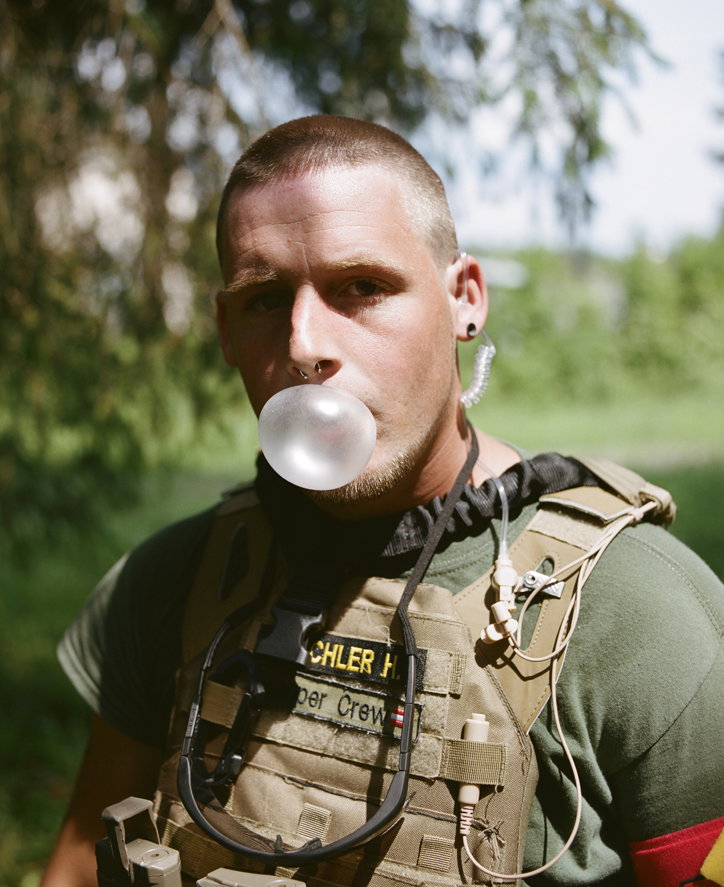
Simon Lehner: Men Don’t Play / Men Do Play
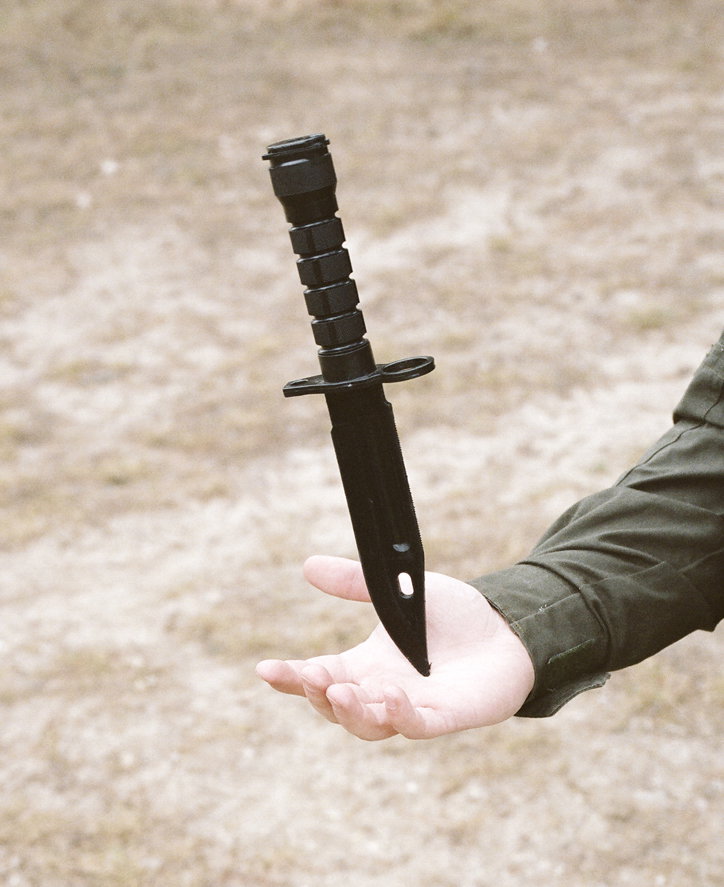
Simon Lehner: Men Don’t Play / Men Do Play
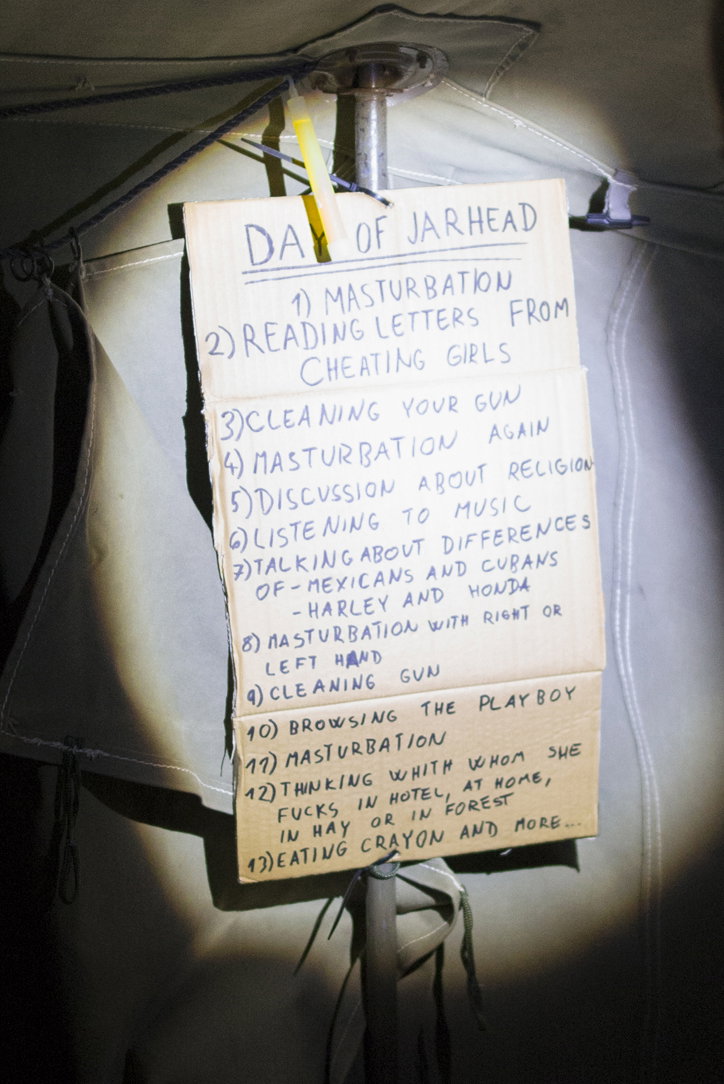
Simon Lehner: Men Don’t Play / Men Do Play
Share Article
Further Info
About the Author
—
Alif joined It's Nice That as an editorial assistant from September to December 2019 after completing an MA in Digital Media at Goldsmiths, University of London. His writing often looks at the impact of art and technology on society.