Tom Skipp photographs those who were sent to Chernobyl Power Plant to clean up after the accident
Tom Skipp has worked in the creative industries for 15 years. After moving to Rwanda for eight months to art direct a charity magazine, his perspective shifted, and his direction change. Now he wants to work on projects that genuinely help people.
Recently Tom found himself invited to Kiev for a residency, and while there he grew increasingly fascinated by the Chernobyl disaster, one of the greatest nuclear catastrophes to date. Specifically it was the 500,000 men known as “liquidators” who piqued his interest. Taken from the Russian verb “likvidator”, which means “to eliminate the consequences of an accident”, these people were responsible for reducing the consequences of the explosion. Their dangerous tasks included cleaning up debris around the nuclear reactor, decontamination, destruction of hazardous buildings, the removal of rotting food and the hunting of contaminated animals.
“On researching the subject I realised that not a great deal of coverage had been given to these people”, Tom explains. So, he journeyed to Slavutych, a city purposefully and hurriedly built for the evacuated personnel. “By coincidence, my journey coincided with the annual memorial that takes place there”, he explains. “I took a taxi straight from the airport to a candle-lit vigil attended by many of the survivors”.
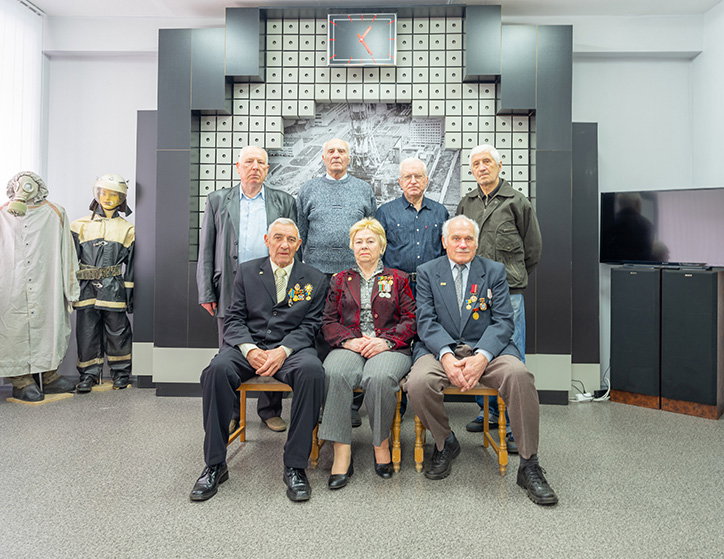
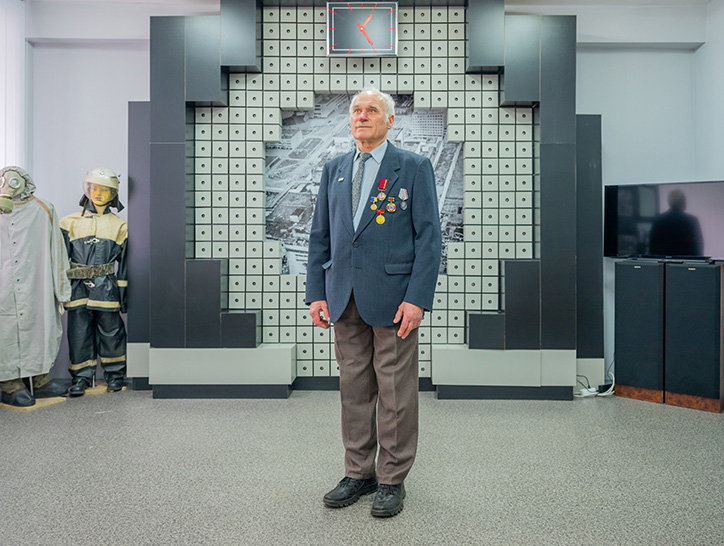
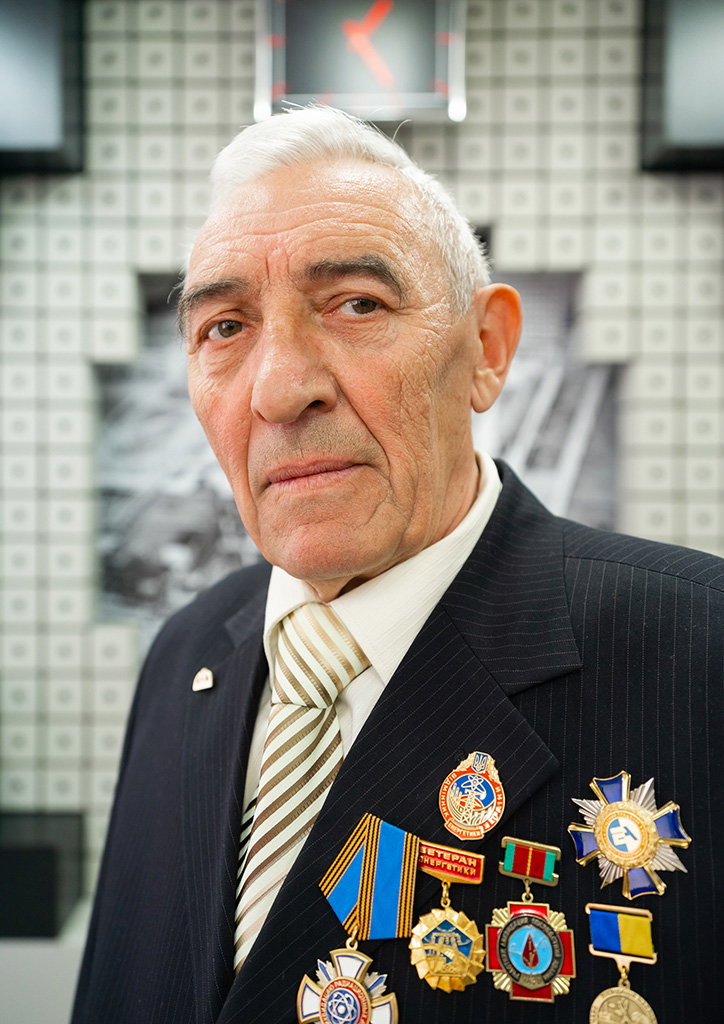
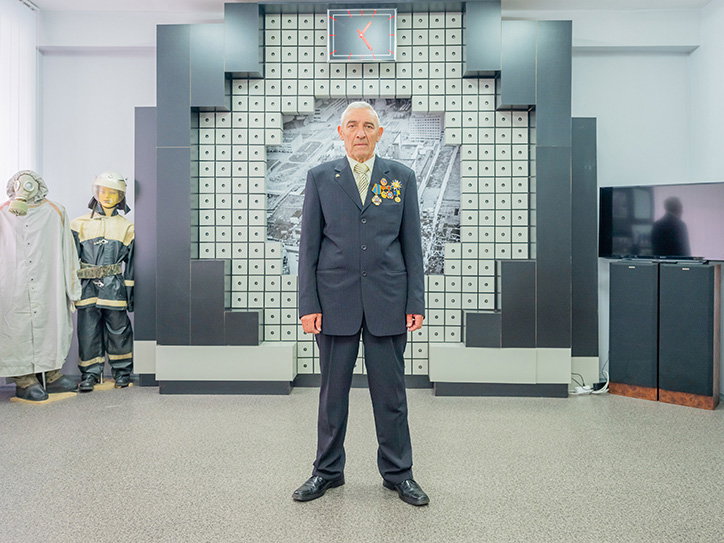
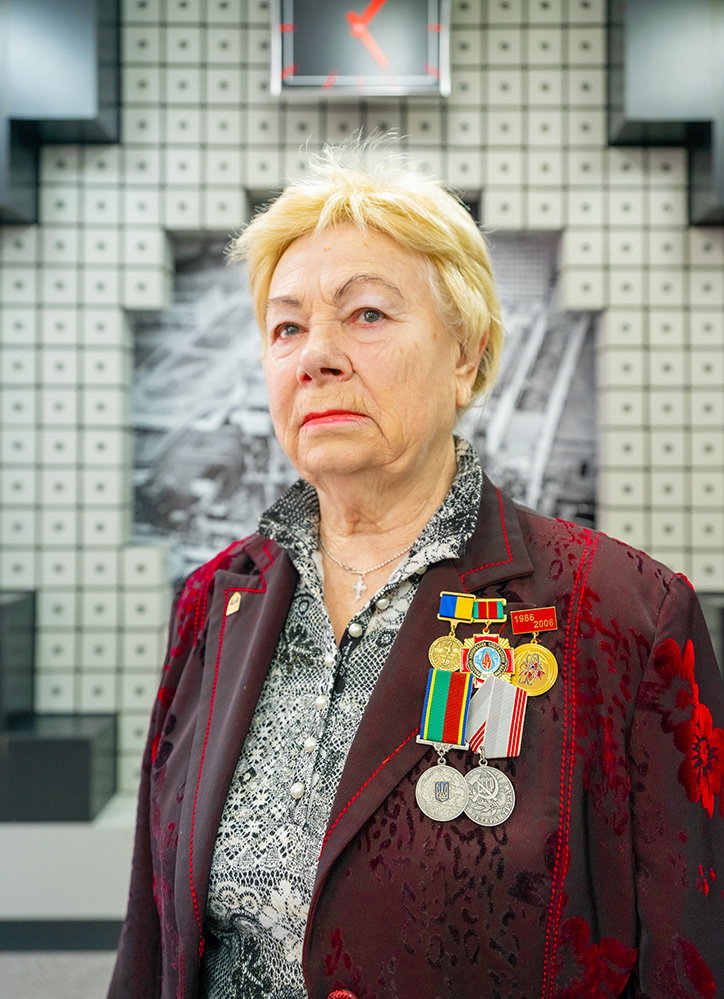
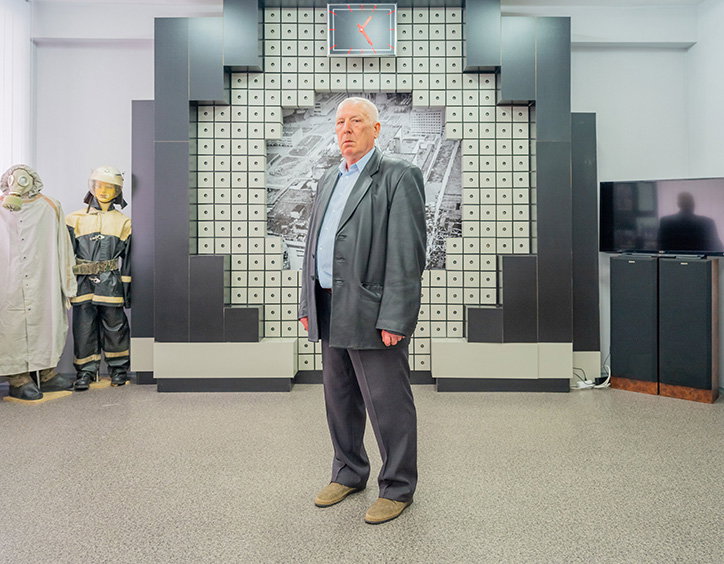
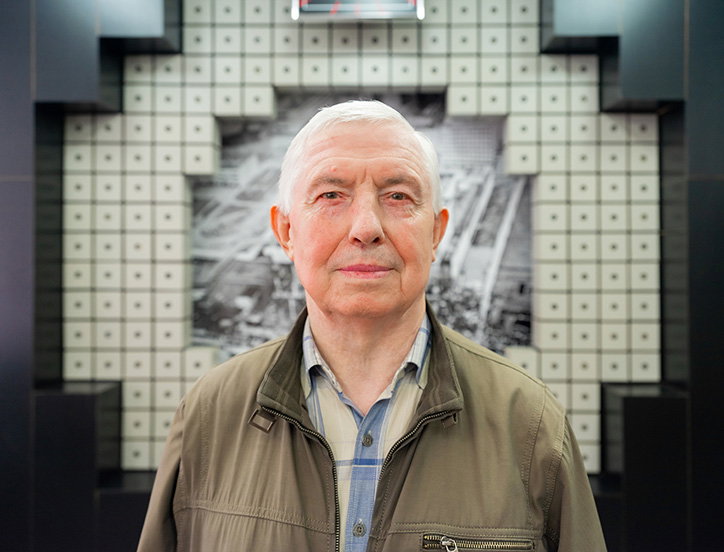
What struck Tom the most about meeting these survivors was their sense of unquestionable duty and quiet dignity. Many of them “felt they owed their lives to the state of the USSR and in turn, the state would take care of them”. This feeling resonates within the photographs, which have a striking resemblance to the cosmonaut images of the Russian space programme. There is a sense of disconnect with these images; the subjects seem restrained, controlled from any emotional outbursts, their eyes staring back into a troubled past.
They speak the words of unknown heroes, neither resentful or bitter towards a system of rule that many find dubious. One man comments, “nobody was obliged to work. I did my job. I wasn’t forced to”. Another states, “No, I never regretted a thing”. The honesty and courage depicted shines a new light on the situation; we admire them even more than before.
In many of the photographs, the figures stand like statues, frozen in time and thought. Their clothes are juxtaposed against the now alien communist surroundings. The greys and pale blues of the walls and plastic floors lend the images a clinical, hospital-like feel. The other part of the project is made up of portraits taken in family homes; “these photographs are naturally more intimate and far more what I had in mind”, Tom tells us. It is between these two parts that we observe a “comparison between duty and reality”, the tales these figures tell are significantly more emotional. Iakov Mamedov comments, “My being a man was interrupted. I was transferred to a hospital in Moscow, we had 12 people in the ward because there was simply no space; only four of 12 survived”.
“I hope that people can take from these images the sacrifice made by previous generations for an ideal that many of them still believe in”, Tom explains. The survivors depicted here have not given up hope or lost faith; they are an essential reminder that dignity can be upheld even in the face of disaster.
Tom Skipp: The Liquidators of Chernobyl
Tom Skipp: The Liquidators of Chernobyl
Tom Skipp: The Liquidators of Chernobyl
Tom Skipp: The Liquidators of Chernobyl
Tom Skipp: The Liquidators of Chernobyl
Tom Skipp: The Liquidators of Chernobyl
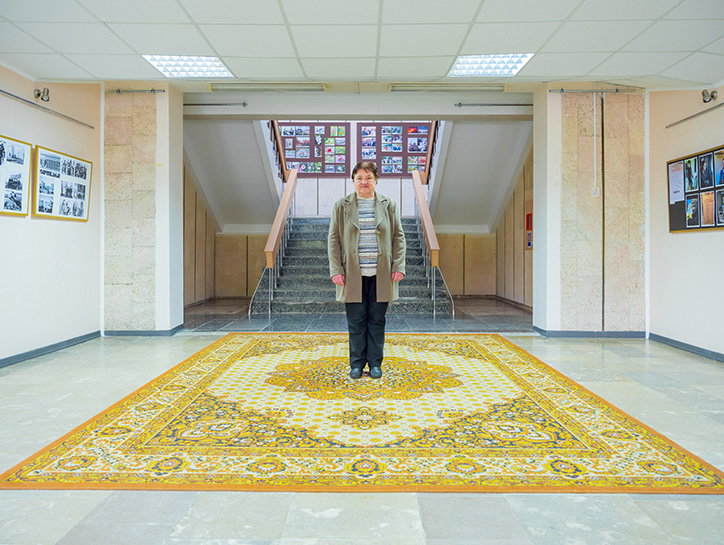
Tom Skipp: The Liquidators of Chernobyl
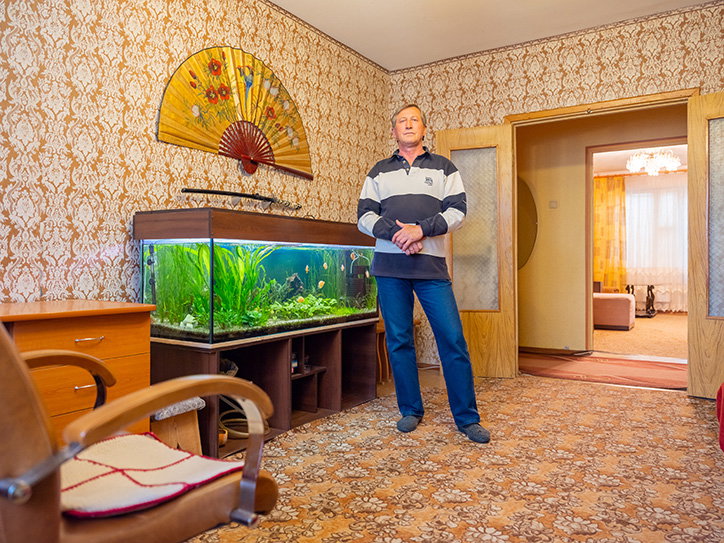
Tom Skipp: The Liquidators of Chernobyl
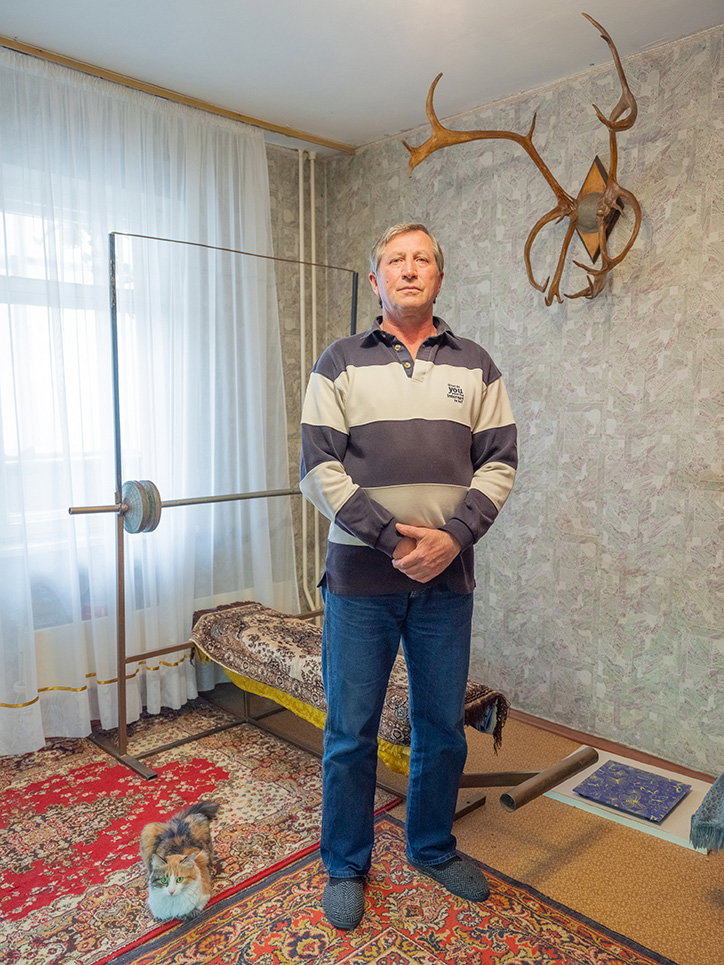
Tom Skipp: The Liquidators of Chernobyl
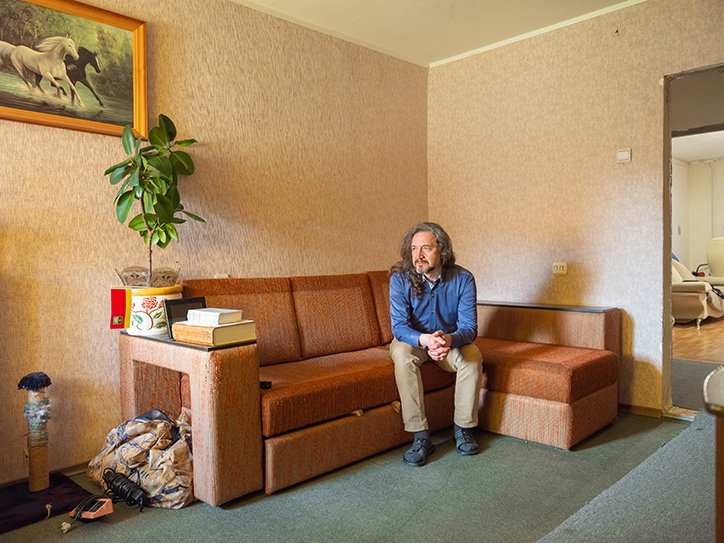
Tom Skipp: The Liquidators of Chernobyl
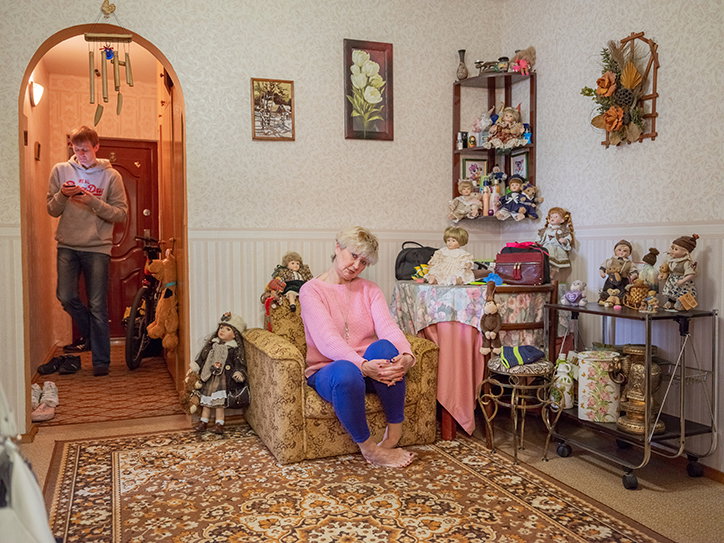
Tom Skipp: The Liquidators of Chernobyl