

Stocksy sees signs of life in its optimistic 2026 Visual Trends Report
The artist-owned stock media agency’s report, Signs of Life, signals a world turning away from automation towards IRL indulgence, joy and connection.
Stocksy’s 2025 visual insights report, Signs of Life, has taken an outlook that matches its own findings; optimistic. “Pessimism leads to stagnation, and stagnation is anathema to creativity,” Genevieve Ross, Stocksy’s creative director, tells It’s Nice That, suggesting it’s more of a discipline than an attitude. “It’s something we have to work for, to protect, to choose – especially now.” The artist-owned stock media agency continually looks at what creatives are making and clients are wanting, looking out for patterns and familiar (or not-so familiar) themes. “Life tends to peak at the edges, in those liminal environments where conditions are dynamic enough to spark evolution but stable enough to sustain it,” Genevieve says, looking for that said cultural sweet spot, “when an aesthetic or style is legible but not yet obvious, vibrant but not yet flattened into a formula.”
The foundation of the 2025 report itself is rather salient – that perfection isn’t what it used to be. In fact, Signs of Life argues that what resonates with creative and non-creative audiences alike is unfiltered emotional tactility, to name an example, in a post-digitally-polished visual space. Stocksy have identified five insights that signal this movement towards greater human presence, warmth and connection – notably in the wake of AI, synthetic imagery and automation, but not necessarily in the fashion you’d think. “It’s not in a reactionary ‘anti-tech’ way,” Genevieve says, “but in a cultural-immune-system kind of way.” She continues: “When expressive technologies surge, people naturally compensate,” especially in the wake of sloppy, smooth AI, causing people to lean towards the irregular and odd. “Every one of this year’s insights carries that instinct,” she adds, “a pull back toward things that feel human, sensory, embodied.”
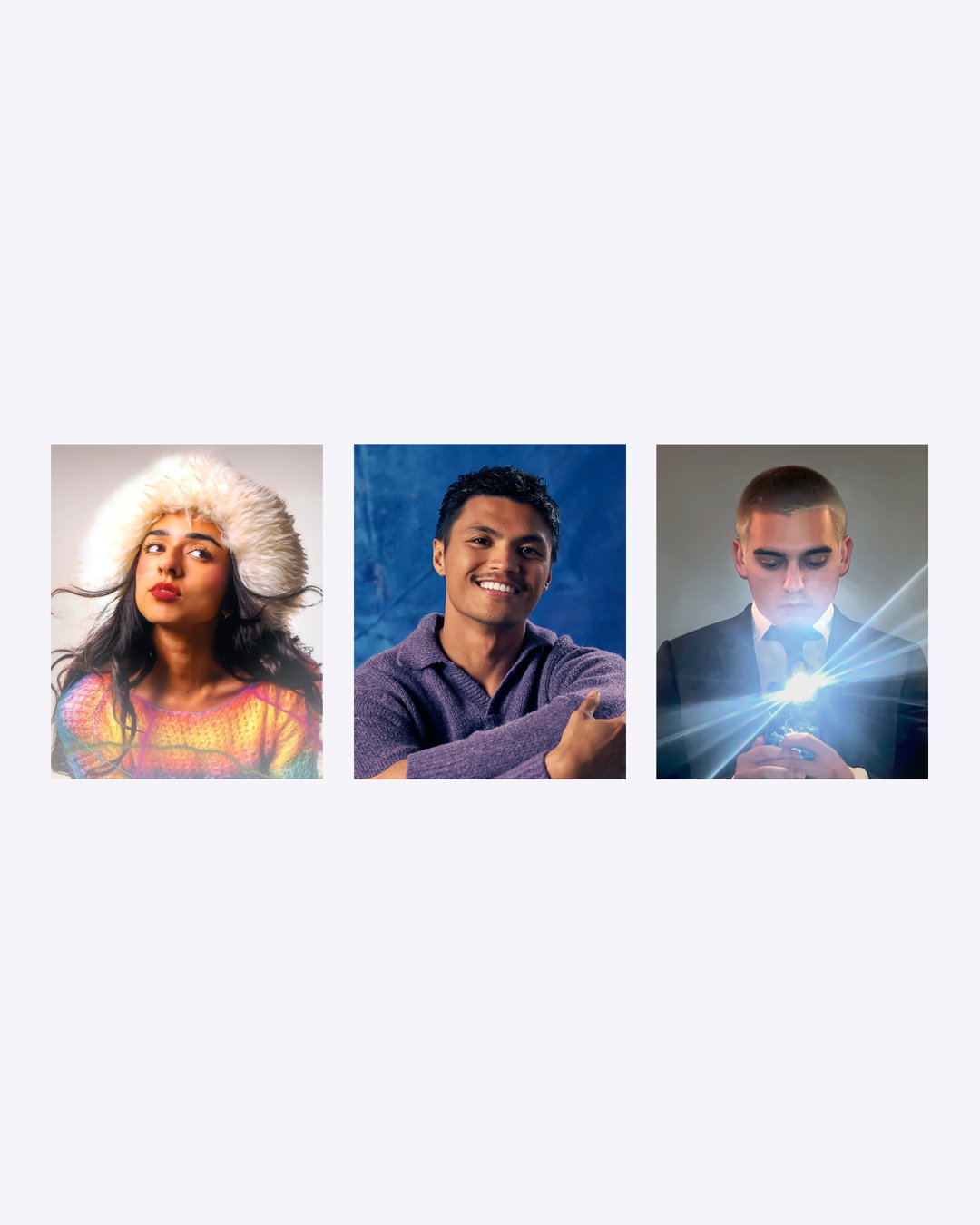
Anfisa&friends (Copyright © Stocksy, 2025)
Felix Chacon (Copyright © Stocksy, 2025)
Felix Chacon (Copyright © Stocksy, 2025)
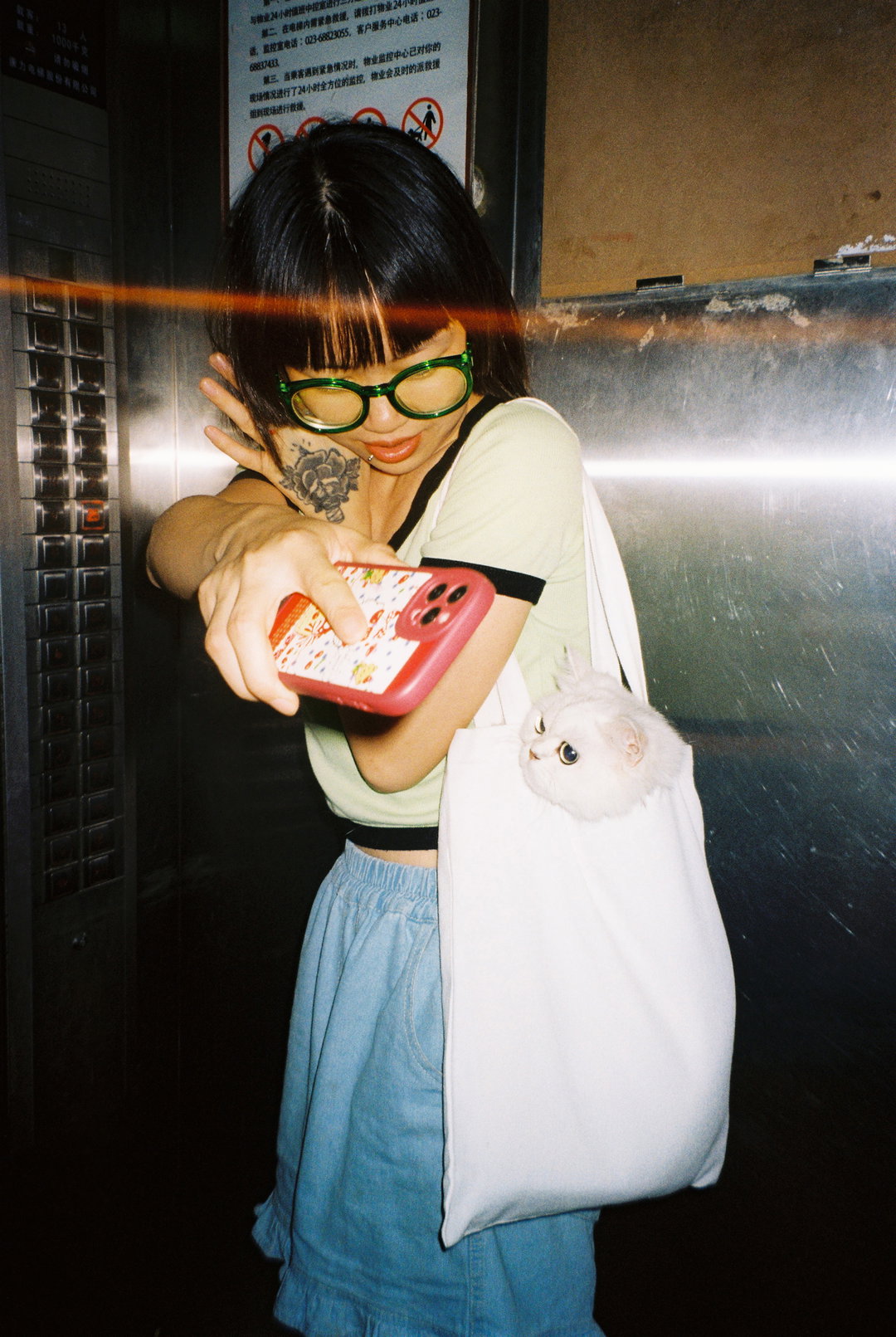
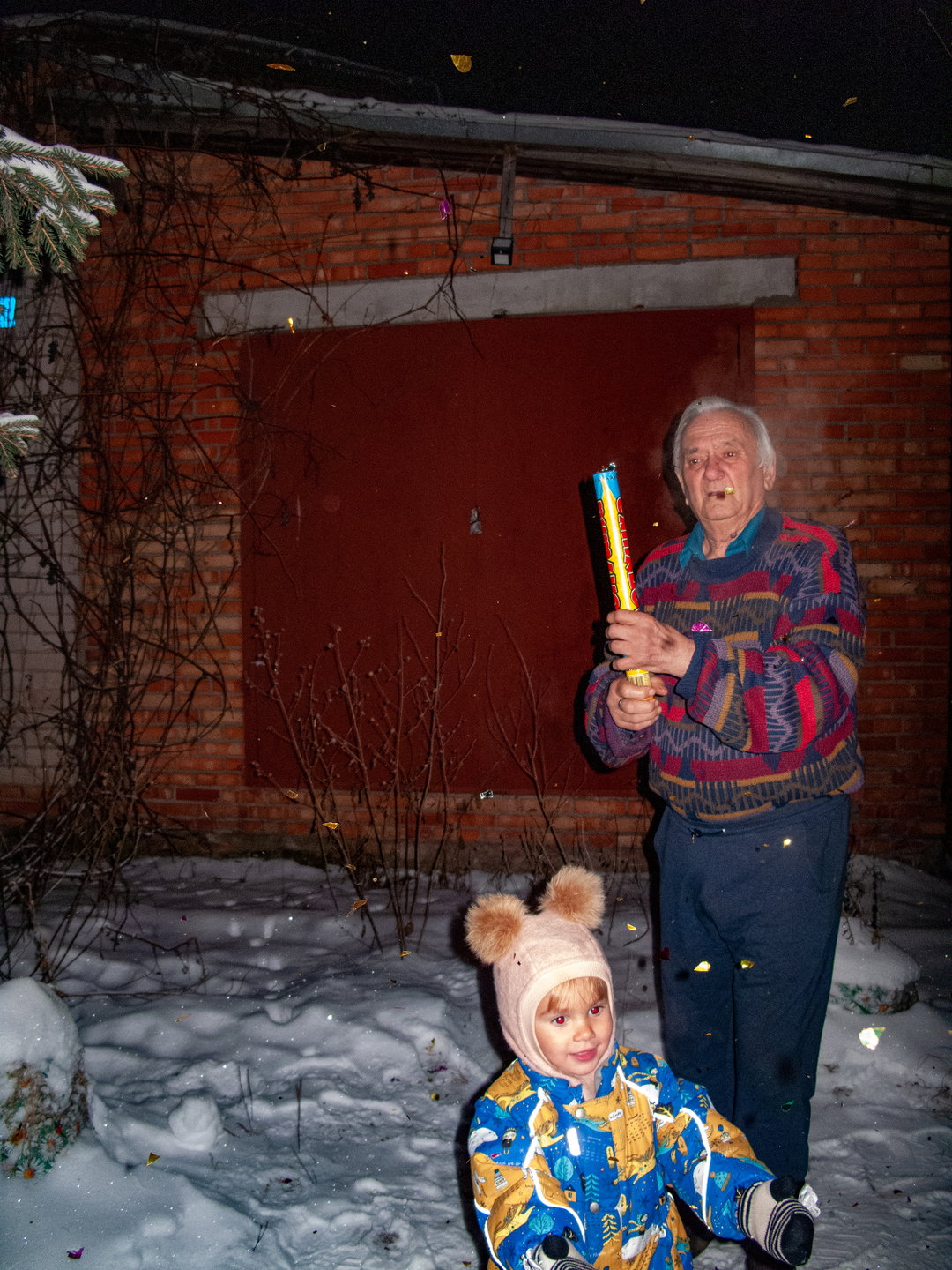
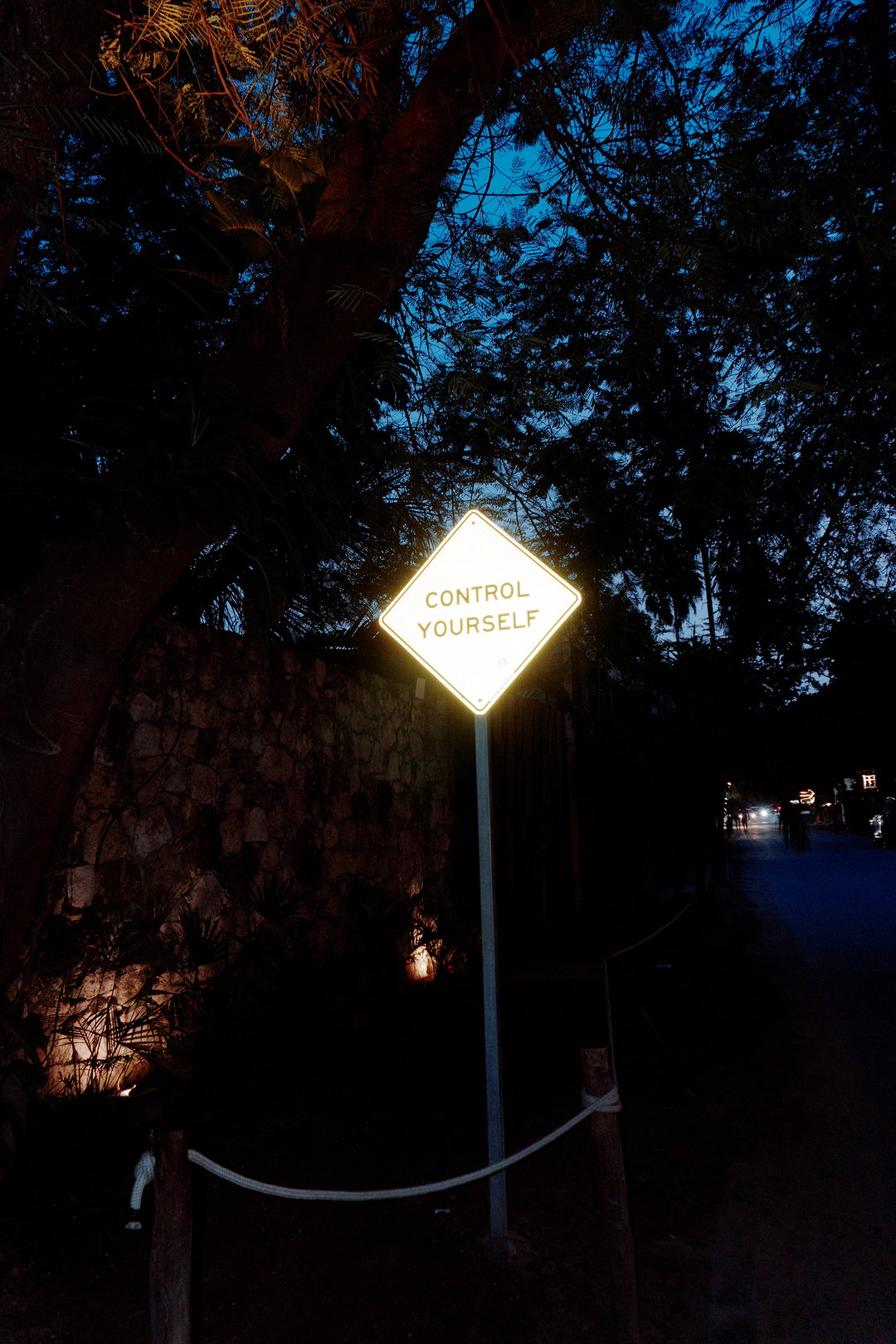
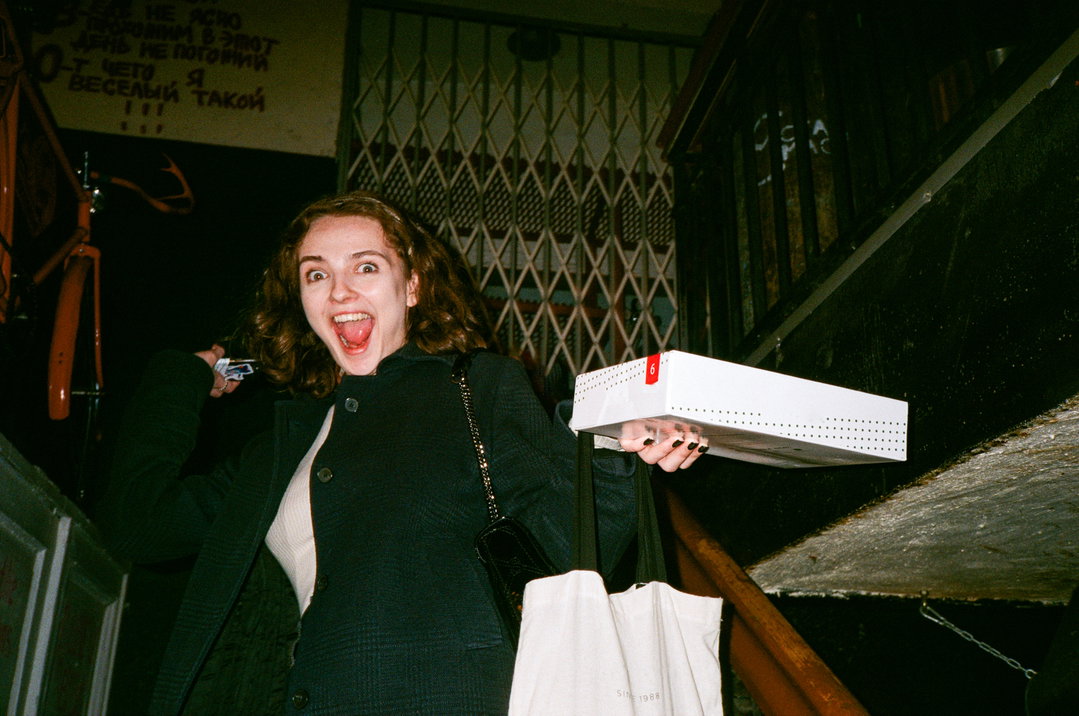
Stocksy’s first finding, titled Ambient Realism, is the occurrence of raw, unfiltered everyday, rife with ill-focused photographs, off-kilter angles and what Stocksy describes as low-intensity intimacy – whereby images are captured from within a scene rather than observing it externally. Genevieve suggests that this is creatives somewhat retaliating to the past year of technological and cultural developments, explaining, “creatives have fought back by doubling down on the human signature,” making room for more personal and perhaps diaristic storytelling. Collectively, the tendency towards asymmetry over orchestration creates a sense of images feeling more familiar and closer, rather than simply sharper. Looking ahead already, Genevieve has already clocked a parallel evolution of Ambient Realism, that being, Ambient Identity. “I think next year will deepen the human-centered arc we’re already tracking,” she says, seeing Ambient Identity as “a blending of place, self, and social documentation.”
What Stocksy also saw was a return to vivid colour, perhaps in contrast to Ambient Realism, an embracing of the shiny, new feel of technological development. Hyper Chromatic, Signs of Life’s second insight, reports on the increasingly glossy textures and high saturation of imagery, whereby colour becomes a visual narrative structure by itself. Speaking to its thematic contrast with Ambient Realism, and its more technological glean, Genevieve says that Hyper Chromatic does so in a playful, non-derivative fashion. “Hyper Chromatic taps into the same circuitry that powers our fascination with AI imagery,” she explains, “heightened sensory volume, the thrill of the surreal, the pleasure of extra-real colour.”

Angela Waye (Copyright © Stocksy, 2025)
Interestingly, this is where we see the similarities between Hyper Chromatic and Ambient Realism, as the report suggests that this increase could be due to the same renewed interest in analogue photography. “Hyper Chromatic isn’t an AI aesthetic, we drew naming inspiration for this trend from Kodachrome film,” a low-ISO, vivid film stock. The renowned clarity of Kodachrome also suggests why creatives are turning back to bright colour; because it feels certain. Whilst everything seems chaotic around us, the intentionality of vibrancy is often affronting and, in the process, eye-catching. “The human eyeball is the product of ½ a billion years of evolution, we are naturally programmed to be hypersensitive to colour,” Genevieve says, with humans sharing the same traits as magpies and always chasing the shiniest things. “It’s using vibrancy as a kind of life-force, a mood regulator, a tool for joy and agency when the world-mood feels grey.”
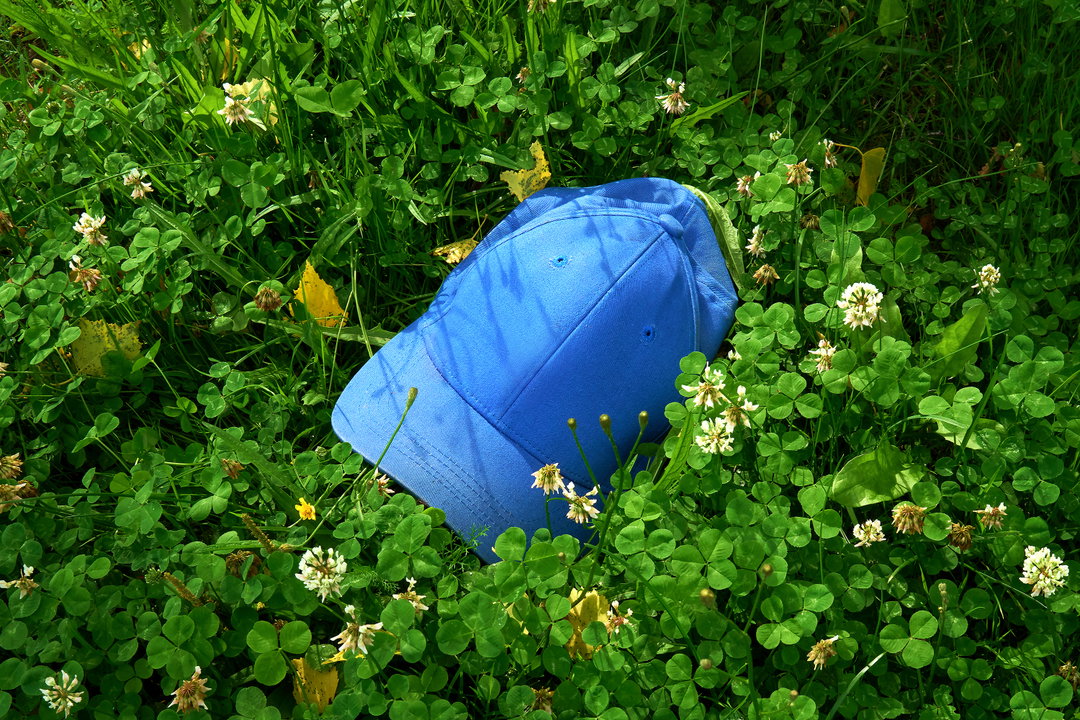
Tatyana Lavrova (Copyright © Stocksy, 2025)
In the report, the chapter High Concept Chaos signals a reasonable mix of Hyper Chromatic and Ambient Realism, in that high-end, professional setups are utilised to depict more street-level scenes. In a sense, leaning more towards the corporate side of things, whereby commercial brands are harnessing a more ‘authentic’, candid tone. “When brands go ‘authentic’ now, they’re trying to close the distance between themselves and their audience,” Genevieve explains, “because people have developed a sharp radar for the synthetic and brands are all scrambling to be relatable.” Commercial enterprises are reacting against this and opting for a more shot-from-the-hip style that favours unconventional framing and loose choreography, all whilst heroing incredibly high-end products. “When it’s done poorly, it becomes cosplay,” Genevieve warns, “a corporate pantomime that assumes authenticity is an aesthetic,” however, it can be done with greater taste. “To me, when done well, it’s honouring the human and craft and respects the audience but doesn’t give us more boring, fake tokenism,” something which lives and dies by the choice of photographer, not only due to their vision, but how they connect to their subject matter. “The most talented photographers understand how to build conditions where people feel comfortable and open,” says Genevieve.
What’s intriguing is the audience’s draw to the contrast between high-end brands and the disorientating, messy methods in which they’re depicted. As Genevieve suggests, perhaps it’s because – authentic or not – we are drawn to what feels effortless. “Throughout different cultures and history people have always admired the performance of effortlessness,” she says, “that’s the mark of high status and confidence.” What it also cues is, possibly, an increasing disinterest in digital culture and the concern of brands to recapture and retain an audience by turning to these more off-the-cuff tones and tableaus. “Brands can absolutely feel the cultural cooling toward digital fatigue,” Genevieve agrees, “especially the slow erosion of traditional social media,” and the complementary return towards in-person communities and experience – something brands are trying to latch on to. “It’s partly an attempt to reconnect with audiences who are craving something unmediated,” she adds, “something that feels like it gives back, rather than operating as an extractive commercial presence.”
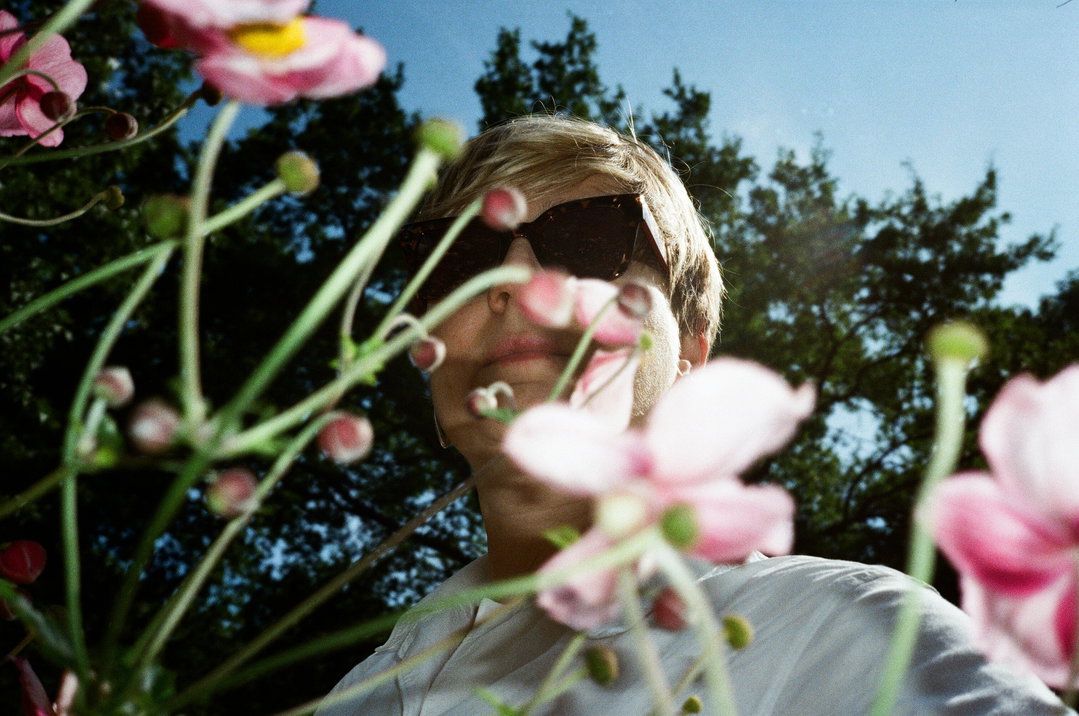
Lada Simbirski (Copyright © Stocksy, 2025)
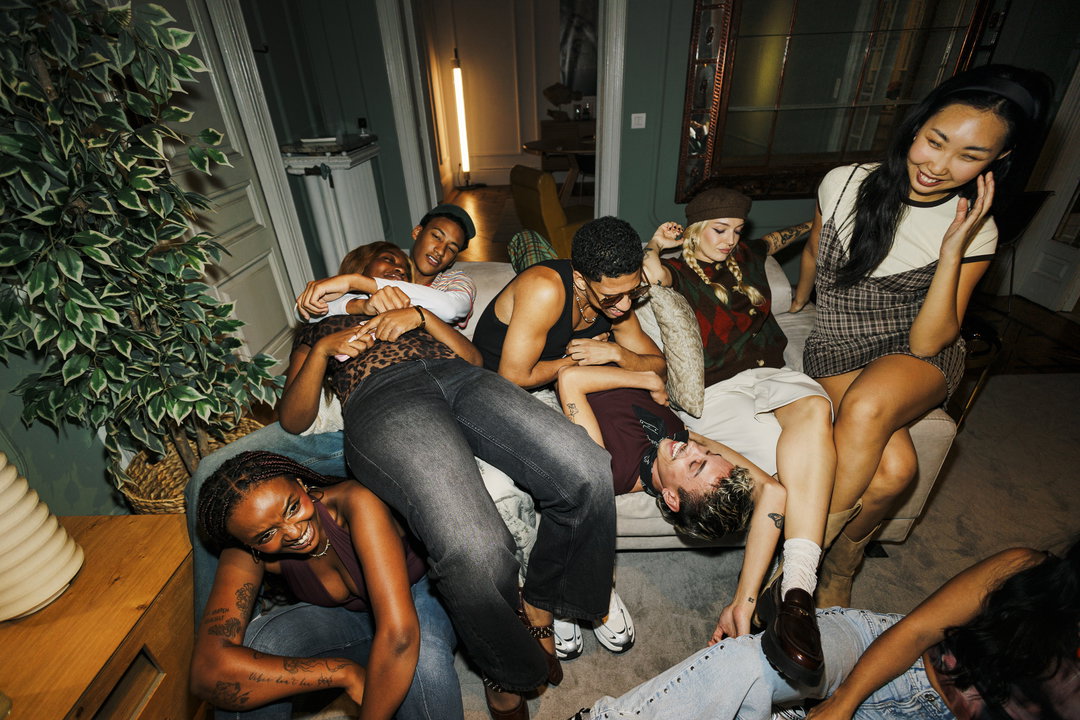
BonninStudio (Copyright © Stocksy, 2025)
Returning to the optimistic perspective in which Signs of Life was curated, it seems that this return to personability is equally happening on the creative production side as well, with more work not needing to optimally perform on-screen. “It isn’t crafted for the algorithm or for metrics; it isn’t performative,” Genevieve says, “there’s a tone and timbre to creative work that comes from personal curiosity, instinct, and expression,” something made because it needed to be expressed, not commissioned. It’s clear that brands are now beginning to tap into that expression, using imagery that’s not directly relevant to the product, and instead looking to forge a mood or sensibility. As Genevieve puts it, “a proximity to an artistic worldview.” As a result, brand worlds are seeming more and more editorial. “Instead of shouting ‘look at us’, it’s saying, ‘here’s the world we believe in’,” she says, “and that, right now, is resonating more deeply than traditional brand-forward visual strategies.”
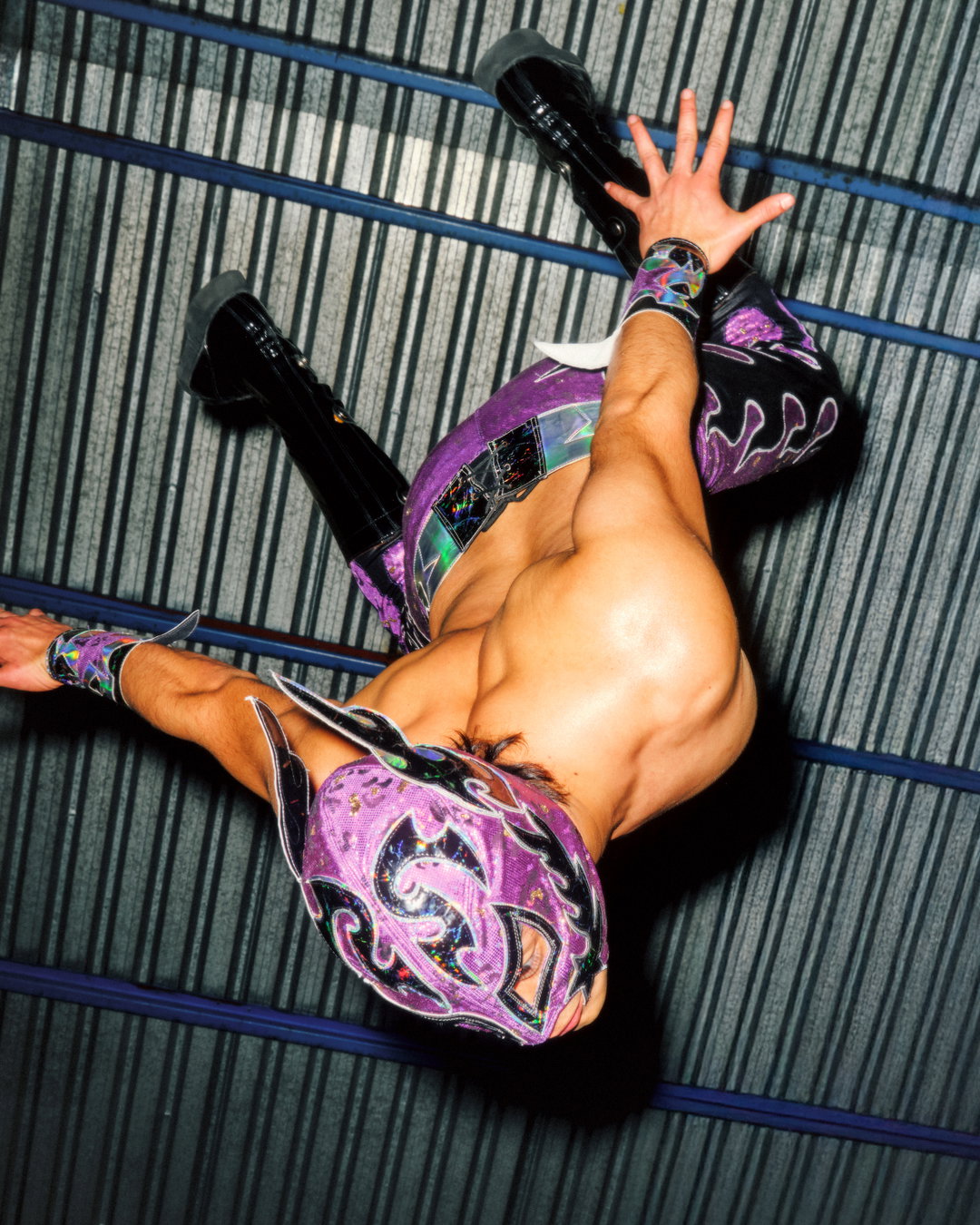
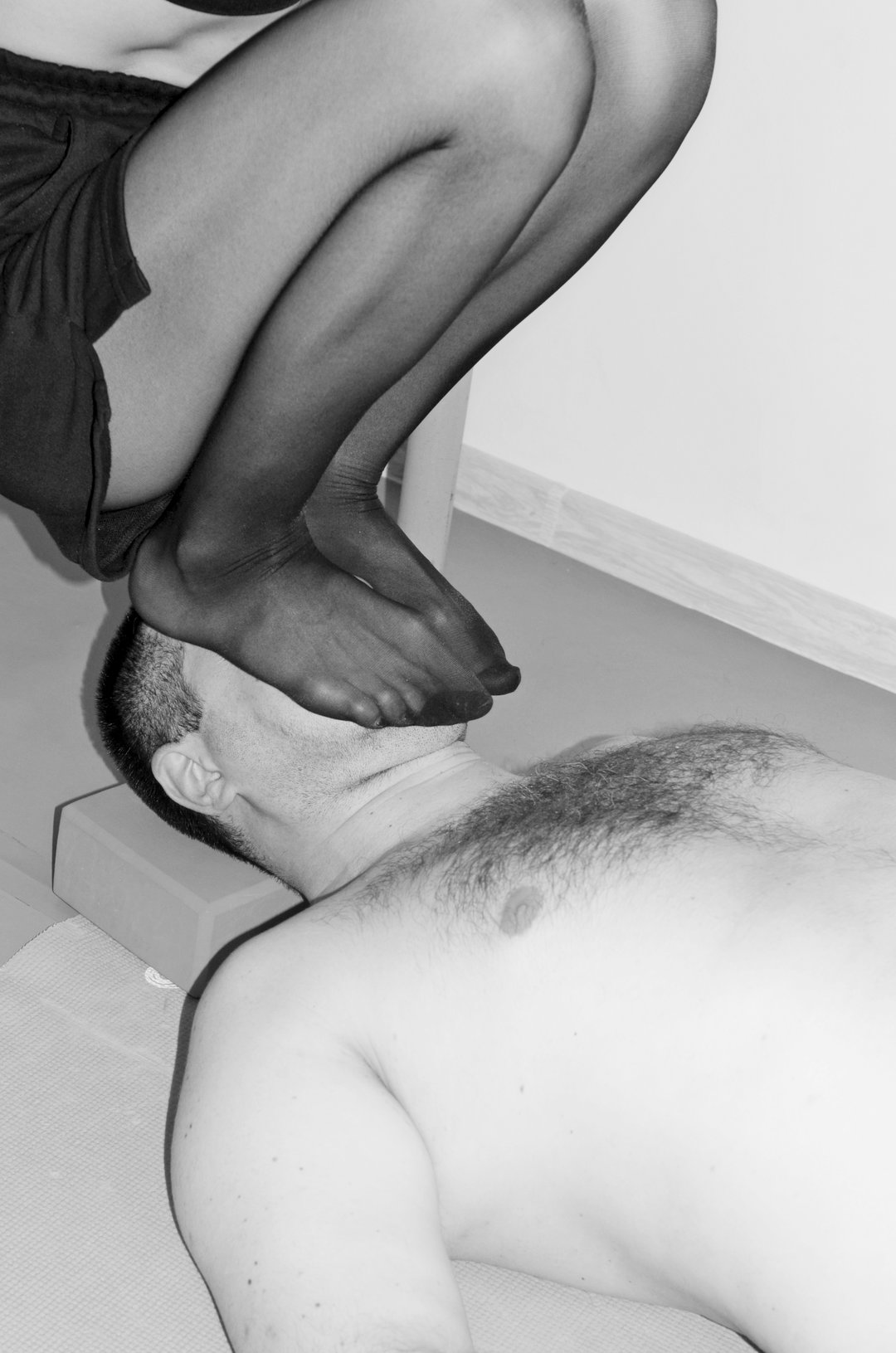
More of Genevieve’s predictions for the trends in the coming years also speak to this notion, deepening the human-centred narratives that creatives are turning to, including sincerity. Here, Genevieve sees “emotion, intimacy, and candour becoming even more central to visual culture”. Similarly, under what the report labels Creative Ferality, we could expect a pivot towards the undomesticated, whereby “wildness, unpredictability, and instinctive making as antidotes to computational workflow”. There are flavours of this untamed perspective in the report’s Body High insight, where we’re seeing more skin and sweat than ever before. Under a tentatively spiritual idea of free-living, indulgence and baring one’s body, the recurrence of real world social rituals – be it dancing, eating, indulging, running – speak again to our reaction against the digital; living more presently, anti-scrolling, non-optimised, perchance, a post-digital society.
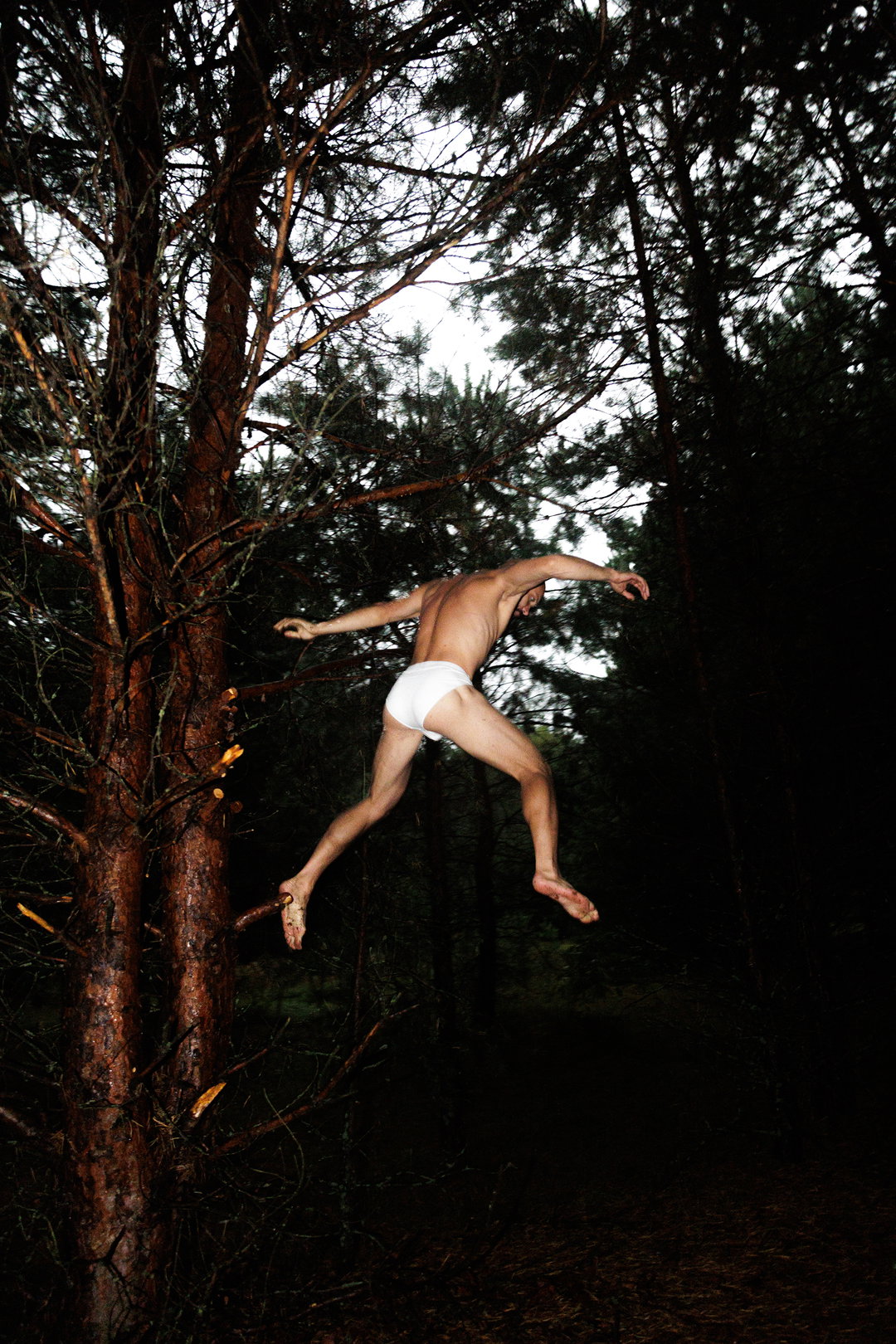
Ivan Andrianov (Copyright © Stocksy, 2025)
Carmen Palma (Copyright © Stocksy, 2025)
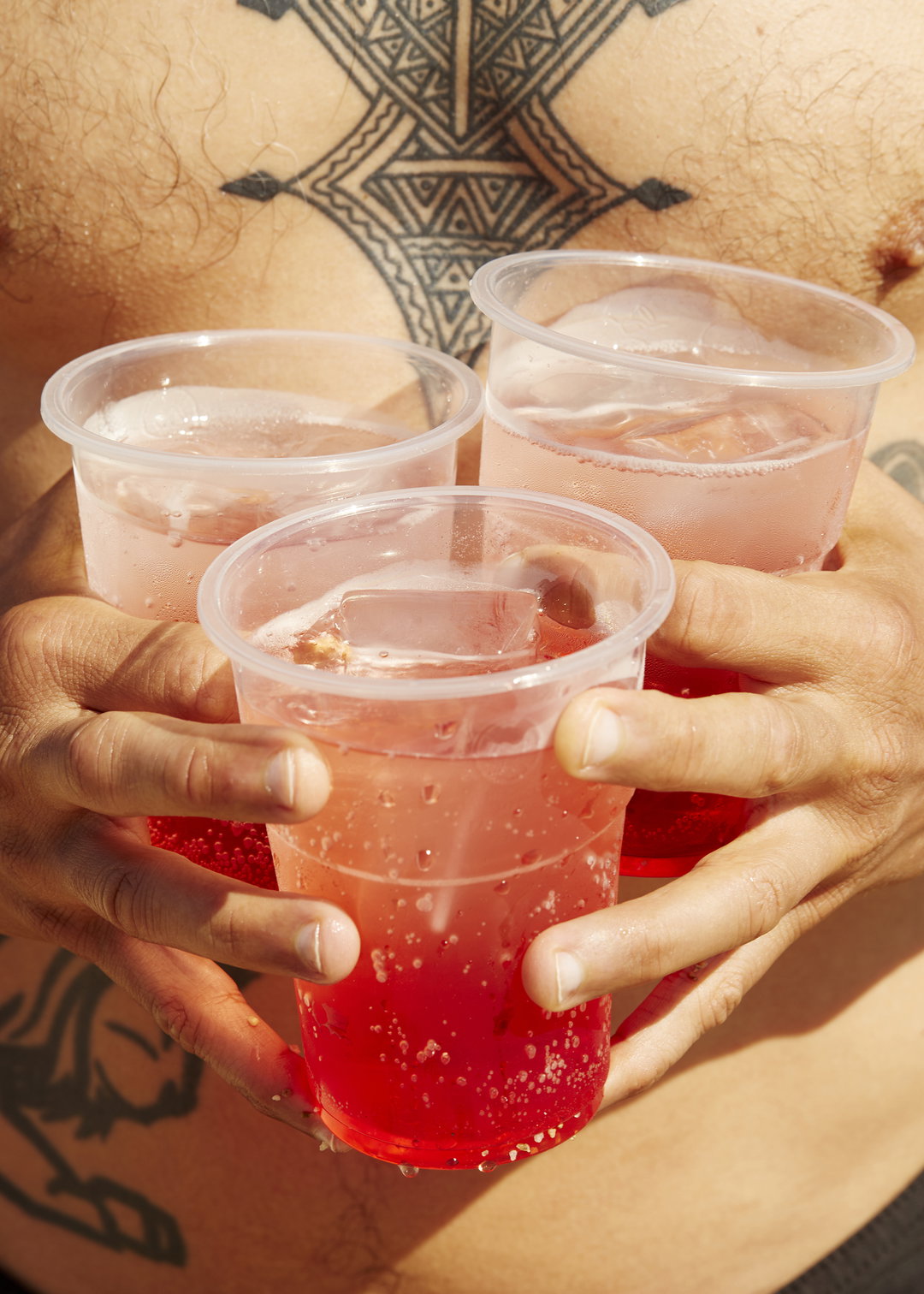
Carmen Palma (Copyright © Stocksy, 2025)
Pampering and pleasure is also on the agenda in Revenge Living, Signs of Life’s final insight, which records the use of pleasure as protest. “Revenge Living does share the principles of embodiment and connection,” Genevieve says, “but then layers on a kind of ‘fuck it’ operating system for modern life,” a philosophy forged by the global uncertainty we’re facing. Again optimistic, Genevieve adds, “if the future is so uncertain, the only logical response is to live intensely, beautifully, and now.” What this means, similar to Body High, is we’re seeing more of a free-living, feral side to culture emerging, a post- or pre-crisis sensibility that gravitates towards tactility, joy and connection. There are more depictions of parties and shared meals, dancing and dress up. Not serving as a plaster to a pessimistic world but instead a reminder of how great life is. Things are slower, there is more space and less screentime. “This whole attitude has a subversive moral coding,” Genevieve says, “at first glance it might appear to be naïve hedonism or a palliative coping mechanism […] but it’s a strategic kind of indulgence.” In this release, we’re reacting against productivity and automation – seemingly Victorian notions of commerce and industry.
Albeit a loaded phrase, Revenge Living has a profoundly optimistic takeaway that embodies a lot of Signs of Life, encouraging us to find joy and beauty – within our work or not – and to live well where possible. “The simple fact of having fun is like a psychological clearing house for burdening gravity – heaviness, excess, moralising, clutter,” Genevieve ends, “that locks us into static patterns of thinking and behaving.” That said, we’re starting to break free.
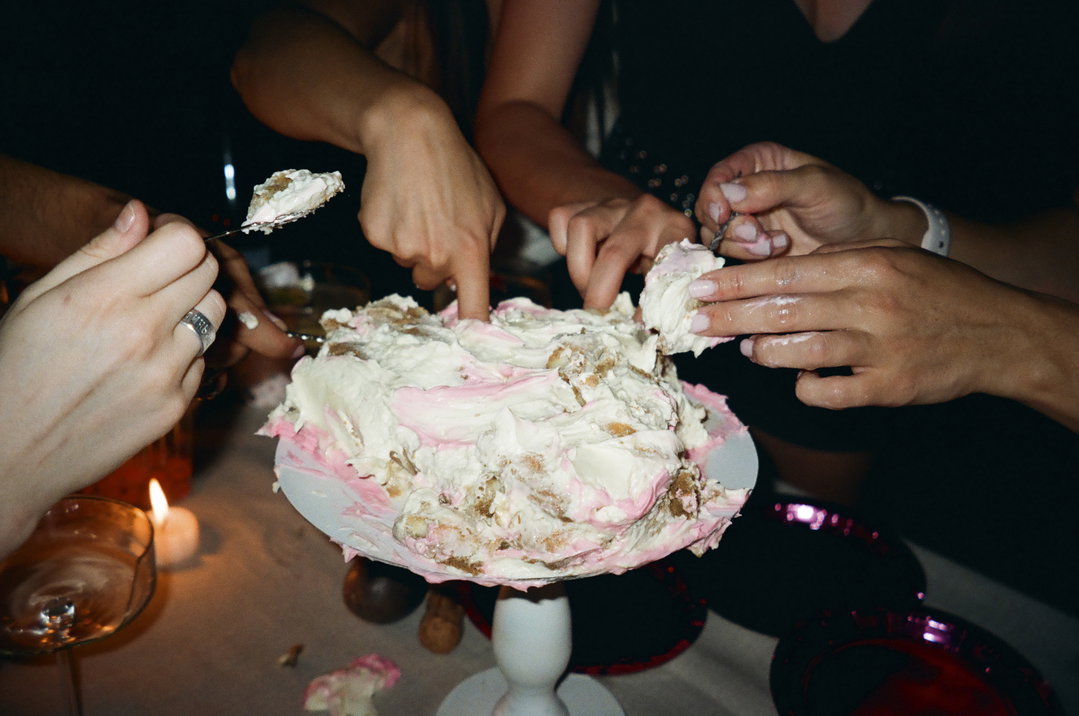
Hanna Snytchanka (Copyright © Stocksy, 2025)
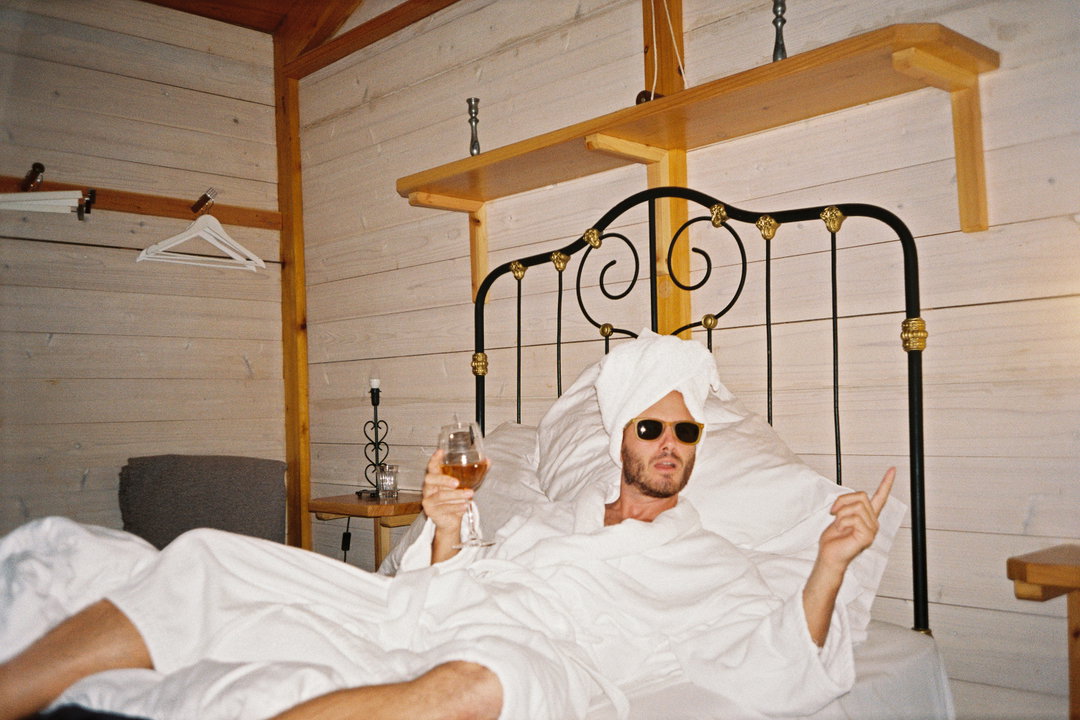
Lucas Ottone (Copyright © Stocksy, 2025)
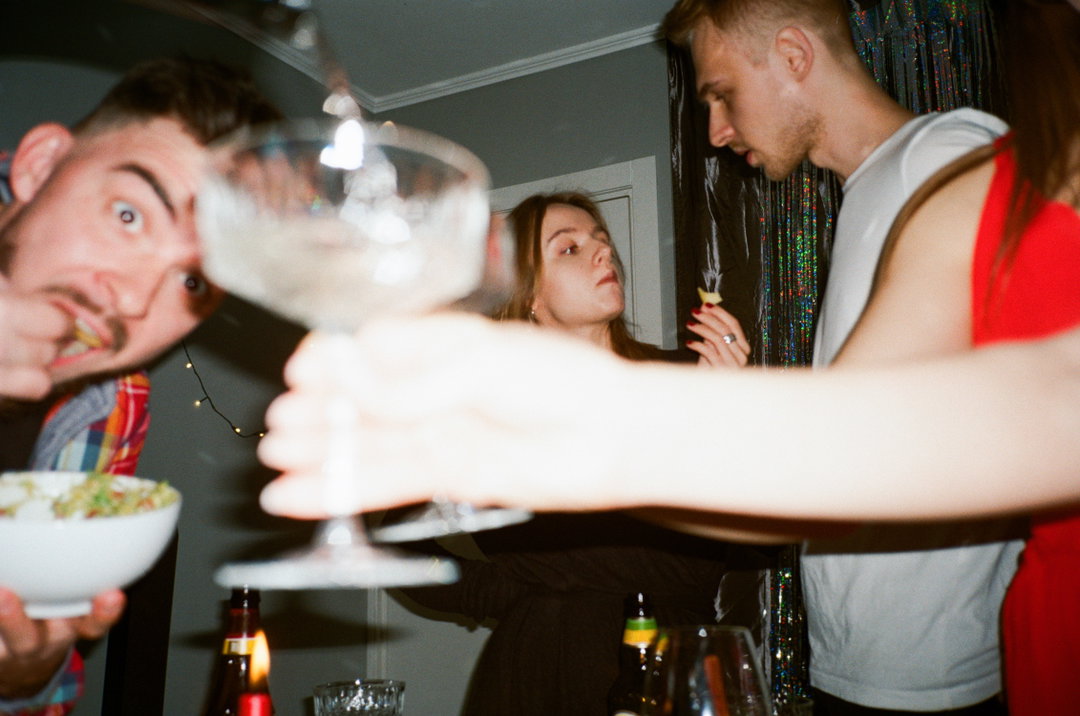
Asya Molochkova (Copyright © Stocksy, 2025)
Luciano Spinelli (Copyright © Stocksy, 2025)
Sponsored by
Hero Header
Dima Sikorski (Copyright © Stocksy, 2025)
Share Article
Further Info
About the Author
—
This article was sponsored by a brand, so is marked up by us as Sponsored Content. To understand more about how we work with brands and sponsorships, please head over to our Work With Us page.