Creativity in the Big Content age: welcome to Stocksy’s Curation Paradox
Available to download now, the premium stock creative media platform’s latest report breaks down how creatives and clients are losing out due to the homogeneity of curated imagery we consume.
Share
The internet promised a lot, and delivered on a lot of that too. One such thing is inspiration – infinite inspiration, in fact. But somewhere along the way, everything began to collide together, amalgamating into a single entity, whereby creatives – at the whim of algorithms – are being fed a lot of the same stuff. This conundrum is what’s explored in Stocksy’s latest trend report, The Curation Paradox, asking why, despite the boundless access to creativity we have, originality is feeling harder to come by.
With platforms today – and arguably design software too – encouraging an almost fast-food approach to imagery, where we find ourselves in a loop of scrolling, liking, sharing and repeating, Stocksy’s creative director, Genevieve Ross, explains the internet’s drastic impact on how creative people process (and value) visual information. “The constant scroll flattens our attention spans and lowers our tolerance for ambiguity or complexity,” Genevieve says, meaning we lose our ability to think laterally. “Our eyes and brains evolved over millions of years,” she says, “and now we’re expecting AI – barely a few years into functional existence – to match or surpass that.” As such, we face the threat of AI not helping us execute tasks more rapidly but replacing how we think entirely. “When we outsource inspiration, intuition, and those weird, unexpected mental leaps to machines,” she explains, “we risk hollowing out the core of the creative process,” stressing the need to preserve that approach, especially thoughts, philosophies and mindsets that don’t mirror a traditionally optimised digital workflow. “Things that take time,” Genevieve adds, “things that come from people thinking for themselves.”

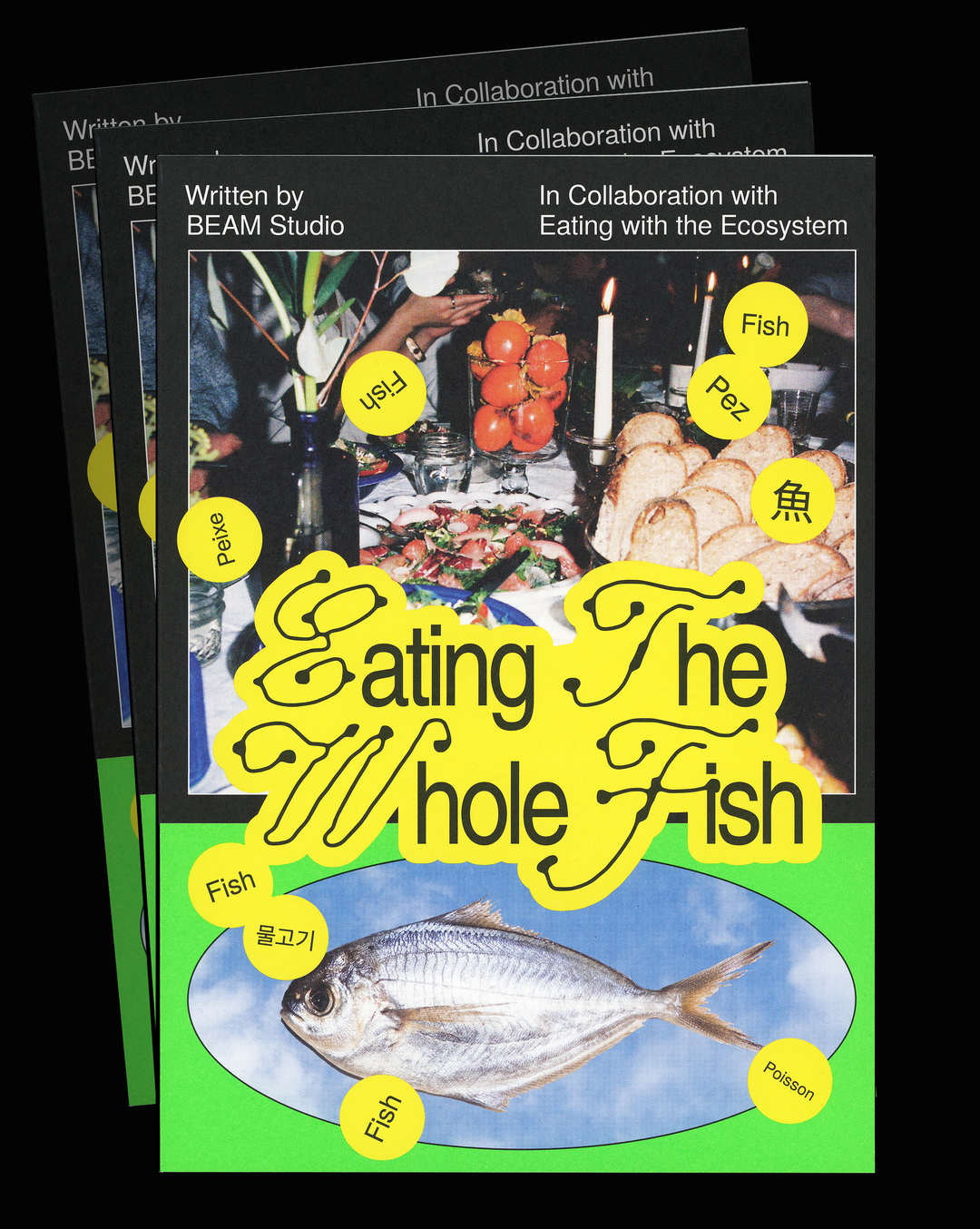
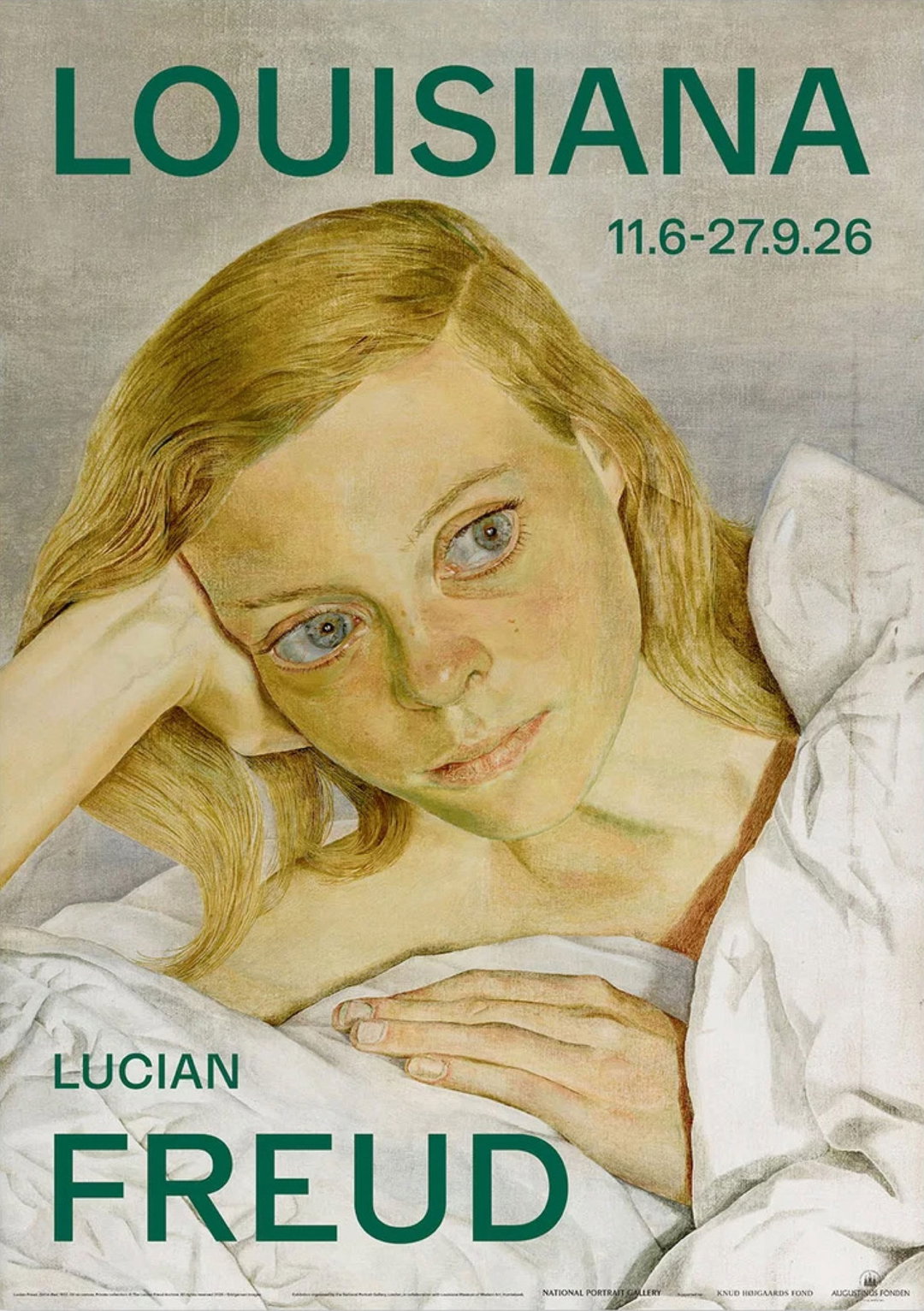
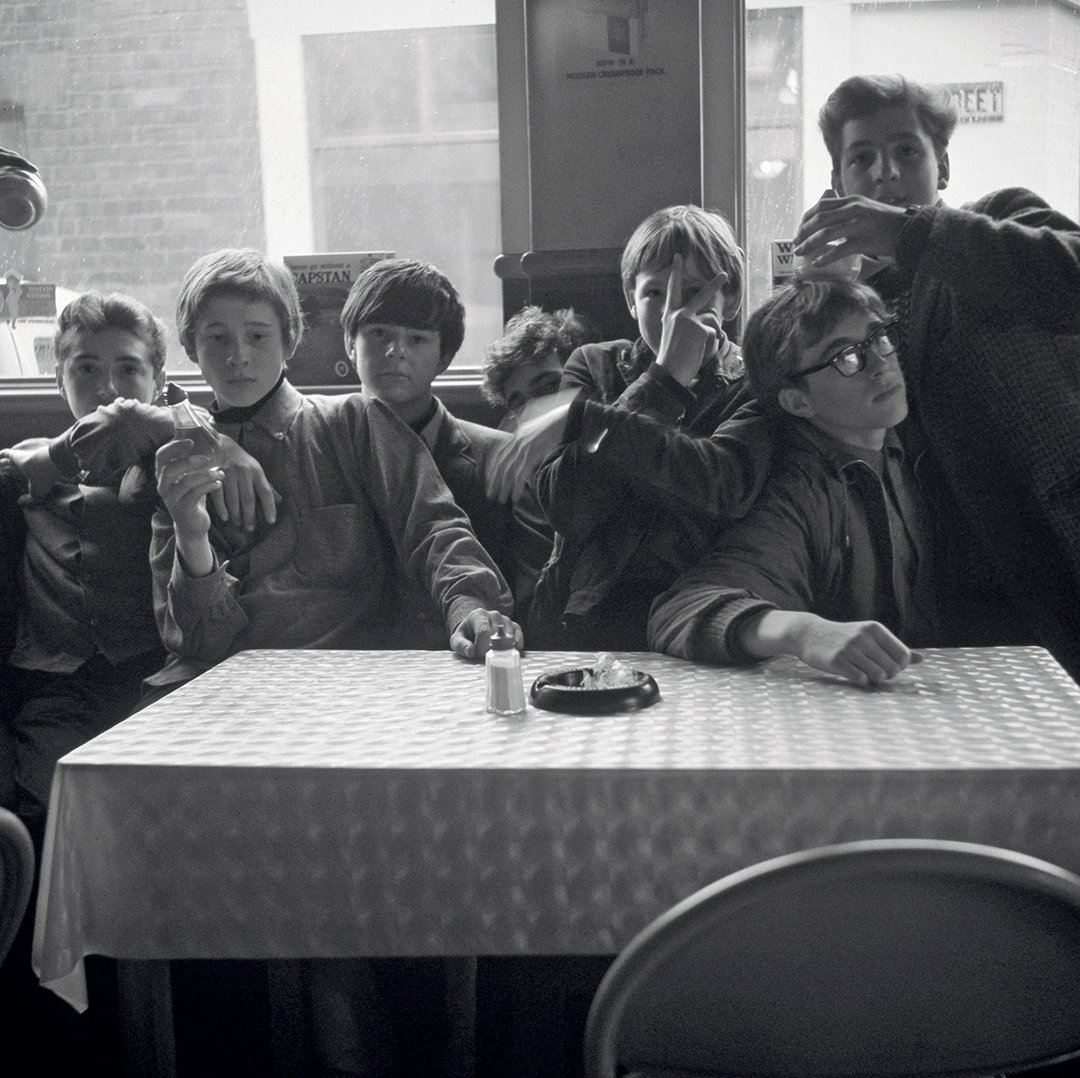
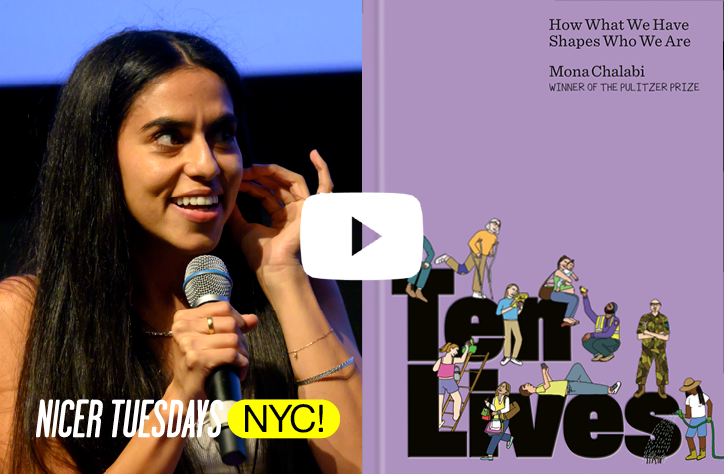
Stocksy: Curation Paradox, Diane Villadsen (Copyright © Stocksy, 2025)

Stocksy: Curation Paradox, Rachel Schmidt (Copyright © Stocksy, 2025)
Stocksy: Curation Paradox, Abigail Tulenko (Copyright © Stocksy, 2025)

Stocksy: Curation Paradox, Abigail Tulenko (Copyright © Stocksy, 2025)
According to Stocksy’s report, we live in the “age of Big Content,” faced with a homogenous creative landscape of recycled ideas, aesthetics and approaches. However, not all is lost. “It starts with awareness,” Genevieve and senior designer Bry Williams tell us, encouraging creatives to counter the formulaic, data-driven loop of continuous content. “We need to break from that tech industry mindset of productising creativity like it’s just another tool in the stack.” Bry gives the example of DTC millennial brands becoming increasingly homogenised, all rigidly adhering to an identikit formula in their business model, look and feel, and tone of voice. “The most impactful brands aren’t the ones that play it safe or follow aesthetic trends,” they continue, “they’re the ones that take creative risks, break category conventions, and offer a distinct point of view.” Consequently, this necessitates a shift in how we think – one from replication to differentiation, as Bry and Genevieve explain. “If you want to stand out, you can’t keep chasing what’s already out there,” they add, “you have to back original thinking, and give it space to breathe.”
“Ultimately, we want people to see design not just as visual output, but as a thinking process”
Genevieve Ross and Bry Williams
What The Curation Paradox expresses is the importance of creativity’s role, not only artistically but economically. “Creativity is not a nice-to-have,” Bry and Genevieve say, “it’s a core business differentiator,” one that, sadly, is often rushed in our current culture’s rapid pace. But in a climate that rewards speed, scale, and sameness, that’s easy to forget. “Ultimately, we want people to see design not just as visual output, but as a thinking process,” they continue, “a way of solving problems, shaping meaning, and creating resonance.” But it needs space, trust, and investment to thrive. “The core message of The Curation Paradox is that creativity isn’t a luxury or a service,” Genevieve ends, “it’s an investment that pays off in the long run.”

Stocksy: Curation Paradox, Tarik Kizilkaya (Copyright © Stocksy, 2025)

Stocksy: Curation Paradox, Jan Michalko (Copyright © Stocksy, 2025)

Stocksy: Curation Paradox, Irina Bo (Copyright © Stocksy, 2025)

Stocksy: Curation Paradox, Alina Hvostikova Tbilisi (Copyright © Stocksy, 2025)

Stocksy: Curation Paradox, Tatyana Lavrova (Copyright © Stocksy, 2025)

Stocksy: Curation Paradox, Ogoh Clement (Copyright © Stocksy, 2025)

Stocksy: Curation Paradox, Shilika Chisoko (Copyright © Stocksy, 2025)

Stocksy: Curation Paradox, Studio Sincère (Copyright © Stocksy, 2025)
Sponsored By
Hero Header
Stocksy: Curation Paradox (Copyright © Stocksy, 2025)
Share Article
About the Author
—
This article was sponsored by a brand, so is marked up by us as Sponsored Content. To understand more about how we work with brands and sponsorships, please head over to our Work With Us page.