Delving into the sketchbooks of one of the 20th Century's most important filmmakers
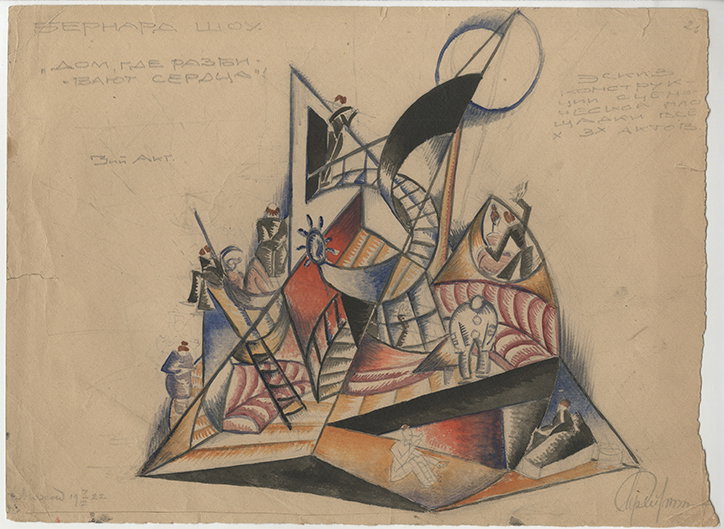
Poring over someone else’s stetchbooks, half-finished ideas and doodling is always a fascinating and revelatory process. This is especially true when these scribbled workings are formed by those we know best for huge projects, such as the Russian filmmaker Sergei Eisenstein, who was behind revolutionary films including The Battleship Potemkin and Ivan the Terrible. His sketches for costumes, characters and other plans are to go on show next month at London’s GRAD gallery in a show entitled Unexpected Eisenstein. Around 70 works are on show including sketches and other printed materials that according to the gallery, demonstrate not only the filmmakers polymathic abilities, but his passion for all things English.
“This alternative strand to Eisenstein’s creative legacy is illustrated through his diverse, imaginative and often surprising graphic works,” says GRAD. “Ranging from quirky caricatures sketched in his youth to angular theatre designs for Macbeth in the 1920s and drawings inspired by D H Lawrence and Arthur Conan Doyle, this was a means of theoretical and professional experimentation as well as a personal expression. Displayed alongside film clips, photographs, objects and radio broadcasts from the BBC archives, Eisenstein’s drawings will reveal the range of one of the greatest creative minds of the 20th Century.”
Unexpected Eisenstein runs from 17 February – 30 April 2016 at GRAD Gallery
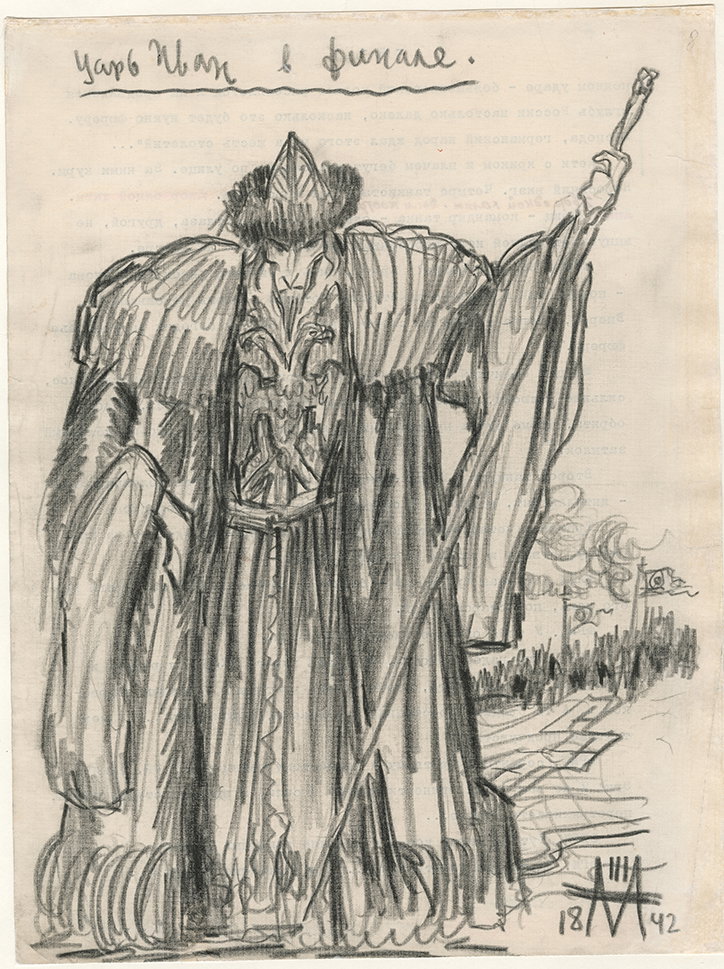
Sergei Eisenstein: preparatory drawing for Ivan the Terrible,1942, pencil on paper
©Russian State Archive of Literature and Art, Moscow
Sergei Eisenstein: preparatory drawing for Ivan the Terrible,1942, pencil on paper
©Russian State Archive of Literature and Art, Moscow
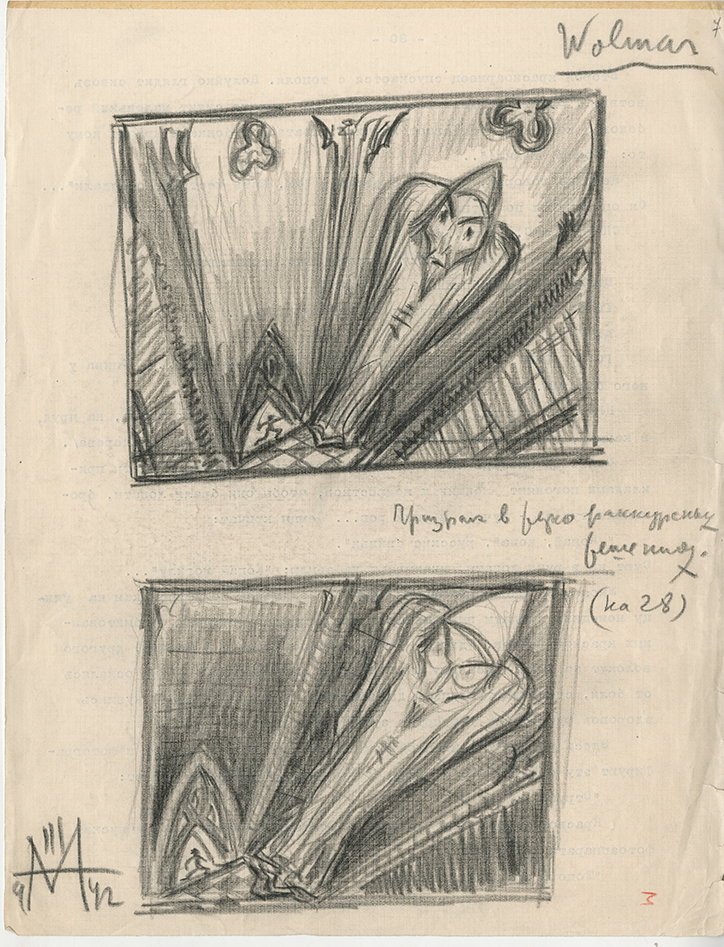
Sergei Eisenstein: preparatory drawing for Ivan the Terrible,1942, pencil on paper
©Russian State Archive of Literature and Art, Moscow
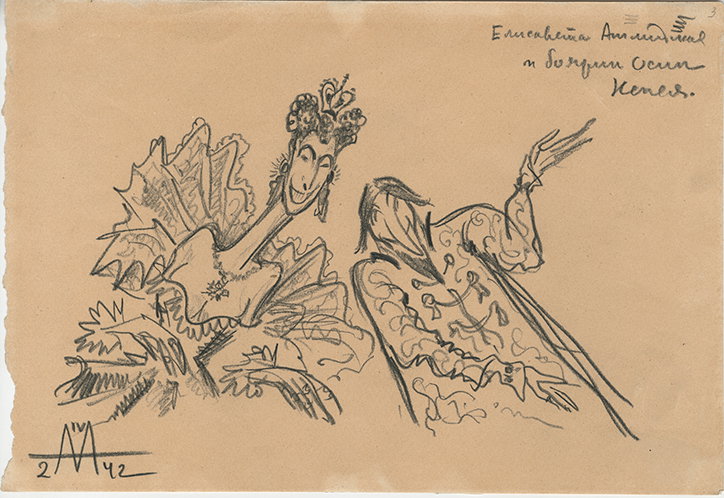
©Russian State Archive of Literature and Art, Moscow
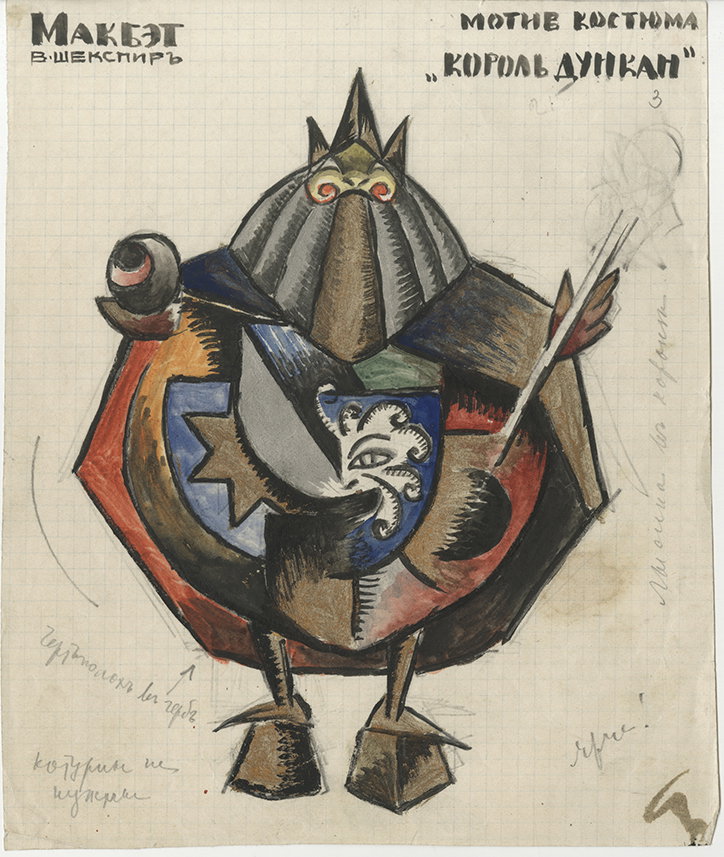
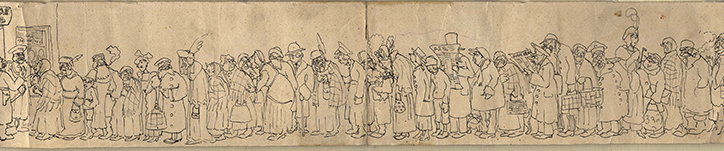
Sergei Eisenstein: Queue,1916, ink on paper
©Russian State Archive of Literature and Art, Moscow
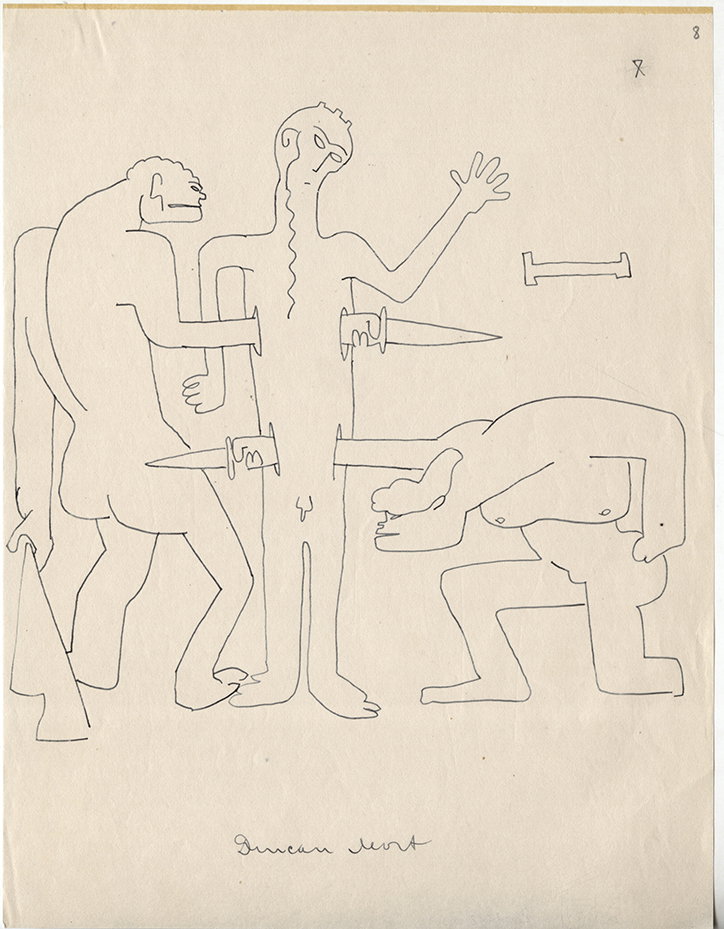
Sergei Eisenstein: Death of Duncan,1931, pencil on paper
©Russian State Archive of Literature and Art, Moscow
Sergei Eisenstein: Thoughts on Music,1938, pencil on paper
©Russian State Archive of Literature and Art, Moscow
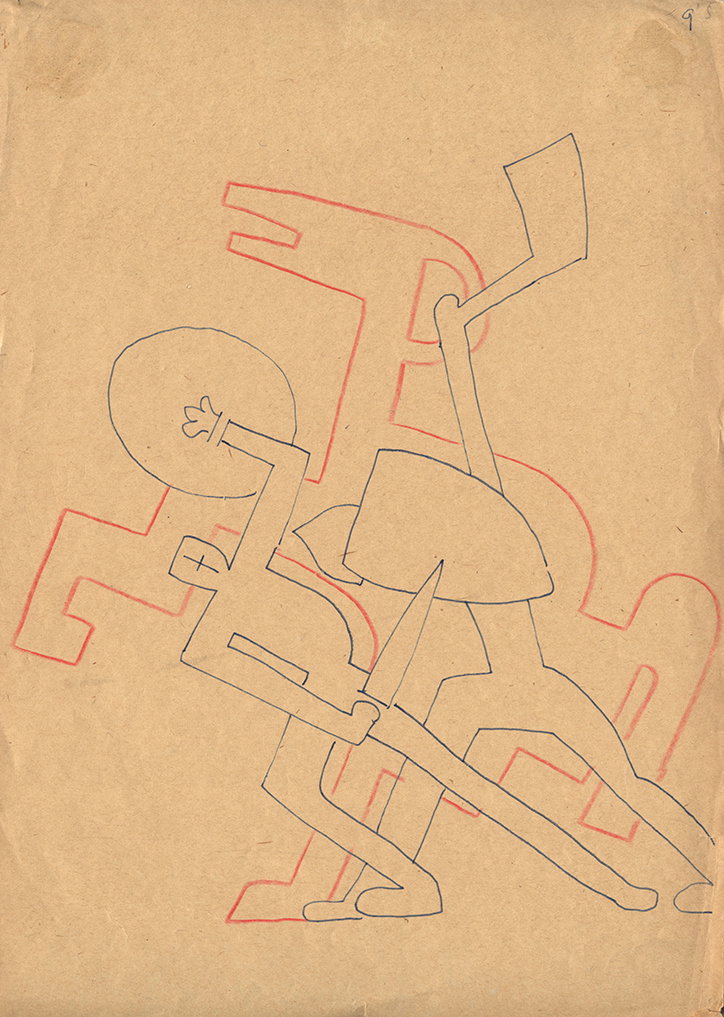
Sergei Eisenstein: Thoughts on Music,1938, pencil on paper
©Russian State Archive of Literature and Art, Moscow
Share Article
Further Info
About the Author
—
Emily joined It’s Nice That as Online Editor in the summer of 2014 after four years at Design Week. She is particularly interested in graphic design, branding and music. After working It's Nice That as both Online Editor and Deputy Editor, Emily left the company in 2016.