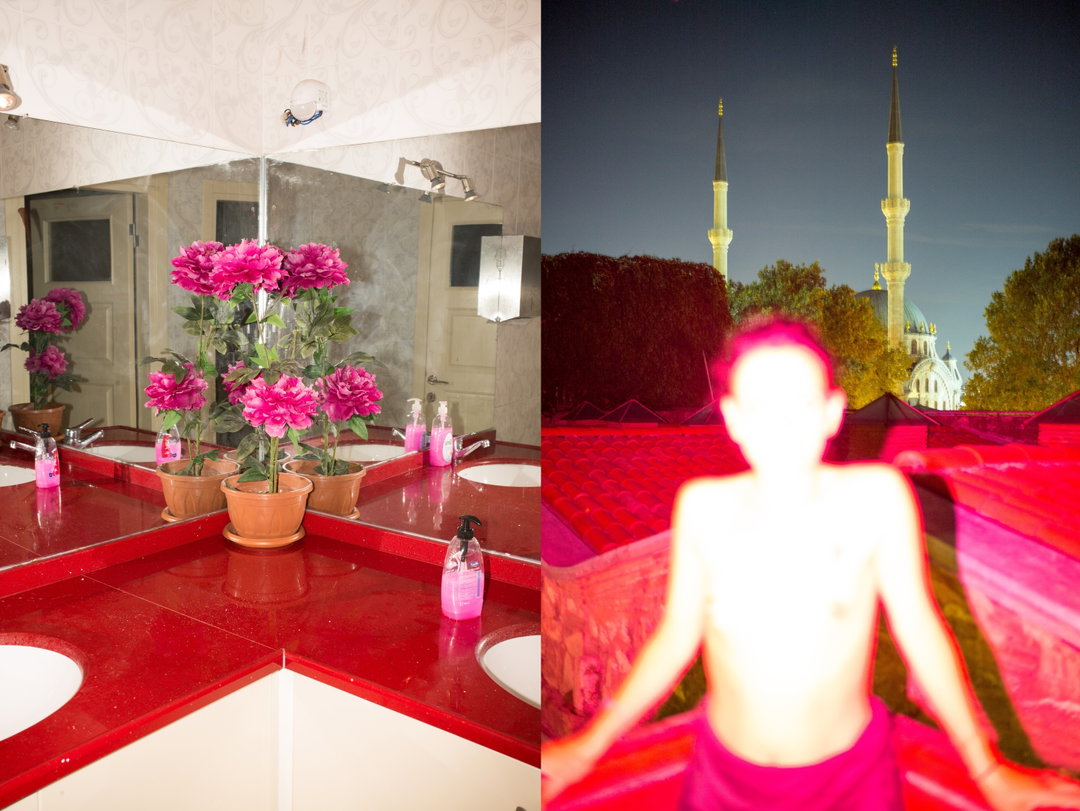
In a new book, photo duo Valentina Piccinni and Jean-Marc Caimi capture the hidden realities of Istanbul
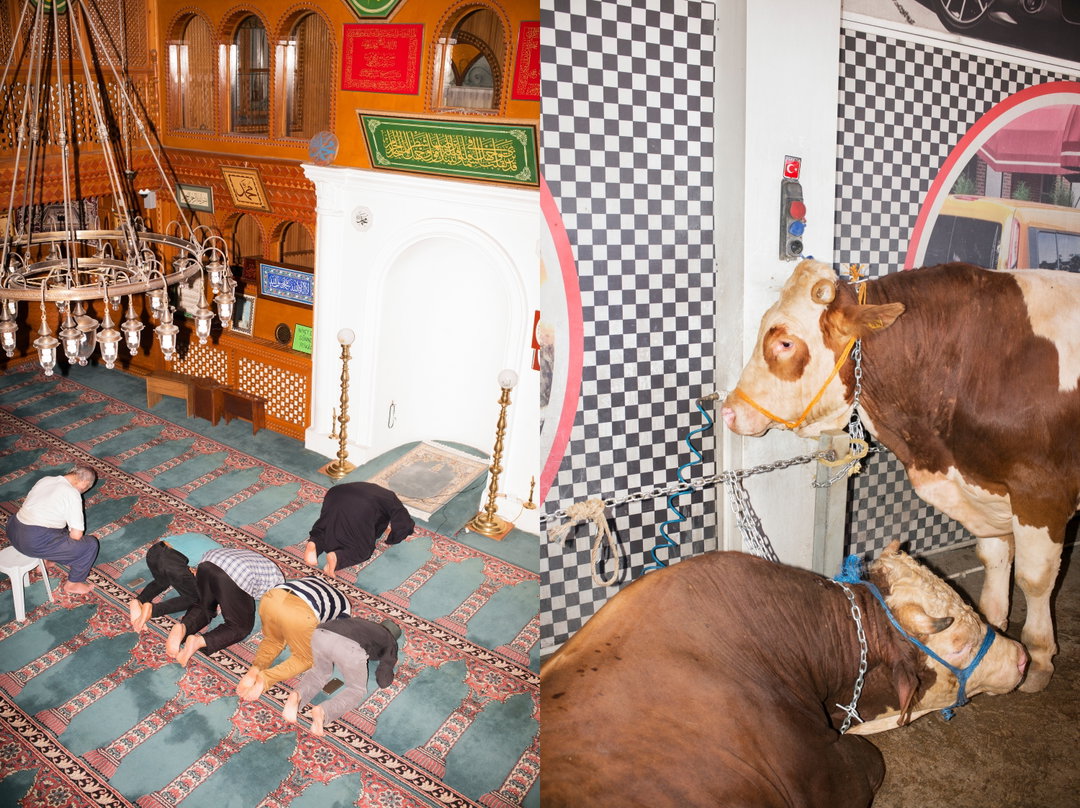
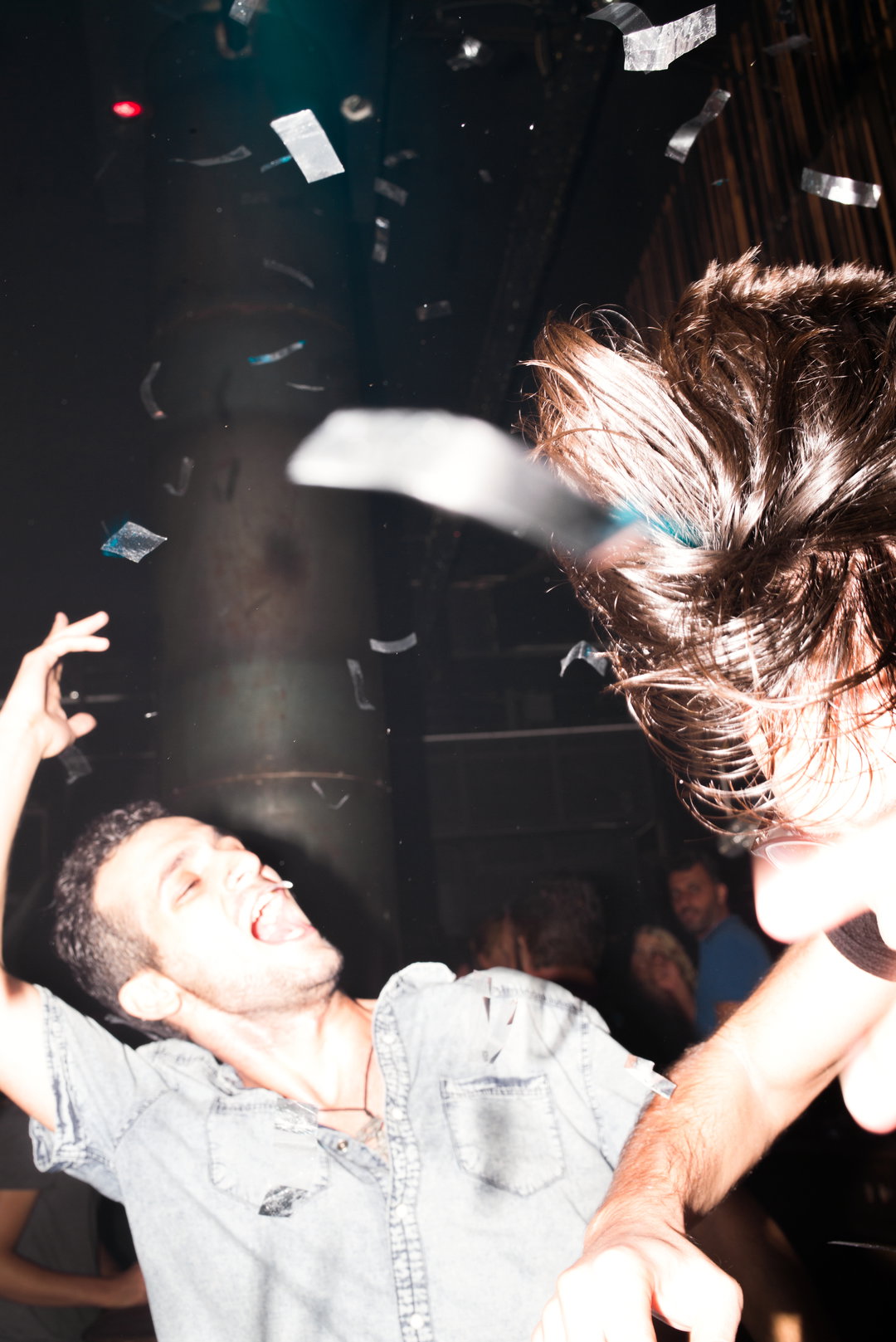
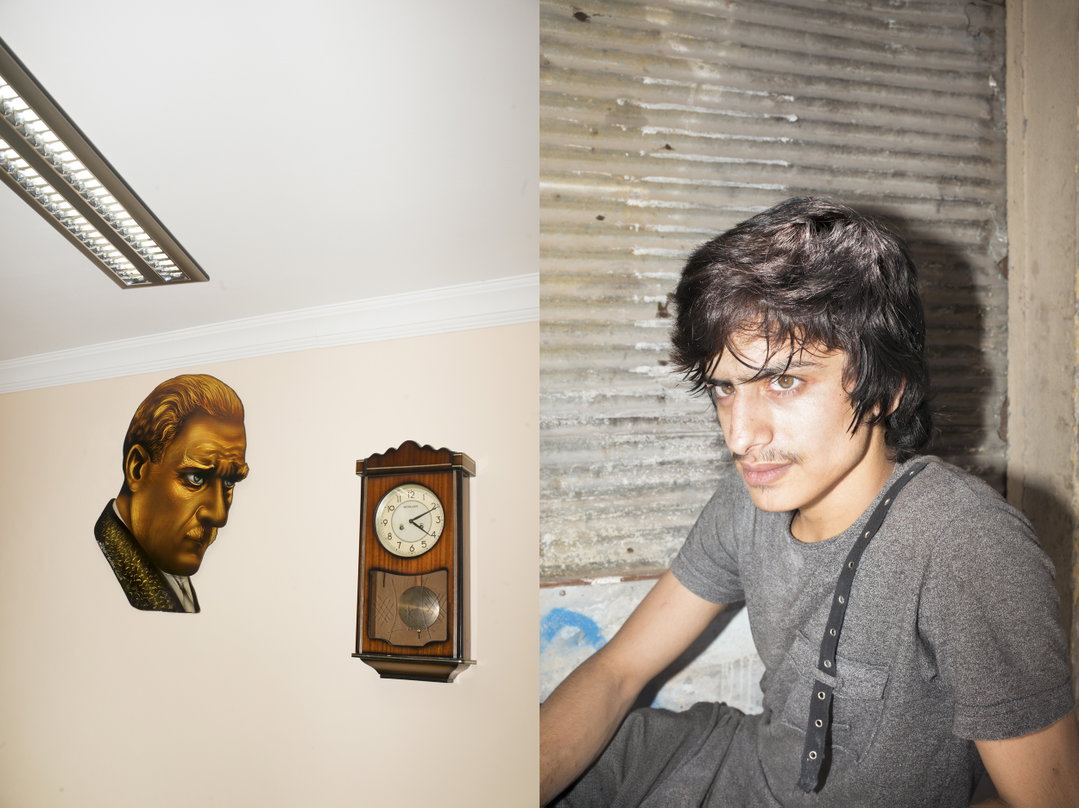
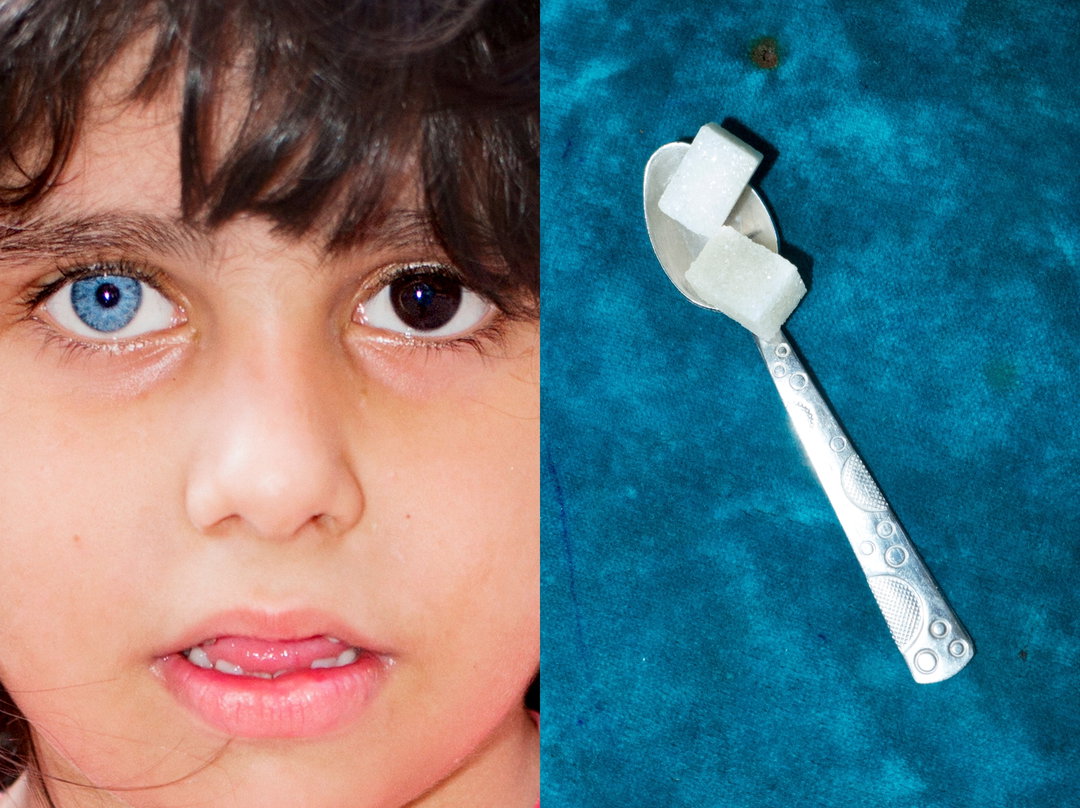
Through a series of flash-lit diptychs, Güle Güle examines the political and societal change currently prevailing in the city.
Share
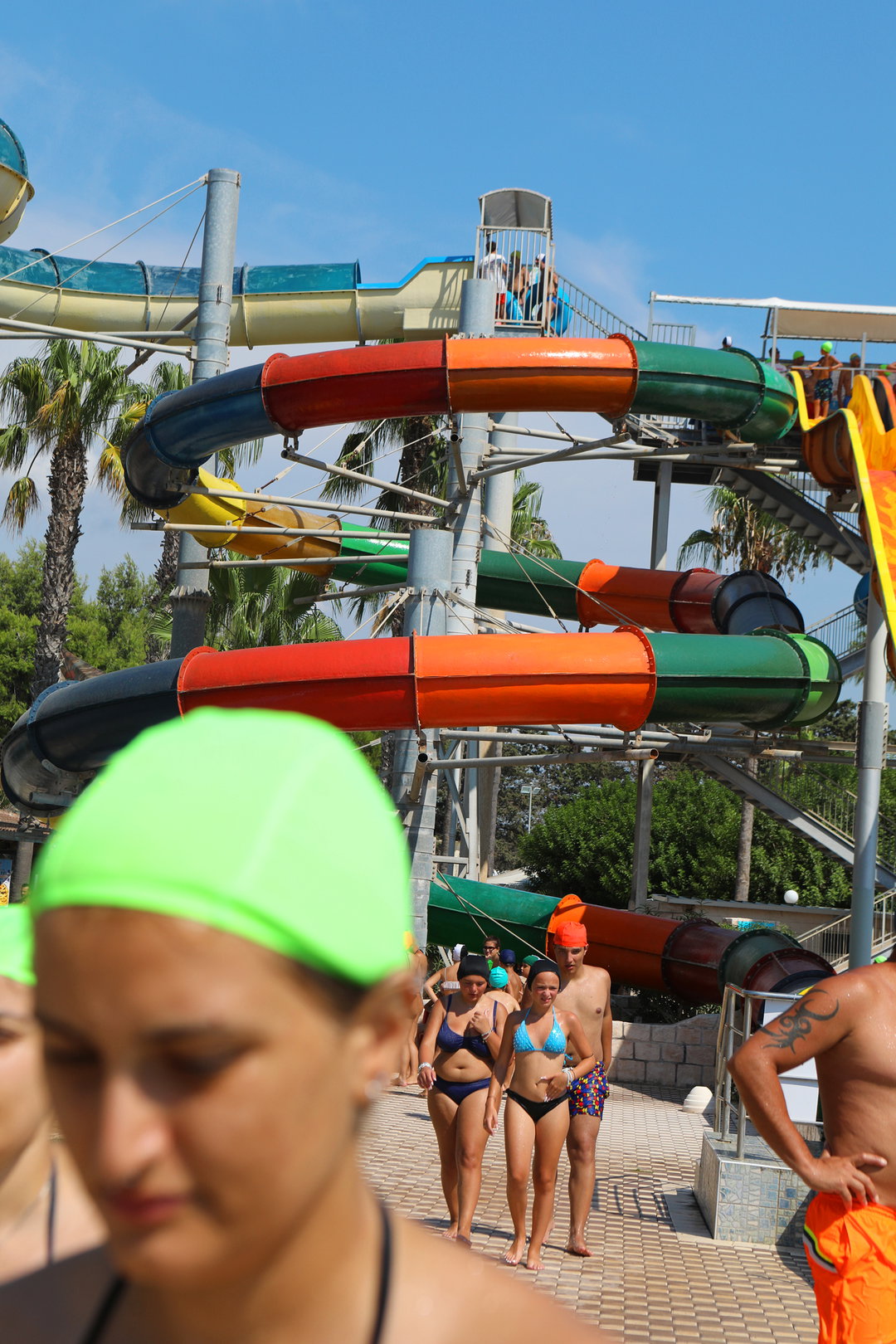
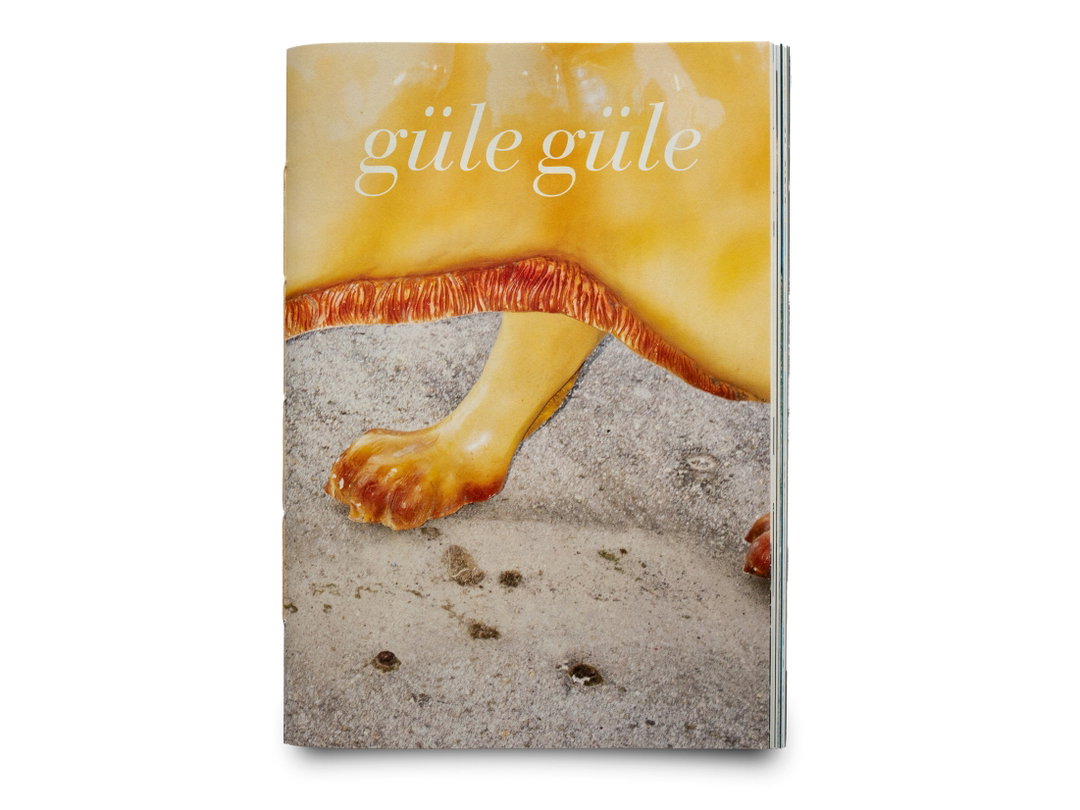
Flash-lit and playful, Valentina Piccinni and Jean-Marc Caimi’s recently published photography book is deceptively ominous. Titled Güle Güle, the series is marked as the third chapter of a long-term project about “cities in transition, places with a mutating nature due to a combination of factors such as cultural, economic, environmental, religious or political,” explains Valentina. After photographing Naples and Rome in the first two chapters, the focus here is Istanbul – where the duo are focusing on the mass political and societal change the city is currently undergoing.
Before heading deeper into the series, let's hear a bit about the duo’s backgrounds. Jean-Marc is a musician, music journalistic and photographer, while Valentina is an art history graduate with a “deep knowledge and interest for ancient and modern painting,” she tells It’s Nice That. These interests lay the foundation to the work they produce now, with an experimental, creative and inquisitive mind leading their mutual approach as photographers. “We actually met in 2013,” she continues, before explaining how this was during the making of their previous Daily Bread book. At the time, Jean-Marc was looking for someone to help edit a bunch of negatives and contact sheets, while Valentina was working as an art curator. “So we started collaborating – we then decided to make a documentary project together, both as photographers, to test if the ‘team’ could also work out of the studio, directly on the field. We have worked on many projects since” – and the rest is history.
On the topic of what drives them both creatively, it’s the contemporary stories and “complex facets of the human condition” that gets them going. “We believe that the ‘who’ is far more important than the ‘what’,” explains Jean-Marc on their photographic focus, emphasising the subject's independent narrative – “their motivation, the social, political and also physical environment that creates the conditions for some event to happen.” In true documentary style, topics such as war, the environment, migration, religion, “things that are driving forces of people’s will”, as well as decisions and emotions form the bases of each and every one of their thoughtful projects.
GalleryGüle Güle: Valentina Piccinni and Jean-Marc Caimi
This human-centred approach can be seen in their latest series Güle Güle. Inspired wholeheartedly by the people they meet and the situations experienced, the series is centred around these relationships with the subjects. “We are drawn into their lives and the situation they are living,” says Valentina. “Like a domino effect, each person gets us to the next one, to another piece of the story that evolves while we live it. As it happens with friendship or love affairs, we are attracted to people with whom we share human affinities, or we are ideologically connected – that’s why there’s much of ourselves in each story.”
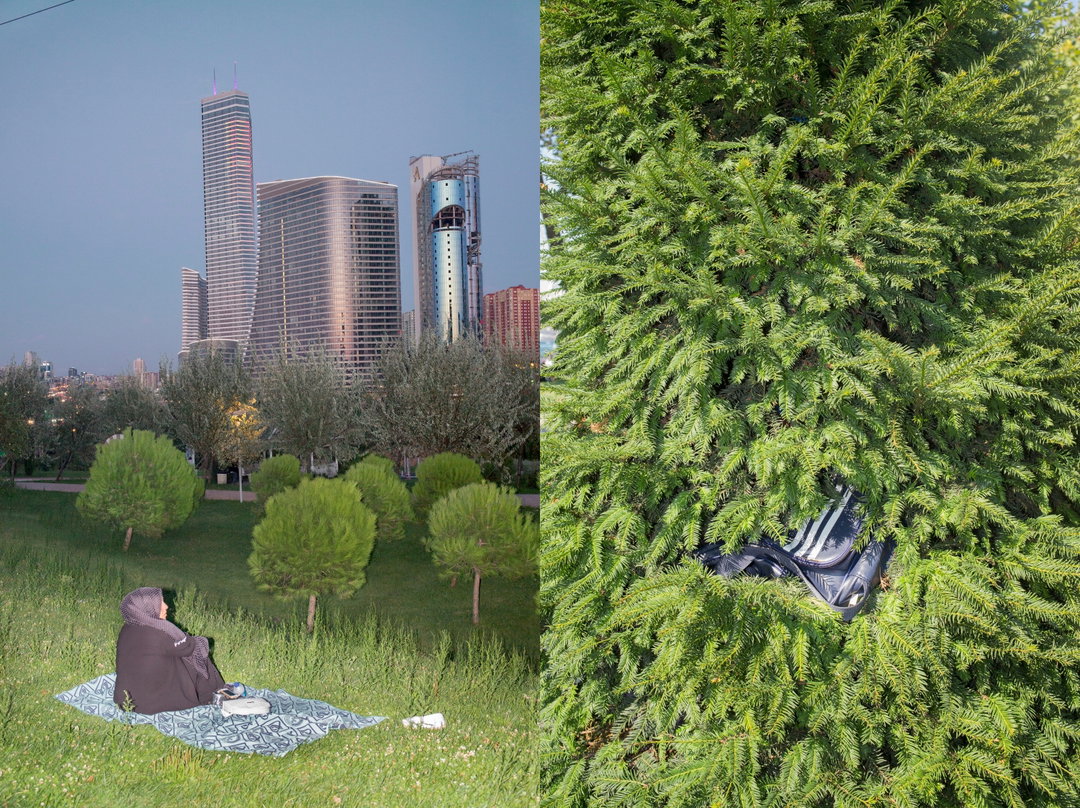
The story in Güle Güle rests on hardship. Even the title, which translates to ‘goodbye’ in Turkish, depicts some level of discomfort. By examining themes of gentrification, marginalisation of the poorer classes, discrimination of homosexuality and the “migratory influx of Syrian refugees and the Kurdish community," the book – with its hidden layers – serves as an honest and harsh reminder of the realities found within Istanbul.
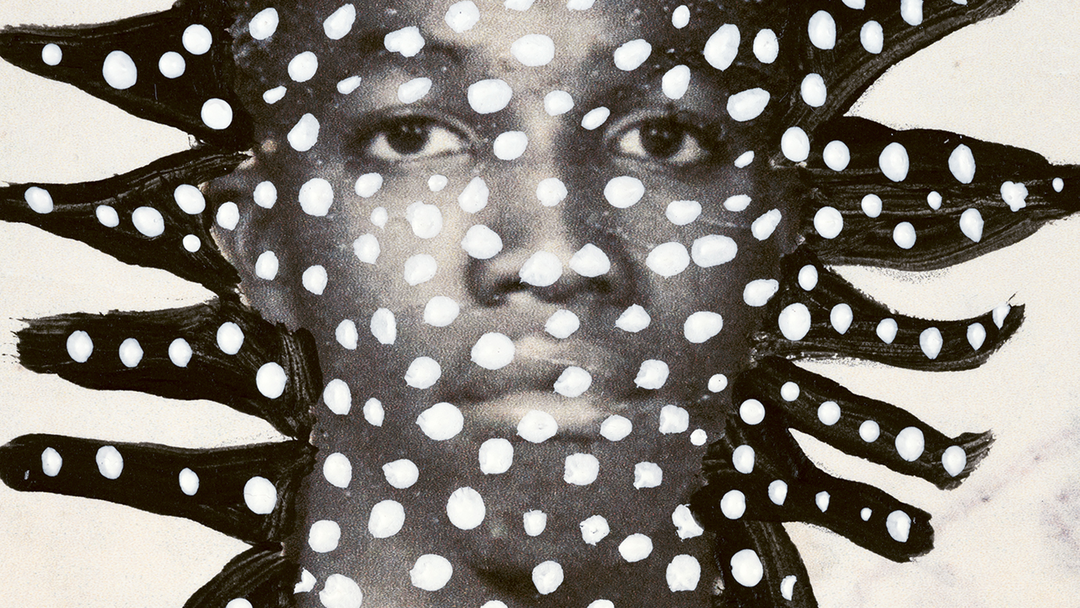
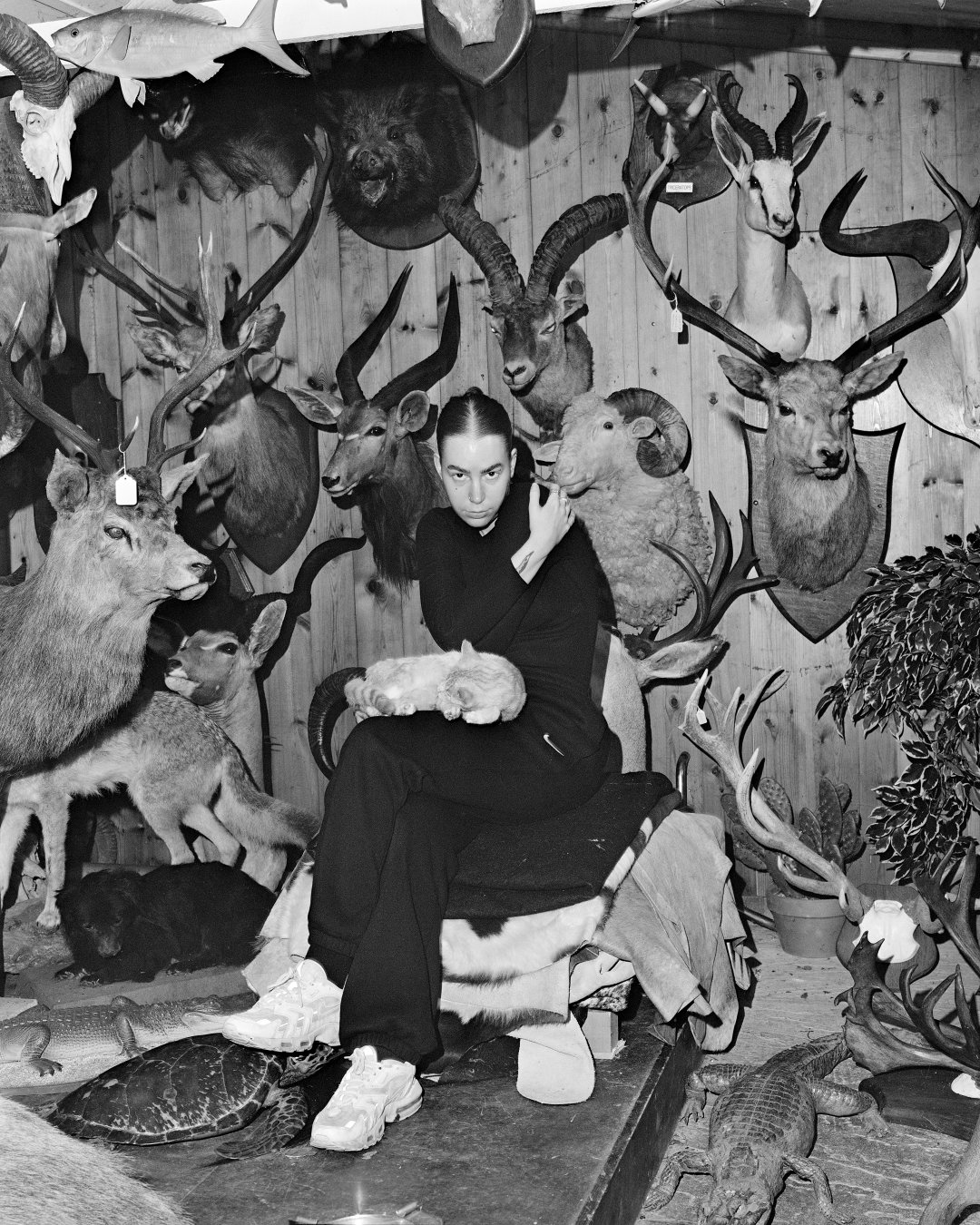
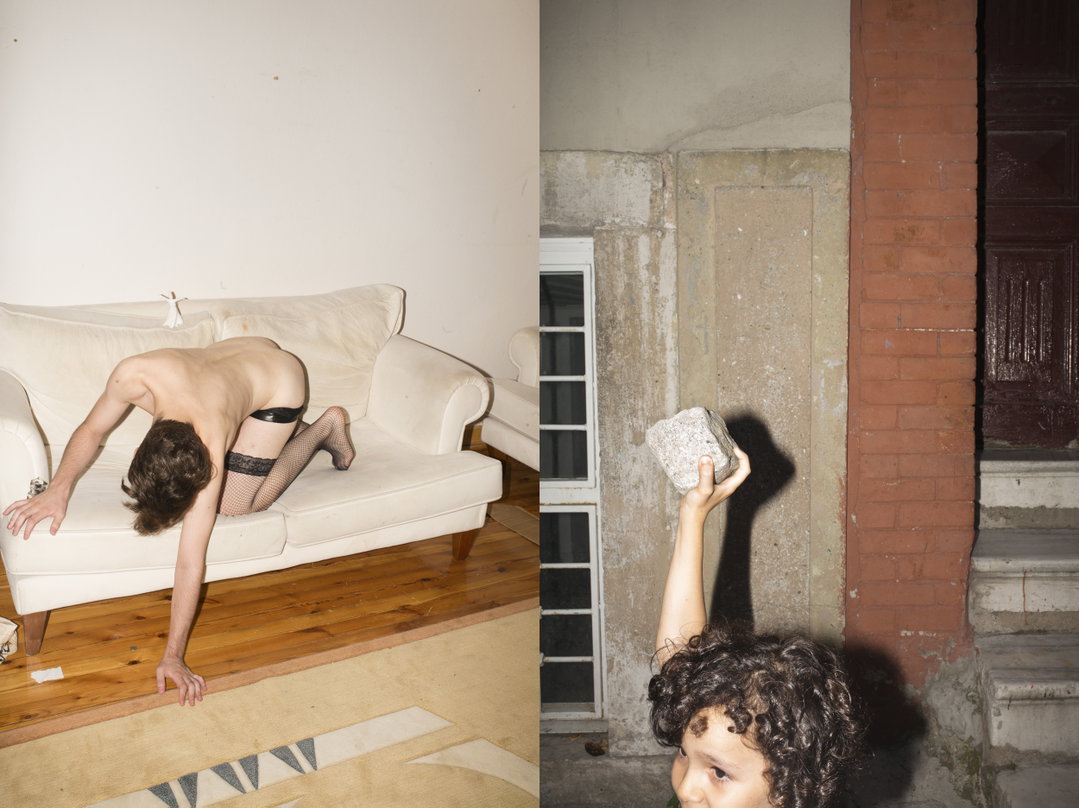
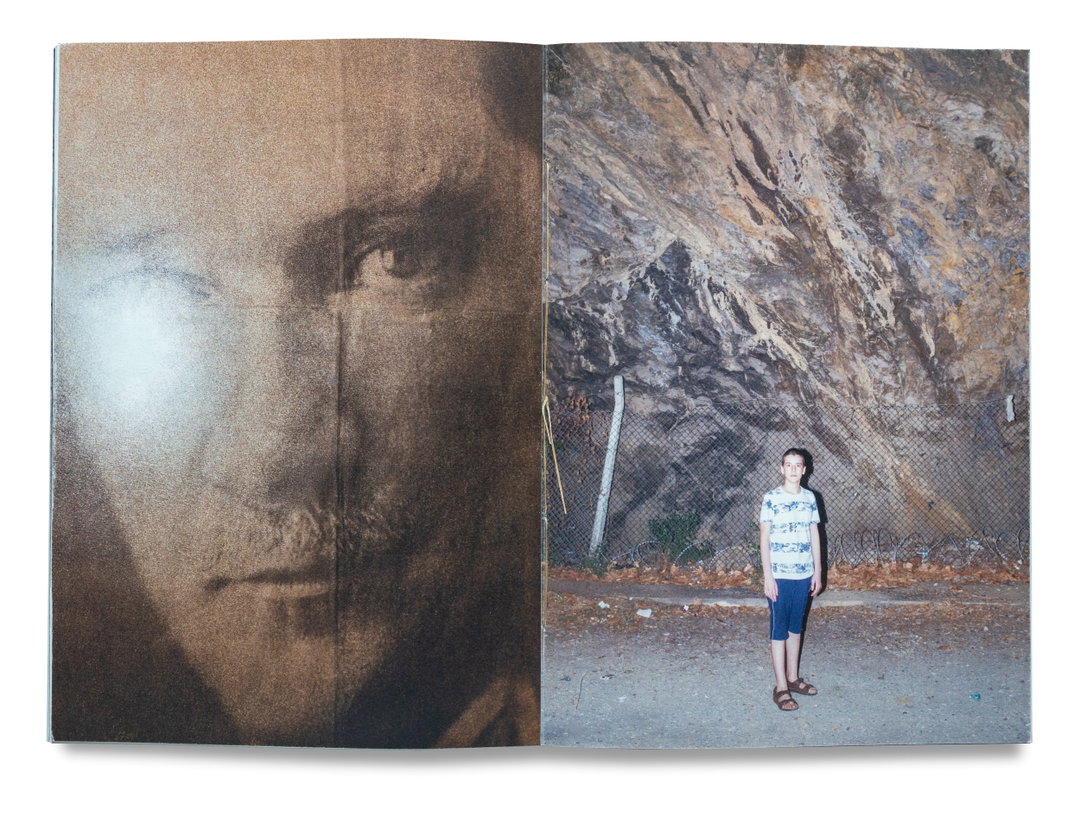
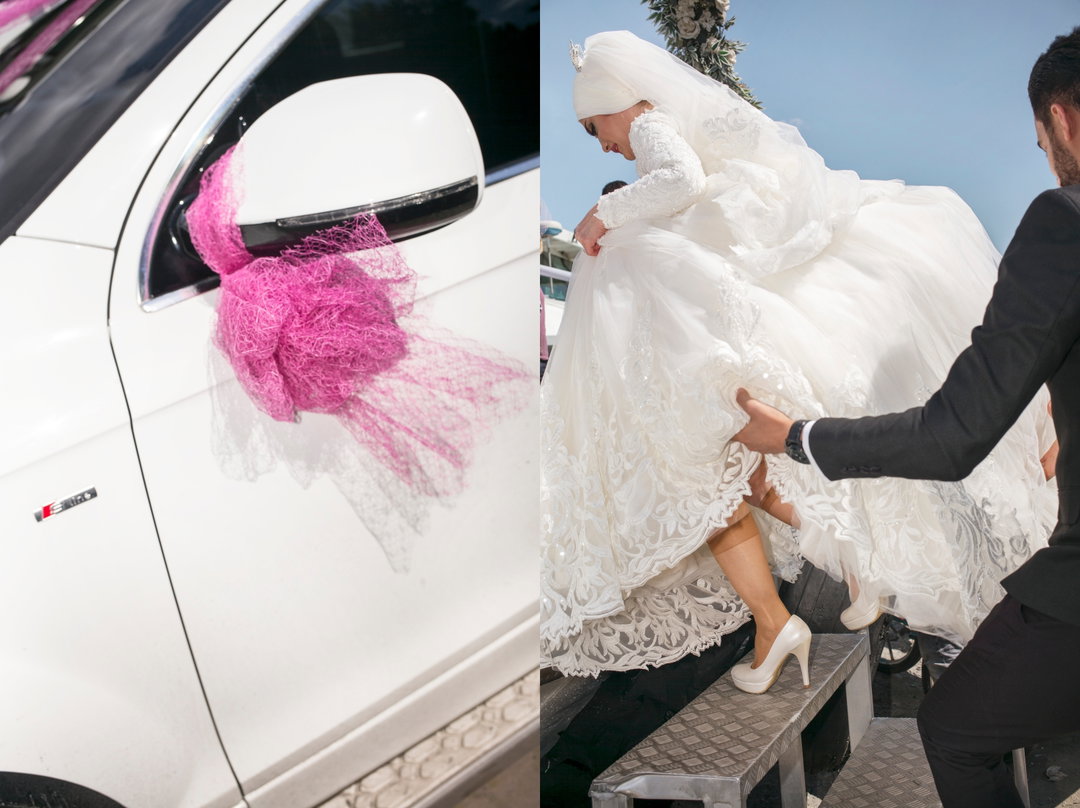
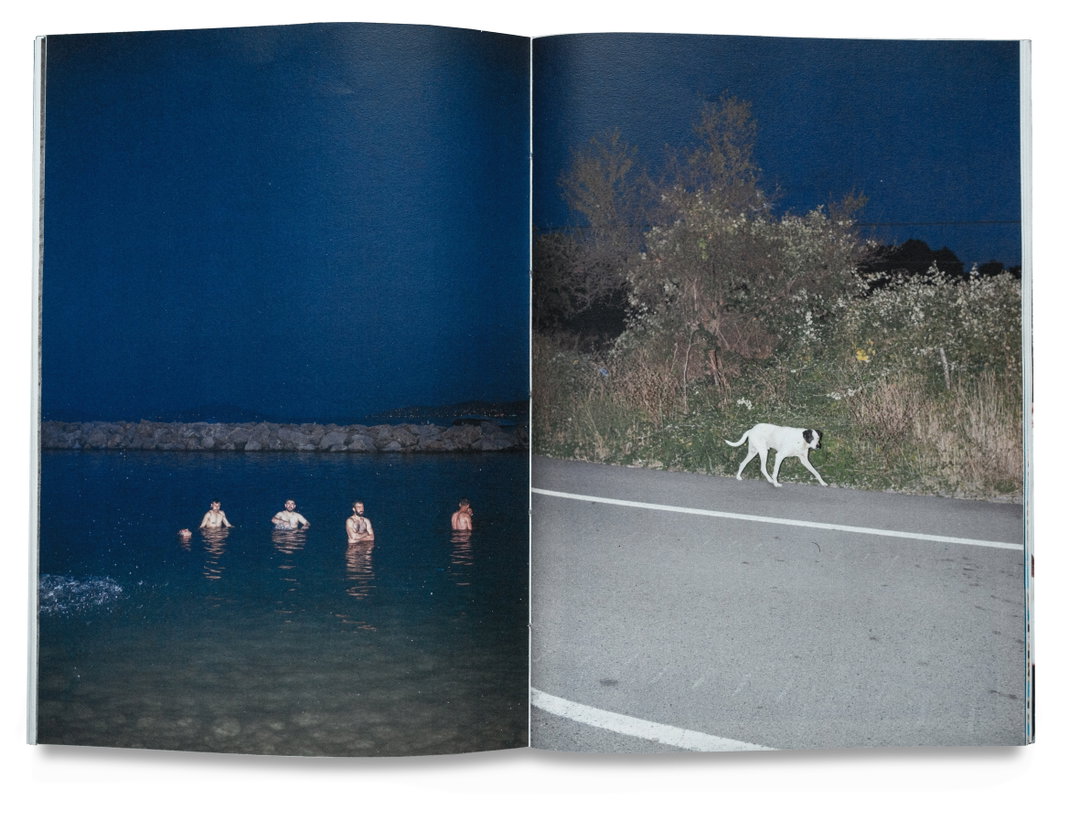
Instead of focusing on the photographs and individual images, much attention has been paid to the sequencing of the publication. The diptychs reflect various situations that are grouped together in uniform in order to tell a story. “Some pictures are taken in very different situations, but when coupled together, they reveal a new layer,” adds Jean-Marc, “with a new significance embedded within. It works like a chemical formula when two elements form a compound.” Within Güle Güle, the duo single out a diptych of a naked guy dressed as a girl, whereby its adjacent page depicts a boy holding a pebble. “The two images are not directly linked, but they do make a physical reaction – they collide and interest, hopefully to enlighten some truth.”
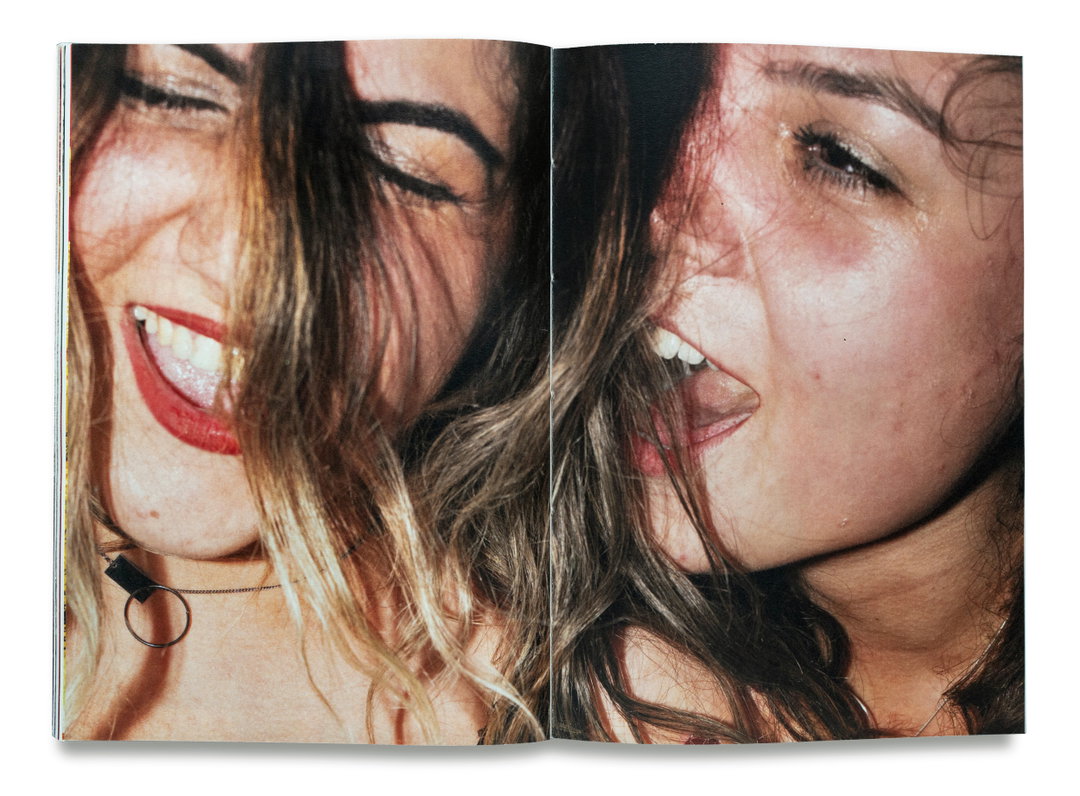
As a whole, Valentina and Jean-Marc’s main goal with this series – like many others – is to spur on thought. “We’d like our audience to be questioned by this work,” says Valentina. “Straightforward and instantly satisfying work can be two-dimensional and uninteresting. Of course our pictures are raw, visually un-conceding, which can result to an initial uncomfortable feeling.” However, there’s something oddly satisfying about the imagery purveyed in Güle Güle, even if there’s a confrontational message hidden beneath.
Güle Güle is available at Andre Frer Editions.
GalleryGüle Güle: Valentina Piccinni and Jean-Marc Caimi
Share Article
Further Info
About the Author
—
Ayla is a London-based freelance writer, editor and consultant specialising in art, photography, design and culture. After joining It’s Nice That in 2017 as editorial assistant, she was interim online editor in 2022/2023 and continues to work with us on a freelance basis. She has written for i-D, Dazed, AnOther, WePresent, Port, Elephant and more, and she is also the managing editor of design magazine Anima.