

Weronika Marianna’s flowing animations depict the natural world in constant motion
With ties to ancestral folklore and surrealist painting, the Amsterdam-based animator’s practice turns the unpredictability of analogue materials into something more.
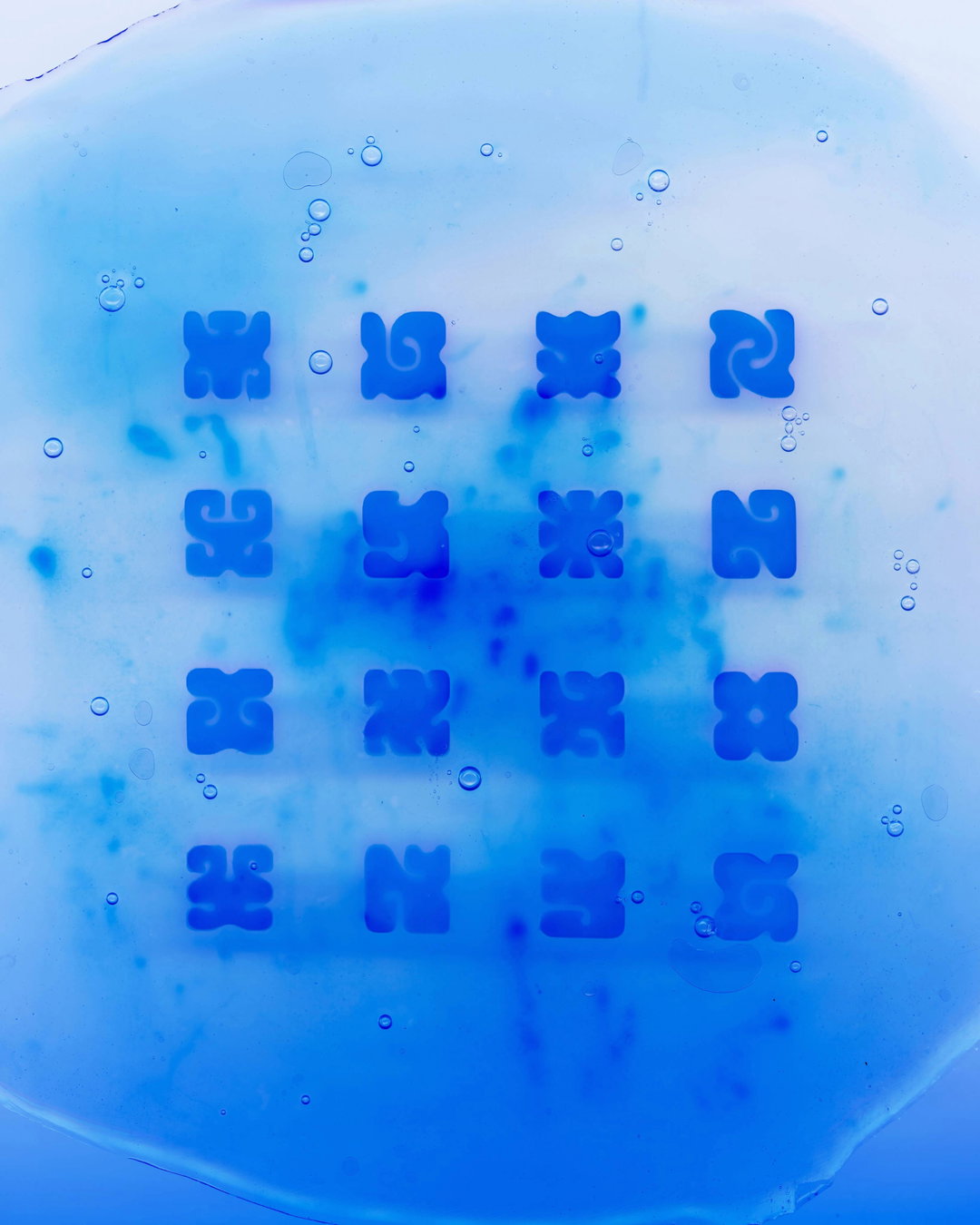
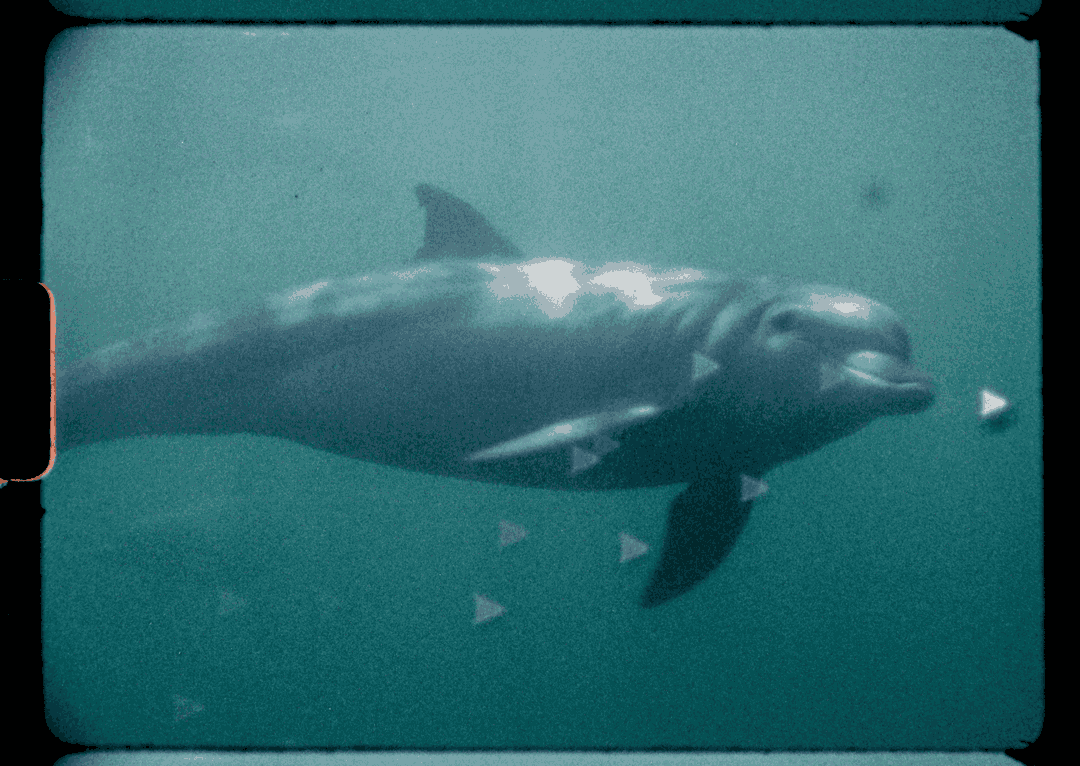
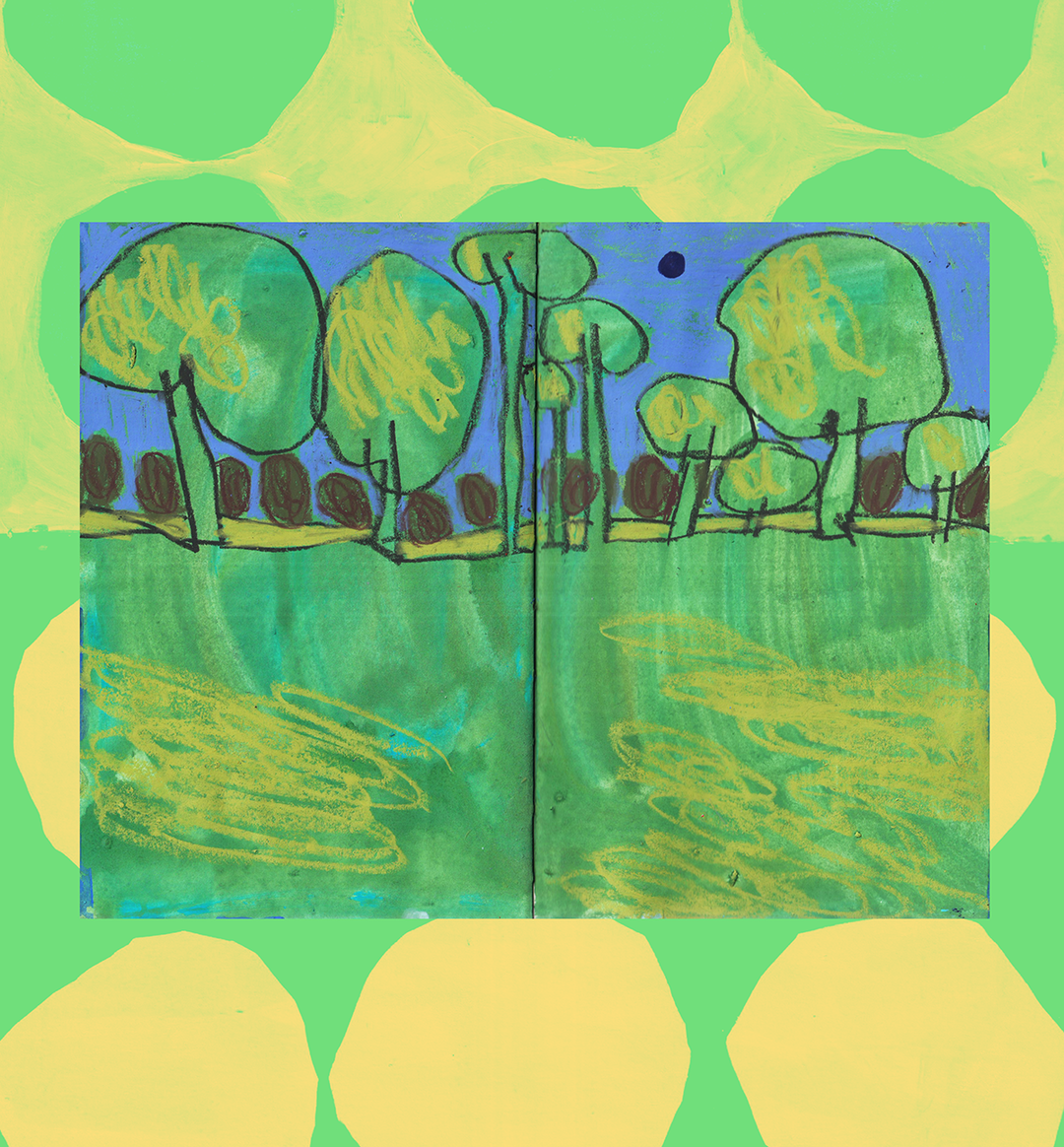
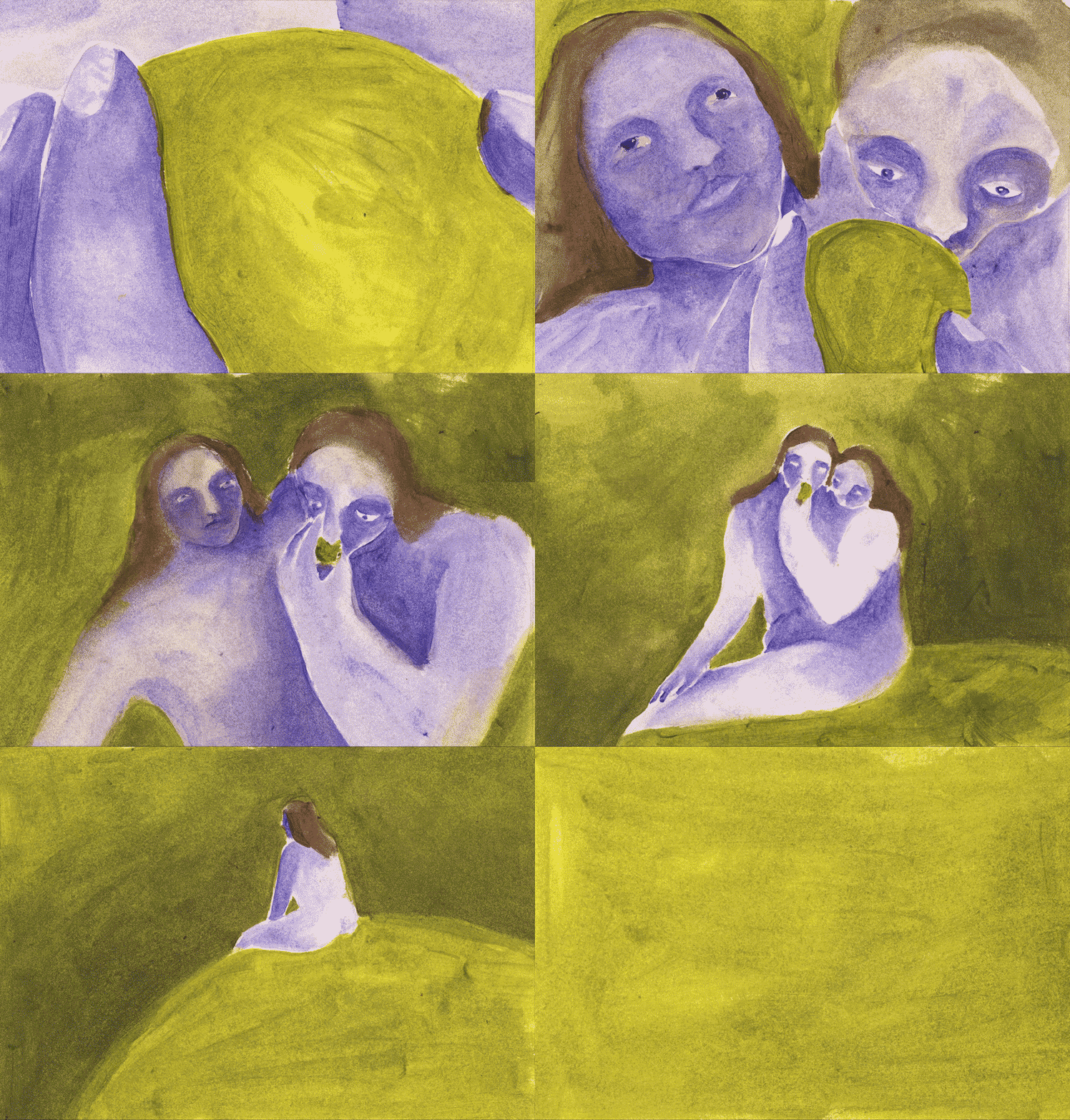
Weronika Marianna’s practice tends to move between drawing, painting and, more recently, animation. After quite impulsively tackling a frame-by-frame sequence of an animated figure merging into a mountainscape using paint on paper a few years ago, the artist started her journey into analogue animation and it’s “a rabbit hole I never want to leave”, she says. “This sense of continuous, boundaryless flow underpins both my life and my work. In animation, I have found the most compelling way to interpret the world being in constant motion.”
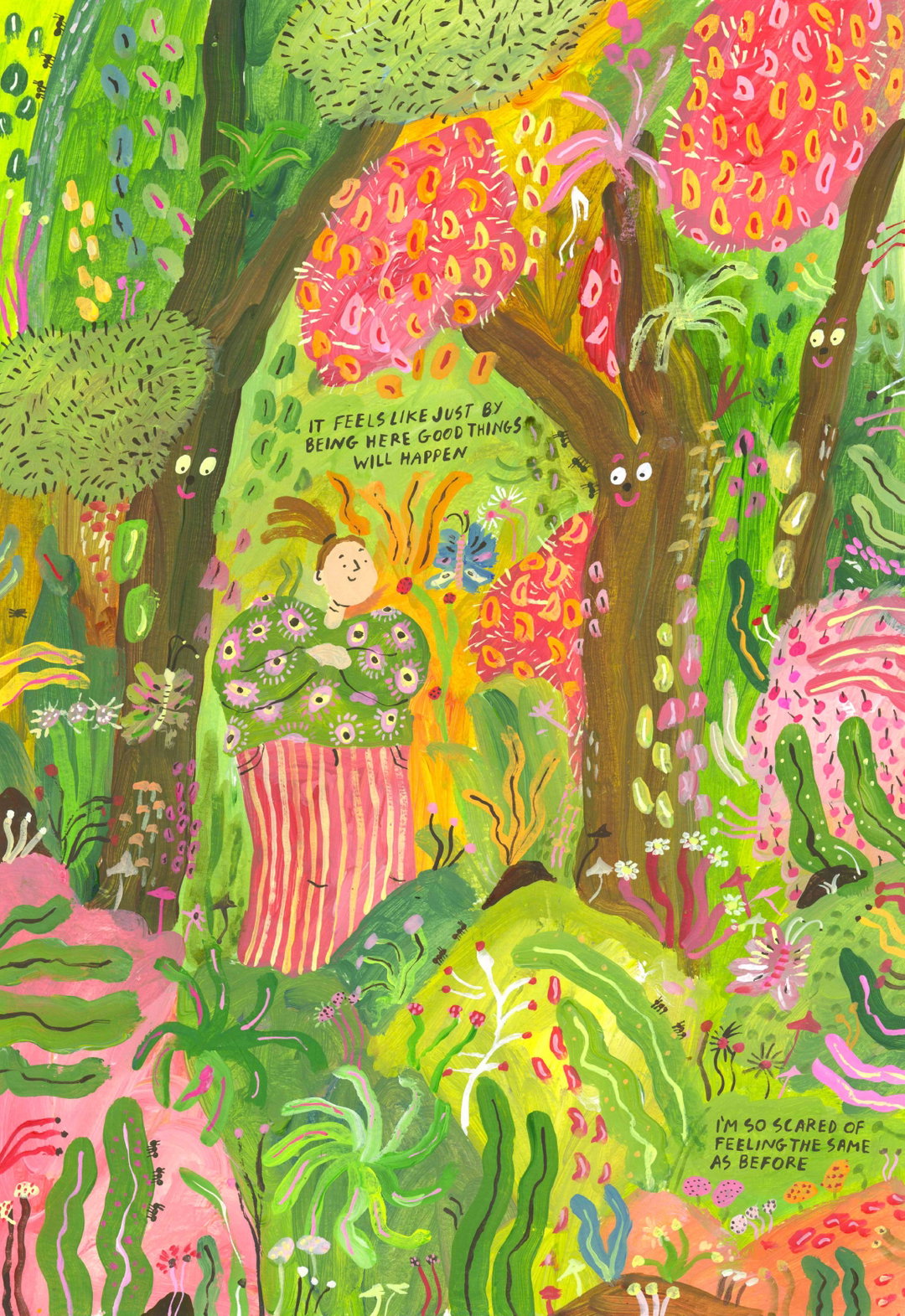
This sense of fluidity and evolution also underpins the subject matters of a lot of Weronika’s work: nature and the body. Her dark, mystical and delicate scenes often take influence from the realm of “Slavic grimoire and ancestral folklore”, she tells us. Originally from Warsaw, the animator grew up in a village in eastern Poland where “folk tales were mingled with Catholic saints’ hagiographies”, she says. This layered, more mysterious side to her set of cultural inspirations offers the artist a way to explore “the shadow side of the human experience” in her work. “Today, I look at those tales as allegories of the human psyche, a way to access the often repressed: sexuality, pain, death.”
To produce her pieces, the artist finds herself choosing between a whole host of analogue materials: acrylic, oil, watercolour, ink, charcoal, pencil, and non-camera film and print techniques, taking inspiration from the techniques of fine artists and filmmakers alike. “In animation, I love the madness and boundless imagination of the sixties and seventies,” she says, as well as being drawn to the work of women surrealist painters like Leonora Carrington, Remedios Varo and Ithell Colquhoun.
When it comes to crafting her moving pieces, the cheaper the paper Weronika uses the better – it achieves both a desired tangibility and a welcomed lack of control over her creative process. What might be making Weronika’s work so elegant and breathtaking is “being open to the unpredictably and tremor of the material”, she ends.
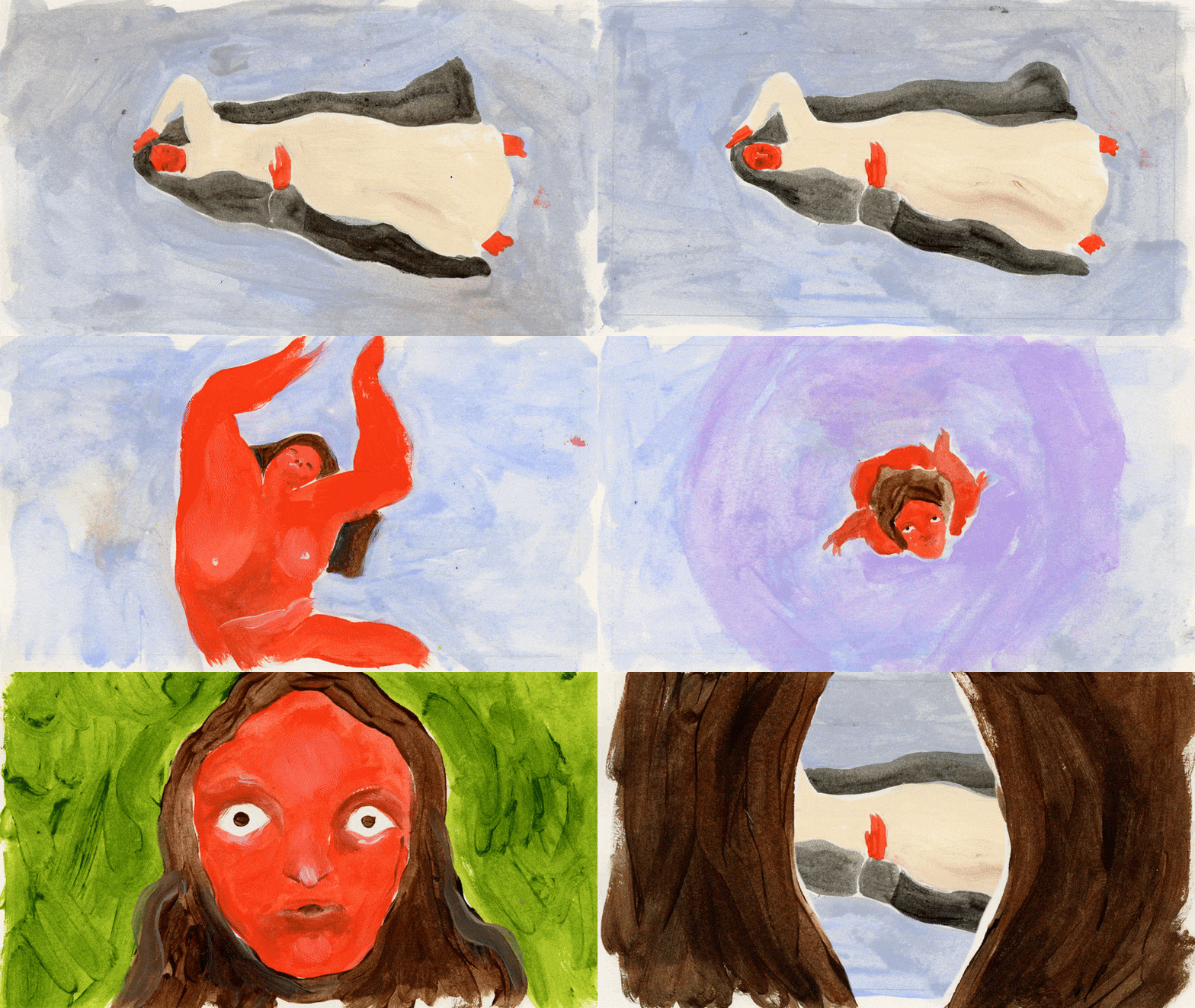
Weronika Marianna: Anna’s Bones (Copyright © Weronika Marianna, 2024)
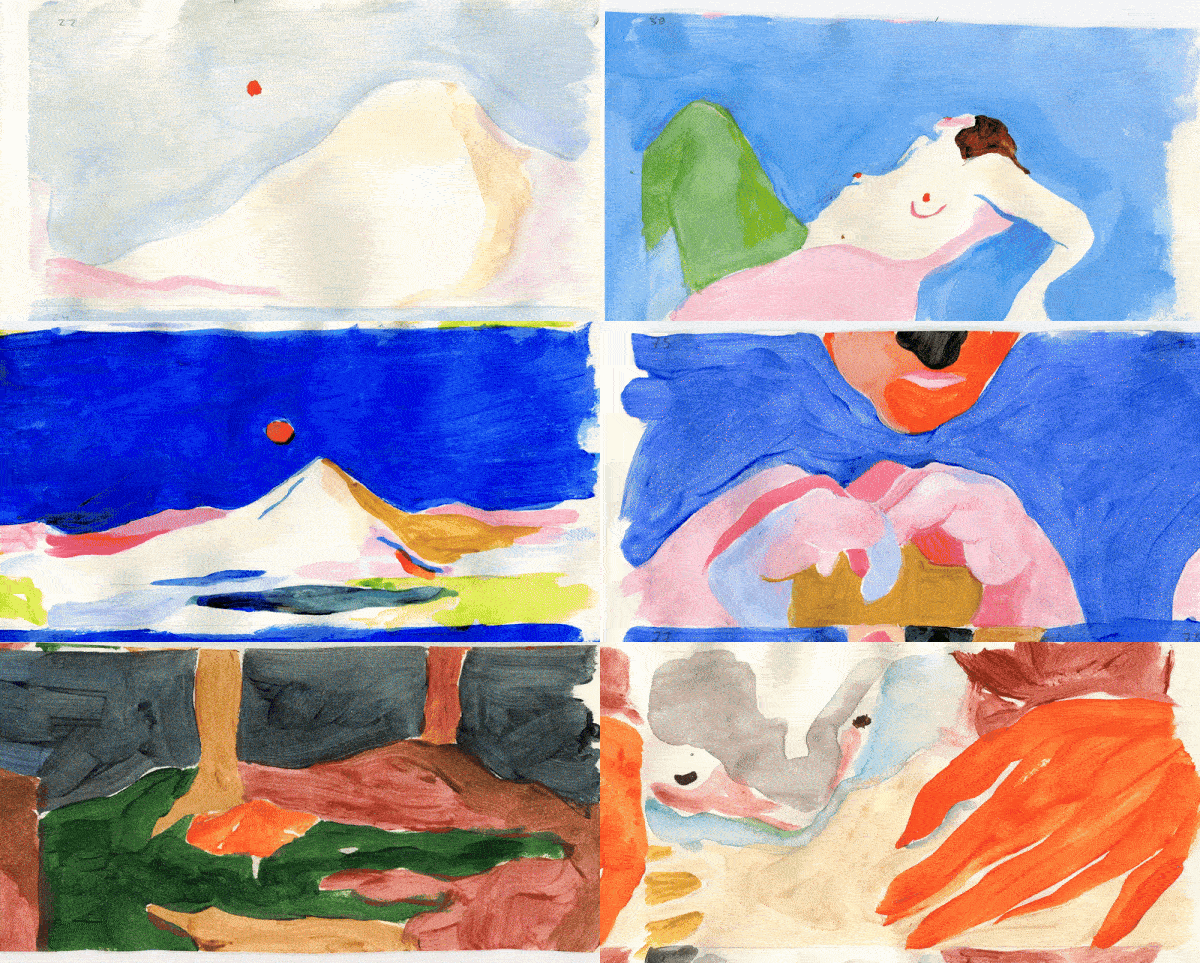
Weronika Marianna: World and Time (Copyright © Weronika Marianna, 2023)
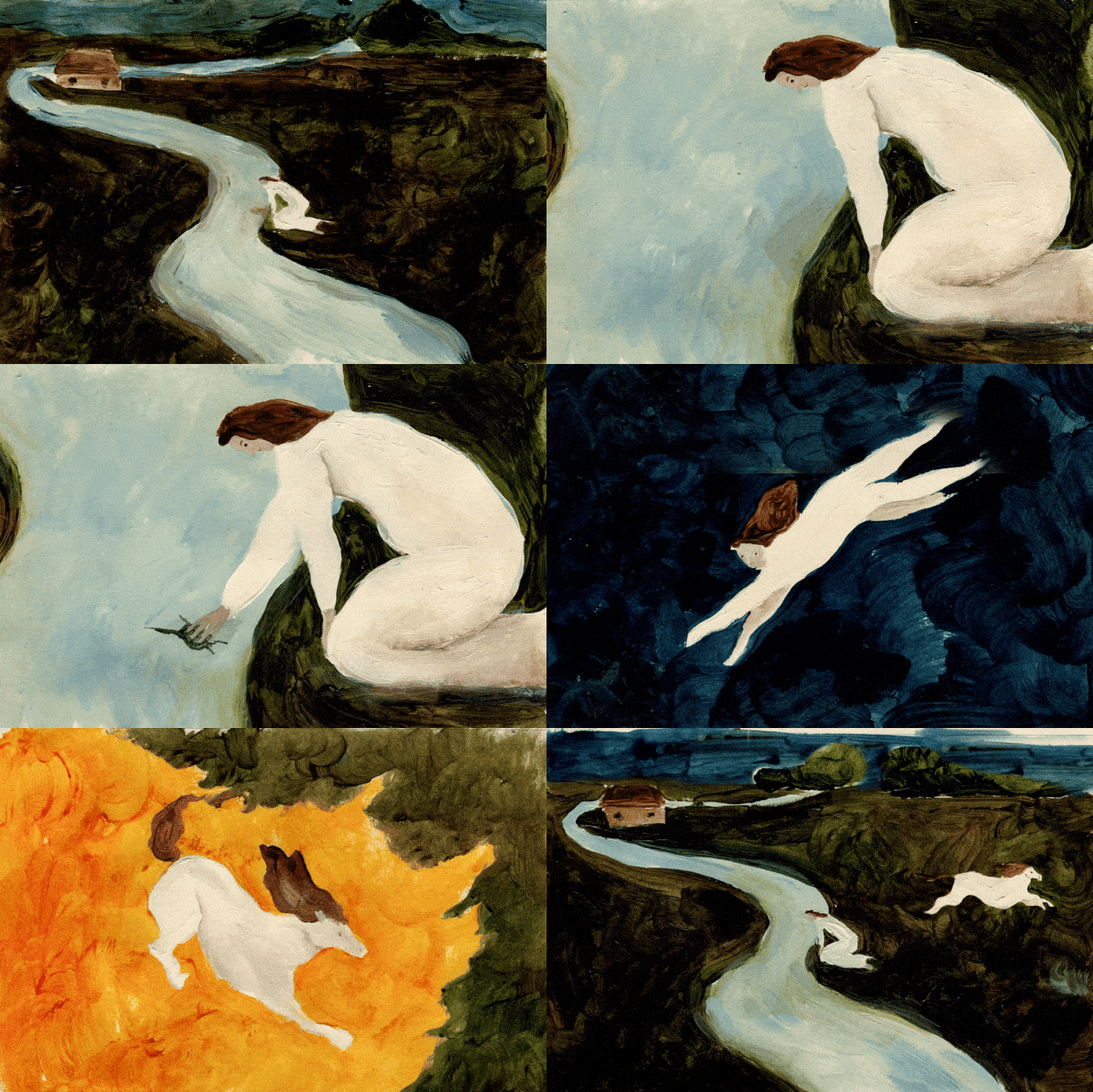
Weronika Marianna: River Horse (Copyright © Weronika Marianna, 2026)
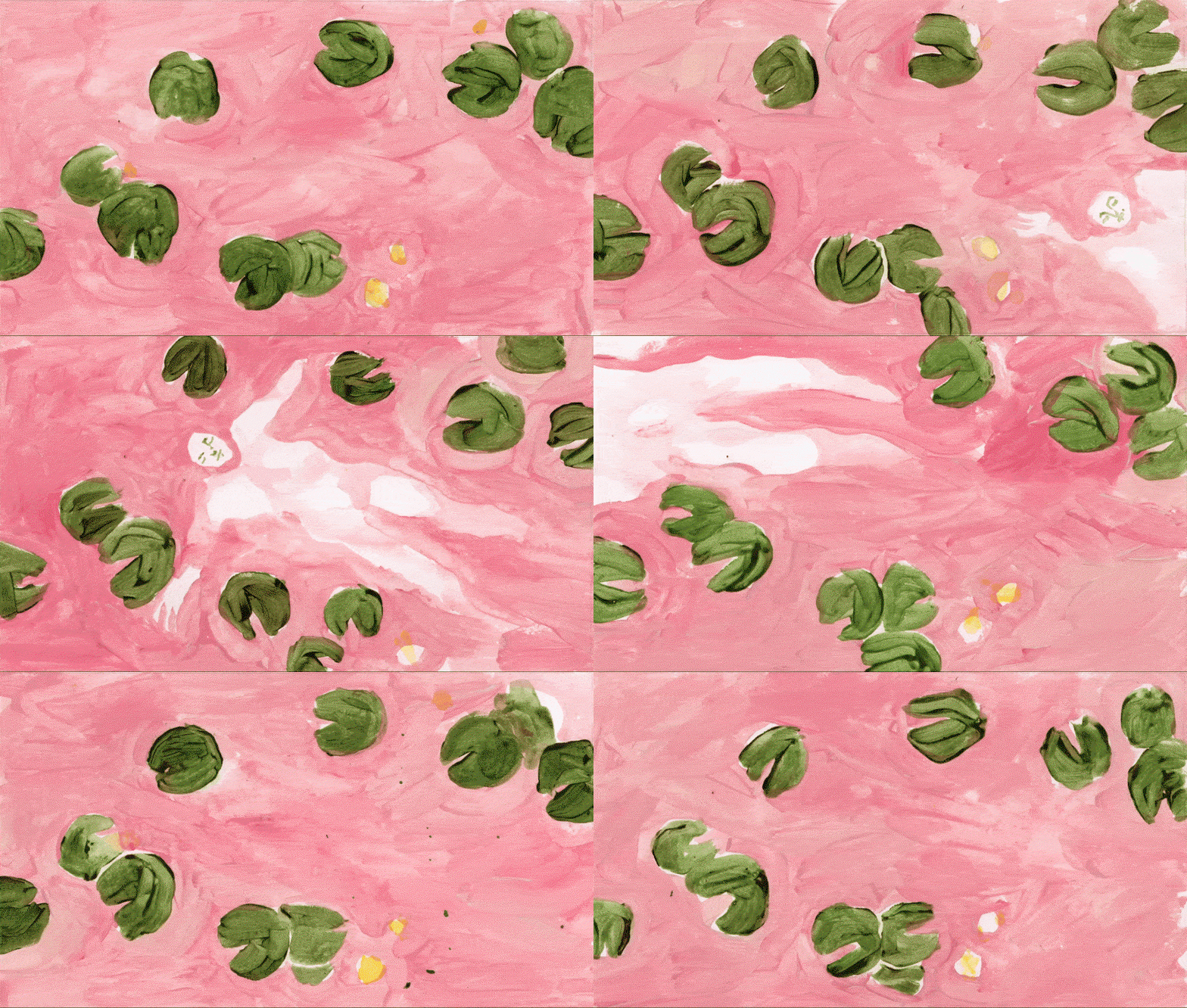
Weronika Marianna: Lilies (Copyright © Weronika Marianna, 2024)
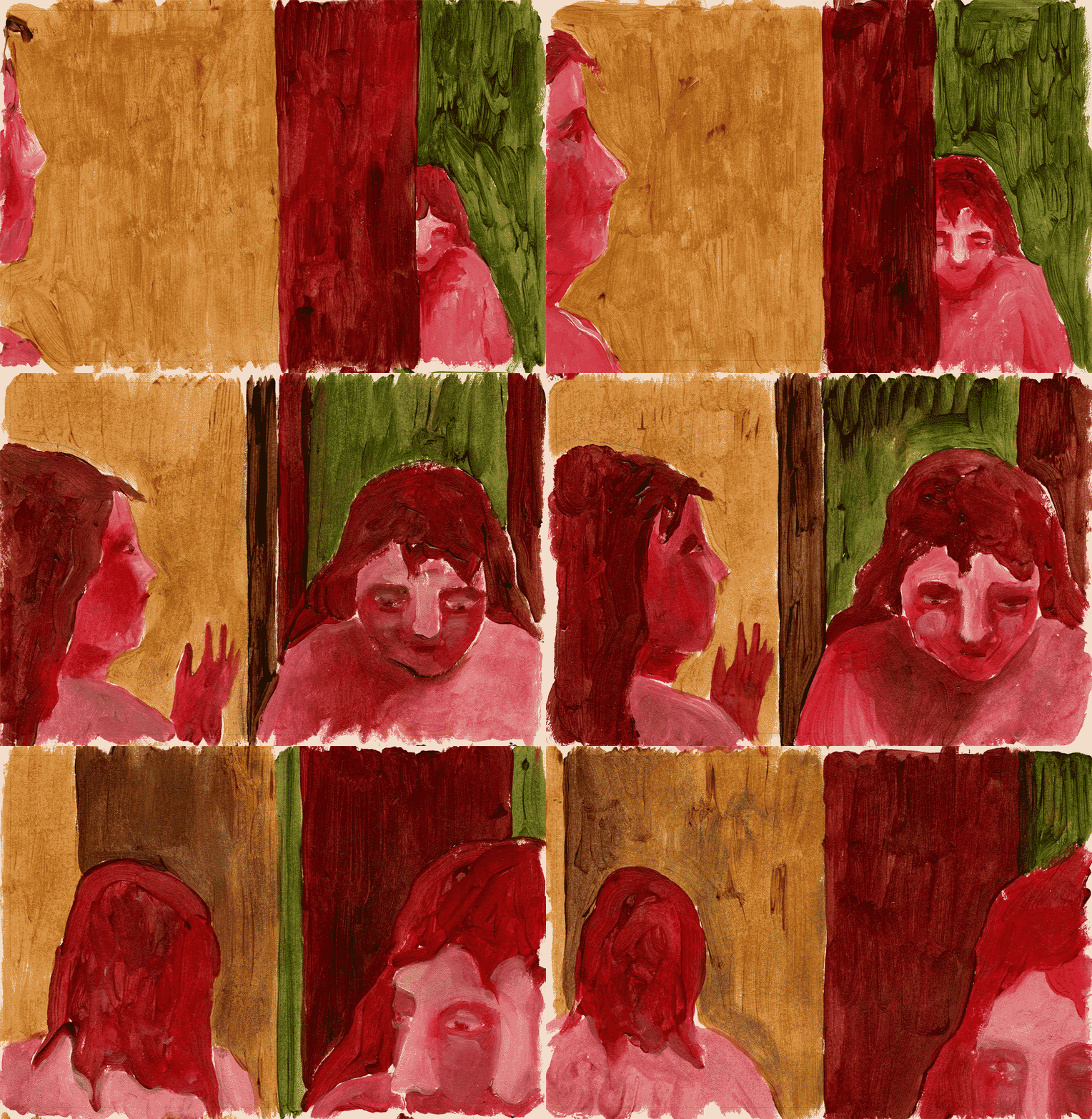
Weronika Marianna: Passing Myself (Copyright © Weronika Marianna, 2025)
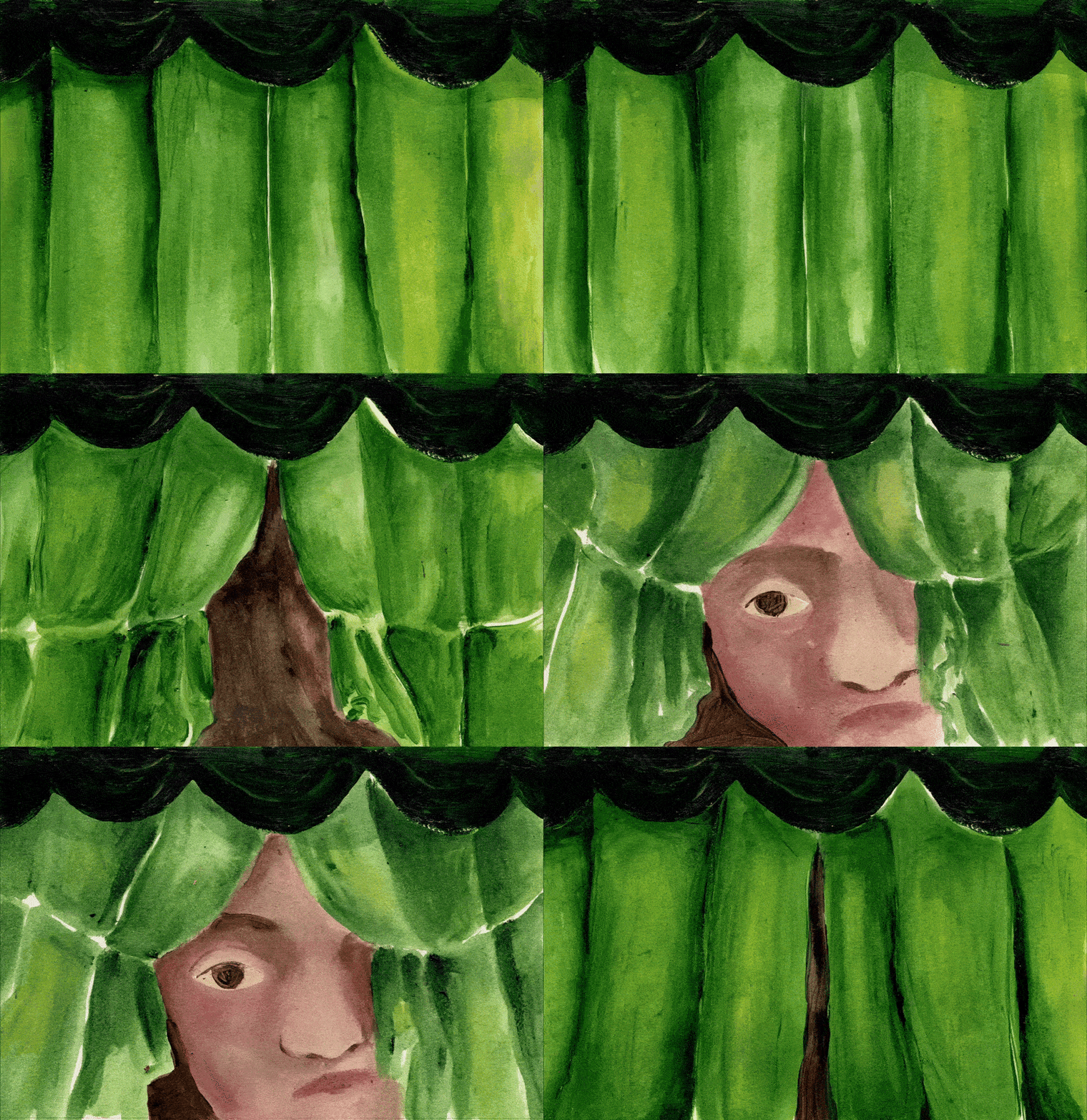
Weronika Marianna: Personal Circus (Copyright © Weronika Marianna, 2025)
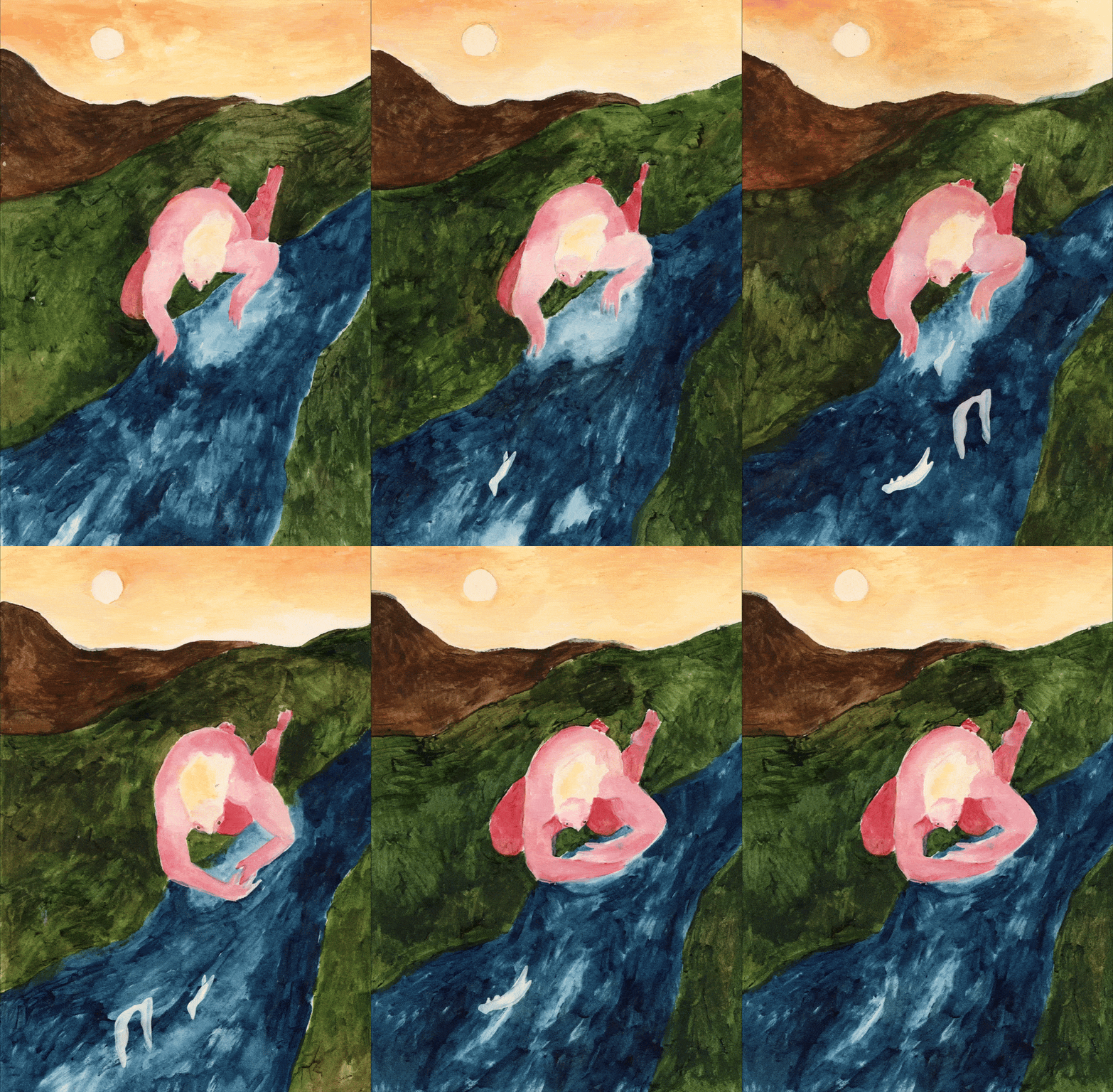
Weronika Marianna: Bones (Copyright © Weronika Marianna, 2024)
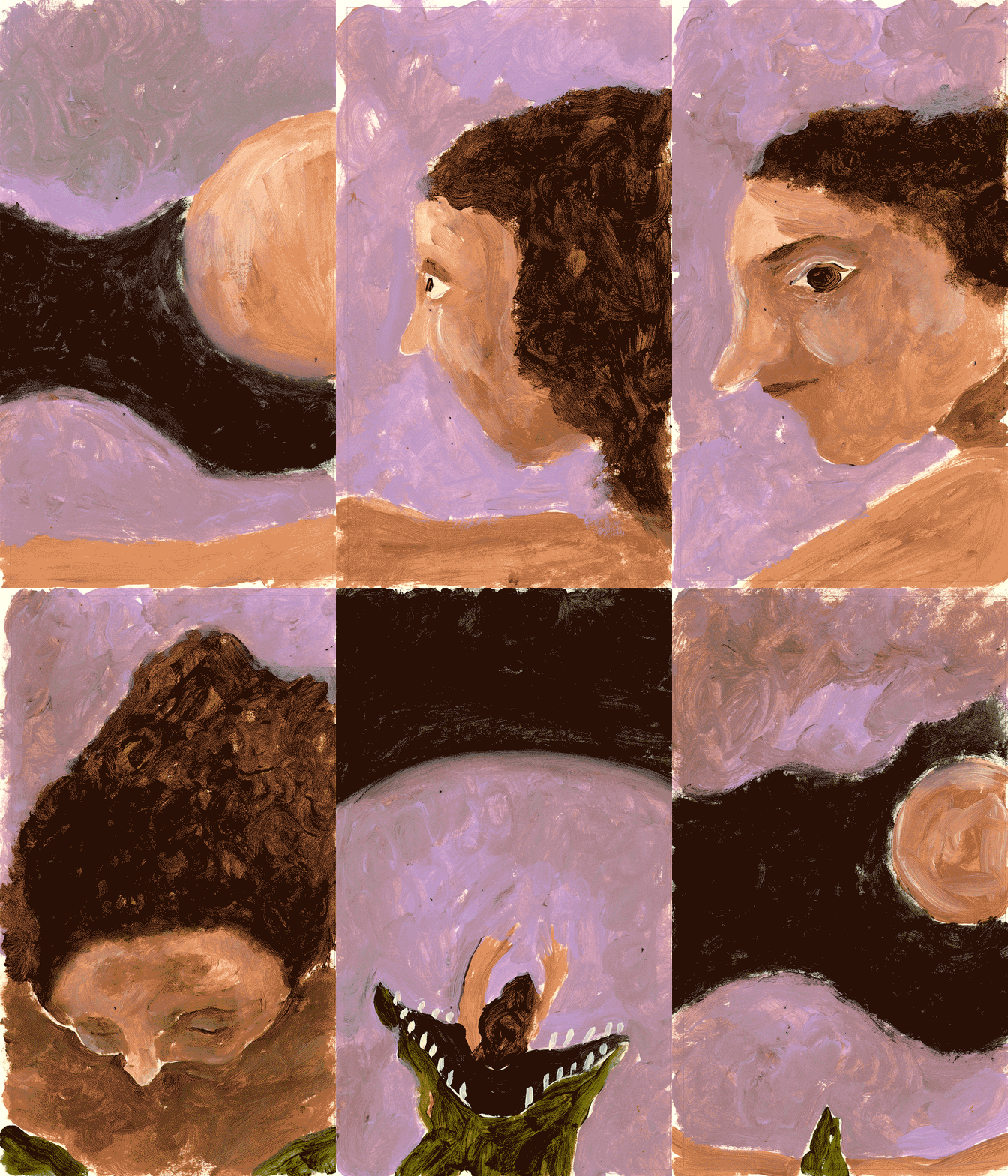
Weronika Marianna: Crocodile Dreams (Copyright © Weronika Marianna, 2025)
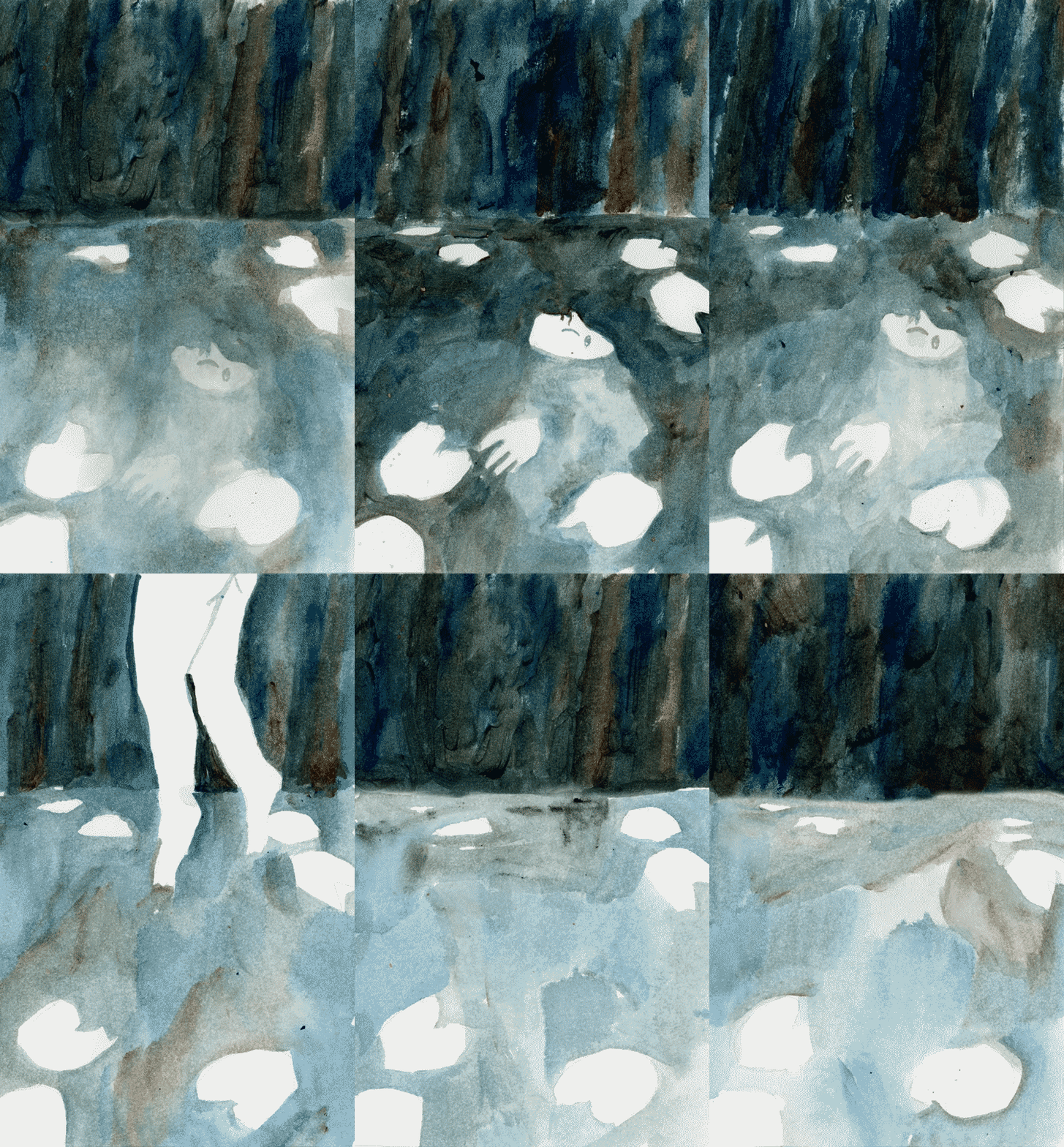
Weronika Marianna: Dark Waters (Copyright © Weronika Marianna, 2024)
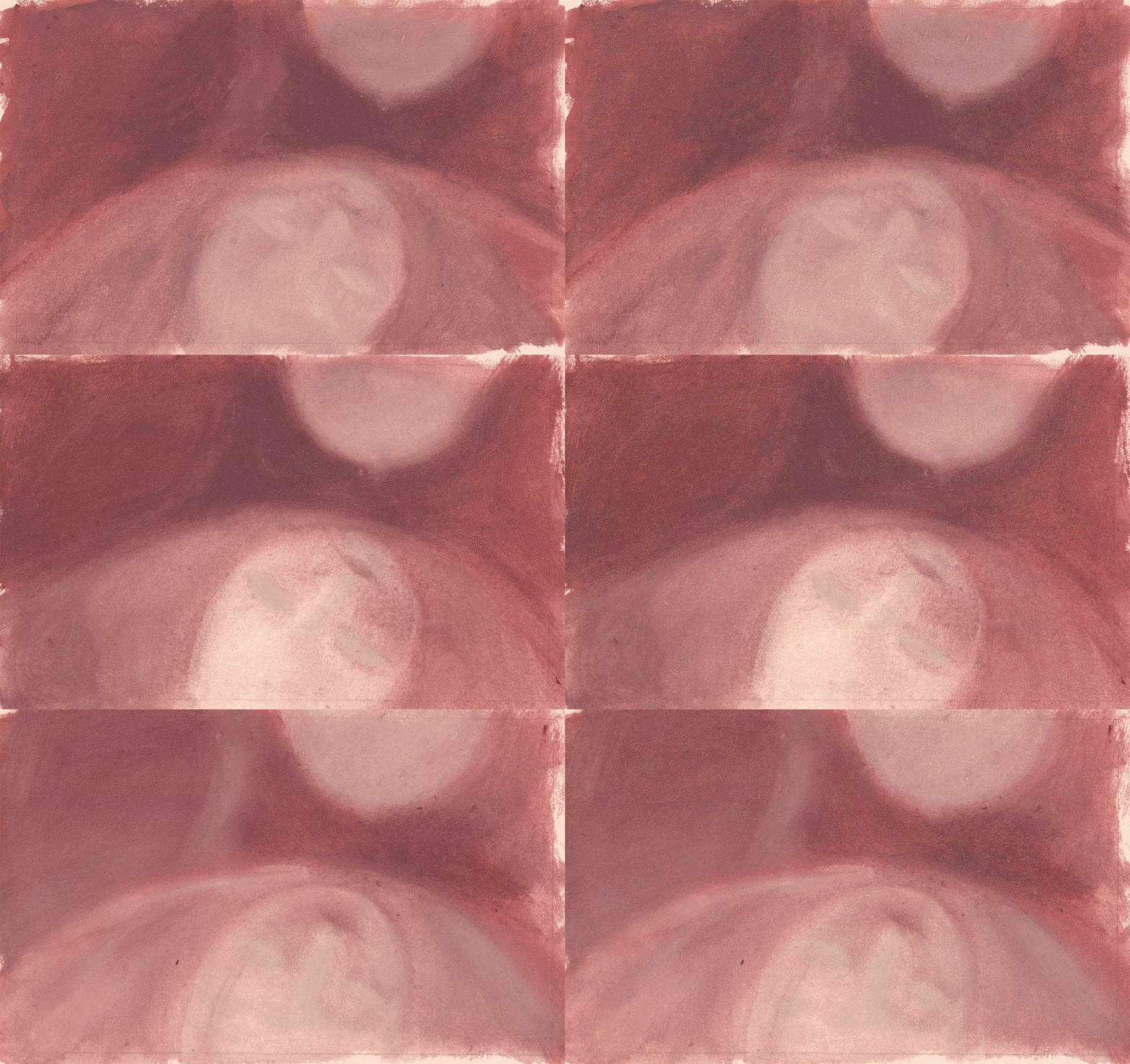
Weronika Marianna: Mirror (Copyright © Weronika Marianna, 2025)
Hero Header
Weronika Marianna: Rebis (Copyright © Weronika Marianna, 2025)
Share Article
About the Author
—
Ellis Tree (she/her) is a staff writer at It’s Nice That. She joined as a junior writer in April 2024 after graduating from Kingston School of Art with a degree in Graphic Design. Across her research, writing and visual work she has a particular interest in printmaking, self-publishing and expanded approaches to photography. ert@itsnicethat.com
To submit your work to be featured on the site, see our Submissions Guide.