- Words
- Lucy Bourton
- —
- Date
- 14 April 2020
- Tags
Ed Steed on what it takes to become a cartoonist for The New Yorker
While looking for a new job, Ed Steed saw a cartoon in The New Yorker and decided to give it a go. Soon, he became a favourite amongst fans of the publication.
Share
Share
It is a weekly ritual for many to open up The New Yorker and head, not to the news, the listings or the reviews, but to the cartoons. Breaking up the magazine’s long reads for as long as anyone can remember, the cartoonists found in its hallowed pages have as dedicated a following as many of its journalists. In its rotating cast of cartoonists, many have a particular favourite too, and one with a fond following is Ed Steed.
I have been part of the cohort following Ed’s work for a number of years now, looking out for his wit and signature scratchy line mark in issues and online. But there is little to be found about the man himself. Ed Steed has no online presence besides fan pages set up in his honour, which is an uncommon decision in the current creative landscape of sharing – and finding work – through posting pieces on the web.
A few years back, I set out with the intention to interview him and wrote him a letter, but received no reply. Months later his artwork featured on the cover of a few albums, which led me to try getting in contact with him through PRs, again to no avail. At the beginning of this year, I made a last-ditch attempt and contacted Nicholas Blechman, The New Yorker’s creative director, who agreed to see what he could do. At last, Ed dropped me an email.
He responded to my fondness for his work, and my general interest in him, with what felt like a mix of surprise and indifference. We chatted over the phone and agreed to conduct an interview through a series of questions, sent via email over the past few months. Slightly reserved in some answers, Ed Steed is a character much like one of his drawings: a little timid, very, very sharp and at times so undeniably funny you only want to know more.
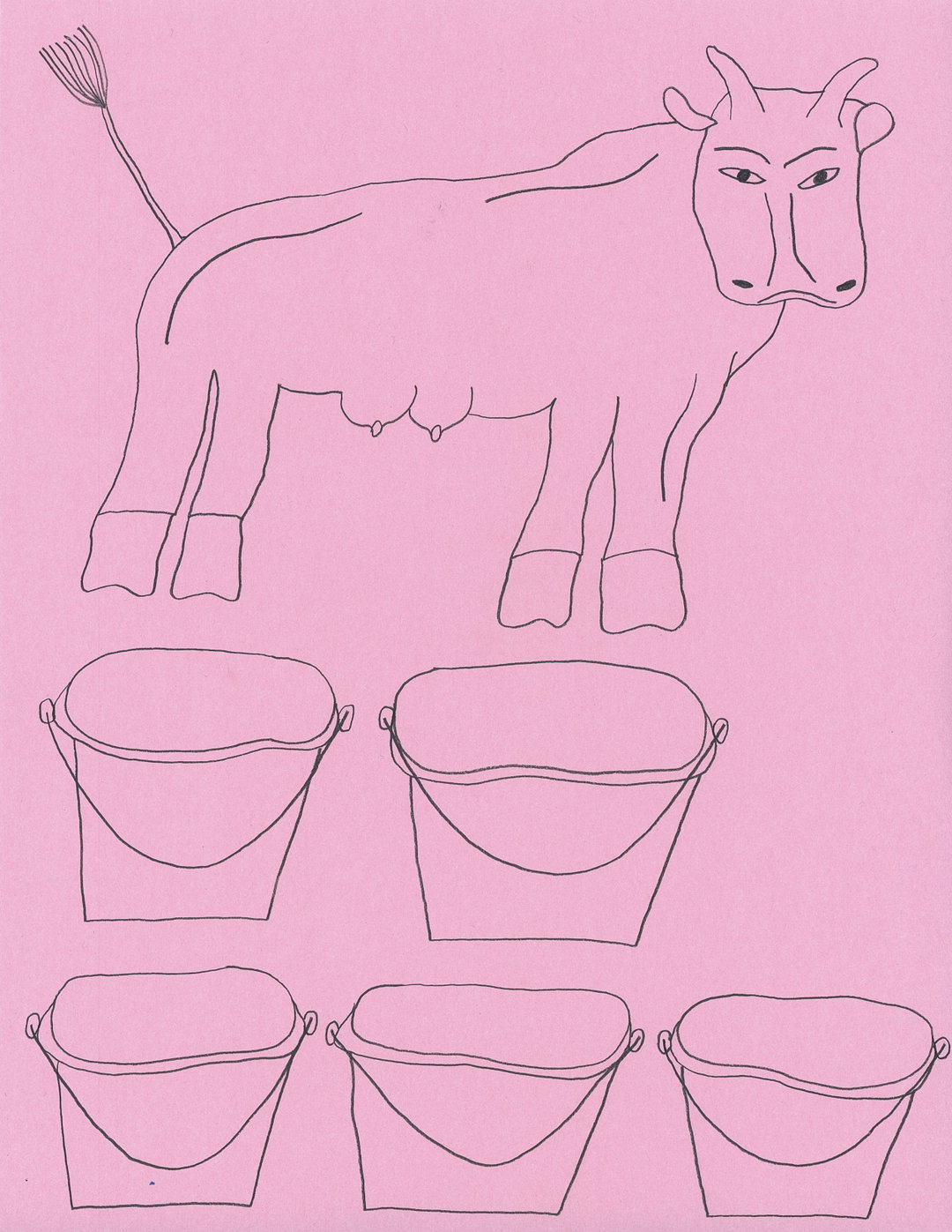
Ed Steed: Father John Misty, Pure Comedy, Back Cover
“It’s quite a bit of thinking and then a small amount of drawing.”
Ed Steed
It’s Nice That
I was wondering what your introduction to illustration initially was?
Ed Steed
I think I’m a cartoonist, rather than an illustrator. I liked drawing when I was really young, but then I stopped doing it and I didn’t do art in high school. I only started again in 2012, when I wanted to become a cartoonist at The New Yorker.
INT
When you say you’re a cartoonist, not an illustrator, what’s the difference for you?
ES
Just that I don’t illustrate things, not usually. I’m not illustrating someone else’s idea, I do the idea and the drawing. I do them at the same time, they are the same thing.
INT
Would you say people have misconceptions about cartoonists?
ES
I don’t know what people’s conceptions of being a cartoonist are. Perhaps they think it’s fun, which it mostly isn’t. Or they think it’s lots of work, which it isn’t. With the kind of cartoons I do, it’s quite a bit of thinking and then a small amount of drawing.
INT
You were an architect beforehand, right?
ES
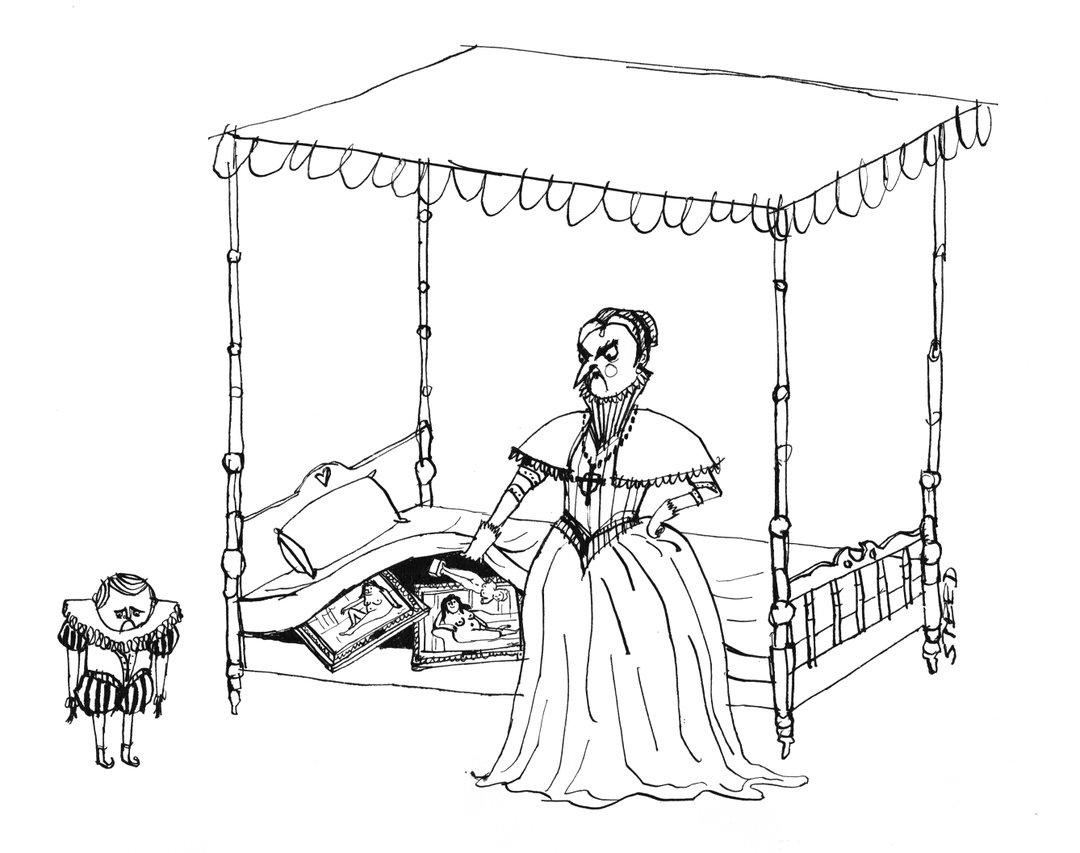
I studied it for a few years, but I never qualified. I worked for three or four years in various architecture jobs. I don’t miss it. I’m interested in architecture, but it’s no good thing being an architect if you are interested in architecture. It’s like being a butcher if you are interested in animals.
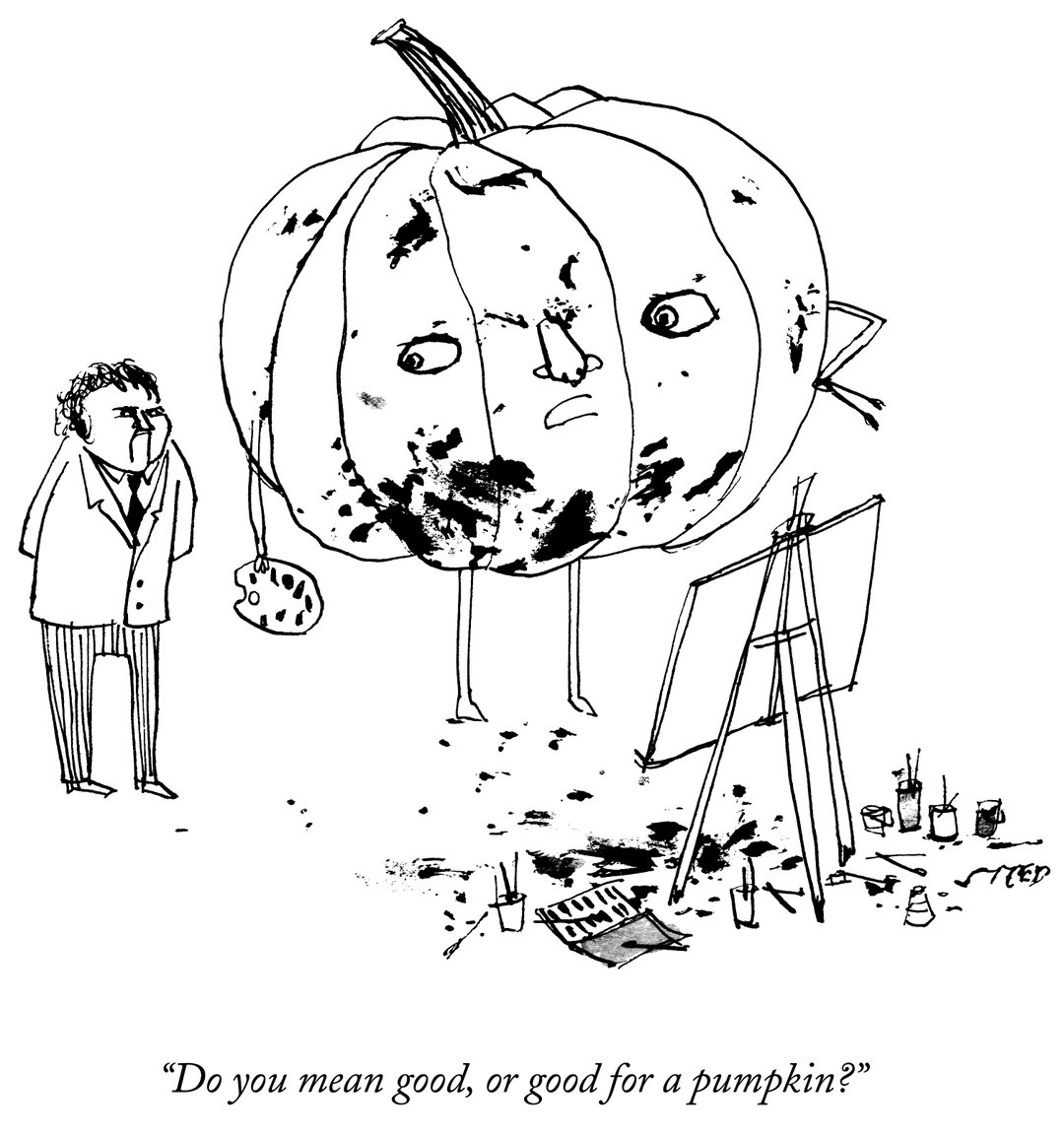
© Ed Steed © The New Yorker
© Ed Steed © The New Yorker
“It’s no good thing being an architect if you are interested in architecture. It’s like being a butcher if you are interested in animals.”
Ed Steed
INT
Why do you think you have the job you have now?
ES
So I could work for myself. I think most people feel the same way. They don’t want to be told what to do and when to wake up. I didn’t want to give my ideas and energy to someone else.
INT
Was it something in particular that made you want to work at The New Yorker?
ES
I was sort of looking around for something I could do, a new job. I saw The New Yorker cartoons and thought I’d give it a go. I did what I still do now every week, which is send through a pile of rough sketch ideas to the editors there. They were very rough, not good drawings. It’s more about coming up with the jokes, I didn’t really think about it as a drawing job at first.
The New Yorker will choose to buy a joke based on a rough sketch, and then you have to draw it up neat for publication. When they started buying my jokes, I had to learn to draw. I didn’t have any style so I just tried to make something that looked professional. I’ve been trying to get better at drawing since then. Still, most of my time is spent coming up with jokes.
Once I sold my first cartoon to The New Yorker, I quit my job and have been making a living from cartooning ever since. For years I only did New Yorker cartoons, lately, I’ve done a few other things.
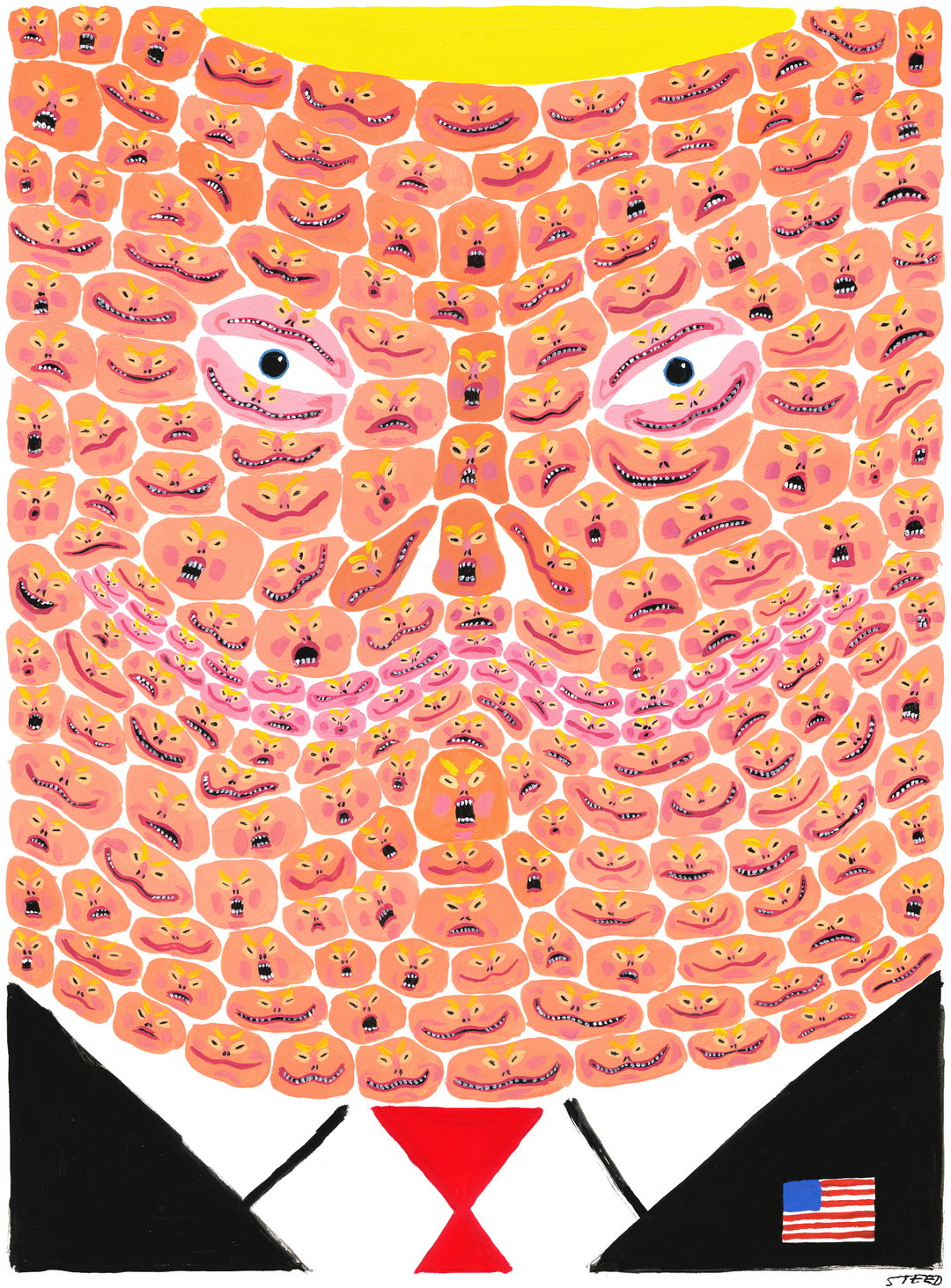
Ed Steed: Trumps Face for Esquire
“Over the years I have started to enjoy drawing more… or I just find it less frustrating than I used to.”
Ed Steed
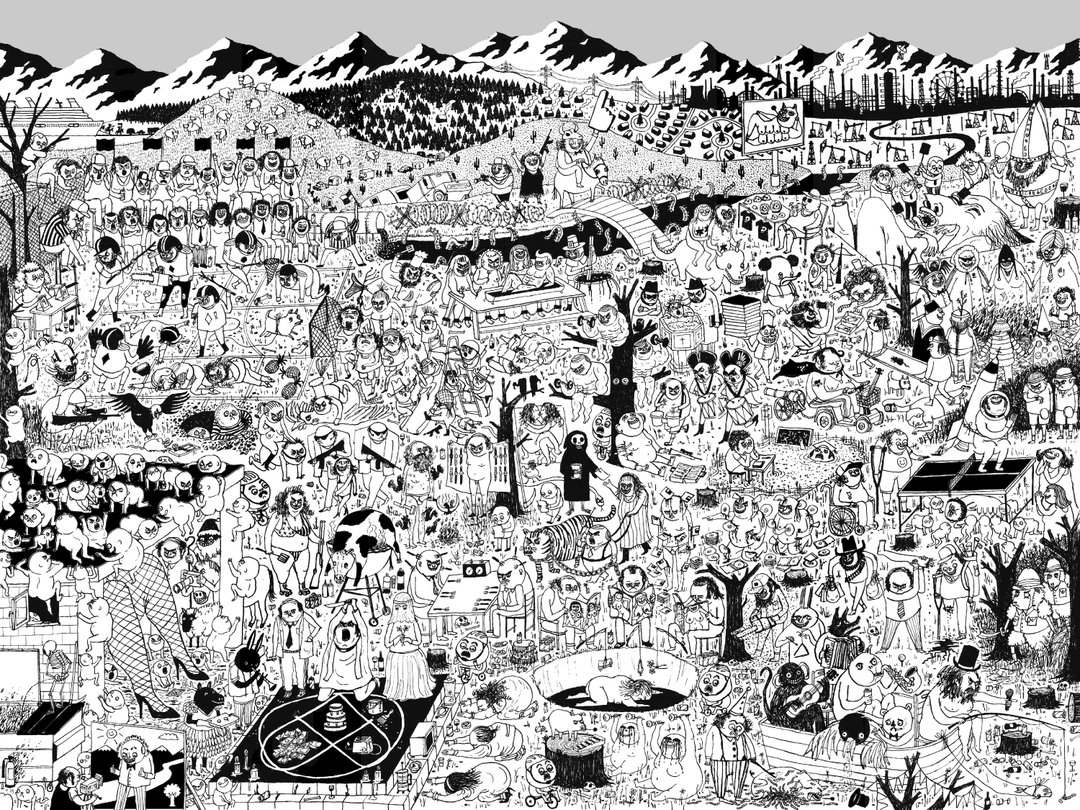
Ed Steed: Father John Misty, Pure Comedy, front cover
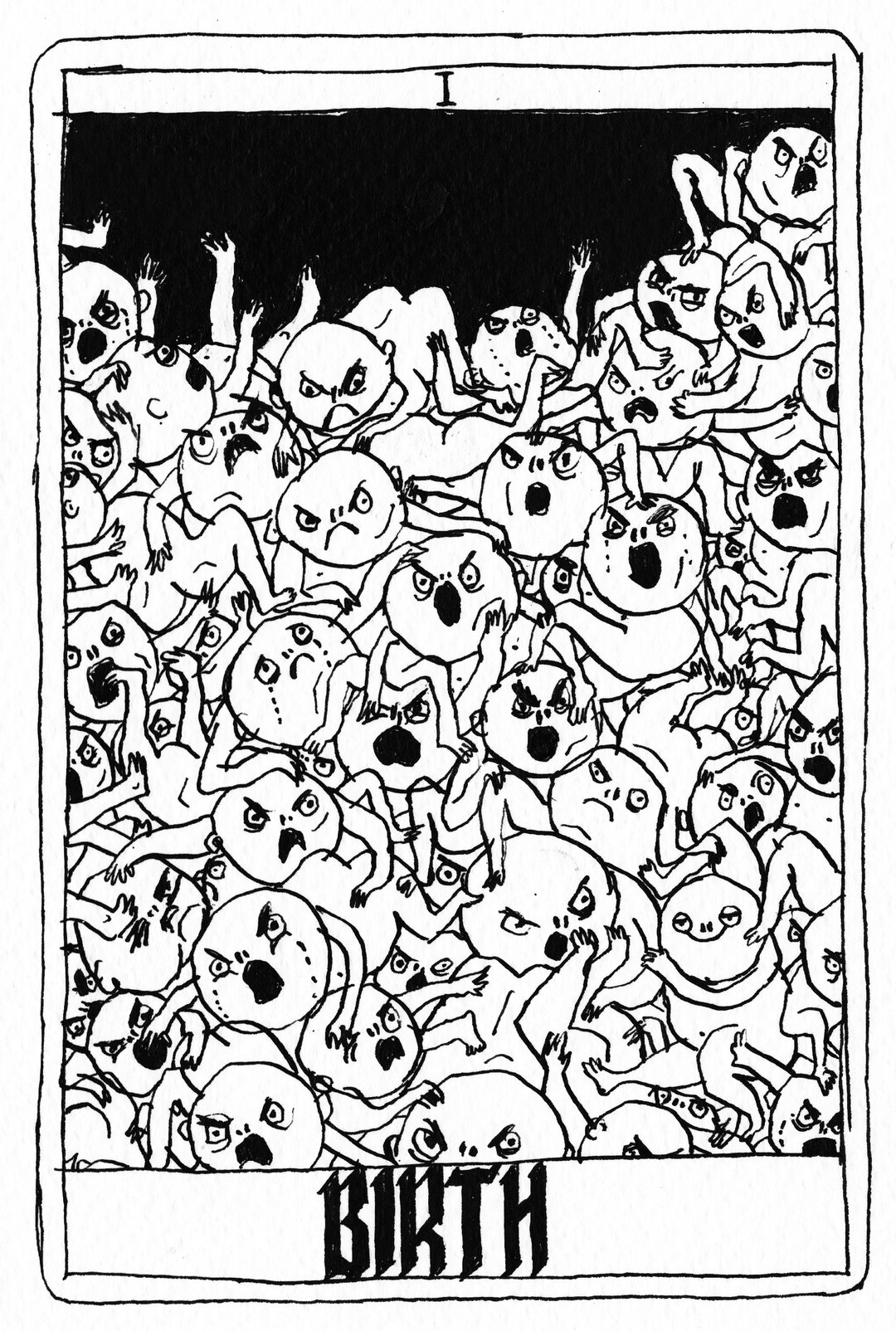
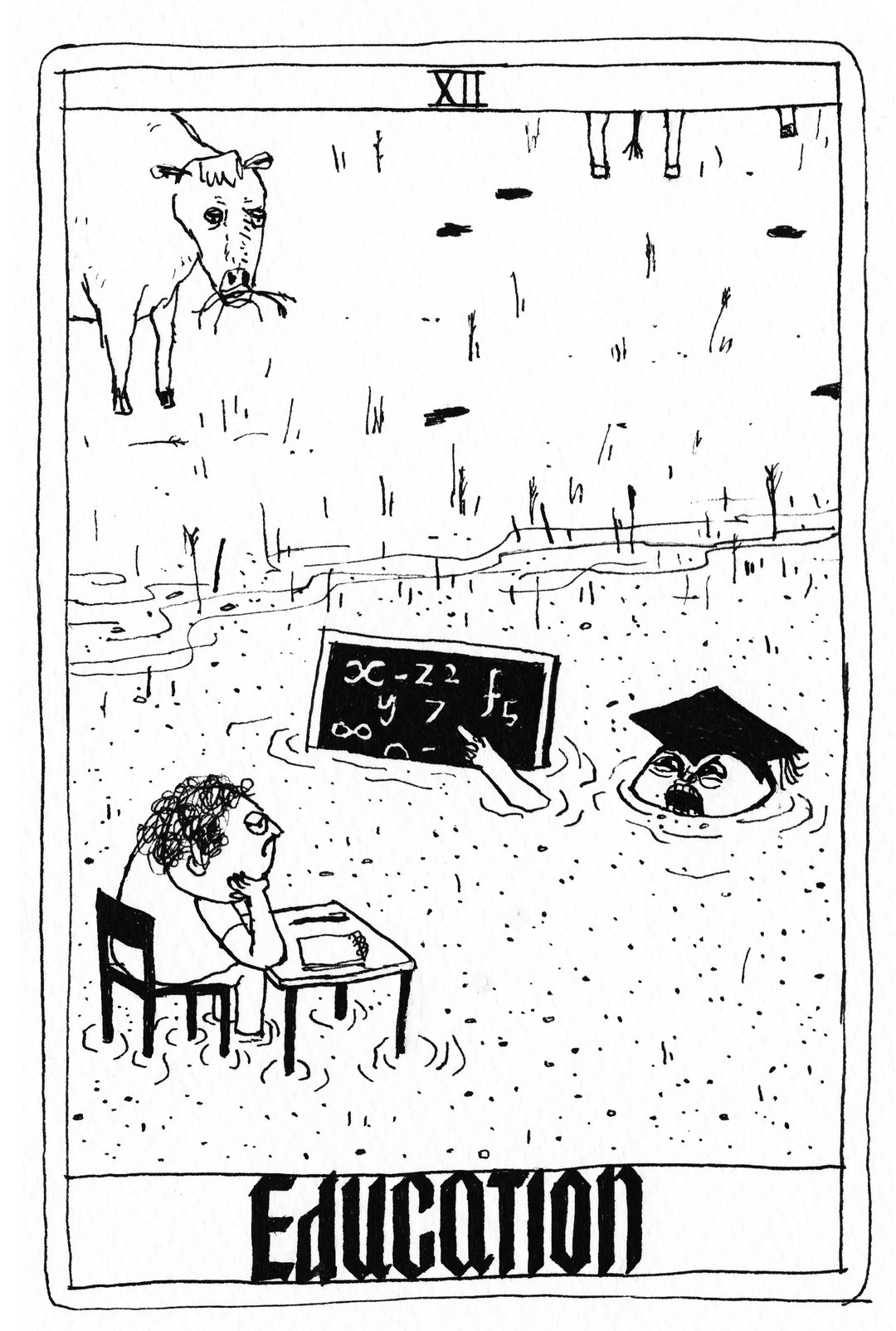
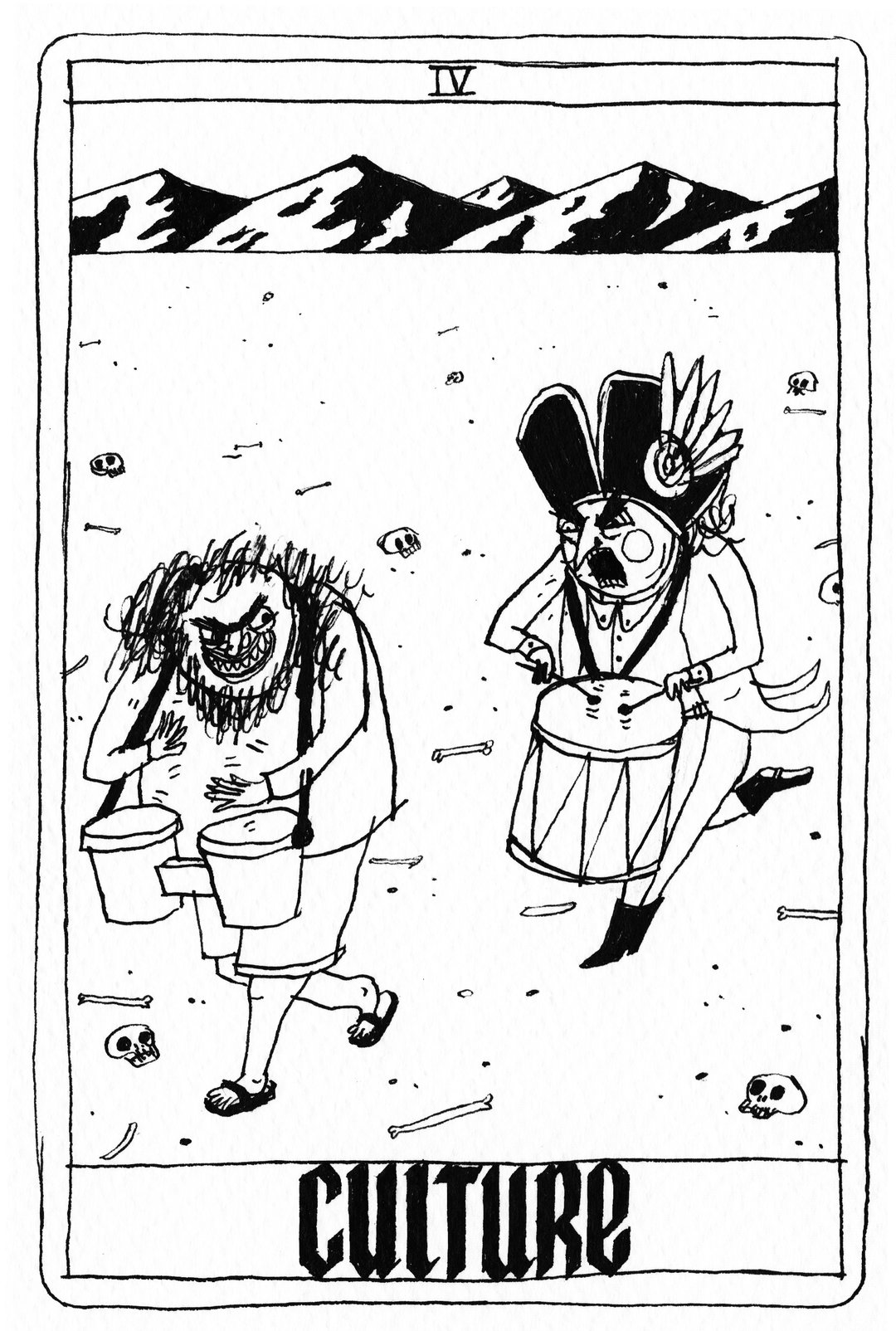
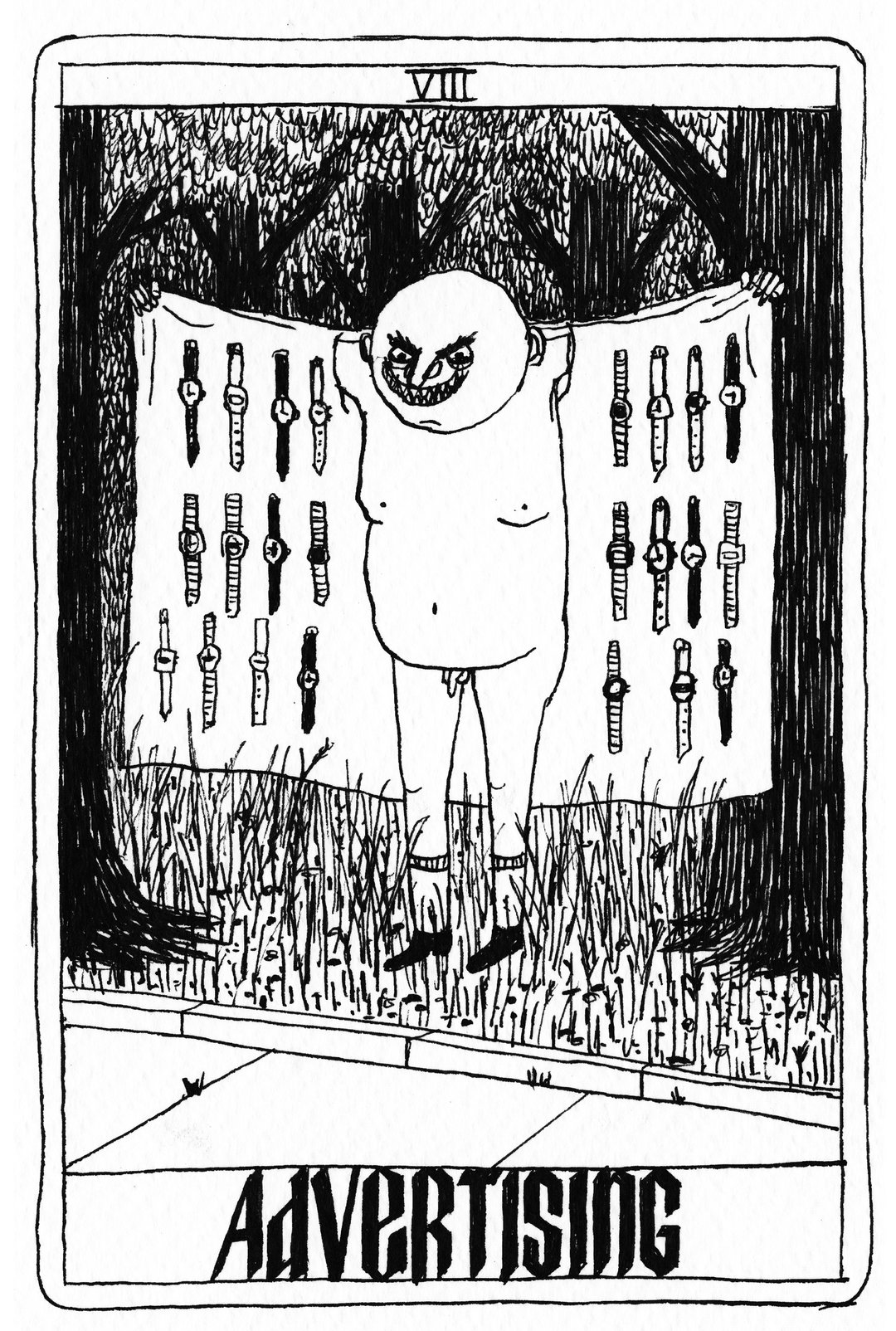
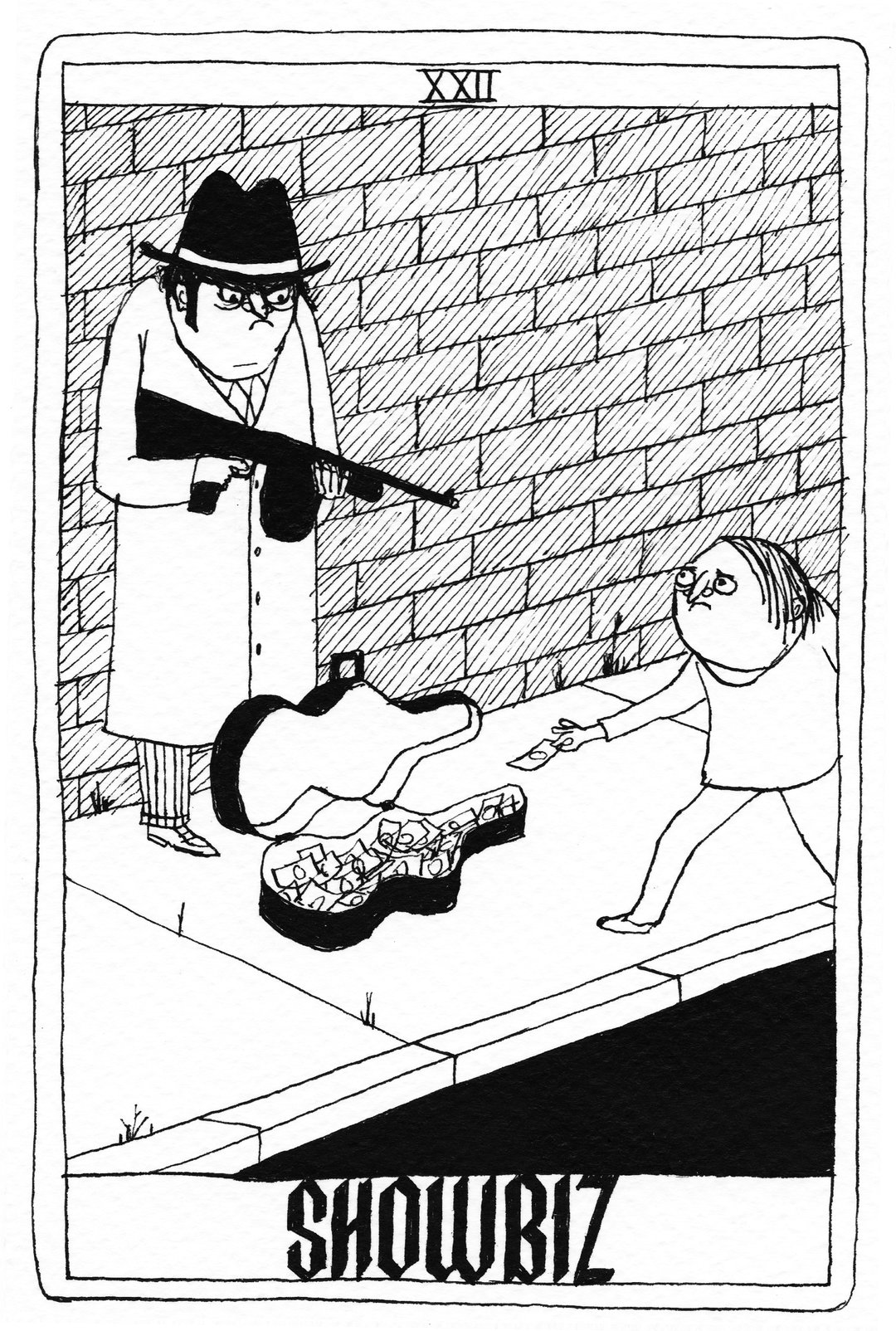
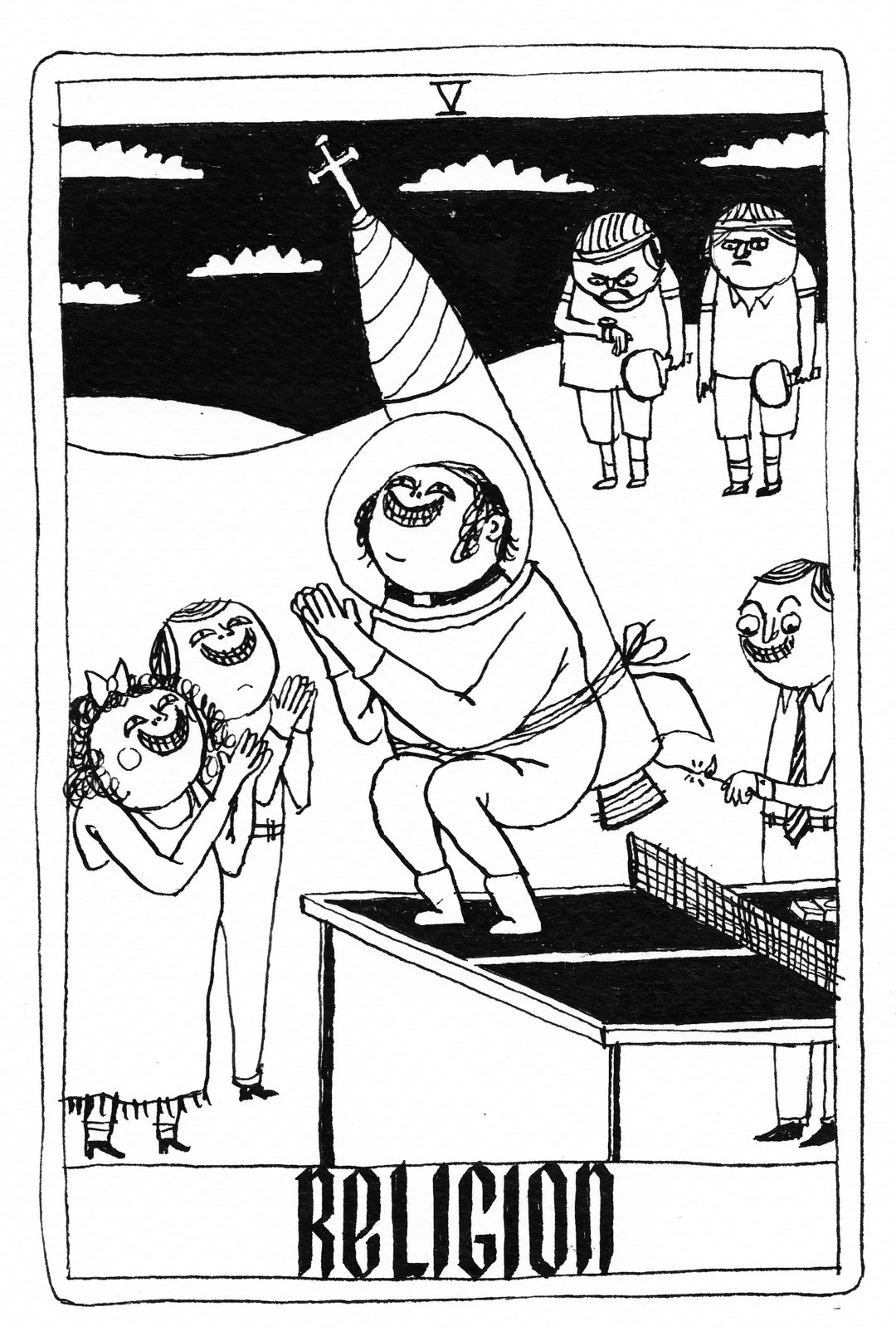
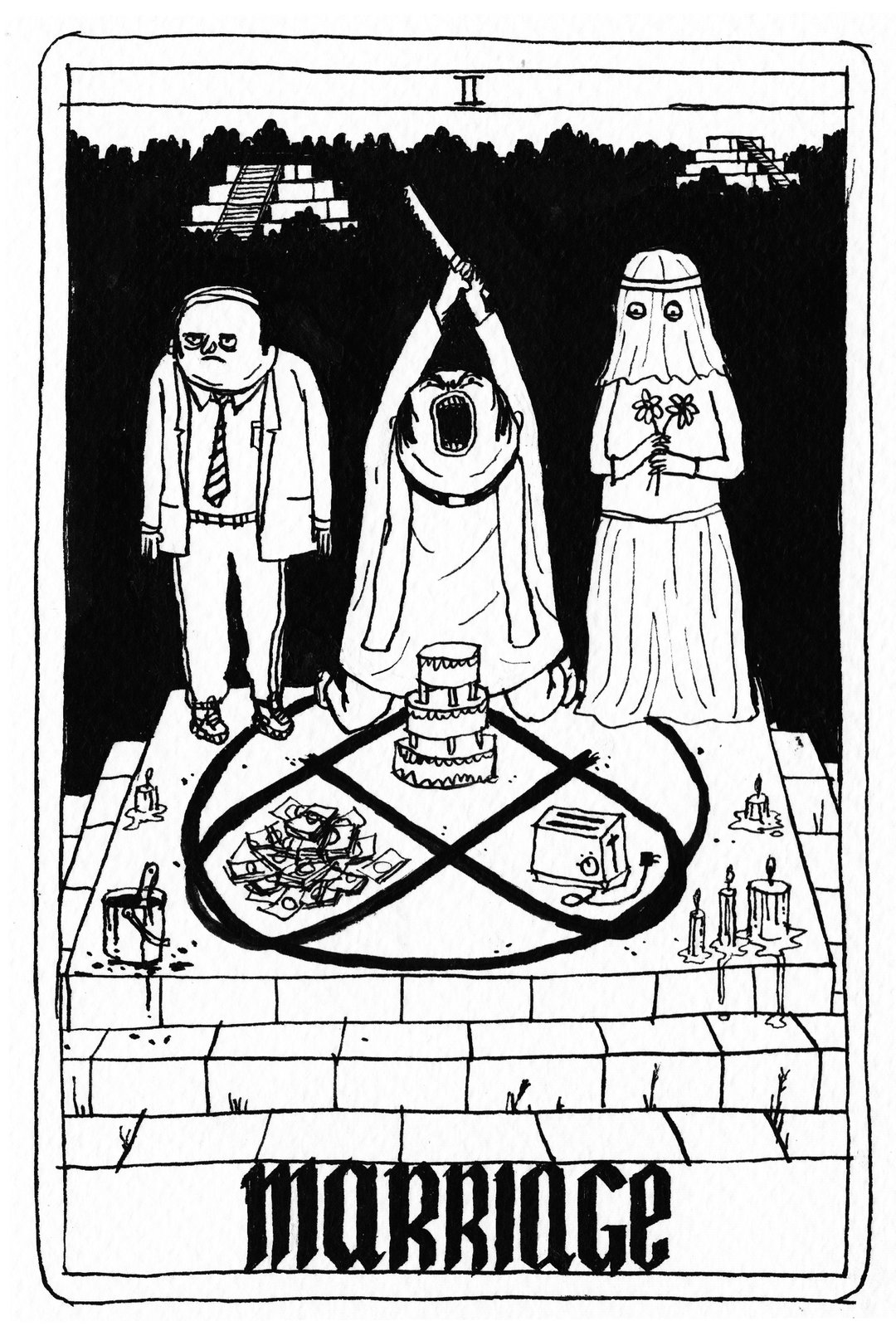
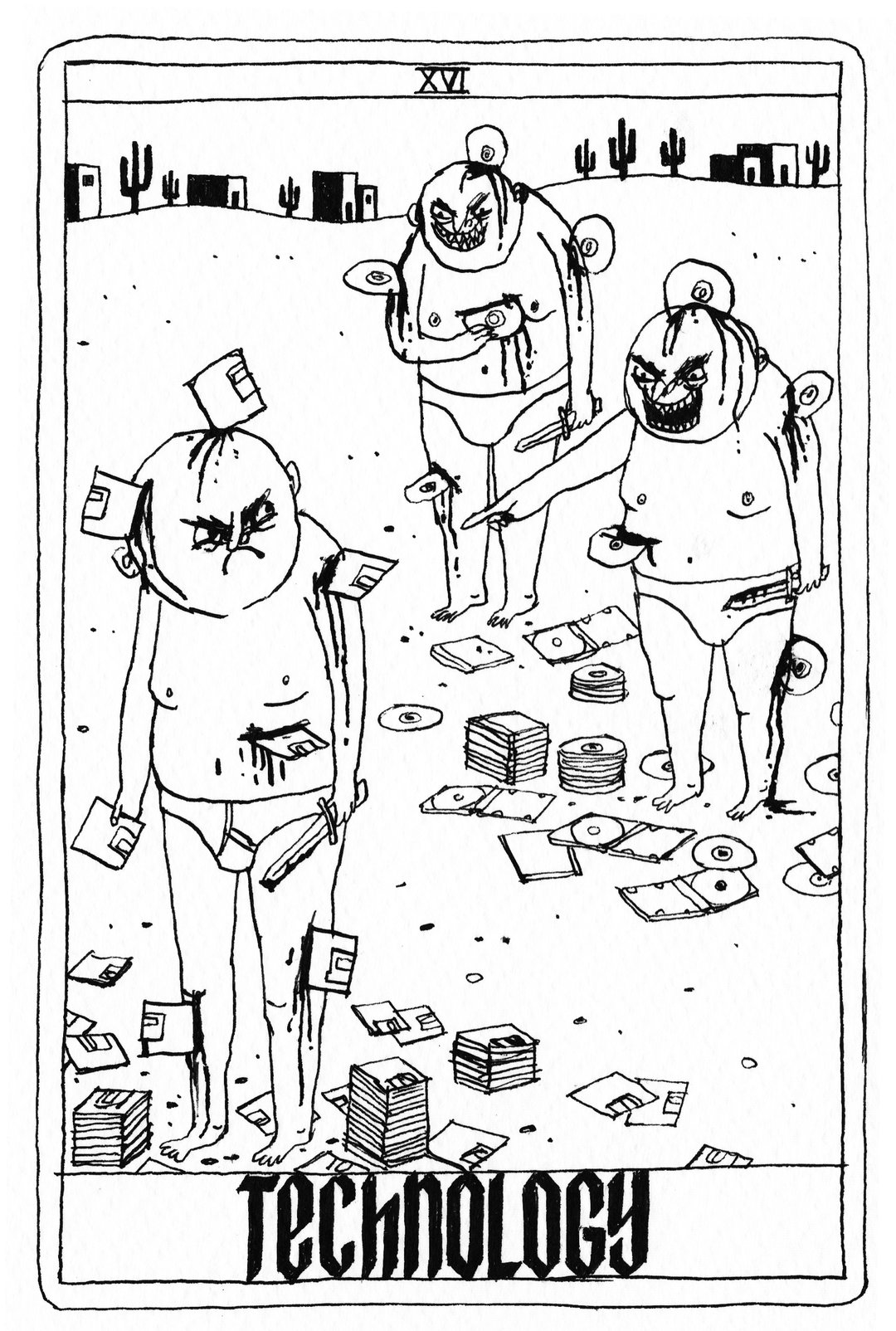
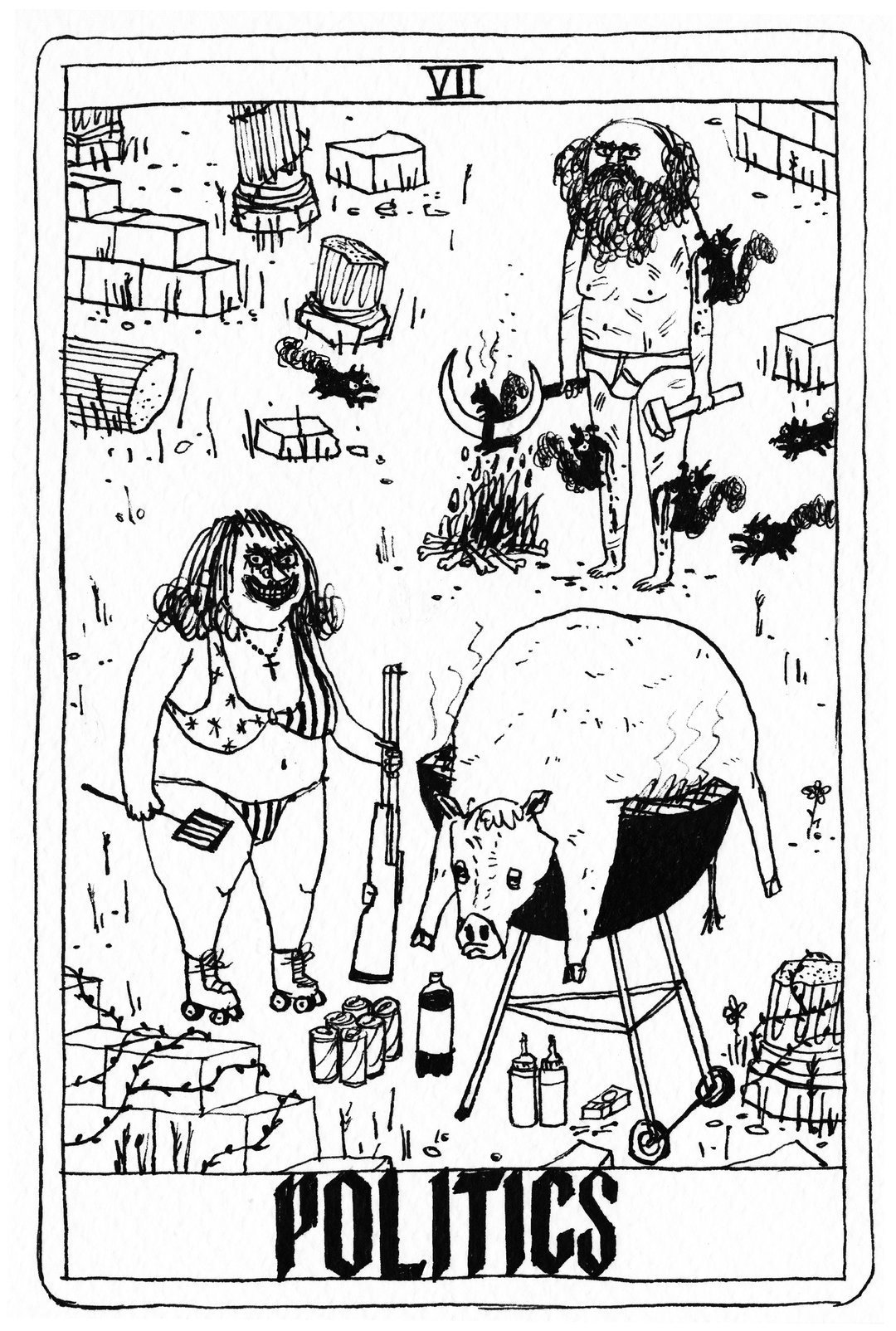
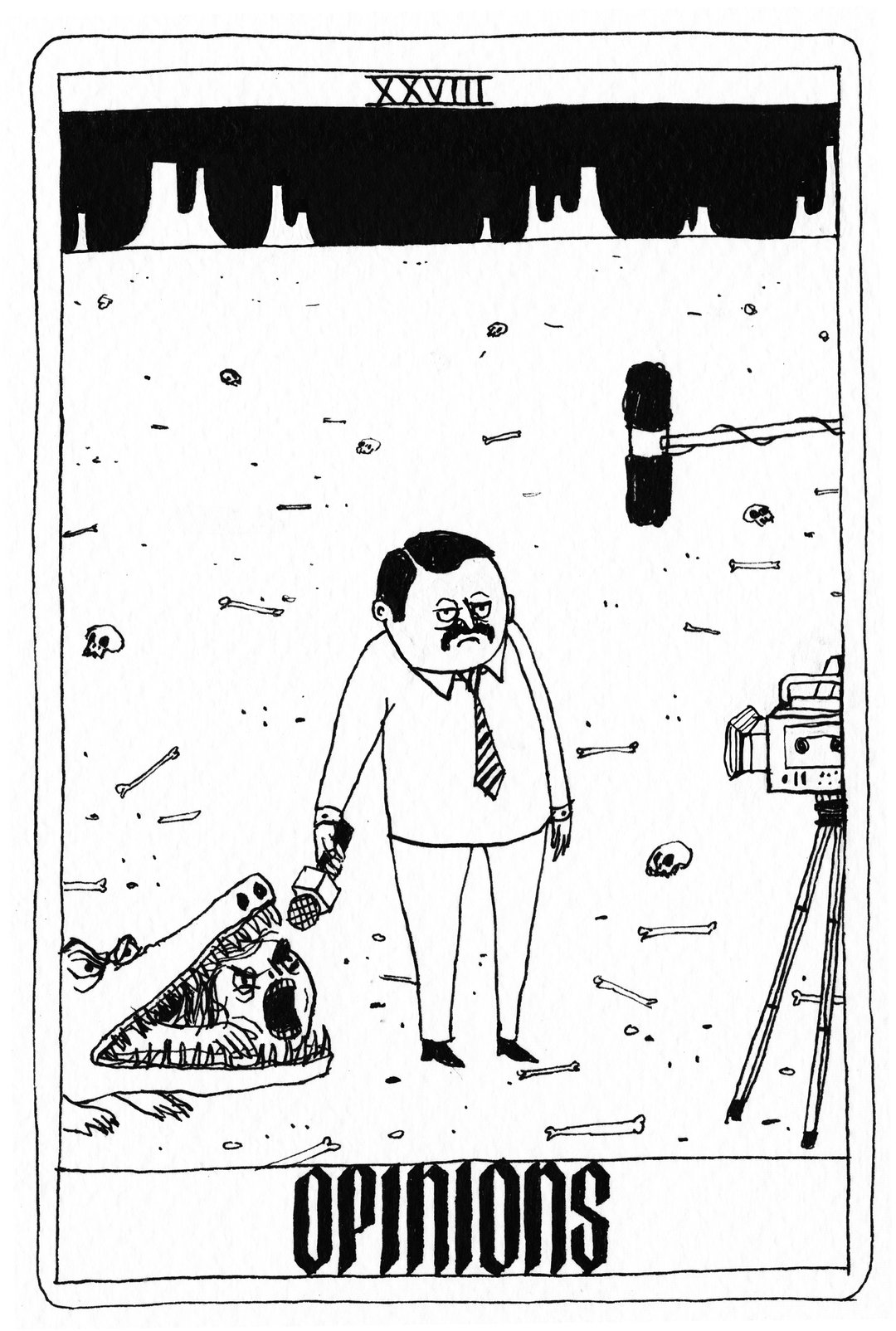
1 of 10
Letter Pressed Ha Deck for Father John Misty
1 of 10
Letter Pressed Ha Deck for Father John Misty
INT
Which artists were you looking at when developing your drawing style early on?
ES
I was just trying to draw in a way that looked sort of professional – you have to keep it fairly simple, so the joke can come across clearly. Since then I’ve just been trying to get better, to draw funnier characters and write better types of jokes. Over the years I have started to enjoy drawing more… or I just find it less frustrating than I used to.
I learned from some other cartoonists by looking at their work. Charles Barsotti taught me how to write single-panel jokes. I like John Glashan too, and William Steig, Steinberg and Andre Francoise. But when I’m working, I don’t look at other cartoonists work too much – it’s distracting.
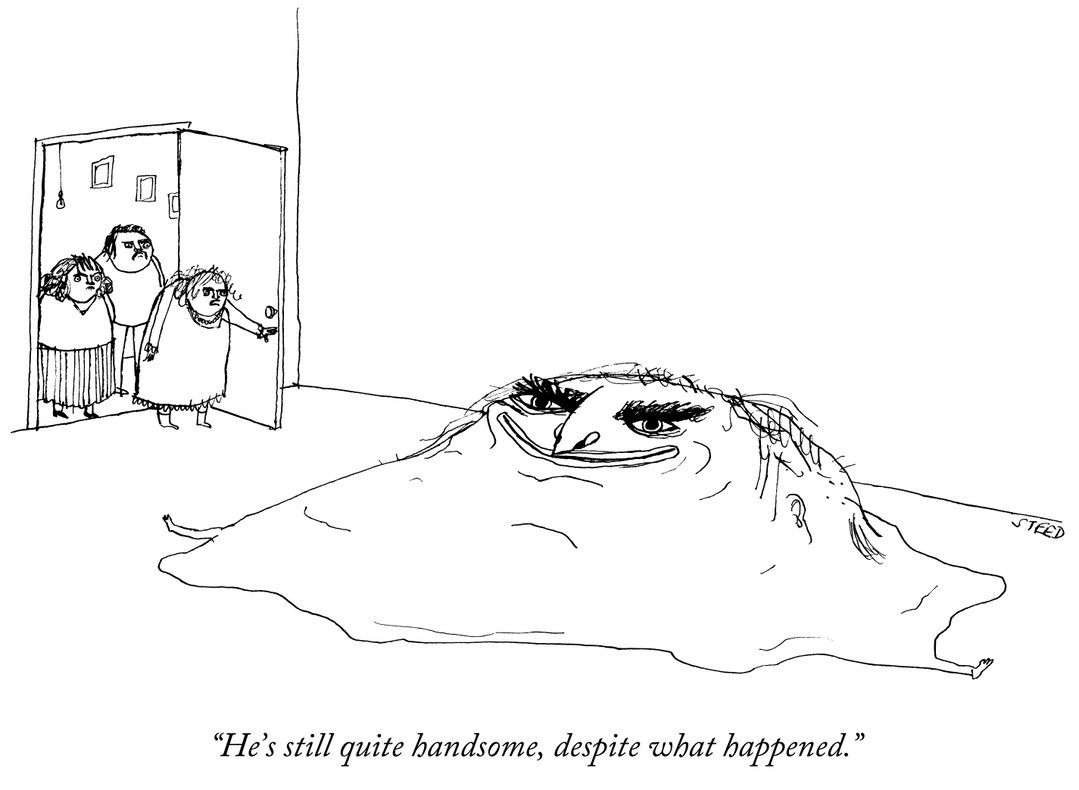
© Ed Steed © The New Yorker
INT
I listened to an interview with Nicholas Blechman, in which he discusses how cartoonists head to The New Yorker once a week to present their work. Are you part of this group?
ES
You can take your cartoons and show them to the editor. I have been a few times, years ago. I didn’t find it very helpful. You’d bring in drawings you’d spent all week working on and he’d skim through them in two seconds, not really looking at them. It was a bit depressing.
INT
What about a piece of feedback or guidance you try to keep in mind when working creatively?
ES
I never get much feedback from the magazine about the cartoons, other than which ones they want to buy. Sometimes they will fix the spelling or something, but no artistic feedback. They just leave you to get on with it. Which is nice. But lately, I’ve been in New York and so I sometimes meet people who have seen my work and they talk to me about it. It’s nice if they enjoyed it, but it’s distracting. I don’t want feedback.
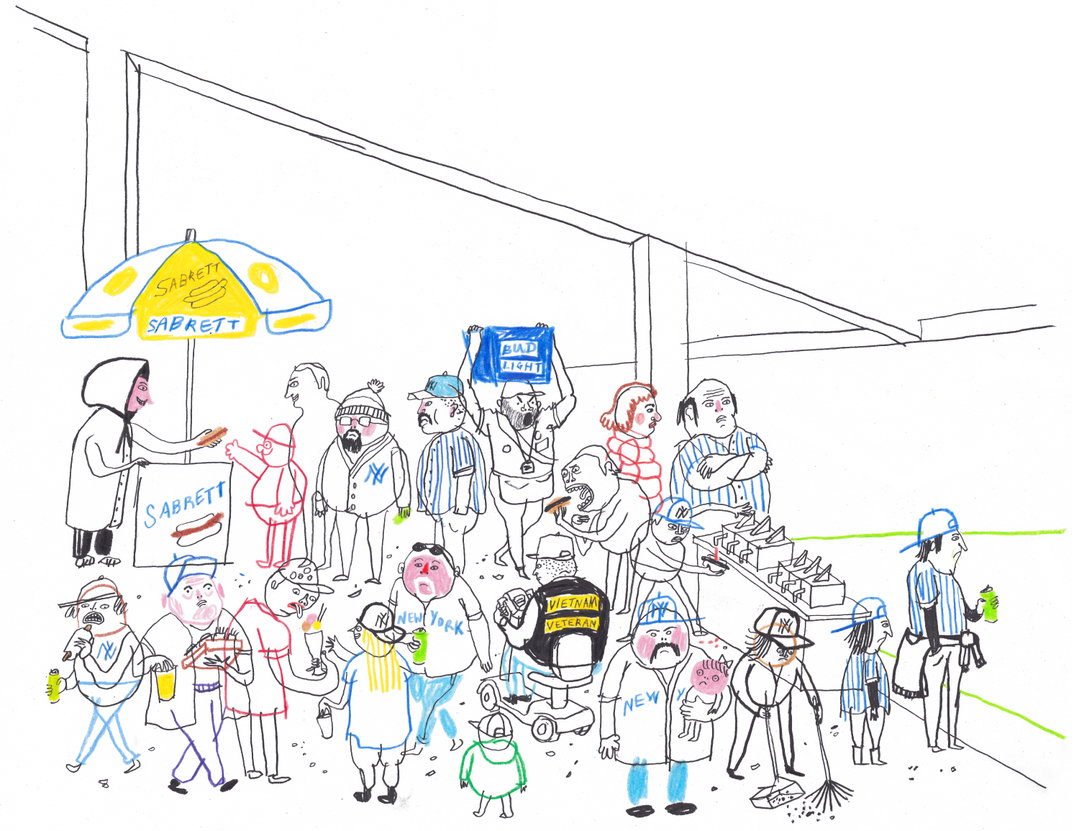
Ed Steed: Concourse
INT
The process of “coming up” with a joke is quite fascinating for someone on the other side, reading or hearing them. Do you have a certain process?
ES
I sit down at a table with some blank pieces of paper and draw for a while, seeing what comes up. Sometimes it’s not much. I’ll make lines and shapes on the paper, then turn them into things and characters. Hopefully, a joke will emerge.
I try to work like that for a bit most mornings, maybe an hour, or sometimes I give up after a few minutes. The rest of the day is spent working on whatever projects I have going – if any. I sometimes do spot drawings for the magazine, and I’ve done a couple of album covers.
INT
What’s the feeling when you’ve cracked it?
ES
The feeling is relief. Relief that you’ve found a joke, that you did your job, so you’re still a cartoonist. If you can’t think of any more jokes, you have to find a different job.
INT
How would you describe your sense of humour?
ES
East Anglian style. Straightforward. And with a respect for nature. I’m not really trying to be funny, I’m trying to come up with good jokes, which is a bit different.
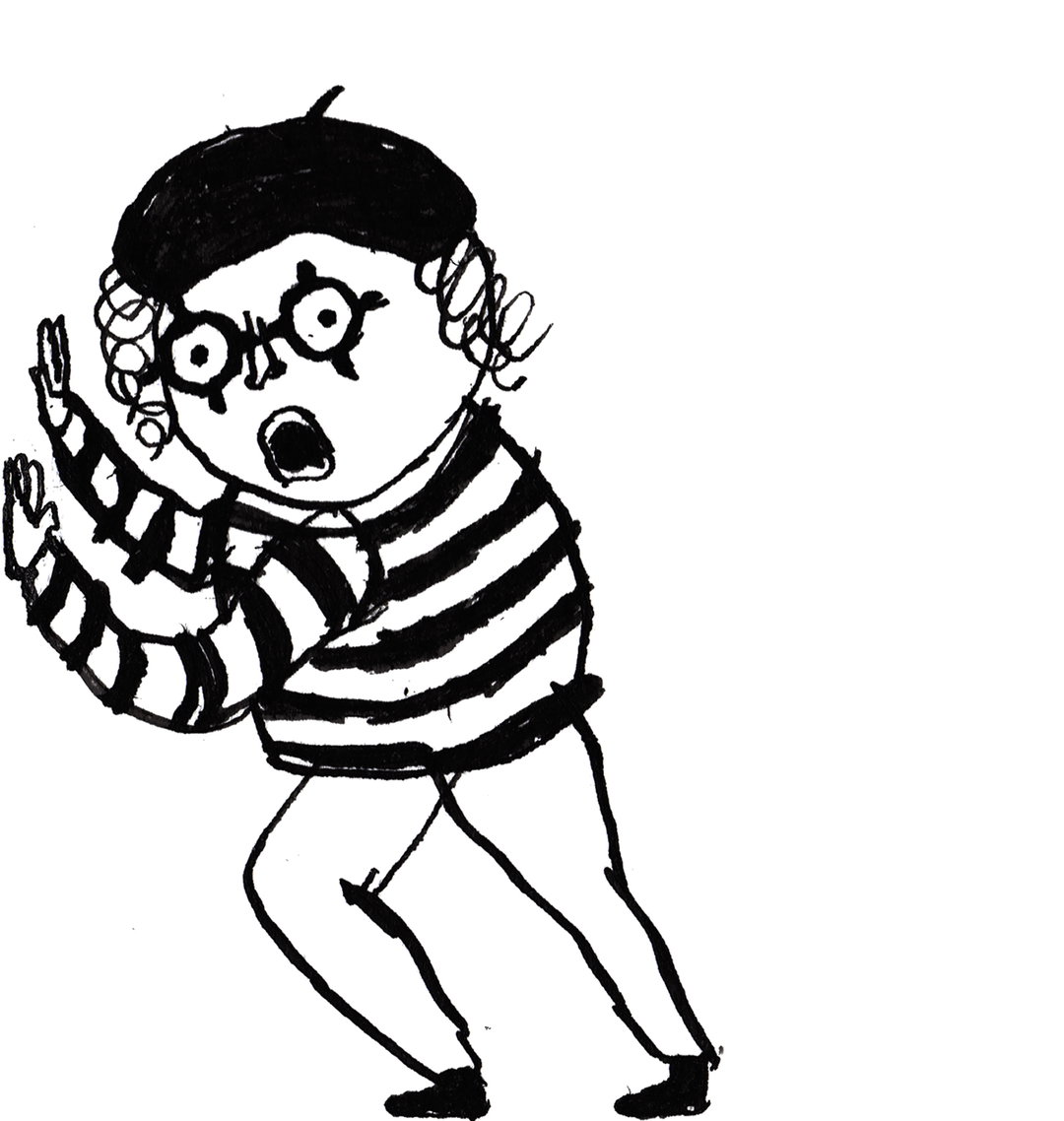
Ed Steed: Mime
“I’m not really trying to be funny, I’m trying to come up with good jokes, which is a bit different.”
Ed Steed
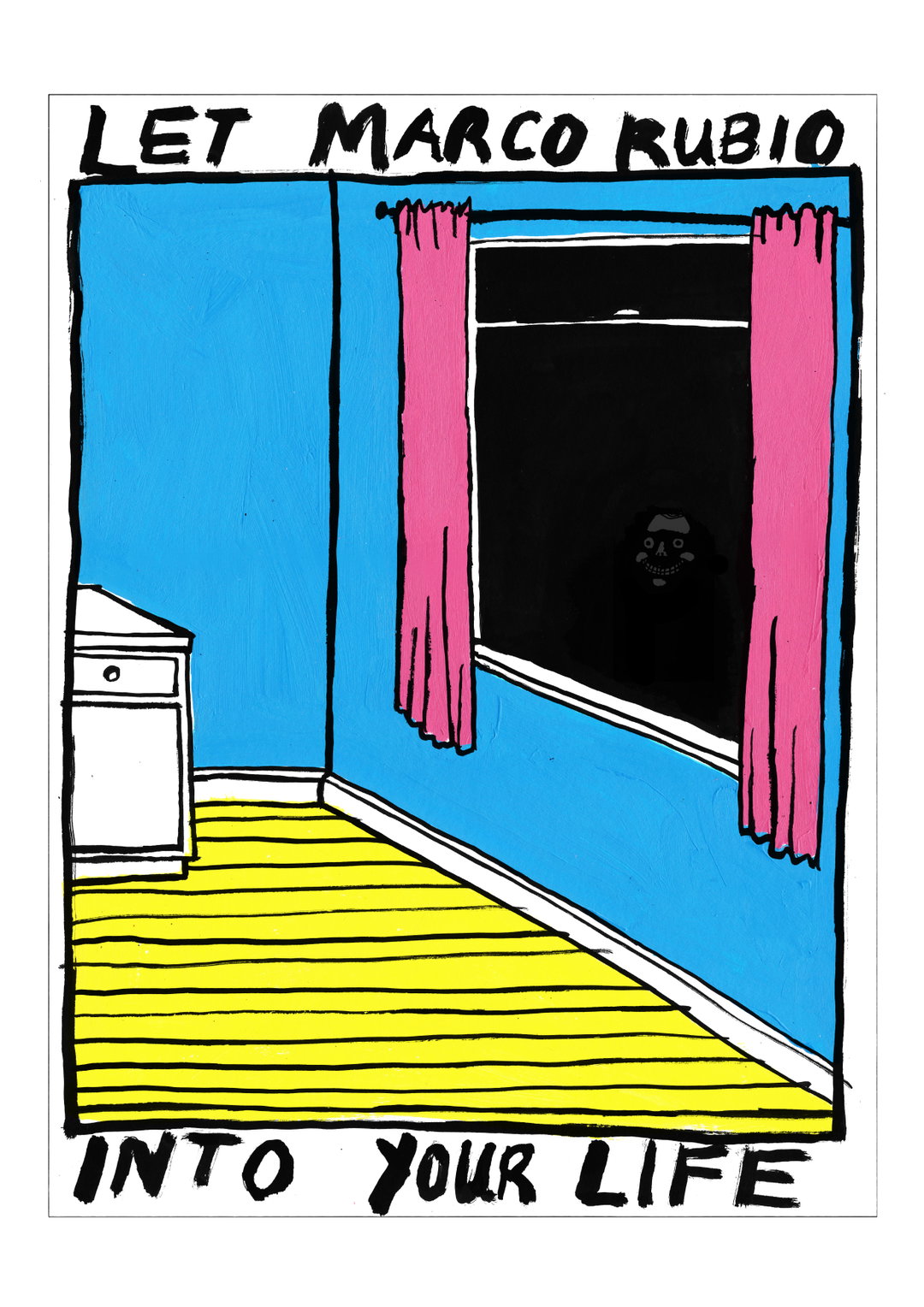
Ed Steed: Posters
Ed Steed: Posters
Ed Steed: Posters
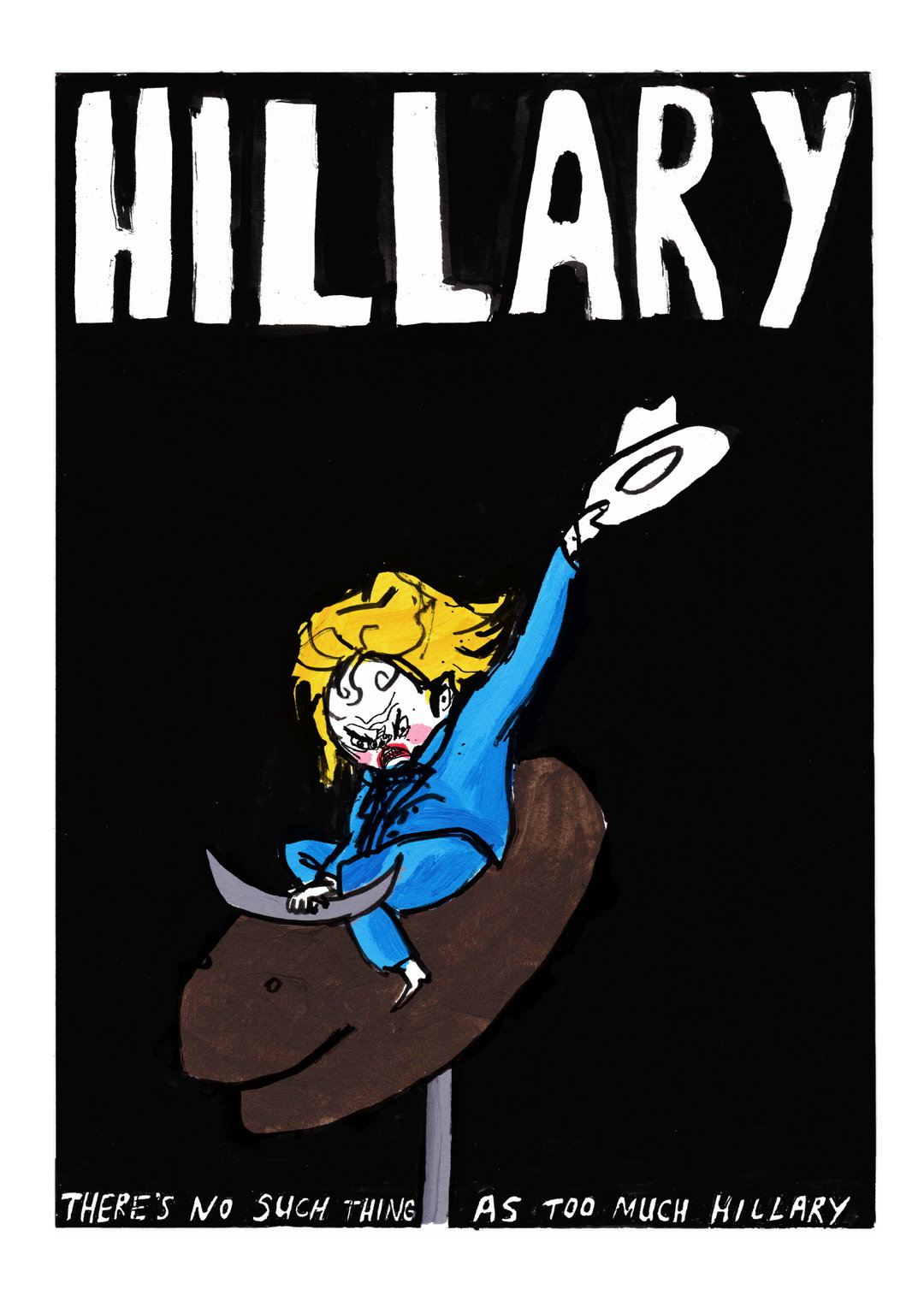
Ed Steed: Posters
Ed Steed: Posters
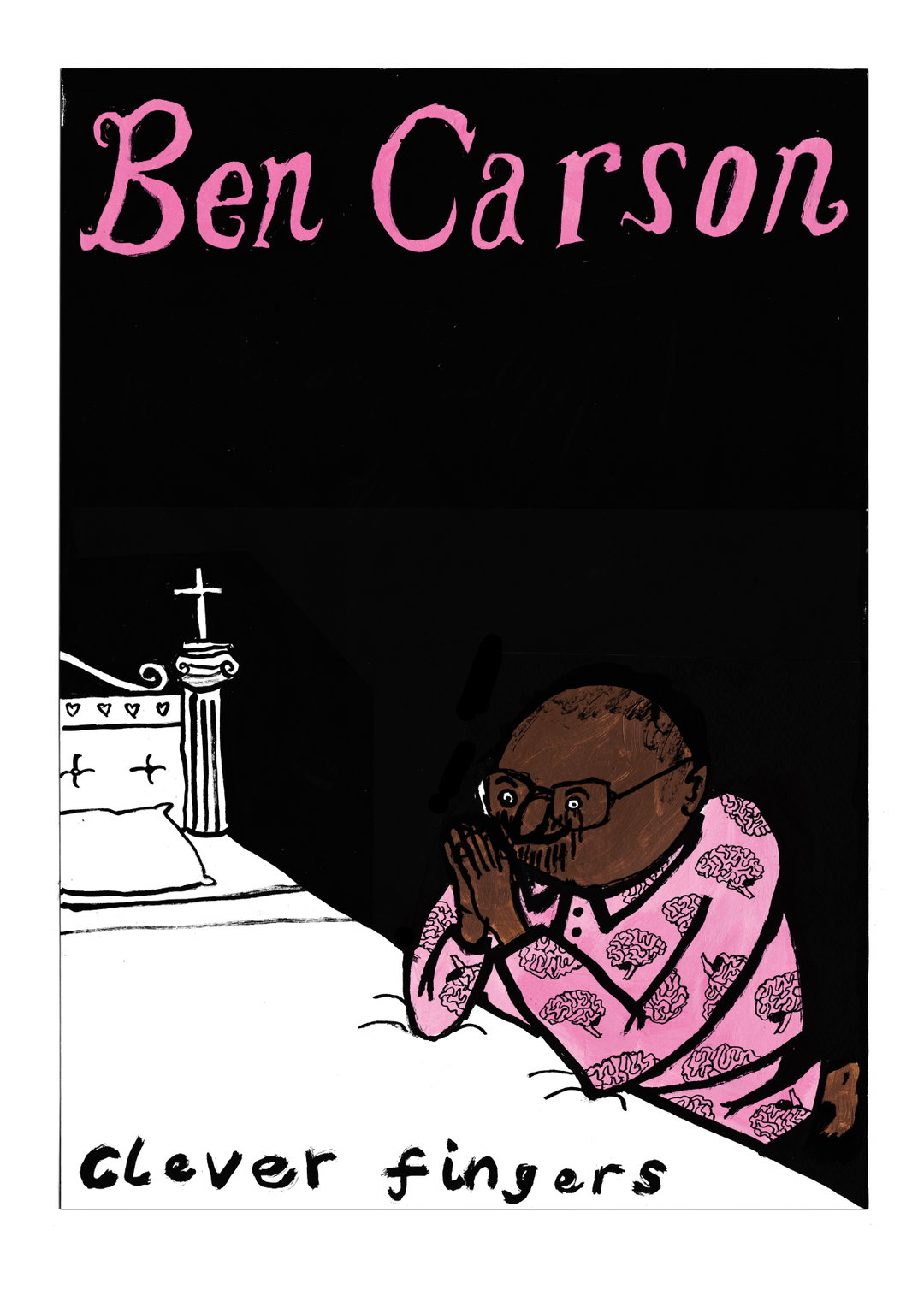
Ed Steed: Posters
INT
Yes, you’re originally from Suffolk! How did the decision to move to New York come about?
ES
I felt like I needed a change. New York is OK. I like the warm summers and the big sandwiches.
INT
Lots of your work references the political climate. Do you enjoy commenting on this?
ES
I don’t do much that’s explicitly political. Sometimes I’ll have an idea for a joke and politics – or a politician – is a part of the idea. I don’t often set out to do a political drawing. There are enough cartoons of the president showing how bad he is. It seems like a waste of time to just add to all that. I did do a few things, trying to find a different angle to hit him from, but it’s difficult and not very satisfying.
INT
But when you do include a political angle, is there a point of view you’re trying to convey?
ES
Use your sense. Vote for better politicians.
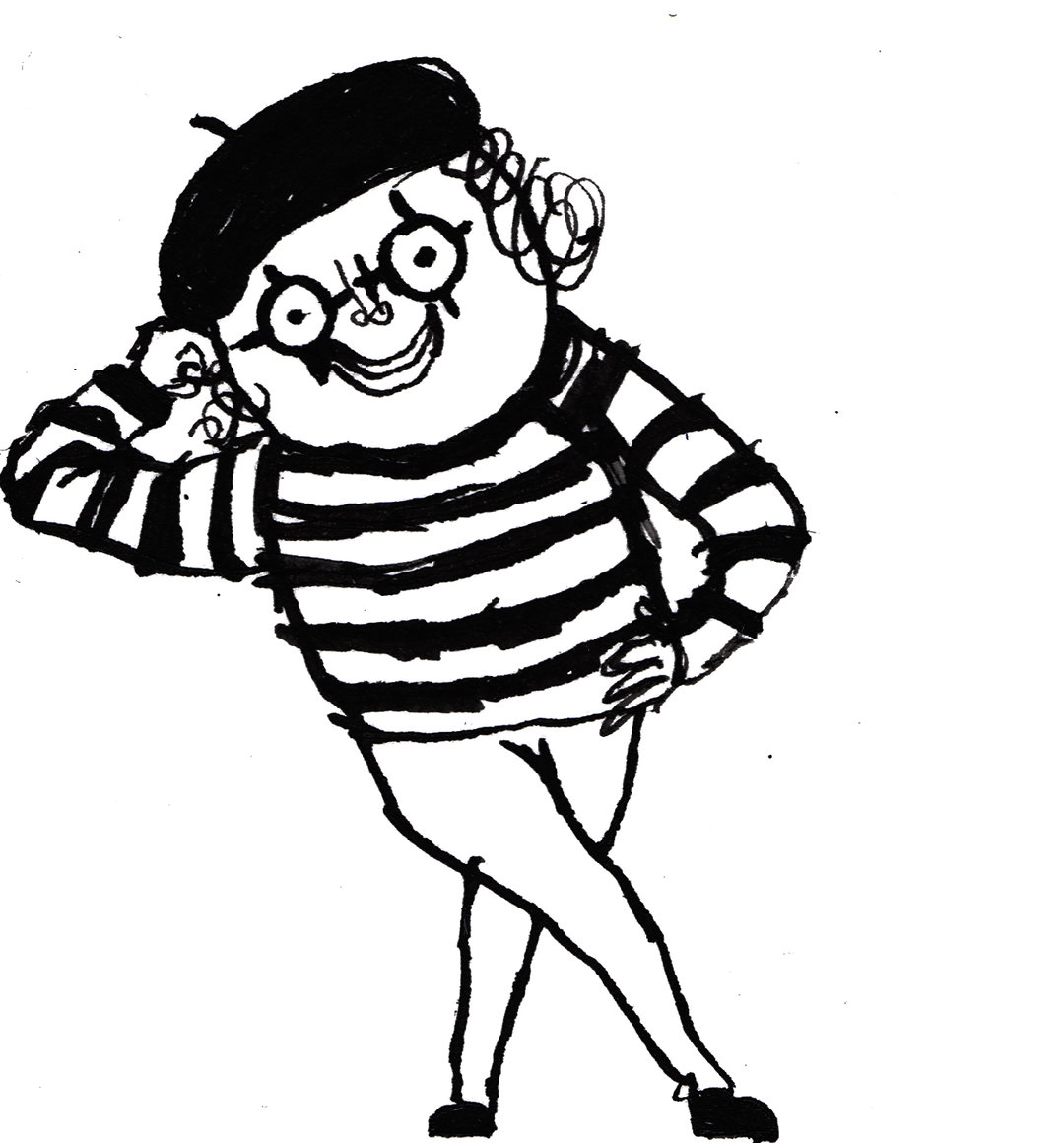
Ed Steed: Mime
“There are enough cartoons of the president showing how bad he is.”
Ed Steed
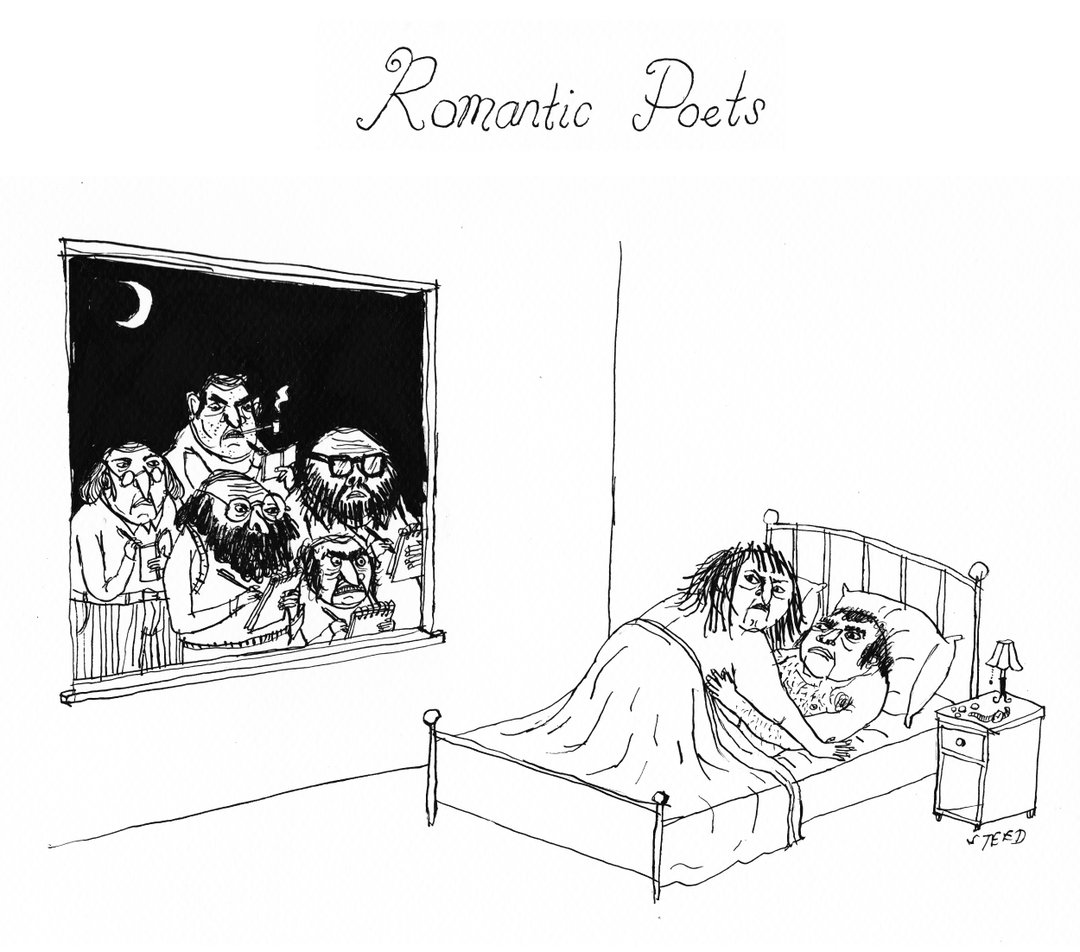
© Ed Steed © The New Yorker
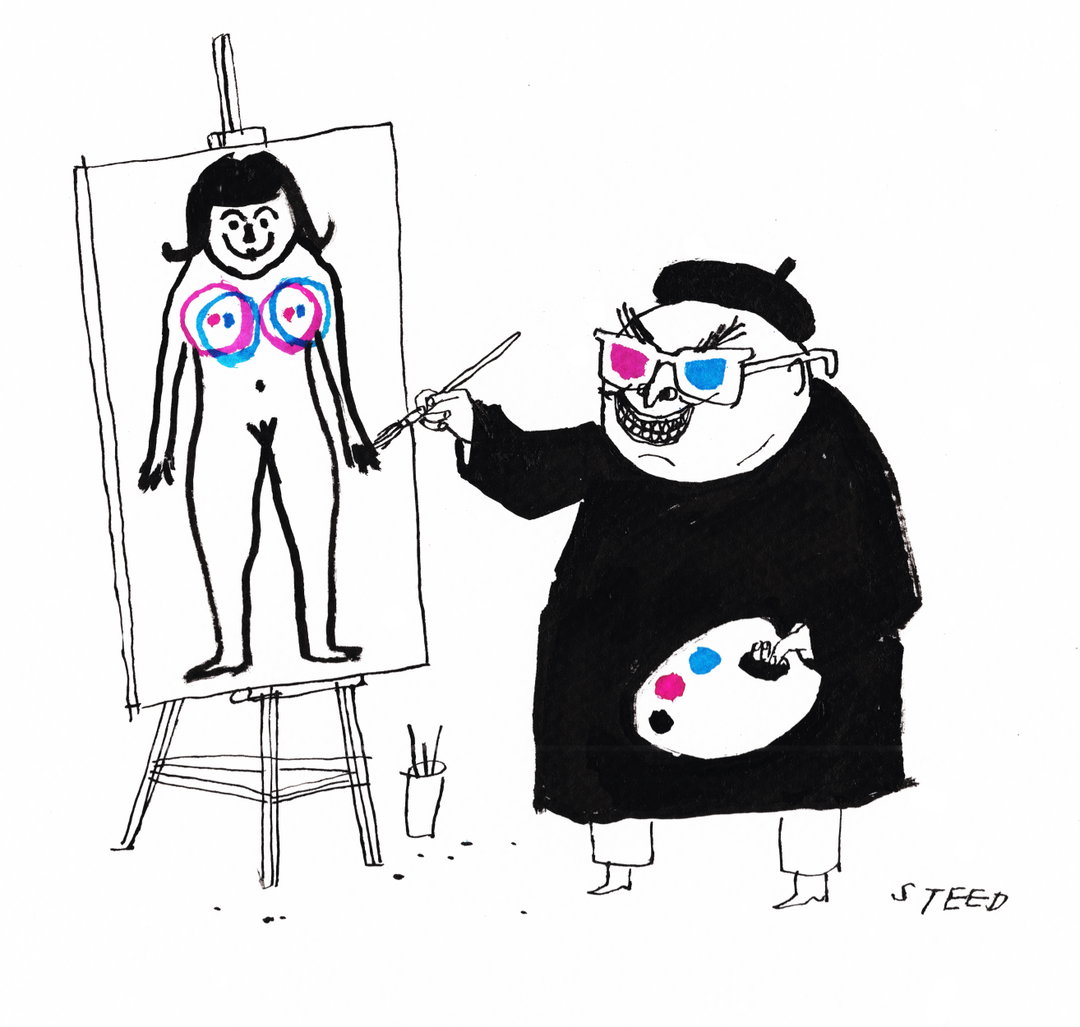
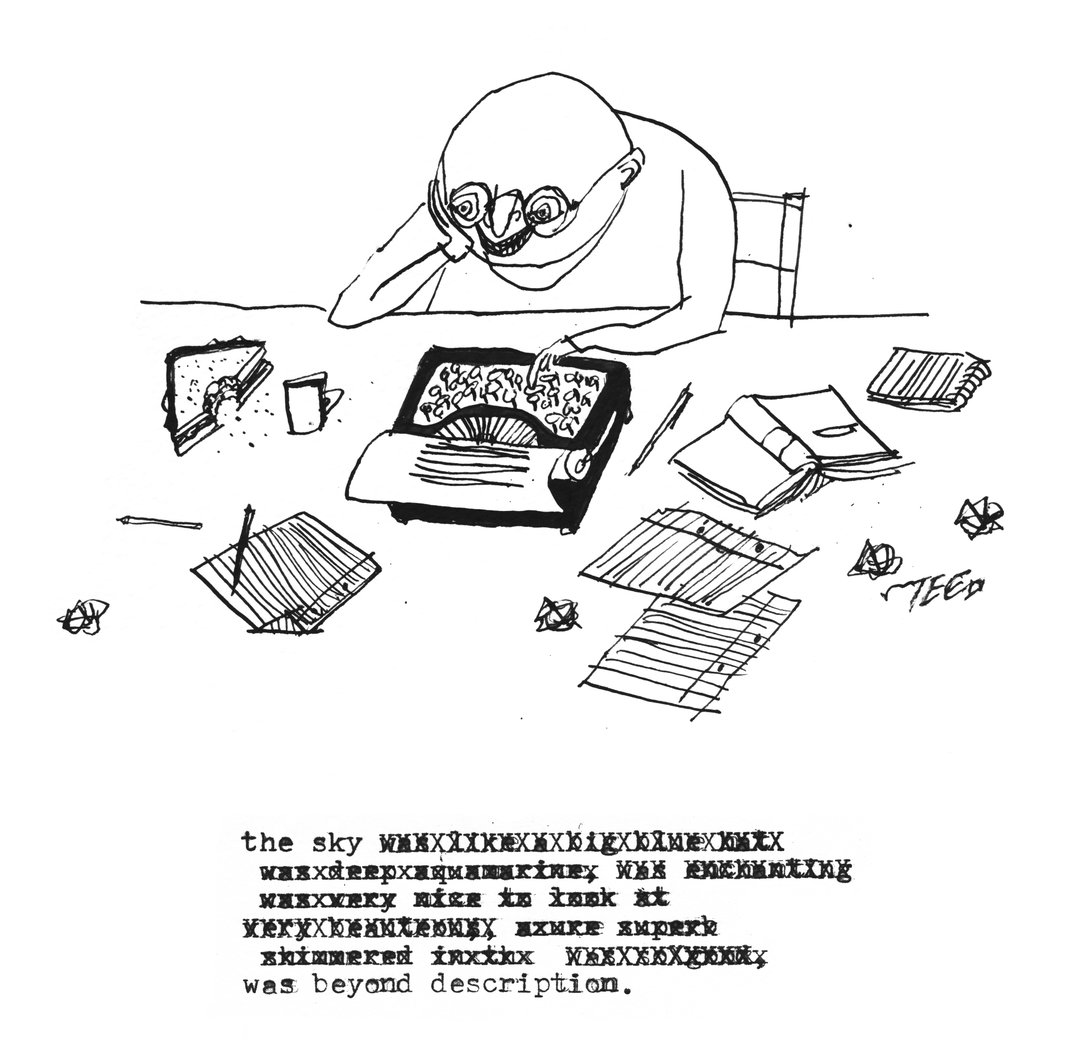
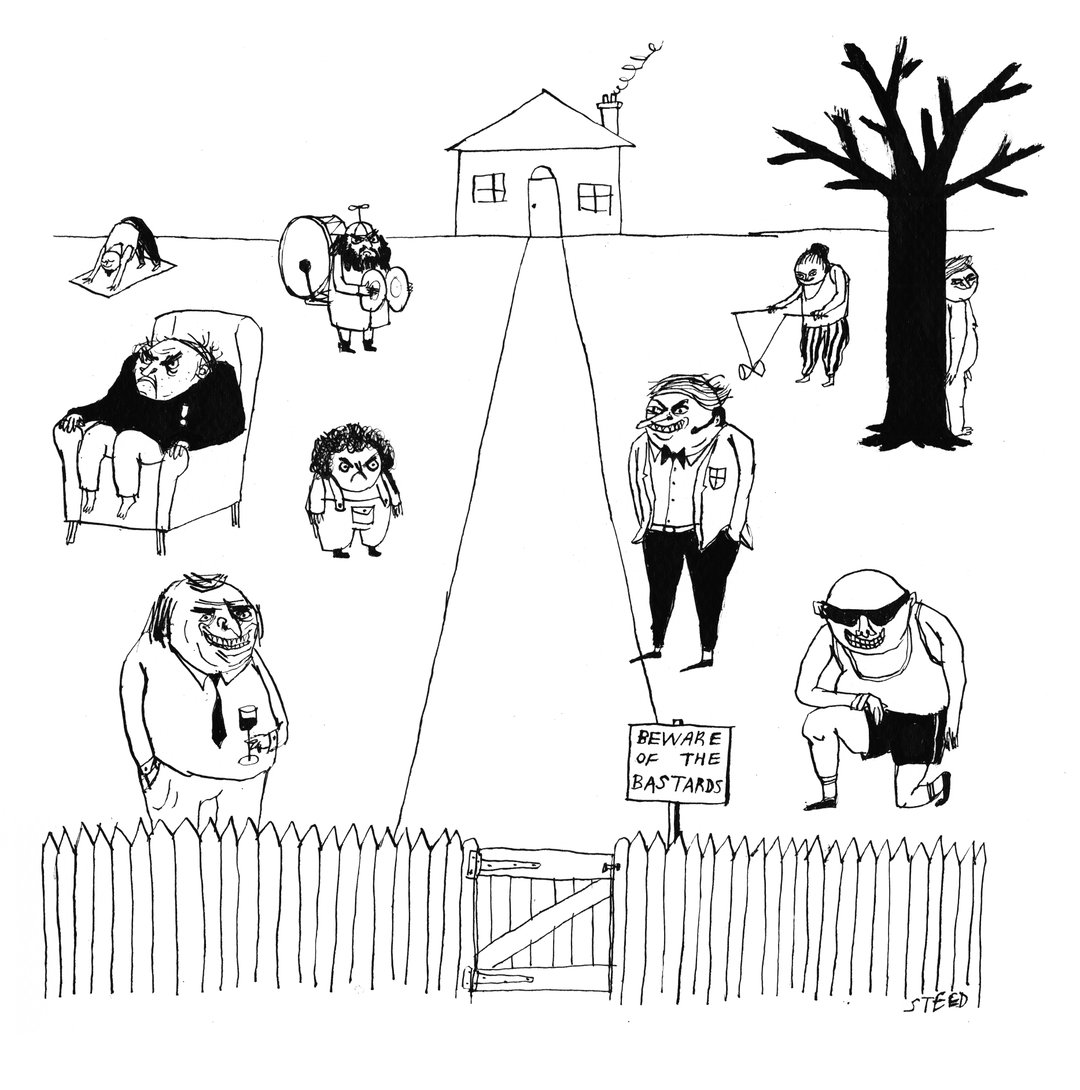
1 of 4
© Ed Steed © The New Yorker
1 of 4
© Ed Steed © The New Yorker
INT
You recently completed your first cover for The New Yorker and a second just a few weeks back. How was that process?
ES
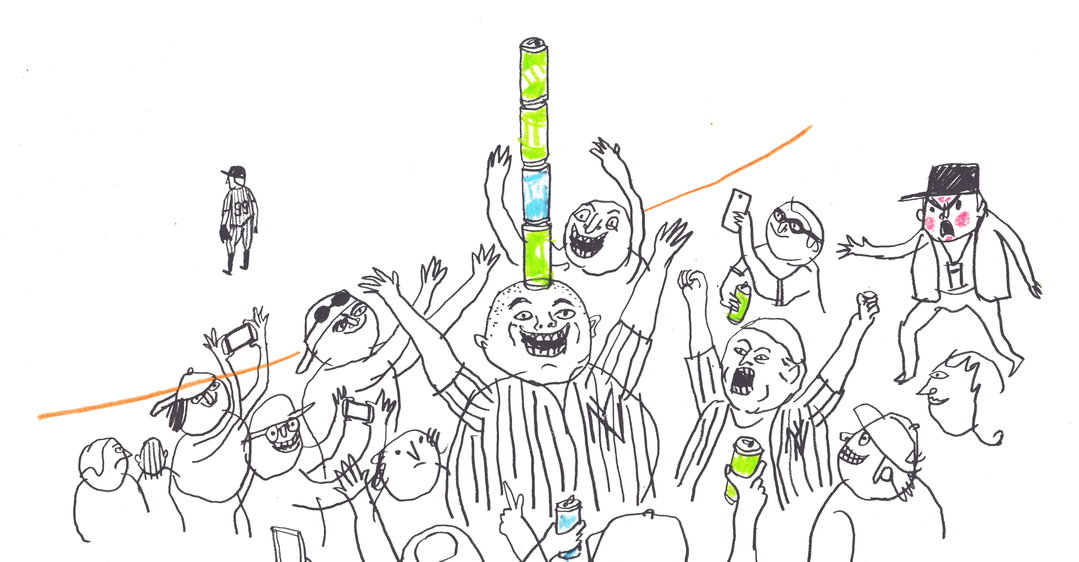
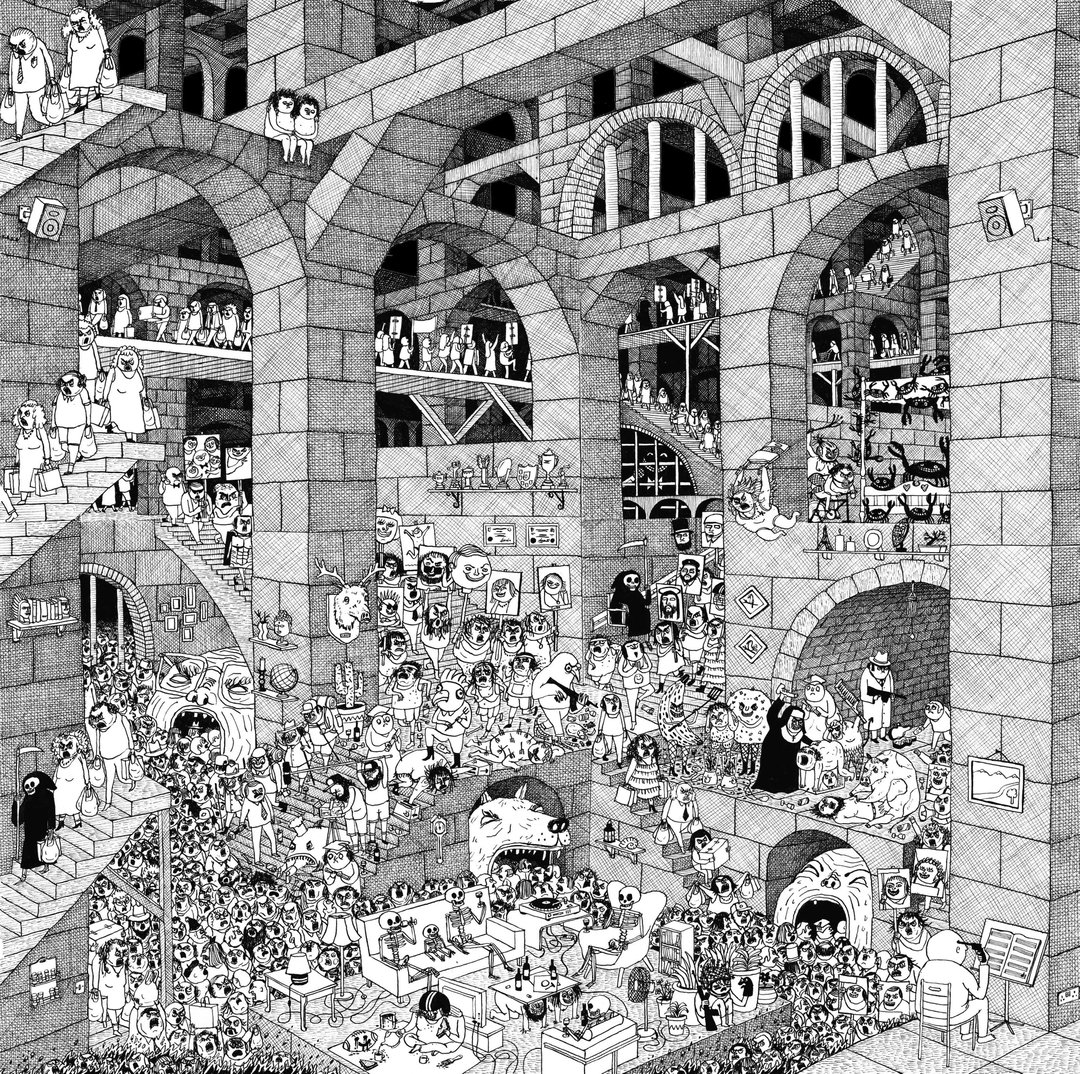
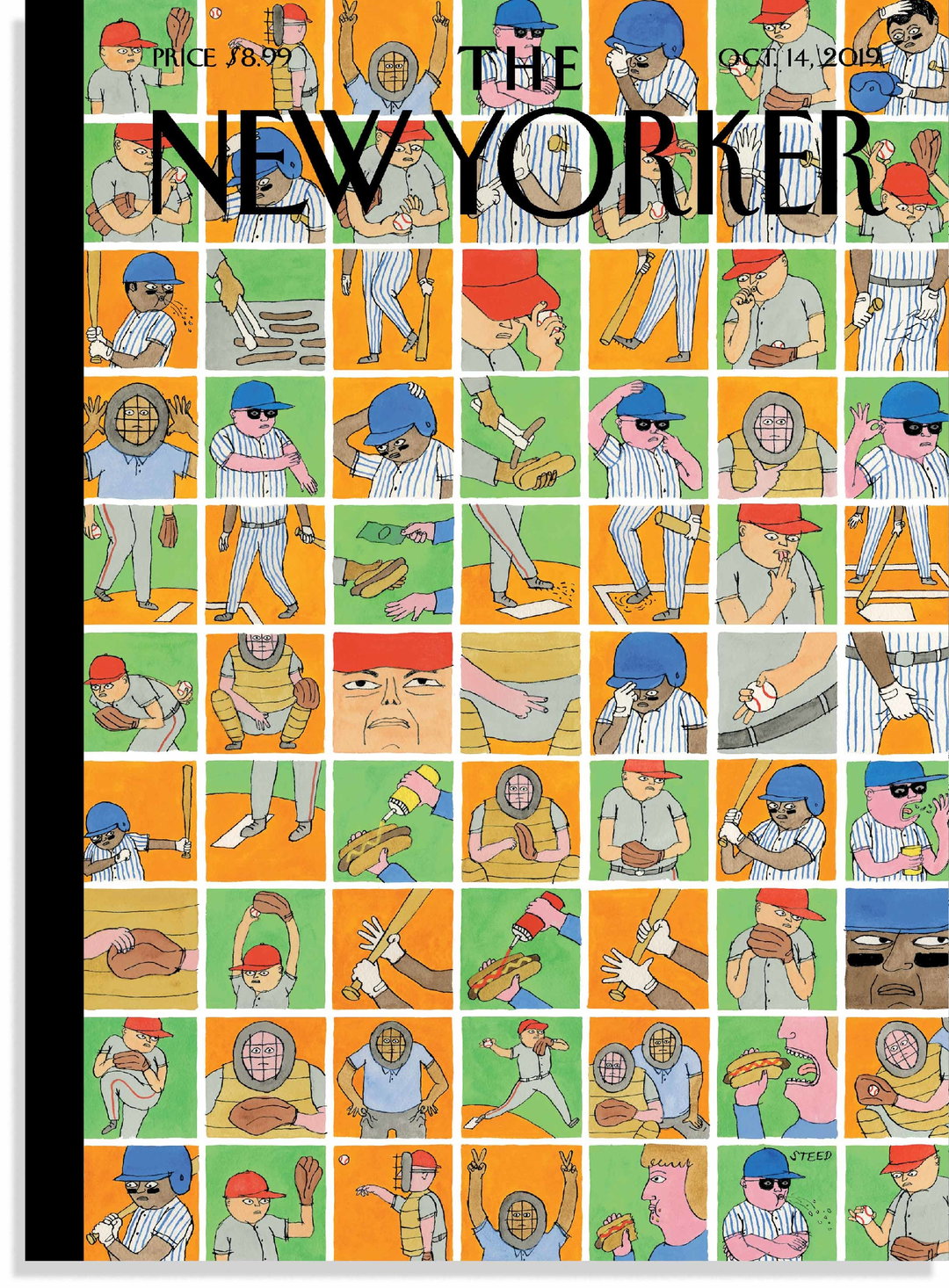
I really wanted to do a cover. For the first one, I thought if I draw something so dense and beautiful, with all these nice faces, then they’ll surely buy it. It would be too difficult for them to turn down. The baseball one was an idea I’d had for a while, to make a long, boring comic about a single pitch. An almost meaningless pitch that misses the strike zone anyway, and all the effort and hard work that goes into that, from the players and umpires. It could have been ten times as long, but there’s only so much room on the cover.
INT
Did working towards a cover require a different approach?
ES
It was a different type of drawing altogether, lots of lines and small patterns. Those kinds of details would get in the way of a joke cartoon. A cartoon usually needs to be read quickly. But I wanted to make a cover that you could spend a long time looking at.
INT
Does working on projects where you can build a larger narrative interest you?
ES
I’ve made a few comics before but I’m not very good at longer things, there are too many different parts to think about and I lose momentum. With the single-panel cartoon, you can be quite spontaneous, there is no need to plan ahead.
I would like to get better at comics, but mostly I’d like to do more big drawings, album covers and magazine covers. Things like that where I am just drawing, and not obliged to tell a certain type of joke.

© Ed Steed © The New Yorker
Hero Header
Ed Steed: Beer can
Share Article
Further Info
About the Author
—
Lucy (she/her) was part of the It’s Nice That team from 2016–2025, first joining as a staff writer after graduating from Chelsea College of Art with a degree in Graphic Design Communication, eventually becoming a senior editor on our editorial team, and most recently at Insights, a research-driven department with It’s Nice That.