


- Words
- Rob Alderson
- —
- Date
- 2 September 2026
- Tags
Vuokko Aro and Coral Garvey on Monzo’s design-led move into the mainstream
What happens when a scrappy challenger brand grows up? Monzo’s creative leaders on navigating growth, the emotional side of banking, and making the logo bigger.
Share
Share
In-House is a new column from It’s Nice That where we go inside the workings of major brands, agencies and companies shaping the future of the creative industry.
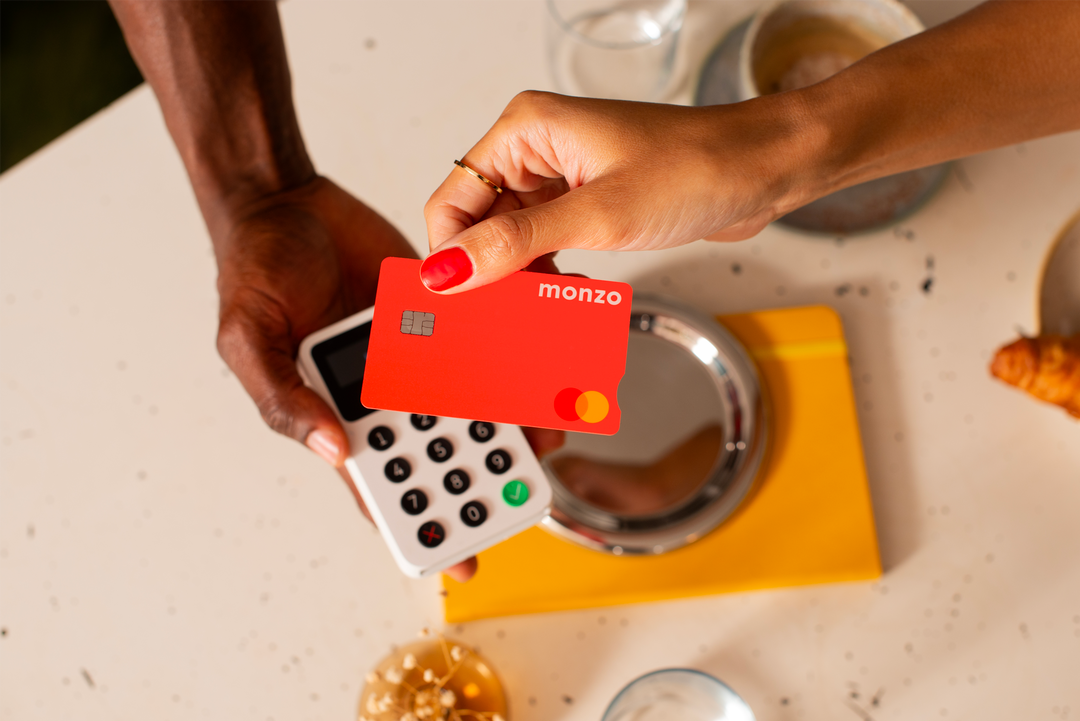
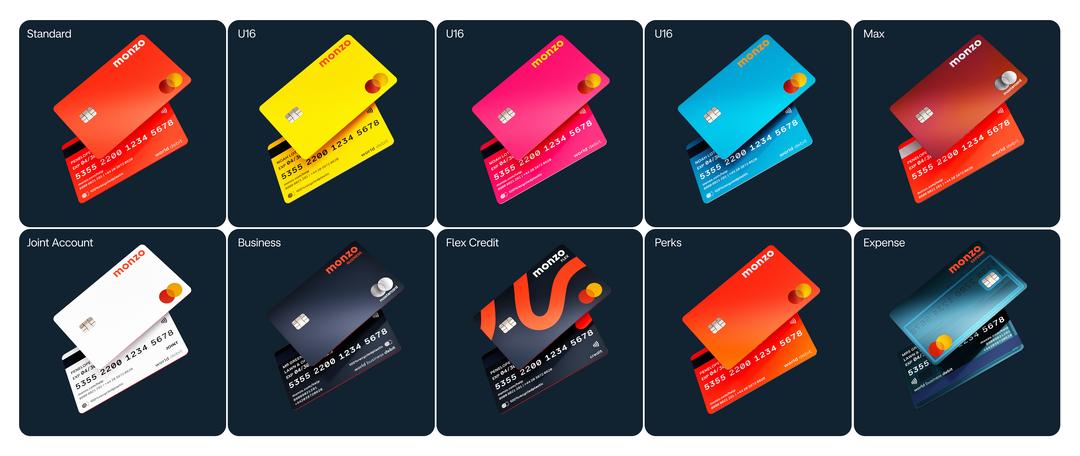
Monzo’s famous “hot coral” bank cards were initially just a test used in early prototypes. Then the company realised how well the eye-catching, instantly recognisable designs helped build its brand.
The challenger bank set a world record when it raised £1 million in 96 seconds on launching in 2015. 11 years later, it now has more than 16 million customers, and has grown way beyond being a scrappy disruptor. But design and creative thinking have remained a key part of its strategy.
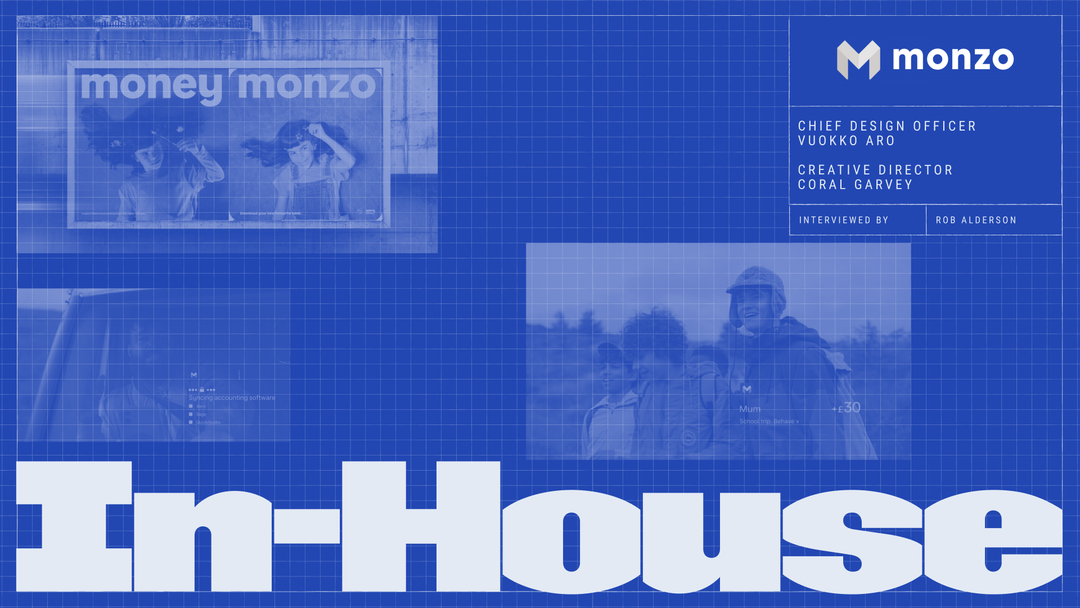
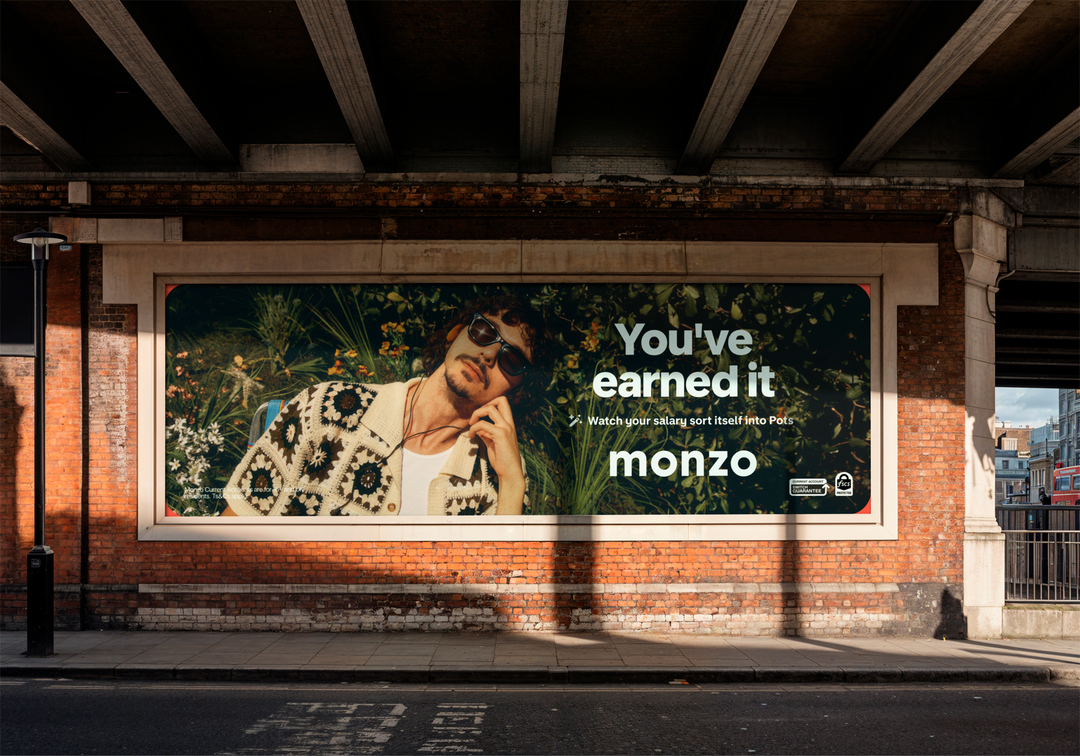
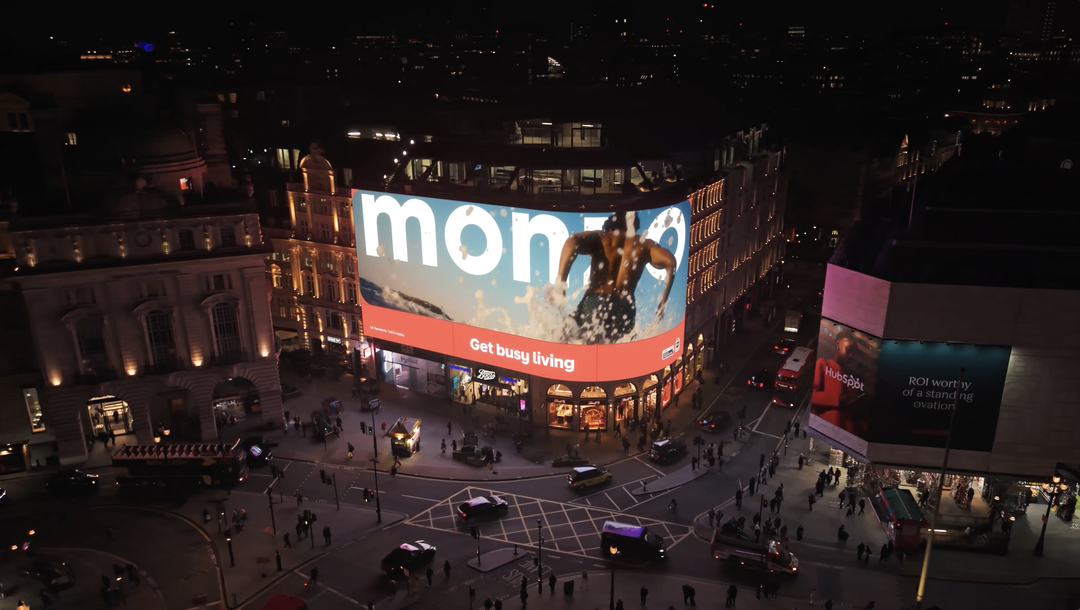
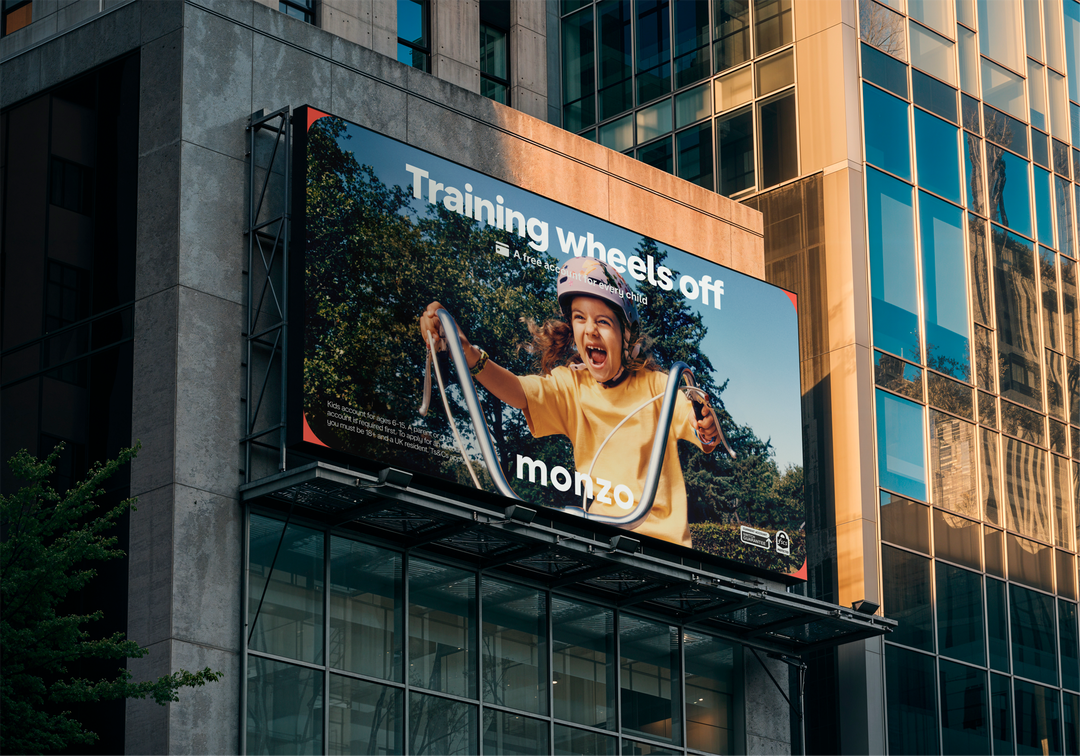
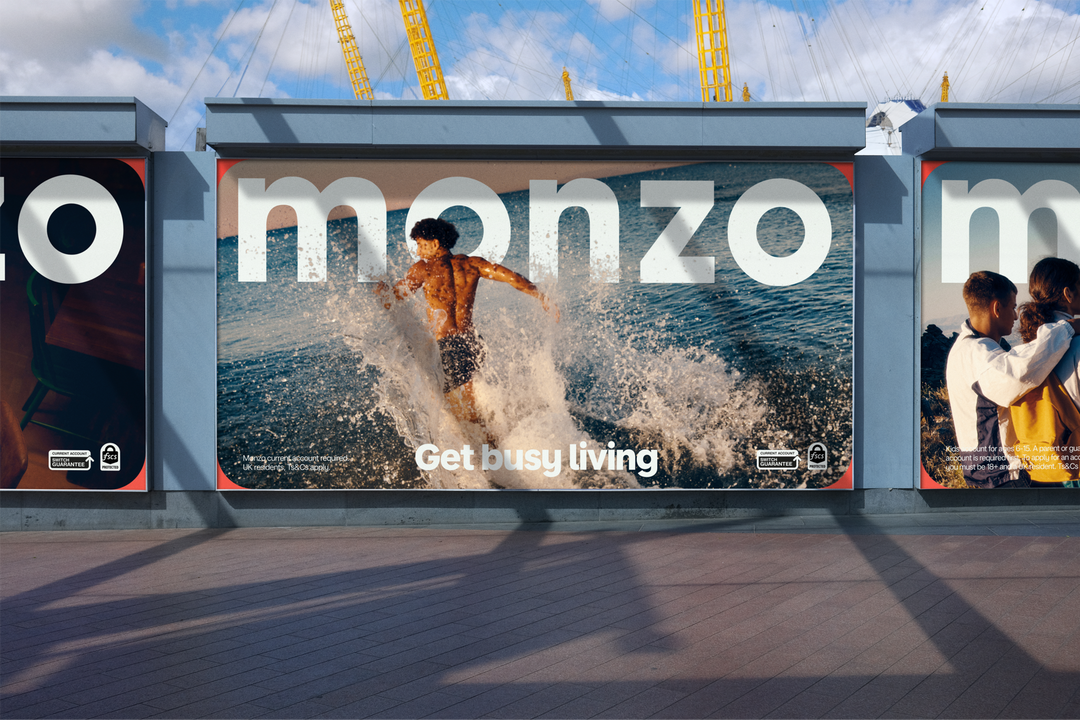
Monzo recently rolled out a new brand platform, Get busy living, created with BBH London. It features spots directed by Daniel Wolfe and an OOH campaign shot by Elliot James Kennedy.
We spoke with two of the people who lead its in-house creative efforts – chief design officer Vuokko Aro, who’s been with Monzo since 2017, and creative director Coral Garvey, who joined in 2024.
We discussed co-creating with your customers, making banking an emotional experience, and how they found “timeless bangers” for the new campaign.
Copyright © Monzo
Rob Alderson:
As Monzo grows, how do you decide which elements of the brand and design you keep, and what’s on the table to be changed?
Vuokko Aro:
There are things that are very core to us, that we’ll always keep. The extreme customer-centricity – understanding people’s lives and how we can be a part of them. The hot coral colour. Simple, modern product design. Not just being a functional product, but something with an emotional dimension that really connects with people.
In terms of what’s evolved, I guess the obvious thing is we now have bigger budgets. We can do bigger campaigns, with new types of media. This summer we had a Piccadilly Circus takeover…
RA:
That’s how you know you’ve made it. Scrappy challenger brands aren’t doing a Piccadilly Circus takeover…
VA:
Exactly. We’ve been able to hire specialists, bringing more dimensions of the brand to life, like defining our sonic branding. And we’re constantly pushing the technical boundaries of how we can express ourselves.
Coral Garvey:
One thing I think will always evolve are our brand guidelines. They’re a living, breathing entity. My biggest love, and the bane of my existence.
I challenge my team all the time to push. Whether that means how far can we flex, or how can we shrink – stripping things away and finding the clarity, so we can build safely as we expand.
Copyright © Monzo
Copyright © Monzo
“That’s what makes you a really strong creative – being able to harness that energy, cultural nuance, and those insights, and laser focus it to the brand you’re working on, in a strategic way.”
Coral Garvey
RA:
From the outside, it felt like design was always quite central to Monzo, right from the start.
VA:
Yeah, I would say so. Both on the card, with the brand colour, and the way the product is designed. We had early success thanks to design, so we’ve been able to point to it as our differentiator, and invest more in it to scale further.
RA:
So the company always got the importance of design?
VA:
We started from a place of strength, but it wasn’t a given. We’ve been very clear about what really matters, and why it works, and point to all of those success stories.
RA:
Do you pay much attention to what the other challenger banks and fintech brands are doing creatively?
CG:
I love being up-to-date with any brand – lifestyle, tech, music. I don’t necessarily look at competitors, but it’s great to be tapped into culture. I watch a zillion movies; I’m obsessed with photographers, stylists, artists. I think they all feed into that global machine, as our collective subconscious.
That’s what makes you a really strong creative – being able to harness that energy, cultural nuance, and those insights, and laser focus it to the brand you’re working on, in a strategic way. You have to be tapped in.
VA:
We pay a lot of attention to other household consumer brands. It’s such a privilege to work on something like a bank that people use every day, so it has a big space in people’s hearts and minds.
Copyright © Monzo
Copyright © Monzo
Copyright © Monzo
RA:
Monzo prides itself on being close to its community – how does that shape your work?
VA:
We design the product in dialogue with our customers in so many ways. We invested in a big user research team and we have events with our small business customers. We have a community forum and an excellent social team, so there are a lot of ways to collect feedback.
RA:
User research sits with product and brand in a single design team right?
VA:
We’ve always had all of design under one team.
It comes back to having had a very strong starting point. I’ve never let that go – a consistent level of quality and delight across everything people see and interact with, whether it’s a piece of marketing or it’s part of the product. Everything feels like it’s made by the same hand, even though there’s over 100 of us now.
It’s not like marketing’s over here and boring product’s over there. We’re working across those two worlds as a team. It’s never something I’m willing to compromise on. I’ve seen what happens when design becomes a delivery function. We’re an equal peer, a partner, not a delivery function.
CG:
It’s one massive ecosystem and everyone understands the value of good design and communication, so there isn’t any friction. There’s no battle to make them understand.
VA:
I sometimes take it for granted because I’ve been here so long, but it’s true.
“I’ve seen what happens when design becomes a delivery function. We’re an equal peer, a partner, not a delivery function.”
Vuokko Aro
RA:
What do you look for when you’re sitting in an agency pitch?
CG:
Vibes (laughs). No, I’m kidding. For me, it’s a clear strategic message of what the challenge is, tagged to a real human truth. Creative can be noodled and designed and reworked together in the process. But the strategic core is the foundation which everything else needs to ladder up to.
RA:
How did the Get busy living platform come together?
VA:
Our mission is to make money work for everyone. We know that right now, for a lot of people, money feels like a bigger force than themselves. They don’t feel in control.
Monzo is designed to take the emotional weight out of managing your money, whether that’s sorting your money into pots, or telling you when your budget’s off track. That’s what we’re all about, so you get your time and focus back.
This platform focuses on understanding people’s lives and how we can enable them to live more fully.
We wanted this work to feel more grown-up, to help us mature as a brand. And to bring the product focus more to the forefront.
CG:
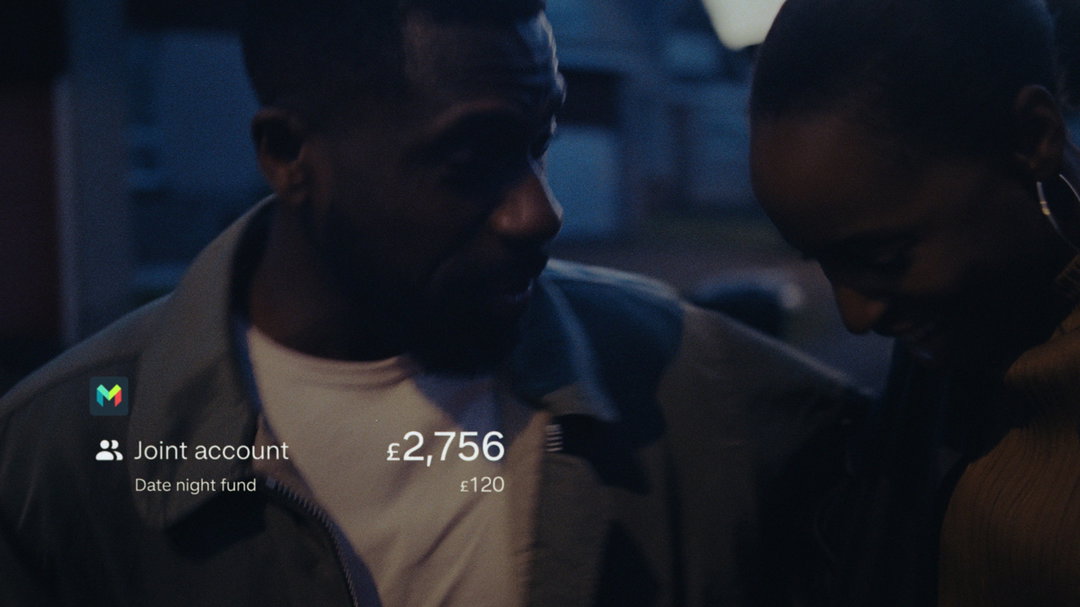
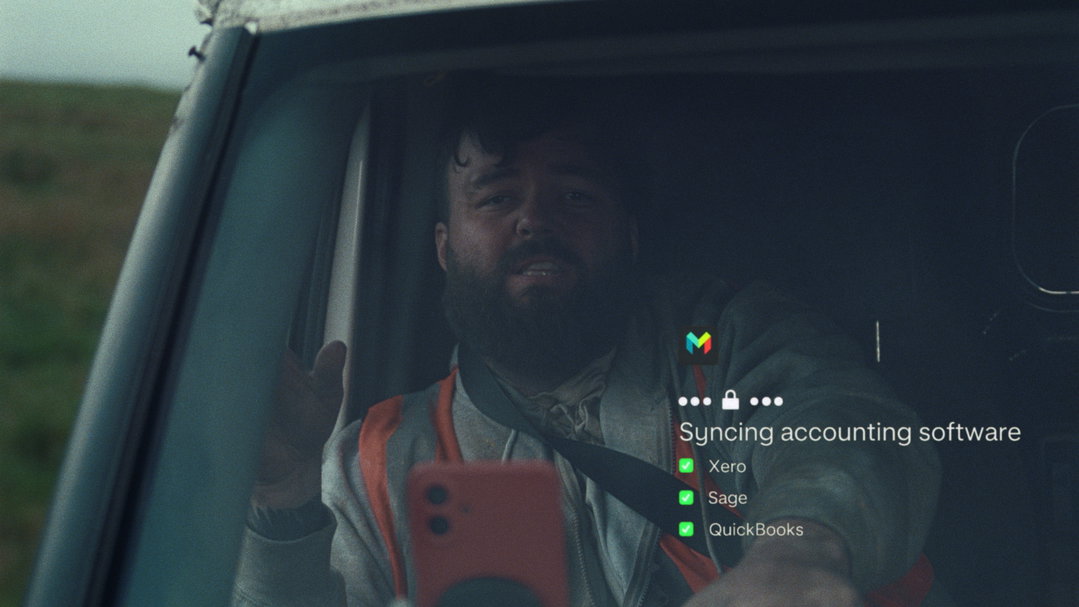
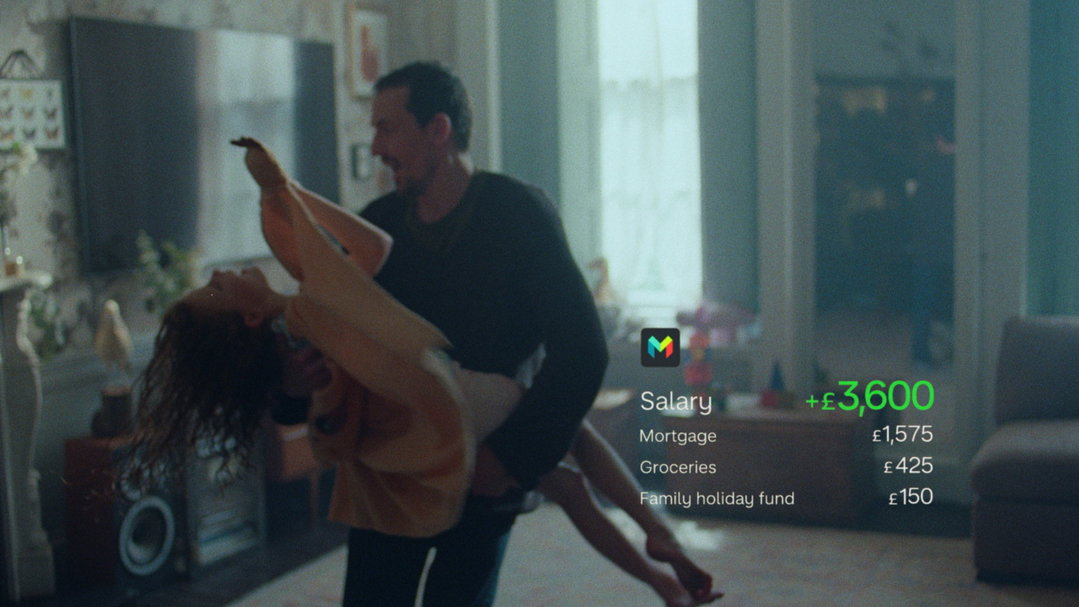
The creative had two important jobs to do – centre these delightful, everyday moments, and then show how Monzo as a product unlocks them. That wasn’t an easy task from a design perspective. How do we take that product experience, that lives in the app, outside the device into BBH’s beautifully written AV?
It took many, many weeks of iterations and workshops between our teams, but it was worth it. I think we cracked it together – it explains with beautiful motion exactly what the product does in a very simple and clean way. And it’s branded, so it’s ownable.
Copyright © Monzo
RA:
It’s quite a tightrope act, to make something that’s emotional and shows off the actual product?
VA:
There were three big elements – the moving image, the music and the UI, which had things we wanted people to read. It was like a puzzle, because all of those had to be sequenced in a way so people can take them in.
RA:
The music feels key here, from The Who’s Baba O’ Riley to Wheatus’ Teenage Dirtbag. How did you choose the tracks?
CG:
It was very collaborative – there were a lot of group chats throwing songs in, sharing links, “What about this one?” Our team is from all over the world so it was interesting to hear what resonated for different people.
VA:
We wanted a collection of timeless bangers that anyone, any age, from any country could connect with.
RA:
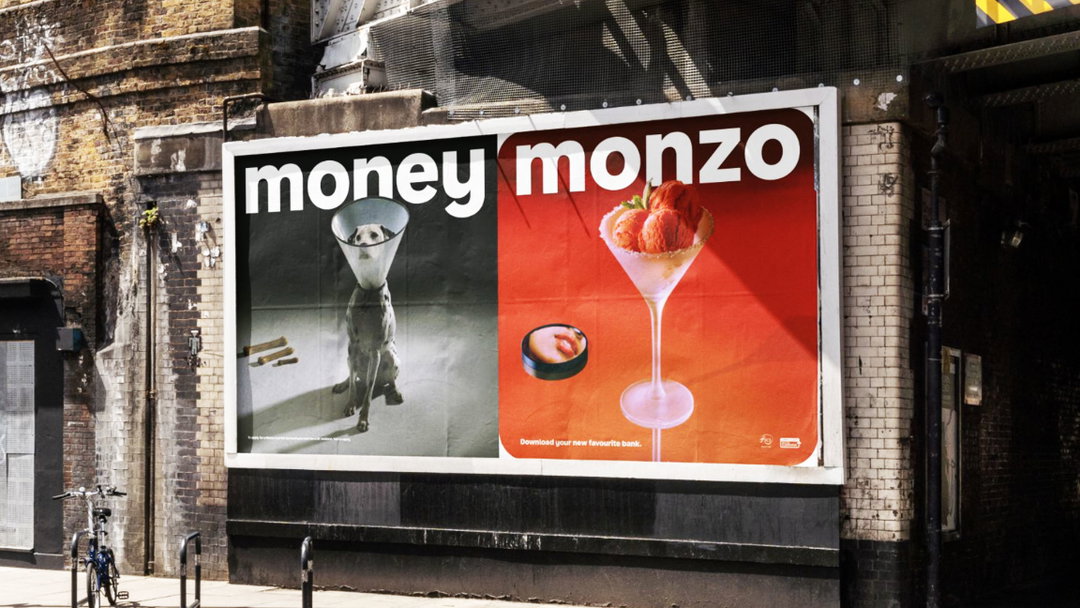
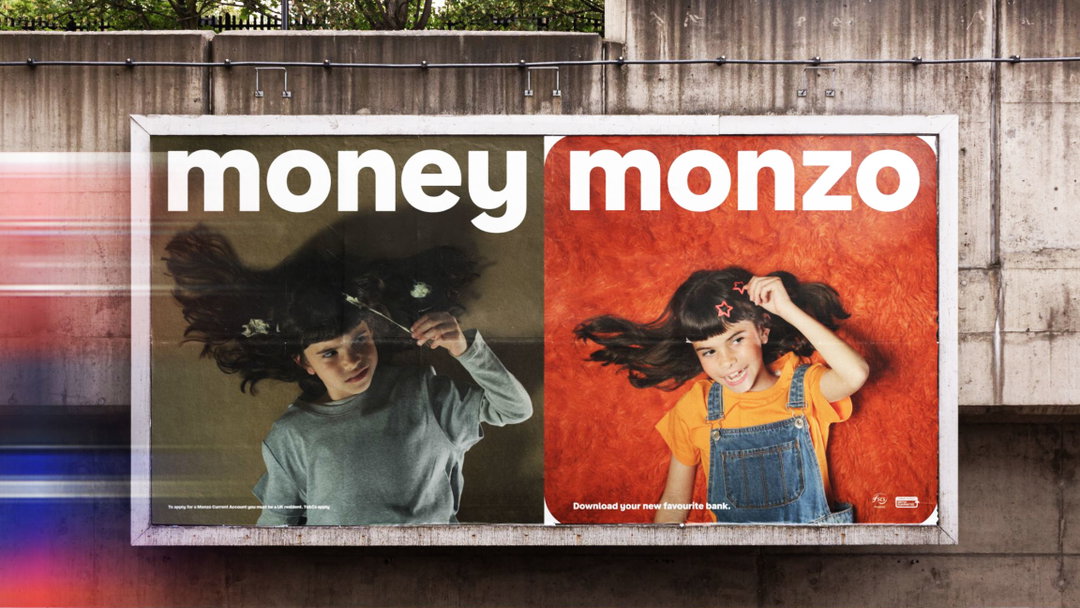
And what was the thinking behind the out-of-home campaign?
CG:
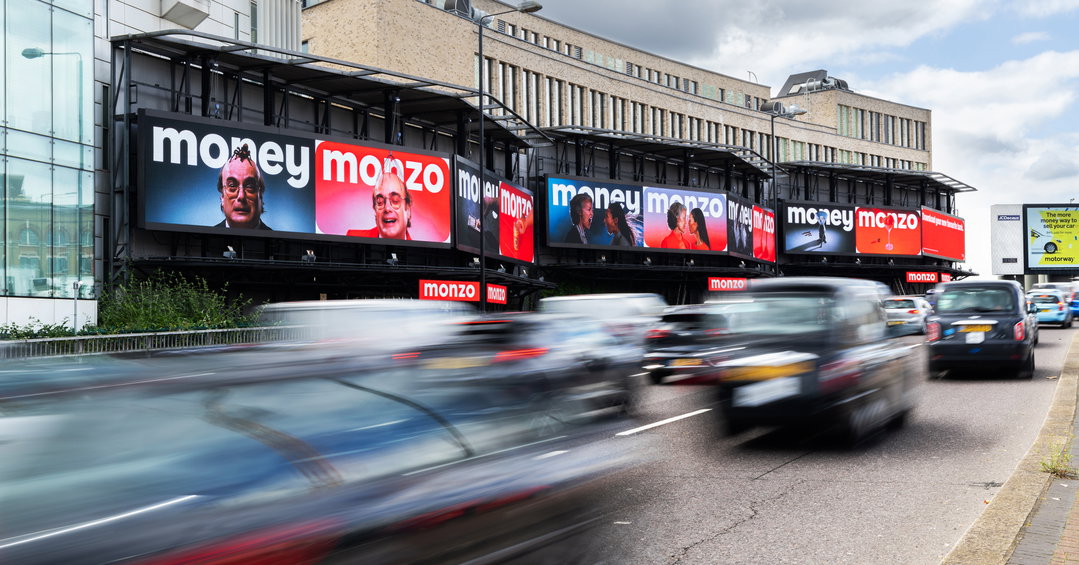
For the past two years, we’ve been building out our art direction approach. This out-of-home was an extension of that, leaning back into our “Money vs Monzo” style. That “Make the logo bigger” client request. Well, we did…
Copyright © Monzo
Copyright © Monzo
“When you share big, bold, new ideas, you have to feel like it’s safe to do that.”
Vuokko Aro
RA:
What sort of creative culture have you built at Monzo?
VA:
I think we’ve managed to create a team that’s kind and curious. That needs to start with psychological safety. When you share big, bold, new ideas, you have to feel like it’s safe to do that.
The more we can help people feel part of the team – to know each other as people, not just co-workers – the better.
RA:
Is it hard to balance honesty in terms of tough feedback, and a kind, supportive environment?
VA:
If feedback needs to be given, it’s best to be given early in the process rather than have something go out and have customers tell us we’ve got it wrong.
I try to make people remember that we’re in it together. I’m not swooping in to give feedback; I’m part of it. If things are difficult, I’ll lean in and help solve things.
CG:
I think with feedback, the main thing is if you don’t agree with it, explain yourself. “This is why I don’t like it.” That’s super important.
VA:
Yeah, framing it as, “How good could it be?” is always more empowering. Inspire people with what it could be.
Copyright © Monzo

Copyright © Monzo
“Be clear about what you care about, but balance that with the reality that design is not art.”
Vuokko Aro
RA:
What advice would you give to creatives who have ambitions to take on senior roles like yours?
VA:
People who reach the very top of their careers are obviously very good at what they do. But they’re also the best at regulating their emotions and energy. Focusing on the most important problem to solve, and ignoring the rest. It takes a lot of leading yourself in order to lead a big team.
CG:
I sound dated, but your work ethic is extremely important.
And I think empathy is key. Because one, you’re able to tell those stories that resonate. Two, you’re able to listen to others, who have different opinions than your own. And three, you can help guide and support your team if you can understand other people’s perspectives. You can help navigate, instead of bulldozing your way through.
At Monzo, we’re fortunate that it’s ok not to know something. We’re humble – we can ask anyone anything. You’re better than me at that? Great, let’s work together.
VA:
Be clear about what you care about, but balance that with the reality that design is not art. You need to work with the team towards a shared goal. Understand the goal, and how you can help achieve it.
There’s a balance between being pragmatic and collaborative but also clear about what’s not negotiable, quality-wise, for you.
Figure out what makes you special compared to everyone else out there, and sharpen it to become uniquely valuable.
Copyright © Monzo
Copyright © Monzo
RA:
How do you find the thing that makes you special?
VA:
Try out a lot of different things and see what brings you the most energy and joy. People are generally best at the things they enjoy the most. Don’t pigeon-hole yourself too early as one thing.
CG:
Yeah, learn new skills, jump into things. Experiment; you’re going to fail a bunch. I sure did. It’s ok to be uncomfortable – that pushes you out of your shell, and you’ll be better for it.
Share Article
Further Info
About the Author
—
Rob Alderson is a freelance writer, editor and strategist. He was previously editor-in-chief of It’s Nice That and WePresent, and editor of Design Week. He publishes the newsletter Undo, which tries to make sense of how AI is changing design work, the design process and the design industry.