Illustrator Marion Deuchars decodes the rainbow in new reference book, Colour
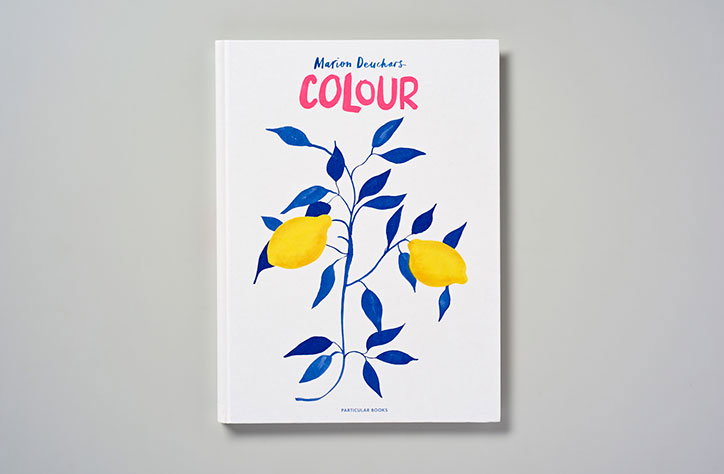
With her new book Colour, renowned illustrator Marion Deuchars aims to explore and decode one of society’s greatest fascinations. “A common question asked to people is ‘what is your favourite colour?’” she tells It’s Nice That of her commission from Particular Books.. “Most people do have one, but it’s more interesting to ask which they don’t like and why. That’s when you realise how powerfully emotive our relationship with colour is. It’s so strongly associated with memory, emotions, communication and environment.”
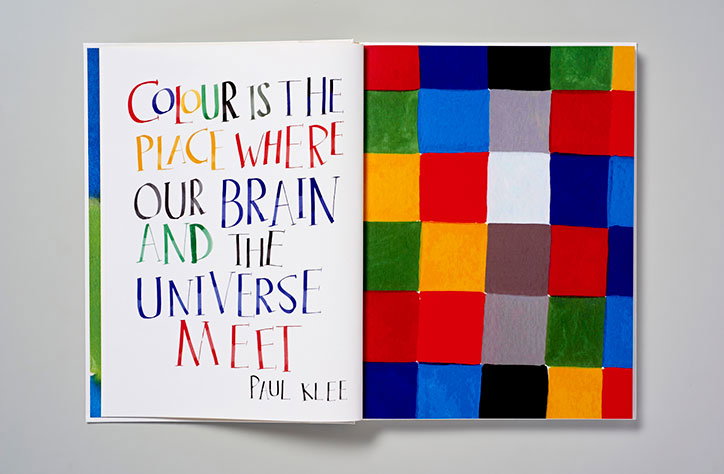
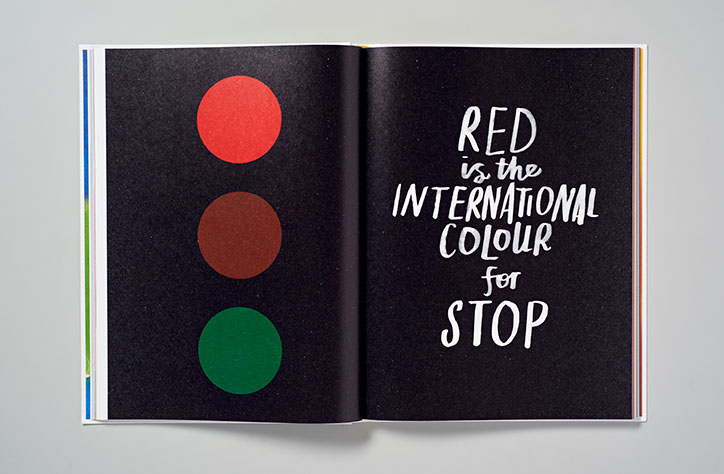
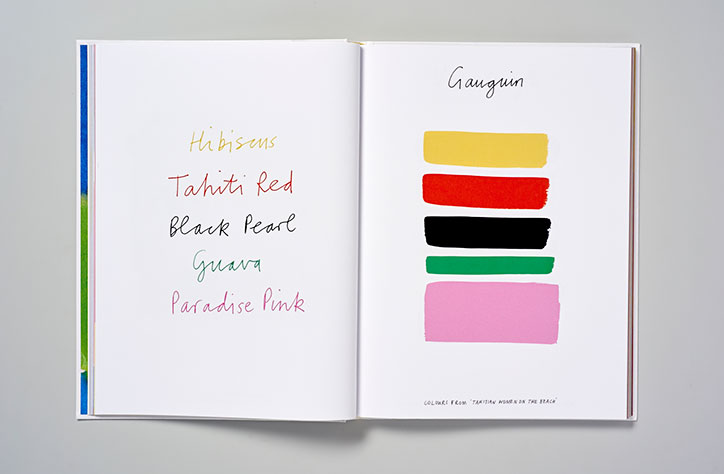
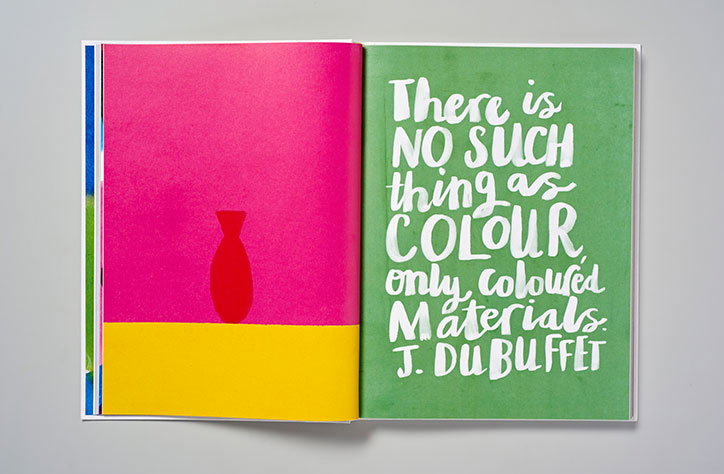
Unlike much of Marion’s published books, Colour isn’t an activity or story book, nor is it aimed at children – rather it’s a reference for anyone to understand the myriad historical and cultural interpretations of colour. It does so with page-engulfing, painterly watercolour images and quotes from artists such as Jean Dubuffet, Mark Chagall and Henri Matisse. It also features breakdowns of the colour palettes of famous artists, such as Georgia O’Keefe and Edvard Munch; hand-written facts about colours, for example “Most Japanese children draw the sun as a big red circle”; and pages of artful splodges listing names for tones of colour, from saffron, paprika and malachite to belly pink and Bosphorus sunset. Beginning with the full spectrum before delving into each colour, the book is comprehensive yet highly visually stimulating and fun.
Marion describes the book as a personal journey through colour, and to make it, she read up on her subject. “Some of my favourite books are Derek Jarman’s Chroma, David Batchelo’s Chromaphobia, Philip Ball’s Bright Earth, Joseph Albers’ Interaction of Colour. The RCA has a great colour reference library so that was also a good starting point. Everything from Pliny the Elder to Paul Klee to Werner’s Nomenclature of Colours was an influence.
Marion Deuchars: Colour
Marion Deuchars: Colour
Marion Deuchars: Colour
“Colour theory can be hard to understand,” she continues. “Even if you are equipped with the best colour knowledge, it does not necessarily make you a great artist. Most artists and designers use colour in an instinctive way. Bauhaus teaching defined much of what we currently understand and believe about colour, but I was encouraged to read in Bright Earth, that there was much contradiction in their teaching and that students were often left confused.
“I felt this often when I tried to combine colour theory with making imagery. Sometimes I’d start off with certain rules but more often than not I’d stray away from what I thought I should or shouldn’t do based on that theory. It’s very much like cooking. You can follow a recipe slavishly or improvise and come up with something different.
“One of the most interesting things I learned while researching colour, was the difference between how the ancients perceived colour and how we understand it now. Say colour and we think of a colour wheel or colour groups, whereas the Ancient Greeks saw colour from light to dark, in a linear way. The most famously perplexing description of colour in the ancient Mediterranean world is the ‘wine-dark sea’ in The Iliad and The Odyssey. There are lots of theories as to why there is no mention of the colour blue in Greek literature . Some say that the Ancients Greeks were colour blind and it’s been a hotly debated scholarly topic for over a hundred years. So a table wouldn’t be brown, it was wood-coloured. A window would be glass-coloured. Hair would be hair-coloured, skin would be skin-coloured.
“I don’t think the subject of colour is only interesting to creatives, I think we are all interested in colour and we are all creative! Colour is so much part of our lives that we take it for granted. I hope that what interested me about colour will also interest others.”
Colour by Marion Deuchars is published today, 31 August 2017, by Particular Books.
Marion Deuchars: Colour
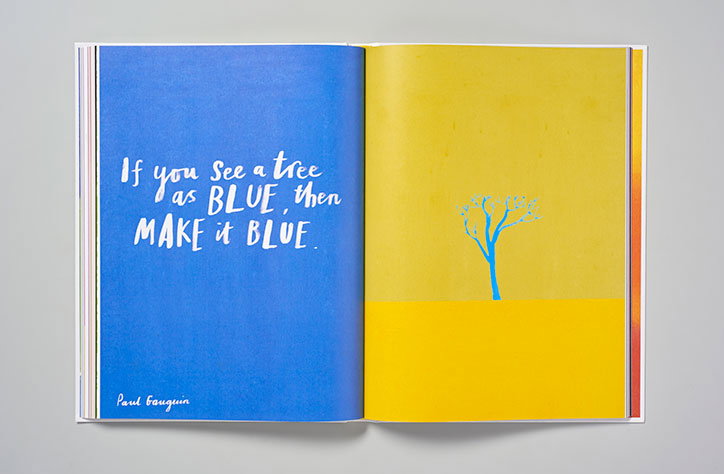
Marion Deuchars: Colour
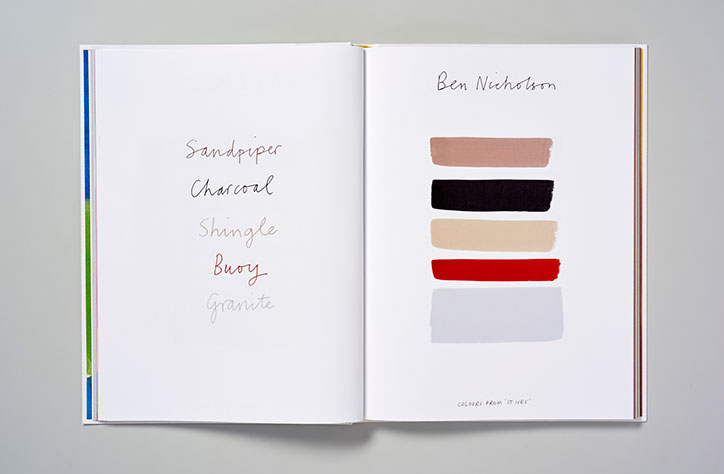
Marion Deuchars: Colour
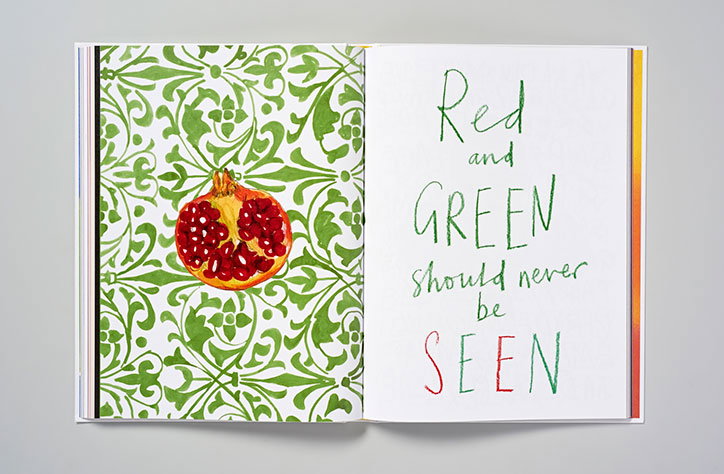
Marion Deuchars: Colour
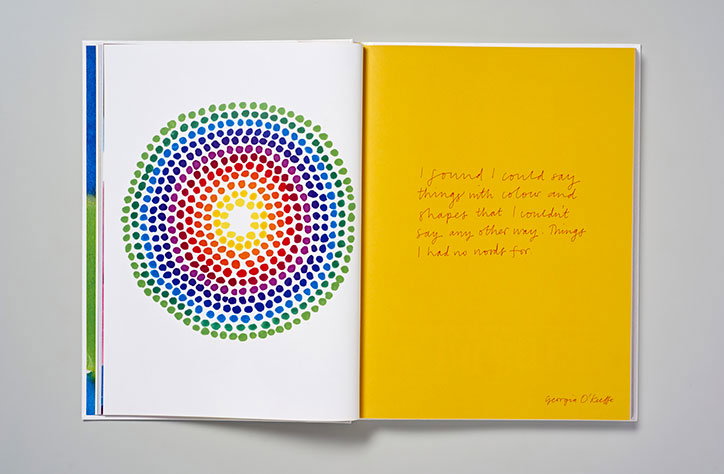
Marion Deuchars: Colour
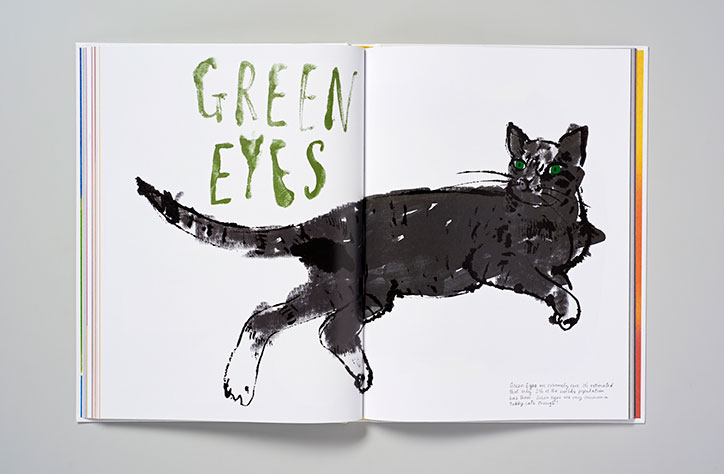
Marion Deuchars: Colour
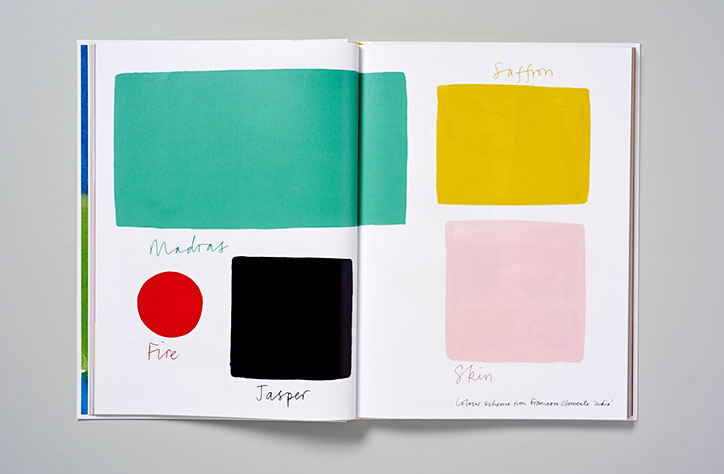
Marion Deuchars: Colour
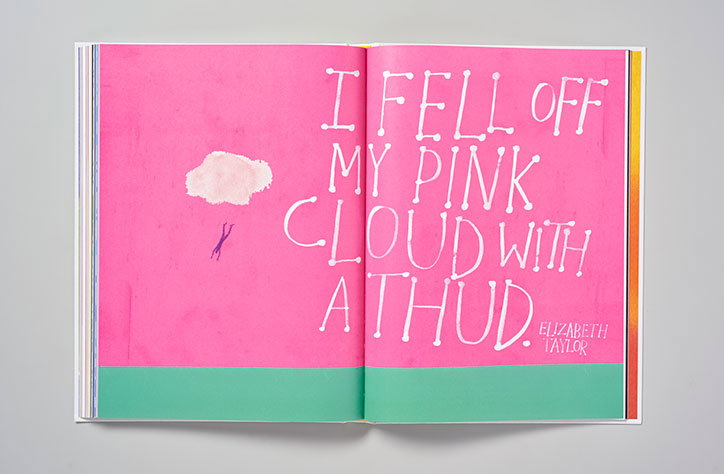
Marion Deuchars: Colour
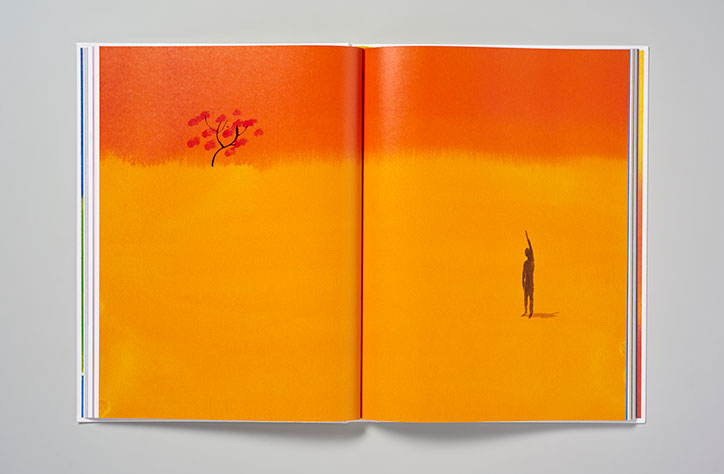
Marion Deuchars: Colour
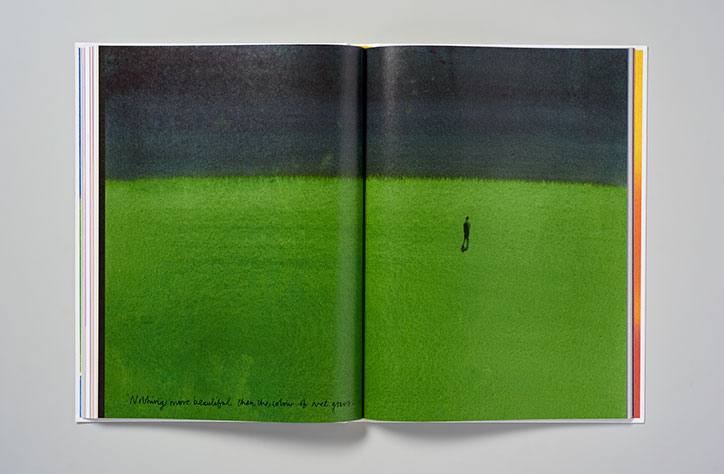
Marion Deuchars: Colour
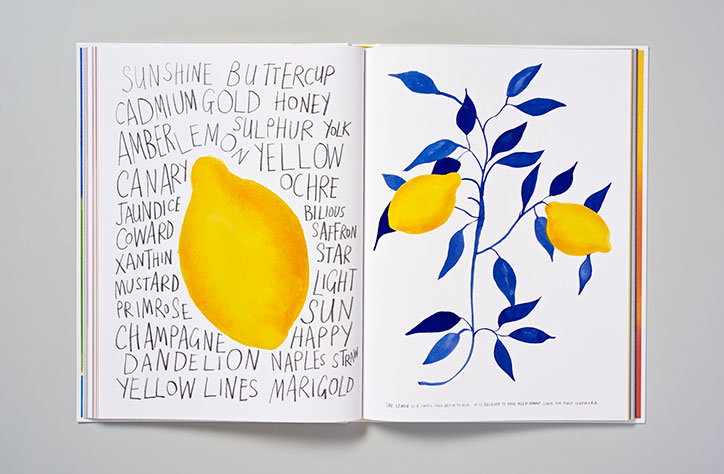
Marion Deuchars: Colour
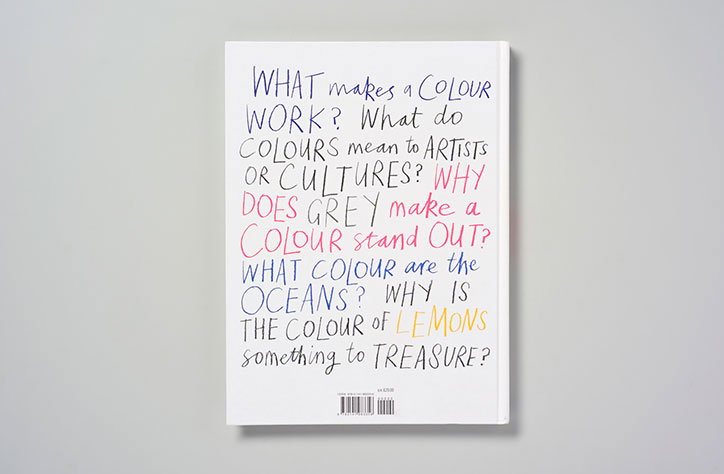
Marion Deuchars: Colour
Share Article
Further Info
About the Author
—
Jenny oversees editorial output across It’s Nice That. Get in touch with writing pitches for features or opinion pieces, big creative story tips, or questions about all things editorial. [email protected]
To submit your work to be featured on the site, please see our Submissions Guide.