“Why put a games museum in Sheffield?” is a question the curators behind the UK’s National Videogame Museum are occasionally asked. Another is: “Are there many good games made in the UK?” For curator Emily Theodore Marlow, these questions “demonstrate how overlooked the rich history of UK game-making has become, especially the history happening in Yorkshire”. Attempting to correct this omission from the creative history books is the National Videogame Museum’s latest exhibition: The Art of Play. Via a look into five UK-made video games, the exhibit aims to offer insight into their makings, artistic merit and ongoing international impact.
Lumino City, Humble Grove’s No Longer Home, Ustwo’s meditative puzzle game Monument Valley, and classics like Dizzy and Worms will be reevaluated through case studies created in conversation with their respective studios. One focal point of the exhibition will be the unexpectedly analogue techniques often used within these works, unpacking how non-digital aspects can dictate the moods and textures seen on screen.
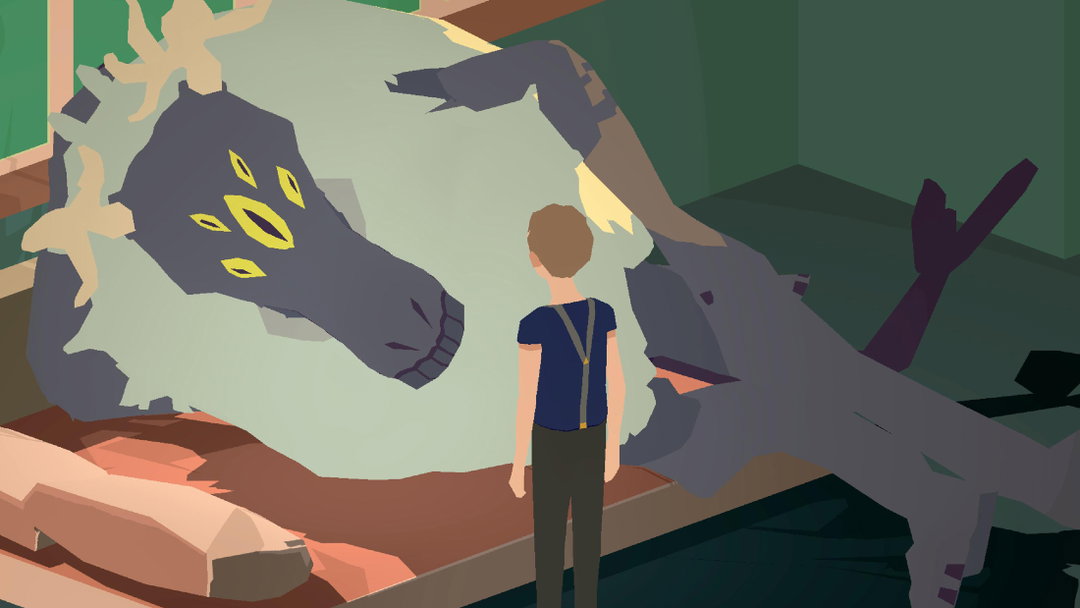
Humble Grove Studios: No Longer Home, logo designed by Cecile Richard (Courtesy of Humble Grove Studios)
Curator Dr. Michael Pennington offers Lumino City as an example of one such game. Produced by the Cambridgeshire-based indie team State of Play, Lumino City employs traditional handmade processes like metalworking with materials like heavy-duty cardboard, alongside contemporary digital processes. The game, in Michael’s view, “is a loving tribute to how beautiful and uniquely aesthetic traditional artistry and techniques can be, particularly when they are then transplanted into this shiny, new digital world”.
No Longer Home, also on display at The Art of Play, transposes similarly real-world inspirations and processes into the digital realm. The point and click game unpacks the personal thoughts and struggles of Humble Grove founders Cel Davison and Hana Lee as they were about to graduate. Steeped in domesticity – with Cel and Hana attempting to “immortalise” the flat that they lived in through its creation – the duo looked particularly to theatre. “Despite being such a strong physical art form, it actually maps rather well to the thought processes behind creating a narrative focused game like No Longer Home,” Humble Grove details. Not only did the co-founders actually dig up floor plans of their flat during the game’s making, “to figure out the scale of all the rooms”, the physical construction of theatre sets can also be found at the heart of the project – here, utilised as “a narrative force” to reflect “characters’ thoughts and feelings”.
The Art of Play hides countless game-making secrets like this. In conversation with Worms artist Cris Blyth, for example, the curators paint a picture of what it was like to create the blockbuster artillery game in 90s Yorkshire. In particular, The Art of Play will display the Amiga 4000 used to design Worms, Worms 2 and its cinematic cutscenes. “Developers were often expected to bring their own tech to their jobs and this particular Amiga was shared between Cris and his then partner,” Emily reveals. “It was intriguing to wonder why it sports a slightly anachronistic Apple sticker on its front – it’s actually partitioned and is half Amiga, half Mac!”
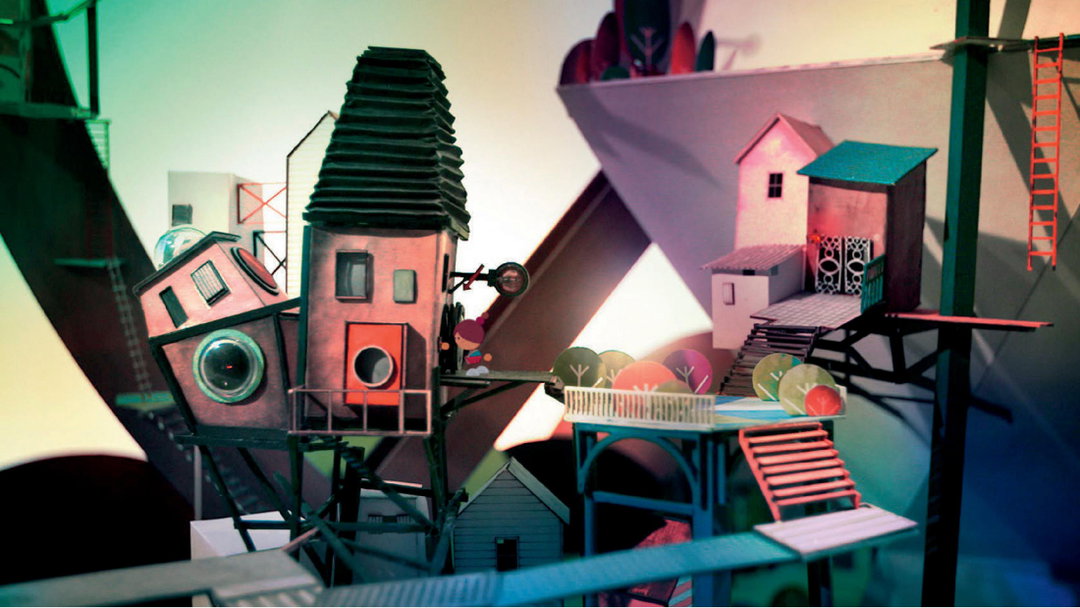
State of Play Games: Lumino City (Courtesy of State of Play Games)
Though the surprising elements of the exhibition are numerous – the intricately handcrafted paper models used for Lumino City are also on display – The Art of Play ultimately reminds audiences how rarely these local studios and processes are celebrated, and aims to shift the focus. Emily concludes: “At the National Videogame Museum, it’s our job to champion the wide world of videogame design and creation, to really celebrate how amazing games can be, to answer the question of ‘Are games art?’ with a resounding ‘Yes!’ I’m really happy that we’ve managed to do so with this exhibition.” The Art of Play will open to the public on the 14 October 2022.

Ustwo Games: Monument Valley (Courtesy of Ustwo Games)
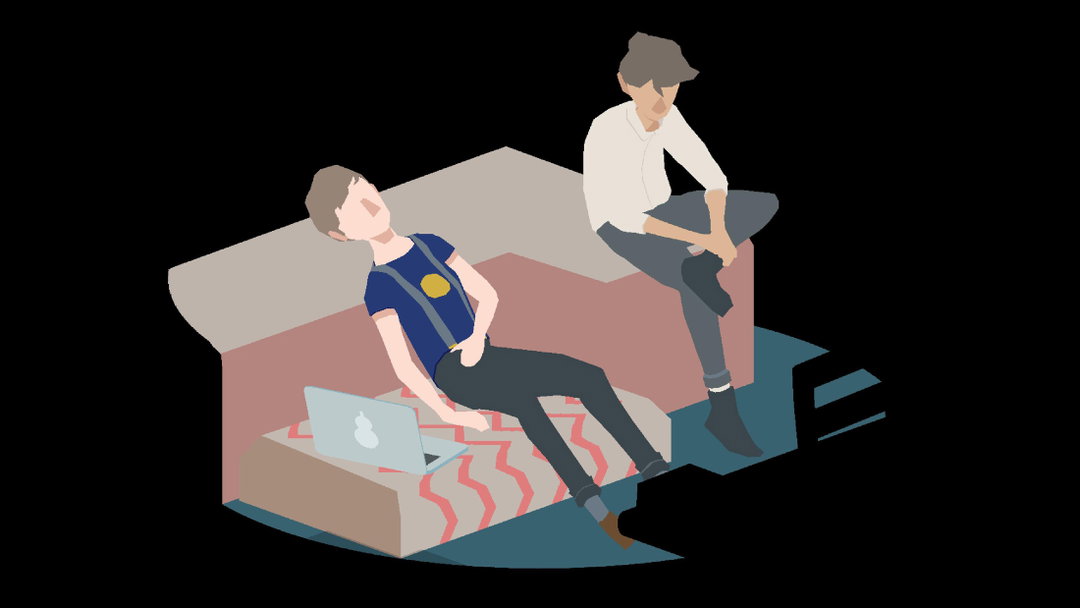
Humble Grove Studios: No Longer Home, logo designed by Cecile Richard (Courtesy of Humble Grove Studios)
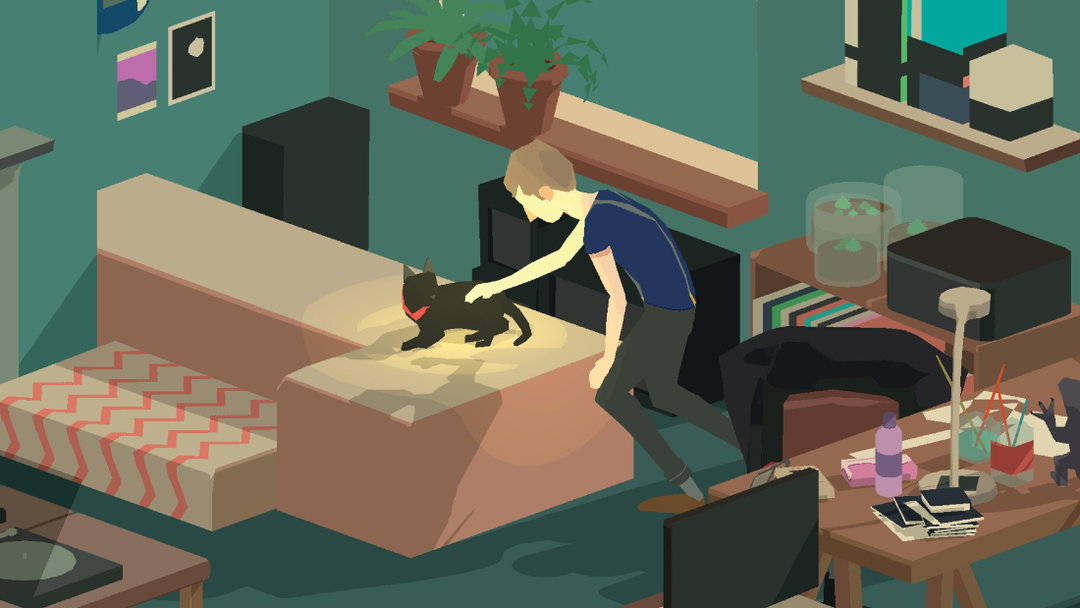
Humble Grove Studios: No Longer Home, logo designed by Cecile Richard (Courtesy of Humble Grove Studios)
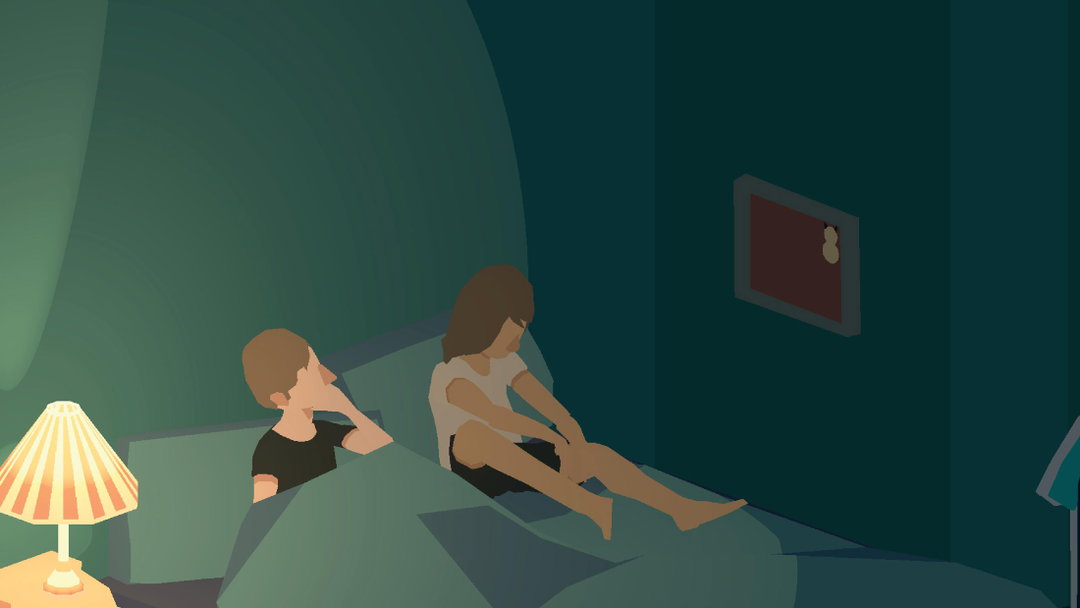
Humble Grove Studios: No Longer Home, logo designed by Cecile Richard (Courtesy of Humble Grove Studios)

Ustwo Games: Monument Valley (Courtesy of Ustwo Games)
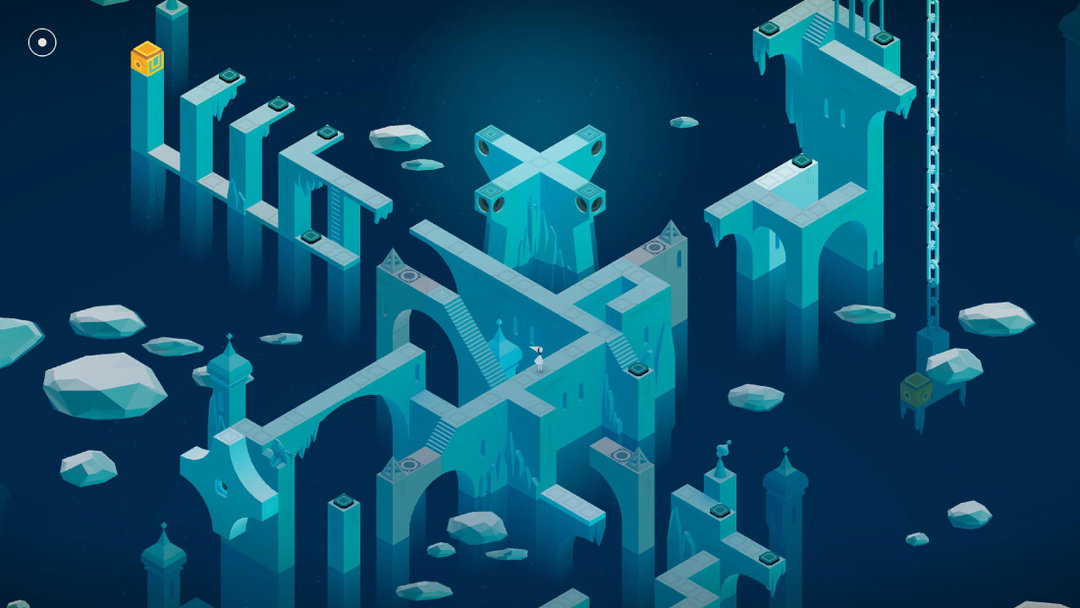
Ustwo Games: Monument Valley (Courtesy of Ustwo Games)
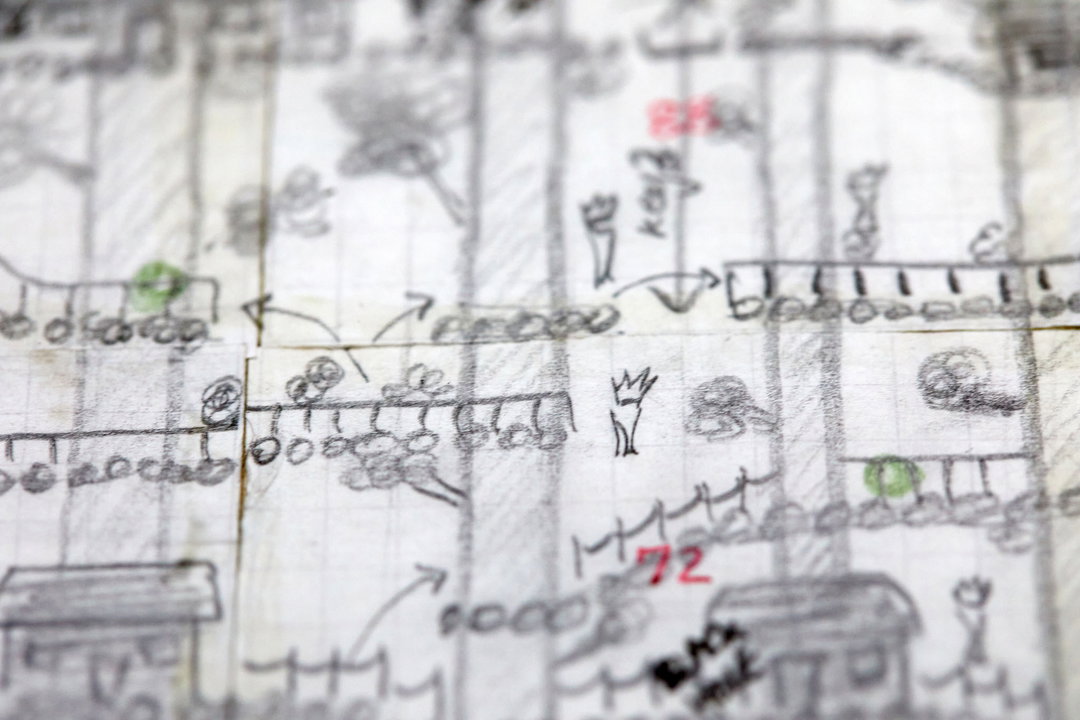
The Oliver Twins: Fantasy Land Dizzy Map, photography by Gordie Cavill, technician and engineer at The National Videogame Museum (Courtesy of The Oliver Twins)
The Oliver Twins: Fantasy Land Dizzy Map, photography by Gordie Cavill, technician and engineer at The National Videogame Museum (Courtesy of The Oliver Twins)
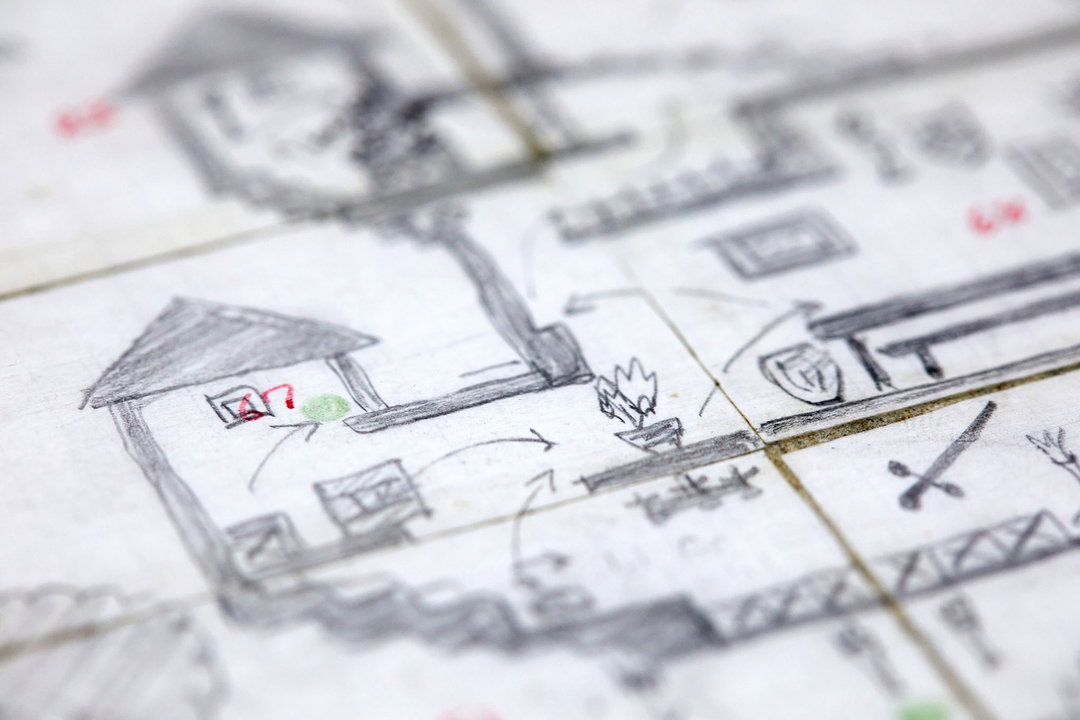
The Oliver Twins: Fantasy Land Dizzy Map, photography by Gordie Cavill, technician and engineer at The National Videogame Museum (Courtesy of The Oliver Twins)
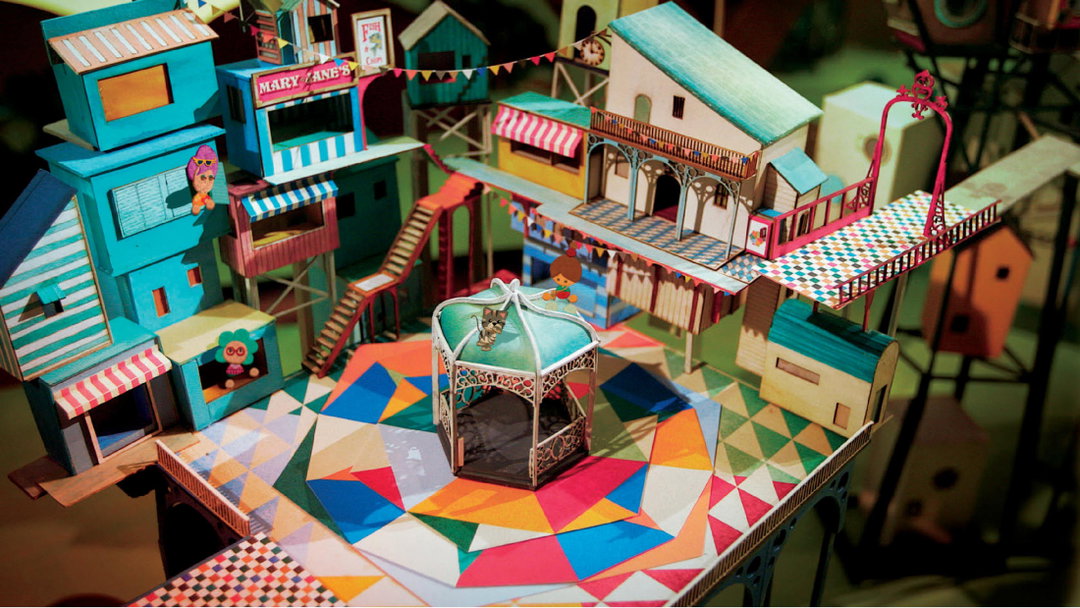
State of Play Games: Lumino City (Courtesy of State of Play Games)
Hero Header
Ustwo Games: Monument Valley (Courtesy of Ustwo Games)
Share Article
About the Author
—
Liz (she/they) is the senior editor at Insights, a research-driven department within It’s Nice That. They previously ran the news section of the website. Get in contact with them for potential Insights collaborations or to discuss Insights’ public-facing reports.