Adelaide Ivanova's photography blurs fact with fiction
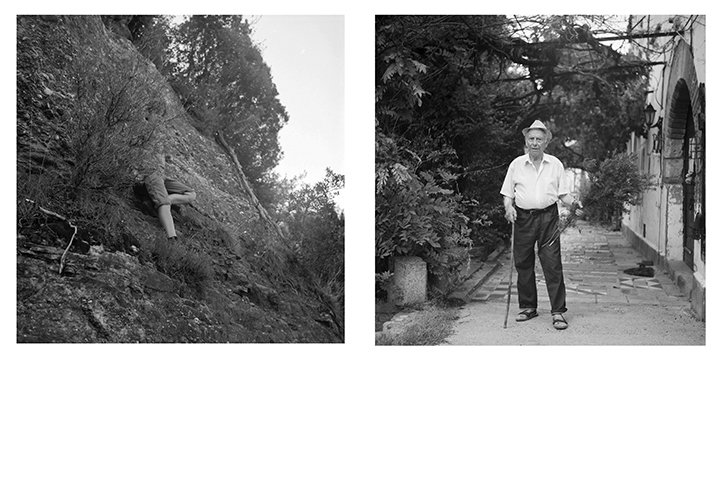
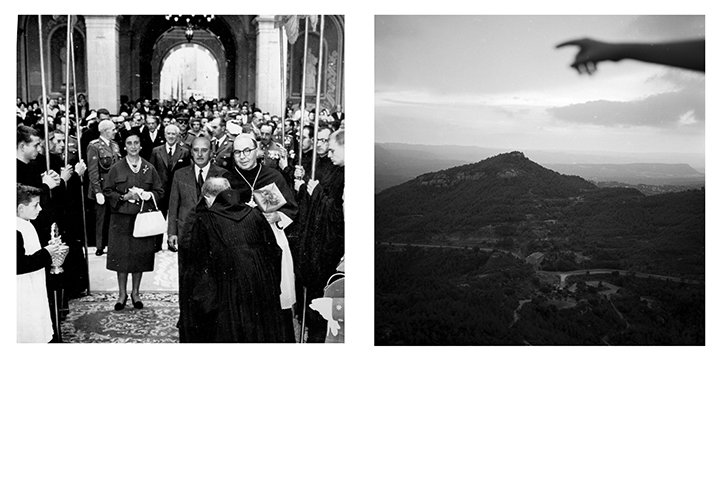
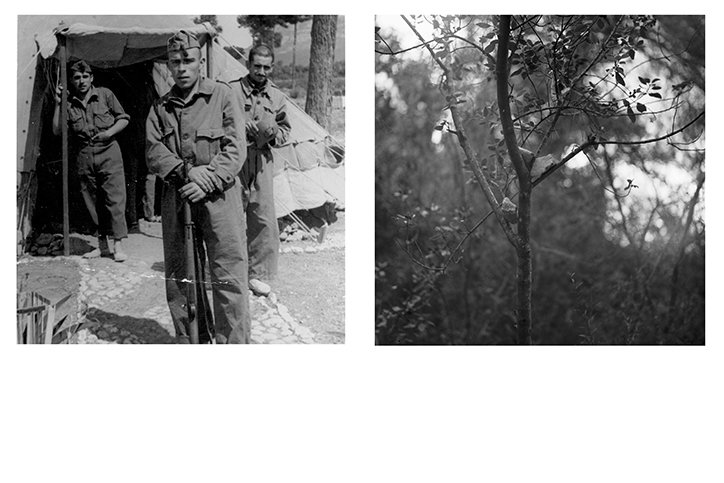
Brazilian artist Adelaide Ivanova’s website quotes Susan Sontag’s book Regarding the Pain of Others, which criticises humanity’s relationship with war photography for turning death into an artistic object. It is unsurprising then that Adelaide’s series Direction Paris saw the artist interviewing Spanish Civil War survivors, photographing them and compiling her images alongside archival footage. Direction Paris is Adelaide’s personal exploration of humanity’s relationship to war.
An opportunity to stay at the Can Serrat Art Residency in El Bruc saw Adelaide spend her summer in a small village close to Barcelona. This gave the photographer a chance to interview Spanish Civil war survivors. listening to them recount their memories. “The war is both a political and historical event as well as a cultural one. Many artists and writers lived and fought in Spain, from Robert Capra to Hemingway to name just two.” There is no doubt that Adelaide’s project is rooted in critical thought. As well as Susan Sontag, the photographer explains that her interest in the war was sparked by Simone Weil’s writing and Gerda Taro’s photography. Adelaide was inspired both by the work produced by the two cultural icons and by the radical anti-fascist beliefs of the Republican army.
“My interviewees’ testimonials are both trustworthy and fictional at the same time. I am fascinated by this dichotomy,” Adelaide explains. Although most of the people she interviewed were eye-witnesses, they were also children in 1936 when the war began; their memories are clouded by “naivety and childish fantasy”. Many children, Adelaide explains, remembered hiding in the mountains as being both terrifying and exciting. They didn’t understand the full extent of their circumstances at the time. “This alone makes their testimonials a little fictional. It is likely that the circumstances were different for the adults – both communists and anarchists – who fought for freedom. However, at the same time, I found that my interviewees’ memories were also very accurate despite being filtered through childish gazes. They remembered everything.”
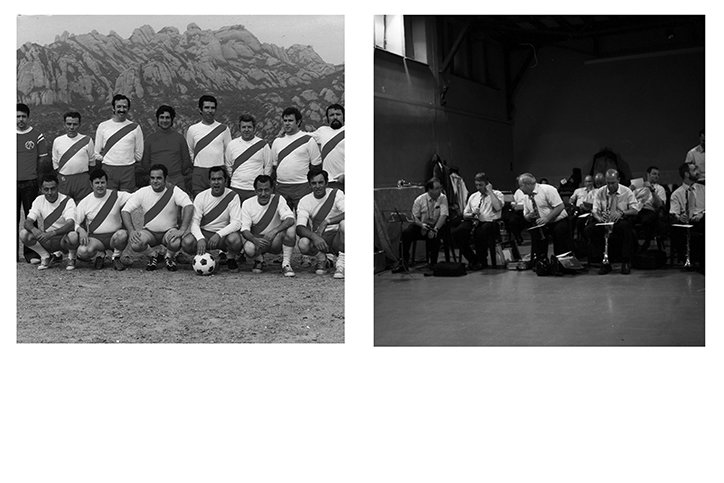
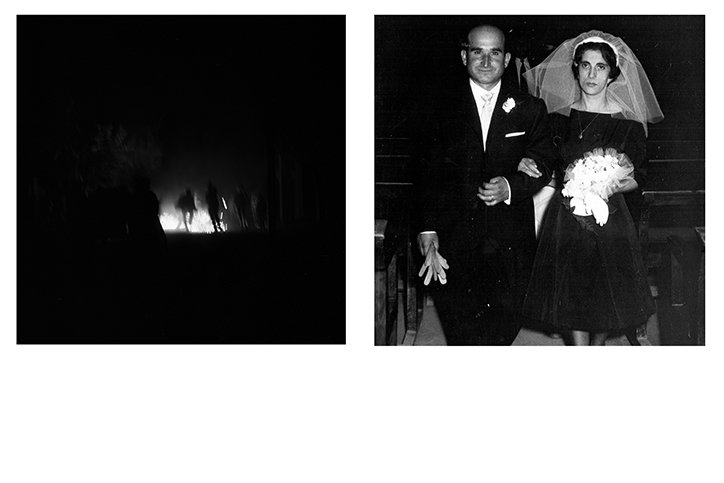
In Direction Paris Adelaide places historical images alongside modern-day photographs and in so doing blurs the boundaries between what is considered fact and what is fiction. In incorporating archival imagery with present-day photography, both of which are monochrome and similar in style, Adelaide challenges the very idea of reliable memory; of what can be believed as true. Direction Paris presents the past as a narrative that is shaped and moulded according to the stories we create and the images we curate. However, the project was not without its challenges. “The locals were suspicious in the beginning – and rightly so. Why should they tell me their memories, some of which are painful? But as time went by we developed a mutual trust. This even led to a friendship in some cases, like with Jaume, a 93-year old man who has the best sense of humour I have ever encountered.”
Adelaide Ivanova: Direction Paris
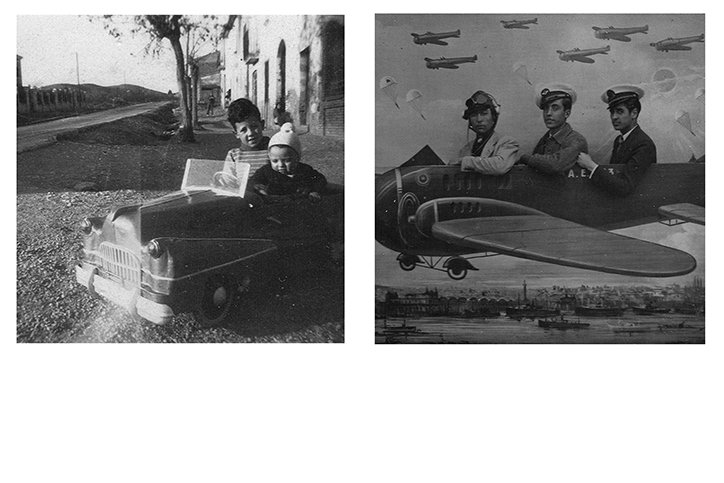
Adelaide Ivanova: Direction Paris
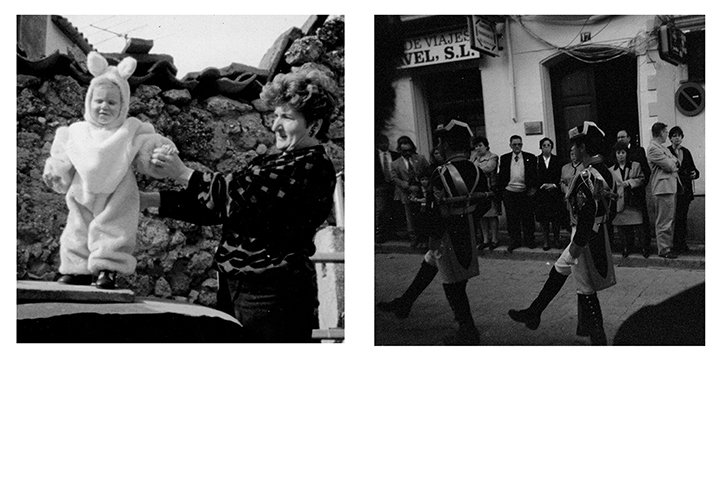
Adelaide Ivanova: Direction Paris
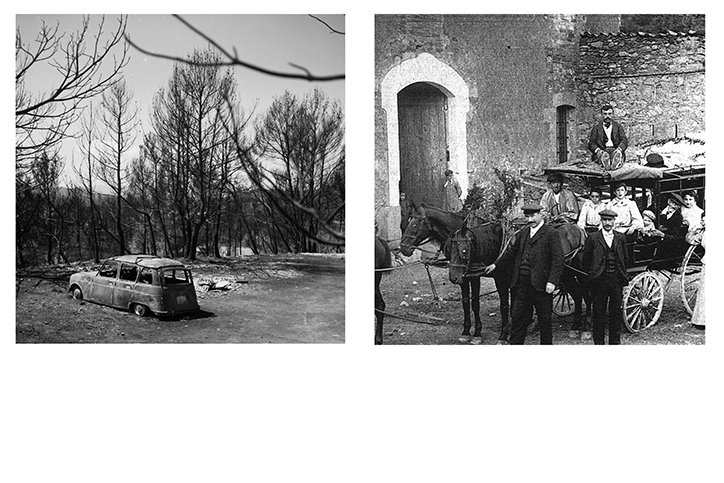
Adelaide Ivanova: Direction Paris
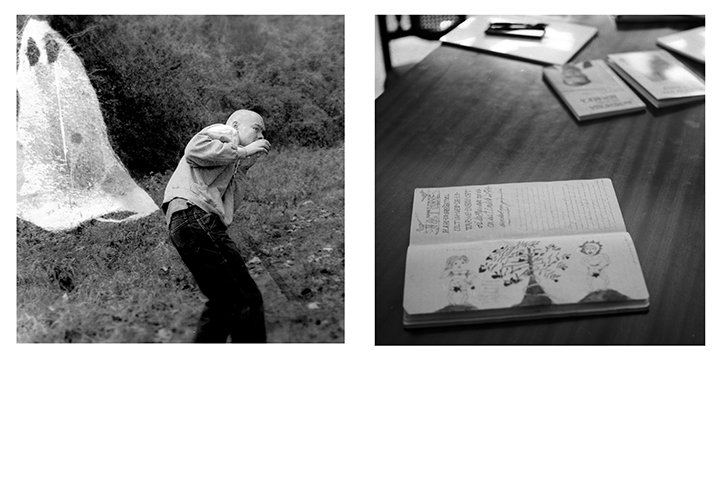
Adelaide Ivanova: Direction Paris
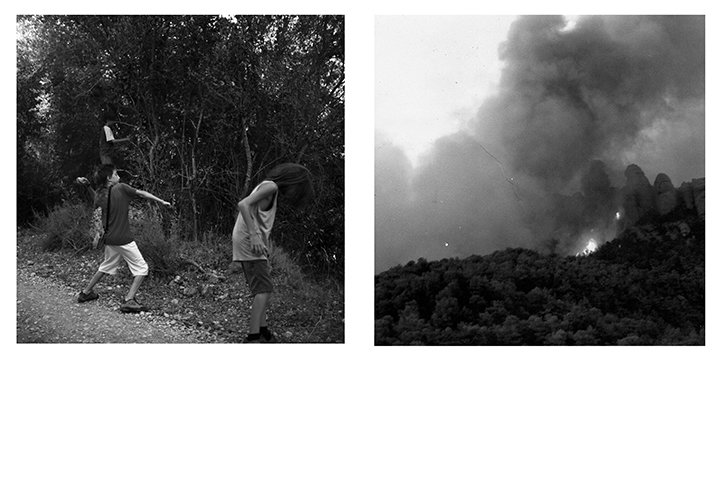
Adelaide Ivanova: Direction Paris
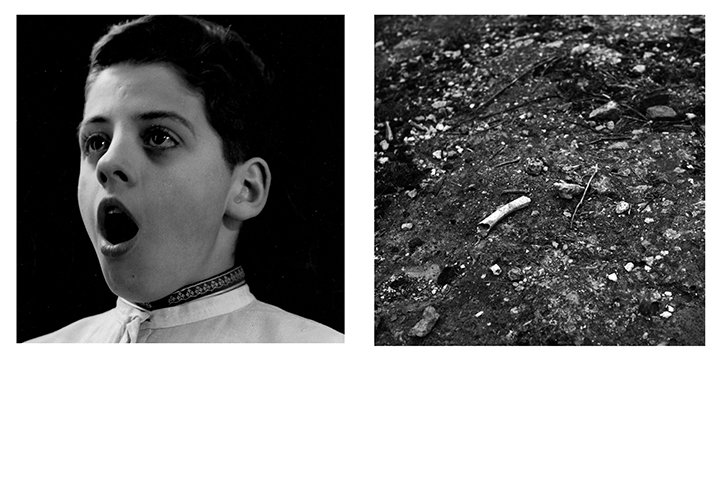
Adelaide Ivanova: Direction Paris
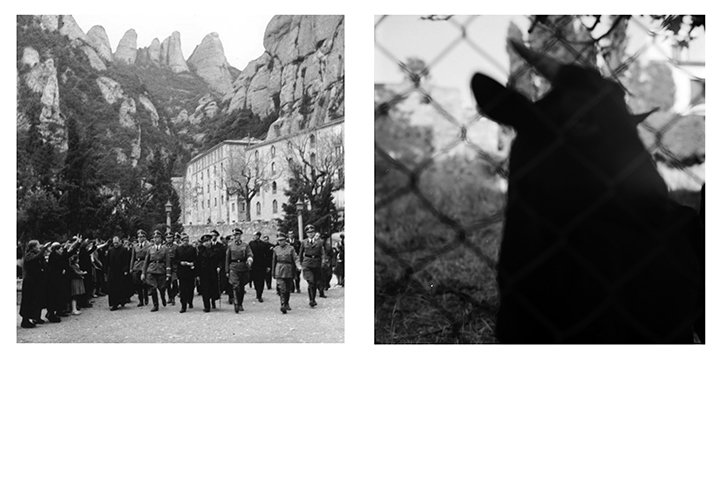
Adelaide Ivanova: Direction Paris
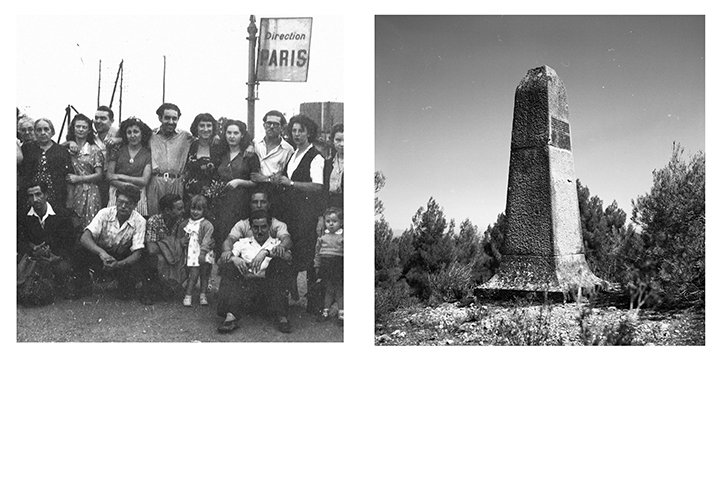
Adelaide Ivanova: Direction Paris
Adelaide Ivanova: Direction Paris
Adelaide Ivanova: Direction Paris
Adelaide Ivanova: Direction Paris
Share Article
Further Info
About the Author
—
Daphne has worked for us for a few years now as a freelance writer. She covers everything from photography and graphic design to the ways in which artists are using AI.