Illustrator Albert Tercero on the development of his practice, defining his aesthetic and balancing projects
The last time we caught up with Barcelona-based illustrator Albert Tercero, he had just published a book of his illustrations as postcards. But despite this achievement, the illustrator now reflects that his “professional future was very uncertain at the time,” with no jobs lined up to hop on to next. However, soon afterwards, work started to speed up very quickly and then too much, as always seems to be the way with a freelancer.
In turn, while his style over the past two years continues to have the attributes viewers will recognise – one which sees him sitting comfortably next to the brilliant work of fellow editorial illustrators Jan Buchczik and Seb Agresti – the biggest lesson learnt for Albert has been how to juggle it all. At its peak, the illustrator found himself in the difficult position of having to turn down jobs “I’d never imagine myself doing,” due to busy commitments. “That may be a skill I’ve had to learn the hard way: that I can’t do it all, as much as I’d want to,” he tells us. “Little by little I started intuitively shaping my current methodology on better organisation, work rhythm and decision-making.”
Aiding his organisational creative journey has also been the works of Bruno Munari and Milton Glaser, “whose understanding on design processes has deeply enriched my own,” Albert comments. “For quite some time, I was focusing a lot on building a coherent aesthetic, and right now I’ve been more focused on visual communication aspects aiming to achieve a stronger approach to briefs.” So while the illustrator has been extremely busy, Albert’s growing portfolio and client list display his ability to look inwards as a creative too: “To sum it up in a few words, I’ve been basically drawing and reading a lot.”
Two of Albert’s most notable clients, and consistent ones too, are publications Wired and The New York Times. Working with such well established editorial platforms has also furthered Albert’s practice, considering he’s jumped at the opportunity to work with fantastic art directors “which has given me the privilege to learn from such different points of view,” he says. “Thanks to them I’ve understood how to guess more precisely the needs for each moment, like, for instance, the fact the nicest or preferred image isn’t always the best one… There’s a need to keep dialogue always open with yourself, with the client, and with the virtual audience at which the image is being aimed to, therefore this is a never-ending conversation in which you can always get better at.”

Albert Tercero: Bob
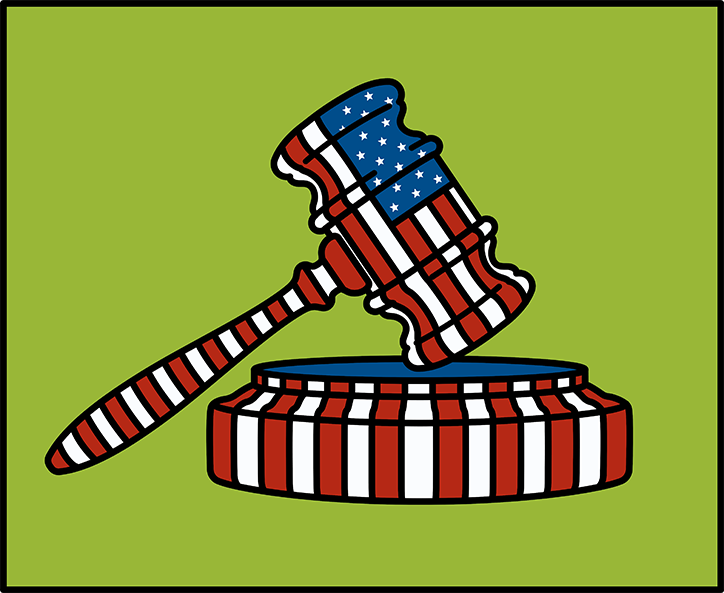
As a result, Albert’s portfolio, in our eyes, is at its current best. Throughout his works, a viewer is able to engage with his journey as an illustrator. “Graphically,” he points out, “I think I’ve been able to explore a wider range of possibilities,” creating cohesive links between his older work and the newest of the new. “In the end, it’s all about defining what visual metaphor I’m playing around with and simultaneously having a series of iterations around it.”
However, one element that will always allow us to recognise an Albert Tercero creation is the colour palette, which despite the fact the illustrator has purposefully been expanding it, it still appears like him. From his learning and research, the illustrator has managed to acquire “a more flexible understanding on framing related to the needs of the image, learning from which situations require more synthesis and which ones don’t, or even start playing with some gradients,” he says. “When applying these different processes, I always intend to solve a specific need for the illustration, be it light, size or diving attention towards something specific.”
With his working practice now in full swing of balancing projects, feedback and his own creative direction, Albert short term plans are to continue “to work and learn at the same rhythm,” he tells us. But in the longer term, creating a graphic novel is a dream he’d love to fulfil, “but for now it’s just a thought!”
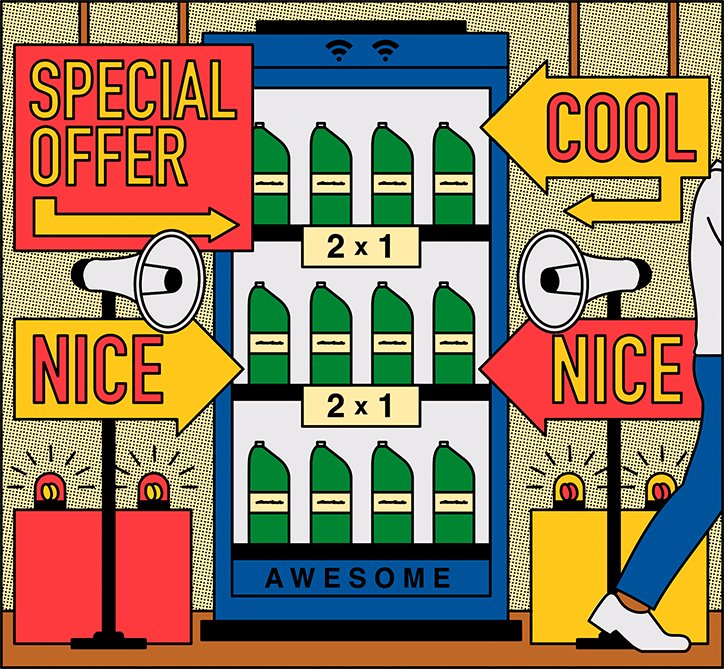
Albert Tercero: Food and City
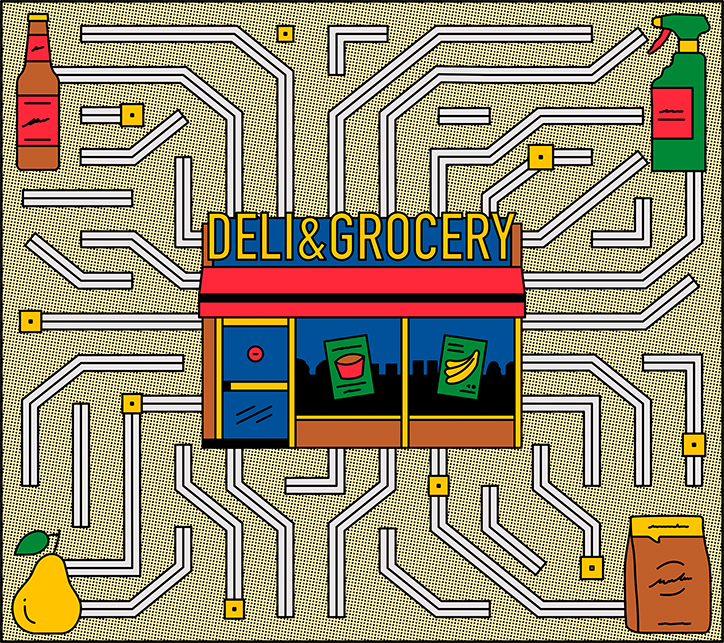
Albert Tercero: Food and City
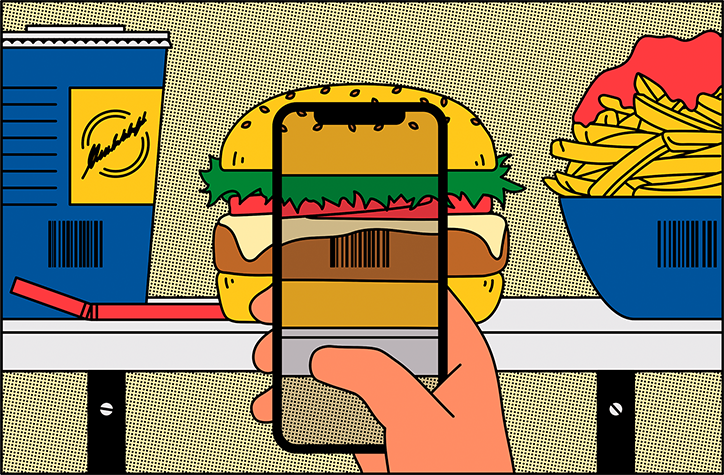
Albert Tercero: Food and City

Albert Tercero: Food and City
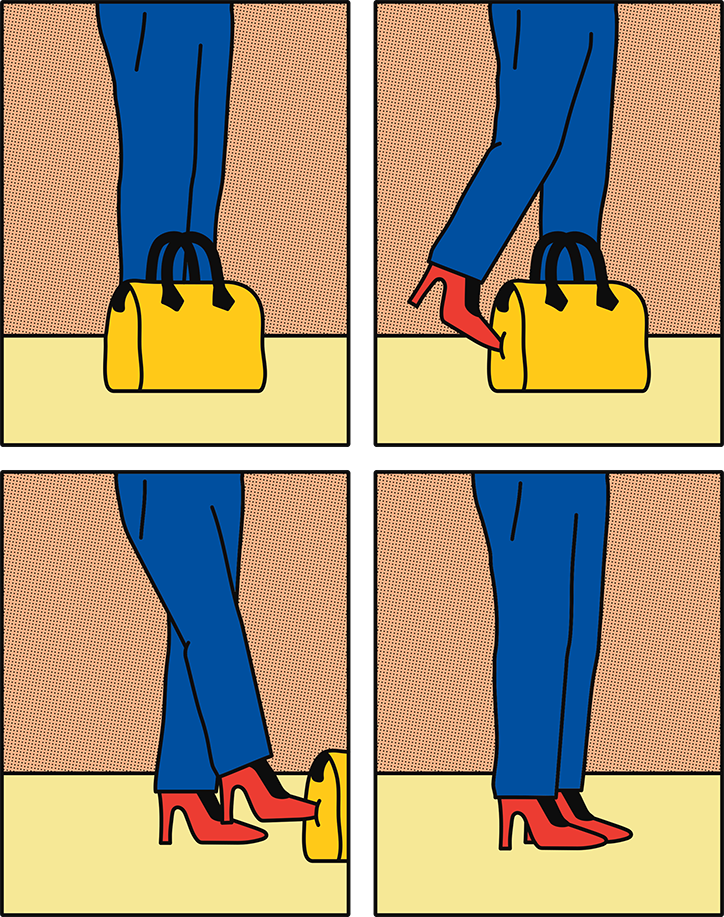
Albert Tercero: Le Monde

Albert Tercero: Onward

Albert Tercero: Wired

Albert Tercero: Wired

Albert Tercero: Wired
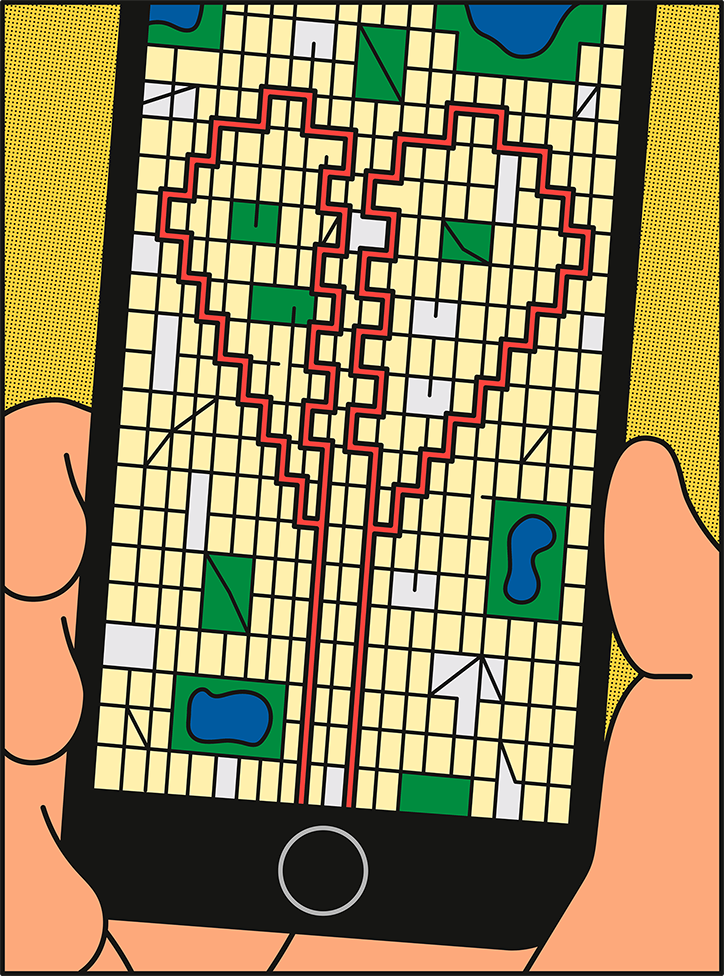
Albert Tercero: Wired
Share Article
Further Info
About the Author
—
Lucy (she/her) was part of the It’s Nice That team from 2016–2025, first joining as a staff writer after graduating from Chelsea College of Art with a degree in Graphic Design Communication, eventually becoming a senior editor on our editorial team, and most recently at Insights, a research-driven department with It’s Nice That.