Exploring her dual heritage through design, Alina Derya’s practice is both concept-driven and emotional
The Augsburg-based designer takes cues from her Turkish and German heritage in her pared-back design practice that celebrates multiculturalism.
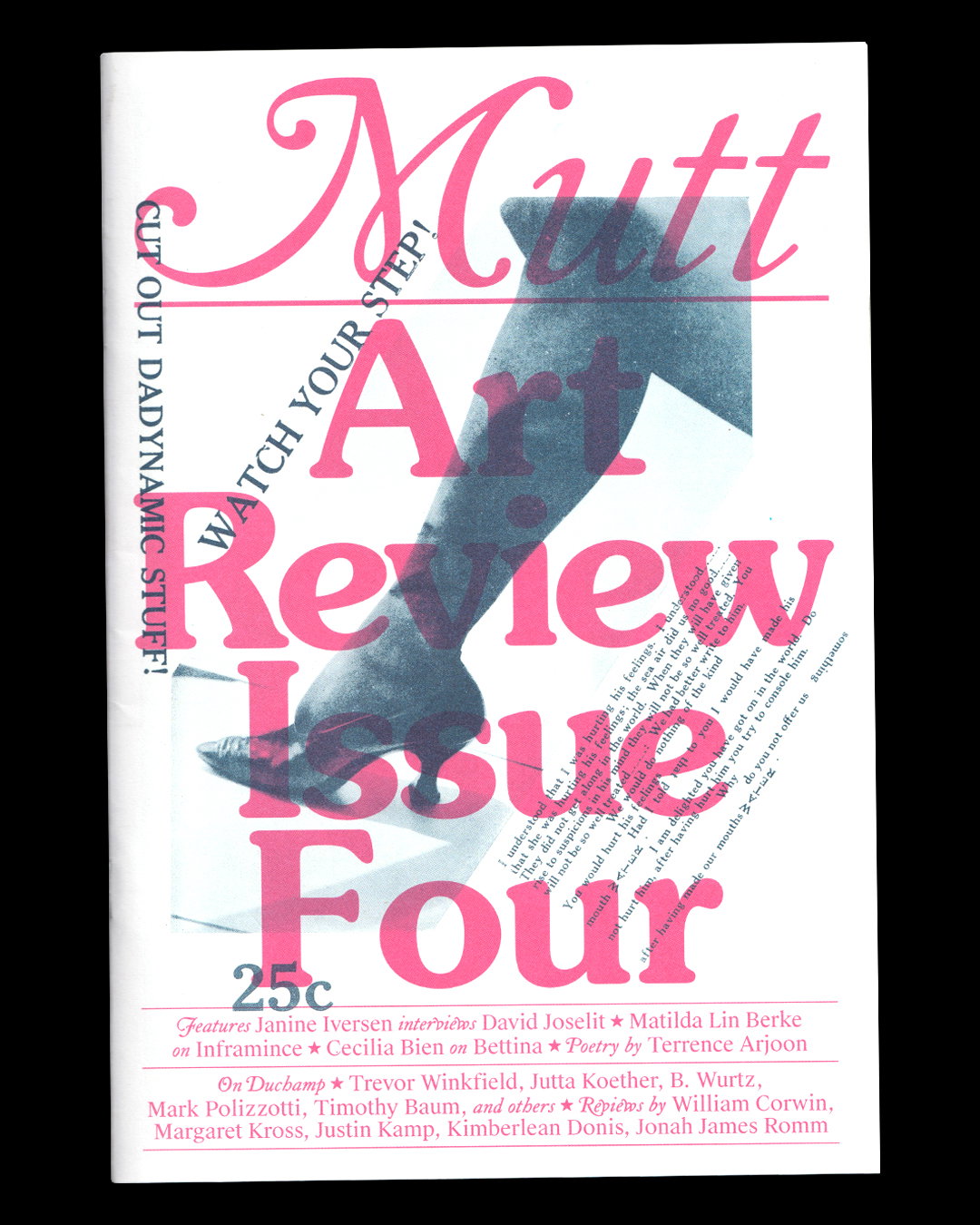
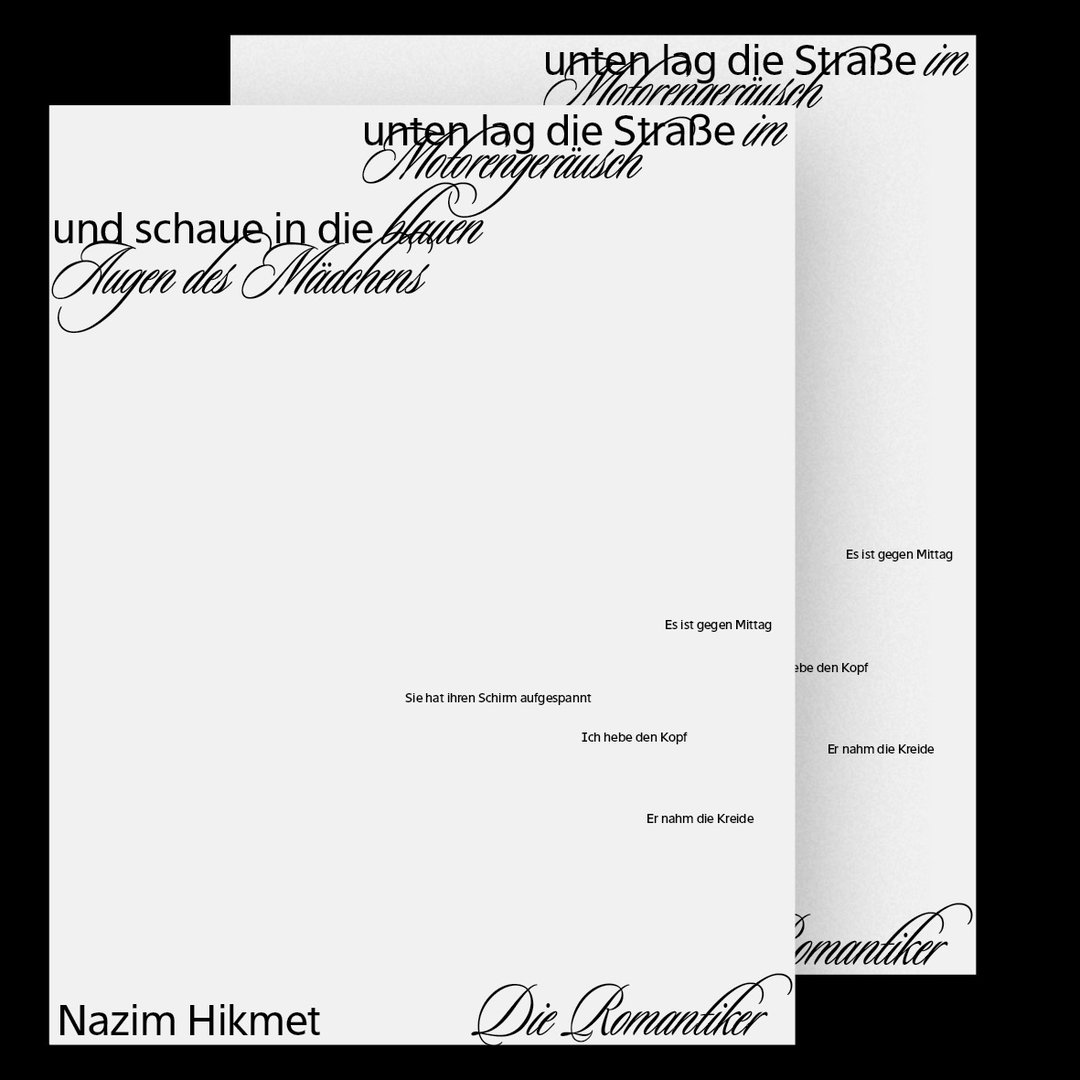
Since she was a child, Alina Derya has been fascinated by the visuals of Turkish vinyl covers. She remembers covers from her father’s collection: the distinct visuals of Ajda Pekkan, Barış Manço and Sezen Akzu, for example. Then, when she got older, her charms turned to her father’s books, mostly publications of poetry and history which also behold a culturally rich aesthetic, continuing to inform her graphic design practice today.
The daughter of a Turkish father – an artist and politician who had to flee Turkey due to the military coup in 1980 – and a German mother, Alina grew up in the small German town of Augsburg. She tells It’s Nice That: “My parents come from completely different worlds, my mother from a small German farming village and my father, a small village in Anatolia.” Her roots have always played an important part in her creativity, the result of two different cultures and an “uncommon love story”, giving way to a freedom of expression across Alina’s design portfolio.
“I don’t speak Turkish well,” says Alina, “I think that’s why the aesthetic of these mediums were and are so important to me.” Amplifying the voices of Turkish poets along with her father at various readings, Turkish poetry has also had a significant impact on Alina’s work, especially when it comes to typography. While studying communication design in her home town, she also managed to spend some valuable time studying at Istanbul’s fine art academy Mimar Sinan Güzel Sanatlar Üniversitesi, where she learnt a different way of designing to the pragmatism of her German education. “It taught me a very different, more artistic way of graphic design,” she says. “Istanbul itself is such an inspiring, chaotic, surprising and poetic place. Experiencing this affected my work.”
Alina Derya
As a result, Alina’s pared back design practice is a combination of the two cultures. An expression of her dual identity, she carries her experiences through her work, in turn, nodding to the classical and chaotic. She describes it as “concept-driven but also emotional,” devising a strict concept, but also allowing for accidents at the same time – or in her words, “little errors in a perfect grid which make a design special and personal.”
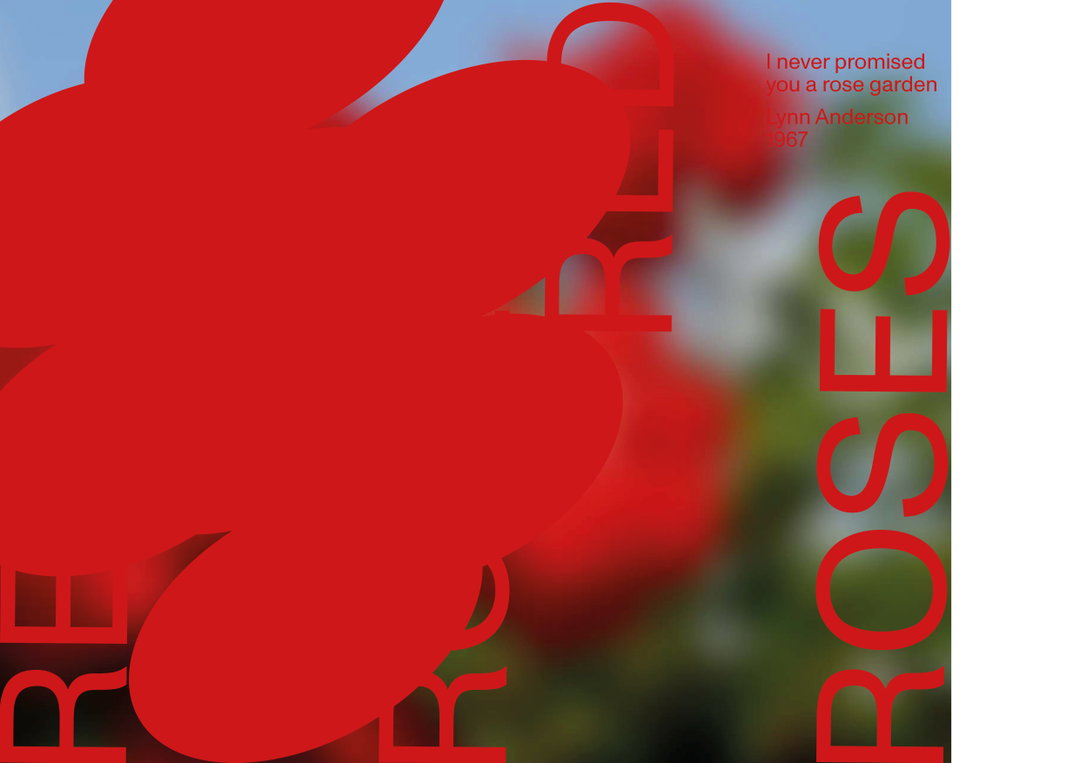
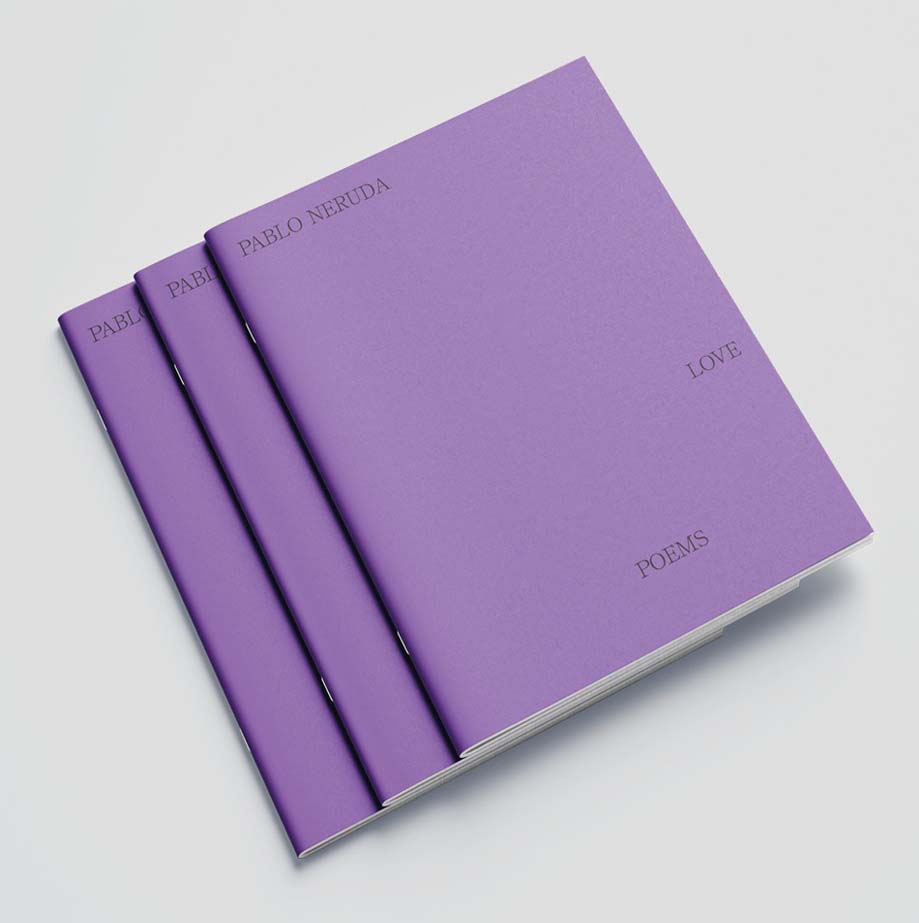
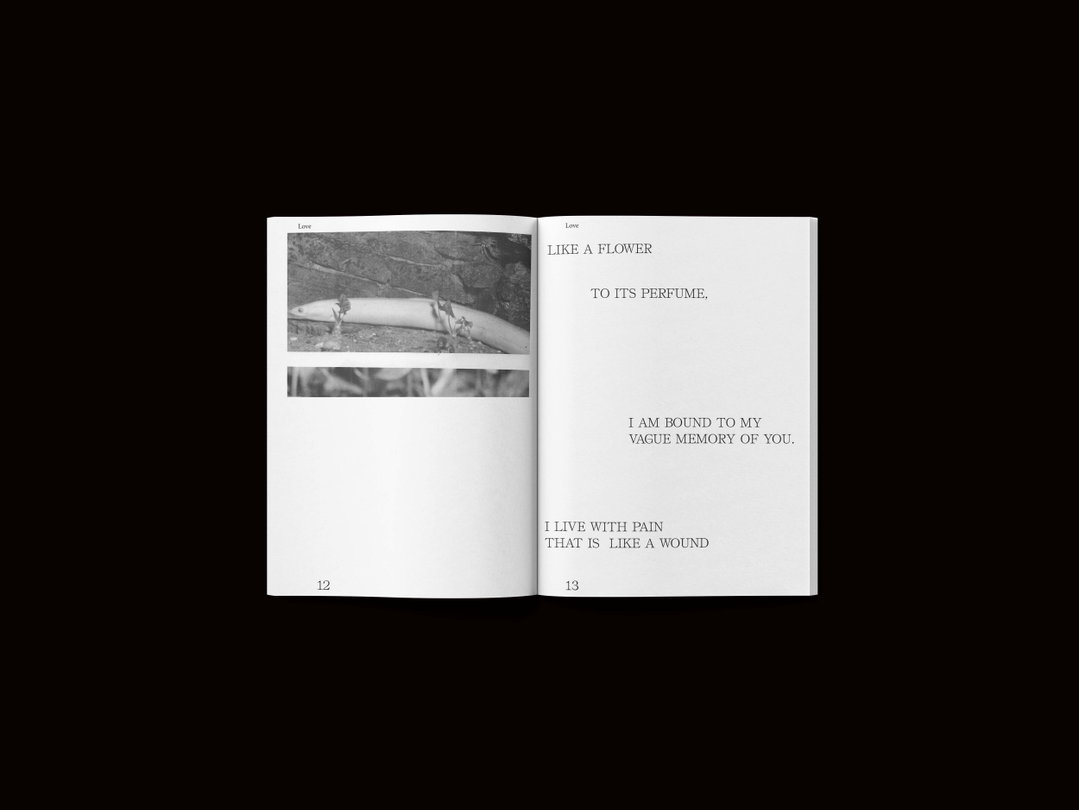
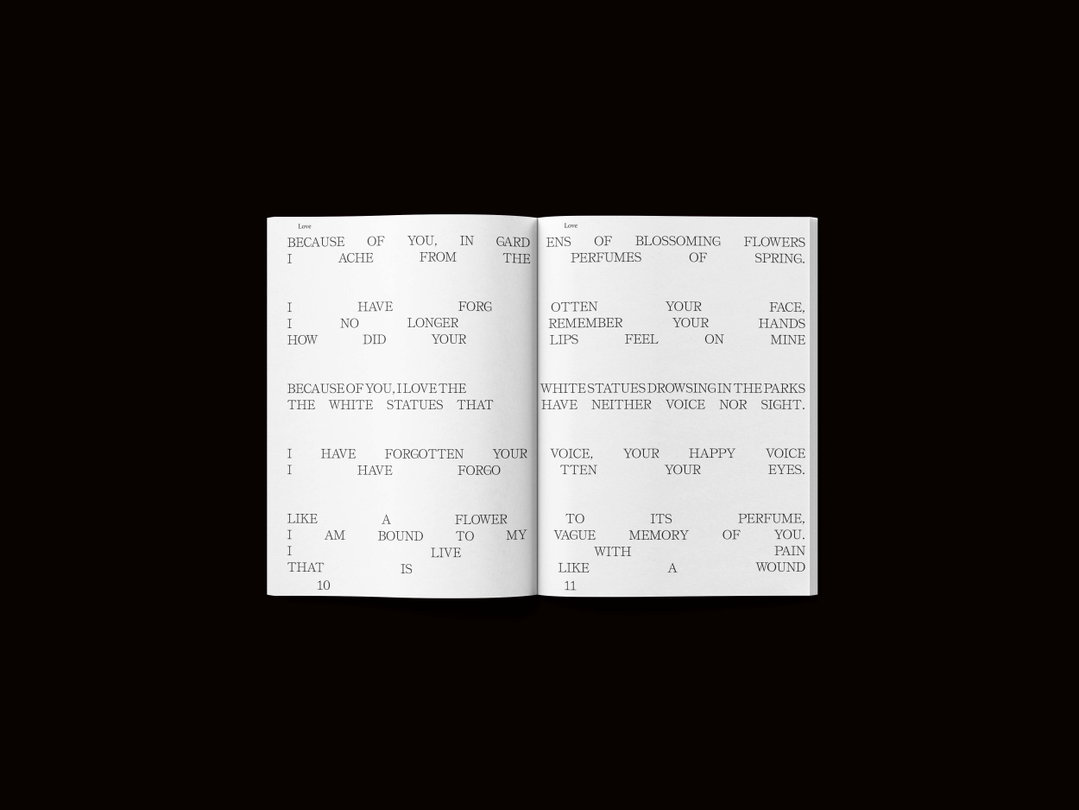
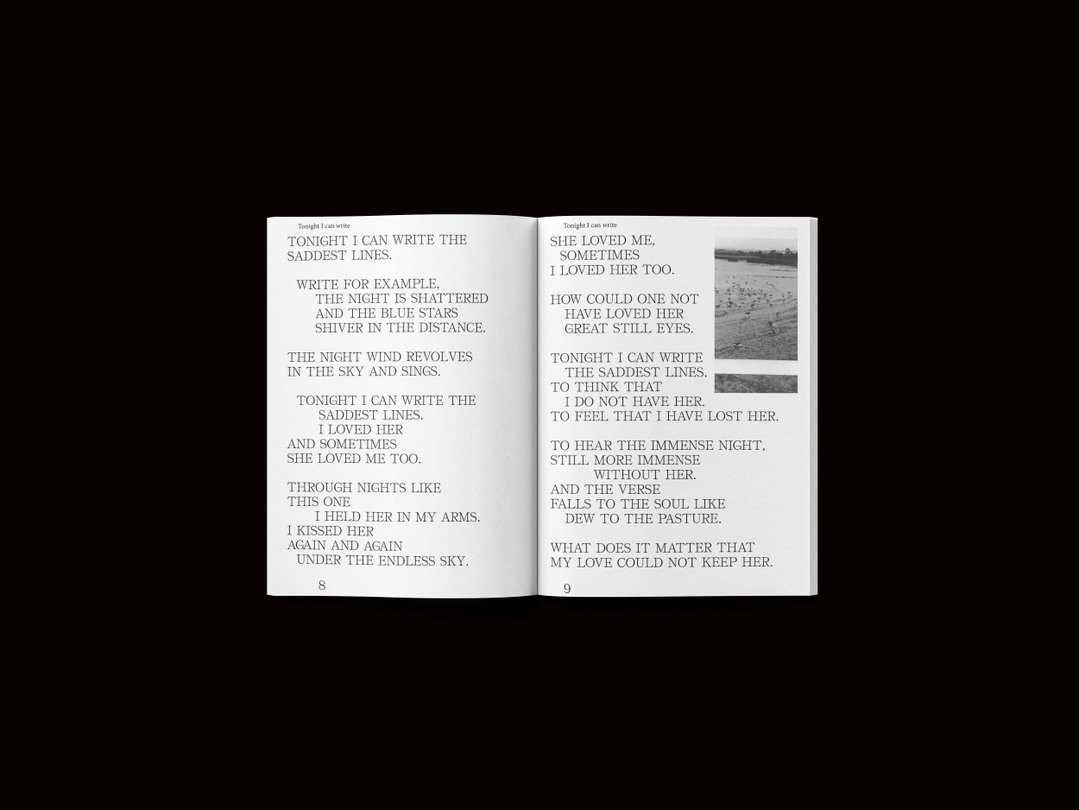
It’s a style we can see across Alina’s portfolio, namely in three recent projects that she talks us through. A book of love poems by Pablo Neruda she designed as a present is the first. It provided the designer with a space to work emotionally, “which feels very good during my theoretical design-strategy master’s degree;” that Alina is currently finishing up at the moment. In this vein, she’s also started to use Instagram as a platform for this kind of emotional, personal work, documenting her dreams, fascinations or thoughts on the channel. “It helps me gain confidence to let more of this side influence my commercial work.”
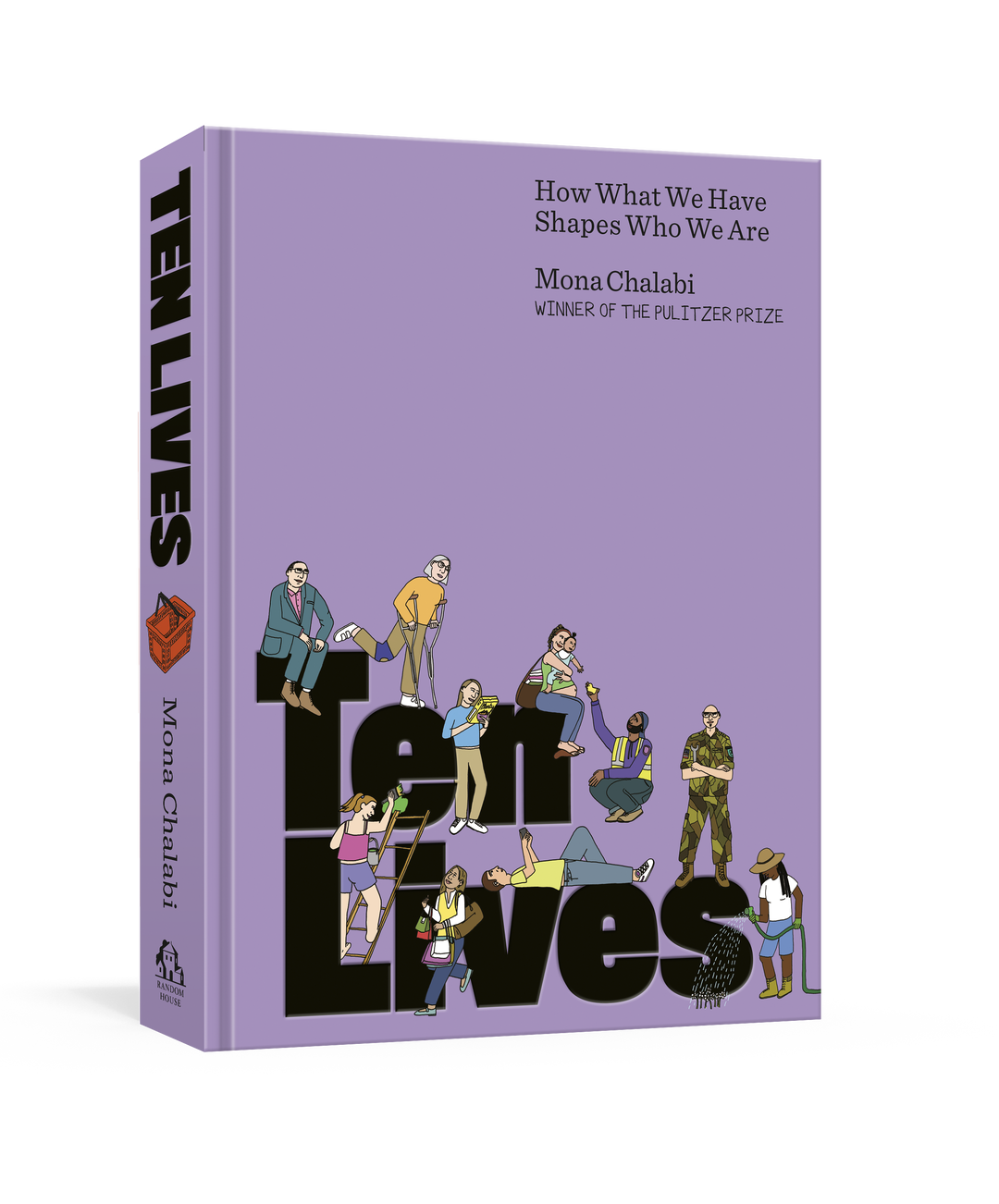
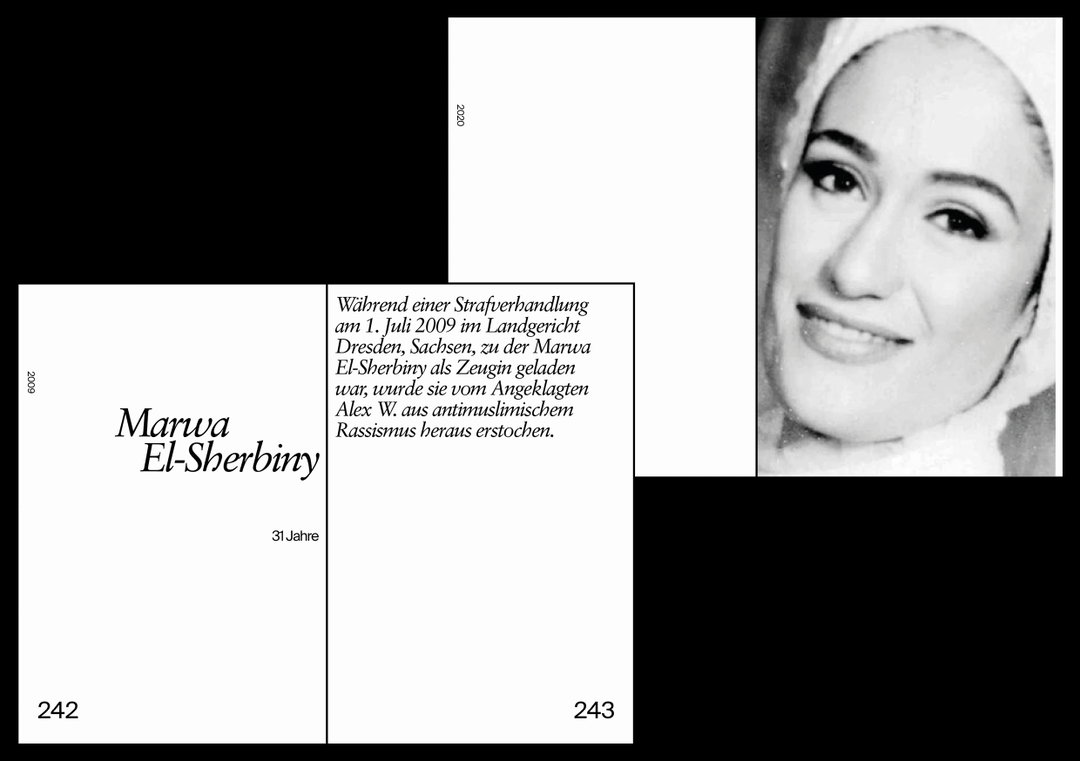
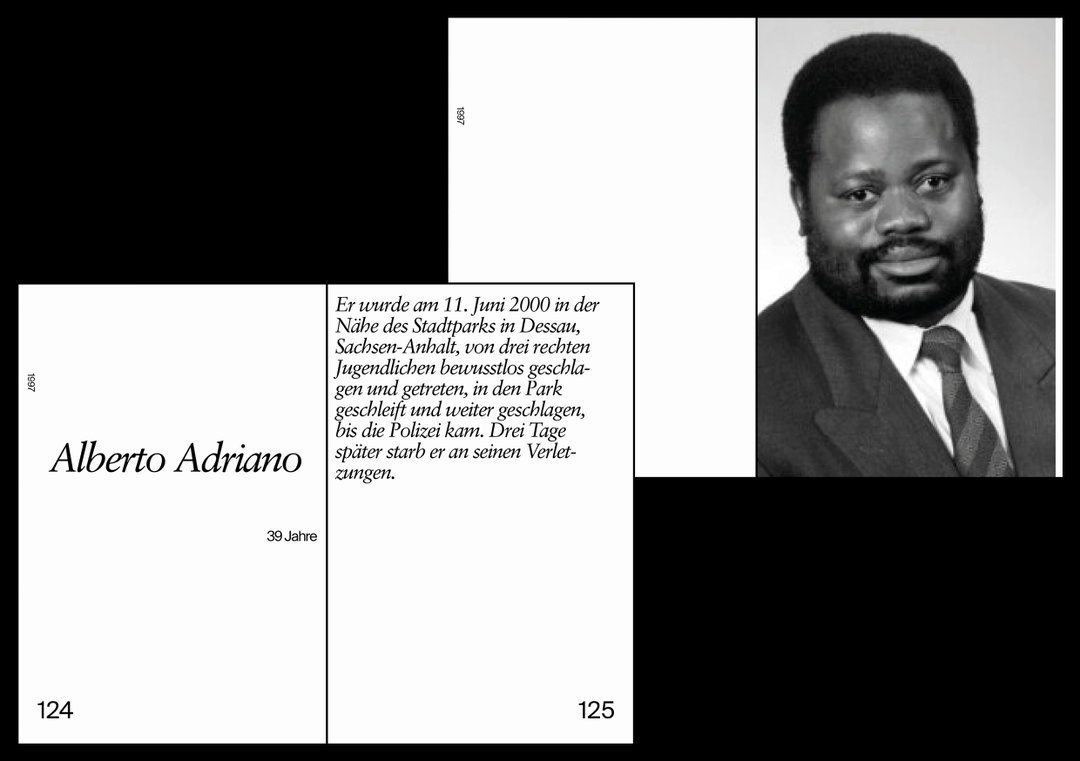
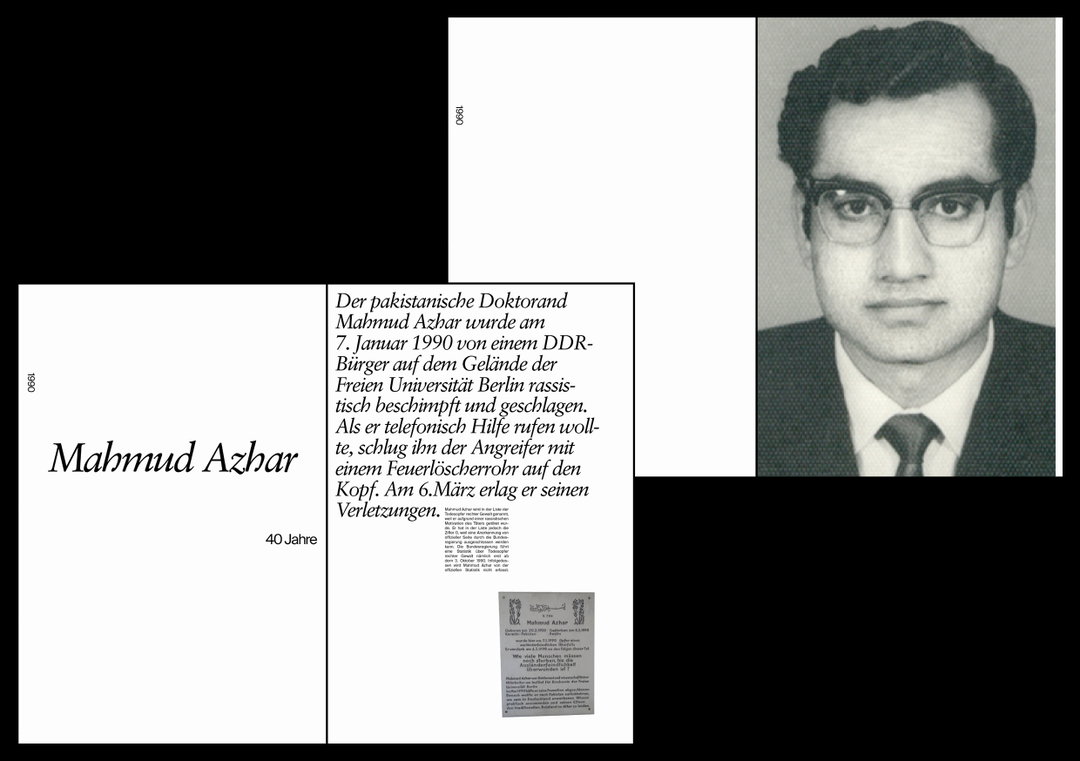
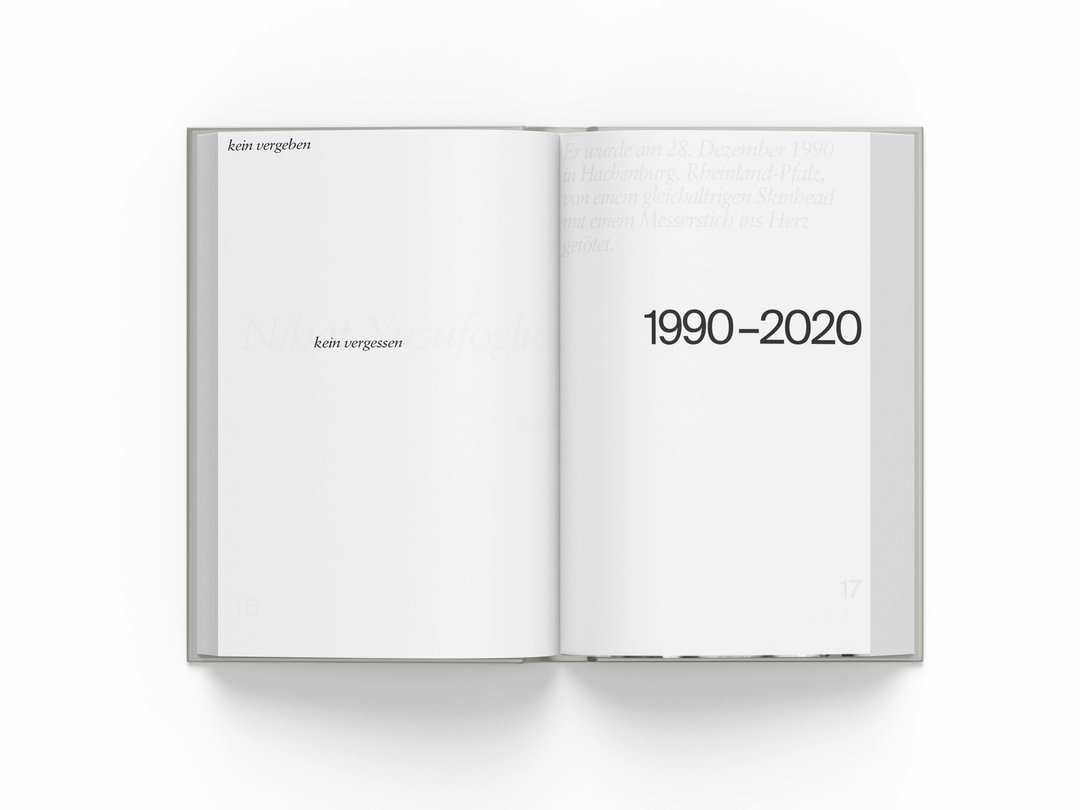
Elsewhere, Alina’s also working on a book project dedicated to the victims of right wing violence in Germany since 1990, the year she was born. She says of the project, “Racism is still a very sensitive topic in Germany and I feel like we should talk more about this issue and keep remembering.” Aptly utilising the medium for the book to demonstrate the heaviness and weight of the subject, the resulting physical object shows just “how big the issue of racism still is.” Available to the public at the beginning of 2021, all profits from the book will be donated to anti-racist foundations in Germany.
Finally, in her thesis project for her master’s degree, Alina turns her attention to the neighbourhood Oberhausen in Augsburg. “It’s a neighbourhood with a bad image,” she adds, “but in my eyes, it’s the part of the city with the most truth.” In the project, she captures the area from a subjective point of view and searches for hidden aesthetics and ‘a sense of place’ through photography and typography. Famous for its large Turkish community and home to many Turkish supermarkets, bakeries, travel agencies and so on, the project also touches on Alina’s dual heritage. It’s a chance to delve deeper into the two worlds, creatively exploring multiculturalism in beautifully designed objects which have so much personal meaning to the graphic designer.
GalleryAlina Derya
Share Article
Further Info
About the Author
—
Jynann joined It’s Nice That as an editorial assistant in August 2018 after graduating from The Glasgow School of Art’s Communication Design degree. In March 2019 she became a staff writer and in June 2021, she was made associate editor. She went freelance in 2022.