The Egyptian Cassette Archive documents thousands of tape cover artworks from the 1960s – 2000s
Curator Amr Hamid discusses how his rare archive of cassette covers traces the evolution of Egyptian design, and preserves it.
Share
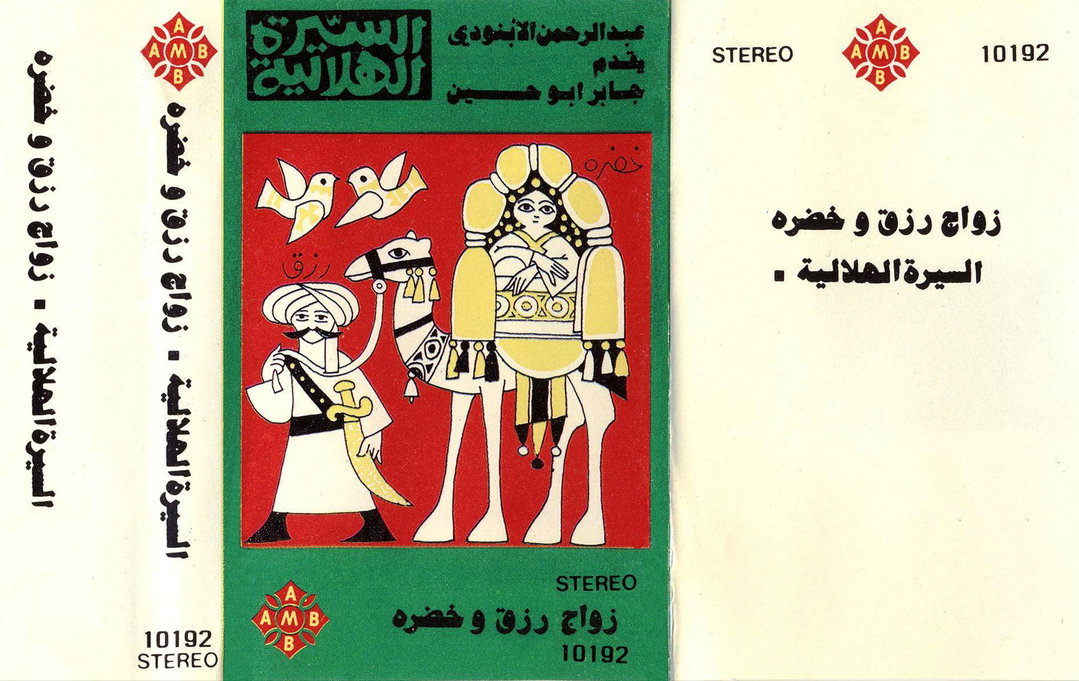
When Amr Hamid first began posting cassette covers on Instagram, people from different countries began reaching out to help. Scanning their tape covers and emailing them to him, donating their collections to the archive; Amr had happened across a community of anonymous assistants. On one occasion, he posted a cover design of obscure origins, but with a distinctly beautiful artwork based around “a well-known Arabic epic poem about the tale of the journey of a Bedouin tribe named Banu Hilal,” Amr tells It’s Nice That. Shortly after, a follower contacted him to share the name behind the artwork: Bahgat Othman. “When I checked out this artist’s work, I found more interesting covers, which is great! It made me happy that people are engaged with the page and want to help,” he affirms.
Amr Hamid, a designer, artist and writer based in Sweden, first began work on the Egyptian Cassette Archive in 2016 with an aim to archive and preserve Egyptian cassette covers and shine a spotlight on designers and artists. Albeit, his collection began long before that in the early 2000s. “There were a lot of tape shops and kiosks selling cassette tapes when I started,” he remembers. “Nowadays only a few of them are still open.” Amr relies on a private collection of physical copies and scanning to produce the archive, occasionally turning to the internet for research, although images found there are usually mired with low quality or a watermark.
While the archive is design-led, it was actually Amr’s penchant for song lyrics that kindled his fascination for album artwork. Over time, as his interests bled into the design sphere, his attempts to analyse covers transformed into “visual anthropological readings of the changes that had taken place in Egypt in recent decades,” Amr explains. As the idea matured, the Egyptian Cassette Archive came into focus.
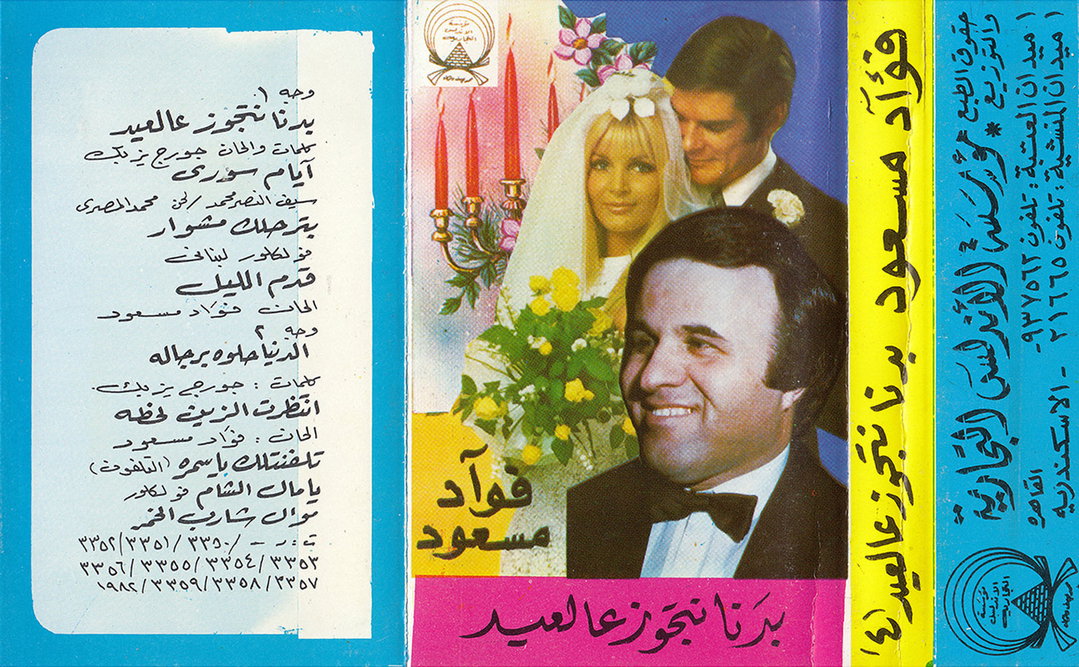
Bedna netgawez ala el-eid, We want to get married on Eid, بدنا نتجوزعالعي (Copyright © The al-Andalus Trading Establishment, 1982)
As it stands today, the archive is extensive – my jaw drops a little when I hear how many cassettes Amr holds in his physical collection at over 2,000 – and rare. Following the invention of the cassette in the 1960s, the archive is confined to a time range of 40 to 50 years, before production gradually ended around 2010 in Egypt. This means many of the production specifics behind each cover remain elusive, something Amr says is one of the more difficult aspects of the work, although he points out that it is also part of the reason he works, “to fill in the blanks”.
“I was surprised when I realised the lack of information about who created many of these cover artworks,” Amr expresses. “There is no database documenting the artists, designers, calligraphers, and photographers involved in creating these covers. In most cases, there is no information available about the singers as well, especially singers of folk songs. I felt that these artists and designers should be remembered in Egyptian graphic design and music history.” He continues: “Who are the designers who formed a large part of our visual culture? How can we highlight them?” Occasionally his archive throws out these questions and answers them simultaneously.
To explore these “mechanisms of visual communication in the 70s and beyond”, Amr pieces together these covers as part of a puzzle, chipping away at a larger design narrative. When I ask Amr what the archive can tell us about the history of Egyptian design, he confirms “a lot”. The evolution of the designer’s tools, printing and photography techniques and the transition from analogue to digital are all documented within the covers. “We can also see how different global historical events and movements are reflected,” says Amr. “For example, we can see the influence of kitsch and pop art on many cassette cover designs. Many Egyptian designers used these art movements in their work and modified them to match the taste/culture of the Egyptian audience.”
Mid-scroll through the archive between a bright, block-colour 1994 cover featuring a sheen of airbrushing from the preceding decade and an understated soft portrait entry from 1974, I can see the historical variances Amr speaks about. What perhaps makes the Egyptian Cassette Archive even richer, is that you can also detect his deep dedication for the project in each entry and faithfully-researched caption, to make this information available for anyone who seeks it.
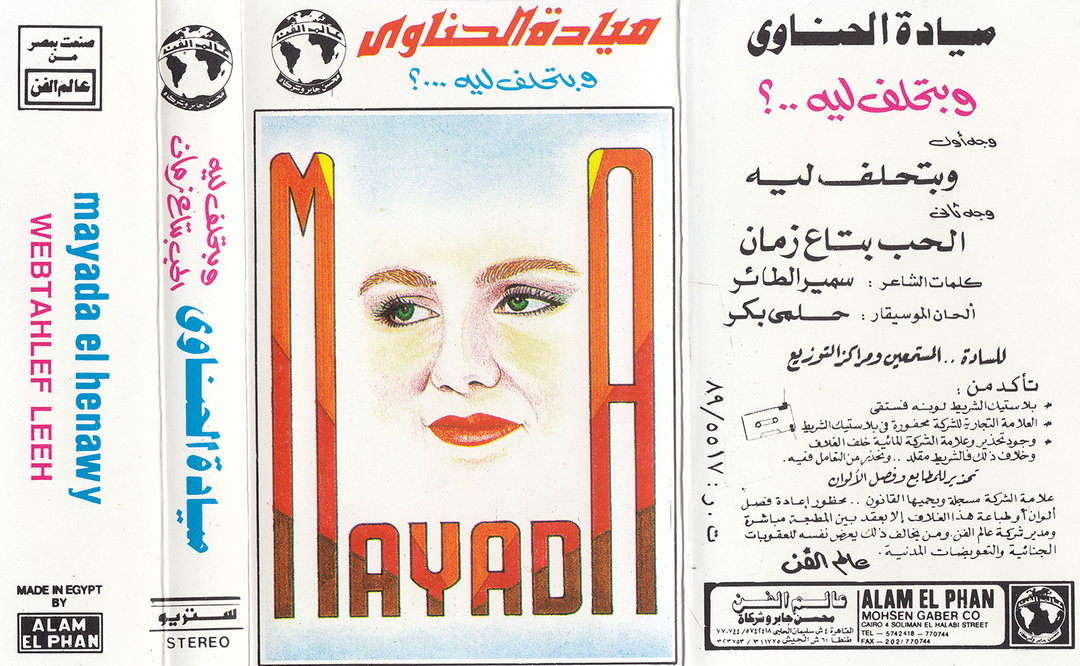
Nasser Suleiman: artwork for We btehlef leh….? , And why do you swear...? , وبتحلف لية….؟ (Copyright © Alam El Phan Co, 1990)
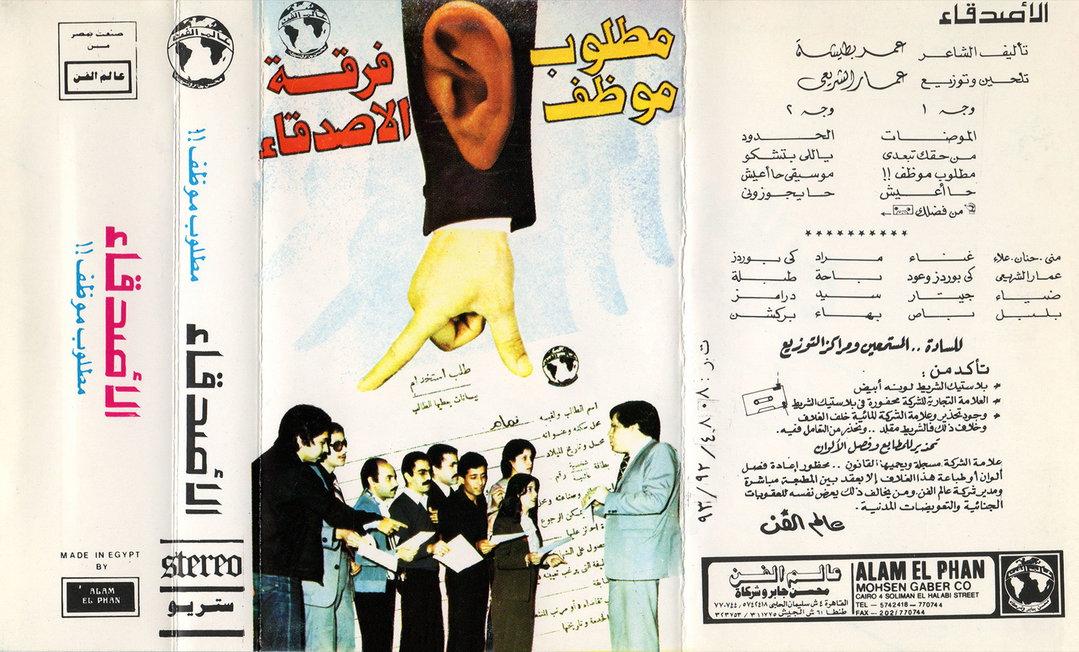
Matloob Mowthaf, Employee needed, مطلوب موظف (Copyright © Alam El Phan Co, 1992)
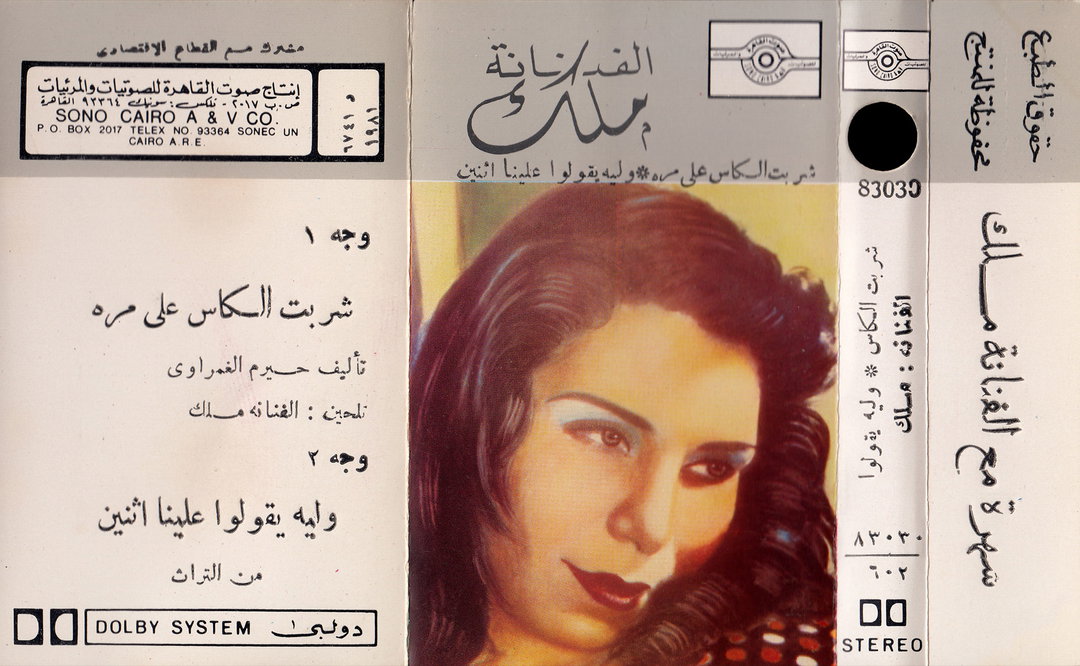
Shrebt el-kas Mara, I drank the glass once, شربت الكاس مرة (Copyright © Sono Cairo, 1981)
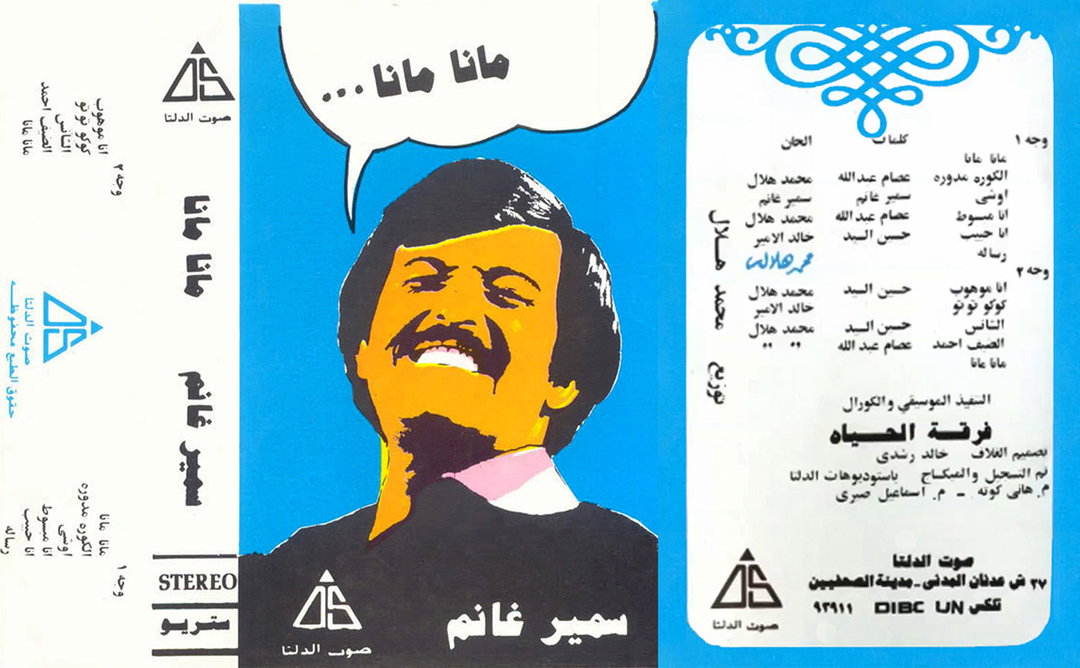
Khaled Roshdy: artwork for Mana Mana, مانا مان (Copyright © Delta Sound)
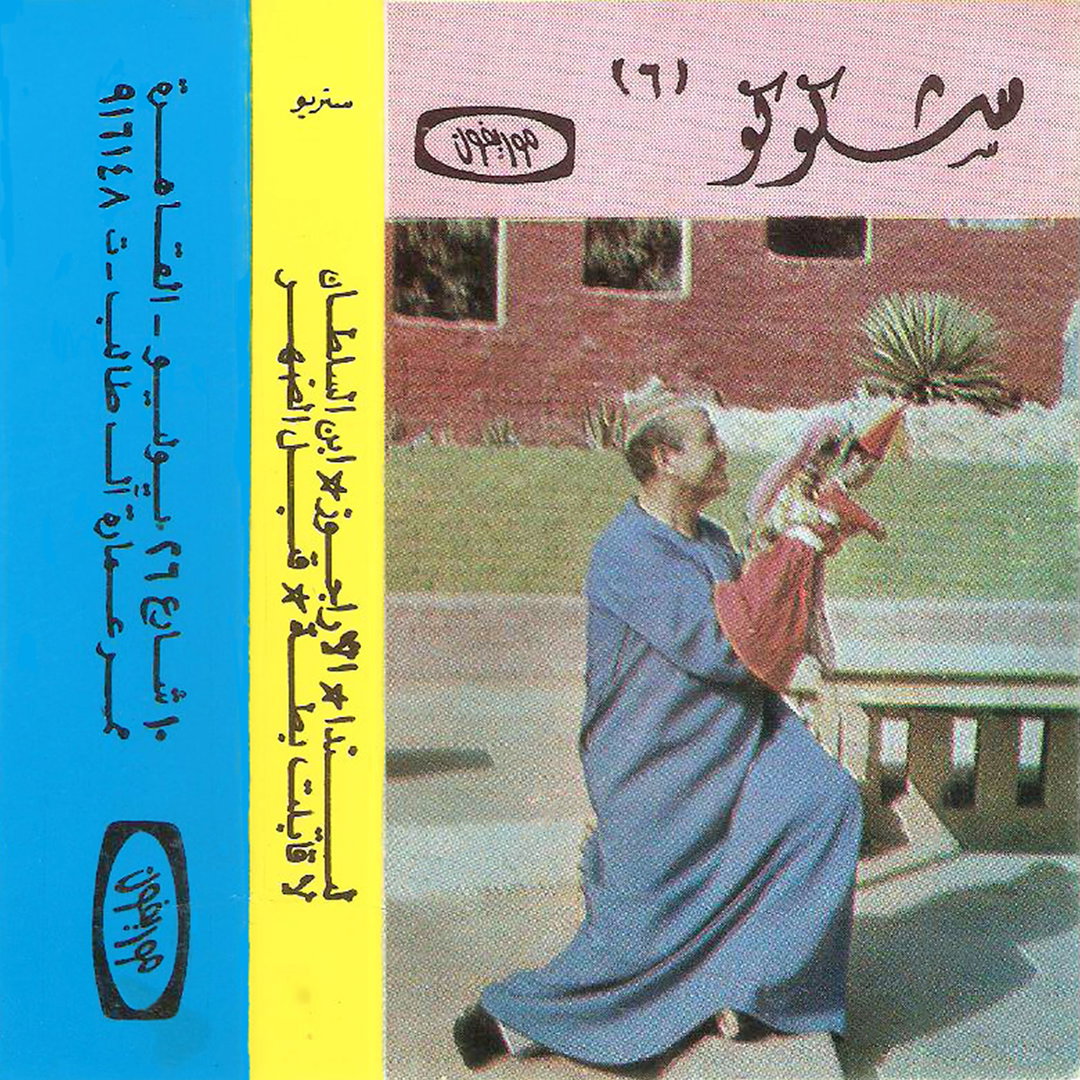
Shokoko 6, شكوكو ٦ (Copyright © Moriphon)
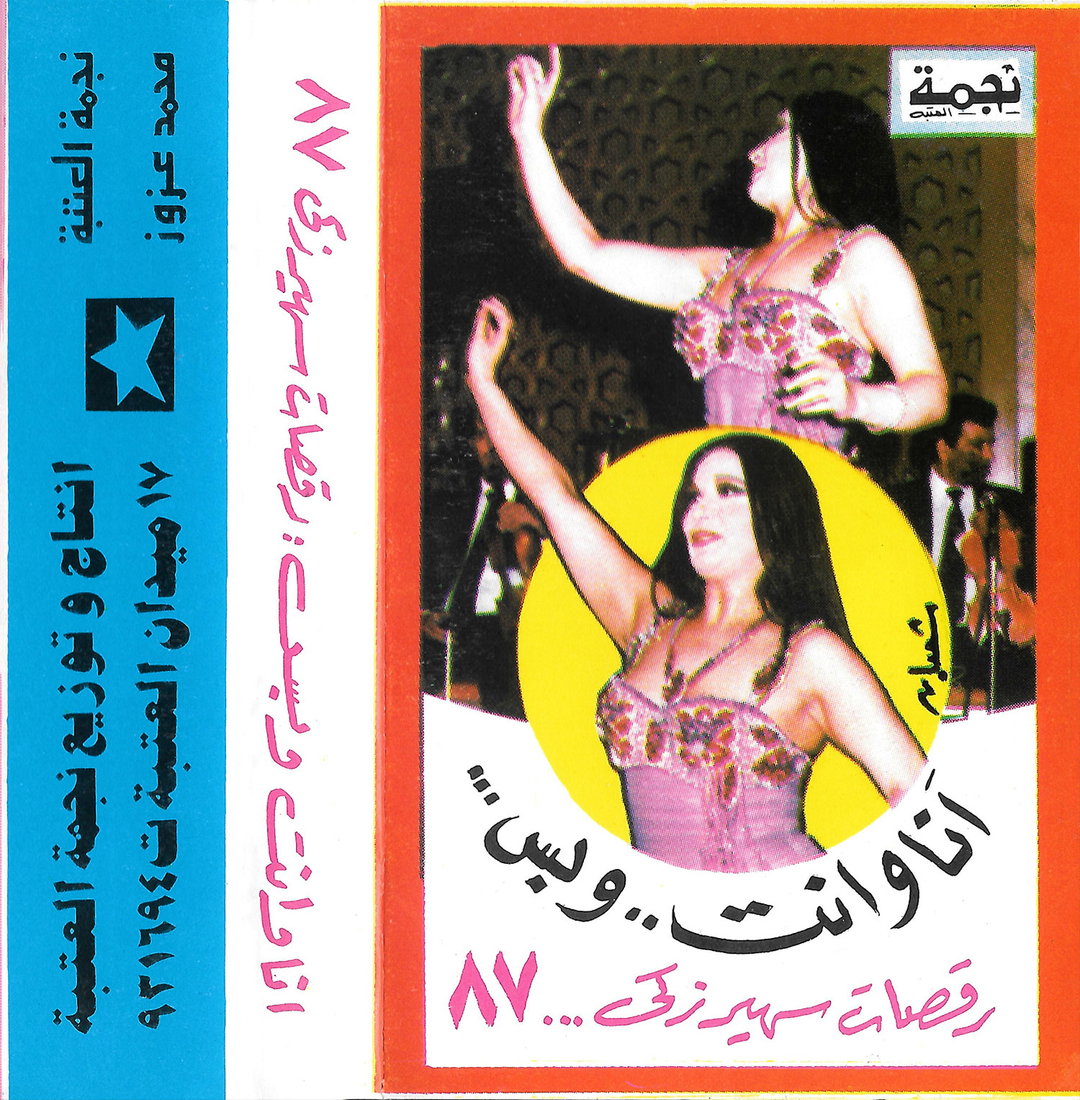
Shaban: artwork for Ana we enta we bas, Me and you only, أنا وأنت.. وبس (Copyright © The Star of al-Ataba, 1987)
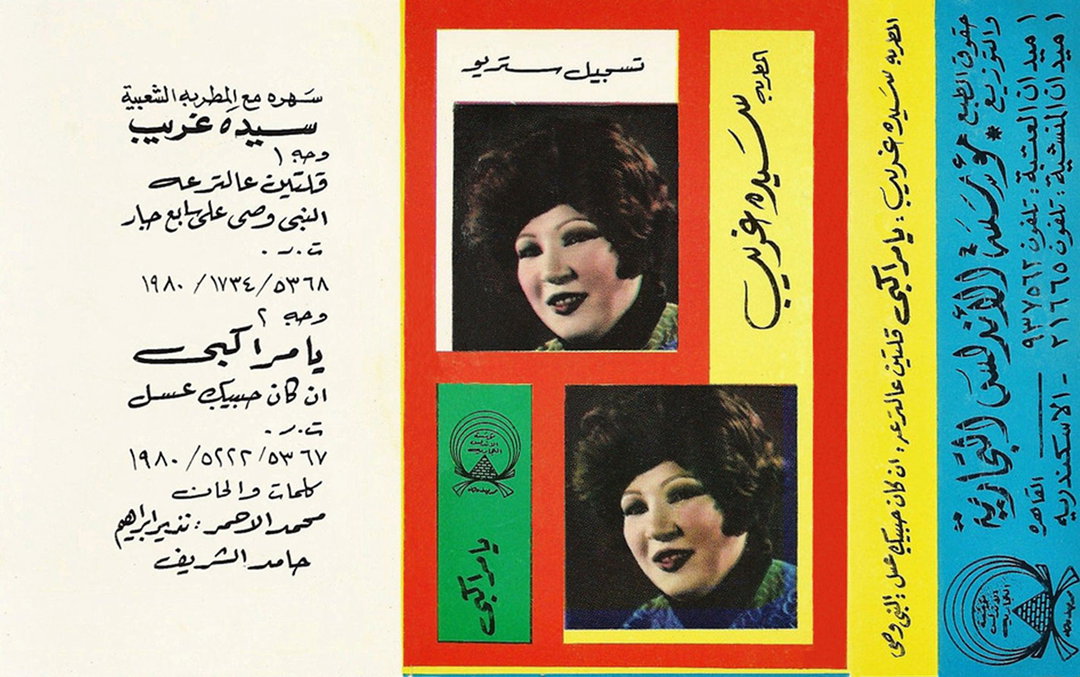
Ya Marakbi, Boatman, يا مراكبي (Copyright © The al-Andalus Trading Establishment, 1980)
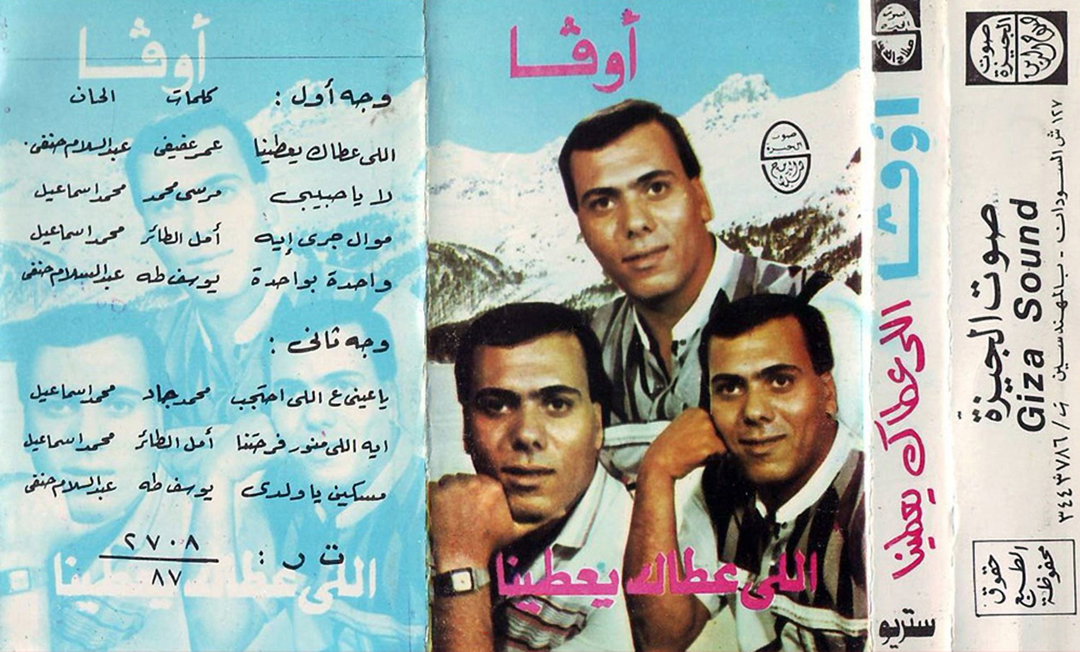
Elly atak yatena, Whoever gave you, gives us, اللي عطاك يعطينا (Copyright © Giza Sound, 1987)
Hero Header
Bahgat Othman: artwork for Zawag Rizk we Khadra/Al-Sirah al-Hilaliyyah, A marriage of Rizk and Khadra/Taghribat Bani Hilal, زواج رزق وخضره/السيرة الهلالية (Copyright © Bahgat Othman)
Share Article
About the Author
—
Liz (she/they) is the senior editor at Insights, a research-driven department within It’s Nice That. They previously ran the news section of the website. Get in contact with them for potential Insights collaborations or to discuss Insights’ public-facing reports.