“As a rule, I don’t like to restrict myself”: Meet the unconstrained practice of Bea Kittelmann
Running a multi-disciplinary practice that jumps between the digital and physical, Bea’s work is inclusive in its vastness.
When discussing multi-disciplinary artist Bea Kittelmann’s interests, they describe their creative approach as “more like one big puzzle” where their interests remain “as diverse as they are messy”.
Initially, it’s references closer to home which the artist mentions, such as the 80s Berlin punk scene and “local history in general!” From “antique and medieval bits and bobs, and tacky vintage German design,” their intrigue stems from the point of view of an afro-german non-binary artist, “circling around thoughts and questions about how BIPOC artists can decolonise their practices,” Bea tells It’s Nice That. “If I had to name you my strategy it’d be: take from anything and everything. Make it yours.”
At just 21, Bea comes across both as an artist and individual who is determined to create, and discuss creativity too. It’s a quality in themselves they acknowledge, stating that they reached this position in their work, “by being incredibly headstrong... Like making a font in three days, because I had a flight of fancy. No, just kidding,” the artist laughs.
Nevertheless, their trajectory displays this quality. For instance, Bea rents their own studio space alongside Johanna Strahl and Leyla Hermann, a group who collectively dropped out of their illustration degree together and then spent “months more or less constantly creating,” Bea recalls. The artist’s passion for making works is also obvious in their ability to hop between mediums, creating sculptures, digital artworks and gouache paintings too.
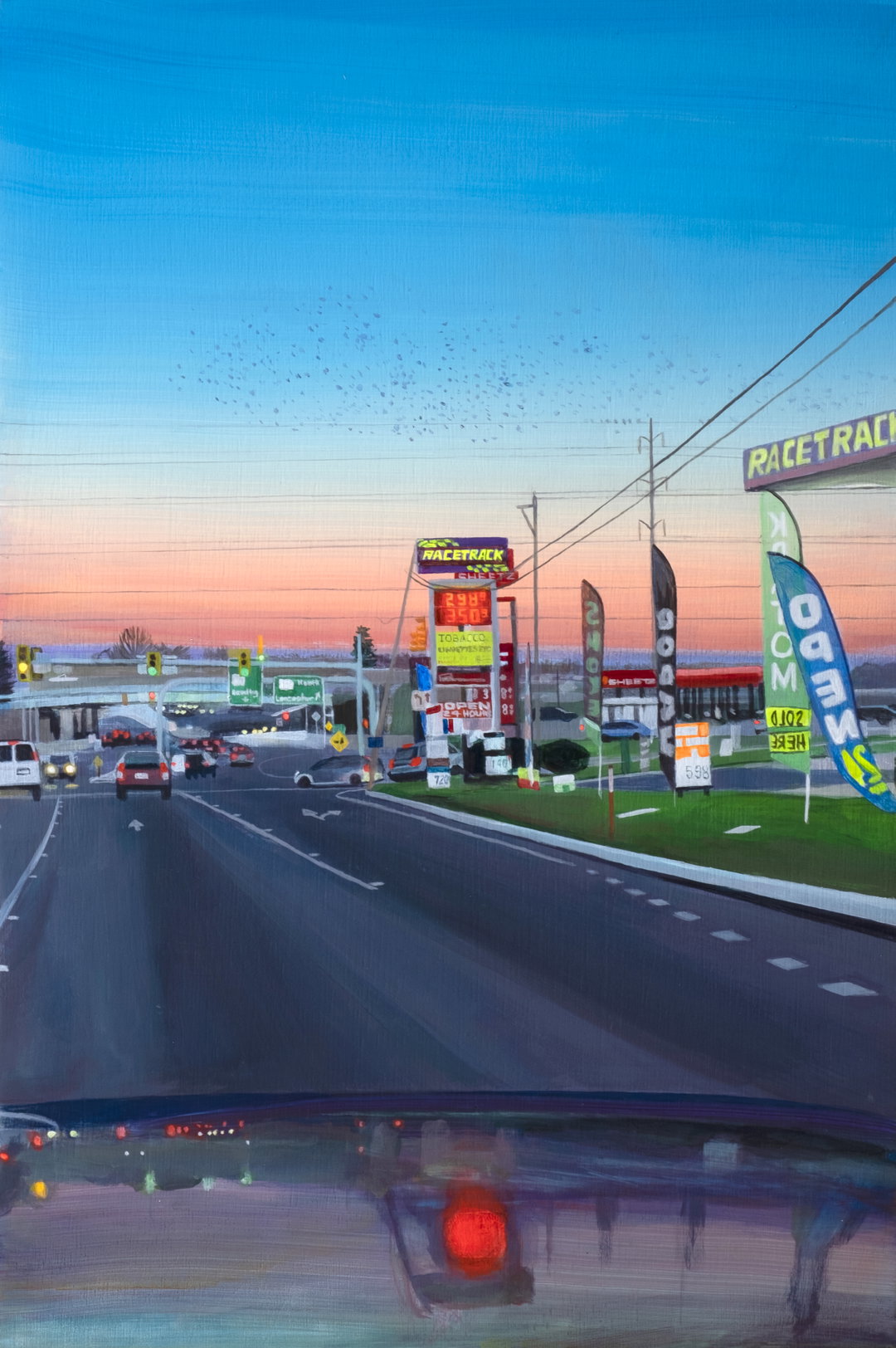
As a result, there are several entry points for viewers to get excited about Bea’s works. Their paintings may interest the more conceptual leaning viewer, yet we can imagine illustration fanatics picking up their ability to portray character with paint or via Photoshop. Utilising such wide-ranging styles is a practice that feels natural to Bea, telling us how “when I get an idea, I usually ‘just know’ what medium I wanna use”. In fact, settling on one medium to pursue is the last thing on the artist’s mind. Instead, “I’ve also been thinking more about how I can combine the different mediums further,” Bea points out. “As a rule, I don’t like to restrict myself.”
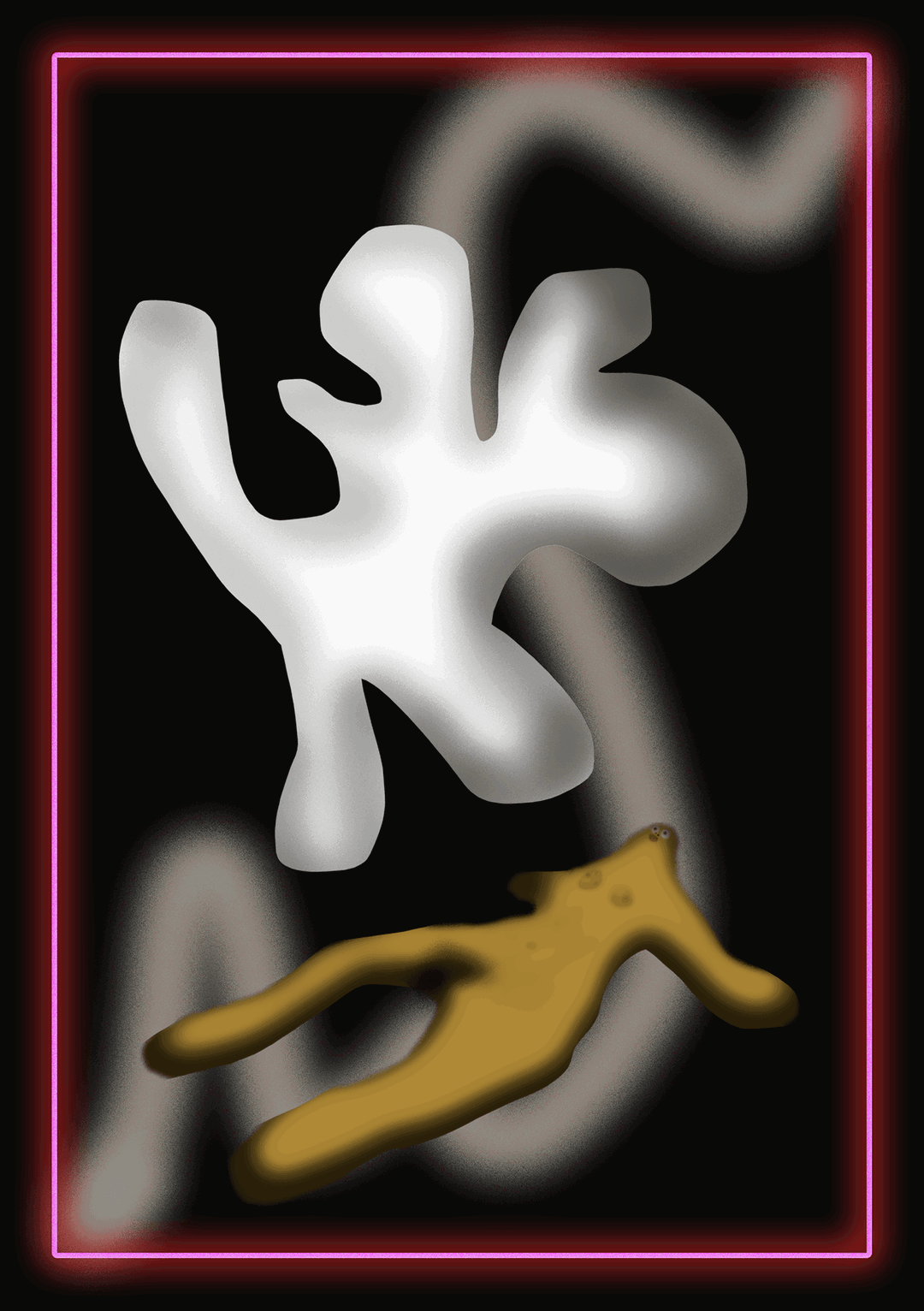
Bea Kittelmann (Copyright © Bea Kittelmann, 2020)
Across these pieces, however, is a common feeling, one Bea describes as a “retreat”. They elaborate: “Pardon my bad usage of a metaphor, but I view [the work] kind of like a cave where, depending on how you move, everything is incredibly quiet or massively loud. Take one wrong turn and you’re somewhere else entirely.” It’s a perfect description when you dive deep into their work, which in parts is brightly eye-catching but in other areas calm, through to slightly dark in parts. Continuing the metaphor, the artist adds: “It’s not all that serious though, everything I make usually has a good pinch of humour to it. Also, the last time I’ve been in a cave was as a wee one, so this may all be proper bull.”
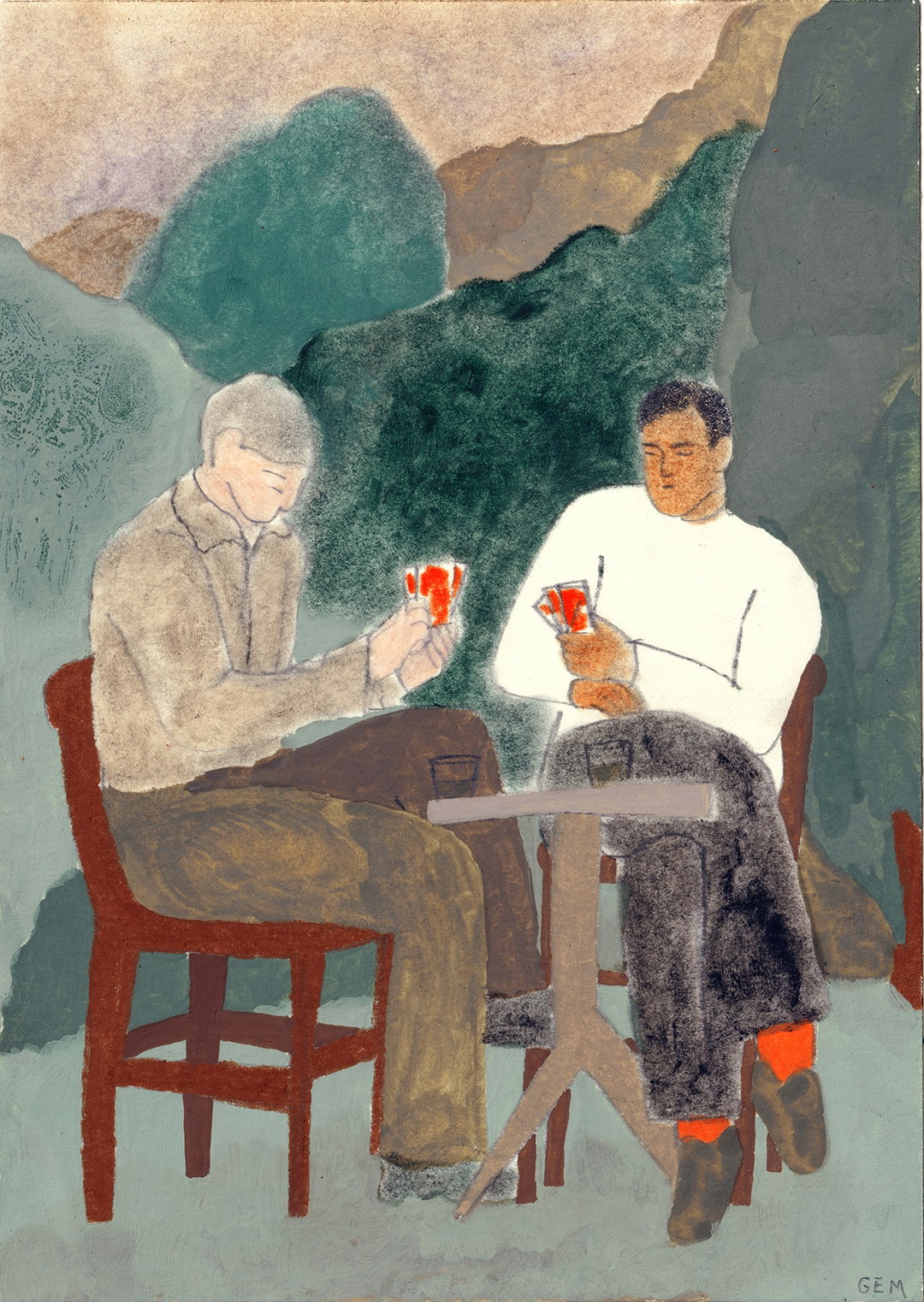
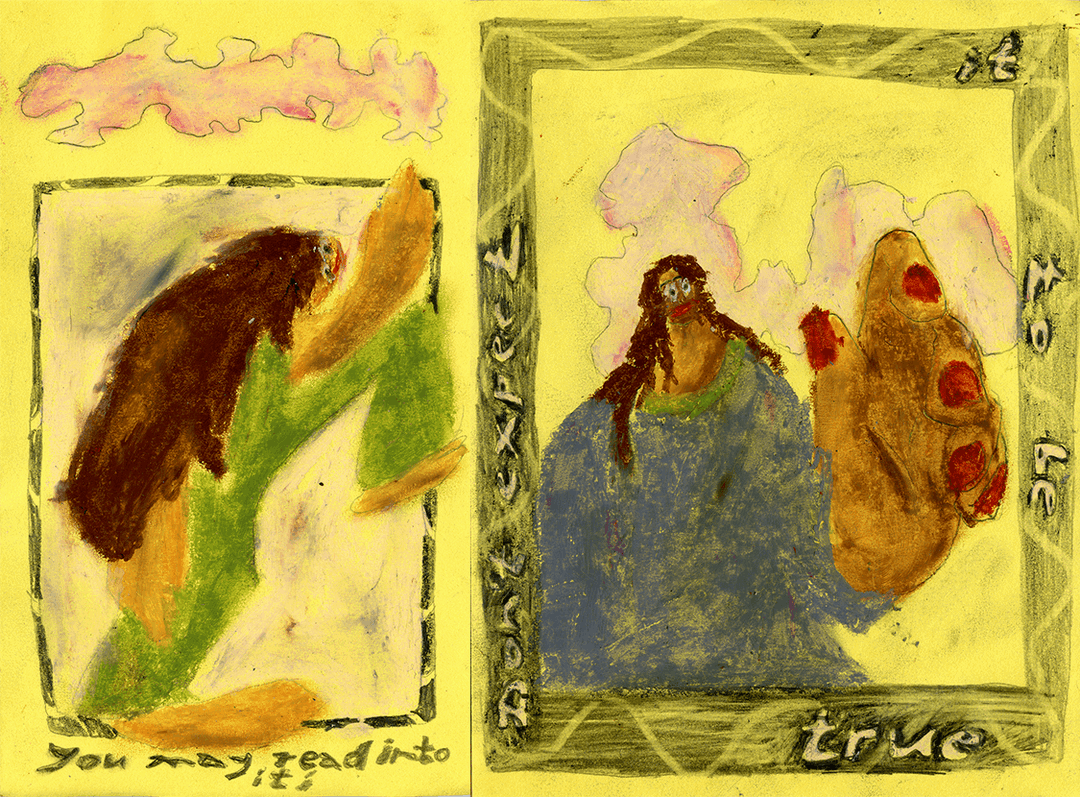
Delving into the more illustrative tangent of their practice, Bea explains that again it’s an intuitive approach. “What I mean by that is they often start out as loose drawings (sometimes random shapes) in my sketchbook and then get drawn or painted that exact way.” Centred in much of these pieces are characters imagined by Bea, ones they describe as strong, independent, and “just existing in their own little worlds.’ In their pieces, these characters also immediately draw the viewers eye, both due to their expression and the artist’s ability to make them fill the frame in inventive manners. “In a way, it’s a sort of freedom that is usually not granted to QTBIPOCs,” they add. “It’s a lot about simply finding peace with(in) yourself, drawing strength from that first, and from the ‘outside world’ second.”
In turn, what’s communicated within Bea’s works is important to the artist, but speaking honestly, “this is something I have been struggling with for a bit,” they explain. “Not to sound too corny, but ideally I want people to come away feeling warmed by it. Or wanting to tap into their own world a bit more.” Yet, on the other hand, a wider aim within the artist’s practice is a want “to stretch the margins of Western-European – or to begin with maybe even just German – habits of seeing,” Bea states. Constantly battling with themselves around whether to create “calming landscapes or just sharing the photographs I’ve been taking, but also as previously stated wanting to push the boundaries a bit more. In the end,” they add, “it’s also about not falling into some weird kind of token position.”
A considerate artist throughout every element of their practice – from what tool to pick up to how and why they’re creating in the first place – it feels like each day presents a new avenue (or cave) which the artist might visit next. And, with a keen sense to become involved in “more community based and collaborative work,” we hope their work only reaches more people, achieving both the calmness and mentality-shifting results they are working towards.
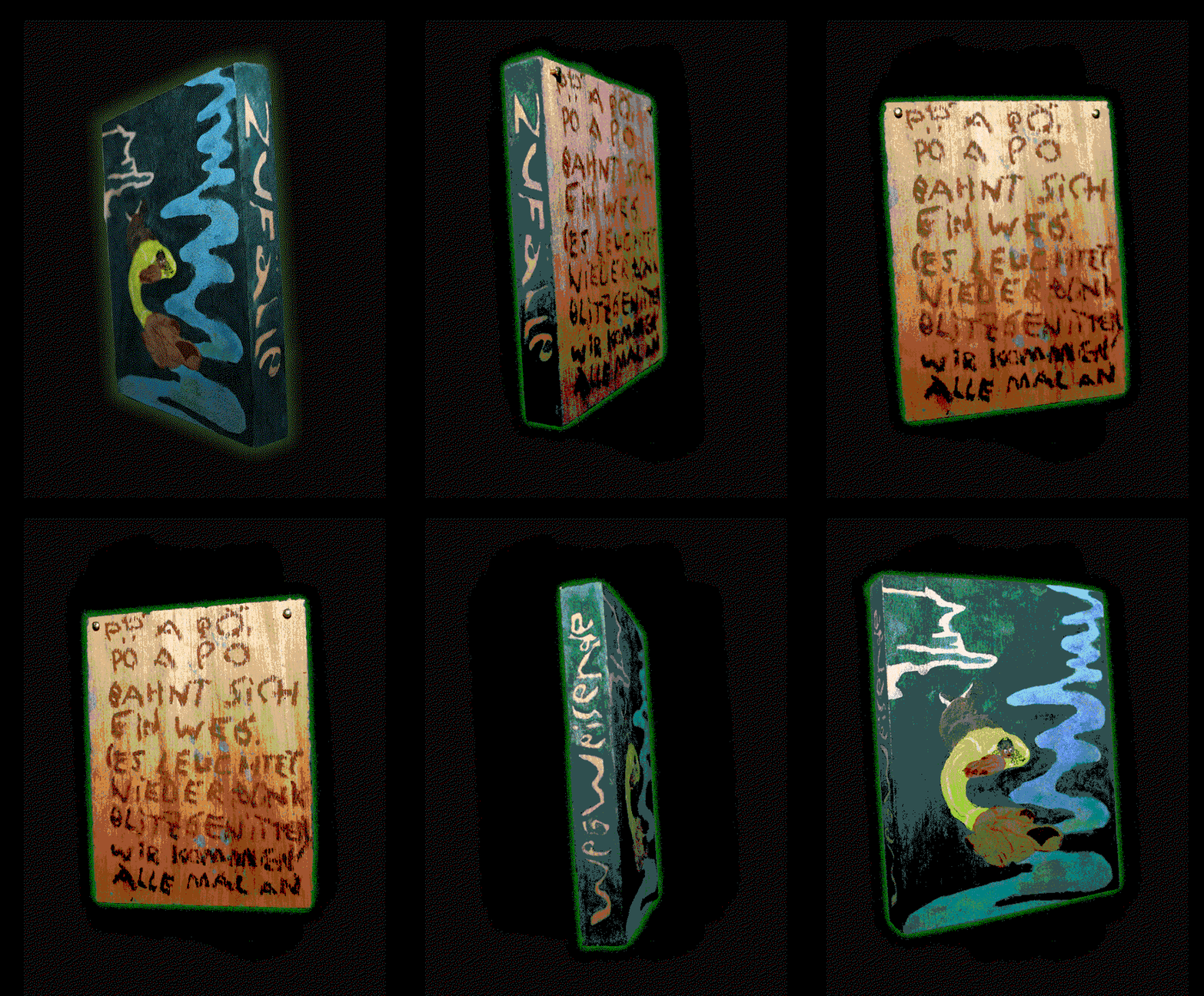
Bea Kittelmann (Copyright © Bea Kittelmann, 2020)
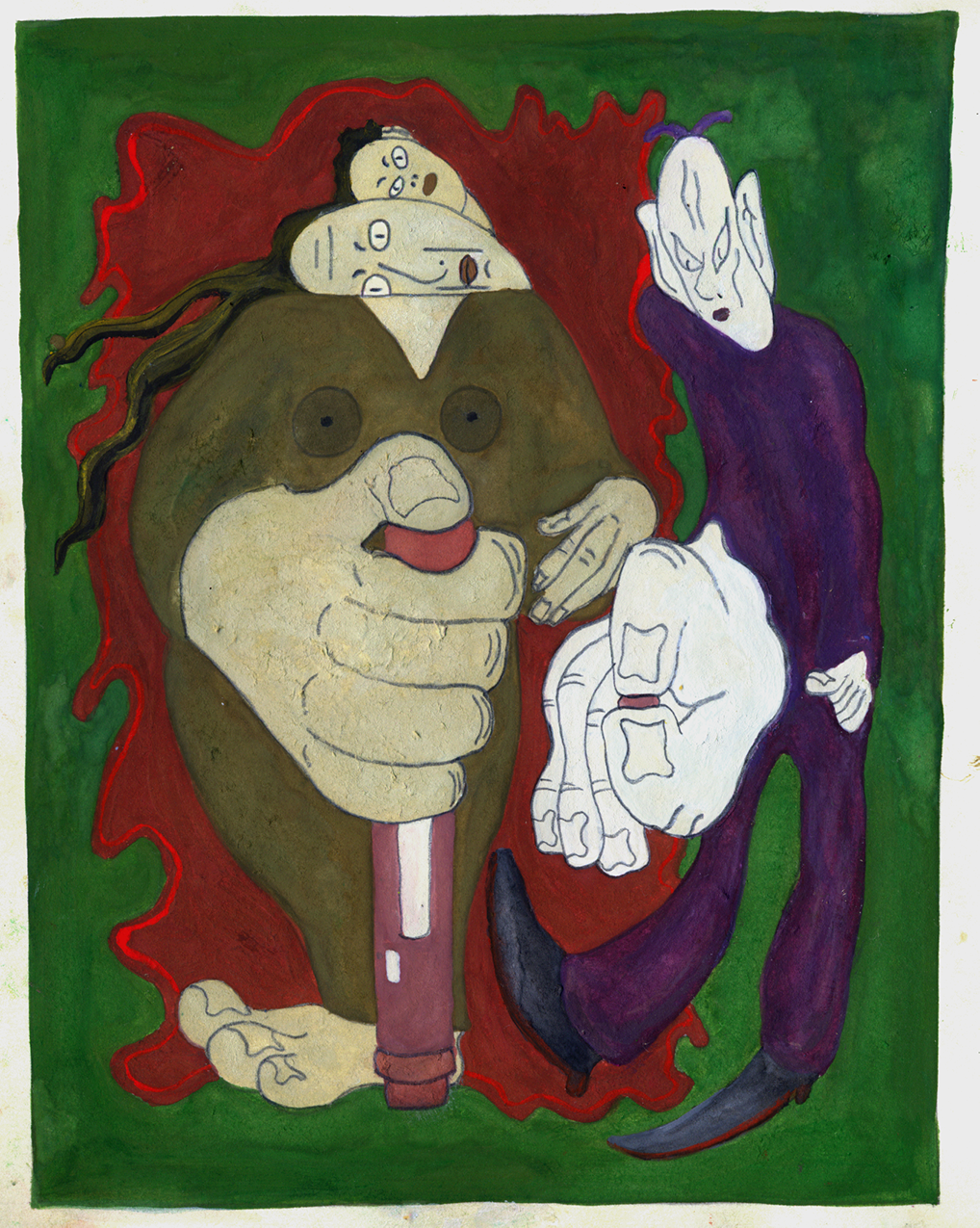
Bea Kittelmann: Overcoming the Distance (Copyright © Bea Kittelmann, 2020)
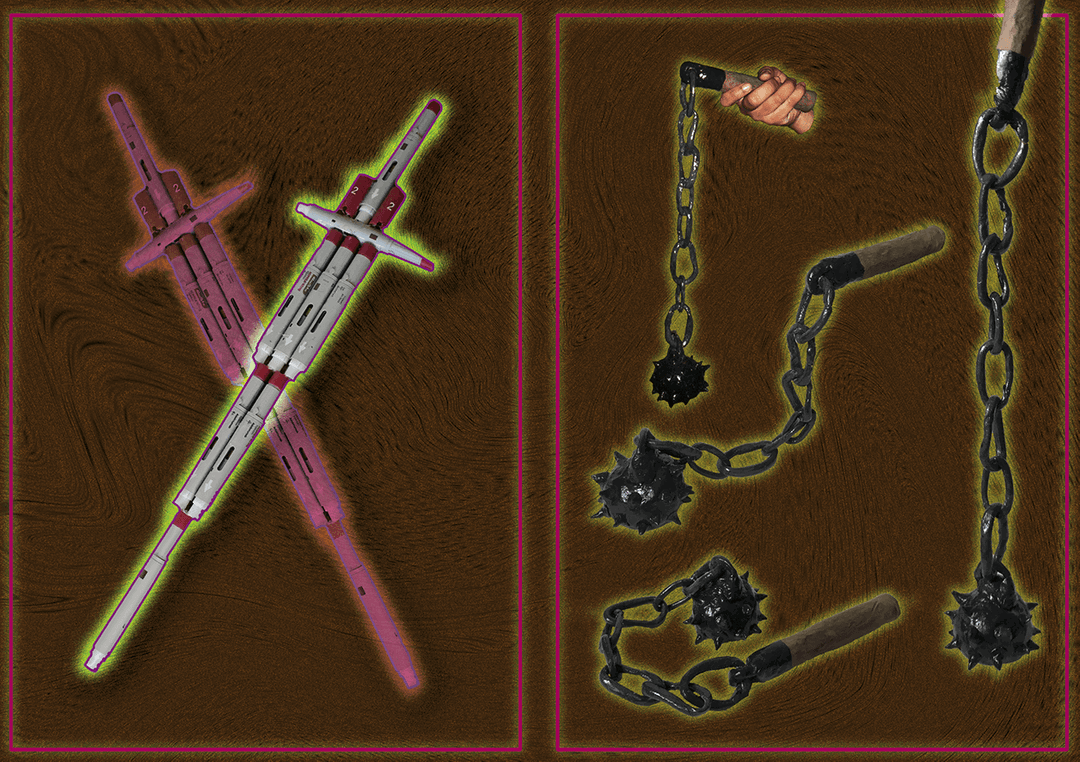
Bea Kittelmann (Copyright © Bea Kittelmann, 2020)
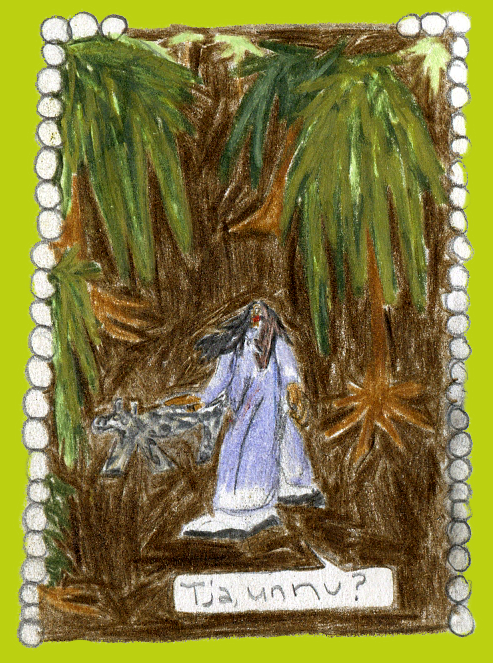
Bea Kittelmann (Copyright © Bea Kittelmann, 2020)
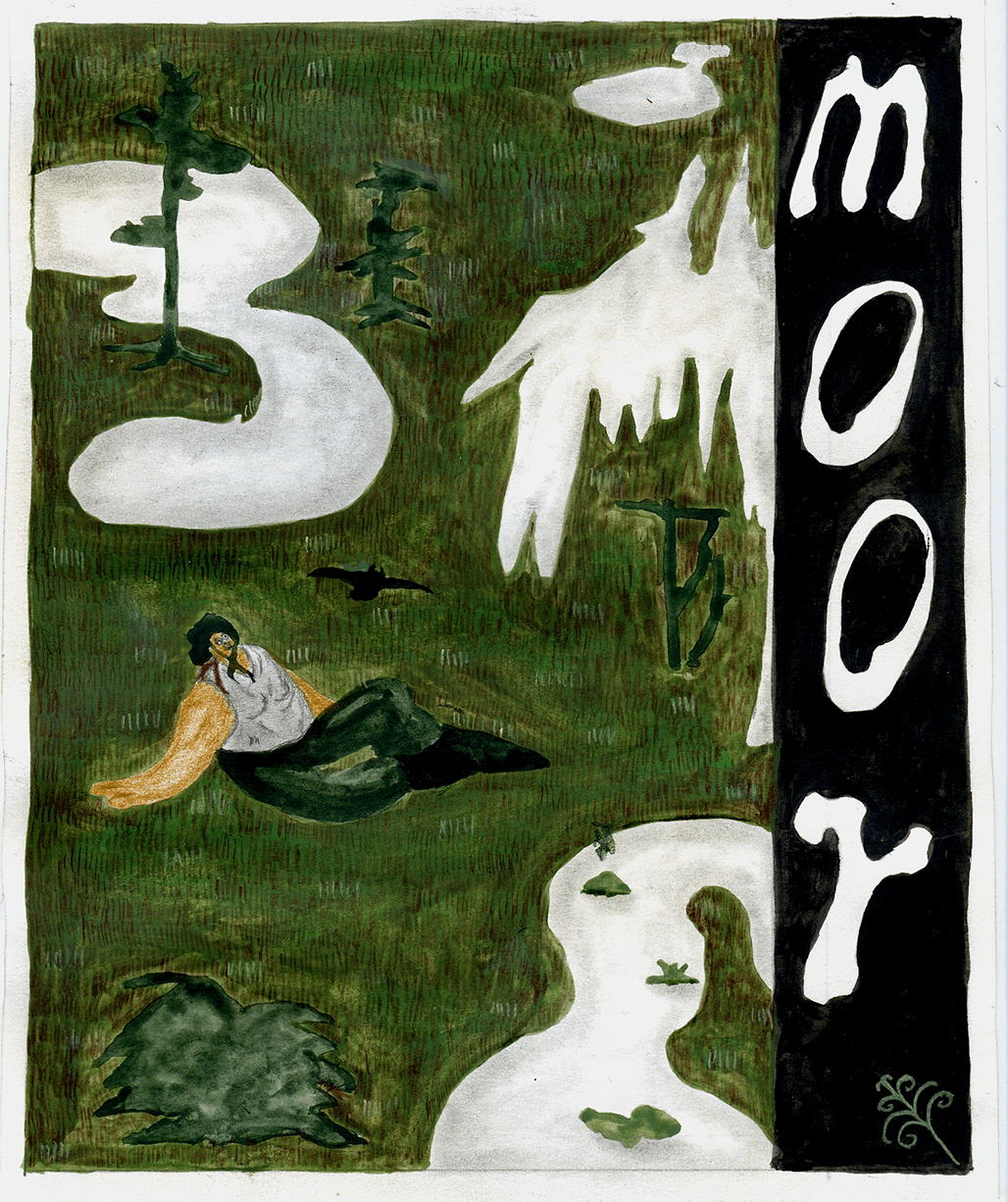
Bea Kittelmann: Keramipalast (Copyright © Bea Kittelmann, 2020)
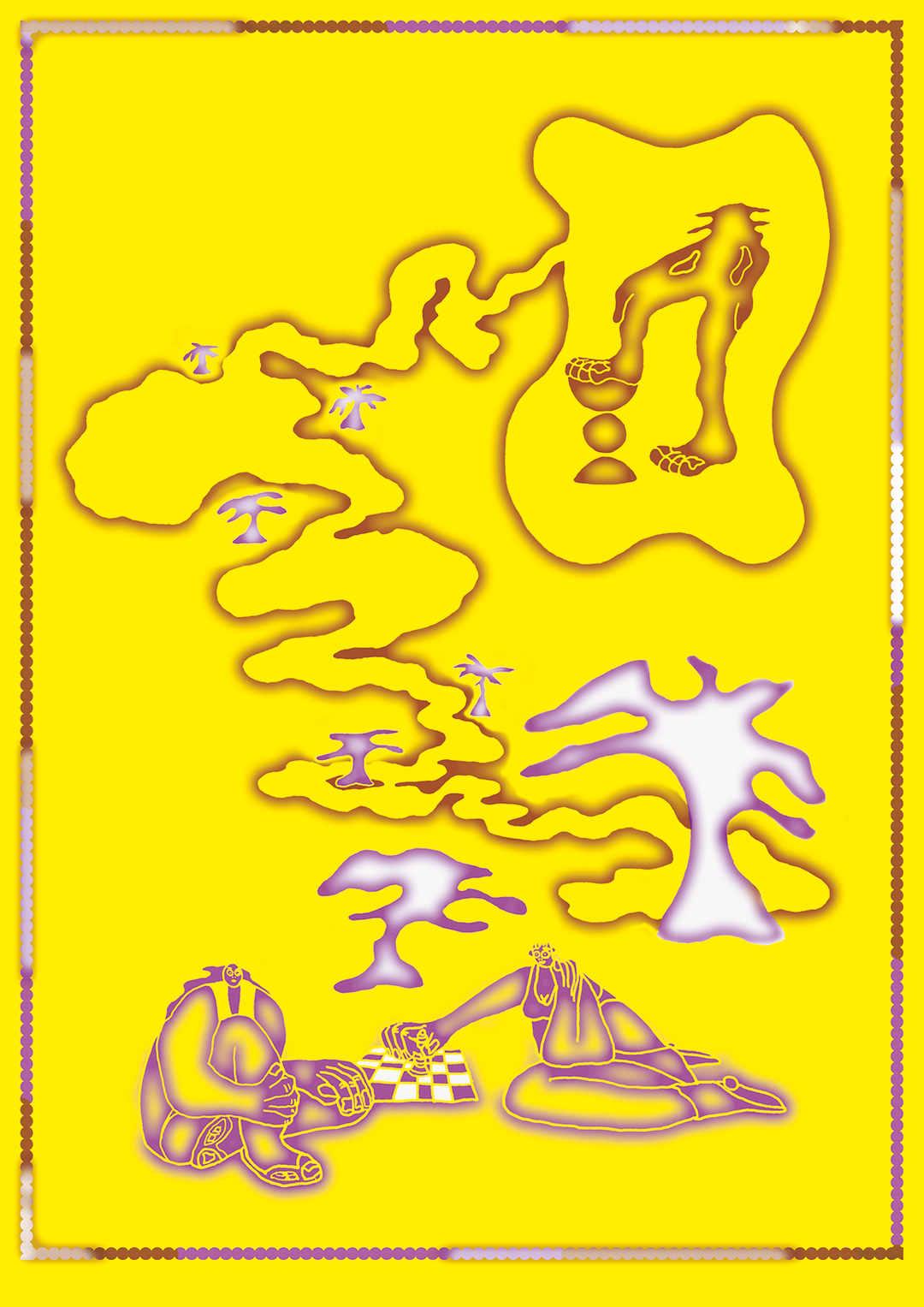
Bea Kittelmann: Colorama Clubhouse (Copyright © Bea Kittelmann, 2020)
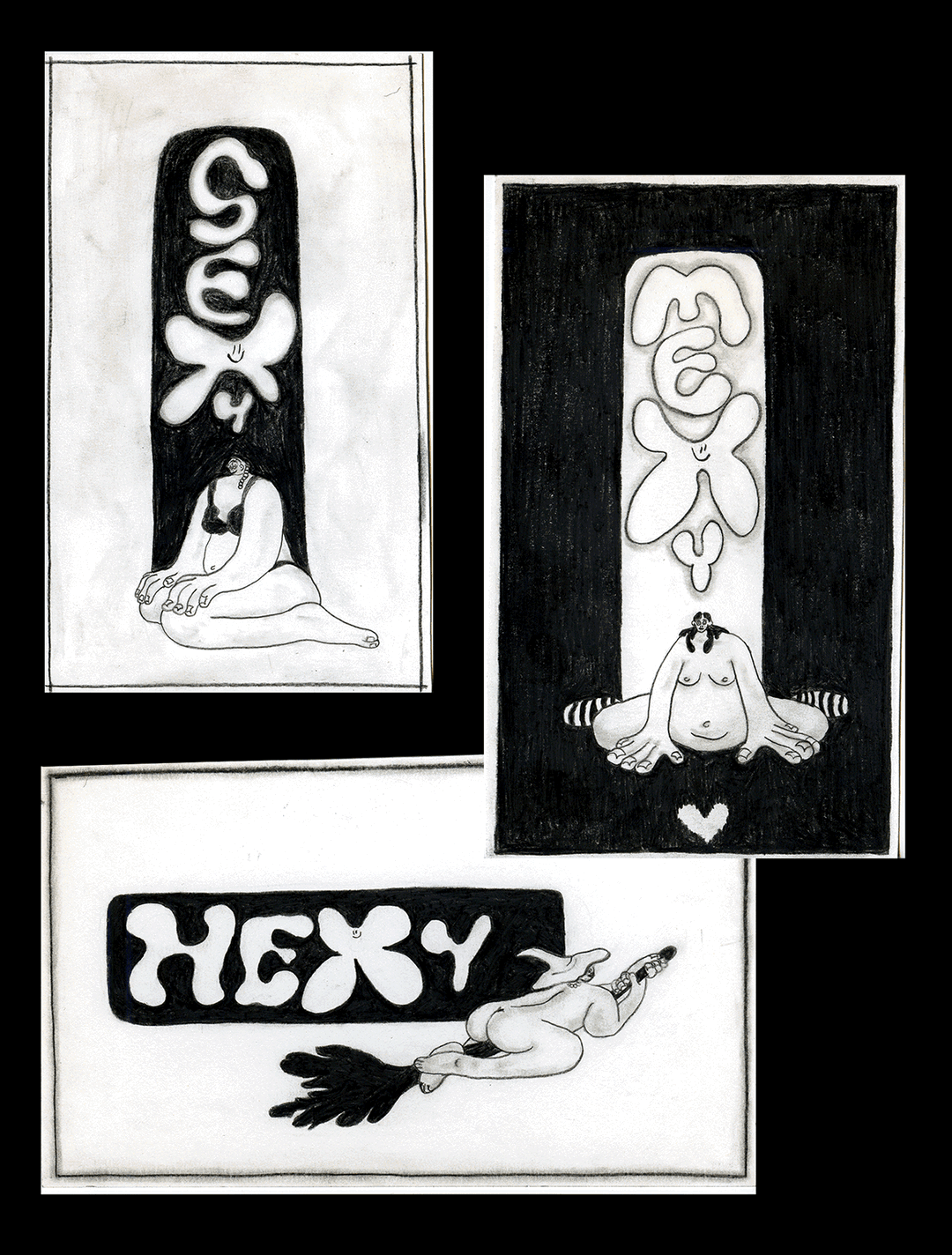
Bea Kittelmann: Overcoming the Distance (Copyright © Bea Kittelmann, 2020)
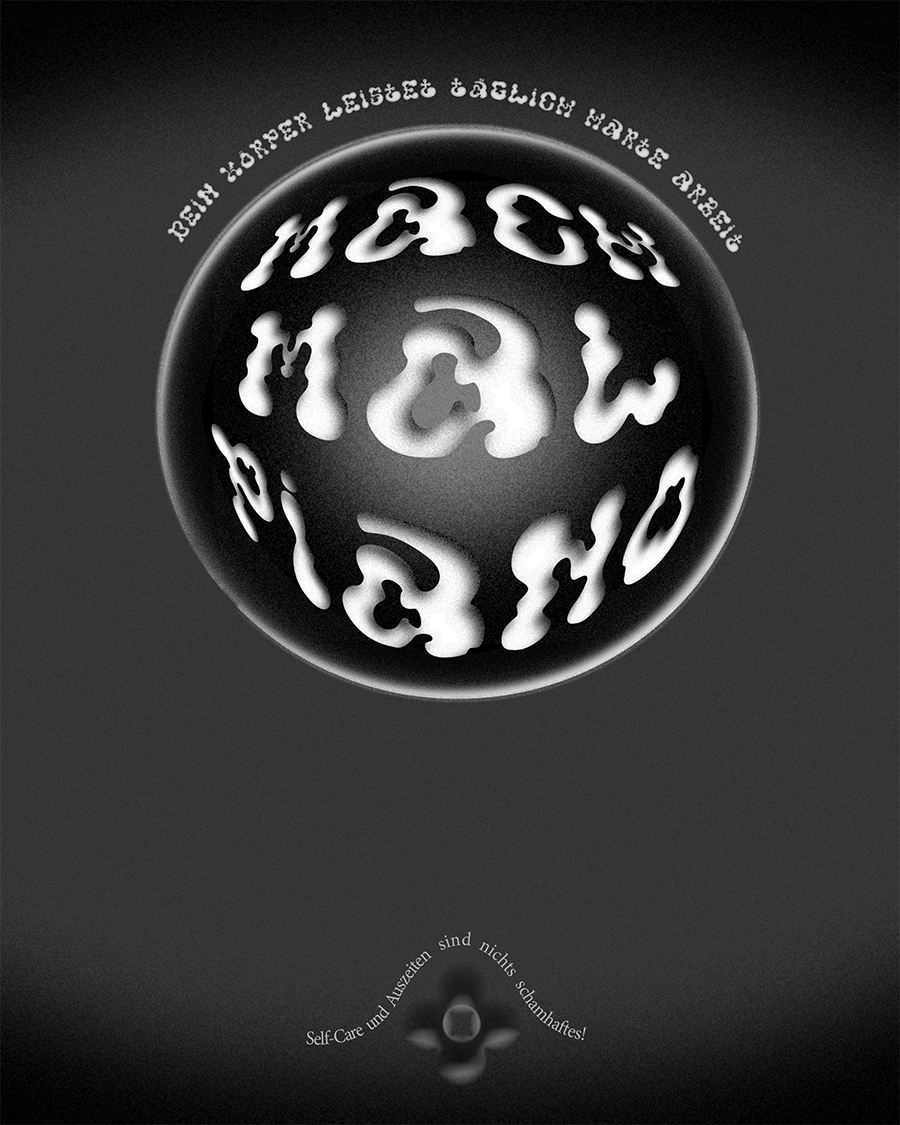
Bea Kittelmann (Copyright © Bea Kittelmann, 2020)
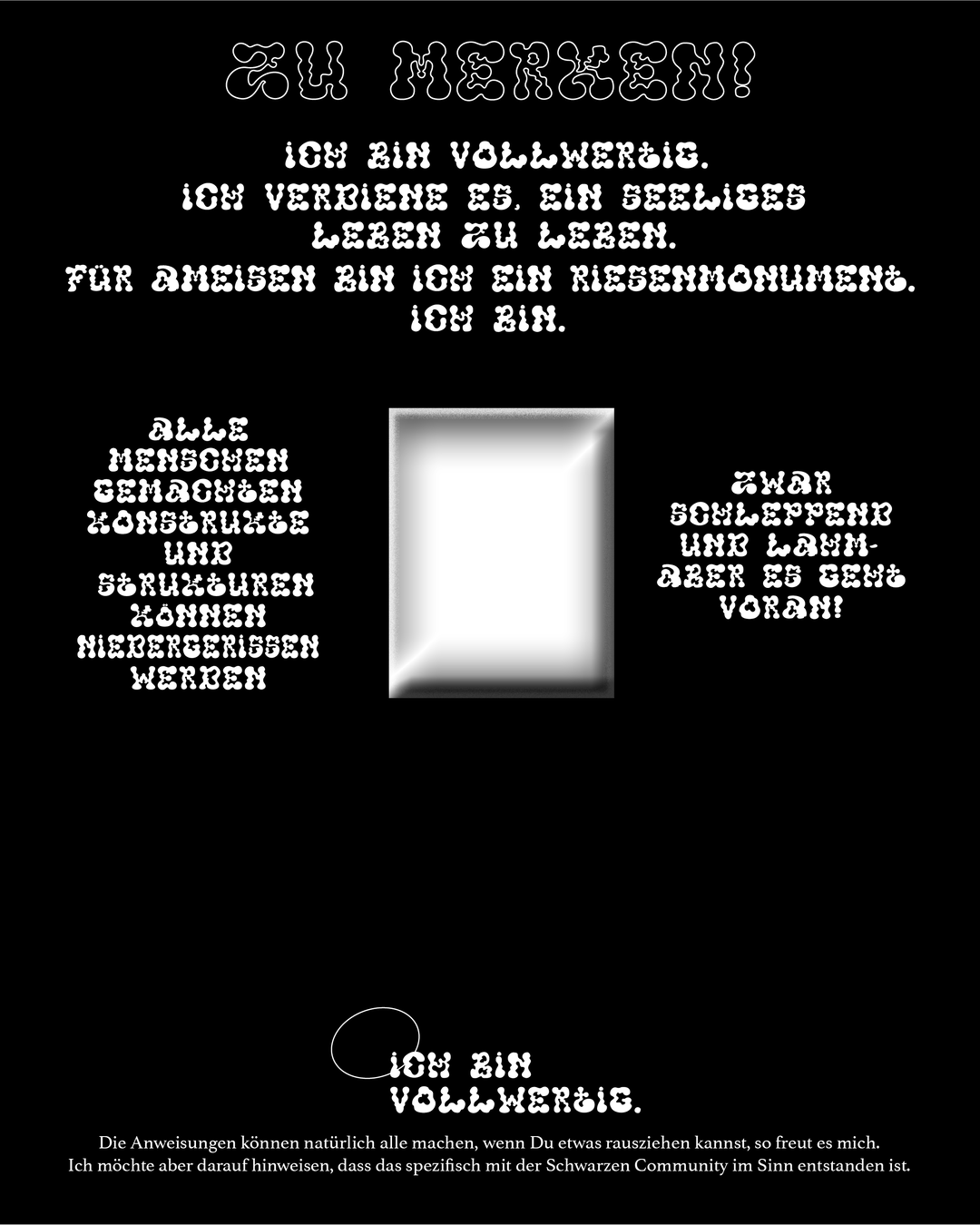
Bea Kittelmann (Copyright © Bea Kittelmann, 2020)
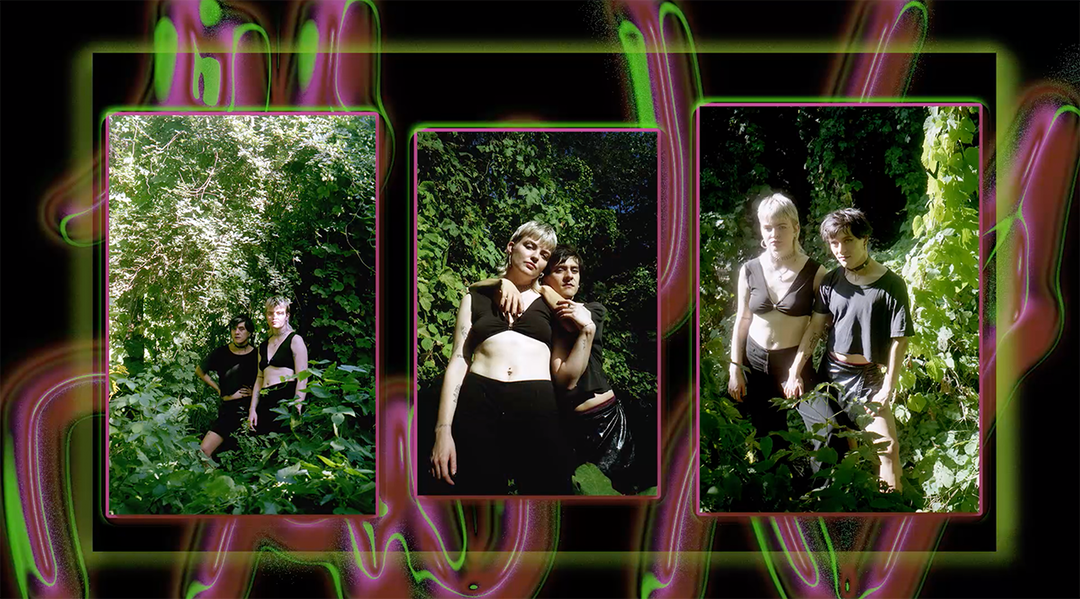
Bea Kittelmann: Amygdala (Copyright © Bea Kittelmann, 2020)
Hero Header
Bea Kittelmann (Copyright © Bea Kittelmann, 2020)
Share Article
Further Info
About the Author
—
Lucy (she/her) was part of the It’s Nice That team from 2016–2025, first joining as a staff writer after graduating from Chelsea College of Art with a degree in Graphic Design Communication, eventually becoming a senior editor on our editorial team, and most recently at Insights, a research-driven department with It’s Nice That.