Photographer Benedetta Ristori gives visibility to migrant women in the Italian care industry
Three years ago, Rome-based photographer Benedetta Ristori astounded us with her haunting documentation of life among the socialist structures of the Balkan peninsula in her series East. Where East saw human figures set against expansive landscapes and towering architectural fragments of the socialist regime, her ongoing series, Take Care, focuses on domestic settings in Italian homes.
Benedetta tells us: “Until 2018, I was focused on personal projects outside of my country, and now I feel the need to face what is closest to me. Sometimes it is easier to represent what does not belong to us, while observing what we belong to is the real challenge.” In the intimate portraits of Take Care, she turns her camera on an issue that is, for her, close to home but seldom addressed.
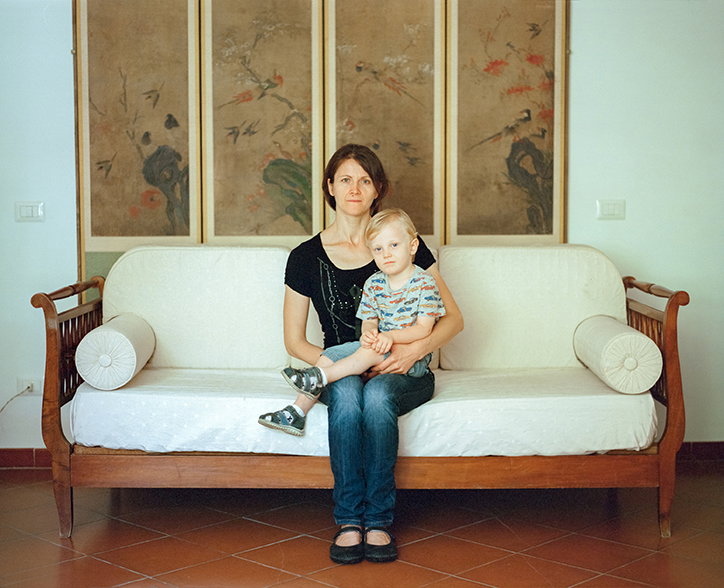
Photographed using analogue film in medium format 6×7, the body of work that makes up Take Care presents the portraits and stories of female migrants, predominantly from eastern Europe, who have travelled to Italy and taken on caregiving roles in private employment where the Italian public welfare system fails to meet demands for assistance for children, the elderly, the disabled and the ill. These women are often leaving their own families and children behind in their country of origin to care for members of someone else’s family and cohabit with their employers. With over one million migrant women working in the care industry in Italy, Benedetta aims to highlight the disparity between the state’s reliance on these caregivers and its failure to properly recognise these women and integrate them into society.
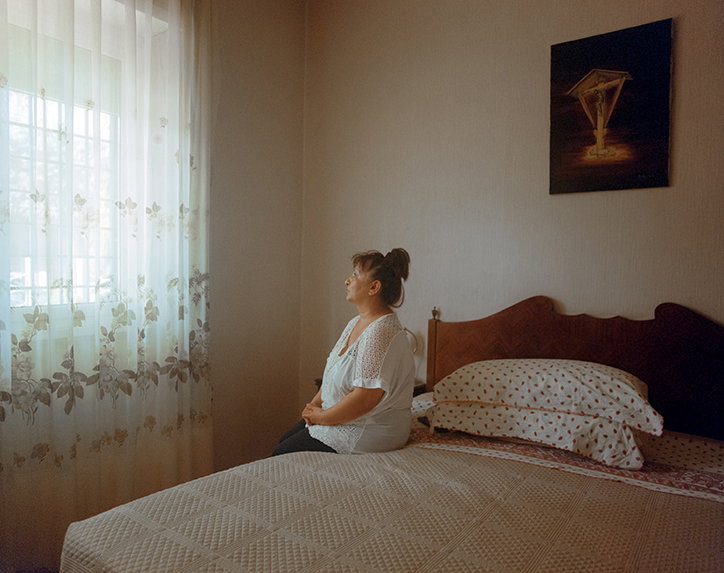
Benedetta Ristori: Take Care
The photographs are not condescending or pitying; rather, they show the quiet strength and assertiveness of their female subjects and the subtle empowerment of their positions. As Benedetta describes it: “The possibility of sending financial support to their families is a path to emancipation,” as “the old balances with the family are broken or modified. The need to renegotiate their role as a woman, wife, mother or daughter redefines their autonomy.” Living among someone else’s furniture and possessions, caring for strangers, these women are required to adjust their conceptions of themselves and their relations to their own families in a dichotomous dynamic of financial autonomy paired with caregiving responsibilities. Having the means to send money and gifts home, as well as purchasing things for themselves, allows them to claim back a part of the independence and agency that caregiving has displaced.
Benedetta tells us that “the idea behind the project was to portray women in the homes where they live and work. I wanted to represent the contrast between their personality and the identity of the house that, short or long term, becomes their residence.” She explains that, because some employers weren’t willing to have their residences shown in the photographs due to the lack of clearly defined standards and procedures around the private hire of caregivers, “I decided to take some photos outside the houses. I didn’t think it was right to exclude those who wanted to be part of the project only because the employer didn’t agree for it to be shot inside their home.”
The series comprises what is an ongoing project, through which Benedetta is conducting a conversation with women whose voices are not adequately heard in society. She says: “If from the families I haven’t received great support, instead I have created relationships of great affection and confidence with many women, maintained even after the shots were taken. Because this is a long-term project, I am always looking for new subjects and stories.
Take Care is a visual recognition of the place these women hold in Italian society. As Benedetta states: “Unfortunately we are experiencing a historical and political moment in which tolerance and integration are not such common concepts.” Her series gives visibility to the crucial role that the migrant women play in an underfunded and unstructured sector, in order to – in Benedetta’s words – “make people aware of this issue, cause them to reflect and maybe to feel empathy.”
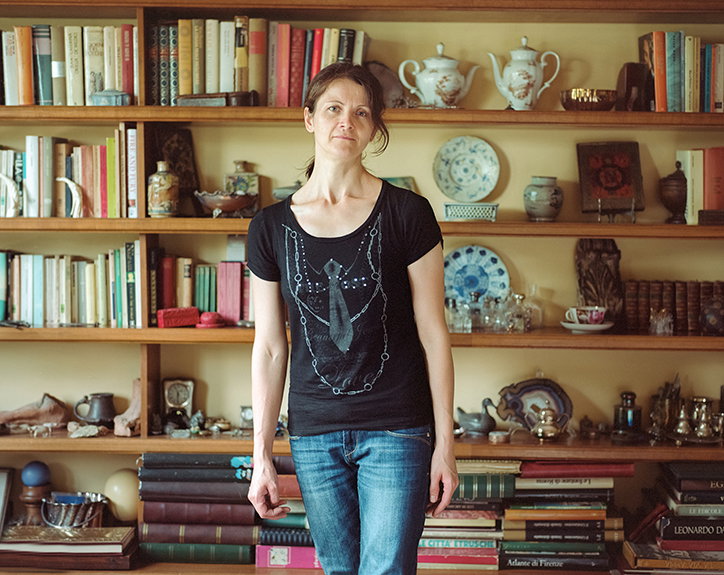
Benedetta Ristori: Take Care
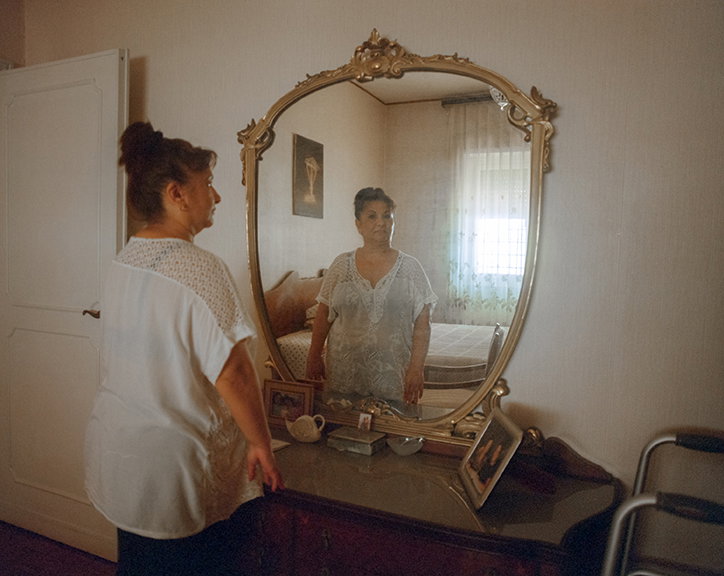
Benedetta Ristori: Take Care
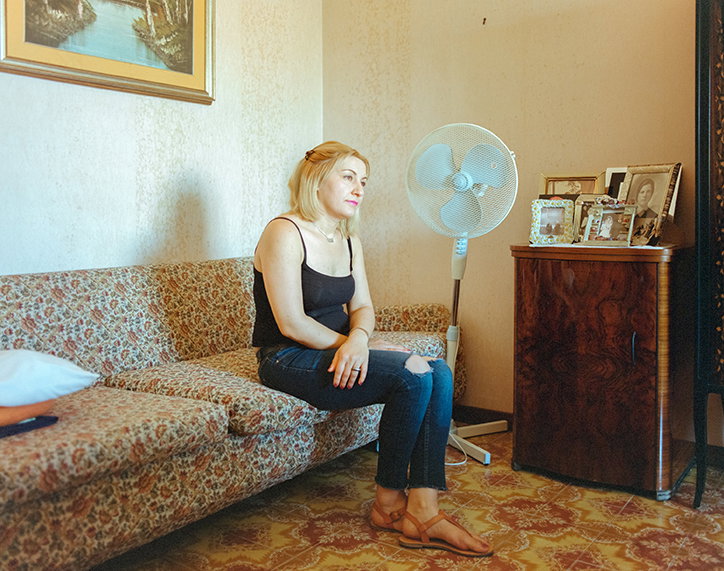
Benedetta Ristori: Take Care
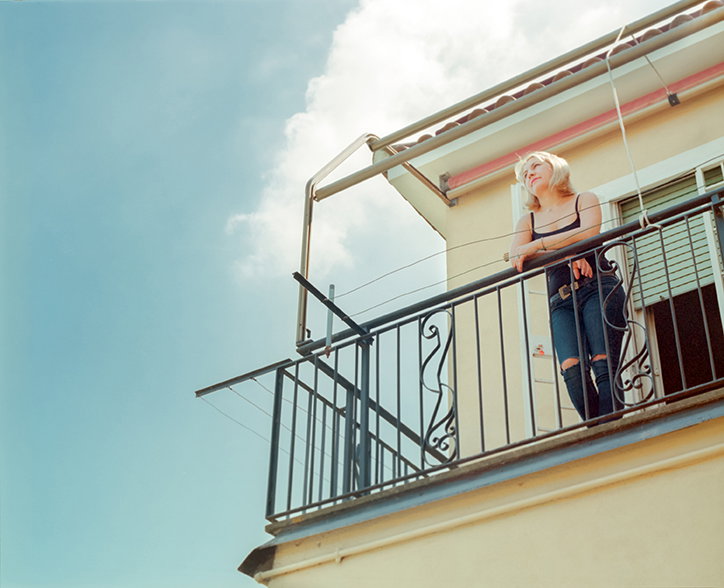
Benedetta Ristori: Take Care
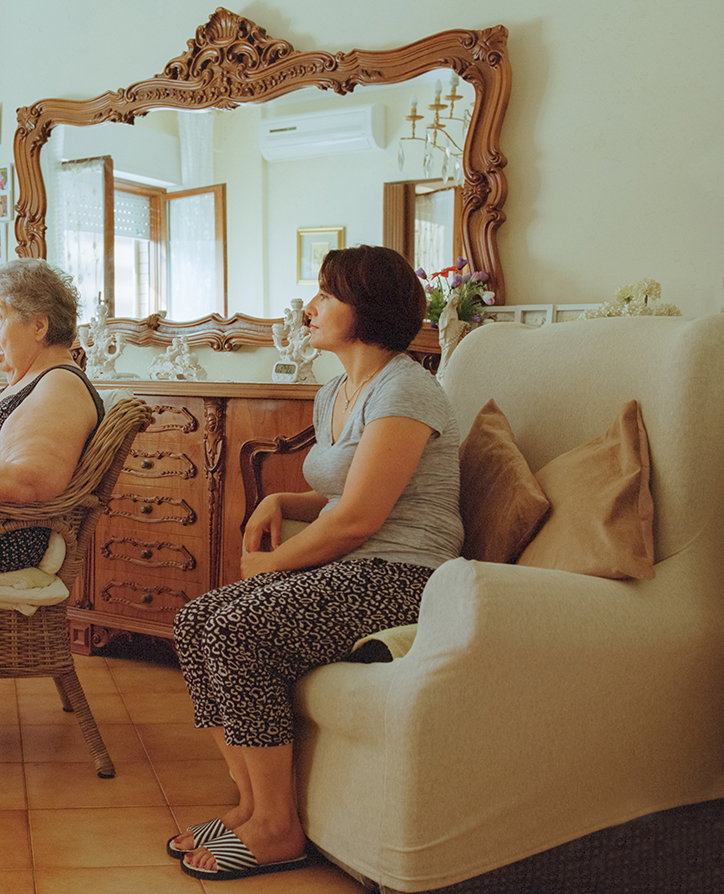
Benedetta Ristori: Take Care
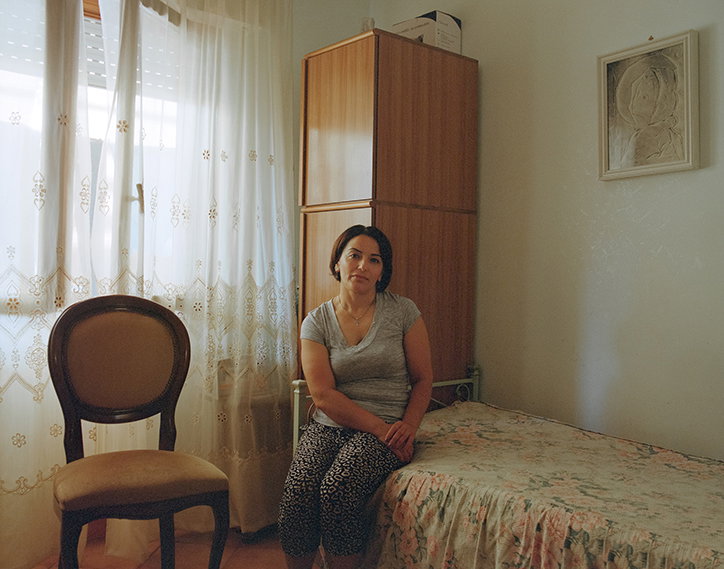
Benedetta Ristori: Take Care
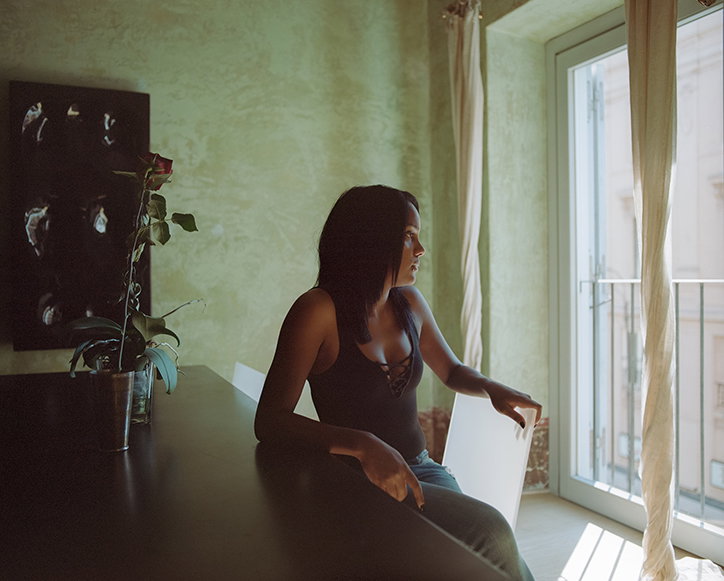
Benedetta Ristori: Take Care
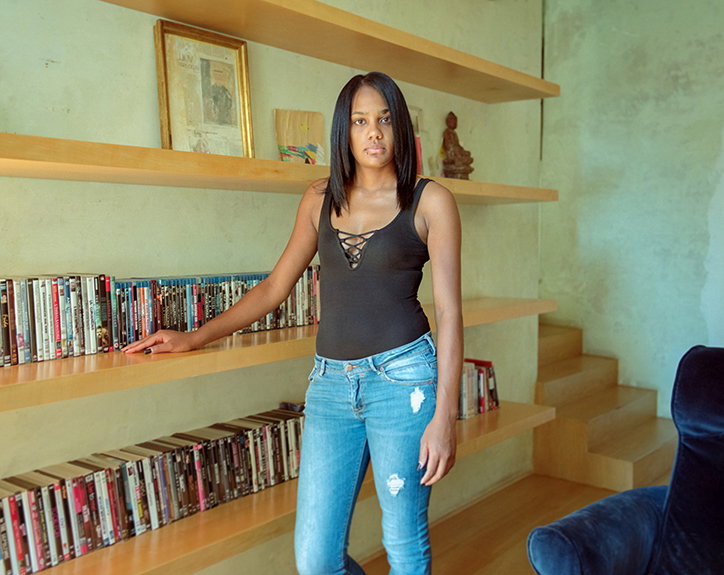
Benedetta Ristori: Take Care
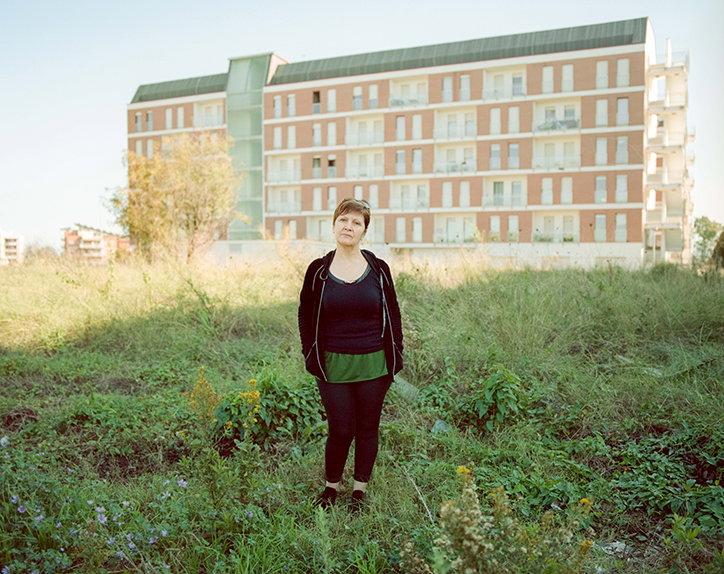
Benedetta Ristori: Take Care
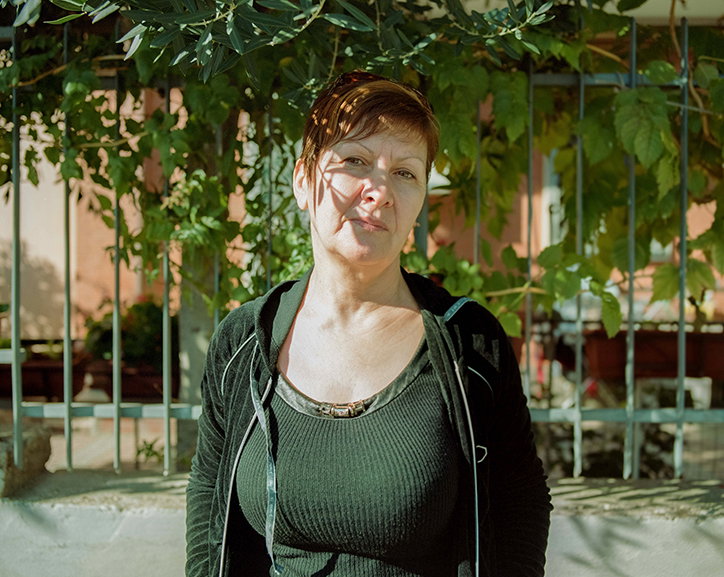
Benedetta Ristori: Take Care
Share Article
Further Info
About the Author
—
Rowe joined It’s Nice That in the summer of 2019 as an editorial assistant. She wrote many fantastic stories for us, mainly on hugely talented artists and photographers.