“Wikipedia rabbit holes” are the backbone of Chantal Jahchan’s intricate editorial collages
From the Benin Bronzes, to sexual freedom and bilingual publishing, the themes behind this designer’s work seem limitless.
As the saying goes, a picture can say a thousand words, and – cliches aside – when it comes to editorial commissions, it kind of has to. The image that’s paired with the article needs to catch the reader’s eye, while somehow hinting at the many words and ideas that lie within, or beyond. Chantal Jahchan is a designer who’s developed a knack for this; she applies her deft collage skills and research brain to get to the heart of story, then develops a striking visual world to expand its impact and reach.
When we last caught up with Chantal back in 2018, she was wrapping up her undergrad thesis – “a book of photos and interviews examining the meaning of modernity through the lens of vernacular typography in Lebanon”. Following on from this, Chantal found her feet at Pentagram, working with Michael Bierut, Eddie Opara, and Matt Willey, before making the leap to freelance last year.
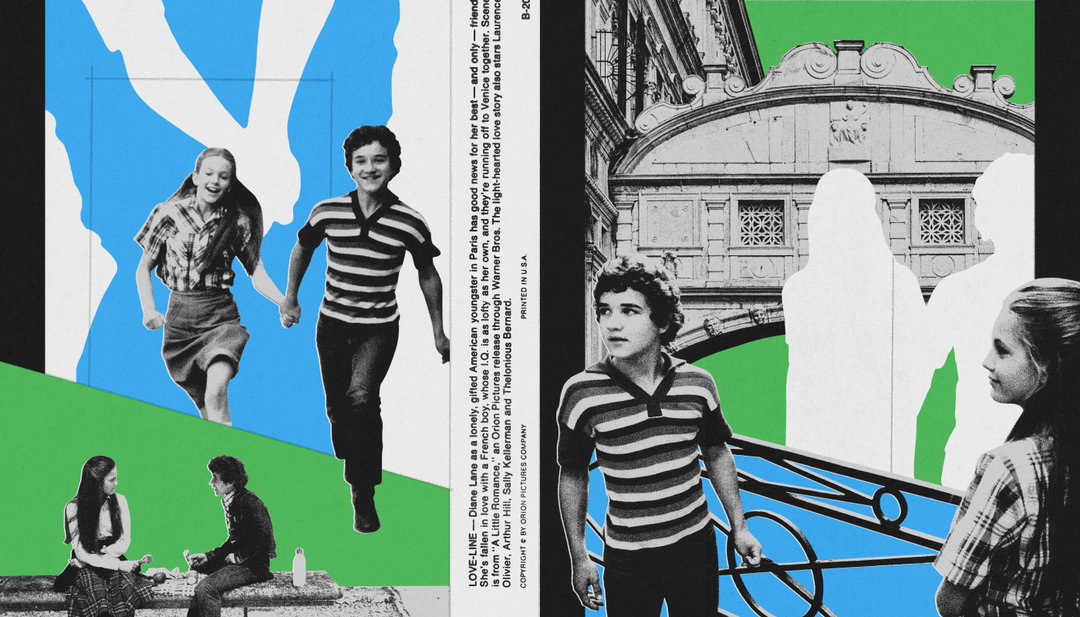
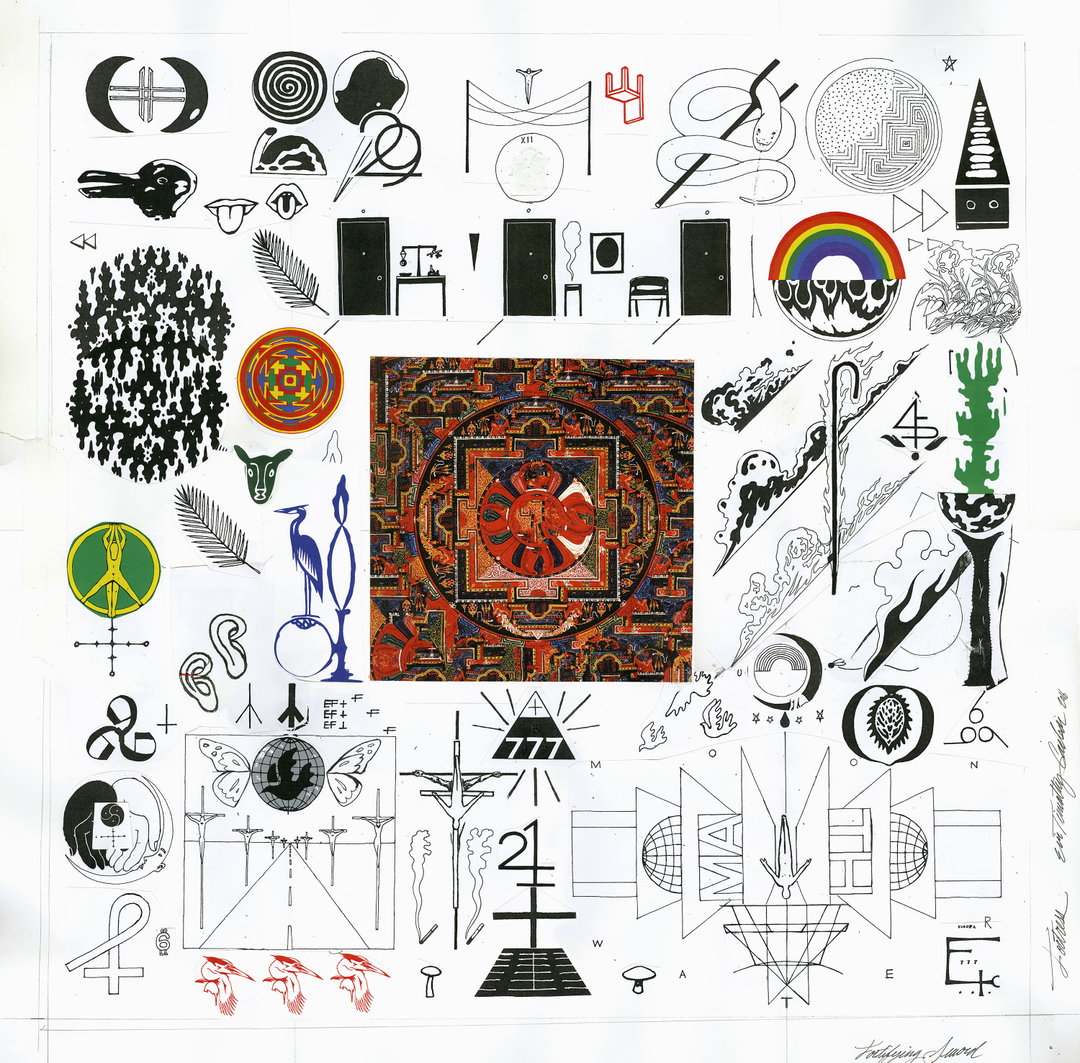
Chantal Jahchan: Under the Bridge of Sighs, The New Yorker (Copyright © Chantal Jahchan, 2024)
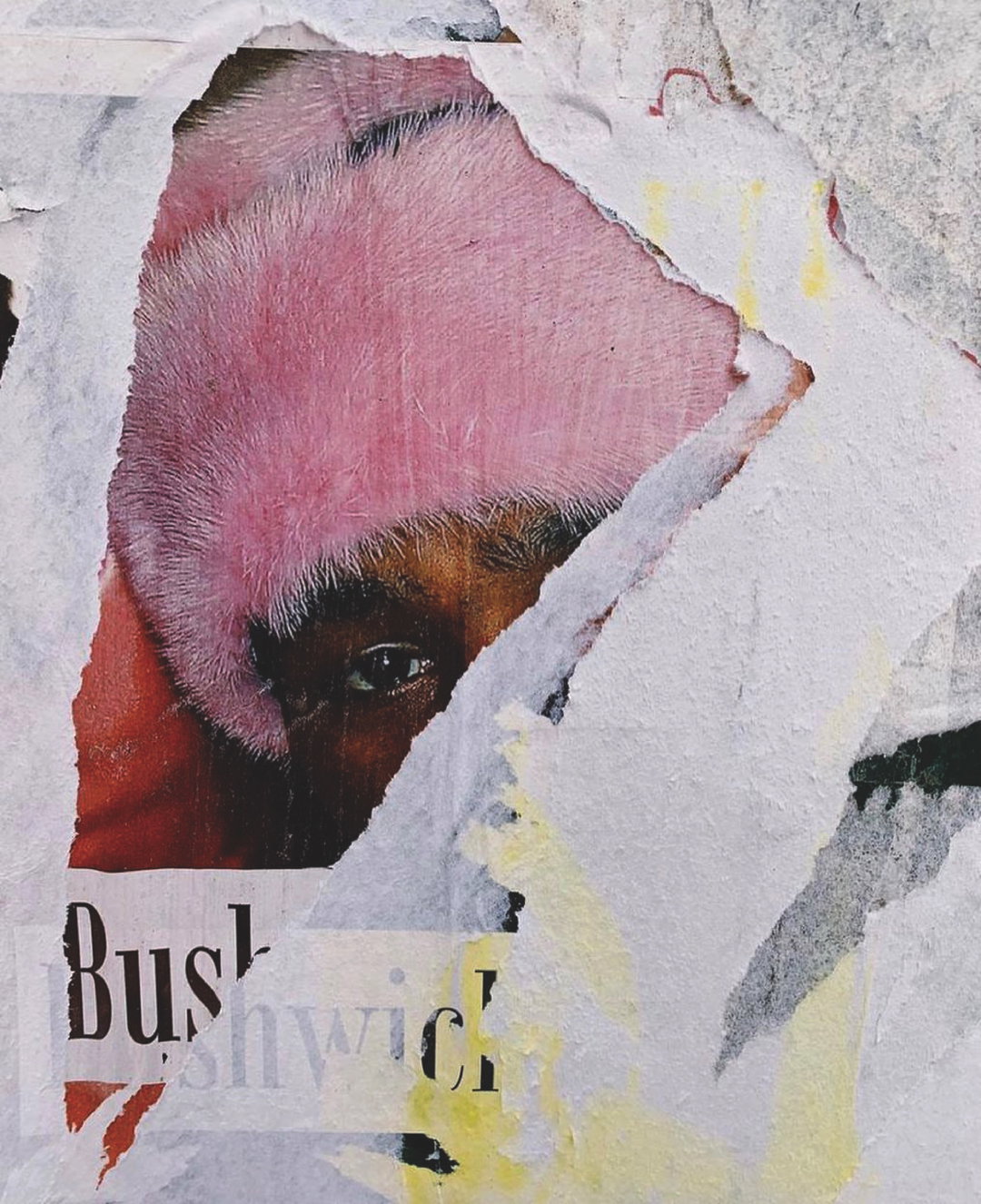
One of Chantal’s first commissions ended up being a piece about sexual freedom for The New York Times, and one of the things Chantal recalls was her shock at how quick the deadline turnaround was. “I had no time to second-guess myself or to be precious about the details, which was a really nice contrast to the years-long branding projects I was used to,” she says. There was one idea that struck a chord with Chantal in the article – replacing sexual stereotypes with “a constellation of women’s realities”, and to represent it, she cut a woman’s face out of an image of two people kissing, and filled the empty space with a constellation, each ‘star’ referring to a sexual preference or kink. It was this very commission that then sparked Chantal’s love of editorial: “Seeing my work in print a few days later was so rewarding – I couldn’t wait for my next commission,” she says.
Now, Chantal has developed a tried and tested process for approaching each commission, and it almost always begins with photo research. “I would love to say that I start the sketching phase with a plan for how to distil the bigger picture, but often I don’t,” says Chantal. “I almost always start by collecting relevant photos and documents. I love looking through archival material to find little details that I can build into the collage for context and texture. This phase can also result in some tangents, albeit useful ones. “I often end up in some Wikipedia rabbit hole, trying to learn about something in the article that I’ve never heard of.”
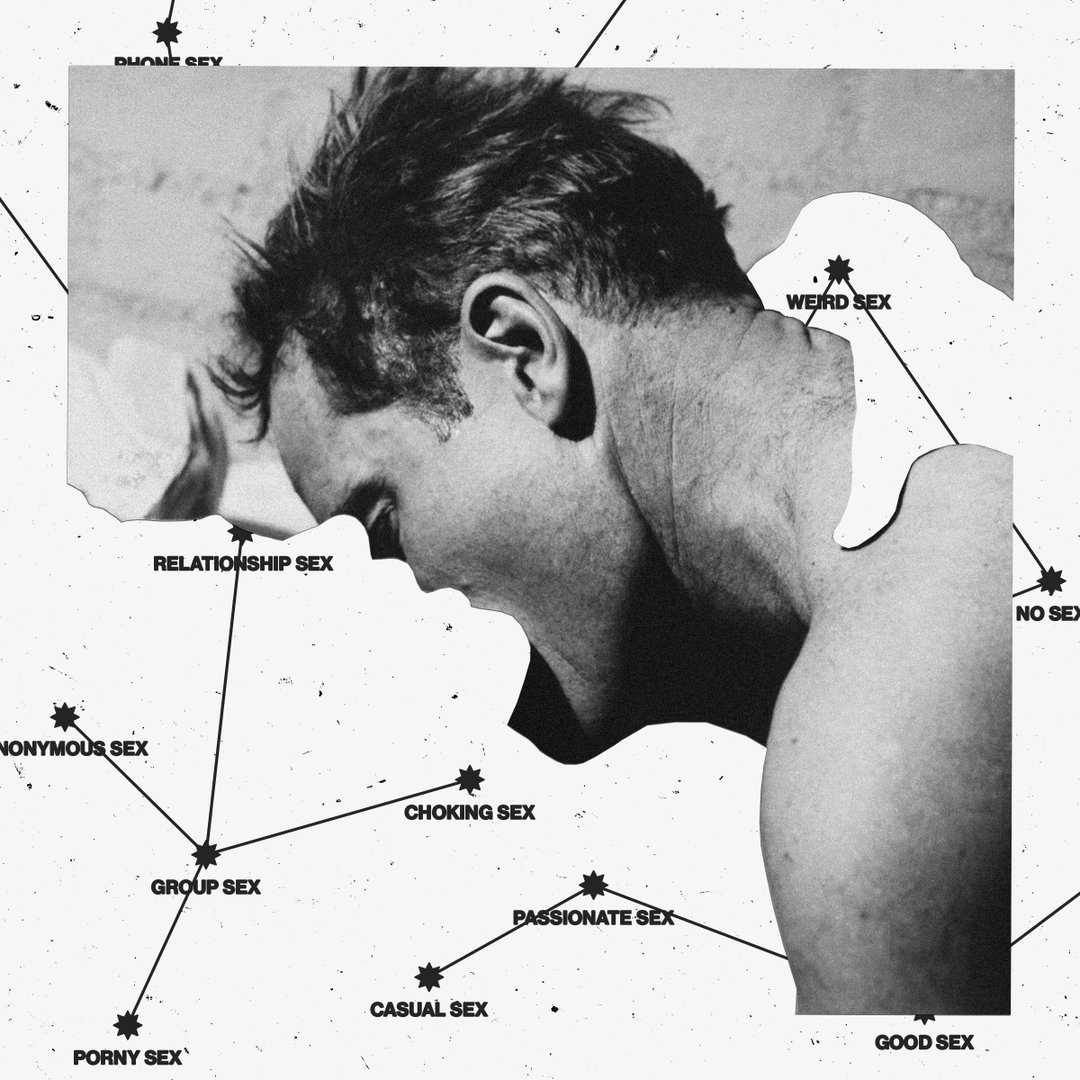
Chantal Jahchan: I Still Believe in the Power of Sexual Freedom, The New York Times (Copyright © Chantal Jahchan, 2022)
Just what such thorough research can achieve is shown in Chantal’s commission for an Atlantic article on British troops’ looting of the Benin Bronzes in 1897, and whether they should be returned to Nigeria. As she was rounding up the research phase she stumbled upon a Nigerian postage stamp from 1961, which featured a Benin Bronze – it was perfect for the article. Heading down the postage stamp route, Chantal went on to find ones that referenced British colonialism, as well as some that celebrated ownership, from Germany, American and Brazilian art institutions. “I thought this collection of stamps, paired with a missing bronze ‘cutout’ from a catalogue, told the story of where the art had travelled and the question of where it might end up,” Chantal says.
As might differ in other areas of the creative industry, Chantal says that when it comes to measuring the success of an editorial commission, aesthetic value isn’t always top of the list. “Some sketches end up really beautiful, but aren’t saying the right thing or matching the tone of the piece; some sketches capture the thesis perfectly, but fall flat visually.” In these instances, Chantal approaches the remedy in much the same way she approaches a physical collage, taking the “best parts” of each of her iterations, and then placing them together. “I think a successful illustration is simple enough to catch a reader’s eye and draw them in, but also rewards a deeper look with some complexity or nuance,” she ends.

Chantal Jahchan: The West Is Returning the Benin Bronzes. Should It?, The Atlantic (Copyright © Chantal Jahchan, 2023)
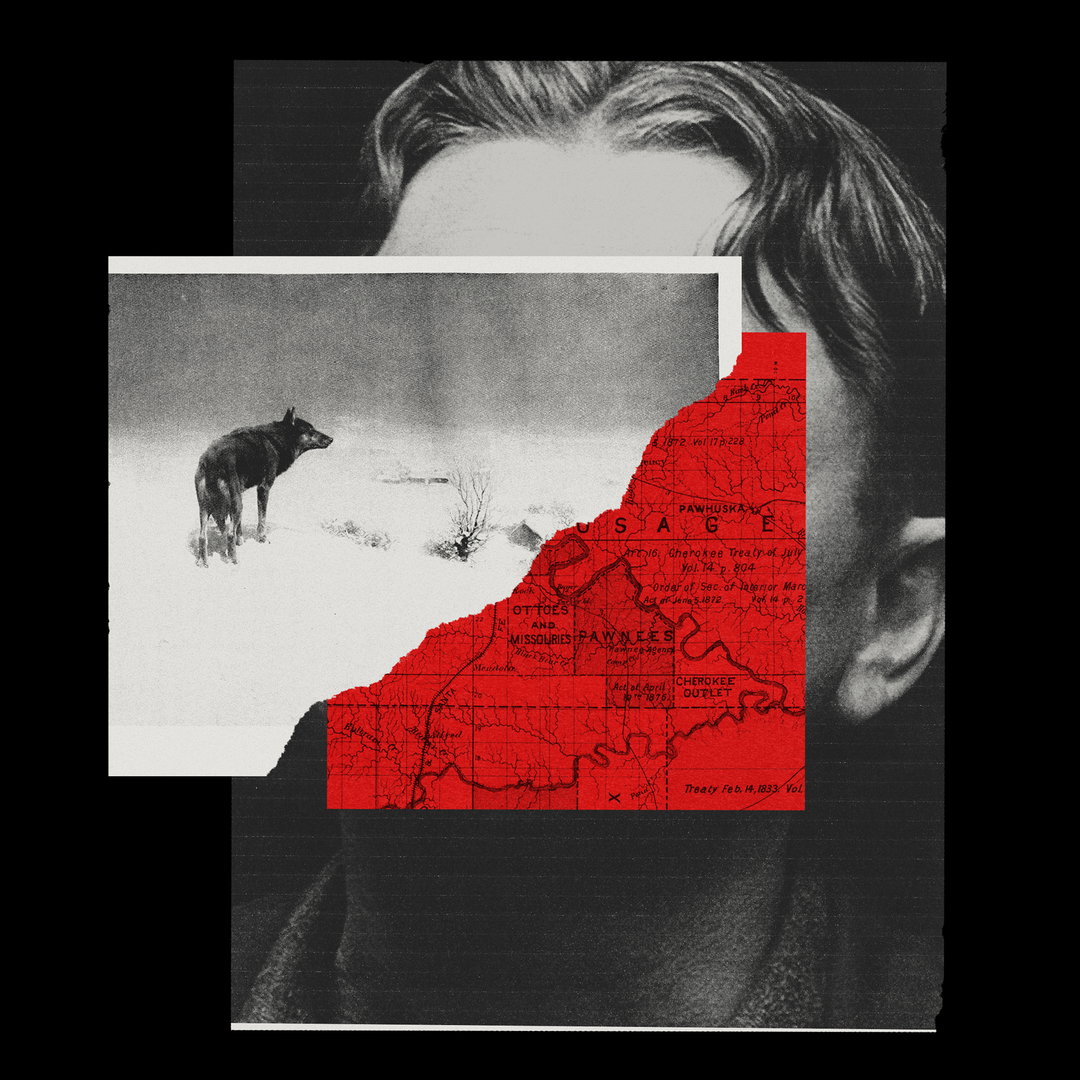
Chantal Jahchan: How ‘Killers of the Flower Moon’ Presses Up Against the Limits of Empathy, The New York Times (Copyright © Chantal Jahchan, 2024)
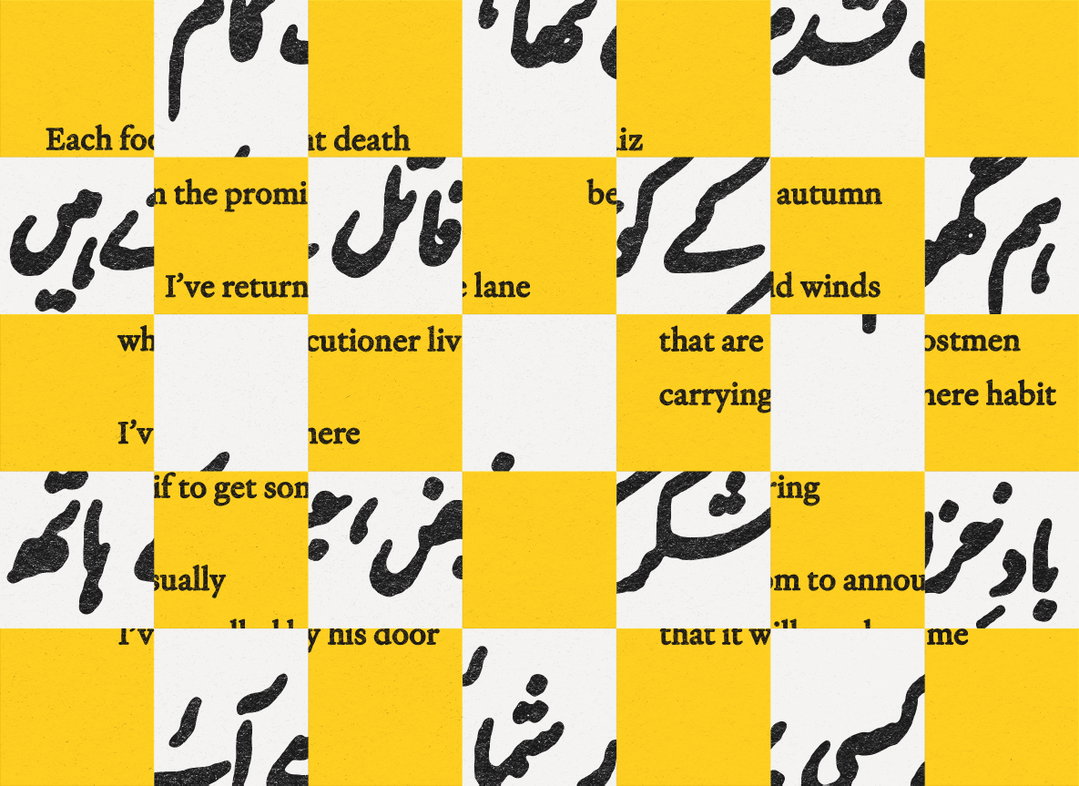
Chantal Jahchan: You Don’t Need to Speak Another Language to Love a Bilingual Edition, The New York Times Magazine (Copyright © Chantal Jahchan, 2023)
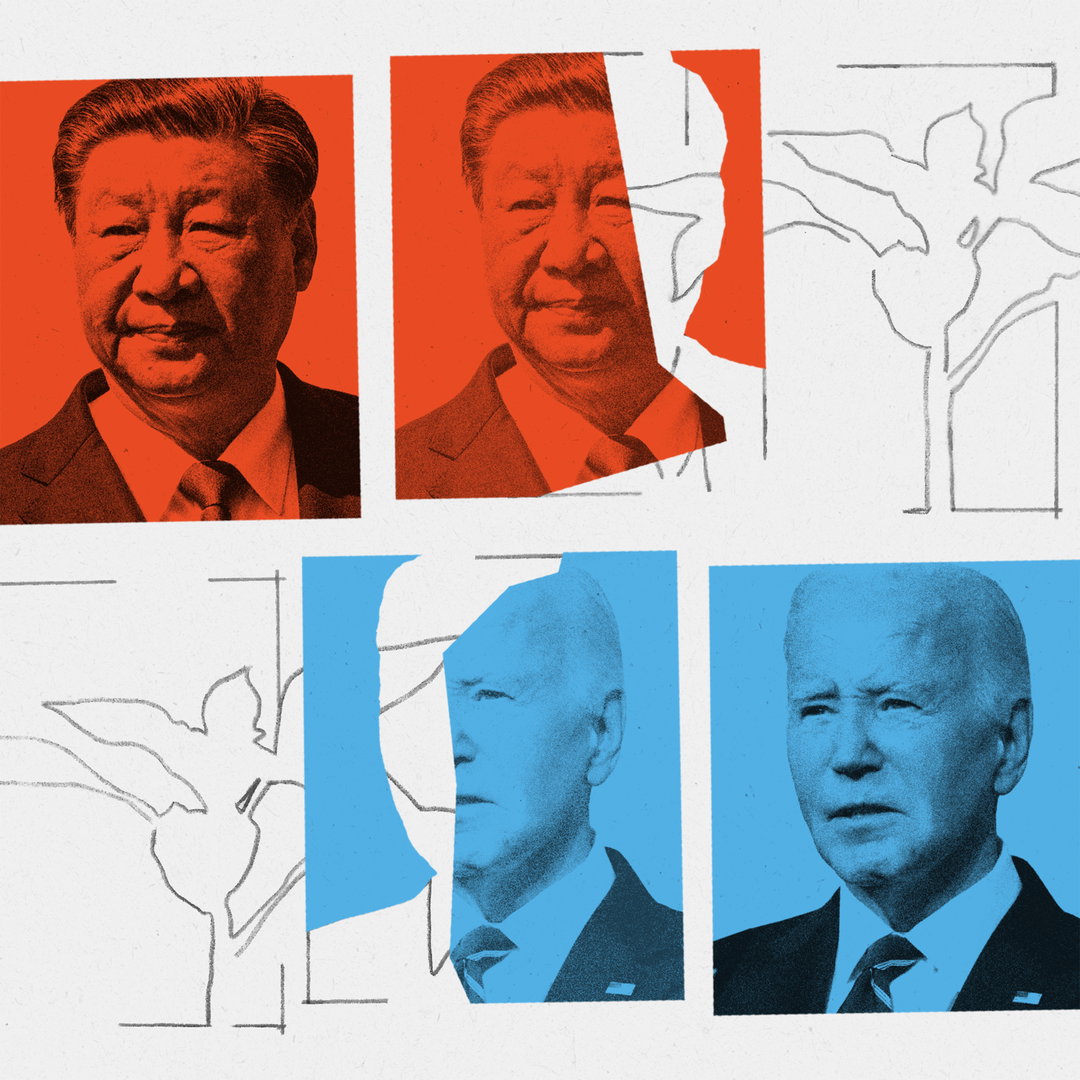
Chantal Jahchan: A Message for the Aging Men Steering U.S.-China Relations, The New York Times (Copyright © Chantal Jahchan, 2023)
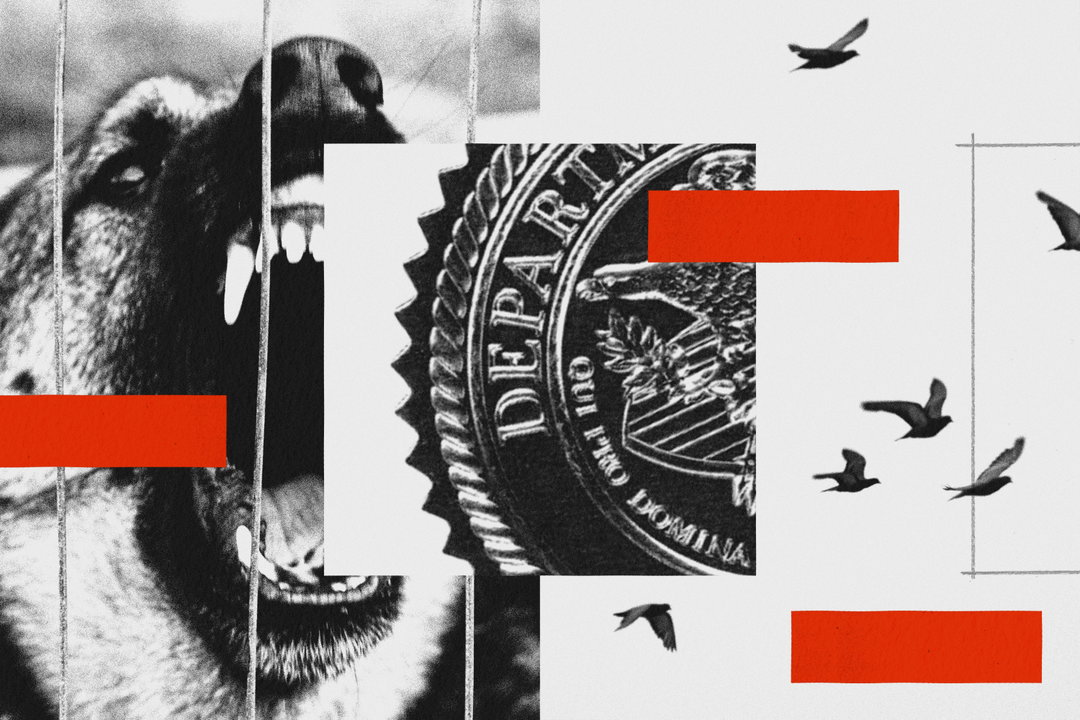
Chantal Jahchan: Show of Force, The Poetry Foundation (Copyright © Chantal Jahchan, 2023)
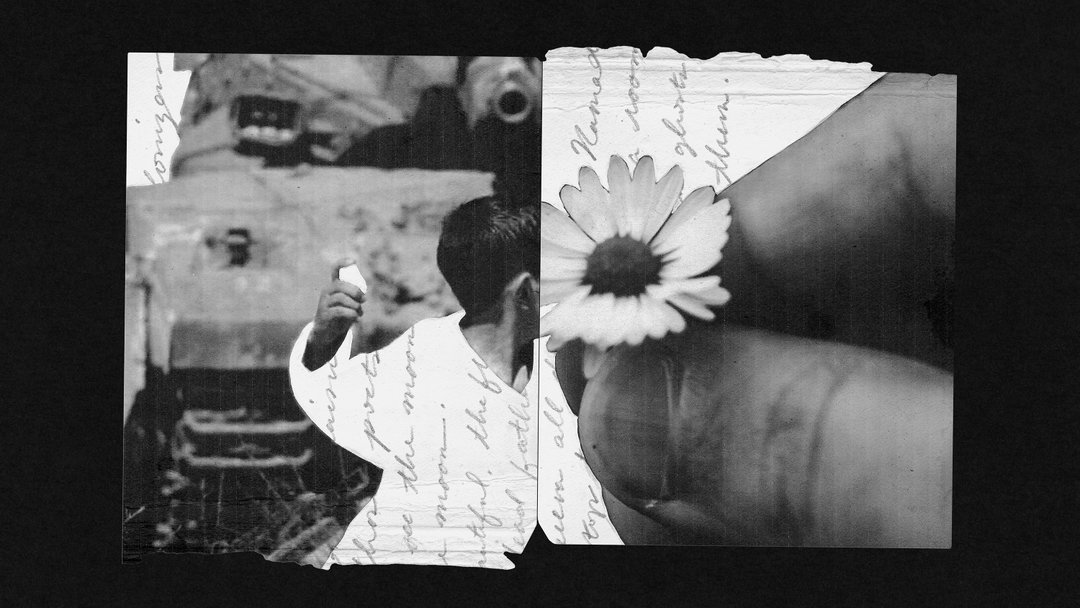
Chantal Jahchan: Everyone Should Be Reading Palestinian Poetry, The Atlantic (Copyright © Chantal Jahchan, 2024)
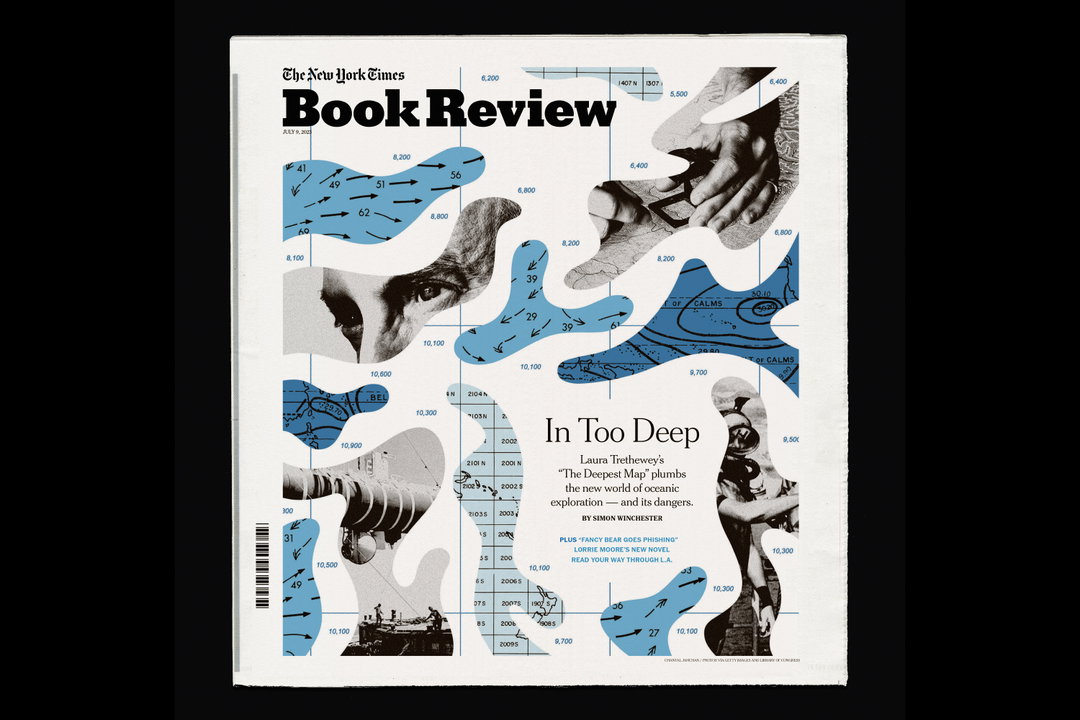
Chantal Jahchan: In Too Deep, The New York Times (Copyright © Chantal Jahchan, 2023)
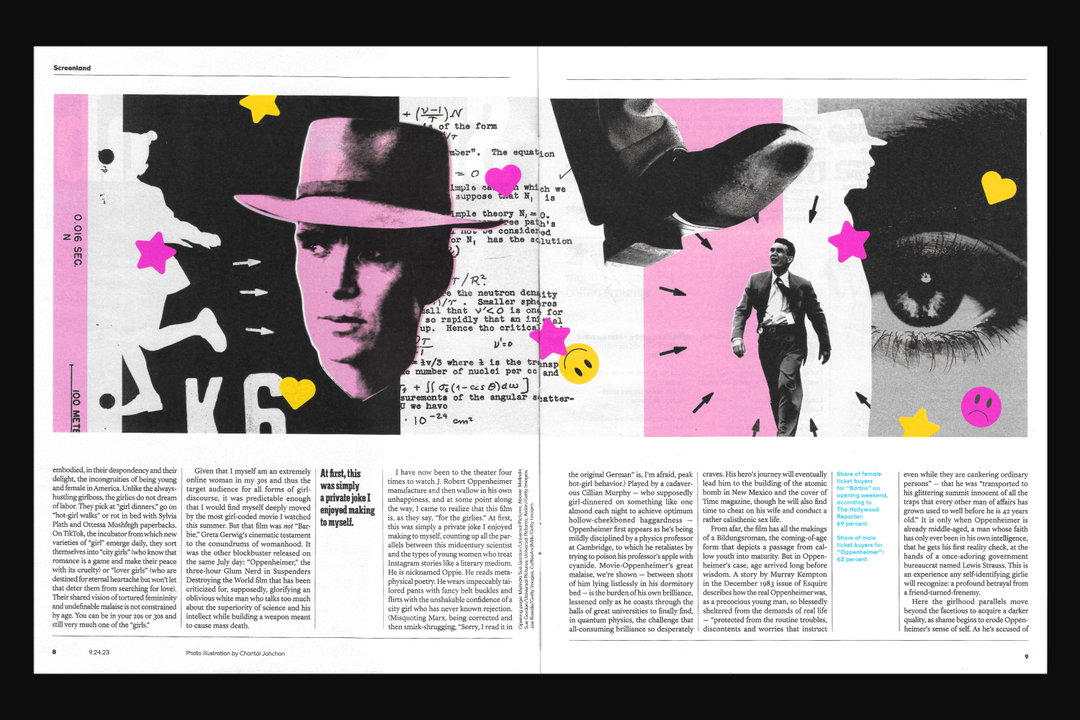
Chantal Jahchan: The Girlies Know: ‘Oppenheimer’ Was Actually About Us, The New York Times Magazine (Copyright © Chantal Jahchan, 2023)
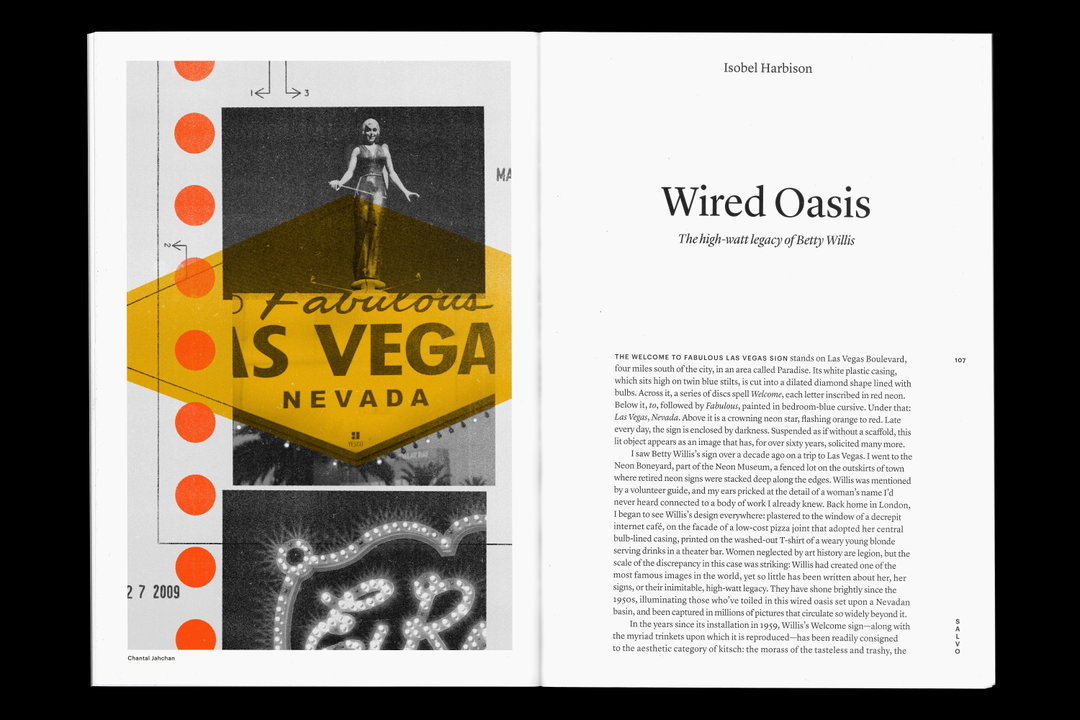
Chantal Jahchan: Wired Oasis, The Baffler (Copyright © Chantal Jahchan, 2023)
Hero Header
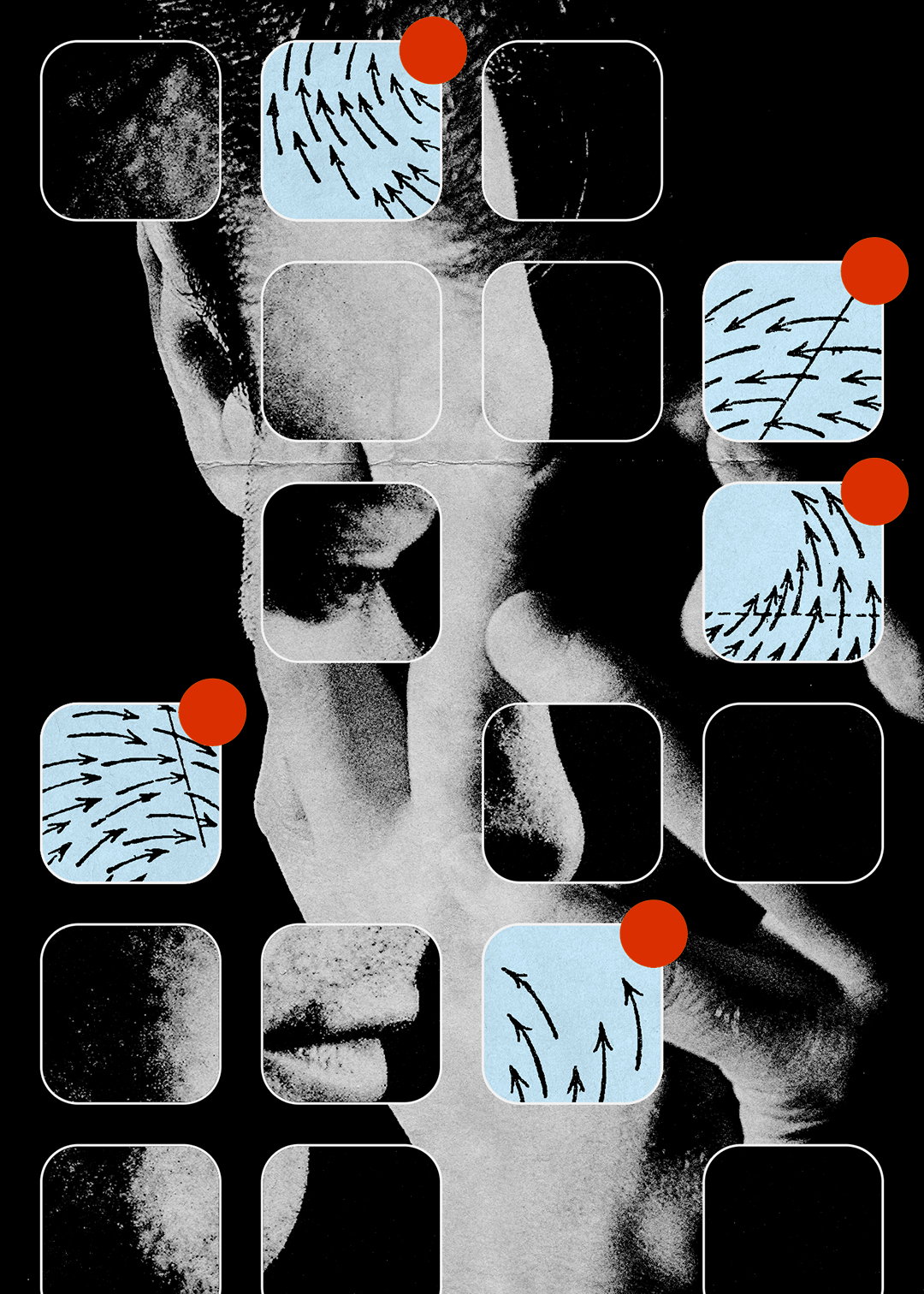
Chantal Jahchan: My Therapist, the Robot, The New York Times (Copyright © Chantal Jahchan, 2022)
Share Article
About the Author
—
Olivia (she/her) is associate editor of the website, overseeing the day-to-day editorial projects as well as Nicer Tuesdays events. She joined the It’s Nice That team in 2021. [email protected]
To submit your work to be featured on the site, see our Submissions Guide.