Cynthia Mai Ammann captures life in the transitional Ho Chi Minh City
The Lausanne-based photographer explores the city that her mother grew up in, taking portraits of young people against the city's stark architecture.
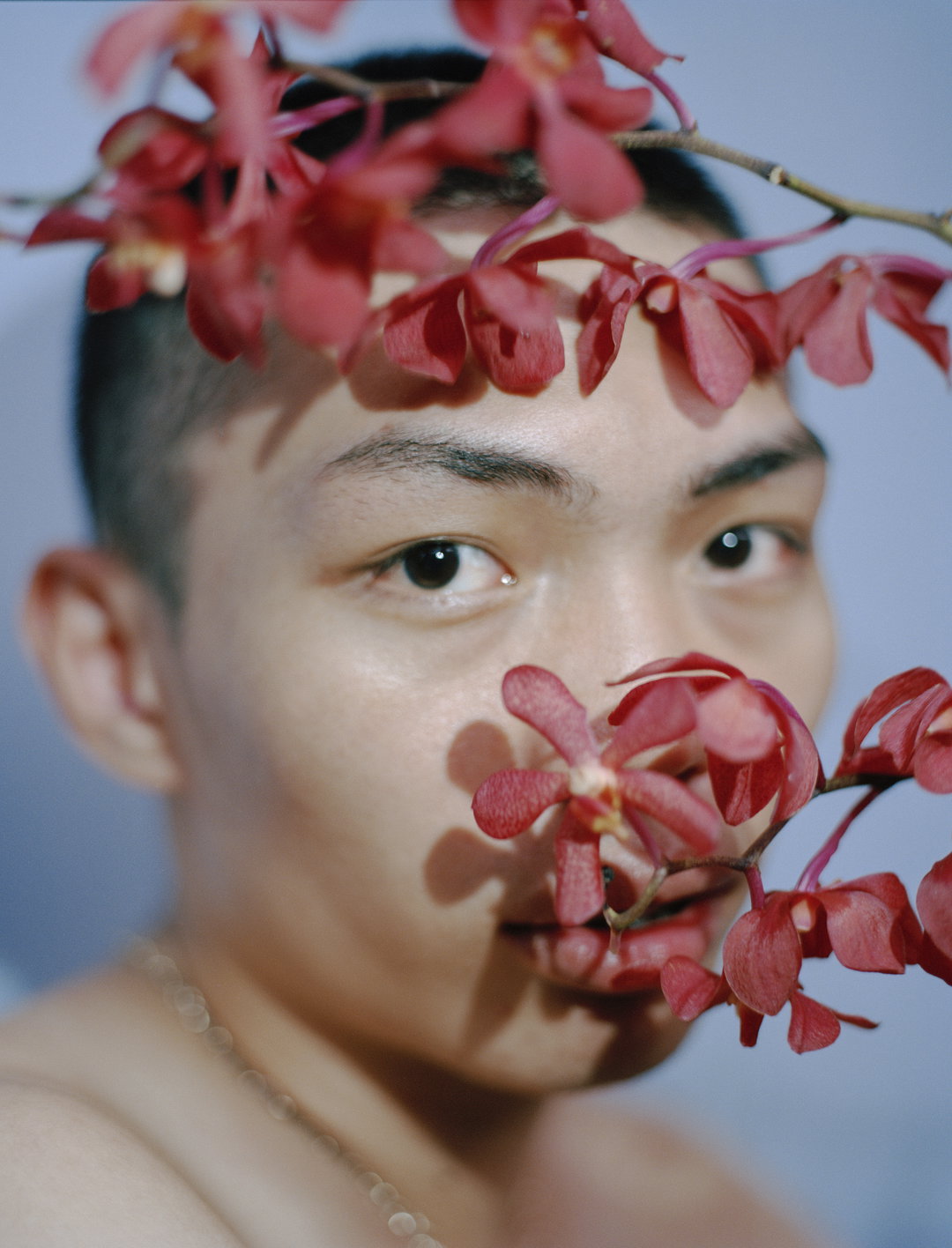
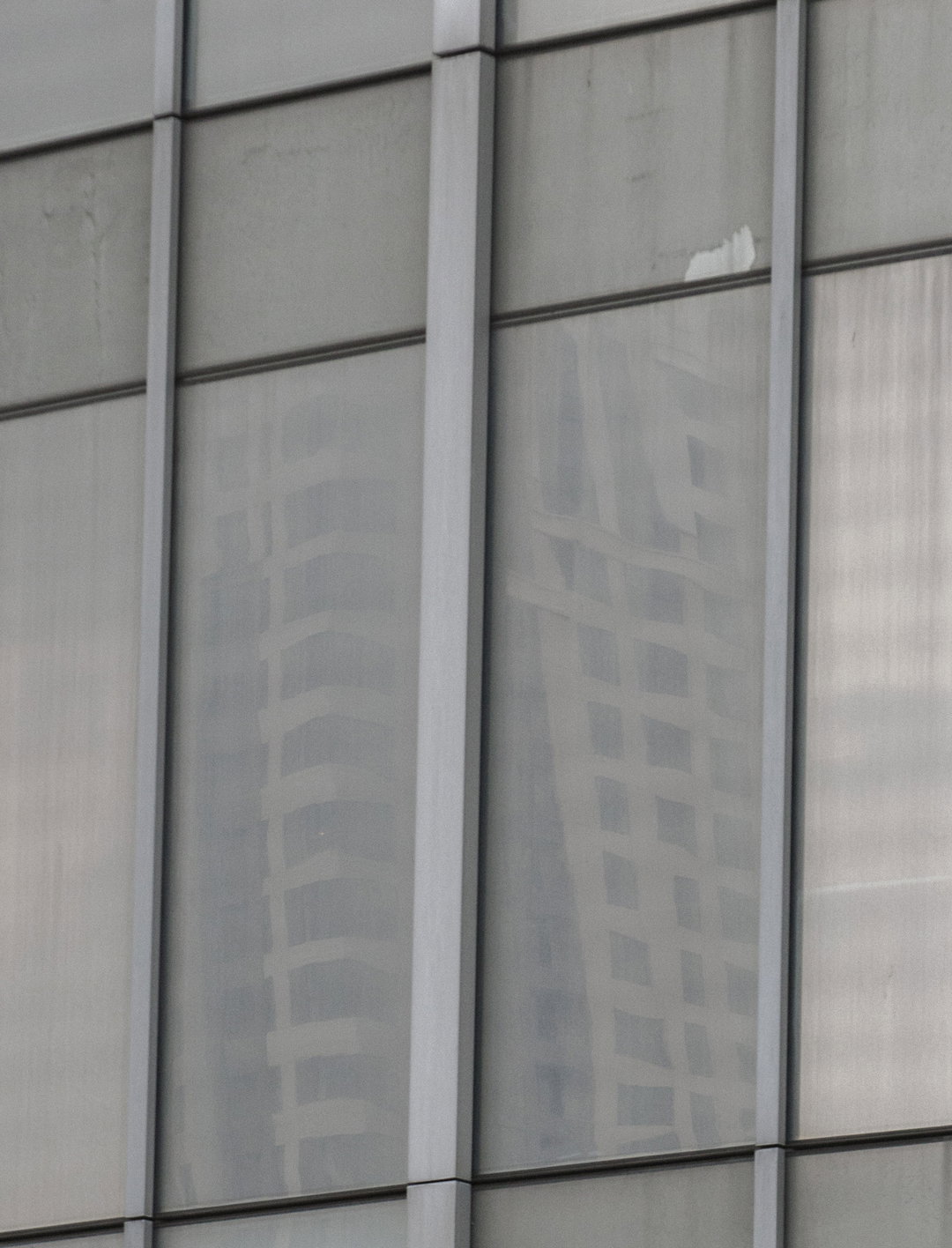
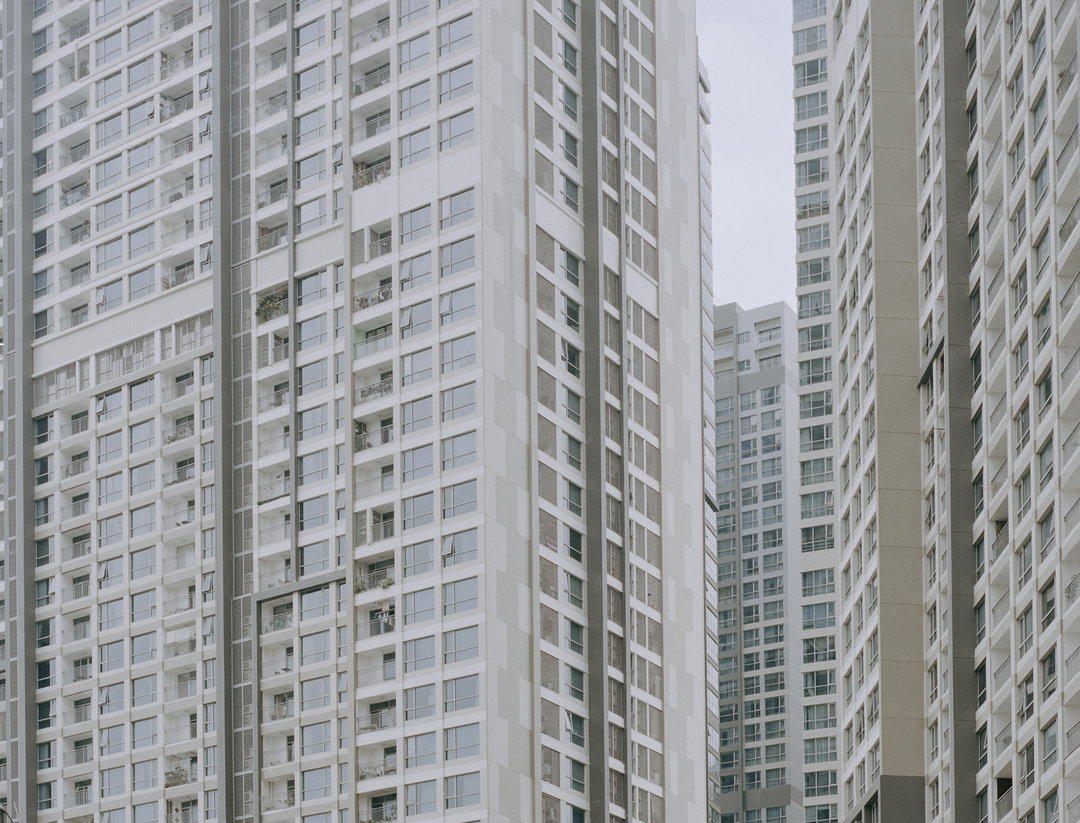
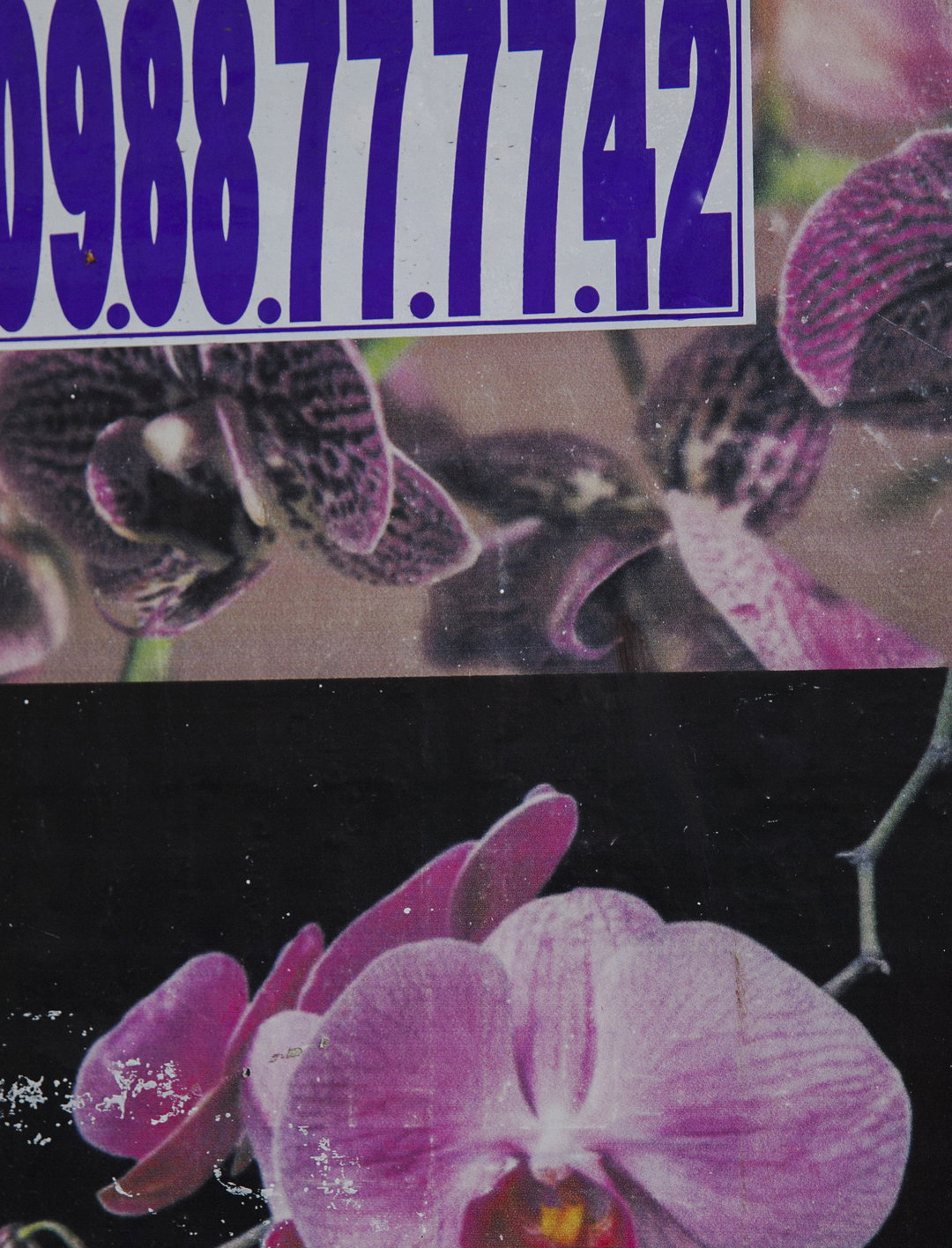
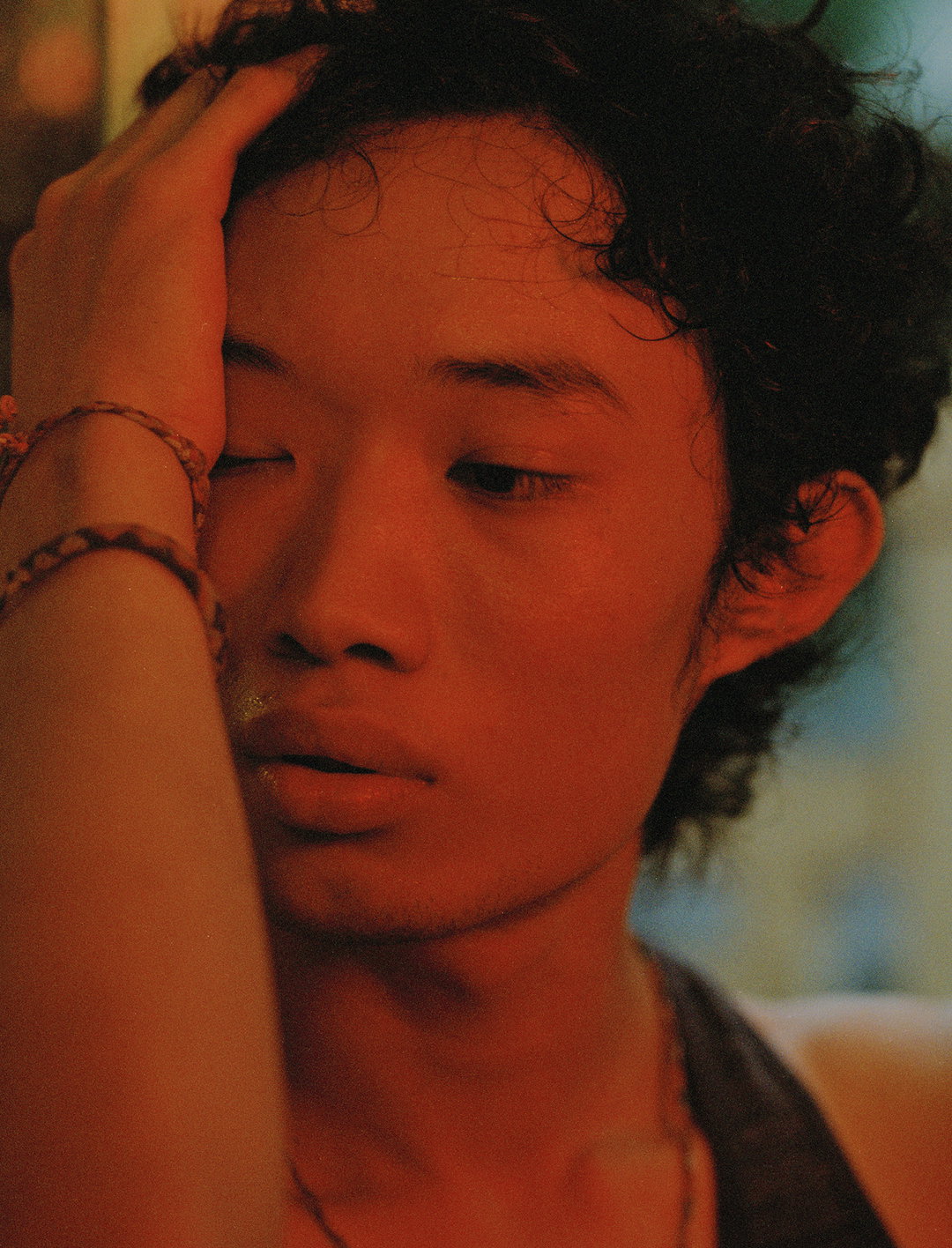
As a consequence of rapid growth and urbanisation, many young residents of Ho Chi Minh City live in a transitional state. The accelerated growth of the southeast Asian city is the cause of alienation for many, left to feel like they are living in an abstracted version of a futurist’s dream, stuck in the banalities of the cold architecture. In Floating View, Lausanne-based photographer Cynthia Mai Ammann explores the city that her mother grew up in, taking portraits of young people counterbalanced with images of the stark and impersonal architecture of the city.
“Floating View first took the form of a book I self-published for my diploma at ECAL, but it's still an ongoing project,” Cynthia tells It’s Nice That. “Growing up with a double culture, my mom being originally from Saigon, I've always been interested by notions of identity and change. As I was exploring the city, I was also looking for a sense of belonging and the journey became very self-reflective too.” Currently a freelance photographer, she is part of a Swiss-Vietnamese collective called Cang Tin that researches food, applied arts and craftsmanship from Vietnam.
The name Floating View comes from the city’s identity crisis, a place that’s simultaneously melancholic and eager for growth. “Shifting from futuristic perspectives to strange flaws of an altered reality, the city appears and dissolves through an accelerated narrative. Although this young generation emerges in a liberated way, they also reveal a sense of nostalgia, split in this transitional state,” she says. “The cold and imposing new architecture becomes dehumanising, what may appear to be a fantasised city turns into a dystopian landscape. In the process of metropolisation, the banalisation of the cityscape and the resulting loss of identity is inevitable.” The project, for her, is a personal reflection on the megacities of the future.
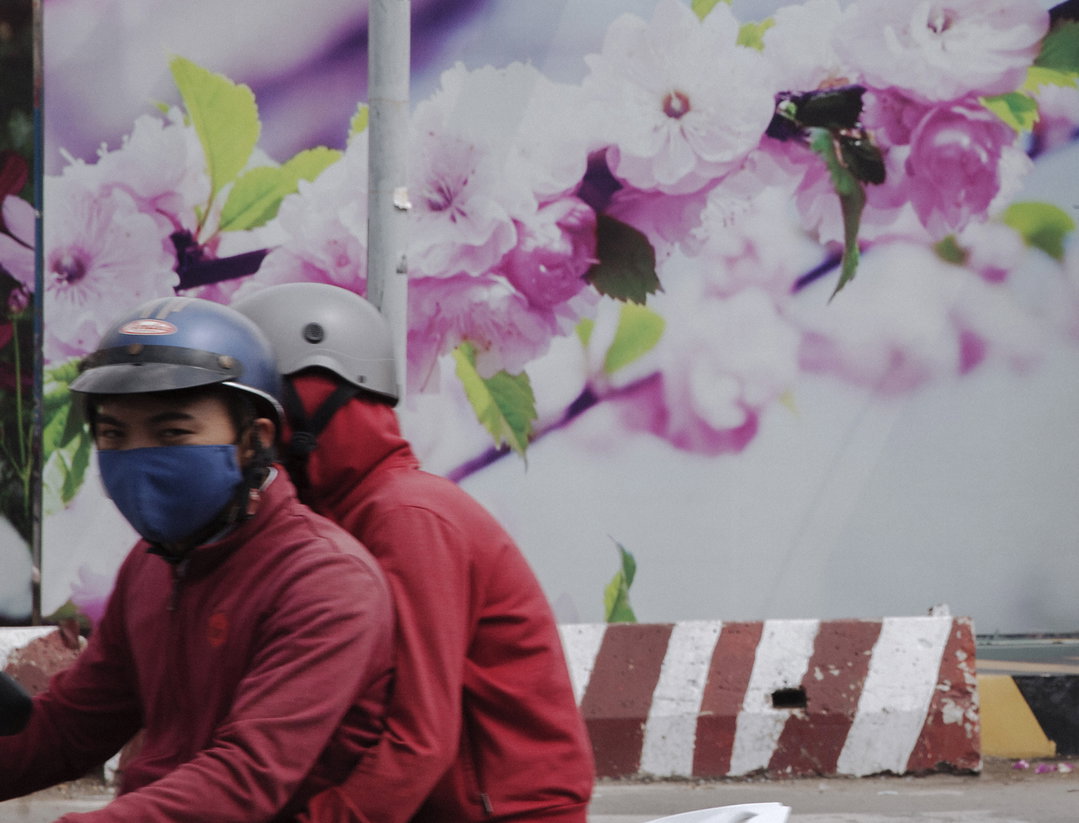
Cynthia Mai Ammann: Floating View, 2019 ( Copywright © Cynthia Mai Ammann, 2021)
Cynthia's photography tends to focus on storytelling, using images to blend different realities to instigate nuanced emotions. “A good picture for me is intriguing and emotional,” she says. “I enjoy creating narratives and building multiple layers behind them, especially when making a book. I love the editing part in the process, the possibilities are endless, so are the different stories.” During her studies, she experimented with film and over time, became more attracted to it. Occasionally she feels frustrated by the stillness of static images, but always seems to return to it nonetheless. "I was always fascinated by photography and its powerful language. I got into it quite early, as it came as the most natural way to express myself and make sense of the world around me,” she explains.
Cynthia tells us about her shooting process. Part of beginning her projects involves research, looking for references and writing, but one of the most important parts in developing her ideas is location scouting. “The scouting part is quite important for me, as I like to create a sense of strangeness in my pictures. After finding a location, I like to spend time there to make myself familiar with it and feel its possibilities,” she says. “Even though I'm usually prepared when shooting, at the moment I work intuitively and am very sensitive to the atmosphere.”
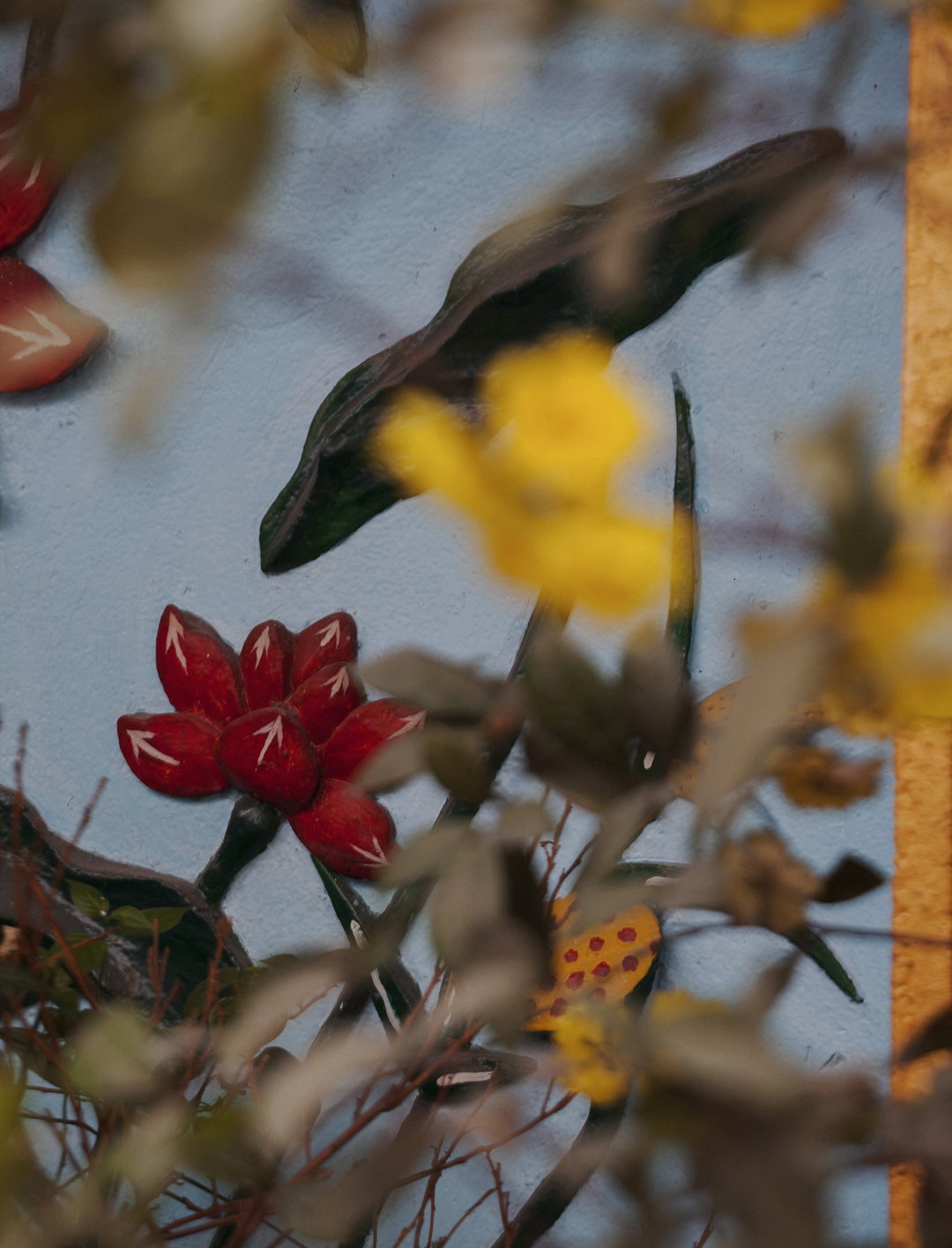
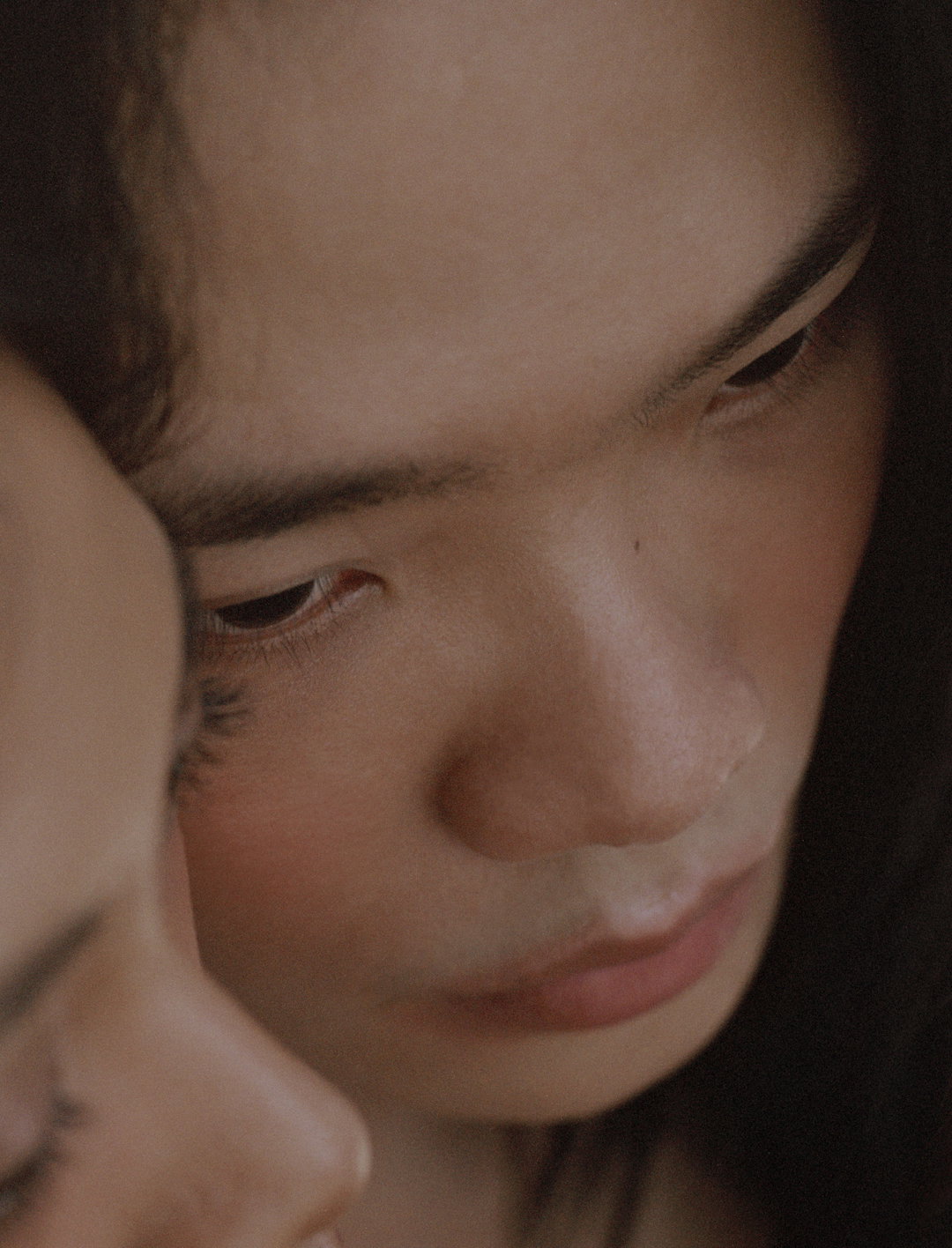
“Although my subjects vary from landscape to portrait and still life, I'm mostly interested in portraiture and try to have an intimate approach with my subjects. The collaborating aspect of portraiture is what I truly enjoy, we create the pictures together and it's always a beautiful moment when we share a strong energy,” Cynthia says. In Floating Views, we see these beautiful moments in action. Her subjects look on inquisitively, longingly, vulnerably. The ripples of a puddle distort a reflection of a highway that cuts across the sky. The images, like Cynthia describes, shares an energy that captures the melancholy of a growing city.
GalleryCynthia Mai Ammann: Floating View, 2019 ( Copywright © Cynthia Mai Ammann, 2021)

Hero Header
Cynthia Mai Ammann: Floating View, 2019 ( Copywright © Cynthia Mai Ammann, 2021)
Share Article
Further Info
About the Author
—
Alif joined It's Nice That as an editorial assistant from September to December 2019 after completing an MA in Digital Media at Goldsmiths, University of London. His writing often looks at the impact of art and technology on society.