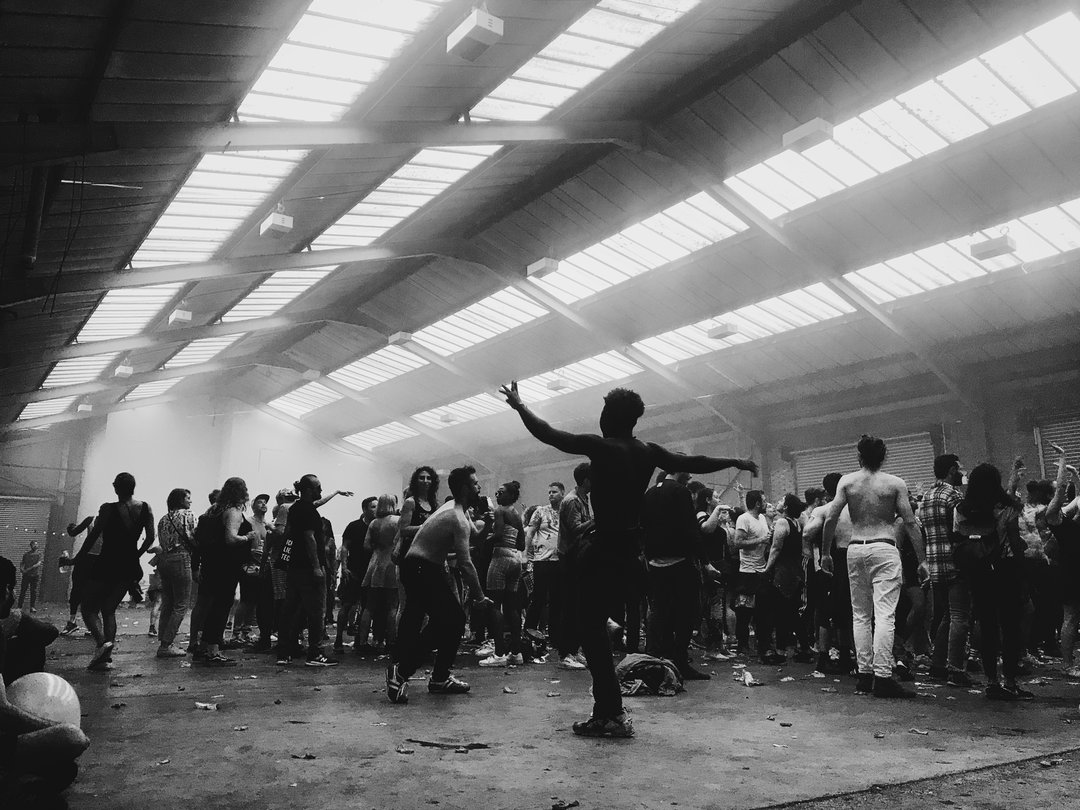
Dance Policy is a photography archive and zine instigating “a gentler revolution in music journalism”
Showcasing some of the best youth and music culture photography, Dance Policy founder Zak explains how he hopes the Manchester-based project can help to influence a more inclusive nightlife culture.
Share
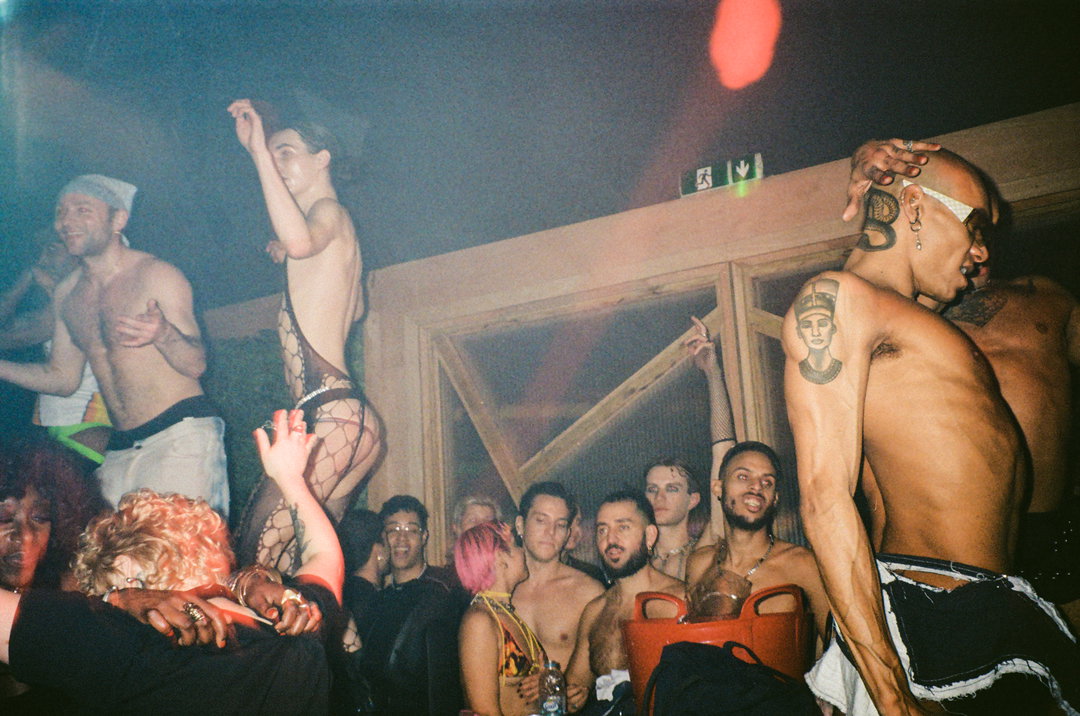
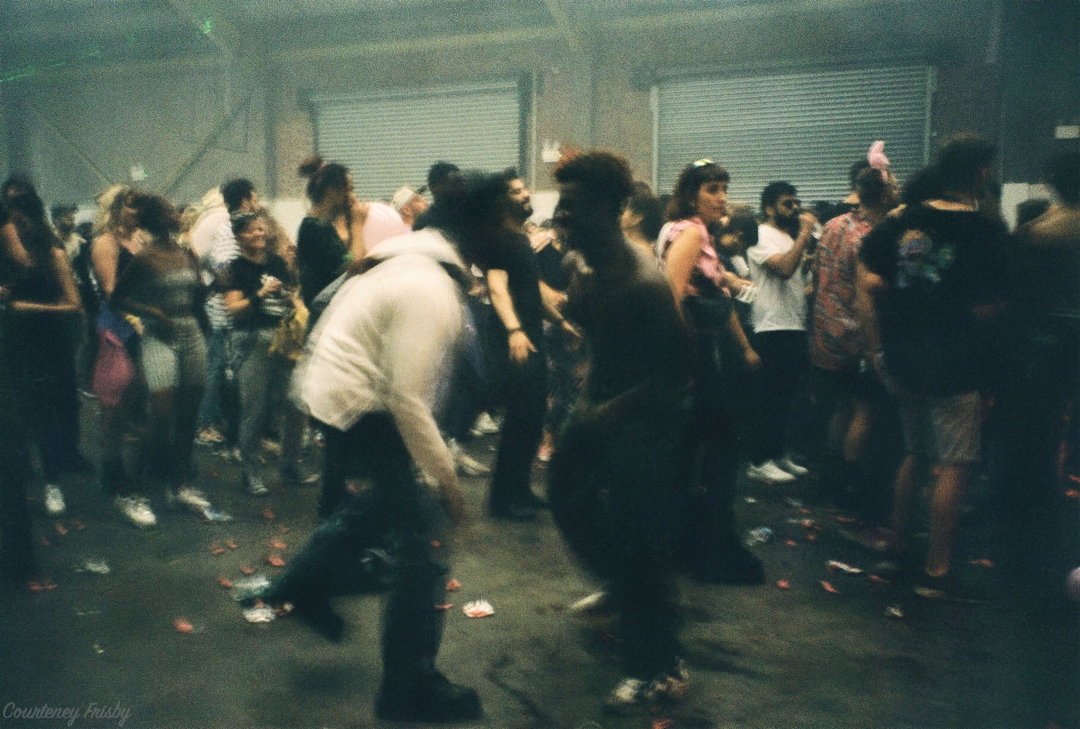
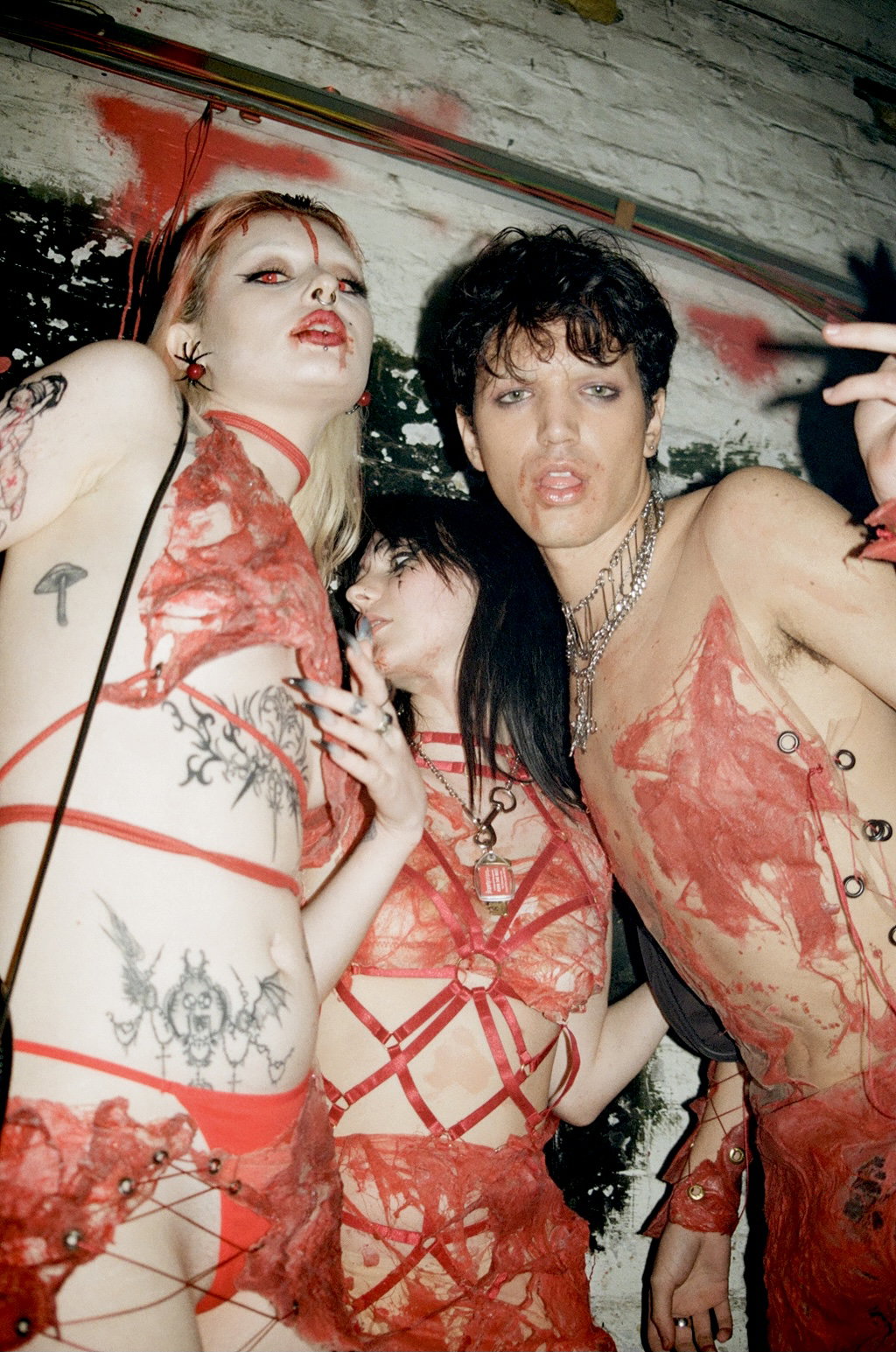
Full of sweaty, hectic and hedonistic photos of people letting go, Dance Policy’s dedicated Instagram page will make you want to shake off your post-pandemic lethargy and get out to your nearest club night. Focussing on the grass-roots of subculture, the page avoids any “overhype” or “big flashing names”. And, importantly, the project isn't just looking to glorify dance culture, but also challenge how wider society views it and – in the process – hopefully help make it more accessible, friendly and community oriented.
It was when Dance Policy founder Zak worked as an assistant producer at the radio station Balamii that he first realised how much he loved facilitating other people's talents. Connecting the dots between creative people, Zak says that “networking is an insanely underrated skill within the artistic community because no one sees it, just like how you don't see the person who does the sound design, lighting or even the ticketing to an event!”. But, what really pushed him to begin the Dance Policy project was the idea to build an archive: “we’re not trying hard enough to collate and document what's going on right now. It’s a common problem across all creative industries that we don’t start respecting something until it's 50-100 years old.”
GalleryDance Policy: Courteney Frisby (Copyright © Courteney Frisby, 2019)
Originally from the West Midlands, Zak comes from a “lineage of makers” – his hands-on grandad built his own house and his sister is a violin maker. Zak tells us that the moment he realised he was destined to create was the moment he began to feel truly happy. However, instead of keeping himself at the forefront of the project (he likes to keep himself and his image fairly anonymous) he instead felt his penchant for creativity could be put to better use by platforming others.
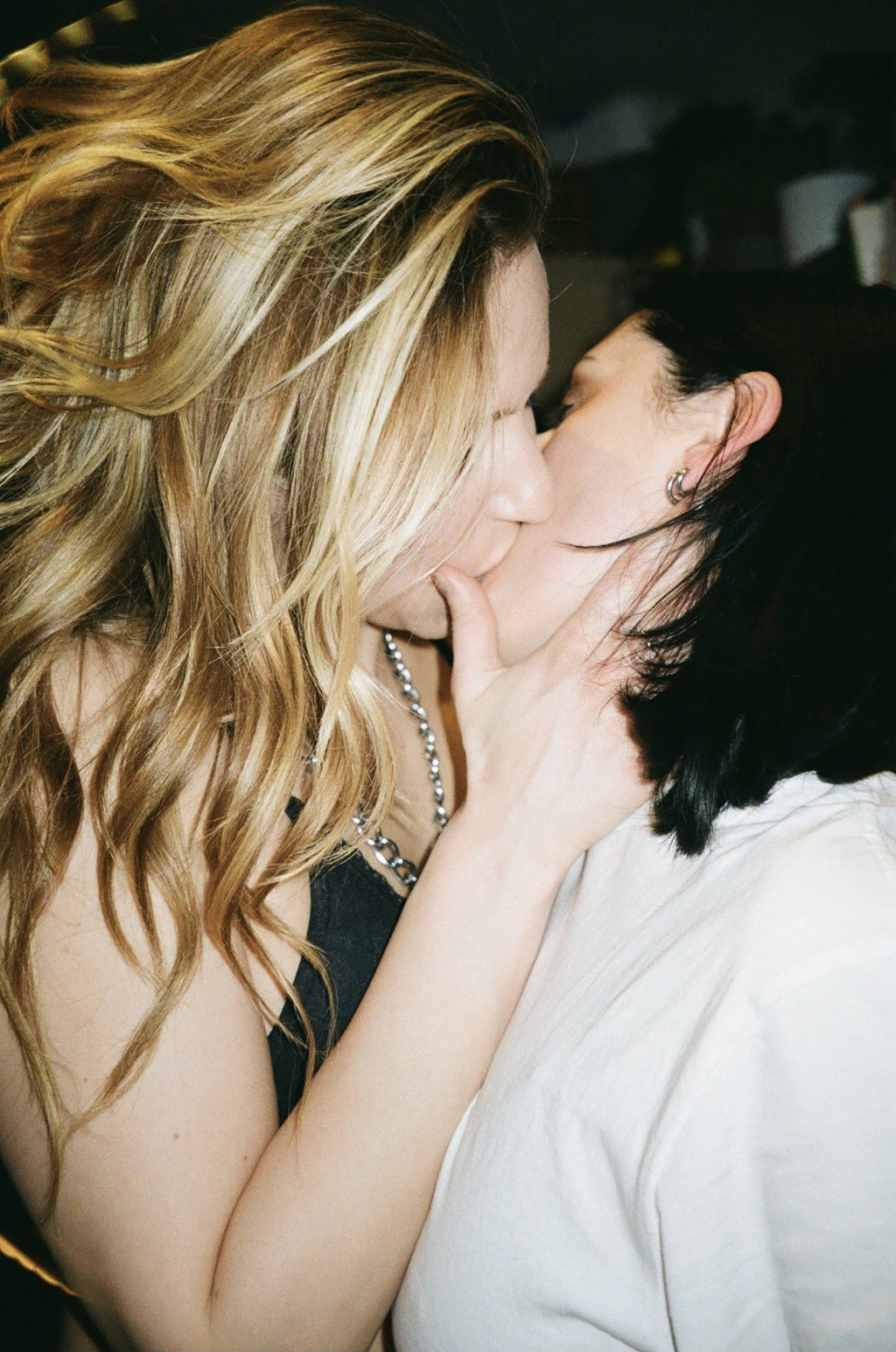
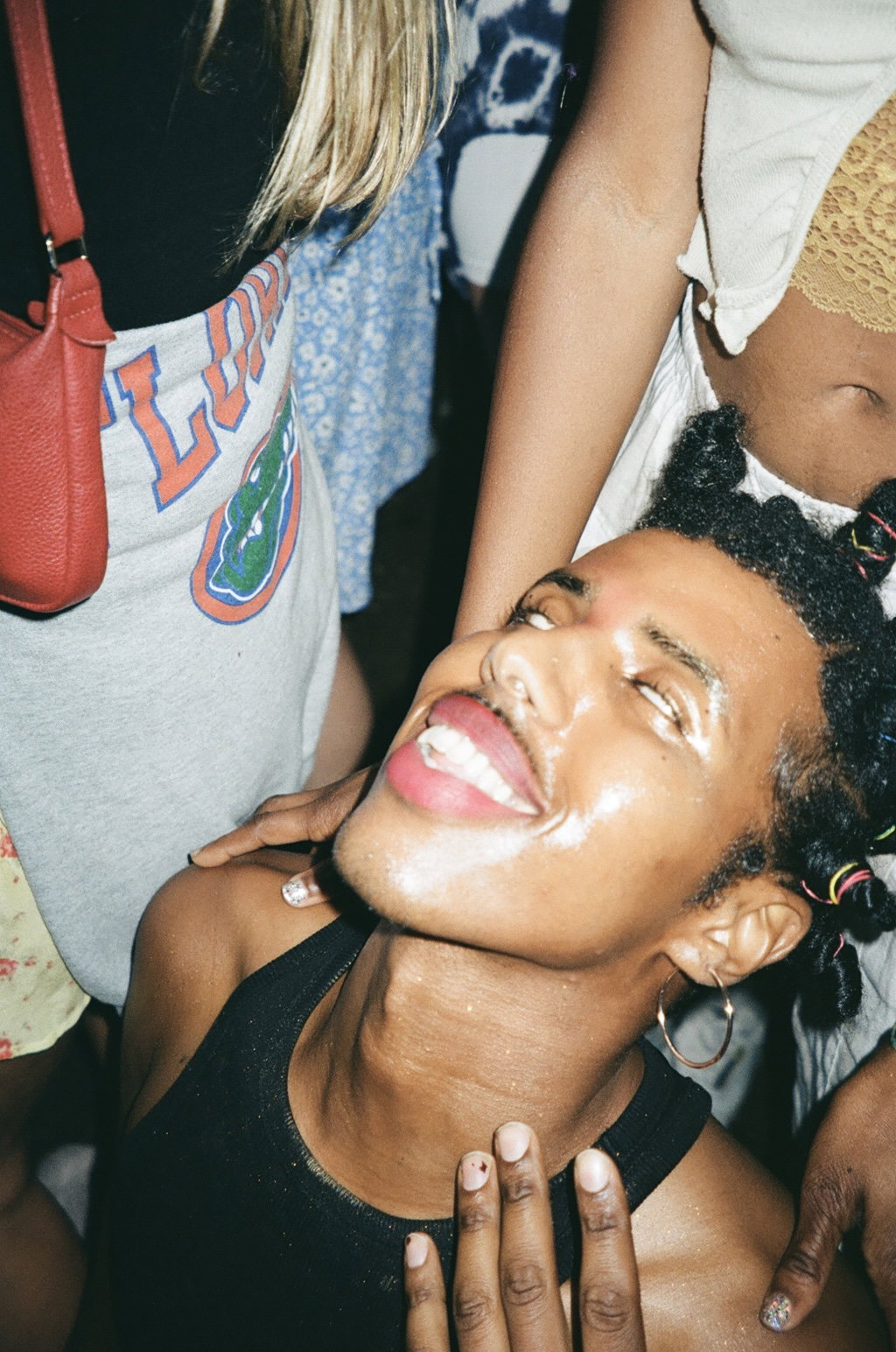
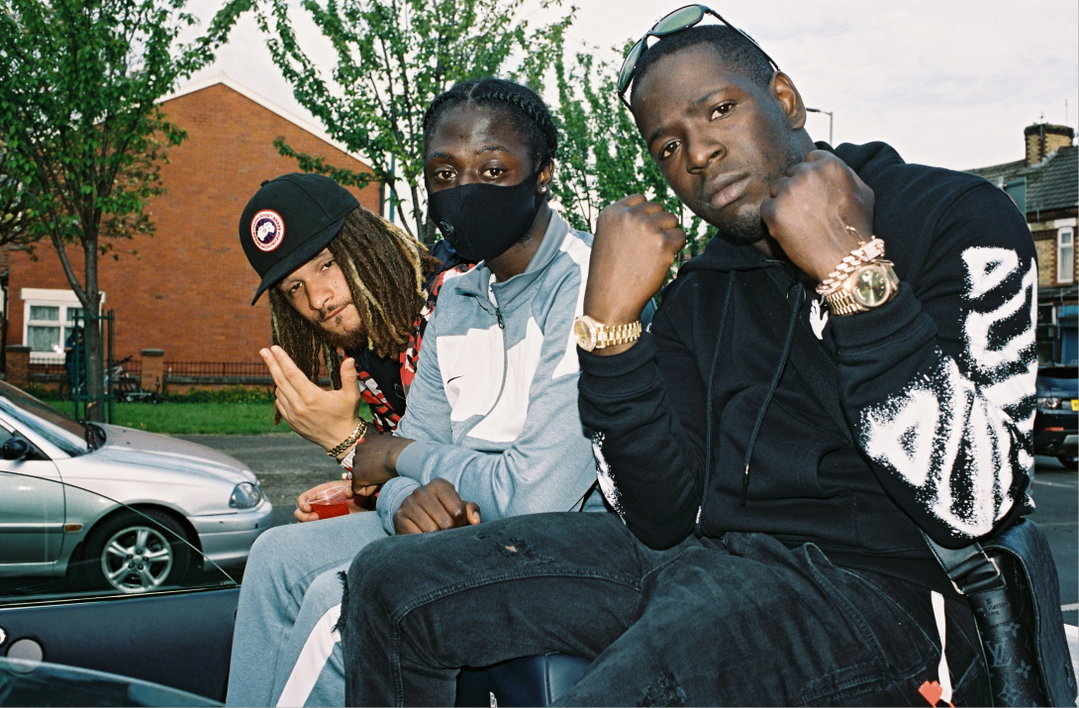
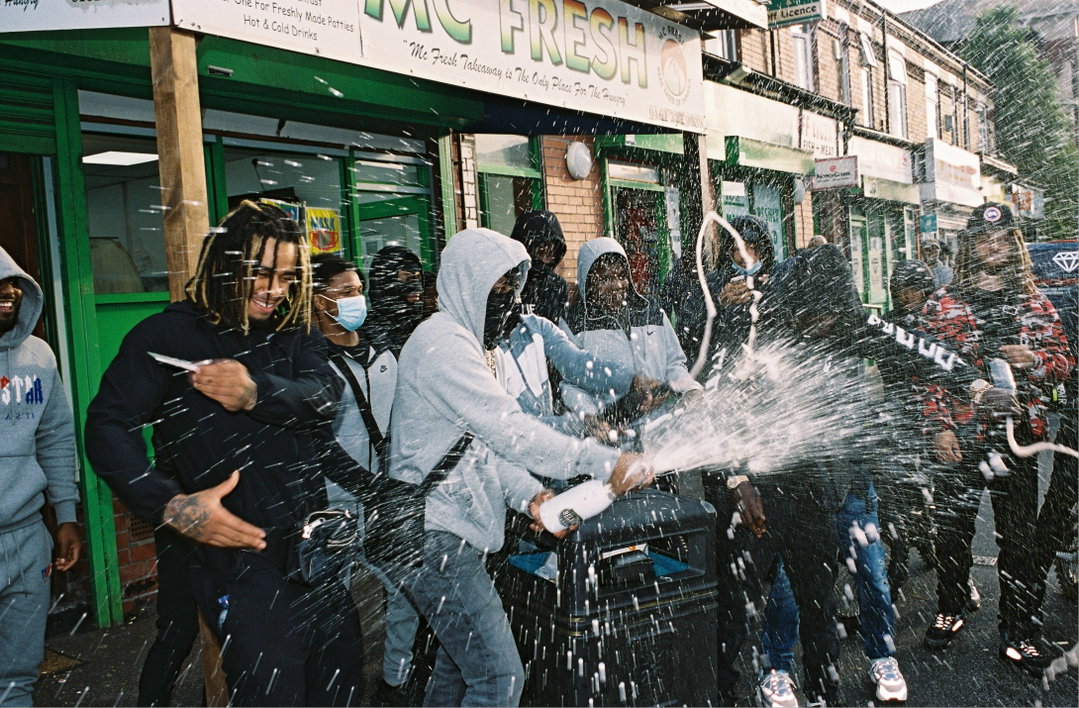
Whilst the photography displayed throughout the project comes from similar thematic roots, the style and focus ranges immensely. Photographer’s like Courteney Frisby and Maddie Moore – “possibly two of the most talented people coming up in dance music photography” – are the first photographers Zak came to know through Dance Policy. Right in the midsts of the action, Courteney’s wide-shots show the hustle and mayhem of the dance floor, whilst Maddie’s get up close and personal showing glistening faces enraptured in the music and people locked in passionate a kiss. Meanwhile photographer Yadohh, who recently did the photoshoot for Hazey – an up and coming Liverpool MC – focuses on youth culture outside of the clubs. Zak believes him to be “the best photographer going in Manchester for music and street photography”.
GalleryDance Policy: Maddie Moore (Copyright © Maddie Moore, 2020-2021)
Zak is also keen to impress that, without the help of fellow creatives, Dance Policy would never have become what it is today. Having no formal training in Photoshop or InDesign, Zak has relied on his sister, “a graphic design wizard”, to help him with design elements and formatting the zine. Artistic director of Dance Policy Jamie Brogan – who developed the zines whole branding – is someone Zak also feels forever indebted to. “He has amazing ability to capture the feeling of clubs and dancing through his drawings and what we call the main character of Dance Policy, 'The Dancing Fool', this weird androgynous, morphic character.” But, despite having worked with Jamie for two years now, the pair only met for the first time three months ago – “funny that”, Zak exclaims, “about two to three of the connections I’ve made through Dance Policy I’ve never actually met!”.
Dance Policy’s name originated from Zak’s understanding that “we police so much in dance music about what’s cool”. Ruminating on questions like “why cant a club also put on events in the daytime?” and “why can’t clubs be part of the local community?” Zak wants to use Dance Policy to show how important nightlife culture is and how much better it can be. “I mean, there’s only so many luxury flats you can build before you’ve completely destroyed any sense of purpose we may have outside of work.”
GalleryDance Policy: Yadohh, Manchester (Copyright © Yadohh, 2021)

Despite clearly loving the nightlife experience, Zak avoids romanticising and idealising it too much – he himself has trouble with how intense it can sometimes be. Having had tinnitus for a number of years and getting easily tired when socialising, he sees problems with how binary the experience is: “I guess what upsets me sometimes is this feeling that partying has to be this really hardcore, all or nothing, all night long parade [...] I wish people would be more accepting of people who don’t or can't take certain things on nights out, who don’t drink, who love dance music but cant stay out past 2am.” Therefore, and perhaps most importantly, Dance Policy provides a means of engaging with dance culture, without the all nighters and three day benders.
Currently exploring how he can take Dance Policy down a different route and turn it into a full-time job, Zak wants to avoiding letting it “stagnate” as archive pages often do. He hopes to begin streaming events, hosting talk shows for creatives, putting on some photography exhibitions and getting involved in some radio shows – he’s certainly going to be busy, that's for sure!
GalleryDance Policy: Yeliz Zaifoglu (Copyright © Yeliz Zaifoglu, 2021-2022)

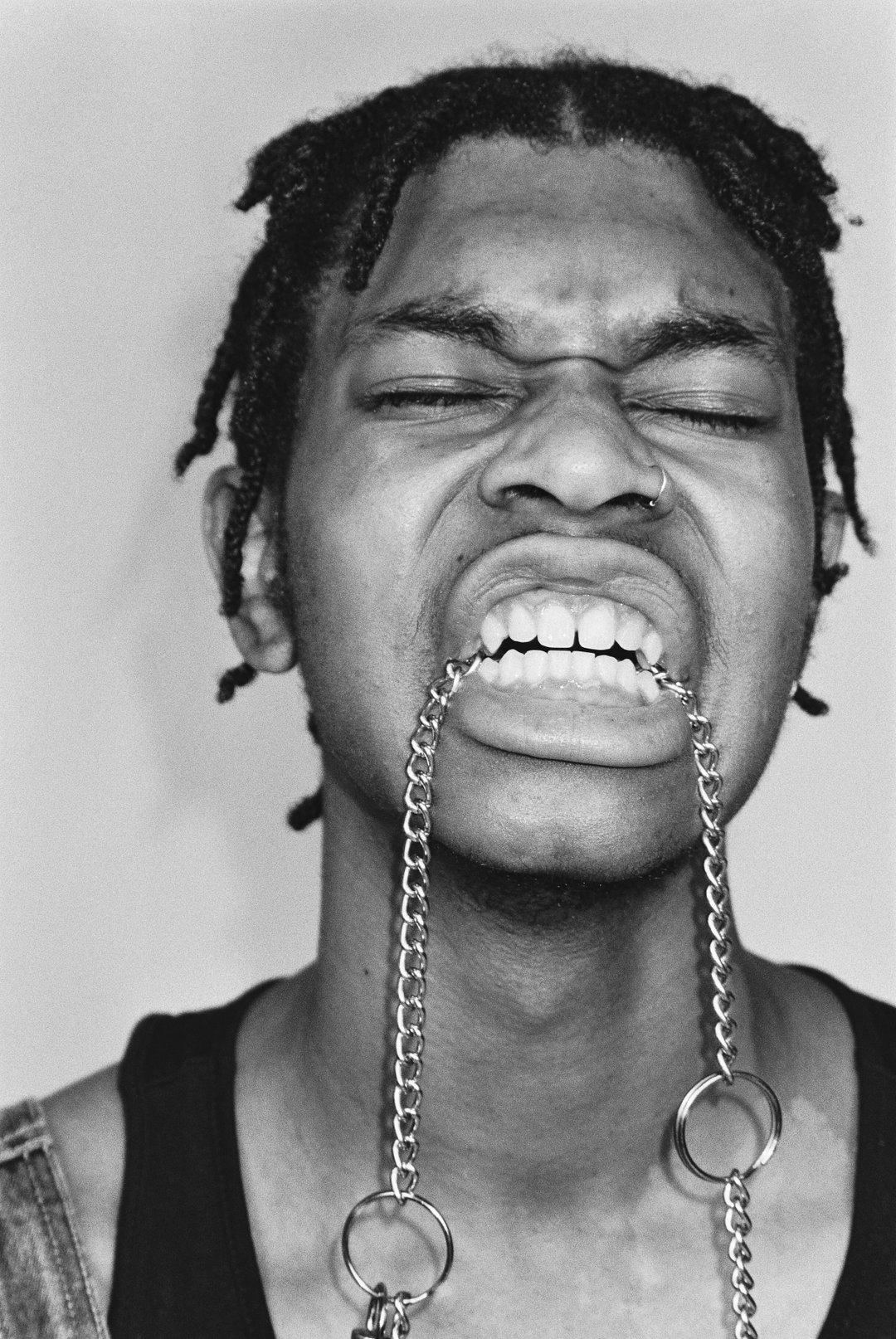
GalleryDance Policy: Jude Kendall (Copyright © Jude Kendall, 2013-2019)
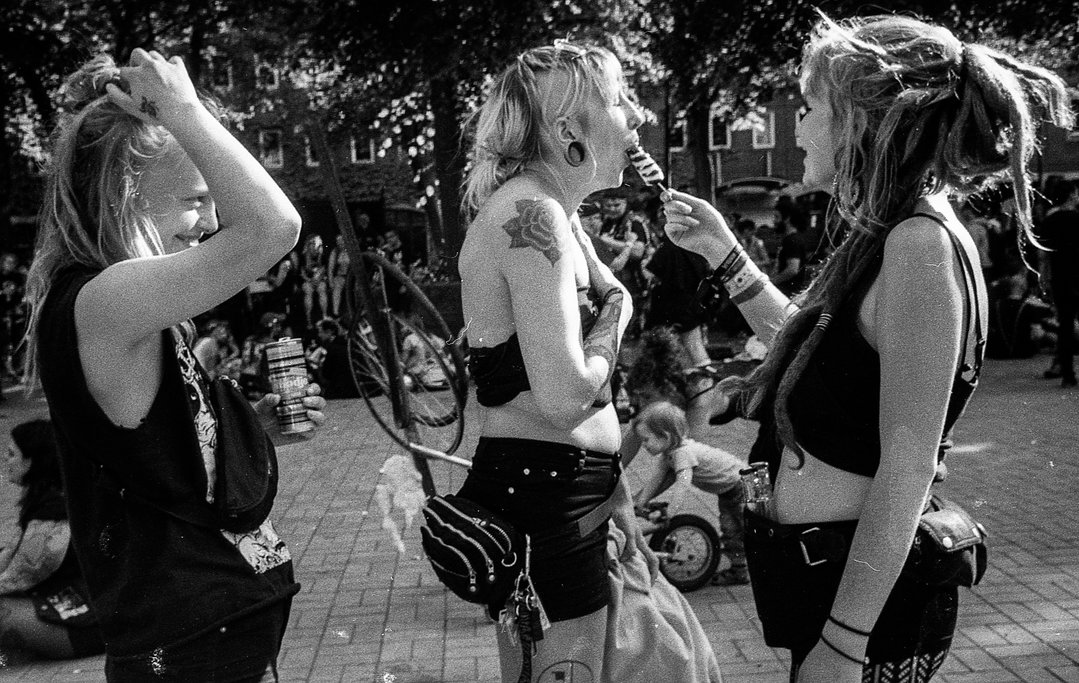
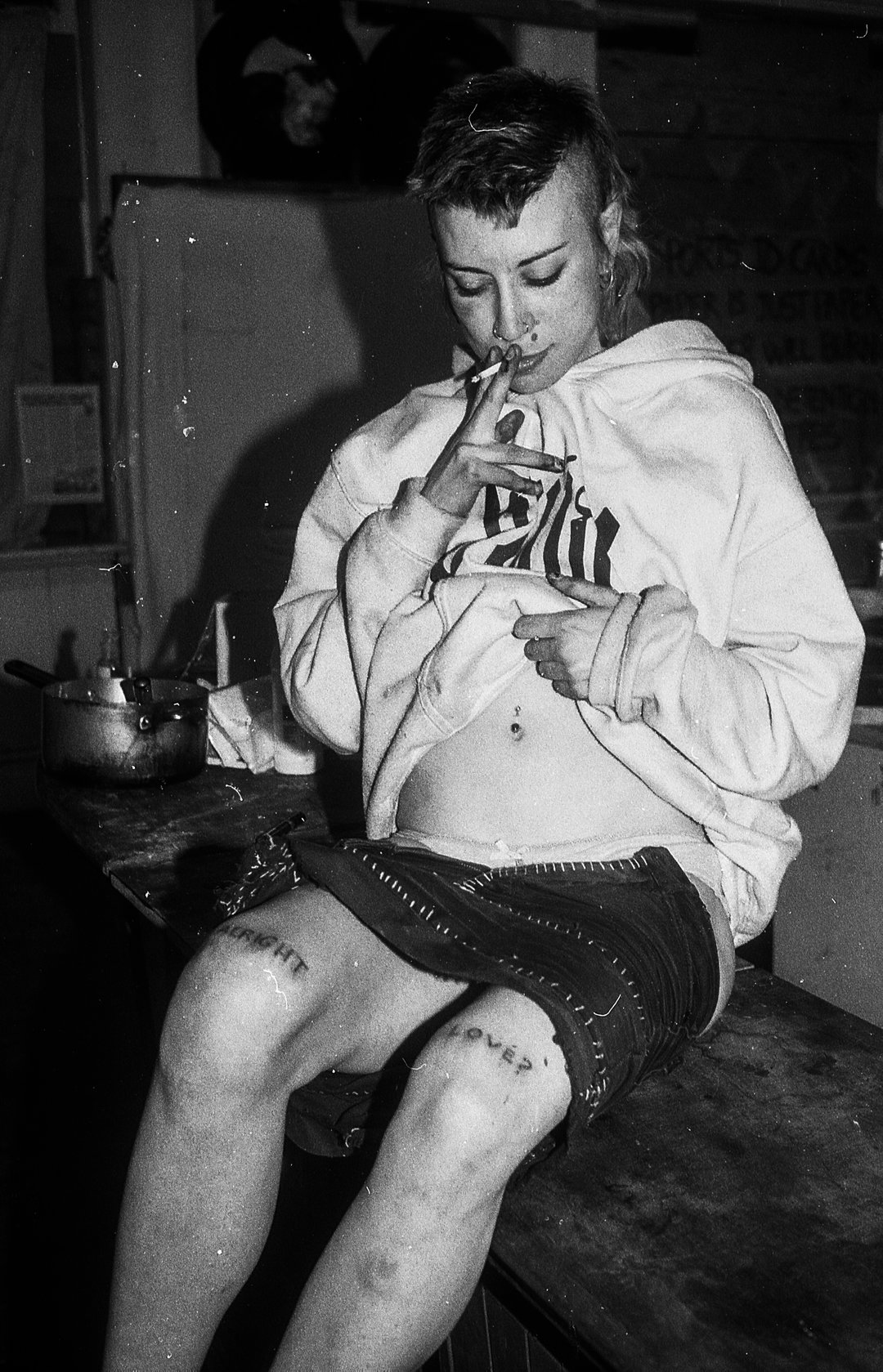
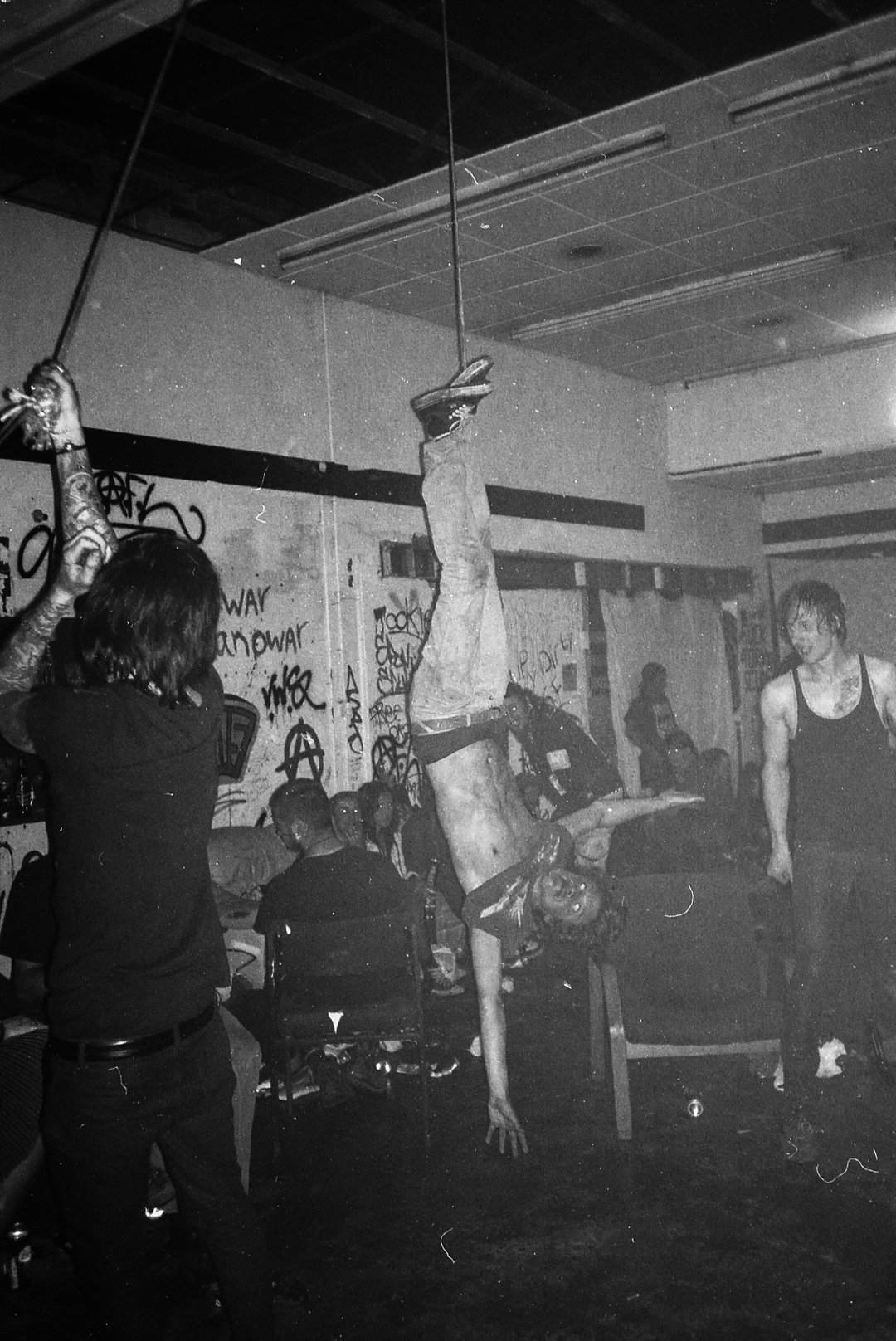
GalleryDance Policy: Jamie Brogan, Dance Policy Branding (Copyright © Jamie Brogan, 2019)

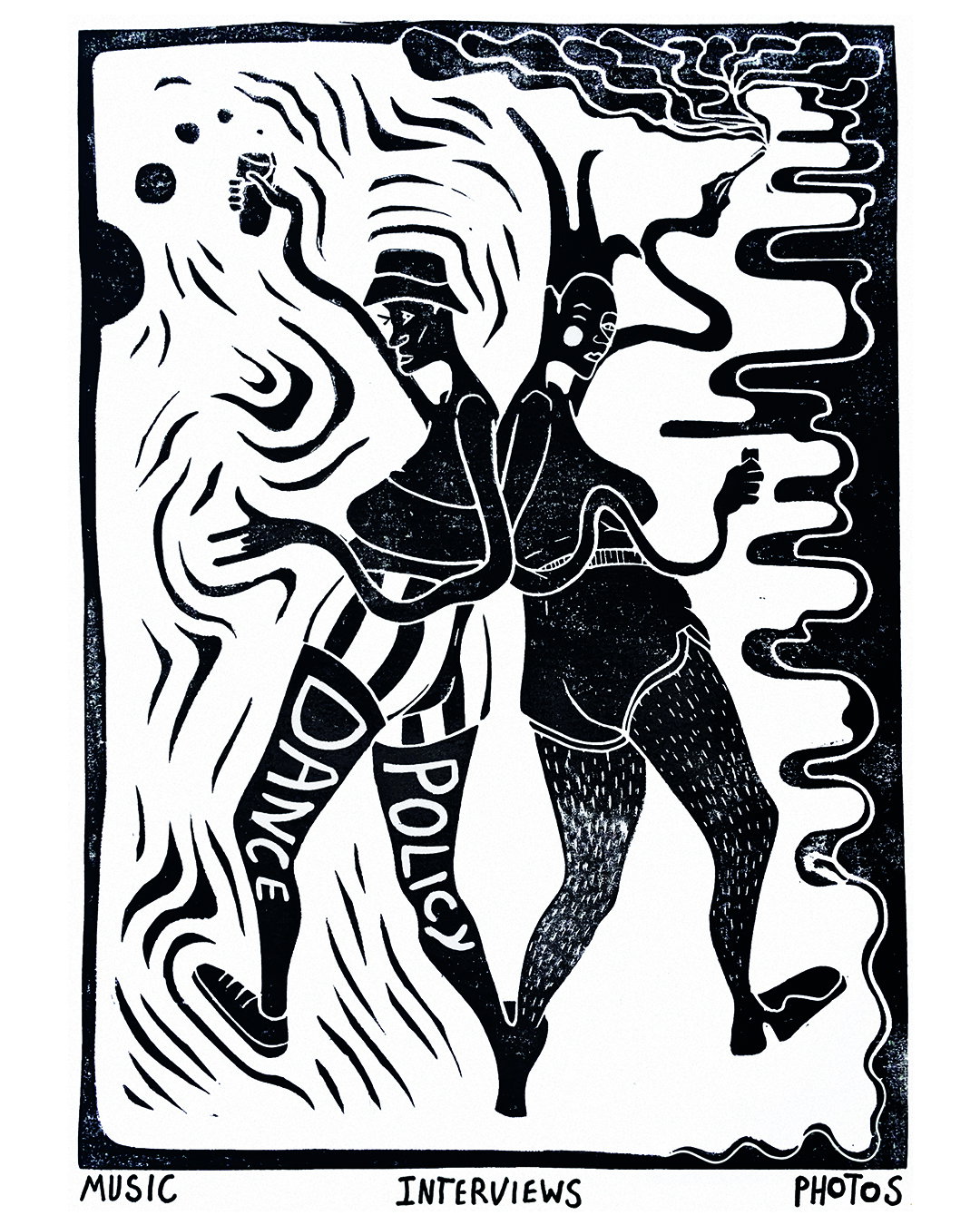
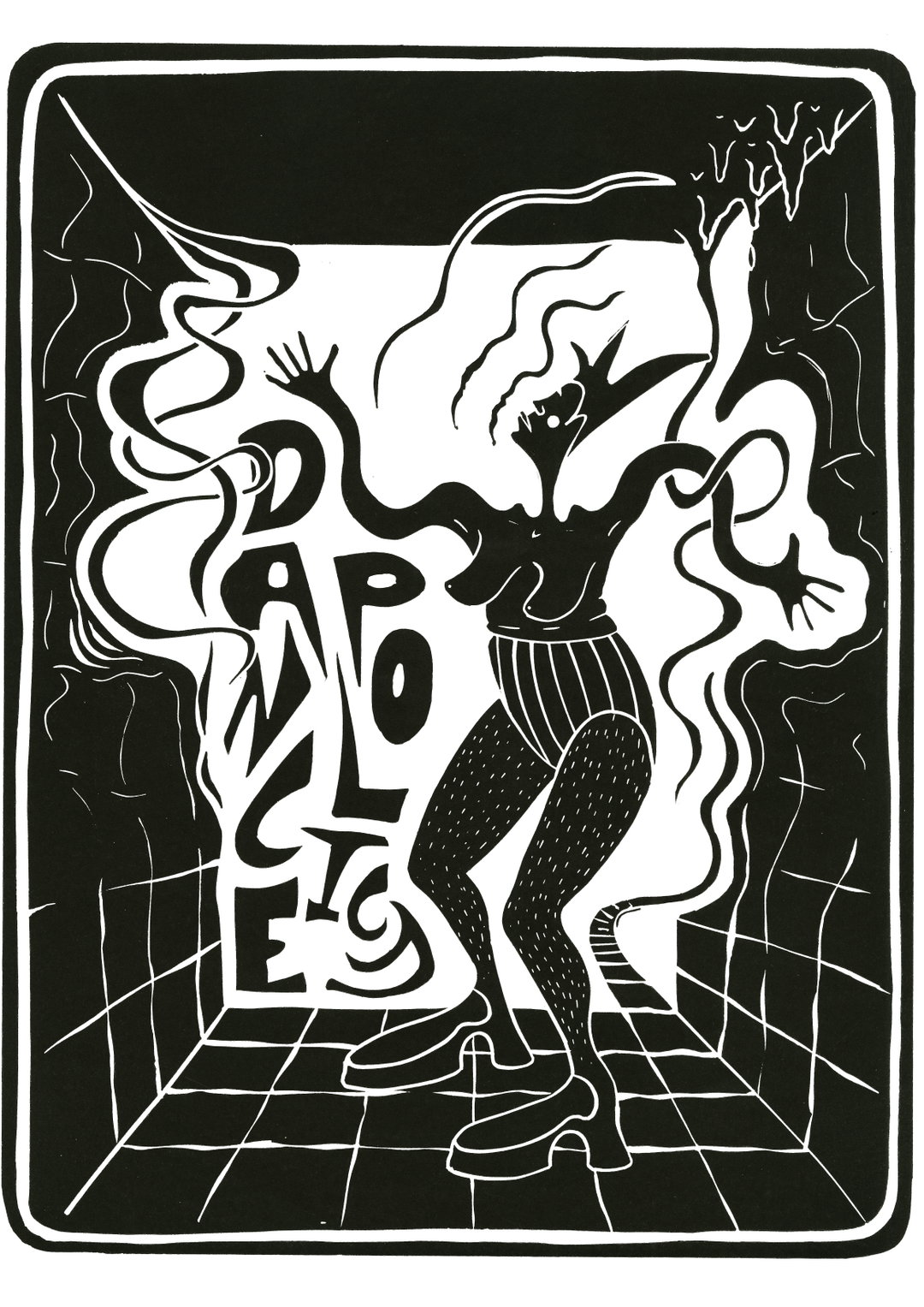
GalleryDance Policy: Issue 5 (Copyright © Dance Policy, 2022)
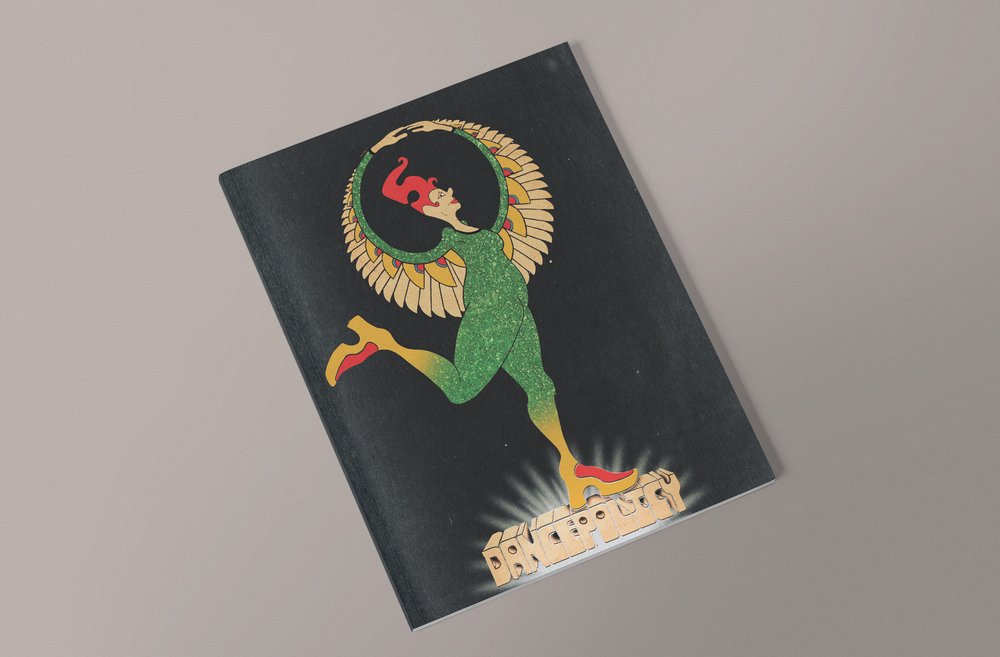
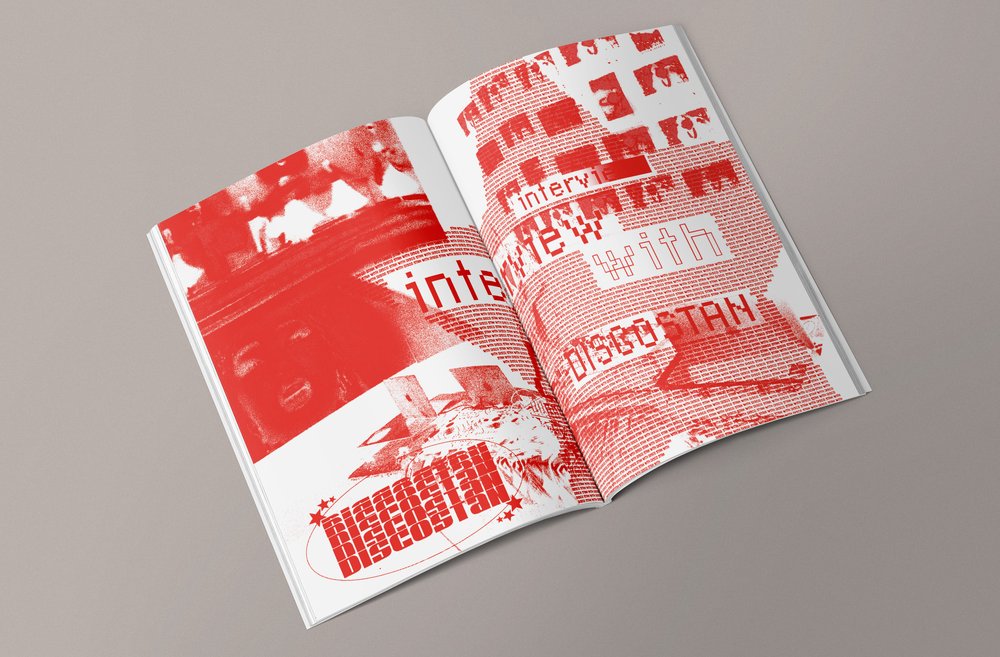
Hero Header
Dance Policy: Courteney Frisby (Copyright © Courteney Frisby, 2019)
Share Article
Further Info
About the Author
—
Olivia (she/her) is associate editor of the website, overseeing the day-to-day editorial projects as well as Nicer Tuesdays events. She joined the It’s Nice That team in 2021. [email protected]
To submit your work to be featured on the site, see our Submissions Guide.