“It feels as if I am trying to steal a part of their souls”: Hiroyuki Nakada on his time-stopping street photography
When the Japanese photographer first moved to Shanghai in 1999, he picked up a camera which would change his life forever.
Share
Born in Japan’s Kanagawa prefecture in 1960, it wasn’t until Hiroyuki Nakada relocated to Shanghai in 1999 that he first picked up a camera. Having moved to the Chinese city at the turn of the millennium to look after a franchise of his then-company’s business, Hiroyuki acquired a GR Digital camera by Ricoh, which would change everything. “I can say that this camera triggered a transformation in my life,” he tells It’s Nice That, instantly captivated by the medium. “I can no longer imagine life without photography because I cannot forget the pleasure of capturing ‘living forms’ on the street with my camera.”
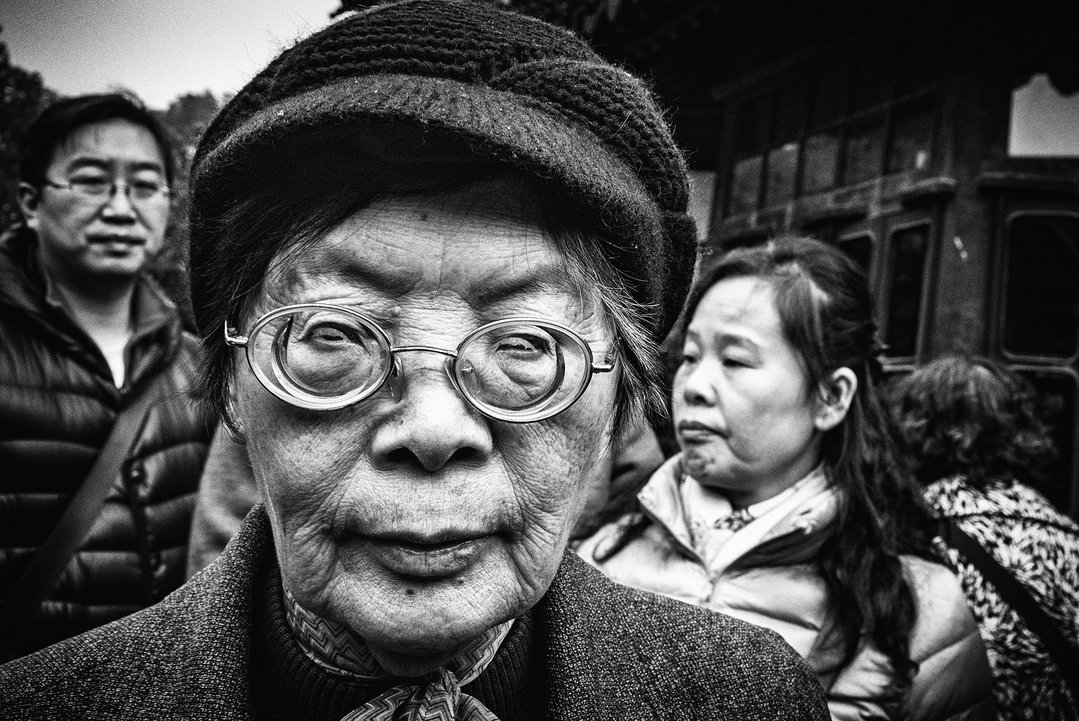
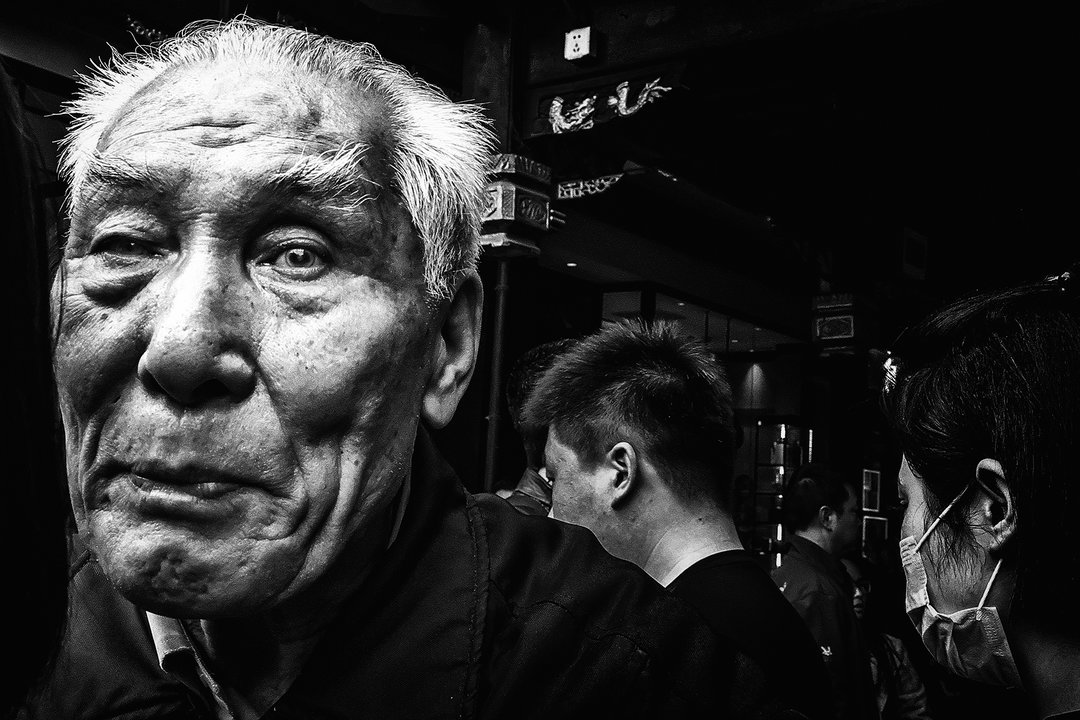
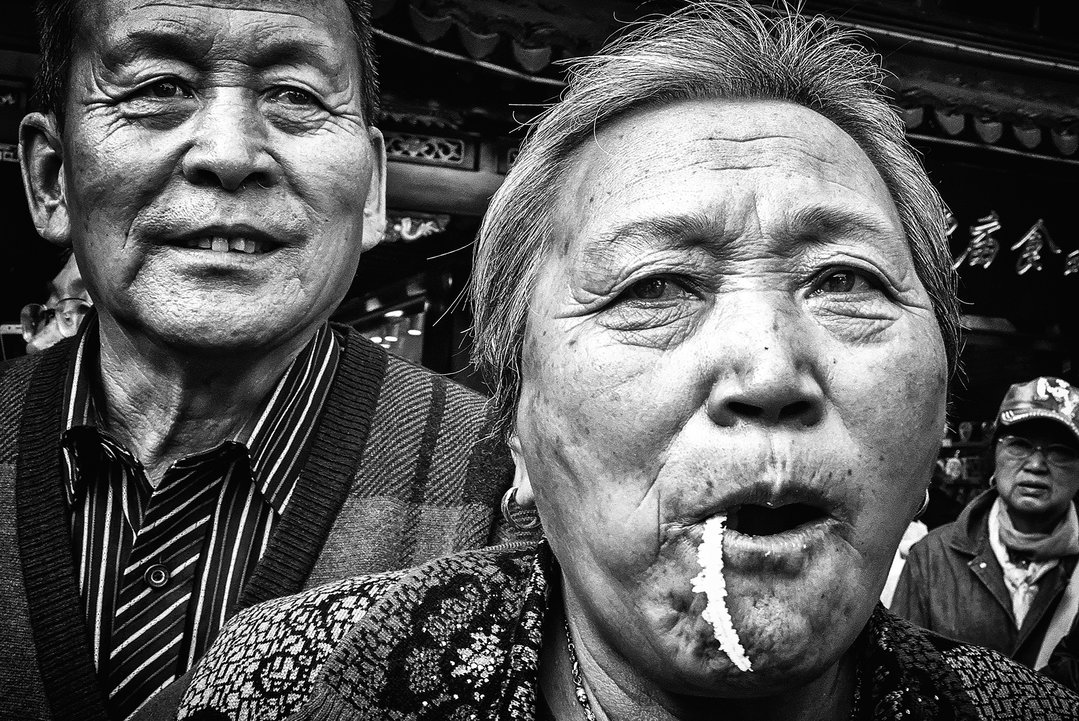
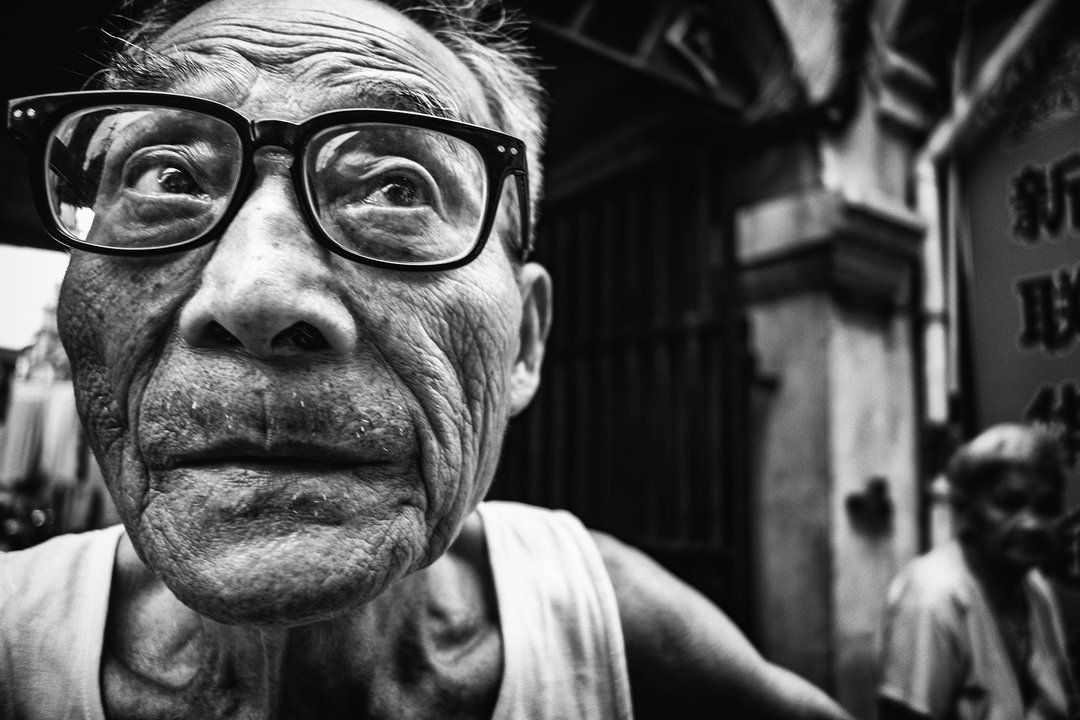
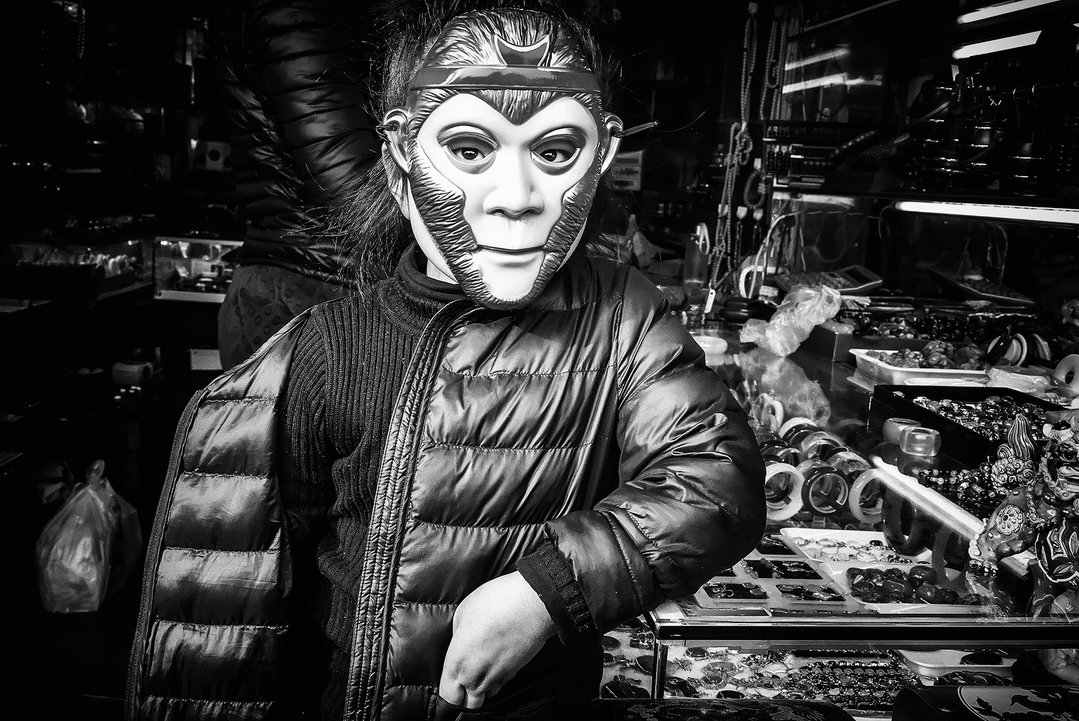
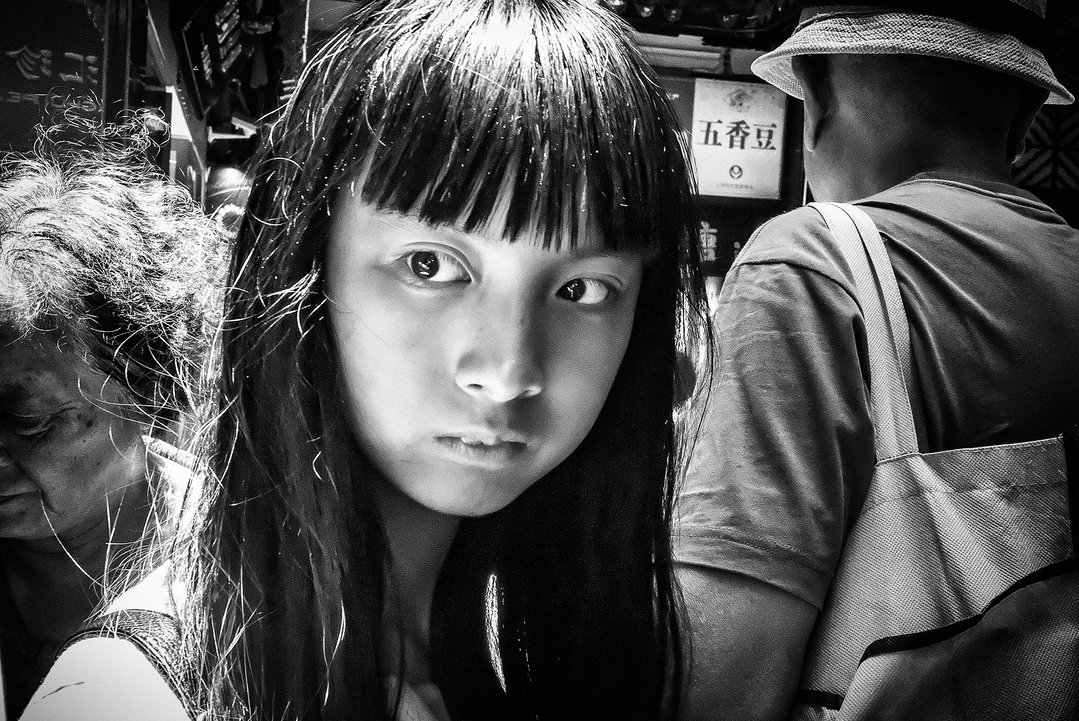
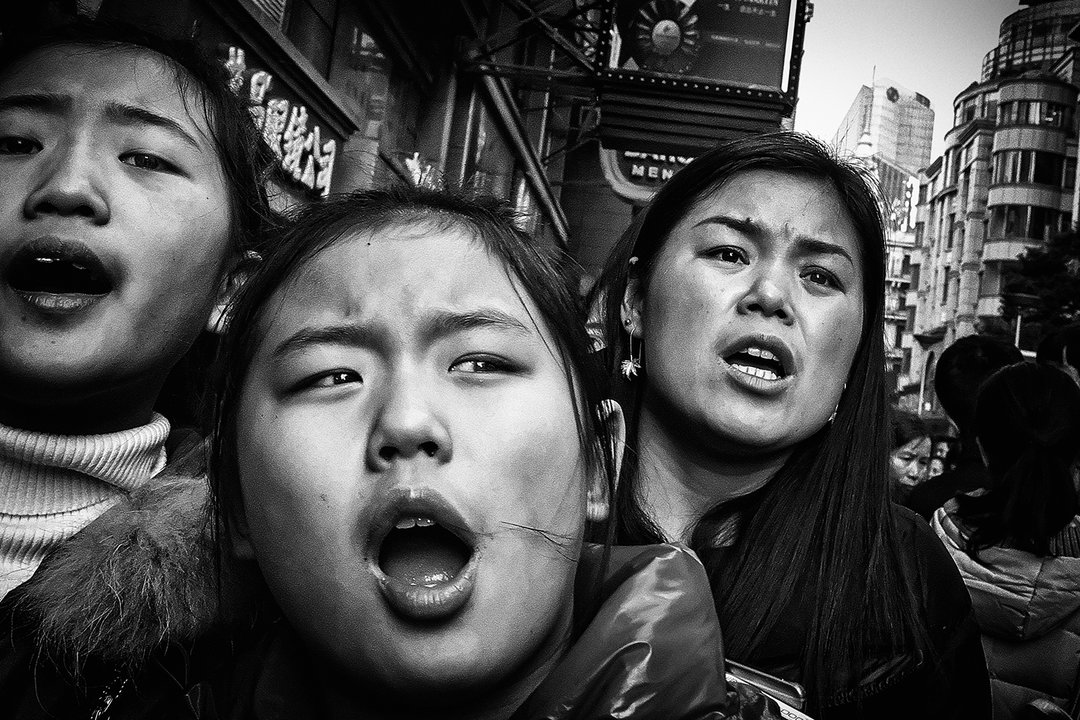
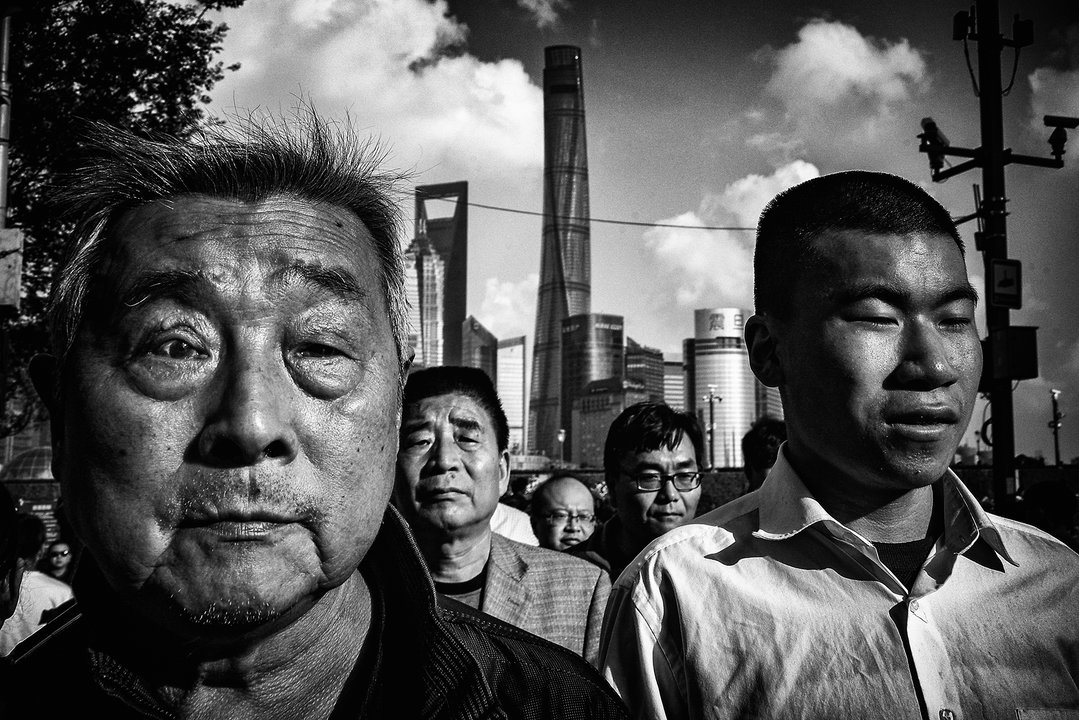
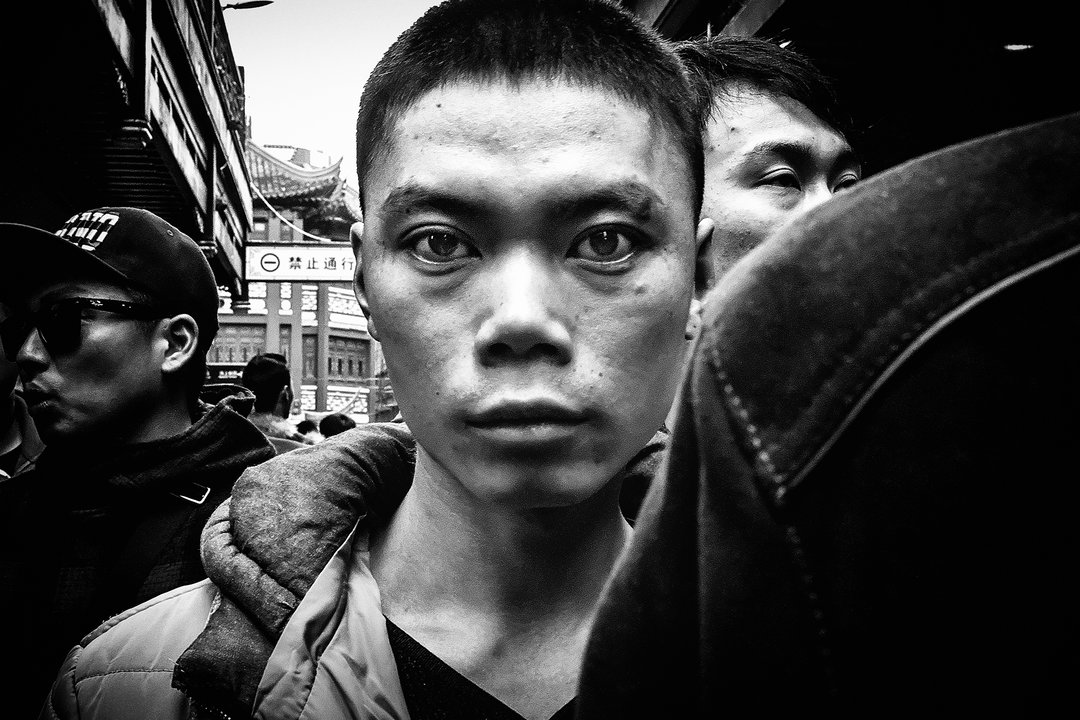
With an ardent new pleasure by his side, Hiroyuki took to the streets of Shanghai, getting up close and personal with its passersby. It’s evident that he possessed an instinctive knack for the medium from the beginning. The intimacy of his lens seems to have gone unnoticed by its expressive subjects, capturing glimmers of priceless emotion through stark black and white photography. His extensive bodies of work have exhibited internationally from Tokyo’s Place M to Seattle’s Machine House Brewery, circling several photo festivals including Shanghai’s and Yixian’s too.
His photography has met great acclaim along the way in its depiction of the Chinese megacity. He portrays a perspective of both outsider and insider in the dense streets, focusing on the striking faces of people he does not know with a fierce interest. “Taking photographs has become a way for me to fulfil my spiritual desires,” Hiroyuki continues, “nothing more, nothing less. To put it simply, it is an outburst of my curiosity.” The act of taking a photograph is wholly instinctive for the street photographer, likening it to a physiological animalistic behaviour, “perhaps close to sex or excretion,” he muses.
Hiroyuki Nakada: Shanghai
His work is just as much an introspective look into the artist, as it is a snapshot of the exterior world. It’s a body of work that can be examined in his new book Shanghai, recently published by Zen Foto Gallery. Featuring 100 images and bilingual texts in both English and Japanese, the book is a glimpse into Hiroyuki’s attractions, worries and problems – underlying projections that linger in the syntax of his photography. “I think taking photographs is a process in confronting oneself,” he adds. Hiroyuki compares it to “hitting flies that are flying around inside one’s mind”, a way of pinpointing ideas or moments in the ocean of curiosity which is the street.
“There are no other spaces that constantly transform as much as the streets do,” the photographer continues, and taking pictures is just his way of indulging in its qualities. He values everything and anything in his surroundings as a photographic subject, marvelling at the complexity of what a millisecond can behold. In short, that is what street photography is all about for Hiroyuki, skimming the surface of a moment in time with photography. “I don’t really have any technical skills,” he says modestly, instead, his main aim is to capture his picture without the subject noticing.
“It feels as if I am trying to steal a part of their souls,” he admits. But at the core of his practice, he reveals that what he is really trying to do, is “make time stop at my own will.” All it takes is a click of the shutter and a life appears in still form. By doing this in a myriad of variations on the street, all Hiroyuki’s desires can be fulfilled. “As long as you have the strong will to capture someone with your photographs,” he goes on, “that is the only thing we need in street photography.” Hiroyuki relishes in the challenge of snapping up an indescribable moment on the street, confronting himself and his own fears. He’s interested in drawing out the psychological nuances of his subjects, in turn, questioning his own thoughts and desires, even the sadomasochistic ones.
GalleryHiroyuki Nakada: Shanghai
Share Article
Further Info
About the Author
—
Jynann joined It’s Nice That as an editorial assistant in August 2018 after graduating from The Glasgow School of Art’s Communication Design degree. In March 2019 she became a staff writer and in June 2021, she was made associate editor. She went freelance in 2022.