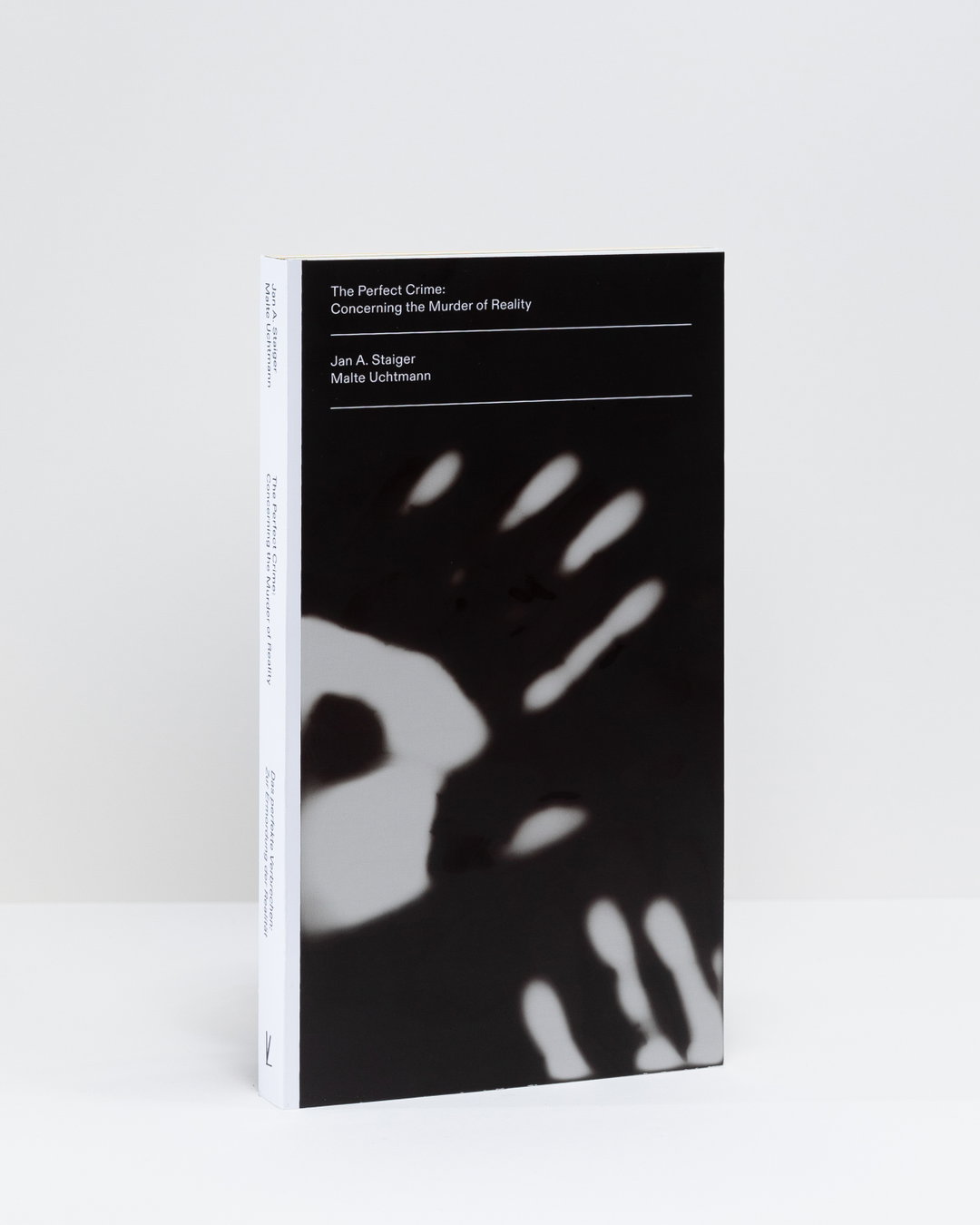
Why are we obsessed with crime TV? This heat sensitive book examines
The detailed publication uses various forms of photography and AI to interrogate Germany’s love of crime TV, and the impact it might be having on wider society.
This article contains a staged violent image.
It can often feel as though TV consumers’ desire for crime TV is insatiable. Every week it seems a new series – focusing on an abhorrent crime (or ten) – is being premiered, advertised with the promise of drama, darkness, mystery and complicated, often flawed anti-heroes. In Germany alone, there are now over 238 crime dramas available on its six largest broadcasting channels. But, just what impact is this overrepresentation of fictionalised crime having on our perception of police work, justice, reality and truth? An intricate, experimental photobook
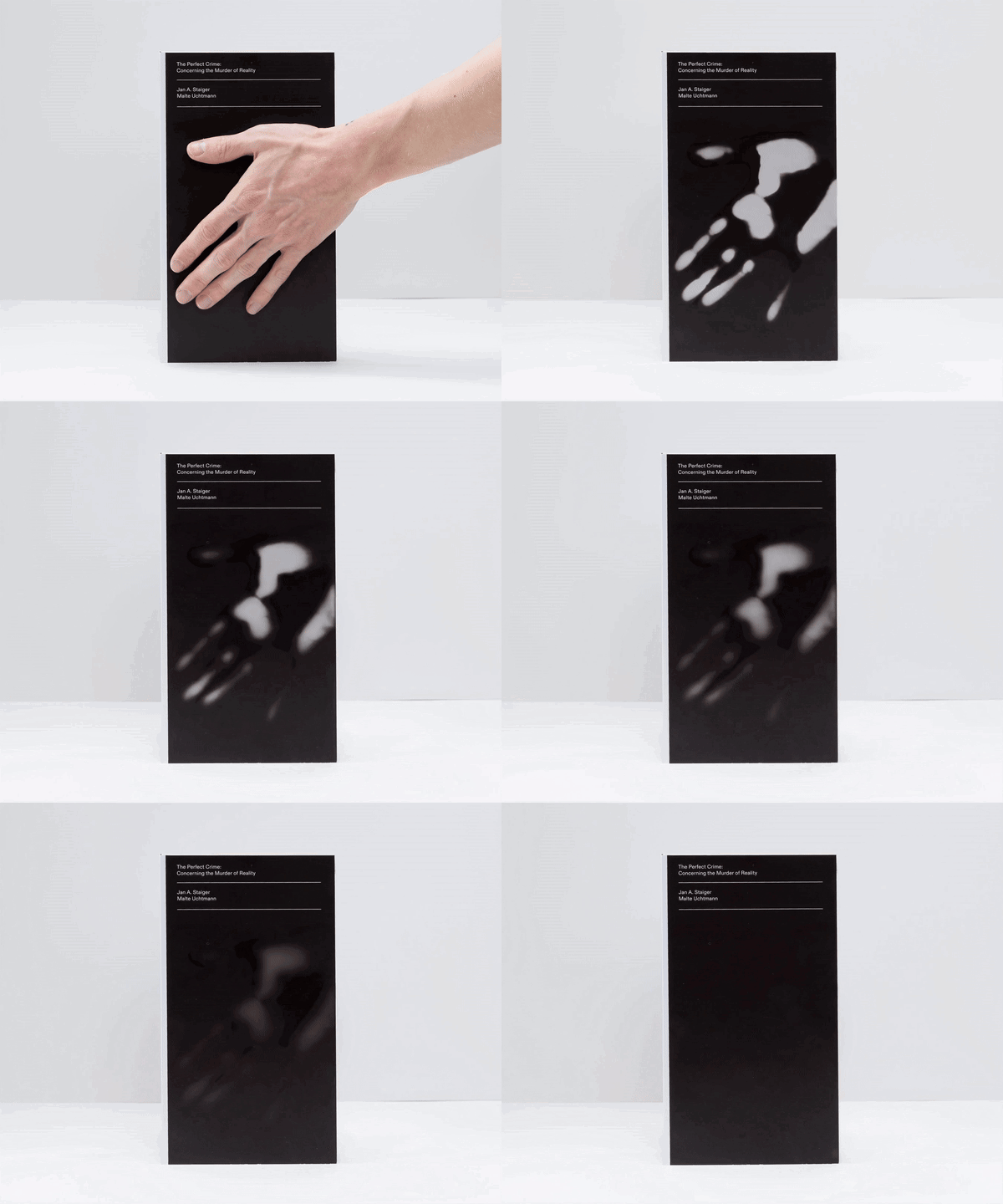
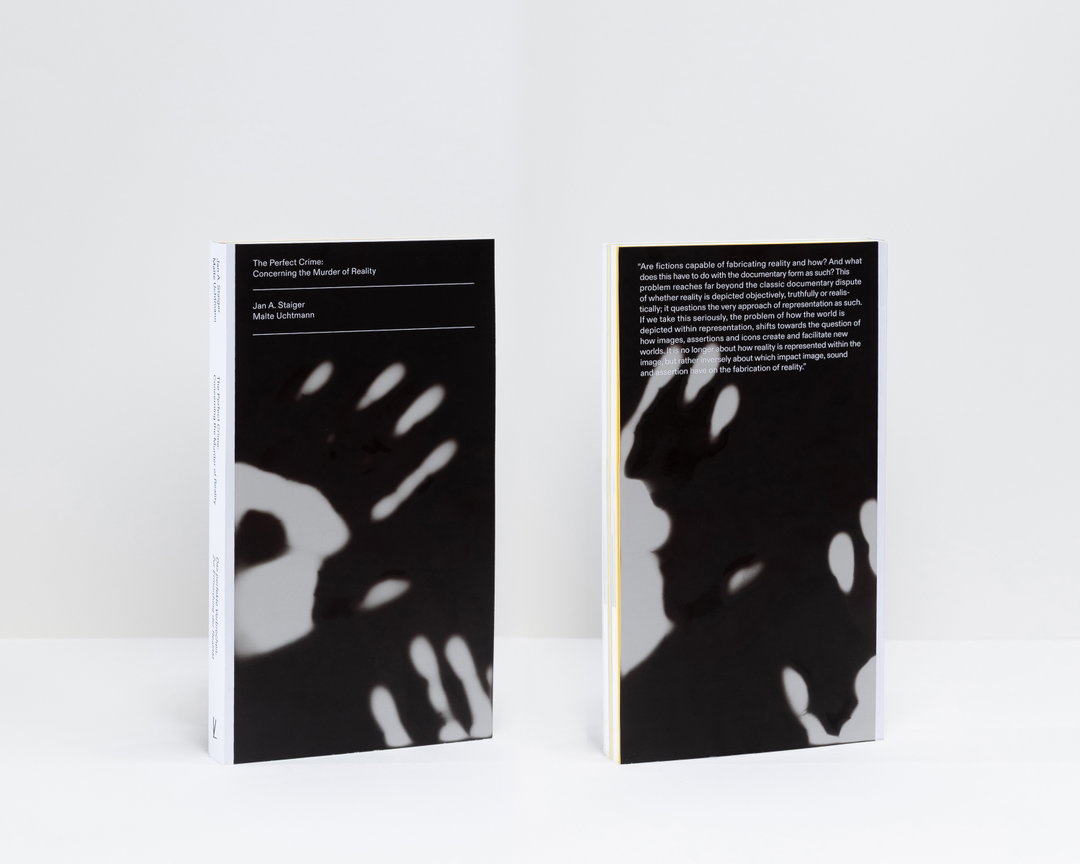
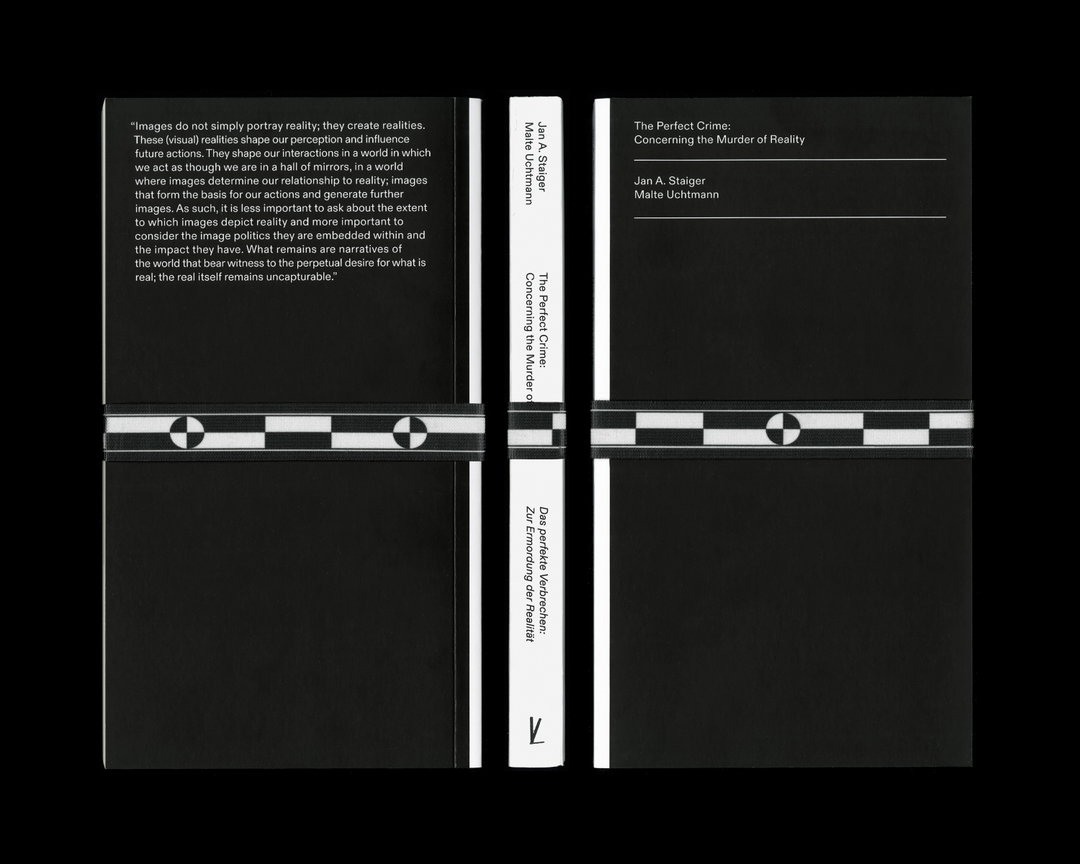
from documentary photographer Jan A. Staiger and media artist Malte Uchtmann – The Perfect Crime: Concerning the Murder of Reality – investigates these issues, featuring shots of crime sets, AI ‘mug-shots’, as well as a heat sensitive cover that leaves a handprint upon touch.
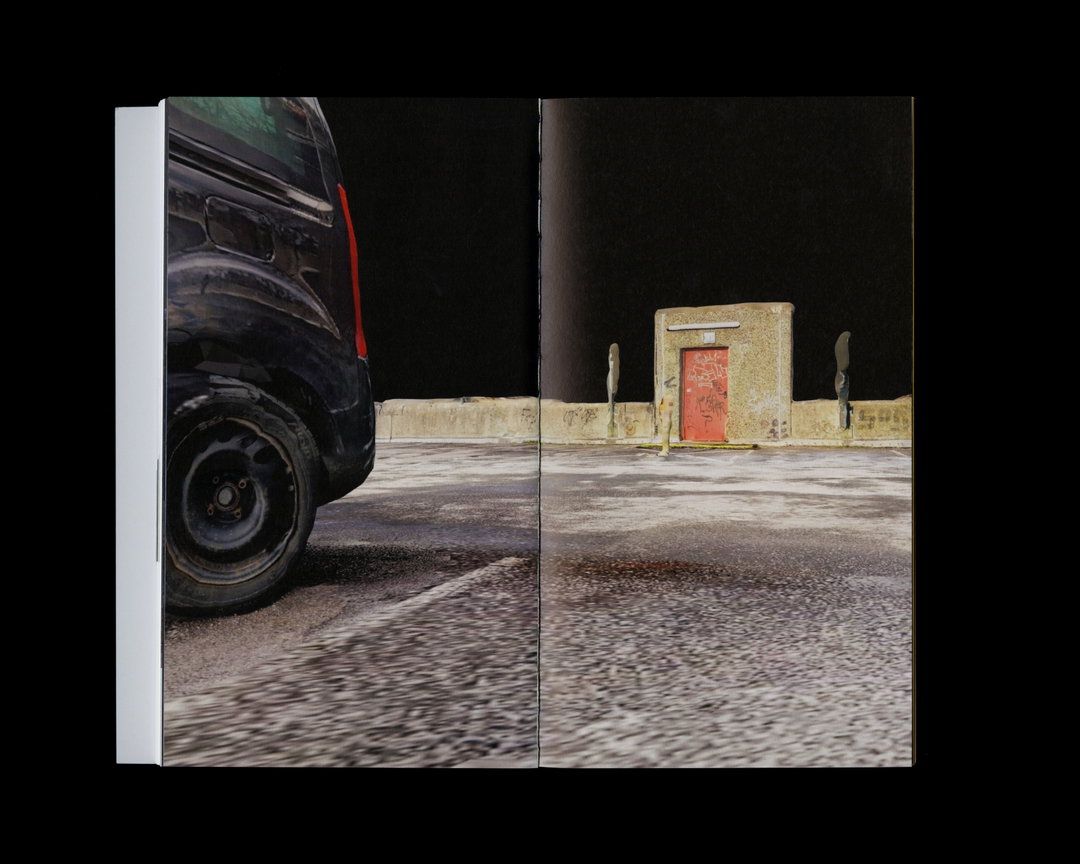
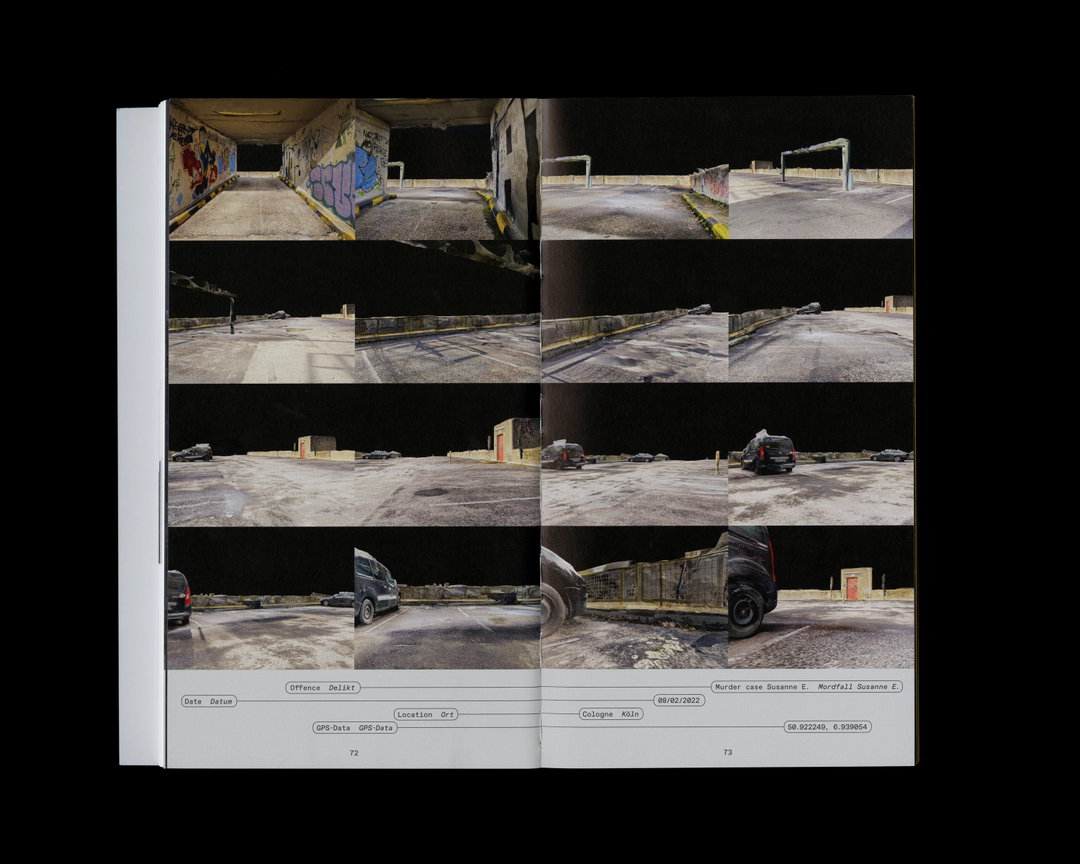
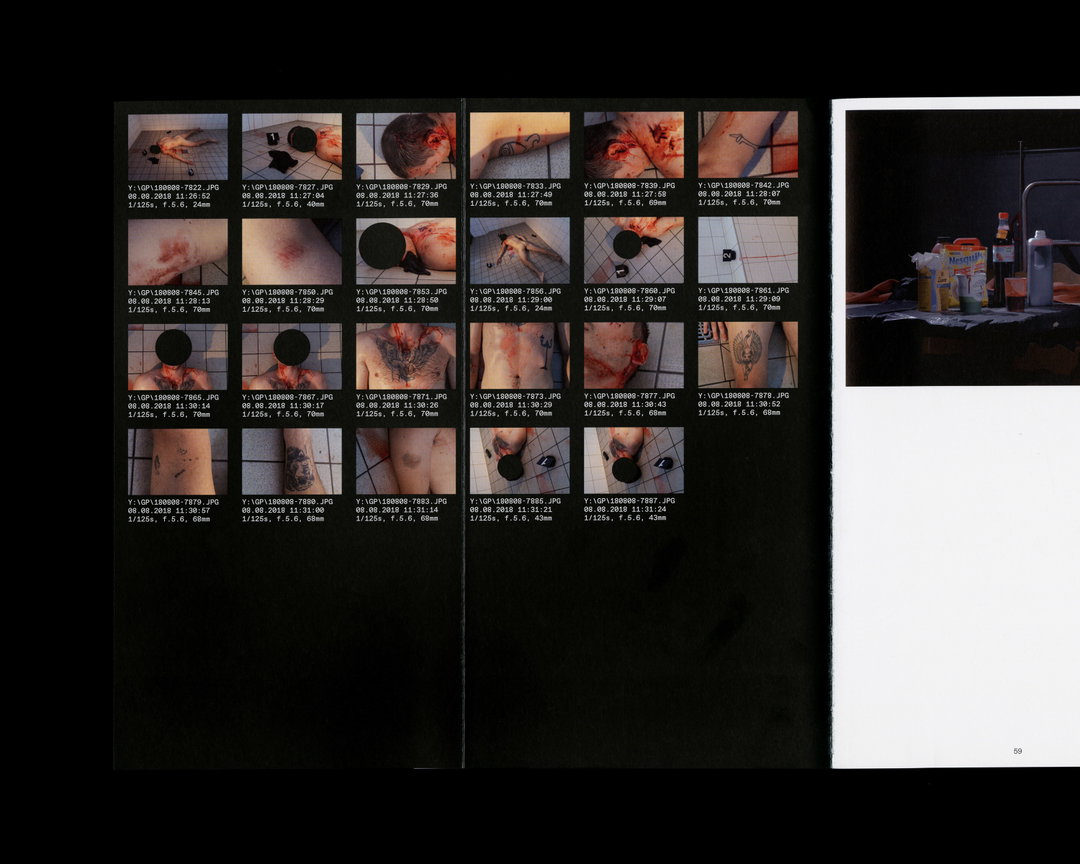
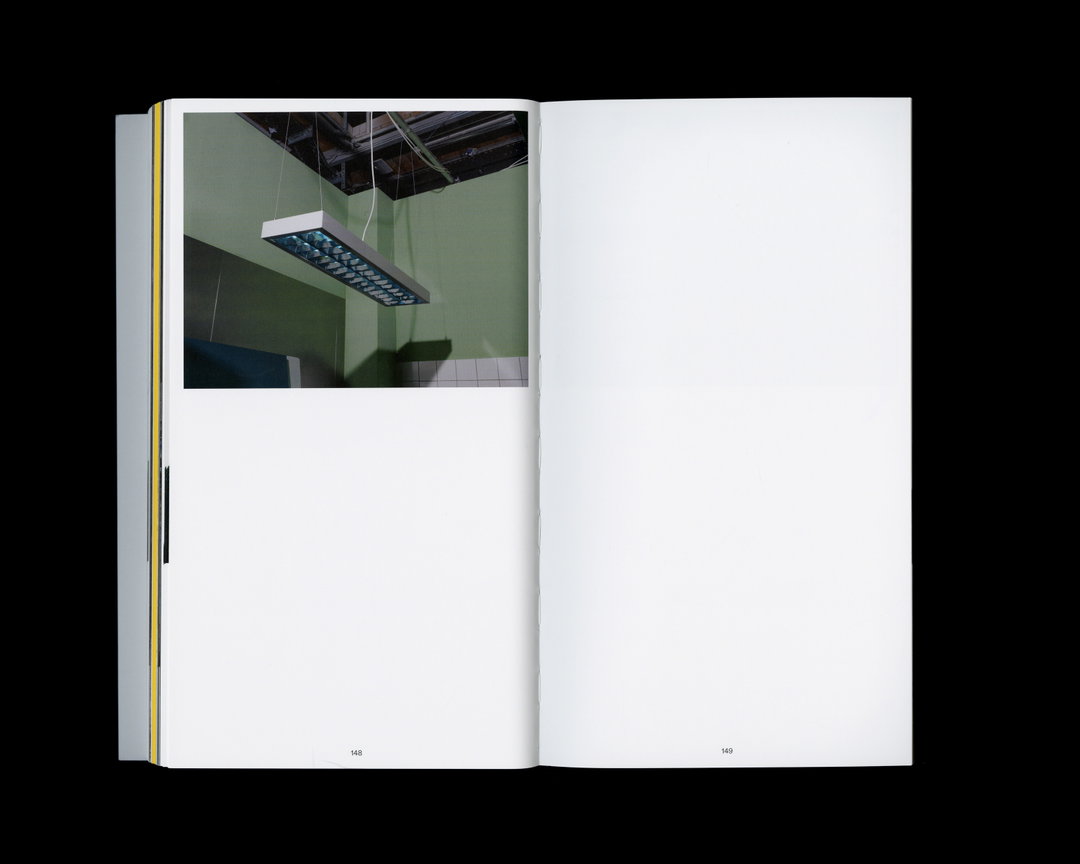
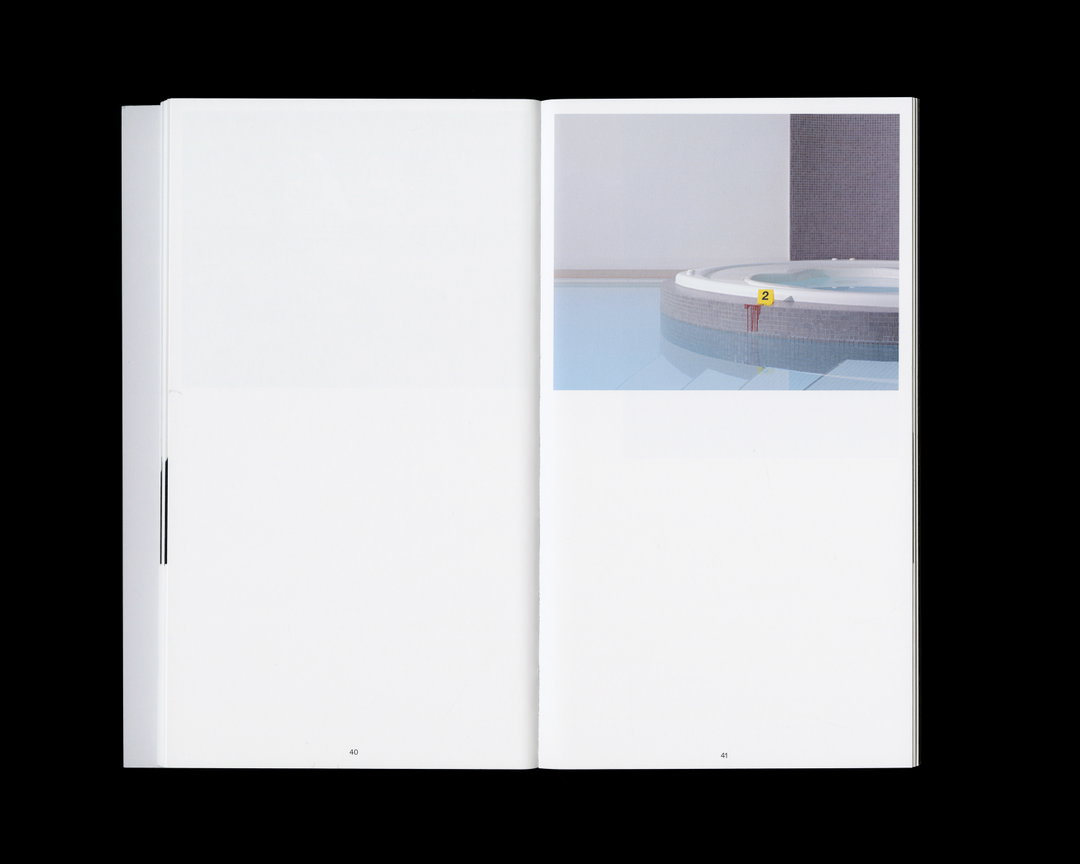
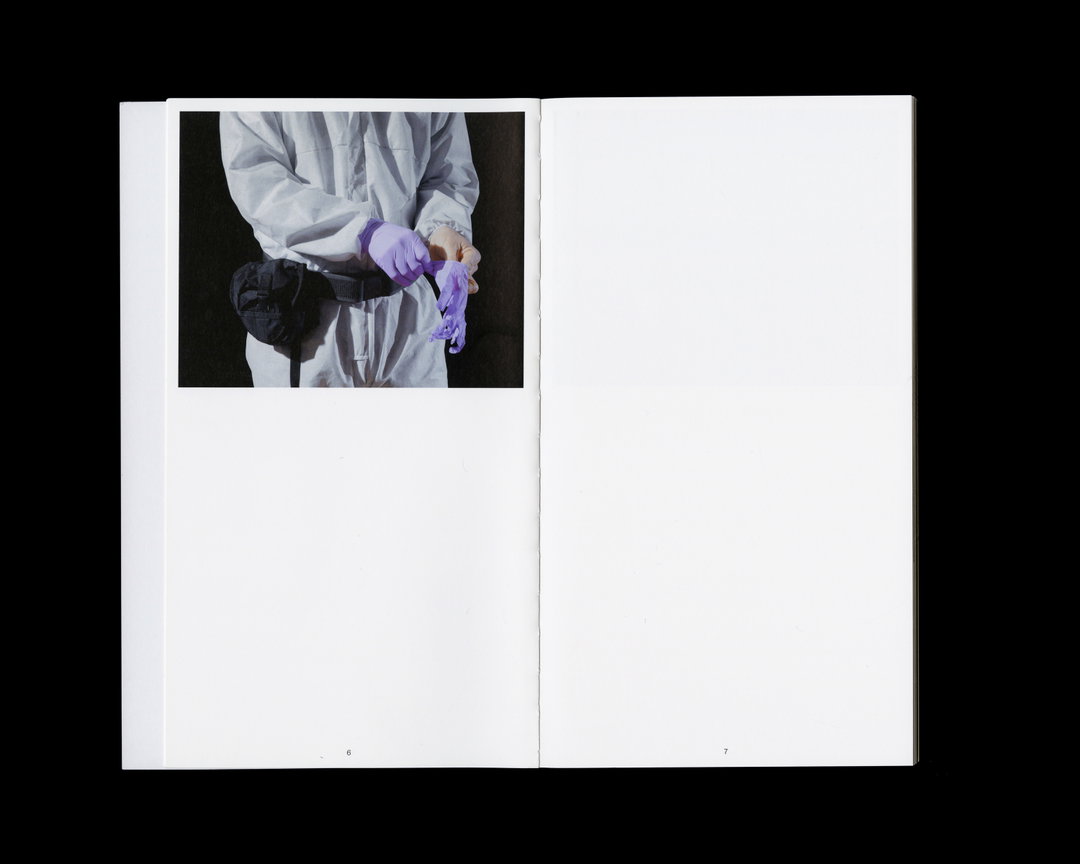
When approaching the project, Malte says he and Jan let themselves be guided by the strategies police use to investigate crime, but, rather than just mimicking them, to “visually interpret and speculate on those strategies”. Jan and Malte managed to make their way onto some crime TV film sets and in between the very tight schedule they managed to get shots of the scenes, allotted a few seconds after each cut in between the very strict production schedules. Visually, they tried to emulate classic crime scene photography, amping up the theatrics with artificial light. “By this over-staging of the scenery, we aim to cast doubt on the plausibility of what is depicted,” says Jan.
Jan A. Staiger / Malte Uchtman: The Perfect Crime (Copyright © Jan A. Staiger / Malte Uchtman, 2024)
The pair also encountered some interesting production methods; one shot shows a behind-the-scenes concoction of fake blood, using a mix of cacao, healing clay and strawberry lemonade. “It really shows how improvised things on sets often are with the quantity of episodes being filmed, the realism of a scene is often not very important, but the crew making the film are also guided by ideas and imaginations of how a crime scene may look,” says Malte. These images are featured in fold-out pages throughout the book, alongside embedded metadata to give a “factual” appearance, “reminiscent of a police archive”, the use of fold-out pages allowing viewers to decide if they want to see the sometimes violent images.
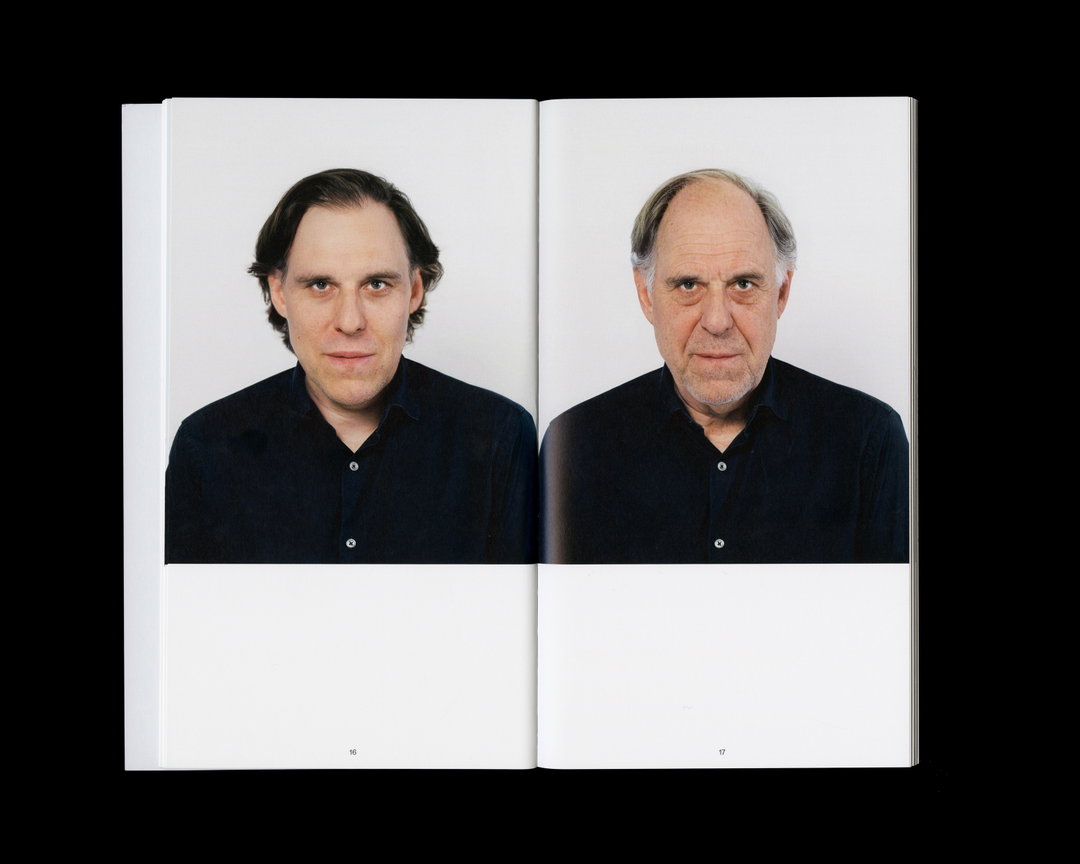
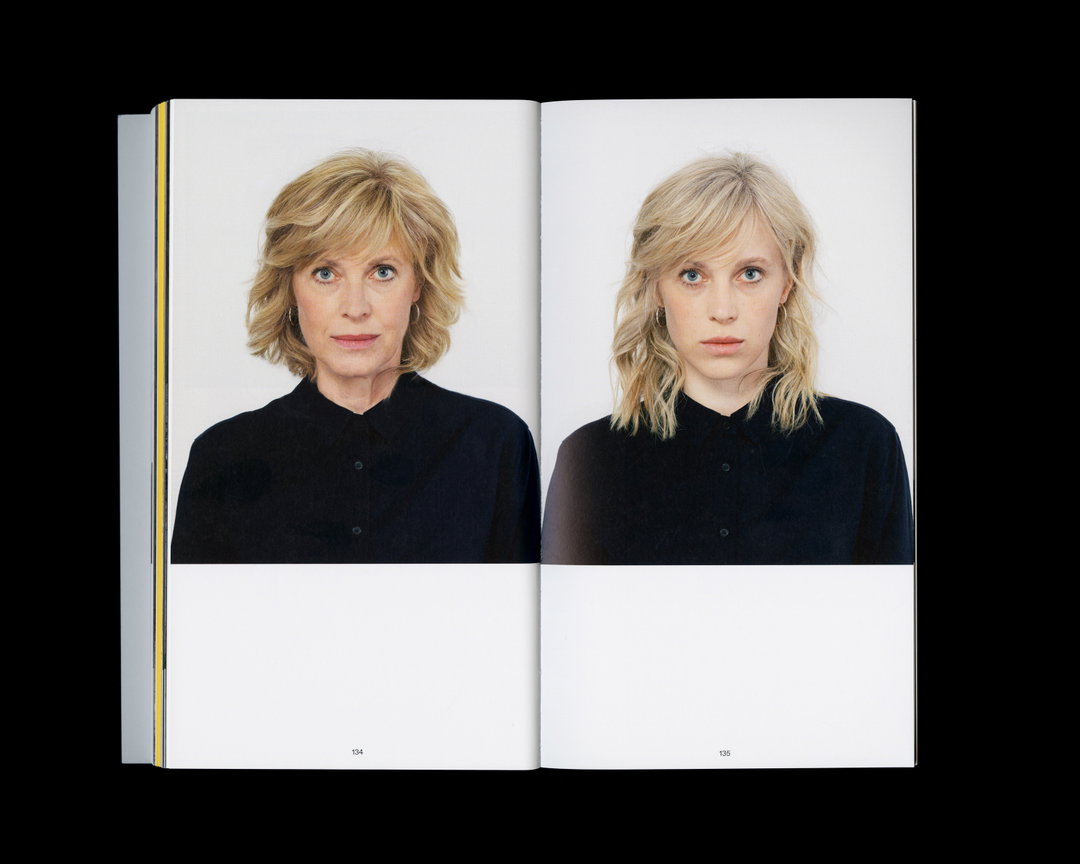
These studio images sit alongside a portrait series, in which Jan and Malte used AI to alter the appearance of various actors who have appeared as victims or perpetrators in crime series; hairlines recede, with fringes emerge, lines and wrinkles appear, and facial hair disappears. These portraits are used to both question historic instances of criminal categorisation, as well as concerns around modern methods of image making and alteration as seen in the rise of AI. “It is based on photographic approaches of Francis Galton and Alphonse Bertillon in the 19th century who used ‘mugshots’ for the categorisation and stereotyping of alleged criminals through their physiognomic features, to capture and pathologise what was seen as criminal behaviour,” says Malte. “These underlying assumptions of physiognomy also serve as the foundation of contemporary AI image training sets, reinforcing human categorisation on visual bias.”
The idea for a heat sensitive cover, which leaves fingerprints when reading, was sparked during a conversation with the pair’s former professor, Karen Fromm. It taps into the notion of leaving traces – a common thread throughout the book – and the physical implication of the observer. But it was no easy task. After weeks of research, it was achieved by applying thermochromic, heat sensitive ink on the cover through a silk screening process. The effect is brilliant – adding to the uneasy quality of the book’s contents, and mirroring the sort of visuals we have come to associate with reactions of fictionalised crime.
Overall, Malte and Jan want the book to bring the vast swathes of fictionalised crime TV out of its “deep sleep”, says Jan. “We have become so replete with those kinds of visual representations that there seems to be hardly any room for reflection on the potential impact of being exposed to the latter on such a frequent level,” he continues. “In German society, for example, the perception of safety and crime plays an important role in legitimising political decisions, such as state control and regulatory intervention in the behaviour of individuals.” These topics are explored further in the book, through articles written by Karen Fromm, and sociologists Adlo Legnaro and Andrea Kretshmann.
GalleryJan A. Staiger / Malte Uchtman: The Perfect Crime (Copyright © Jan A. Staiger / Malte Uchtman, 2024)
Hero Header
Jan A. Staiger / Malte Uchtman: The Perfect Crime (Copyright © Jan A. Staiger / Malte Uchtman, 2024)
Share Article
About the Author
—
Olivia (she/her) is associate editor of the website, overseeing the day-to-day editorial projects as well as Nicer Tuesdays events. She joined the It’s Nice That team in 2021. [email protected]
To submit your work to be featured on the site, see our Submissions Guide.