



Xsolla (the biggest gaming company you’ve never heard of) gets a retro-futuristic identity from Pentagram partners
Xsolla remains tragically overlooked, but as Luke Powell and Judy Hudson-Powell tell It’s Nice That, what the company needed was a strong identity rooted in UI and gaming worlds – and that’s what it got.
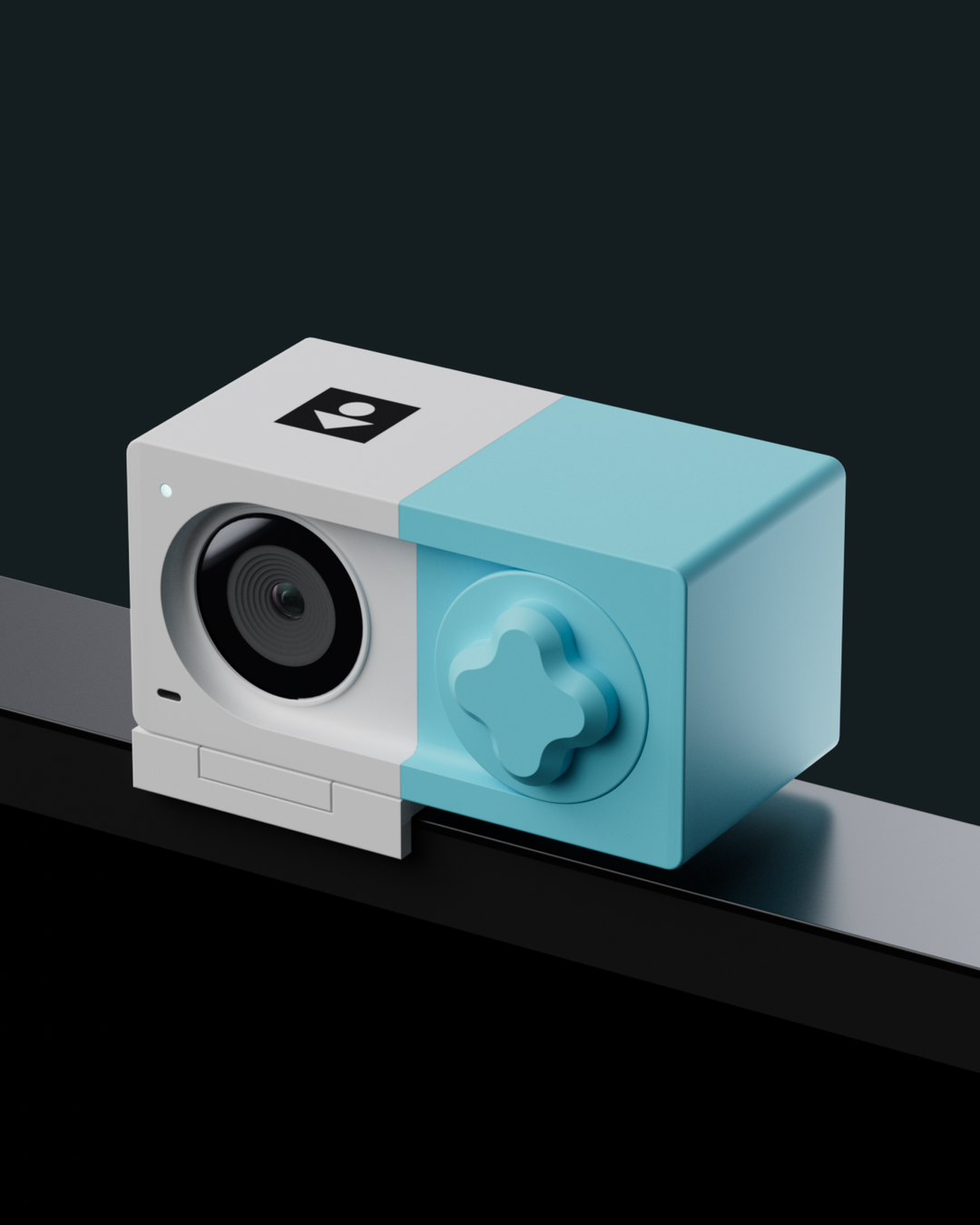
Even for avid gamers, Xsolla is probably the biggest gaming company they’ve never heard of. Pentagram partners Luke Powell and Jody Hudson-Powell have set out to correct that. The business is built around digital payment technology, from technical infrastructure to B2B gaming clients, Xsolla has expanded across digital storefronts, analytics, templates and support, becoming visible through gameplay aesthetics, such as in-game currencies, cosmetic customisations and achievement badges. This isn’t merely a start-up of a single product, they’re a universe that needs a brand that could tell this story. The design duo looked at the gaming world and art form, which is an immersive visual culture in of itself and pulled out its best qualities, namely authenticity.
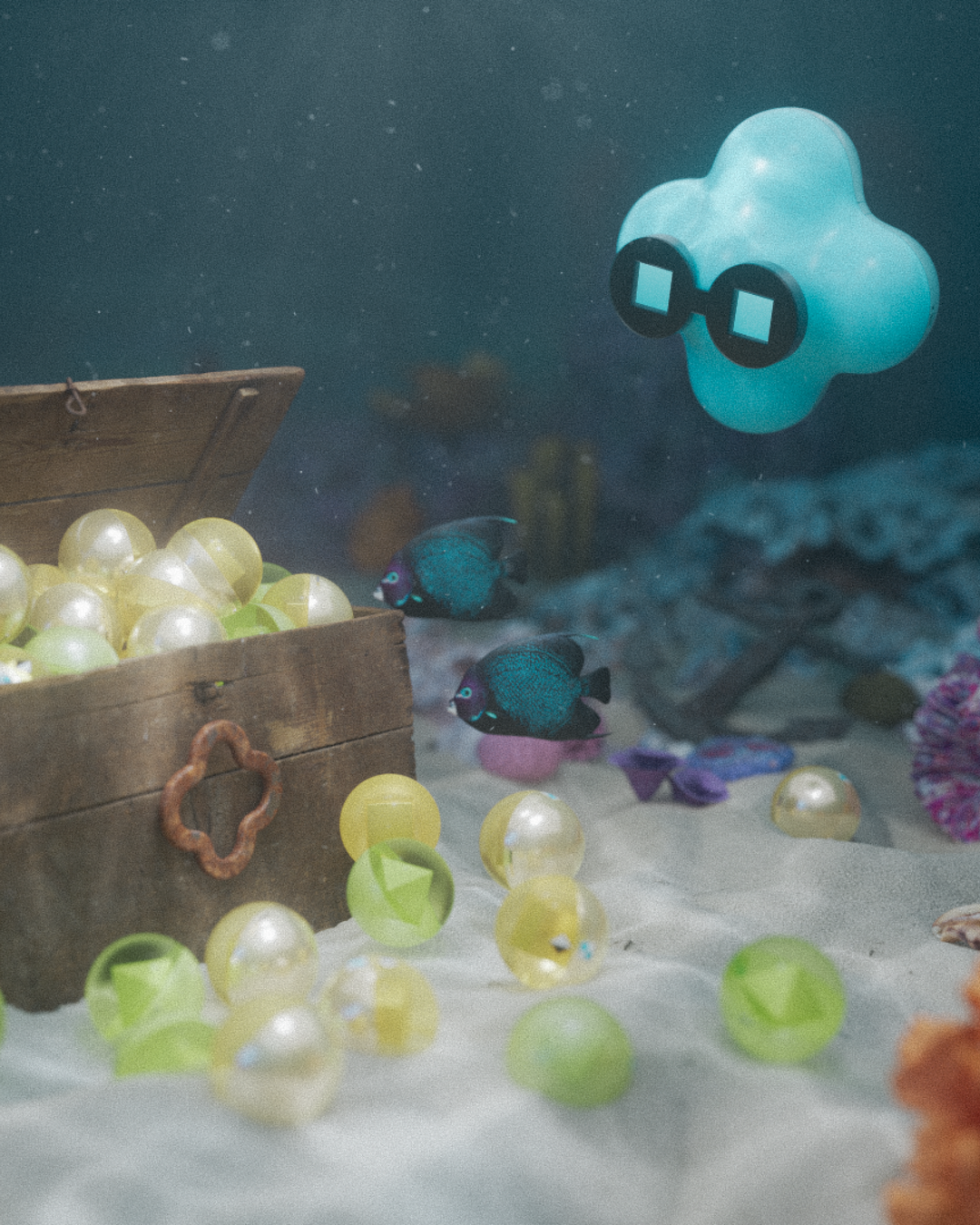
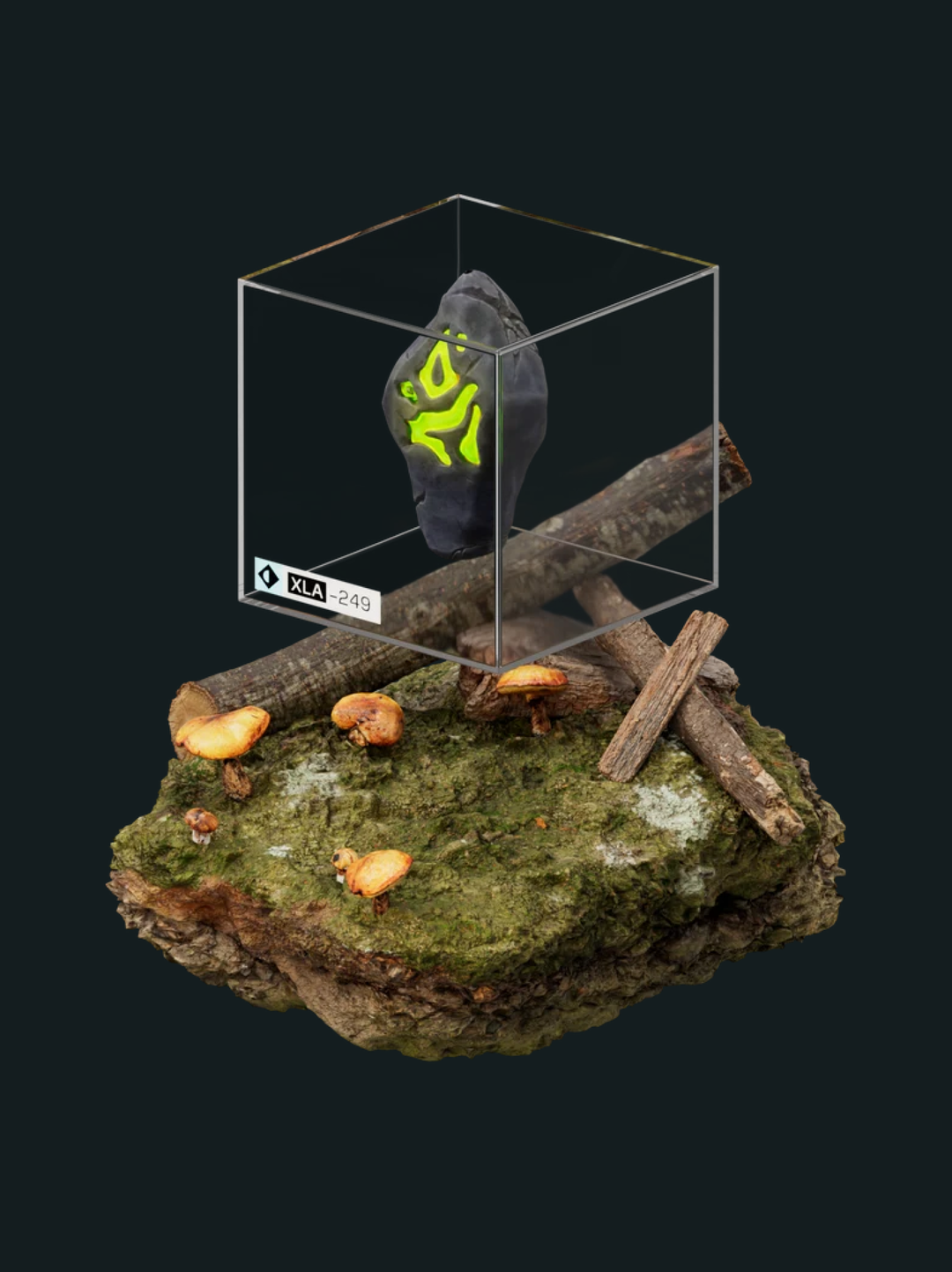
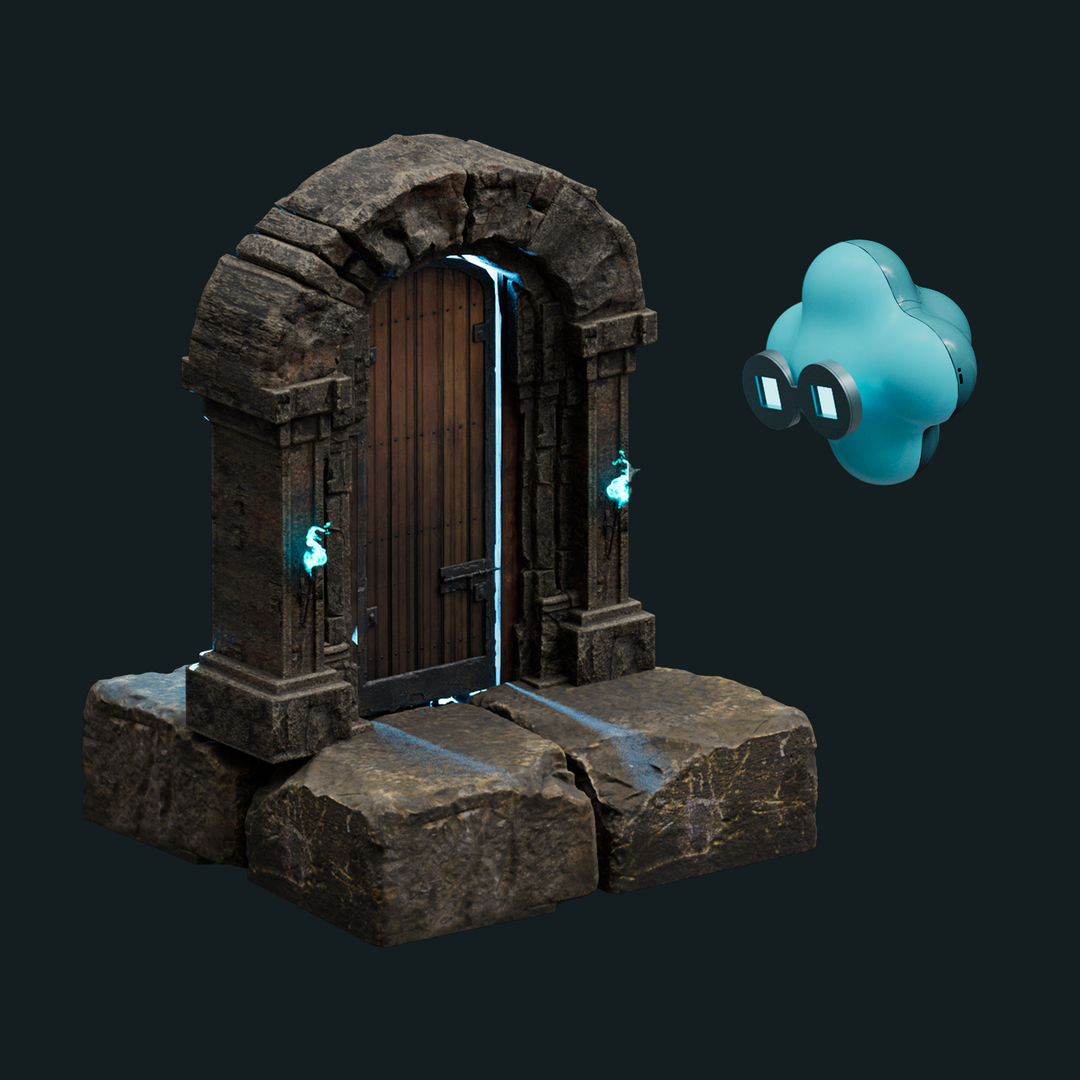
The brief was: ‘How can we communicate all the different things we (Xsolla) do, to a split business and consumer audience; both fitting in, and standing out within the visually noisy gaming environment?’ Working with brand author Saundra Marcel to define the strategic narrative of Xsolla, the slogan became simply: ‘All the things.’ Introducing, the Xsolla Archive, a liminal space where all gaming artefacts are stored – Luke and Jody filled this out with recurring systems that communicated this narrative. Xsolla’s mascot is a little bubbly star of sorts, plucked straight from a Frutiger Aero-esque vision of a utopian digital world, the ones that we often see inside now retro console interfaces, like the Wii or Playstation 3.

Luke Powell, Jody Hudson-Powell, Pentagram: Xsolla (Copyright © Pentagram, 2026)
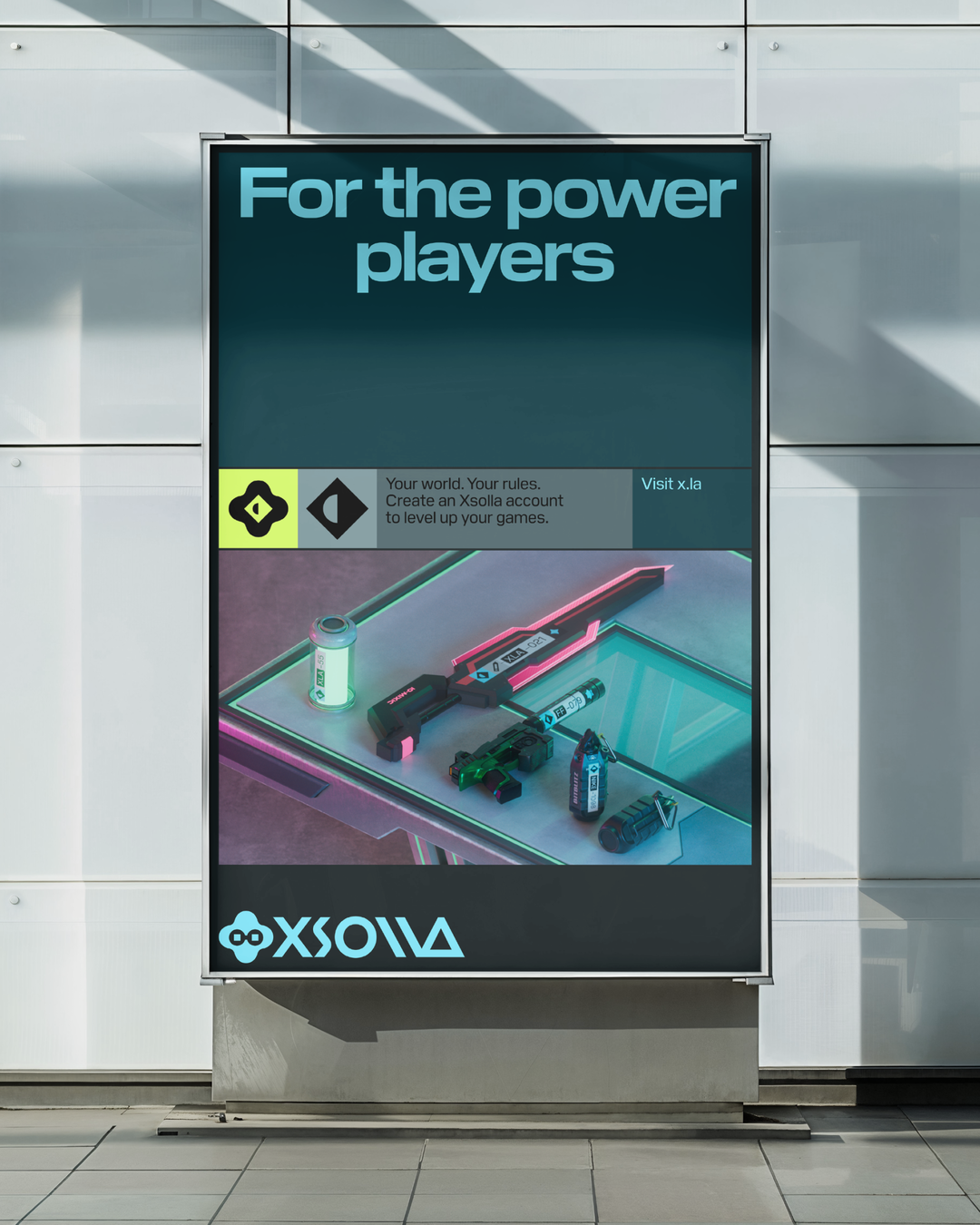
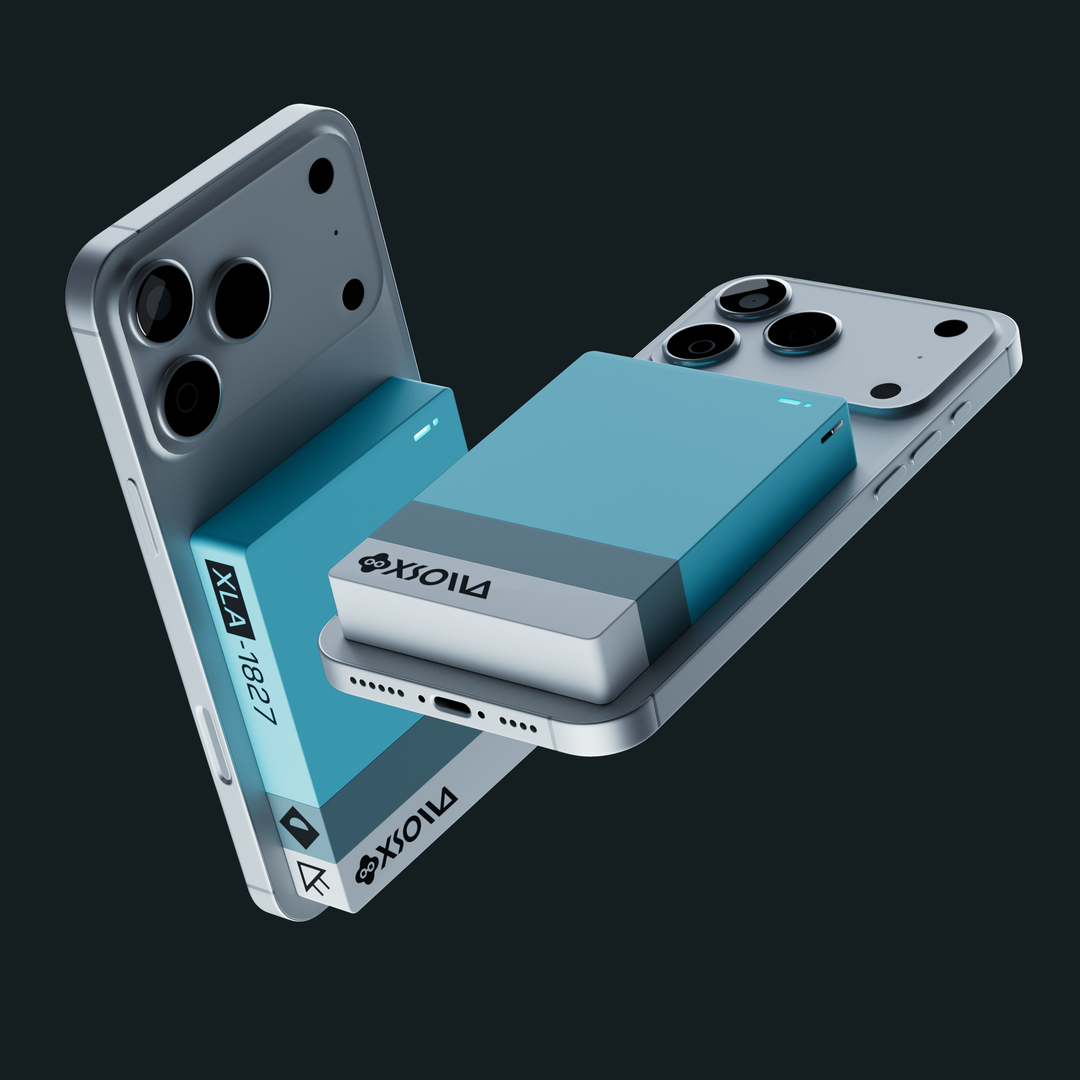
“We used a skeuomorphic technique to invoke a sense of dimensionality and space in the assets we created. For example, if items in the Xsolla Archive are narratively placed in glass boxes: when you see these items in a 2D UI grid, the grid is made to look like the glass boxes. The narrative of the space is maintained as much as possible,” says Jody. “But for the most part, our assets are 3D because they’re actually 3D [...] Every Xsolla experience should feel like you’re in the Xsolla Archive. We need customers to learn this world, its narrative and its rules. So it makes sense to show it as true-to-‘life’ as possible,” adds Luke.
Animation brings Xsolla to life, and it’s what gaming audiences expect when they’re encountering video gamey aesthetics. Plenty of brands employ mascots, from Discord to Reddit, so Xsolla needed an emotive and expressive personality that set itself apart. Because Xsolla is a technology brand, not a game developing company, the mascot, named Sol, had an animation palette that felt closer to a behavioural UI, much like a Google Assistant, but not as annoying as the infamous Clippy, more so helpful, visually functional and endearing. Let it be known, you do end up wanting a little Sol plushie or your own glassy star merchandising after getting acquainted with it.
Luke Powell, Jody Hudson-Powell, Pentagram: Xsolla (Copyright © Pentagram, 2026)
The project is still ongoing, especially the “sophistication of the brand narrative,” says Jody. The duo were supported by area-specific practitioners, such as Obelisk in sound design, Variable in programmatic tools and Daniel Kozma and POV for web and UI design. Xsolla’s labelling system serves the narrative purpose of being the archive’s taxonomical system, the functional purpose of making the Xsolla platform searchable and accessible is through the recognisable graphics within its 3D illustrations, which give structure and hierarchy. Essentially, the team’s extremely strong and pleasant identity is not just inviting, but core to simplifying the vast potential of Xsolla which may intimidate newcomers, as well as laying a clear path for Xsolla’s brand in wider culture.
The spirit of other game worlds is the foundation for the continually evolving project, to accentuate the feelings of familiarity users can have, but also another reference were cinematic sci-fi worlds, like the ones seen in 2001: A Space Odyssey or George Lucas’ debut film THX 1138. Most interesting about Xsolla is the goal of it being identifiable as “future technology” as Luke puts it, but “not locked into an overly stylised aesthetic that would age.” So rarely do we see visions of the future in our cultural art, but it makes sense for the tech world to lead new ideas of physical and digital worlds. Not over-stylised, but bold, equal parts retro and progressive, Luke and Jody (and the wonderful team behind them) make sure Xsolla is not just known to audiences, but remembered.
GalleryLuke Powell, Jody Hudson-Powell, Pentagram: Xsolla (Copyright © Pentagram, 2026)



Hero Header
Luke Powell, Jody Hudson-Powell, Pentagram: Xsolla (Copyright © Pentagram, 2026)
Share Article
About the Author
—
Paul M (He/Him) is a Junior Writer at It’s Nice That since May 2025. He has a strong interest in graphic design, digital kitsch, multimedia painting, collage, nostalgia, analogue technology and all matters of strange stuff. pcm@itsnicethat.com
To submit your work to be featured on the site, see our Submissions Guide.