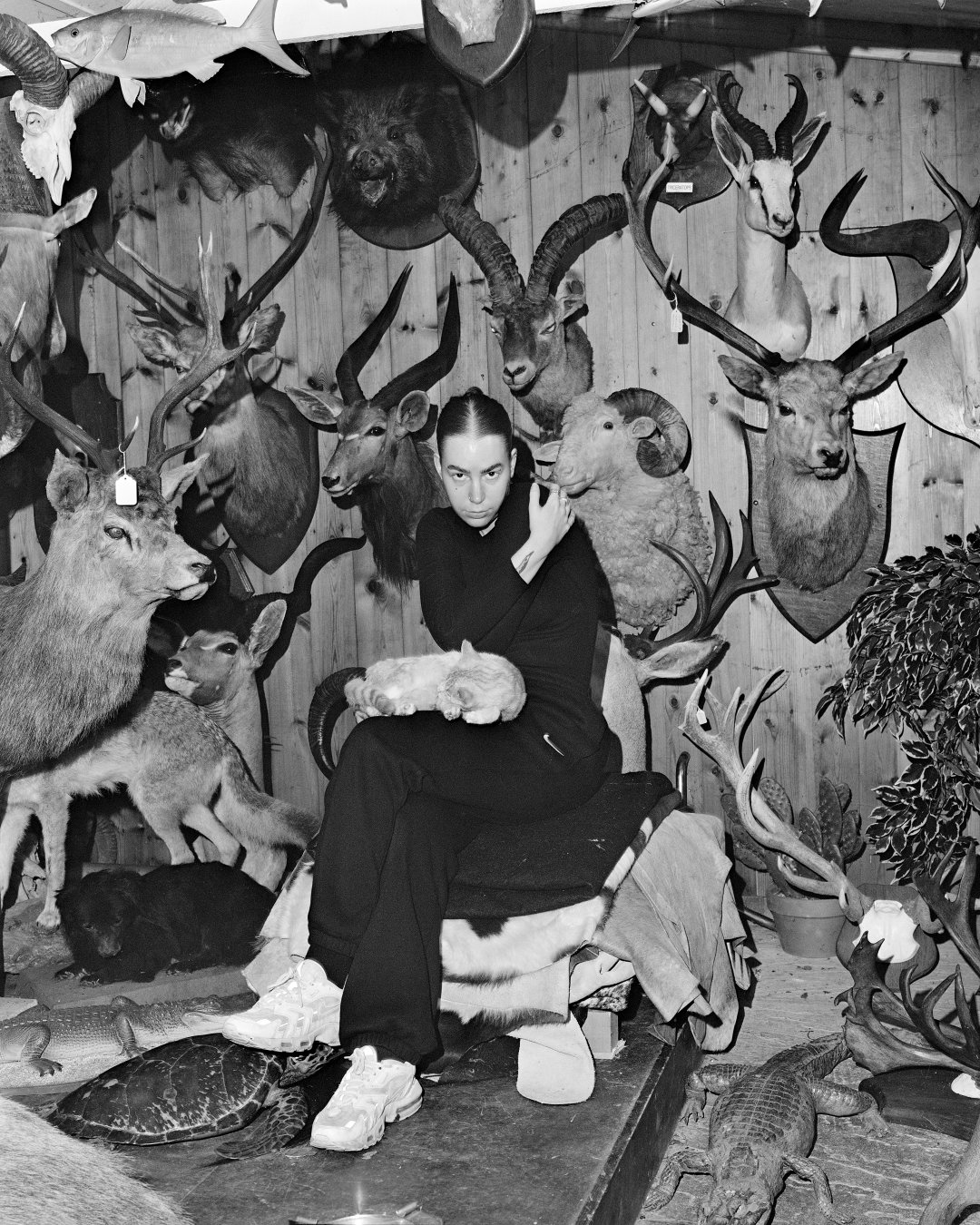
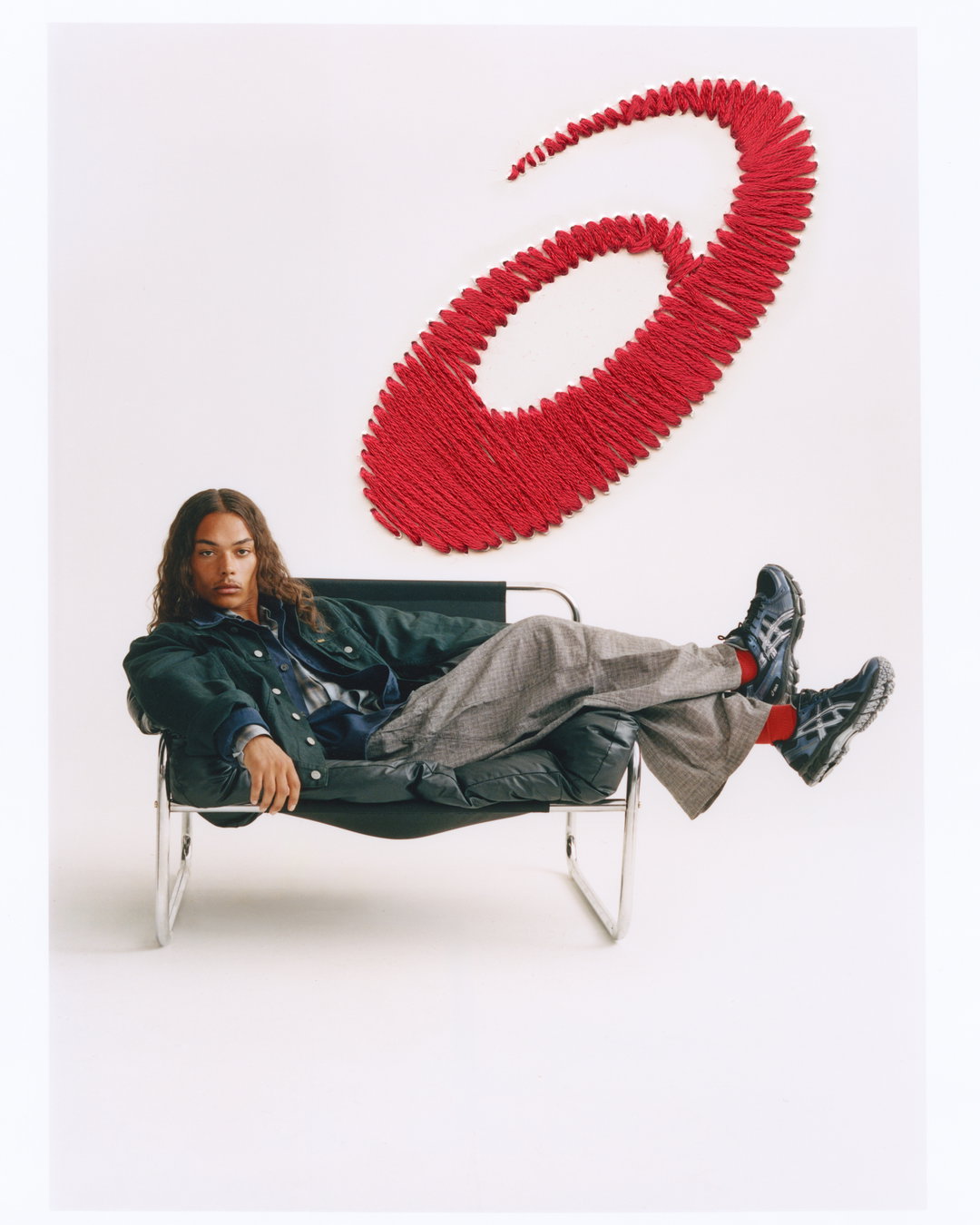
With a mix of subjects that are always composed, Lyndon French approaches photography with variety
Mixing various subjects and styles, Lyndon French's portfolio shows how trying out what feels right to you photographically is the ideal approach to the medium.
The first photograph we saw of Lyndon French’s was a portrait of Obama. Naturally, we were pretty impressed with this as a viewer, but it was Lyndon’s ability to capture him so effortlessly that intrigued us the most. In the photograph, Obama is almost covered by a blurred out crowd over half of his profile, brought into view with Lyndon’s smartly focused lens. With just a crack of a smile, it makes for one of the greatest portraits of the former president we’ve seen. It’s also the introduction to a portfolio which mixes portraiture, documentary and still life in a way that makes total stylistic sense.
Now based in Chicago, Lyndon originally came across photography via his older brother who was taking a few classes at Oakland Community College in Michigan. Encouraging Lyndon to do the same, under the guidance of his tutor, Rob Kangas, he picked up a basic understanding of processing, printing, camera operations and lenses. Then documenting his friends around Detroit “bicycling and a lot of graffiti culture,” photographing was “all for fun” until he saw Bruce Davidson’s Subway. “The ‘a-ha’ moment that got me into pursuing photography as a career… That’s when I decided to get my BA.” Then moving to Columbia College Chicago, Lyndon began a career of dipping and diving into the numerous tangents the medium has to offer.
Now describing his work as functioning “between portrait and documentarian photography, documentarian used in a pretty loose sense,” Lyndon’s portfolio, as shown below, is a composed jumble of photographic subjects. In general, you can see him flit between portraits, longer documentary series – such as excursions to the Iowa State Fair or organised fires in Nachusa Burn – or more still-life orientated shots. Due to this mix, settling on a title is something Lyndon grapples with, describing himself as “not a straight documentarian photographer, but I use certain aesthetics from that type of work to help facilitate a story,” while also not connecting to that title “because I’m continuing to look for ways to further how different genres function with each other.”

Lyndon French
By jumping between different genres of photography across his portfolio, viewers will see various tiny details which impact Lyndon's approach. Factors such as “blurring the lines, getting tight details, pulled back wide, to filling an image with a subject,” are each part of his repertoire, “all to tell stories with a new perspective”. This mix also reflects how Lyndon still feels about photography as his craft too, explaining that: “When you look at a photographer’s body of work, one whose mastered their craft, or comes close to it, you can see what their interests are, what they’re into, how they view the world from their perspective. I don’t think I’ve reached that point just yet… haha,” he tells us.
Therefore Lyndon likens his photographic process to shooting “things that have presented themselves to me in the past,” and utilising the act of photographing to “revisit them time and time again, and presenting them in new ways”. As a result the subjects he touches on are as vast as his style choices, looking photographically at “the things in my life, midwest culture, house music, graffiti, car culture, blue collar, camping, etc.” Attempting to “establish a common ground” or gage the interests of a subject is also an approach of Lyndon’s when shooting portraits too, even if it’s something unlikely which will bond them during the shoot. “For example, I recently photographed a celeb who was shy. I’m fairly shy, and the subject and myself related on shyness, and discussed how a shy person navigates a celebrity life.”
Although making all kinds of work in his practice, working as a photographer in any genre of the medium has been difficult recently due to Covid-19. Yet, Lyndon has still paved the way to something new, currently in the “exploring stages seeking a new project,” he says. Taking short excursions out to make some landscape photographs, it's a subject he's always wanted to explore. “I’m not sure where it’s going to go but I feel good just being able to leave and drive, very American of me, ha.”
Now trying his hand at something new yet again, Lyndon's sentiment towards the medium, and his want to explore it, is making for brilliant work – that which features a number of elements, but looks like him as a whole. The photographer concludes: “The best thing about being a photographer is being able to explore, find things, new and old, and figure out a way to tell them from your view point,” which sums up a perfect explanation of his portfolio.
GalleryLyndon French


Hero Header
Lyndon French
Share Article
Further Info
About the Author
—
Lucy (she/her) was part of the It’s Nice That team from 2016–2025, first joining as a staff writer after graduating from Chelsea College of Art with a degree in Graphic Design Communication, eventually becoming a senior editor on our editorial team, and most recently at Insights, a research-driven department with It’s Nice That.