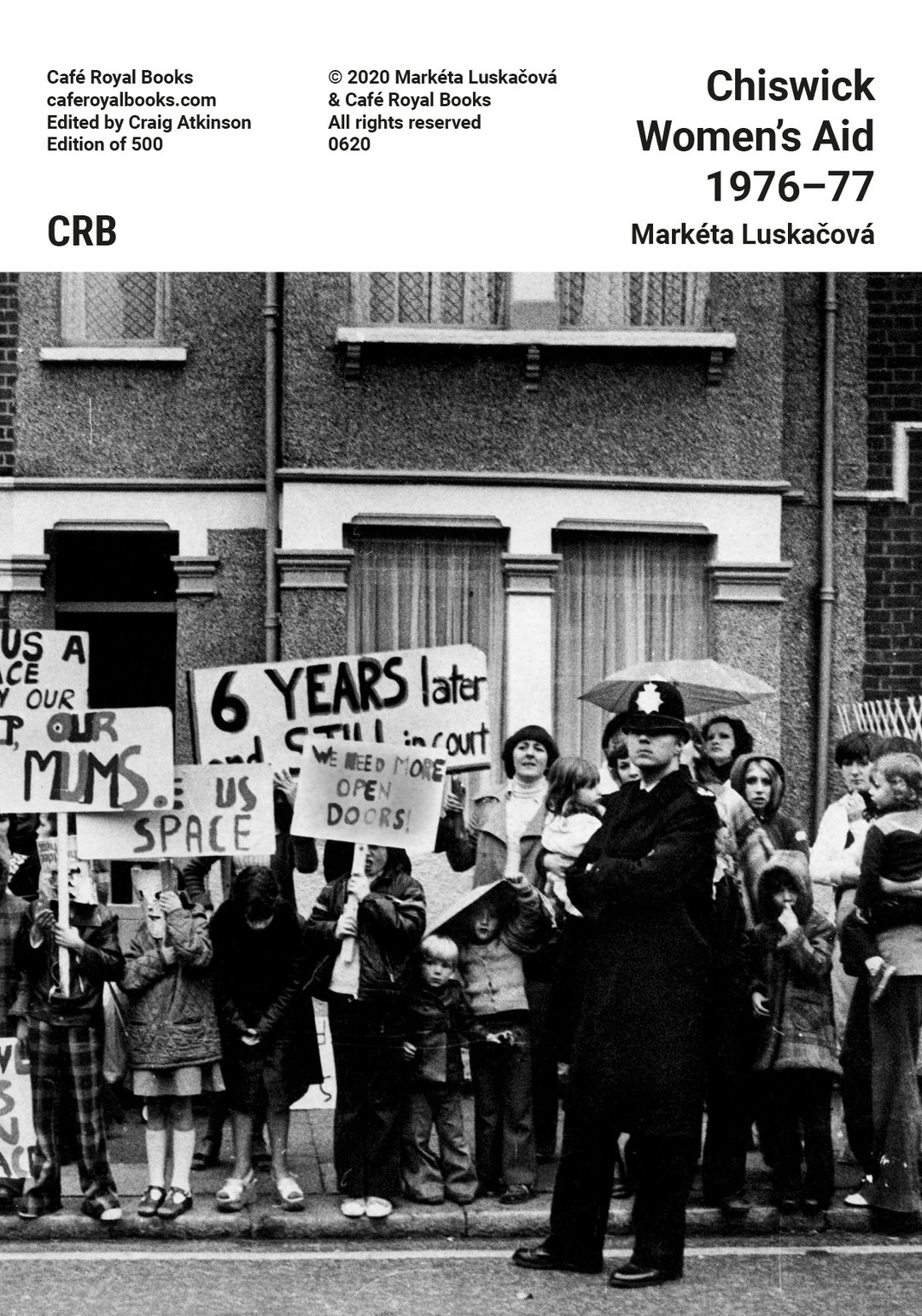
Markéta Luskačová’s Chiswick Women’s Aid 1976-77 is finally brought to light after 44 years
After going “out of fashion”, the series – now published by Cafe Royal Books – has remained unseen for nearly half a decade. But now, it has more pertinence than ever.
After leaving Prague for London in 1975, Markéta Luskačová became a nominee of Magnum the following year, and was tasked to produce her first story, with plans for it to be distributed in 12 countries. That story was Chiswick Women’s Aid 1976-77 – the focus point to a new book published by Cafe Royal Books – but what’s remarkably surprising is that these pictures were never published, and were left unseen for over 40 years.
“I thought the publicity could help these women and children living in extremely difficult condition,” Markéta tells It’s Nice That, who spent two years documenting the asylum and stories found within. At the time, Markéta was pregnant – with Matthew Killip, to be exact, who we spoke to earlier this year alongside his father and Markéta’s husband, Chris. “I also hoped the fees from the publication of the story would give me financial security for the first year of my child’s life. I photographed in the shelter for several months and, after I finished, I printed the 12 copies of each picture, which Magnum required – a week before my son was born. But about six months after I sent the photographs to Magnum, I received a letter from their secretary. She wrote: ‘Sorry, the story is out of fashion.’ None of the magazines Magnum distributed it to published the story.”
With the pictures finally brought to attention, what we’re baring witness to in this present day is an astonishing collection of imagery from a moment of suffering and support. Markéta is a gifted photographer who in fact studied Sociology of Culture at Charles University in Prague in the 60s. Apt, for her desire to understand the world around her certainly protrudes throughout her photography practice. “I became interested in photography as a way to understand life,” she continues, spending her free afternoons after lectures in the Library of the Museum of Decorative Arts, reading “anything and everything on photography”. It was the work of American photographers like Dorothy Lange and Walker Events – those from The Farm Security Administration – that became the starting point for her interest in the medium, and those who ultimately helped her decide to pursue it. “From the beginning, I became aware of photography as a powerful tool for remembering – a weapon against forgetting.”
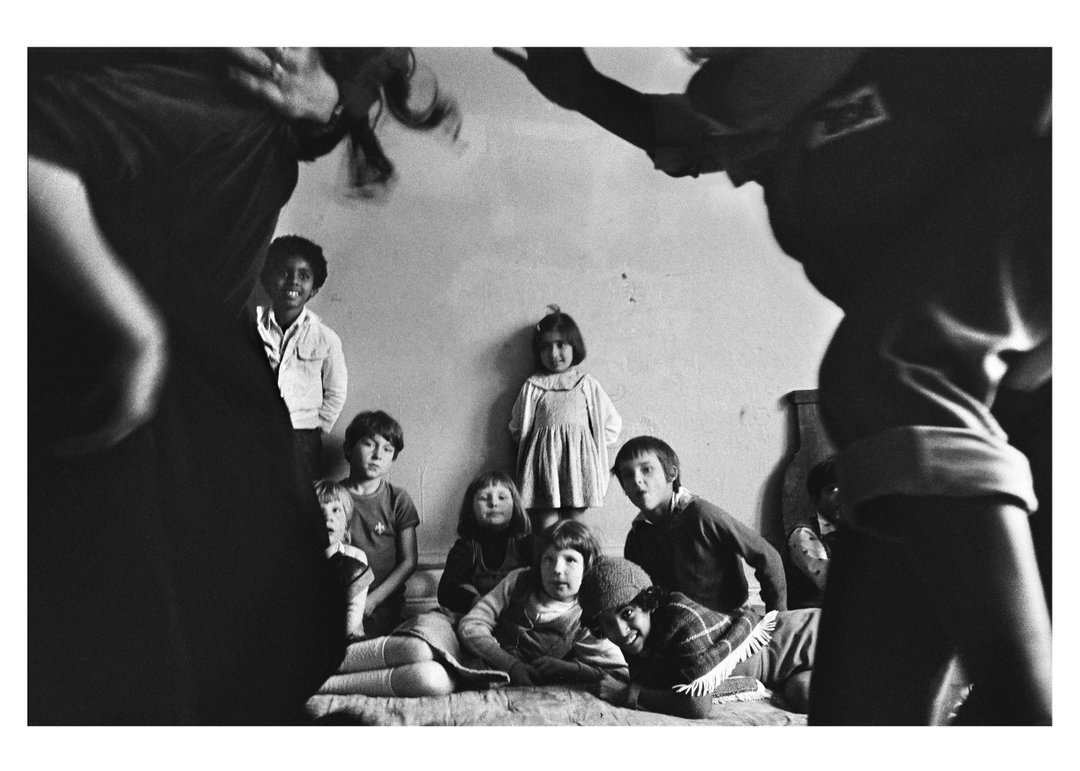
Markéta Luskačová: Chiswick Women’s Aid 1976-77
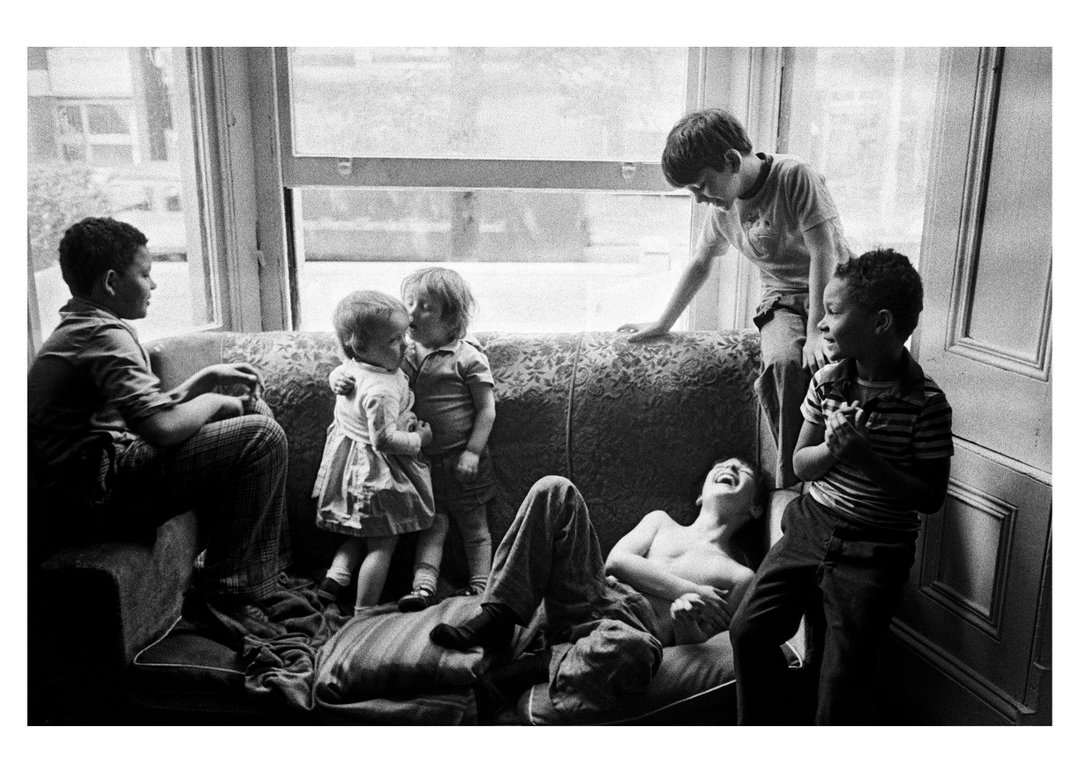
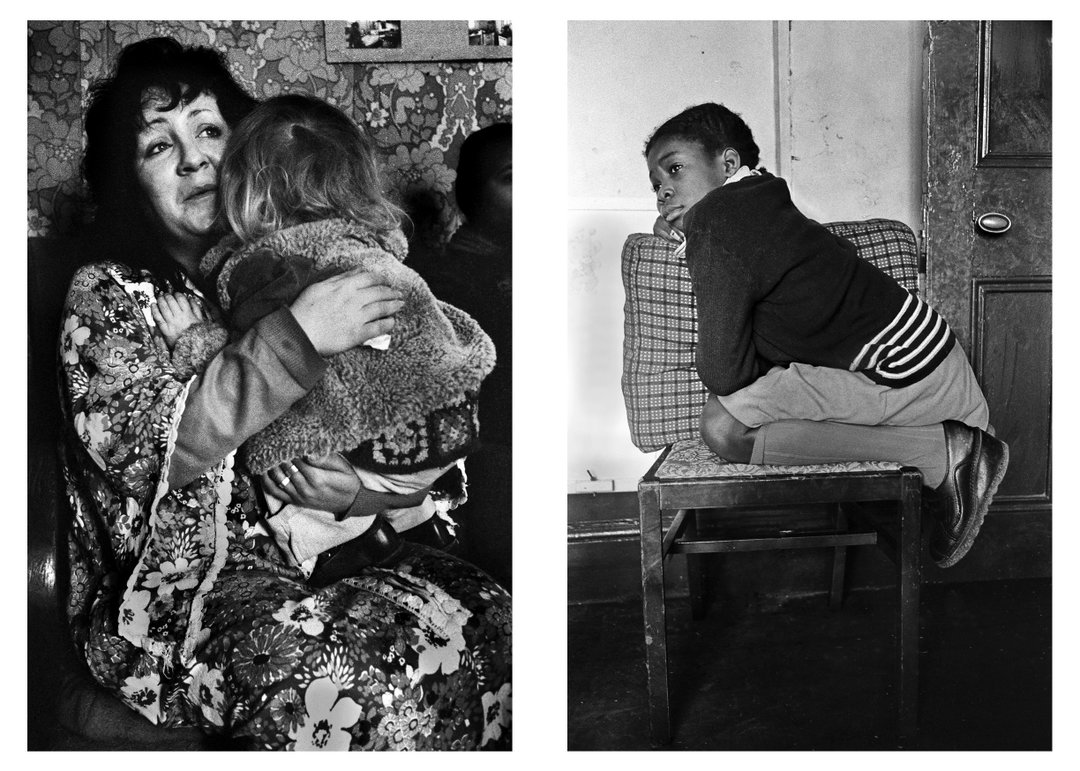
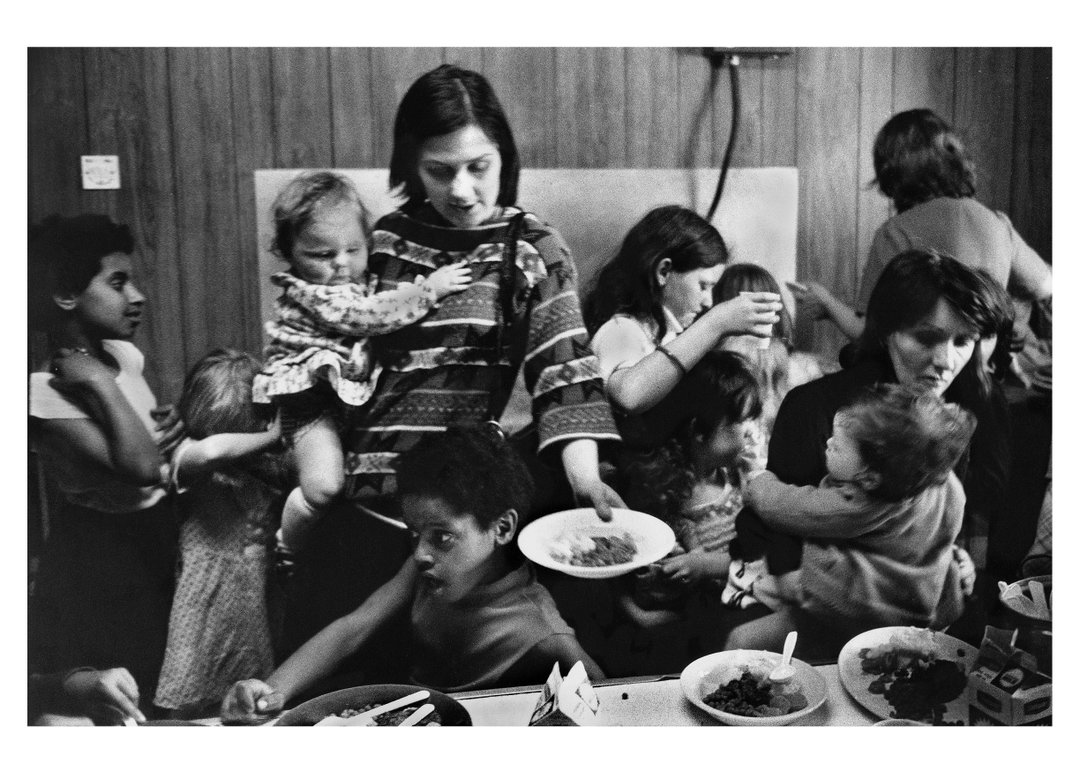
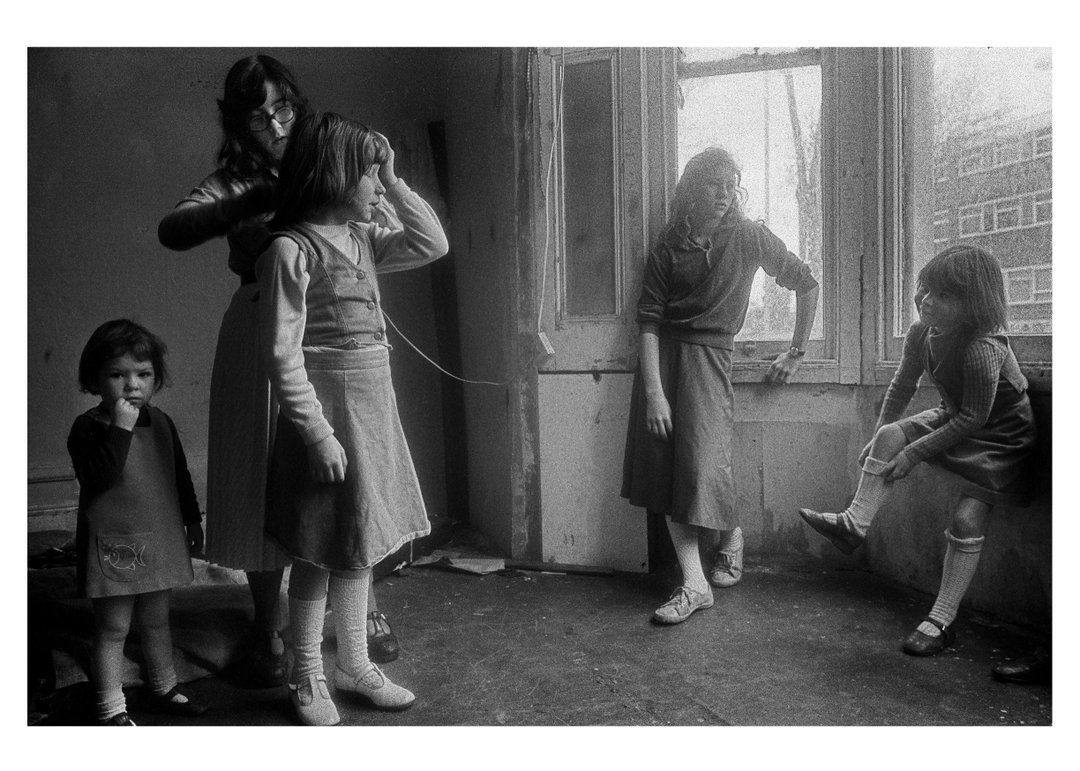
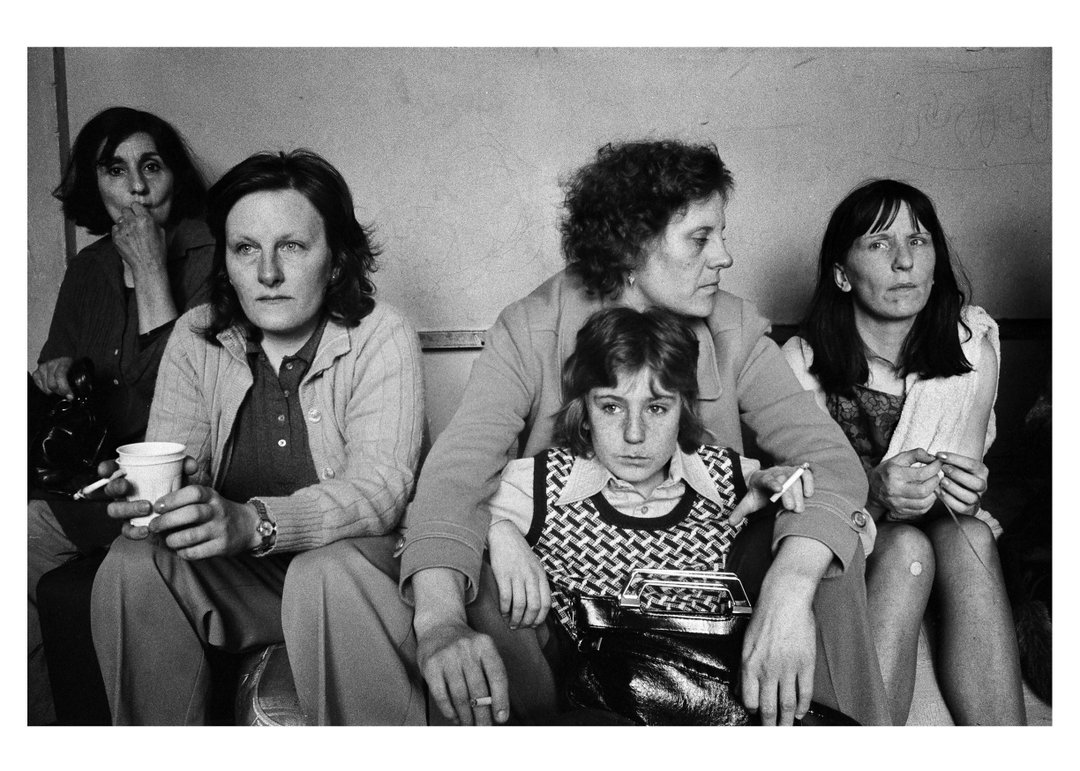
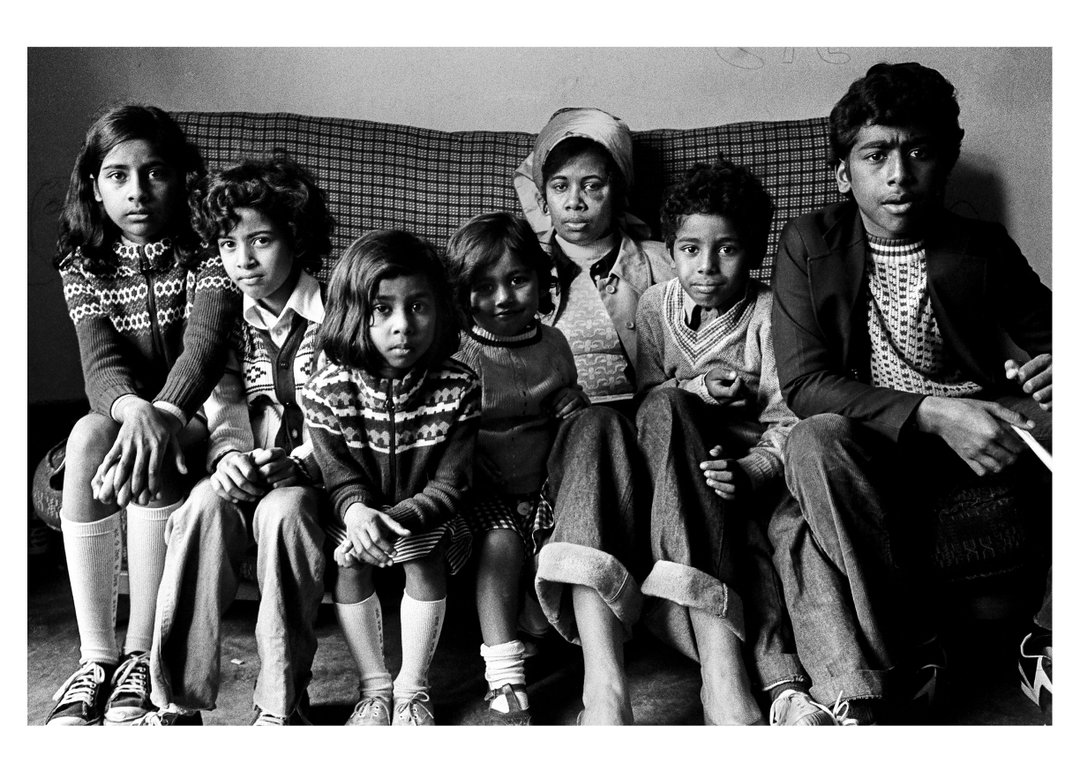
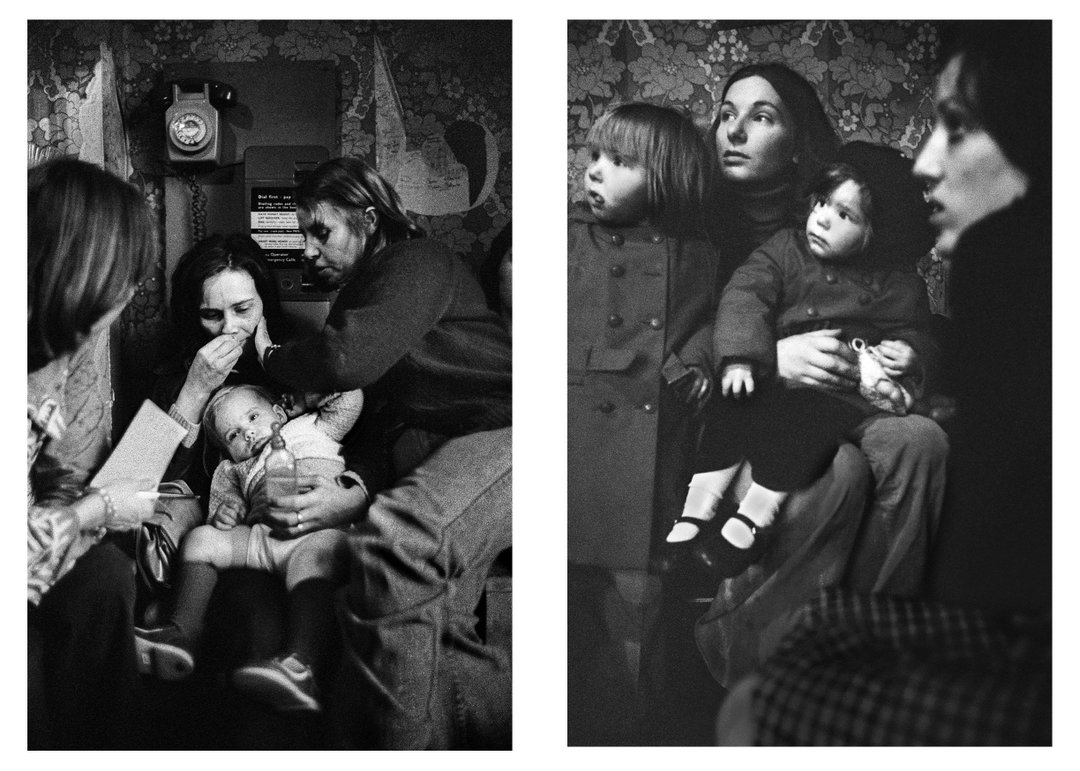
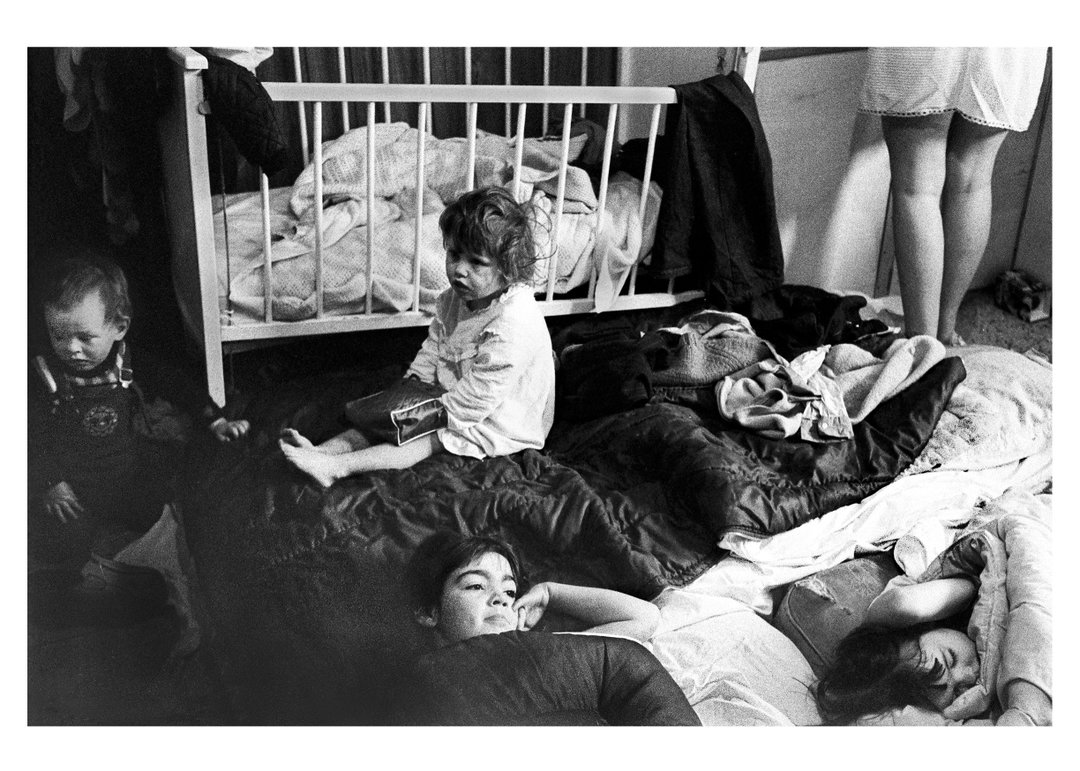
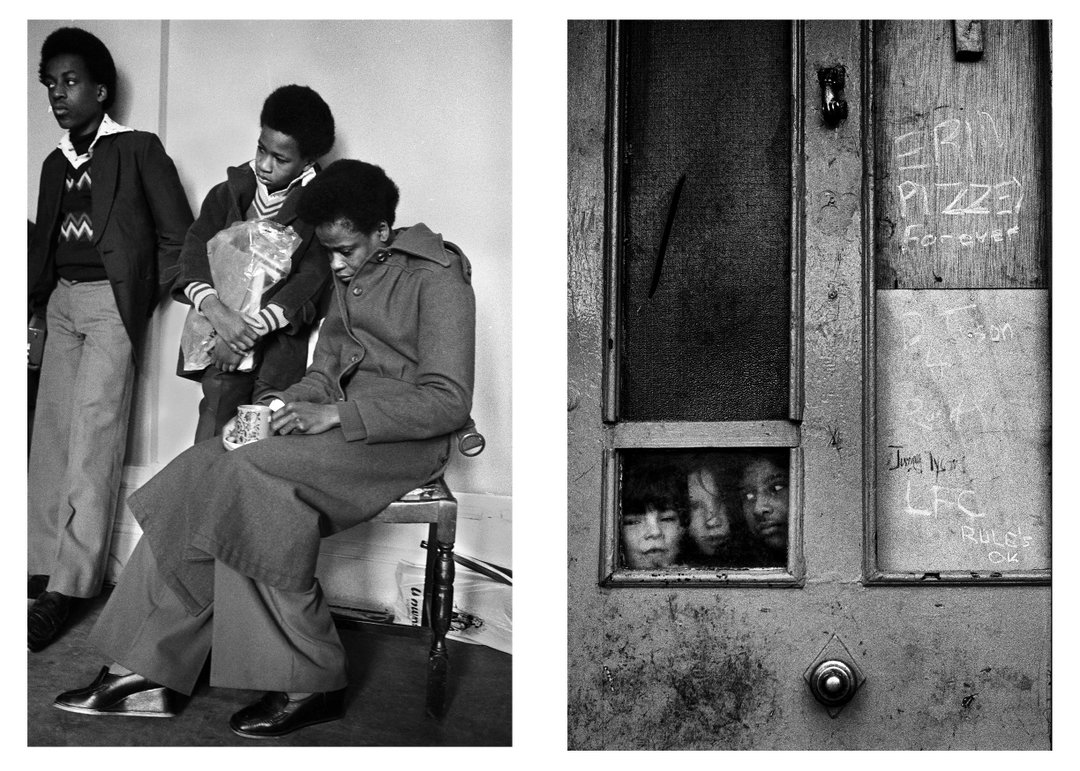
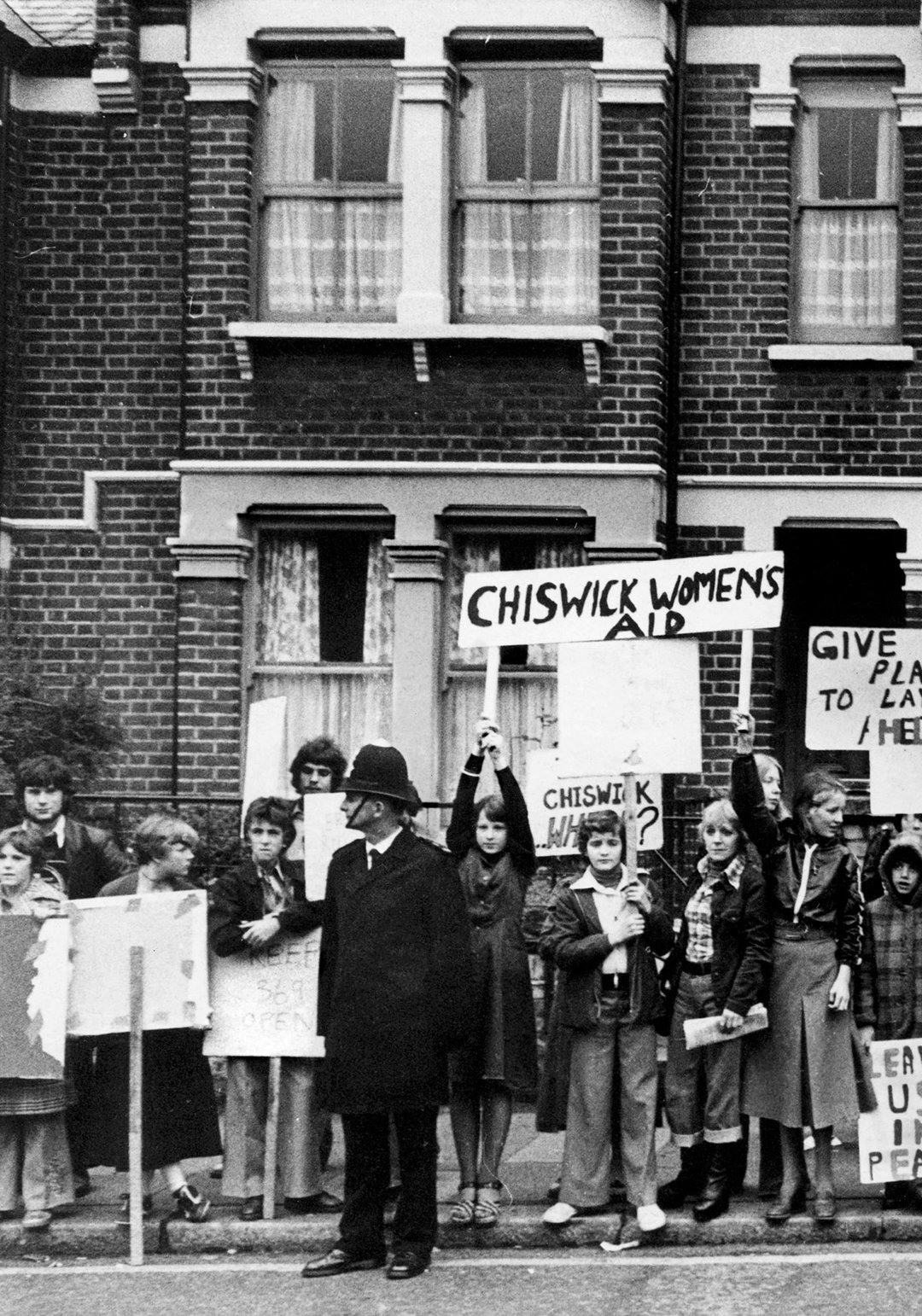
Using her camera as a means of capturing moments in history, her newly published Chiswick Women’s Aid 1976-77 holds even more pertinence today than it perhaps would have done in the 70s. Turning back to this moment in time, the Chiswick Women’s Aid, founded in 1972 by Erin Pizzey, was the first refuge to provide support for women and children experience domestic violence. With little protection from the law, women and children back then had to deal with a largely hidden and ignored issue – many were given the choice to stay and live with violence or become homeless. Recalling her experiences of the refuge, Markéta tells us how she was photographing in the asylum for a few days and identified four photographs that she would use to convey the story. “I thought my photographs could show the living conditions for the women and children there,” she says. “The shelter was not adequately funded and it was very overcrowded. I hoped my pictures could draw attention to this and, perhaps, help to change it.”
Deciding to focus primarily on the women and children shortly after their arrival into the house, Markéta notes how she had to be cautious for handling her photographic approach with care – “rarely I have more than one frame,” she says. “Their faces were full of relief; finally they were safe and despair was behind them, but at the same time their faces seemed to reveal a fear of the unknown ahead of them.” She also remembers how the children saw the shelter as an opportunity for fun, “a strange kind of campsite” where, because there so many children, (in most parts) they were able to bring happiness and drive towards the unfortunate scenario.
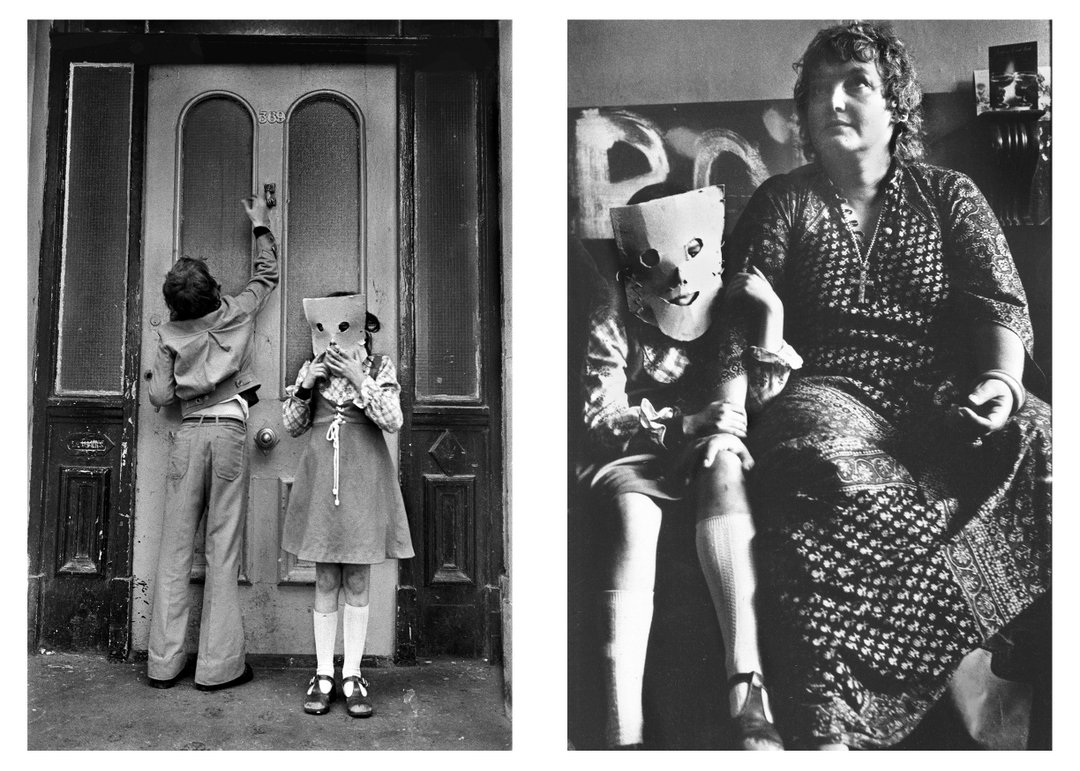
At the time of taking these pictures, there were 140 women and children living in the house that was designed for a maximum of 42 people. This overcrowding was a result of the founder, Erin’s, rule that no woman nor child should be turned down at the door – a court hearing was set against her in breach of safety regulations. “My picture of her in the publication is showing her with the girl in the mask, she is looking a little bit like a saint,” adds Markéta. “It was all so difficult for her; it was unbelievable to me that instead of providing her with more resources, the local council was trying to prosecute her. At the demonstration, some children wore home-made cardboard masks so that their fathers could not recognise them.”
Even though the photographer sheds light on such a profoundly difficult part of her subject’s lives, this publication bares hope – especially now, in this present day, with domestic violence becoming more present than ever. “These images are especially relevant now, as lockdown has seen a dramatic rise in domestic violence,” she goes on to say. “I really do not know how people will react, but I think the pictures are as urgent and relevant now as they were all those years ago.”
GalleryMarkéta Luskačová: Chiswick Women’s Aid 1976-77
Share Article
About the Author
—
Ayla is a London-based freelance writer, editor and consultant specialising in art, photography, design and culture. After joining It’s Nice That in 2017 as editorial assistant, she was interim online editor in 2022/2023 and continues to work with us on a freelance basis. She has written for i-D, Dazed, AnOther, WePresent, Port, Elephant and more, and she is also the managing editor of design magazine Anima.