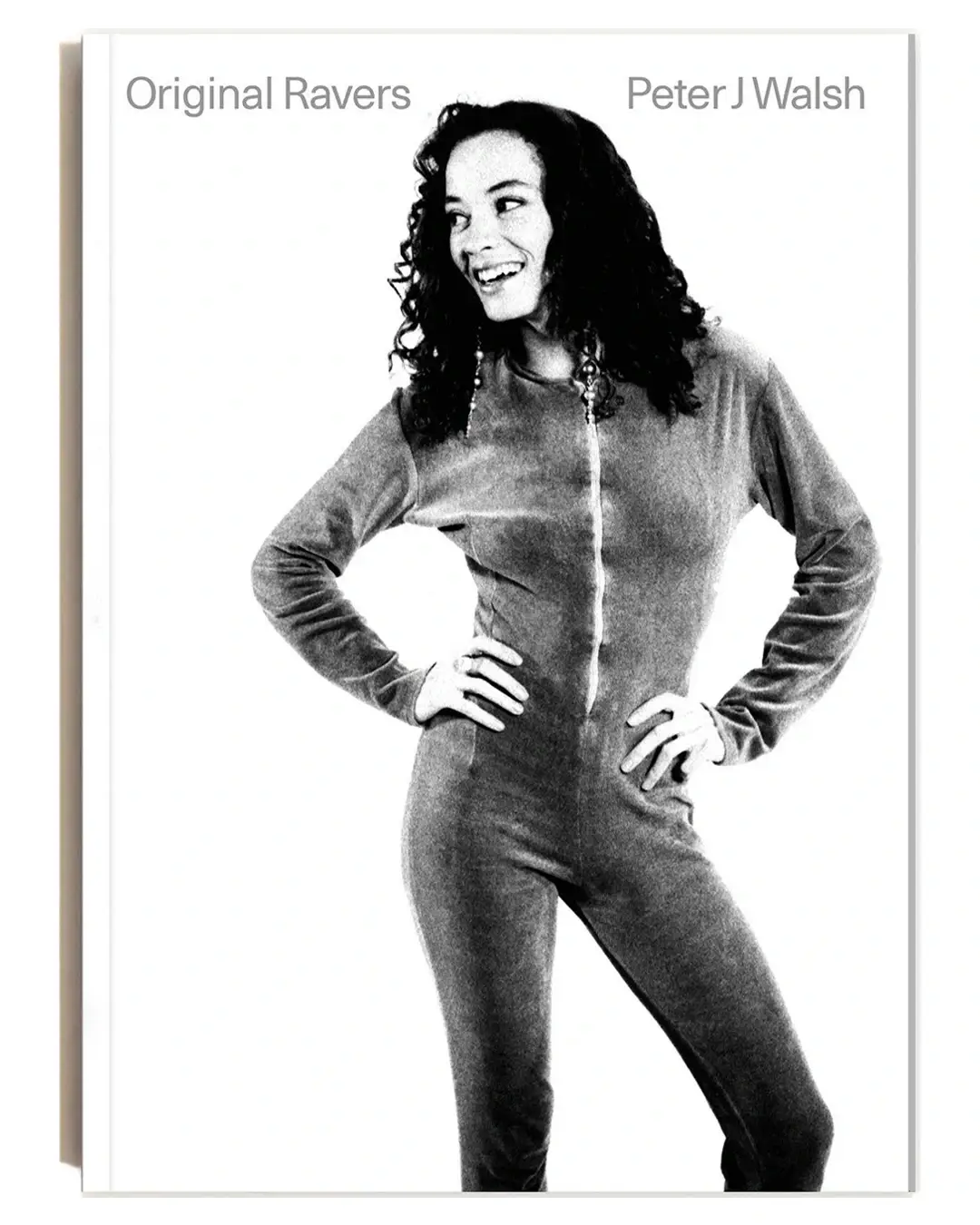
Peter J Walsh’s Original Ravers takes us back to the last night of the Haçienda club
With unpretentious clothing, saucer-sized pupils and a ton of attitude, the first generation of rave kids are captured in a pivotal moment of Manchester history.
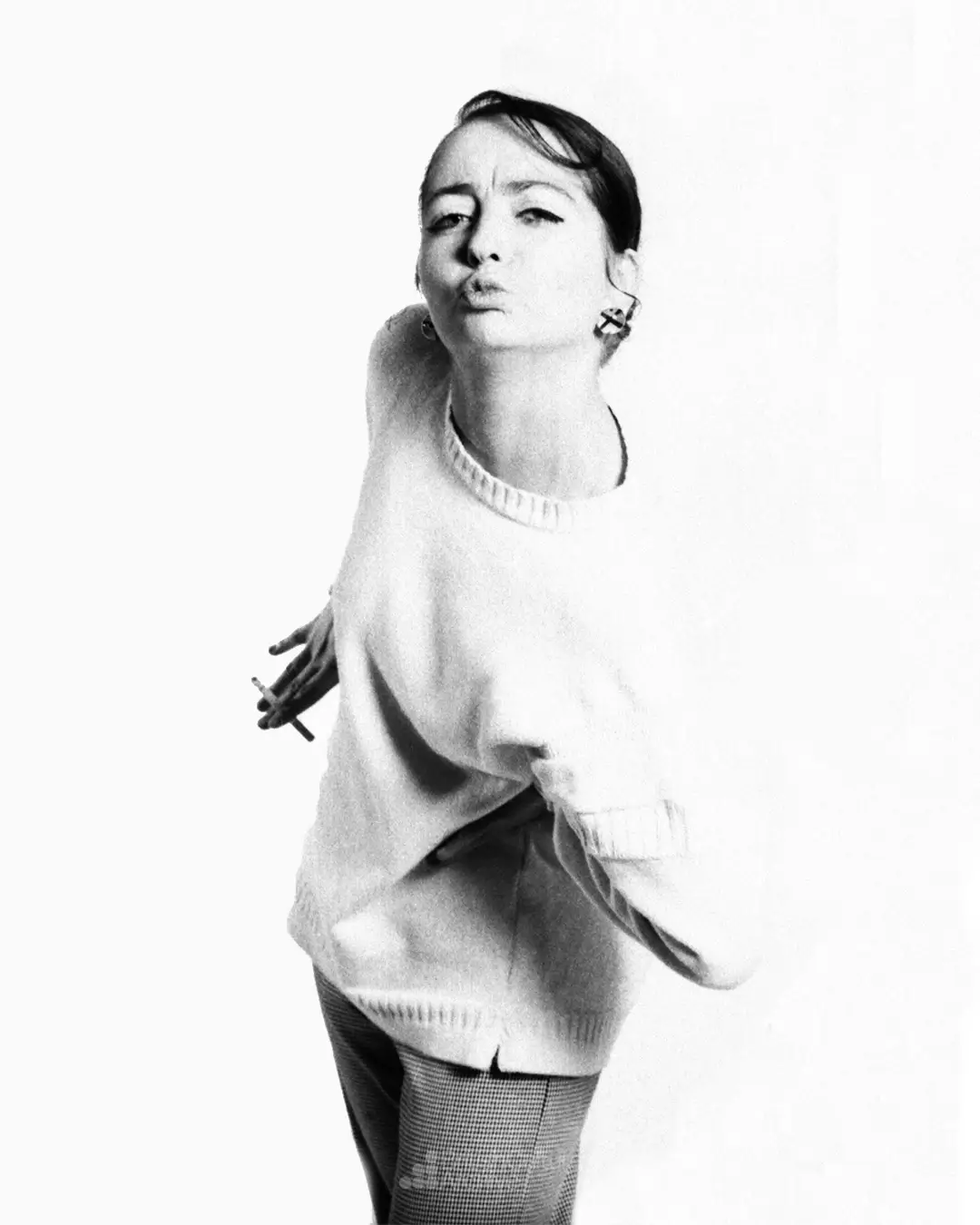
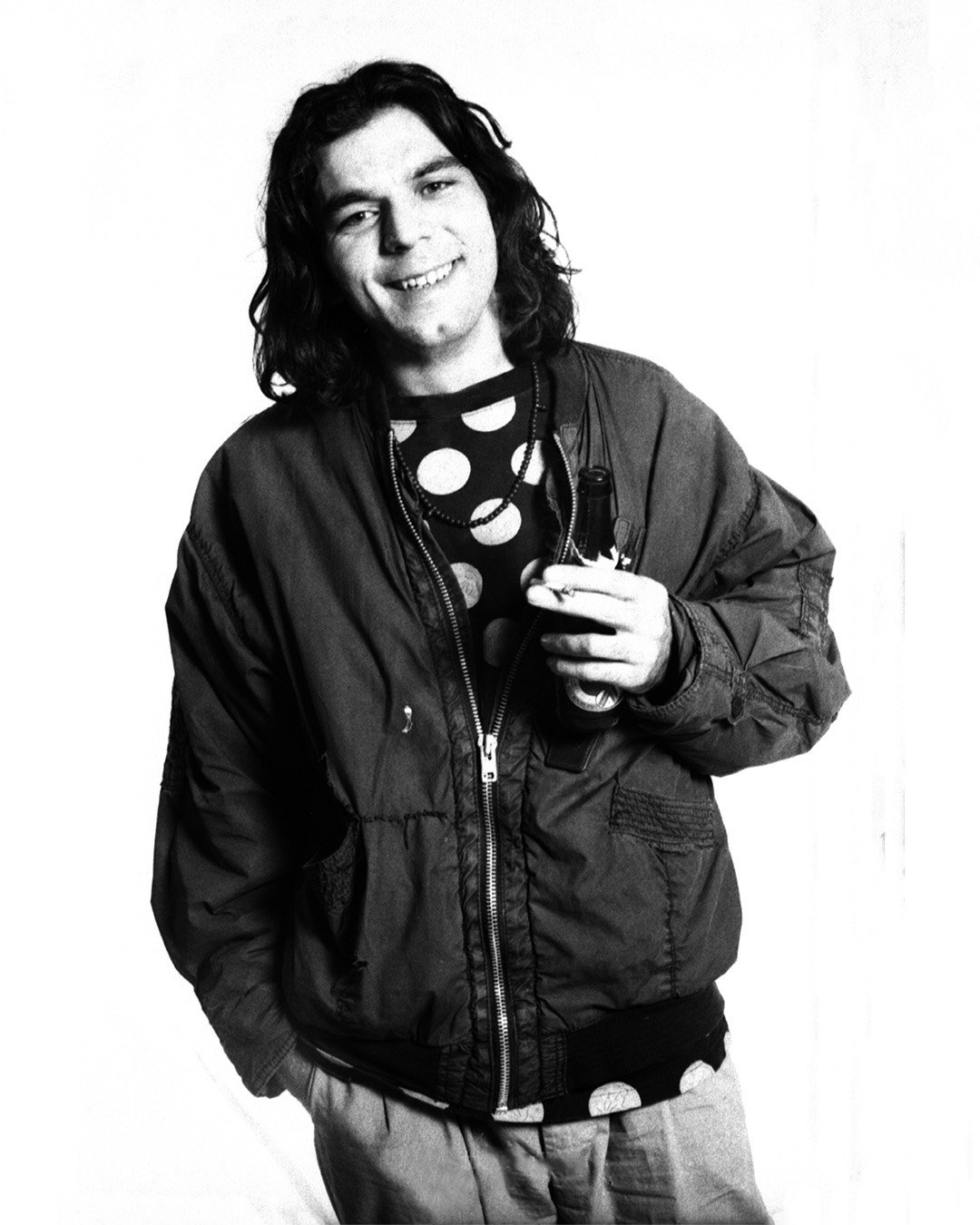
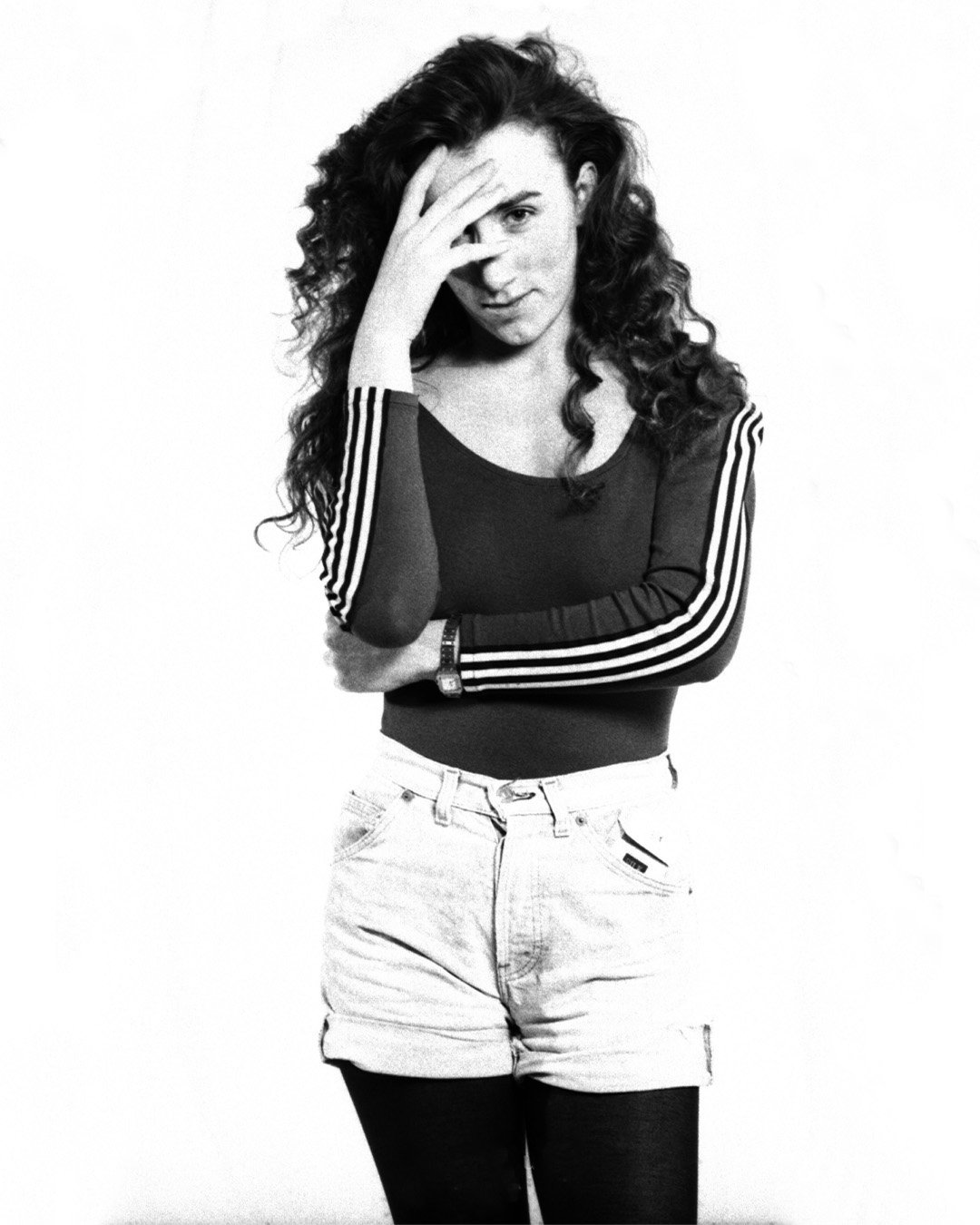
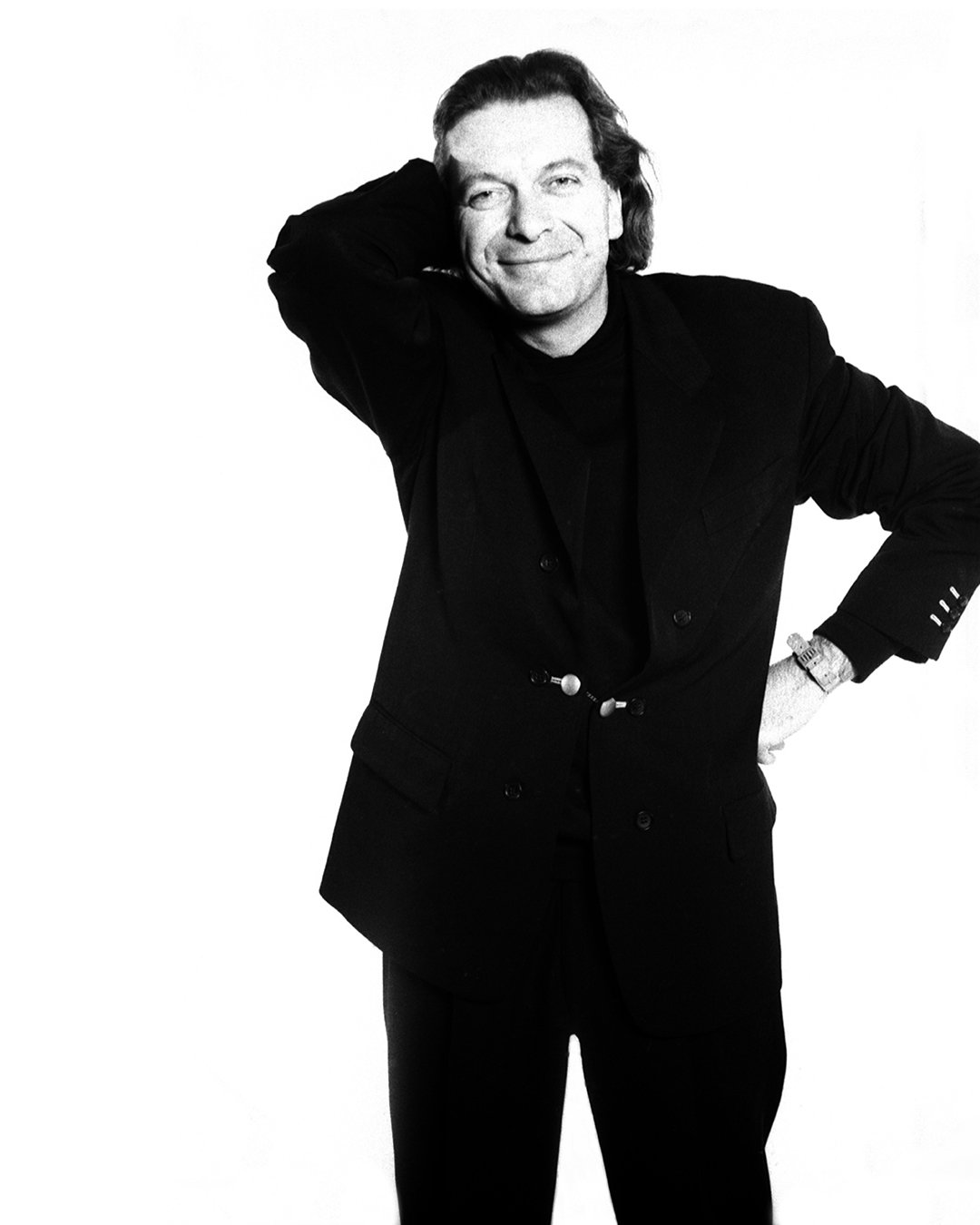
Photographer Peter J Walsh can distinctly remember the day he was told The Haçienda, the immensely popular night club, was closing. Financed by the members of New Order, beloved by partakers of ecstasy and home to Manchester’s famous acid house and rave culture, the UK was about to lose something special. Peter’s connection to the club was a close one, he had been covering the birth of Acid House for The NME, The Face and i-D for several years. So, in memoriam of the hallowed walls that fostered the best and worst of northern England, he set out to document the people who were there on the final nights of The Haçienda. The result has been given a new lease of life in the recently released Original Ravers, published by the British Culture Archive.
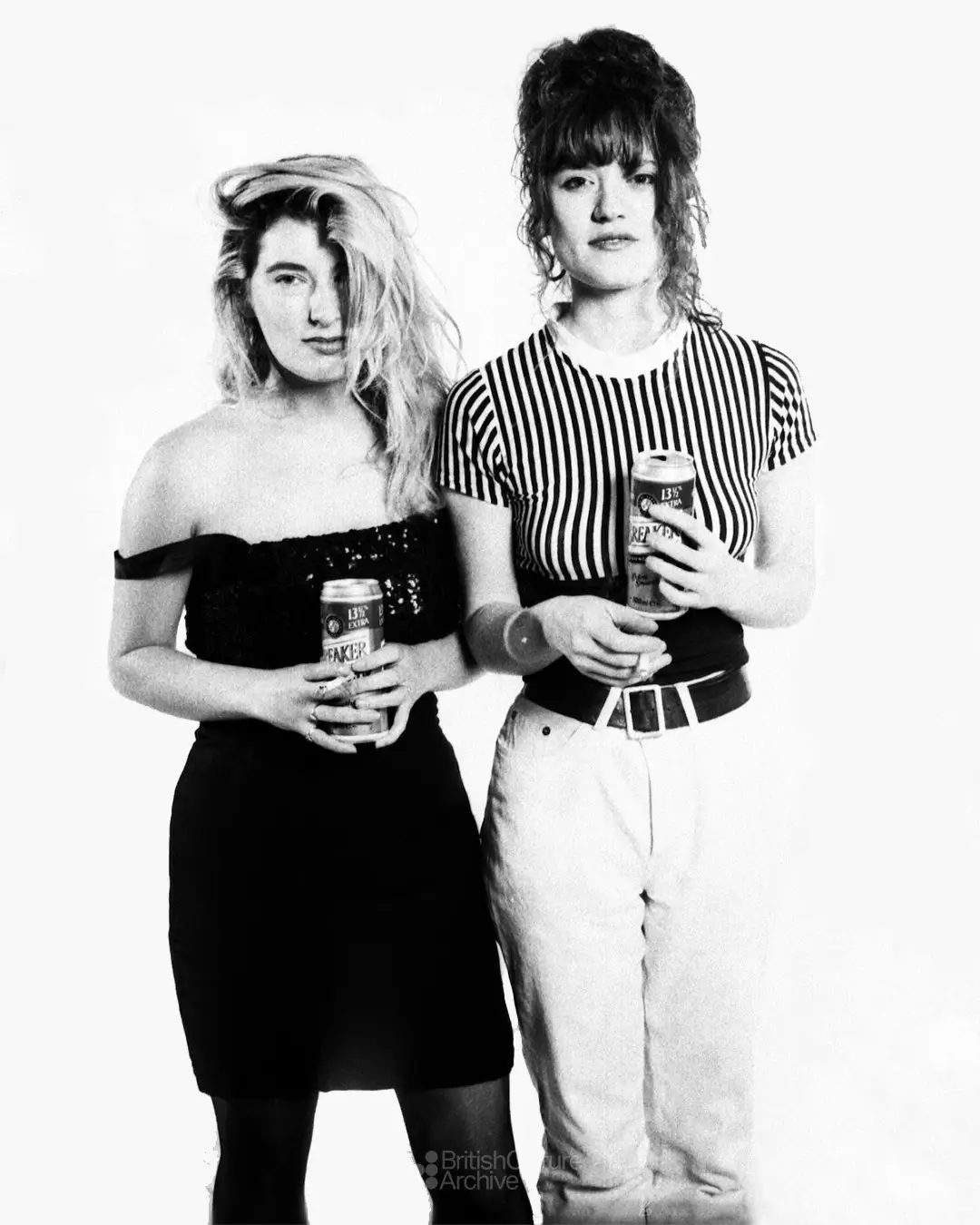
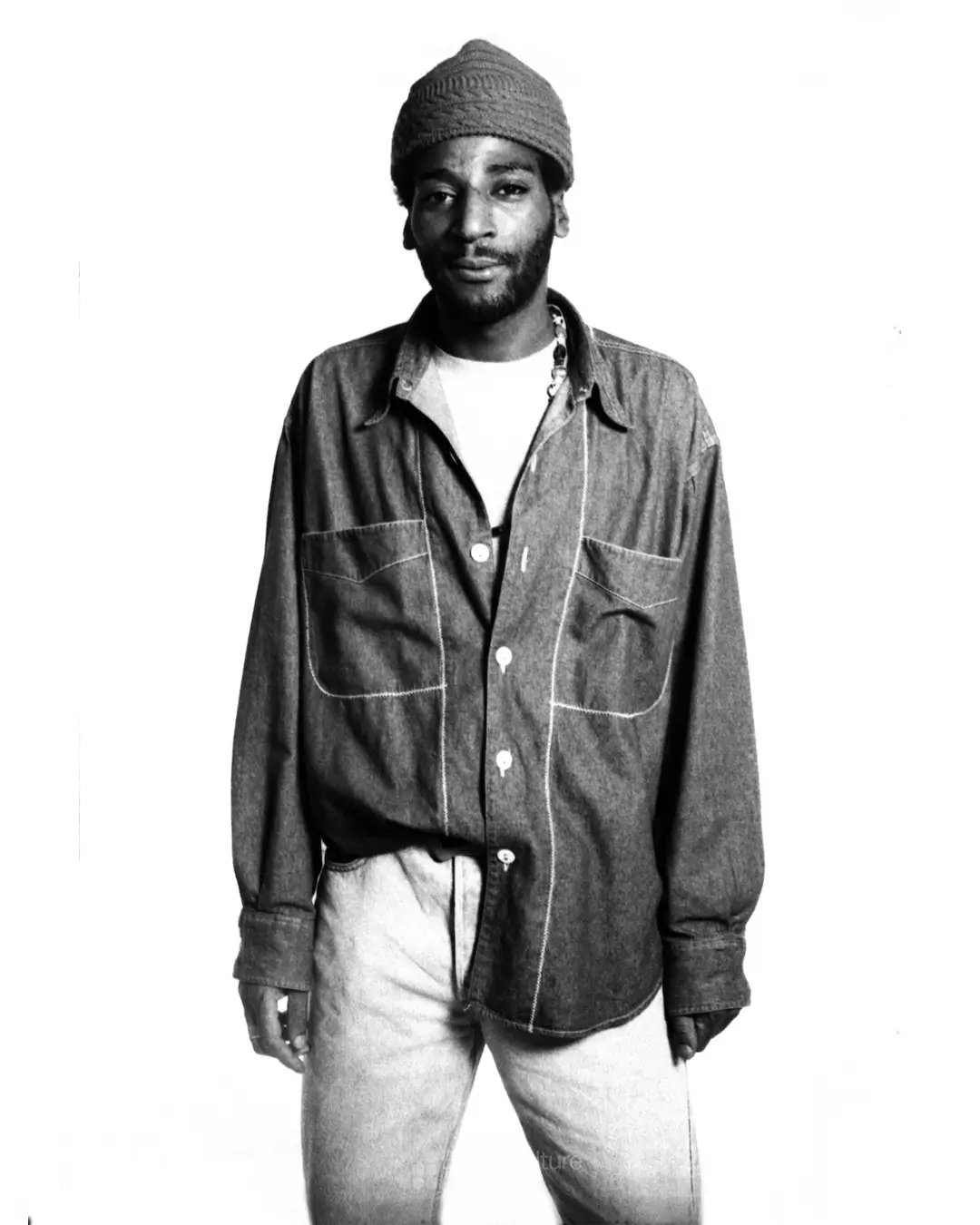
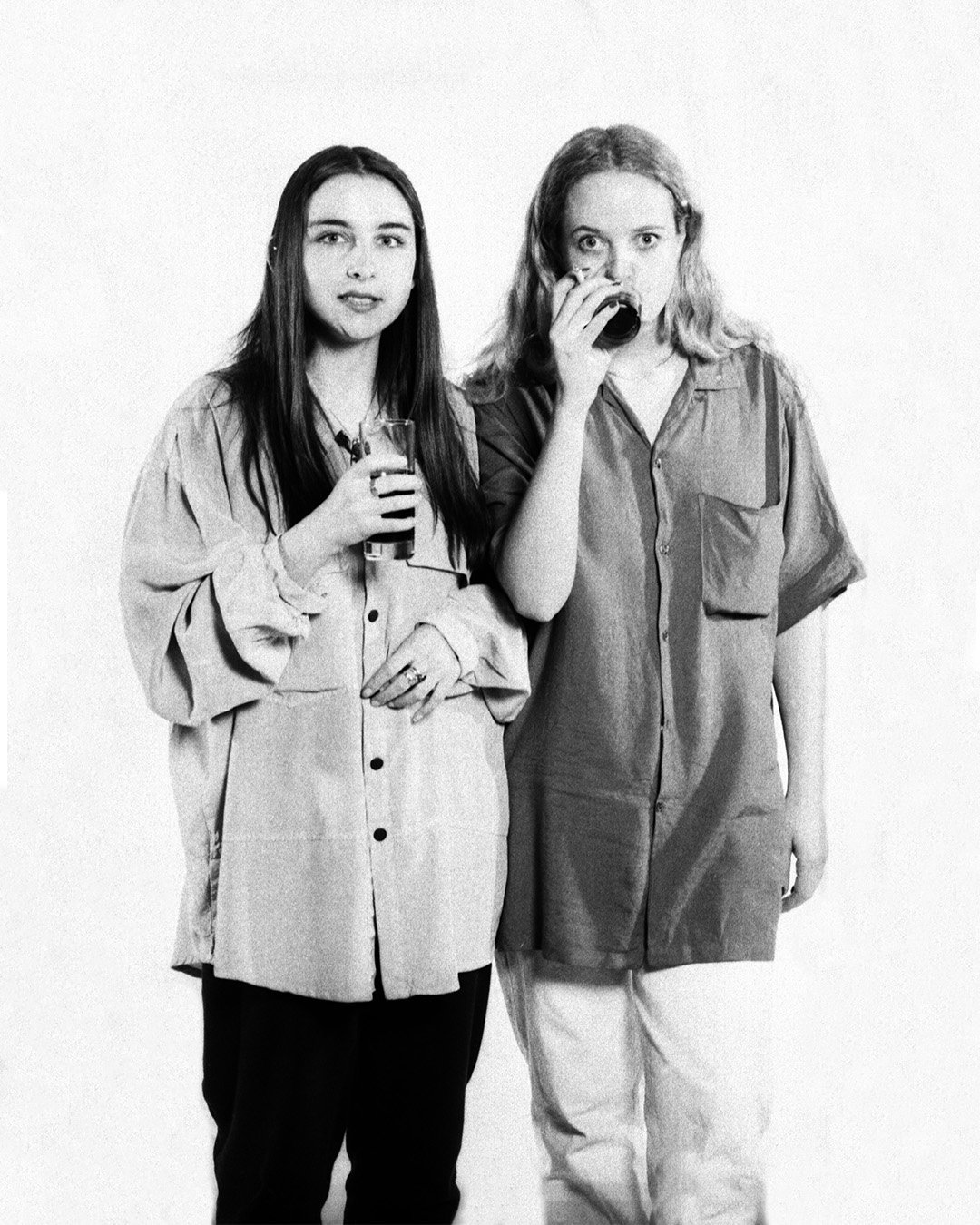
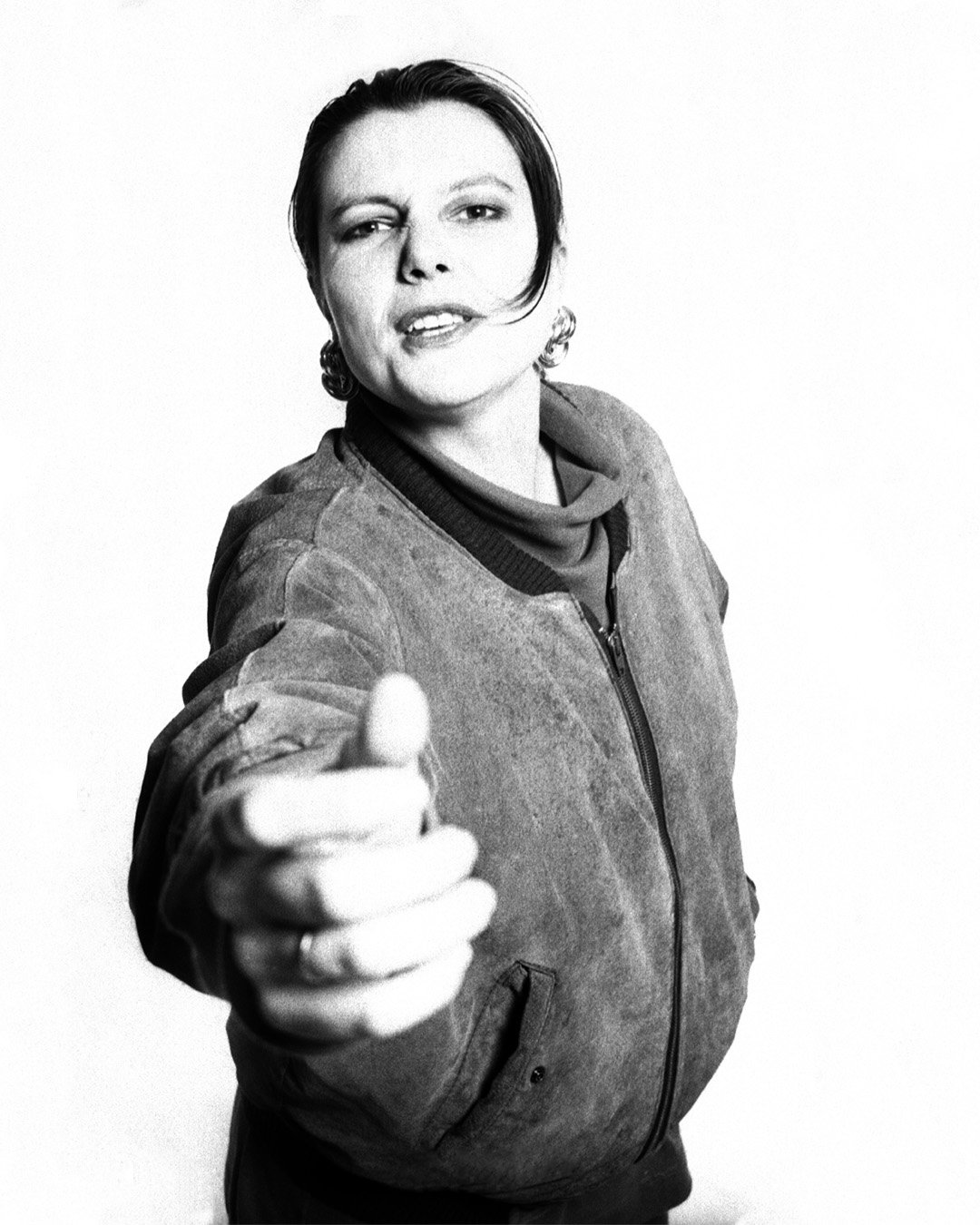
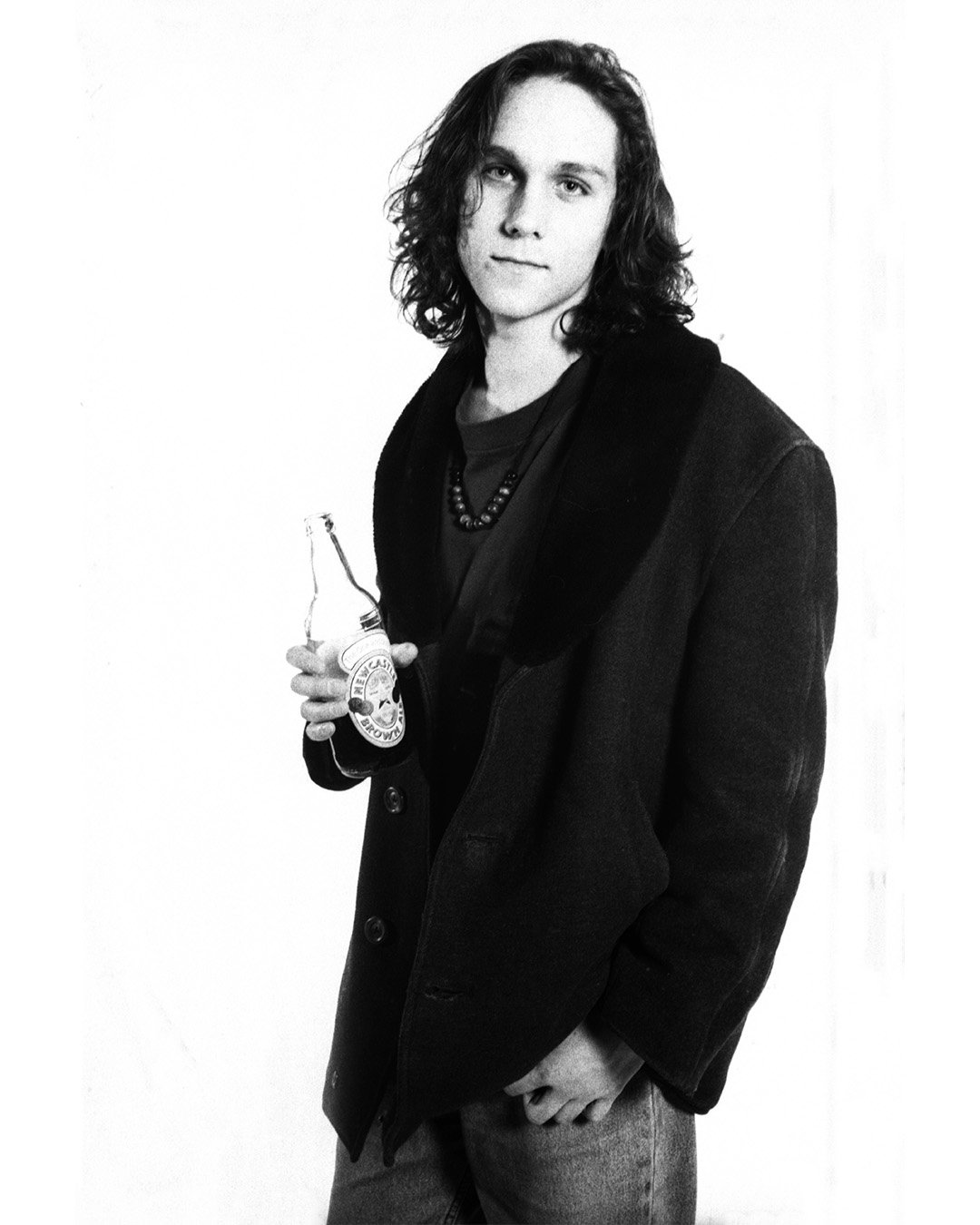
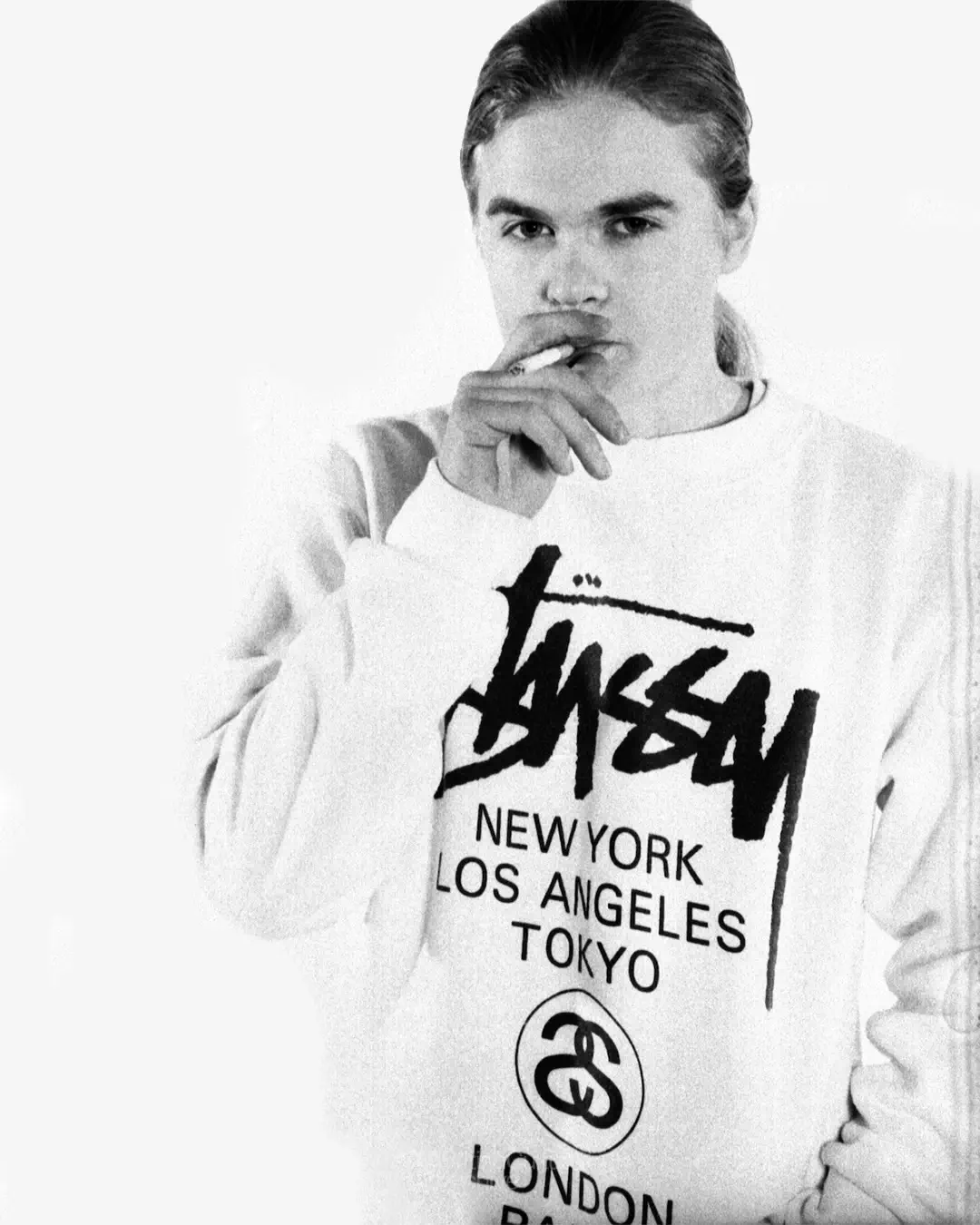
The images are portraits in high contrast, stark black-and-white, years before digital photography or Photoshop was available. “Using a normal film developer wasn’t giving me the images I wanted, so I decided to try paper developer to give me the grainy texture I was looking for in the negatives,” says Peter. Shot in a basement that was accessible through the club’s downstairs cocktail bar called The Gay Traitor, this is where Peter captured subjects that look like they’re from the original Trainspotting posters; authentic ravers complete with lager cans, cigarettes and grungy streetwear.
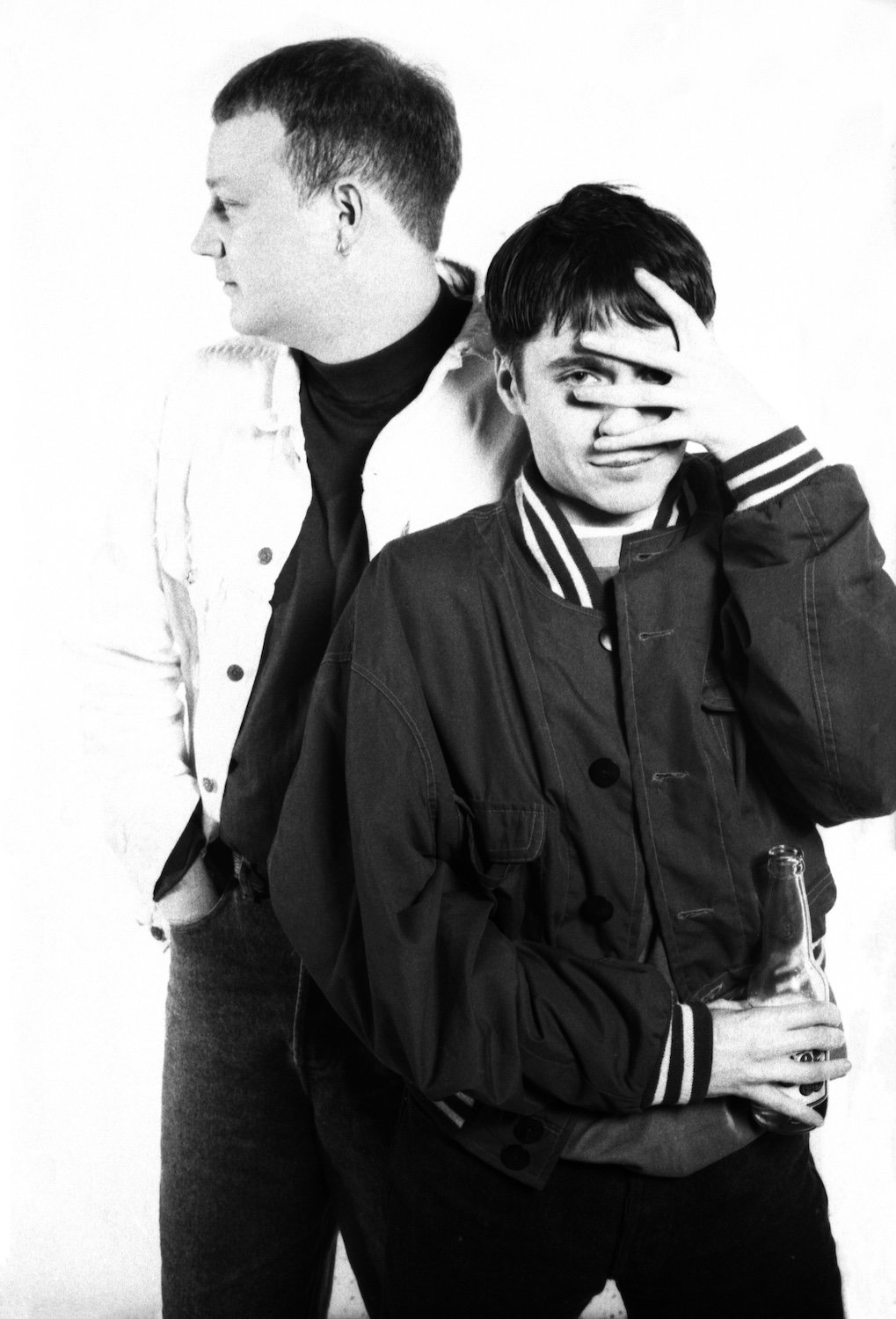
Peter J Walsh: Original Ravers (Copyright © Peter J Walsh, 2025)
“My assistant Leslie, who was a regular at The Haçienda, did an amazing job of pulling people off the dance floor and bringing them down to the basement to be photographed,” says Peter. “It was the end of January and there was no heating. That’s why some of the people are wearing coats, jackets, and sweatshirts.” If not frozen in that basement, then these club-goers are frozen in time through Peter’s photography. Hidden behind these photos are contextual artefacts of 1991 – the Greater Manchester Police were cracking down on gang activities and there was a fraught political landscape left by Margaret Thatcher’s resignation.
Despite it all, 1991 held the promise of a new era. The Haçienda’s patrons shed the dramatic clothing of the glam-pirates of Adam Ant and gloomy post-punk cohorts of the 80s, instead favouring unpretentious streetwear that represented freedom. The arrival of party drugs and the rise of club culture broke down barriers of race, class and sexuality. At The Haçienda, anything went – the music, the atmosphere, and the shared experience of like-minded people, all captured by Peter in the heat of the moment, preserves the original ravers for the future to behold.
GalleryPeter J Walsh: Original Ravers (Copyright © Peter J Walsh, 2025)
Hero Header
Peter J Walsh: Original Ravers (Copyright © Peter J Walsh, 2025)
Share Article
Further Info
About the Author
—
Paul M (He/Him) is a Junior Writer at It’s Nice That since May 2025. He has a strong interest in graphic design, digital kitsch, multimedia painting, collage, nostalgia, analogue technology and all matters of strange stuff. [email protected]
To submit your work to be featured on the site, see our Submissions Guide.