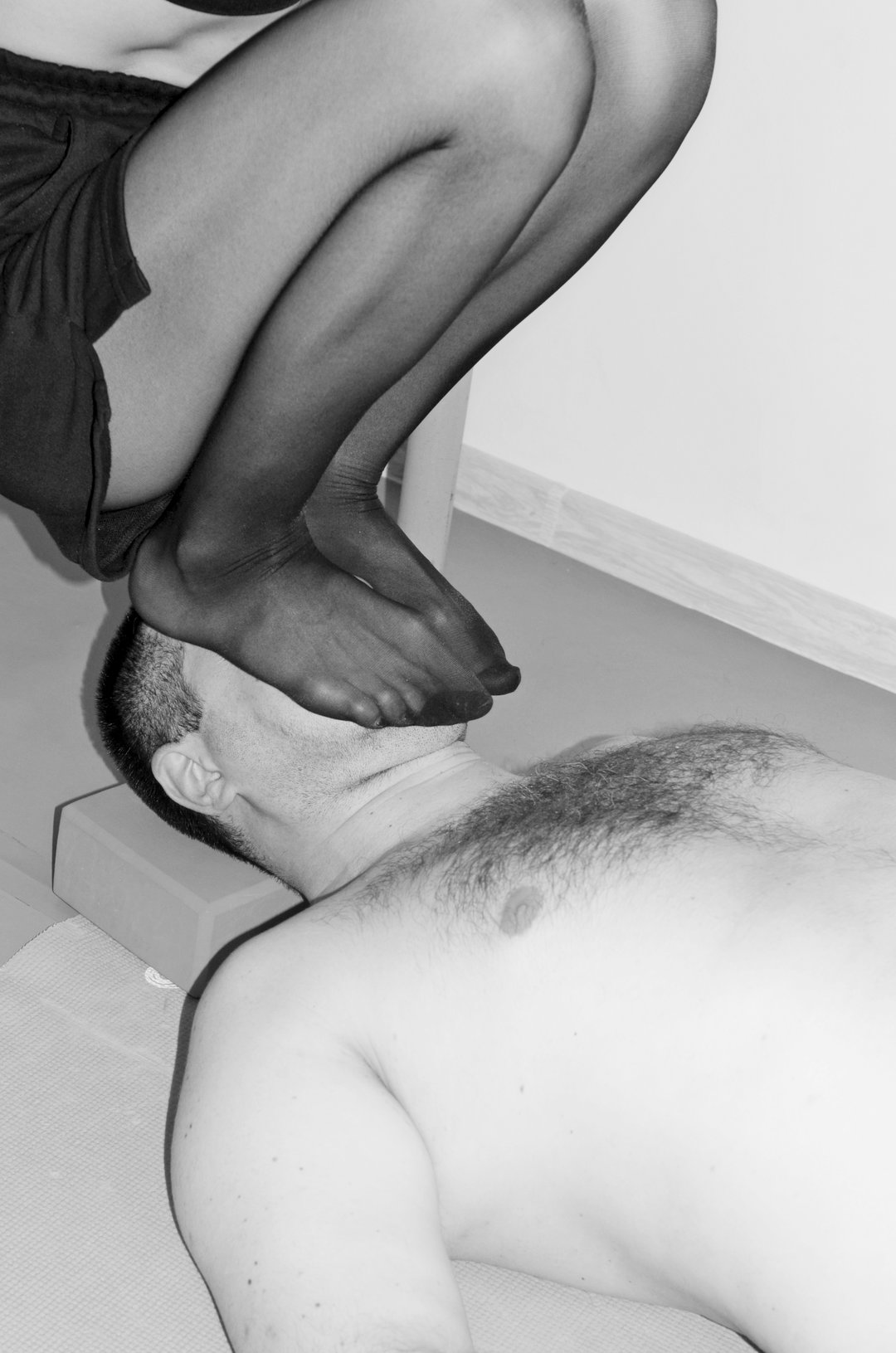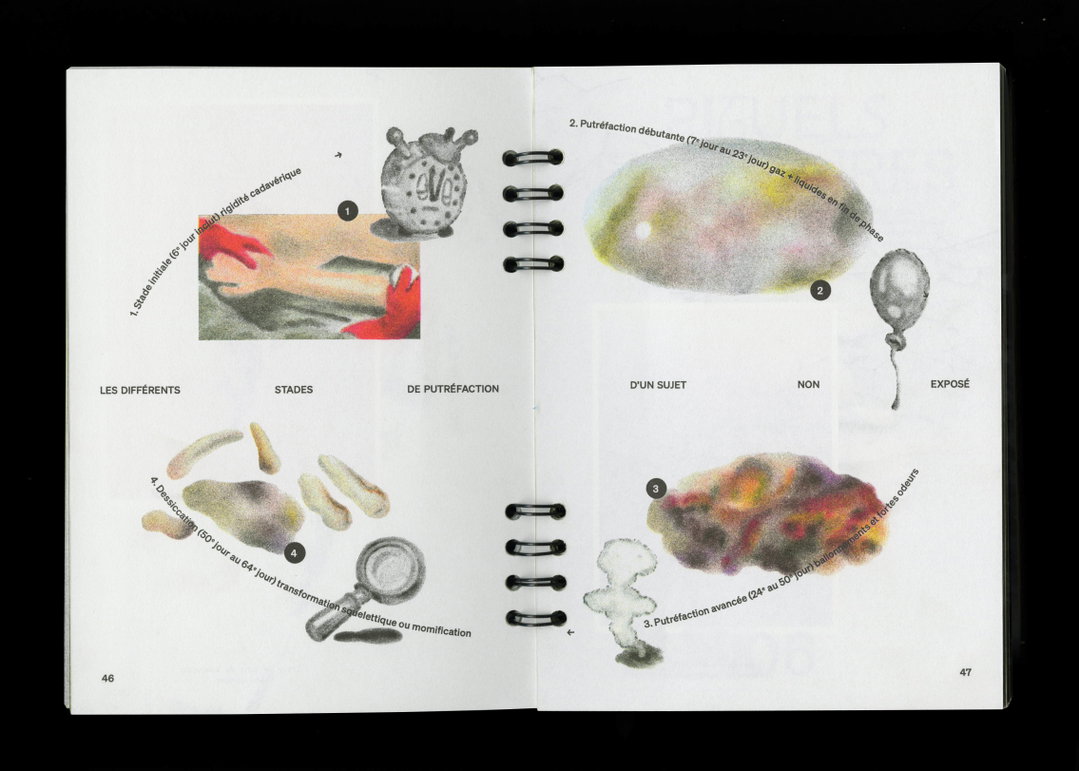


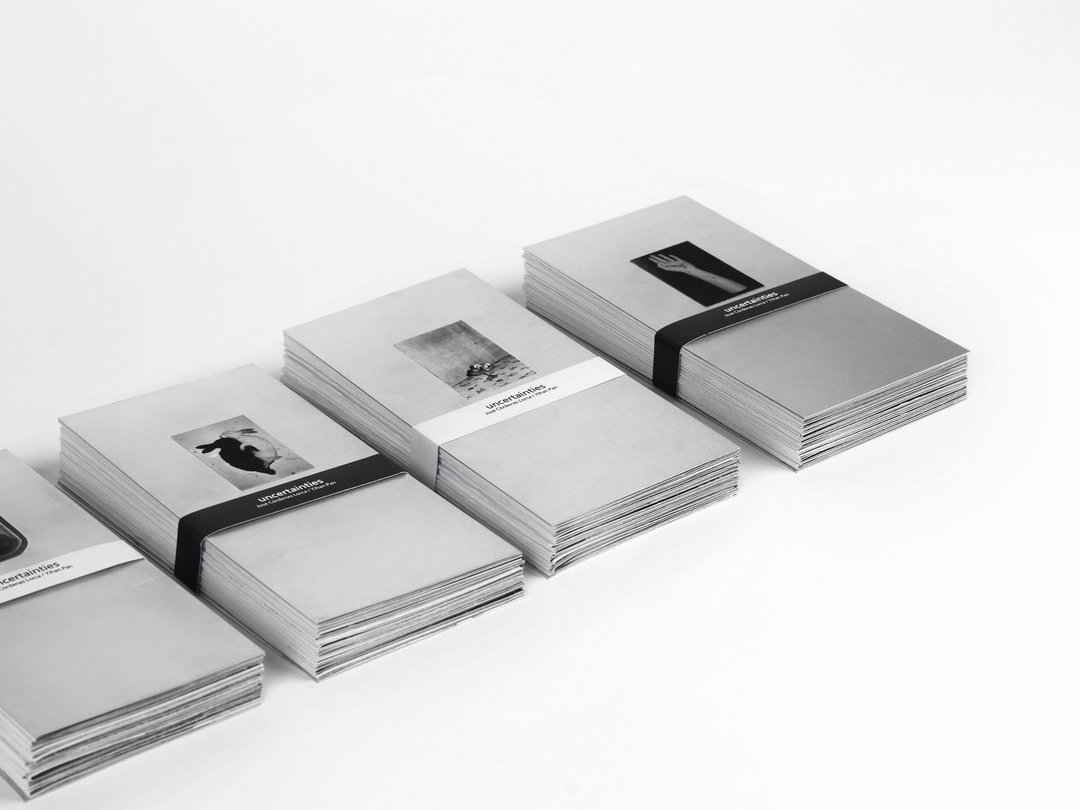
Yihan Pan and José Cárdenas’ dual photographs probe the darkness between life and death
From assault rifles and glittering rain to dog jaws and sparkling crystals, Uncertainties is a cross-continental conversation about what it means to come of age in places that are always shifting.
The London-based photographers Yihan Pan and José Cárdenas Lorca grew up on opposite sides of the world: China and Chile, but they both started photographing on film as teenagers long before they met, using cameras as a way to understand the places they lived in. While Yihan has a background in design, José comes from filmmaking – but together, their leading principle is always a shared sensibility towards images.
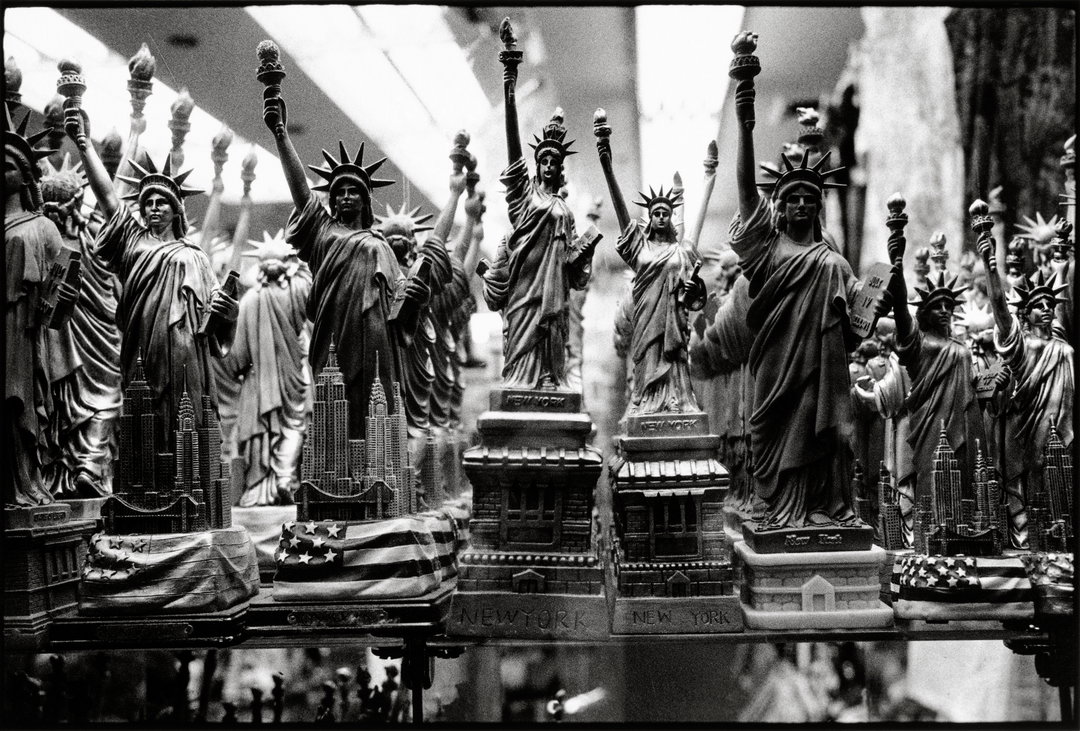
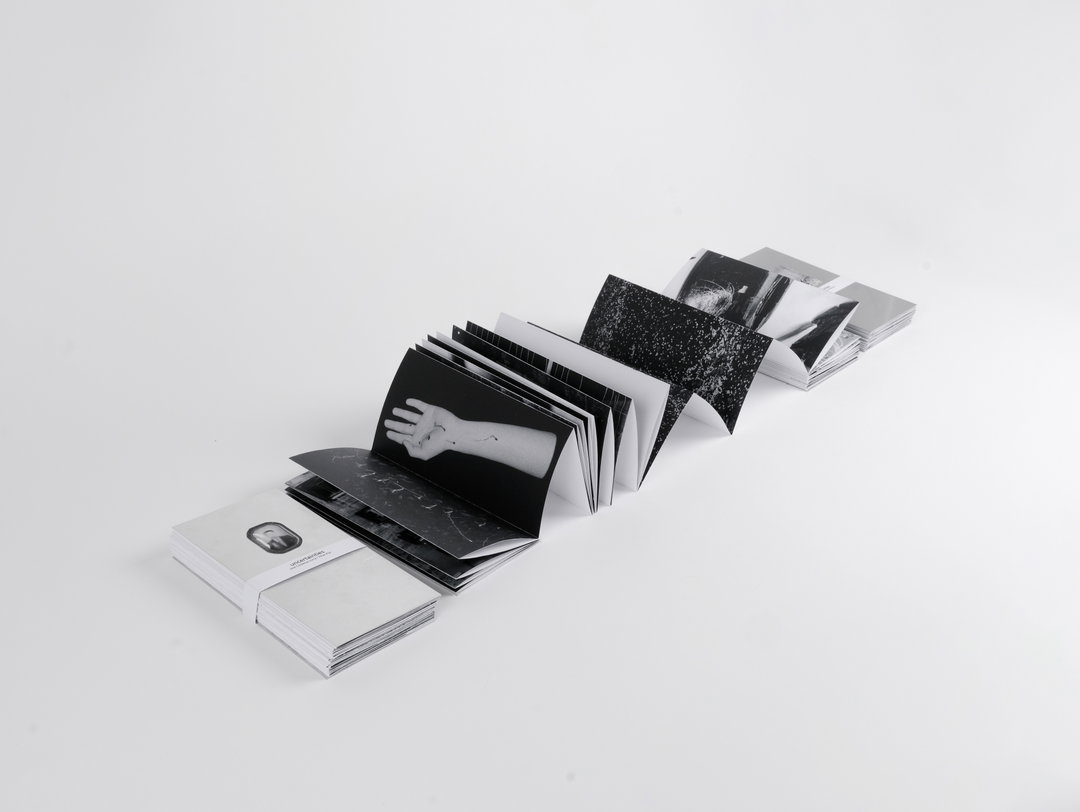
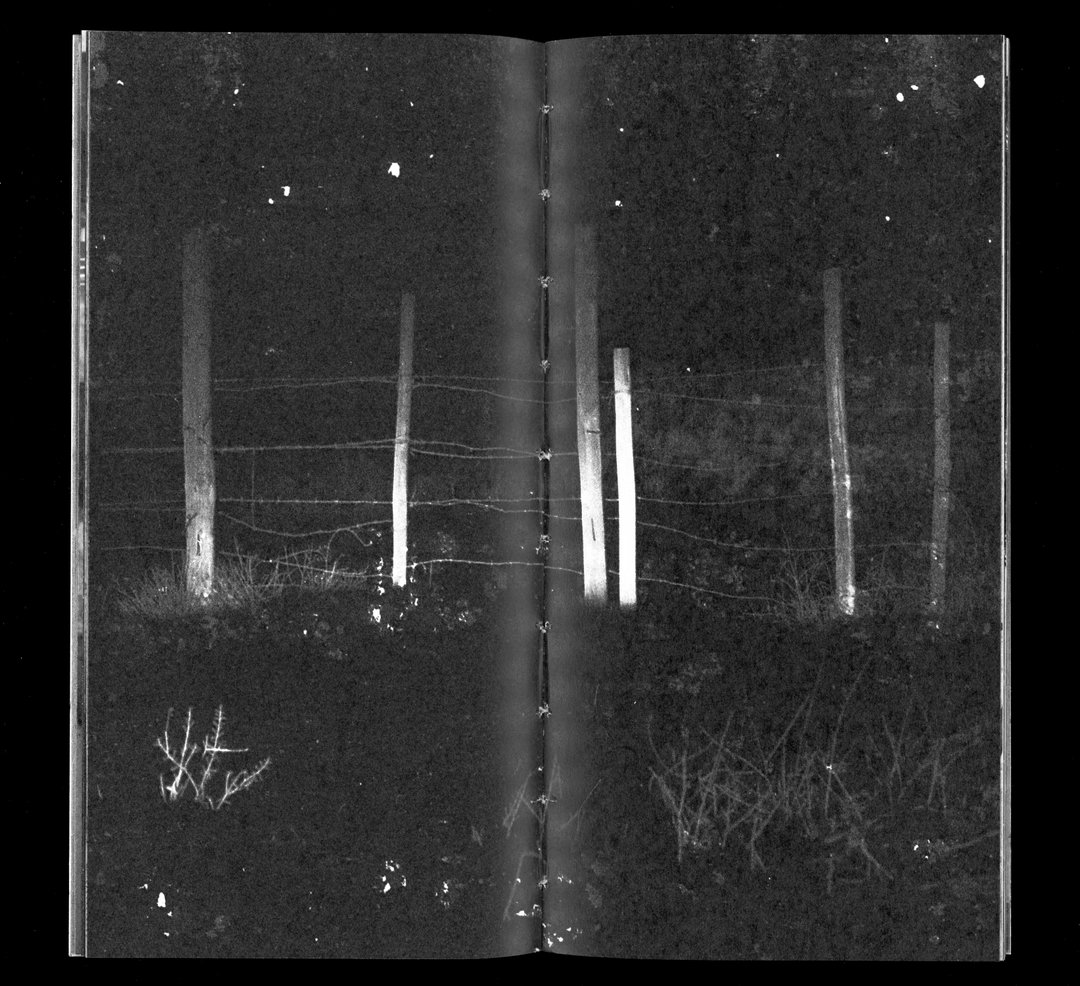
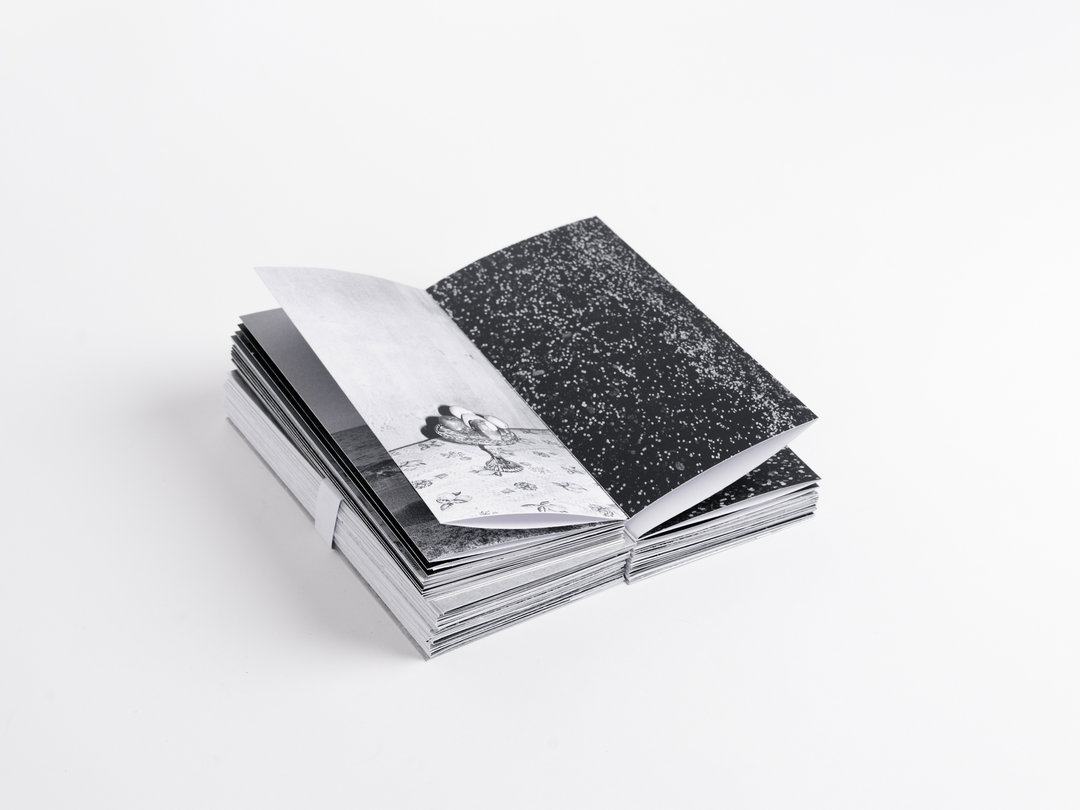
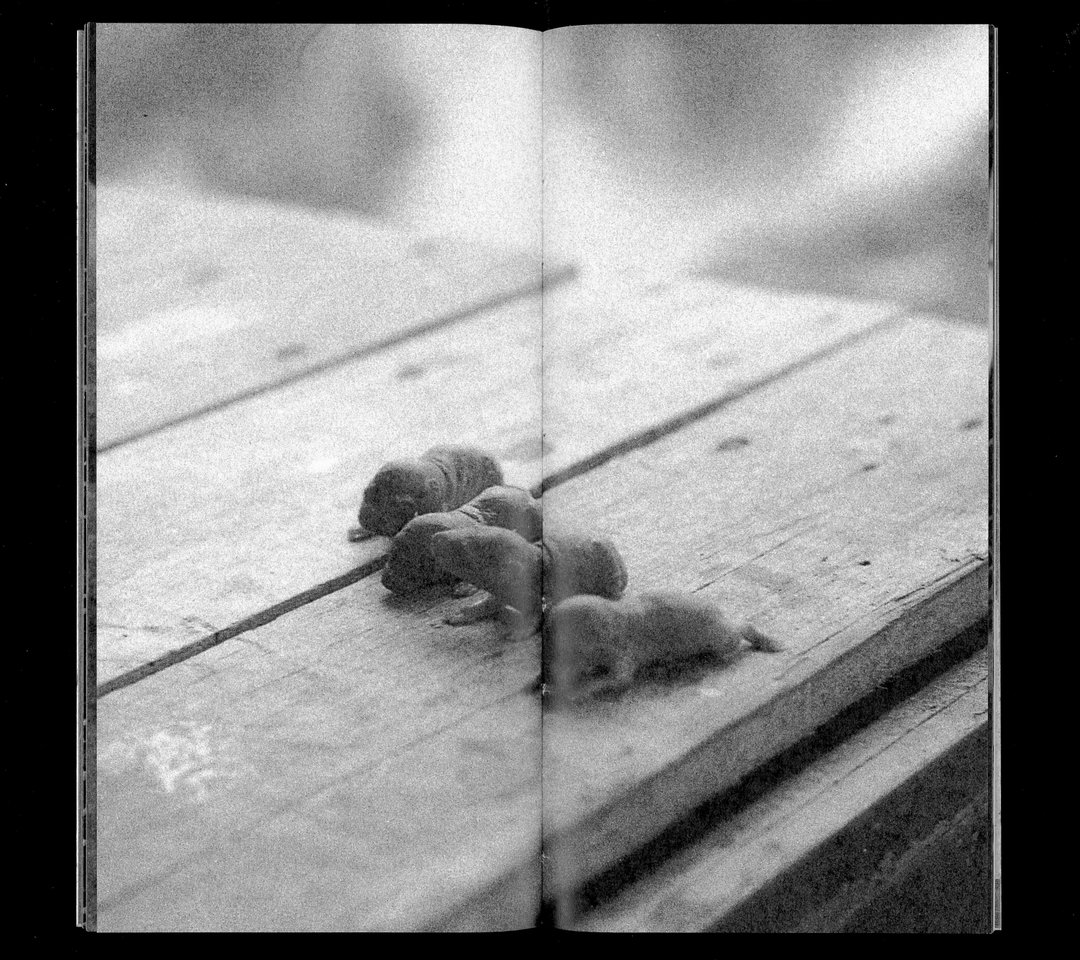
That’s why their collaborative photobook Uncertainties looks so incredible. Whilst the photographic duo constantly move between languages, landscapes and locations, their photos are universally understandable. Shot in stark black-and-white, sometimes almost overwhelmingly bleak, the photobook presents Yihan and José’s photos side by side, creating twin commentaries through images alone, which oftentimes compliment one other and other times disrupt the other’s narrative. “Uncertainties began when we revisited our film archives after meeting in London. We placed all the negatives and prints on the floor, hundreds of images taken years apart, and realised something unexpected,” says Yihan. “The images were speaking to each other, merging to the point it was difficult to tell who shot which one, this was made even more confusing because most of them were shot during our teenage years, shrouded in hazy memories.”
Yihan Pan and José Cárdenas: Uncertainties (Copyright © Yihan Pan & José Cárdenas, 2025)
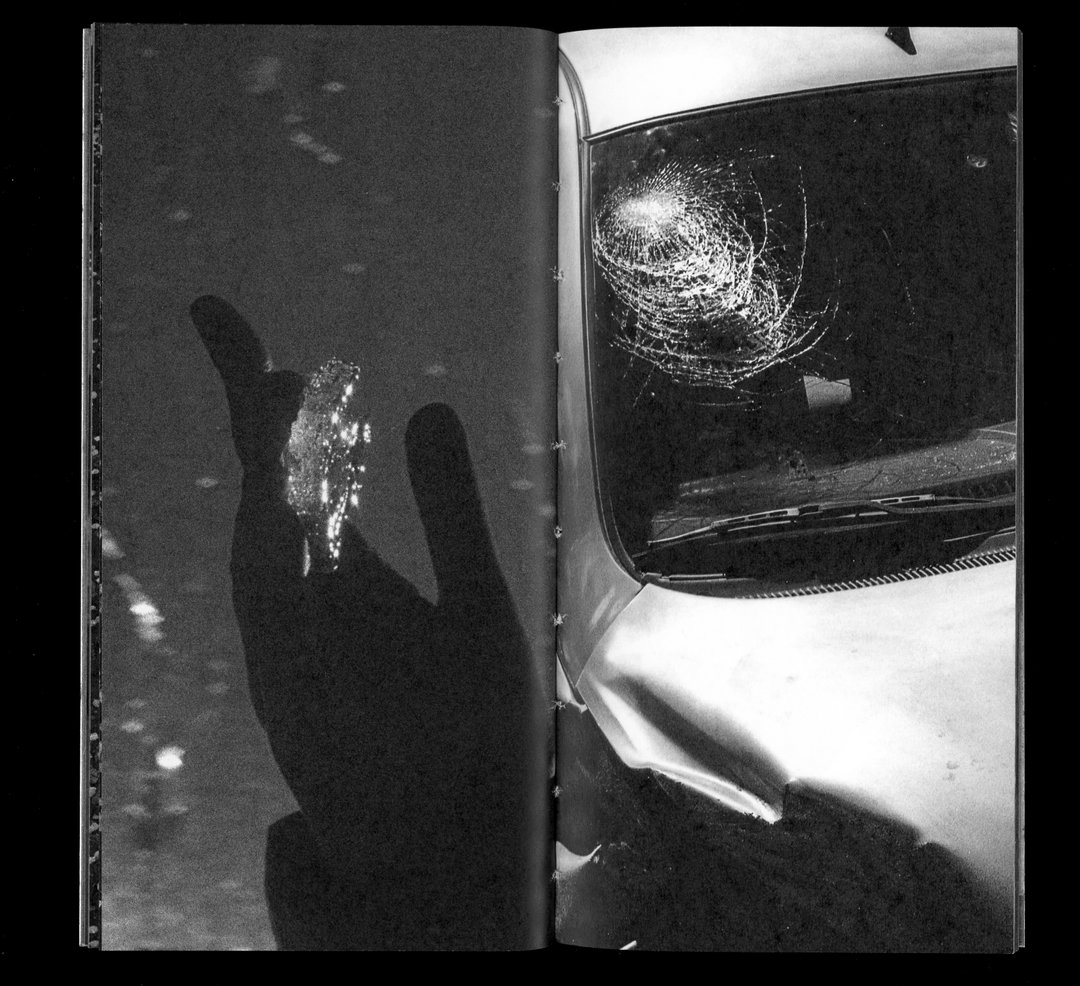
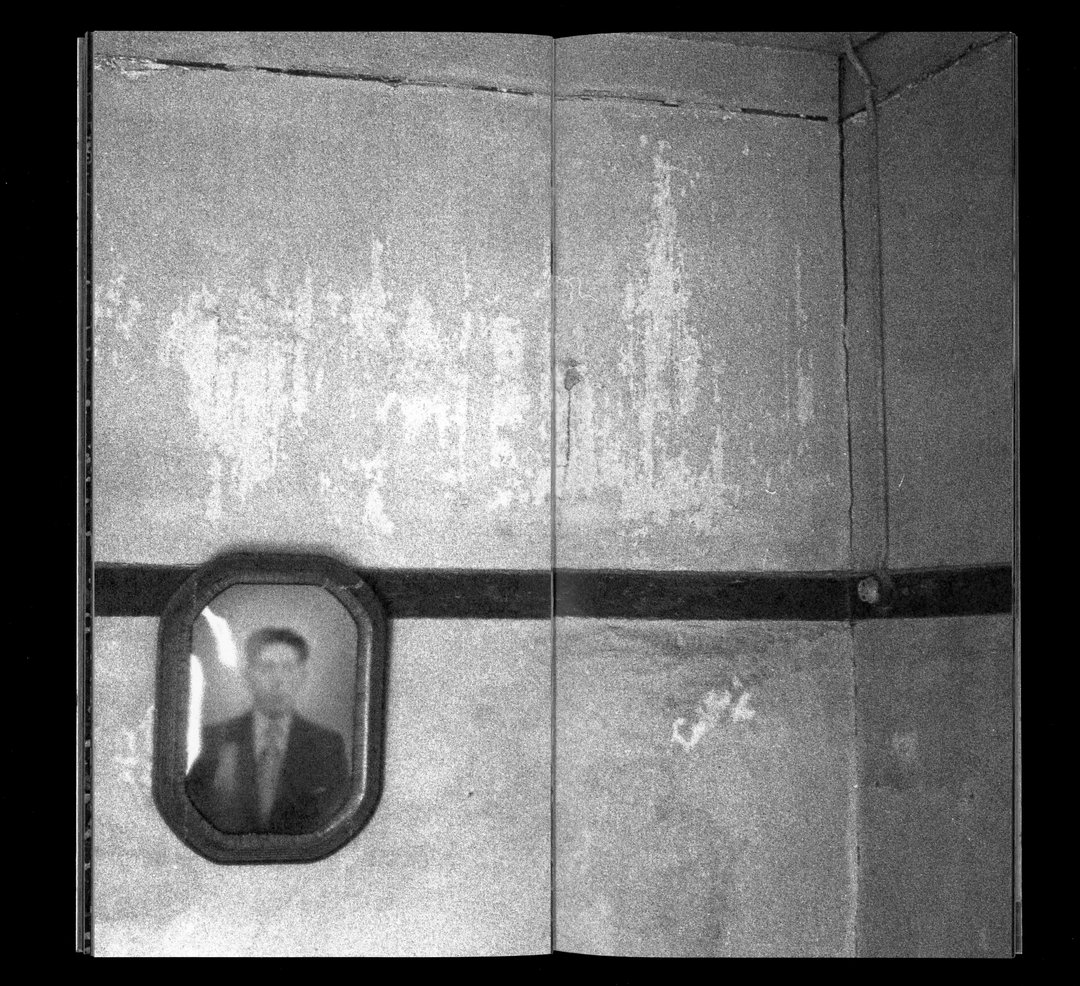
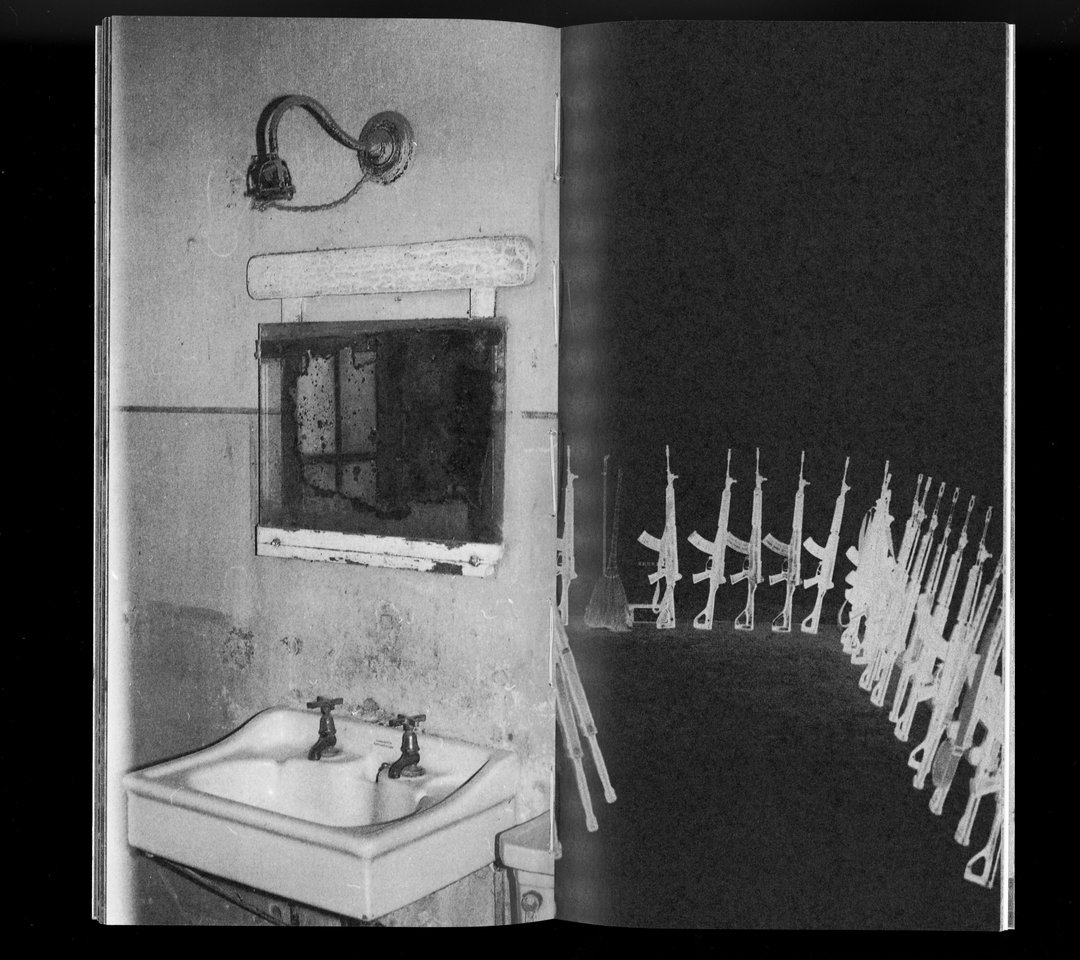
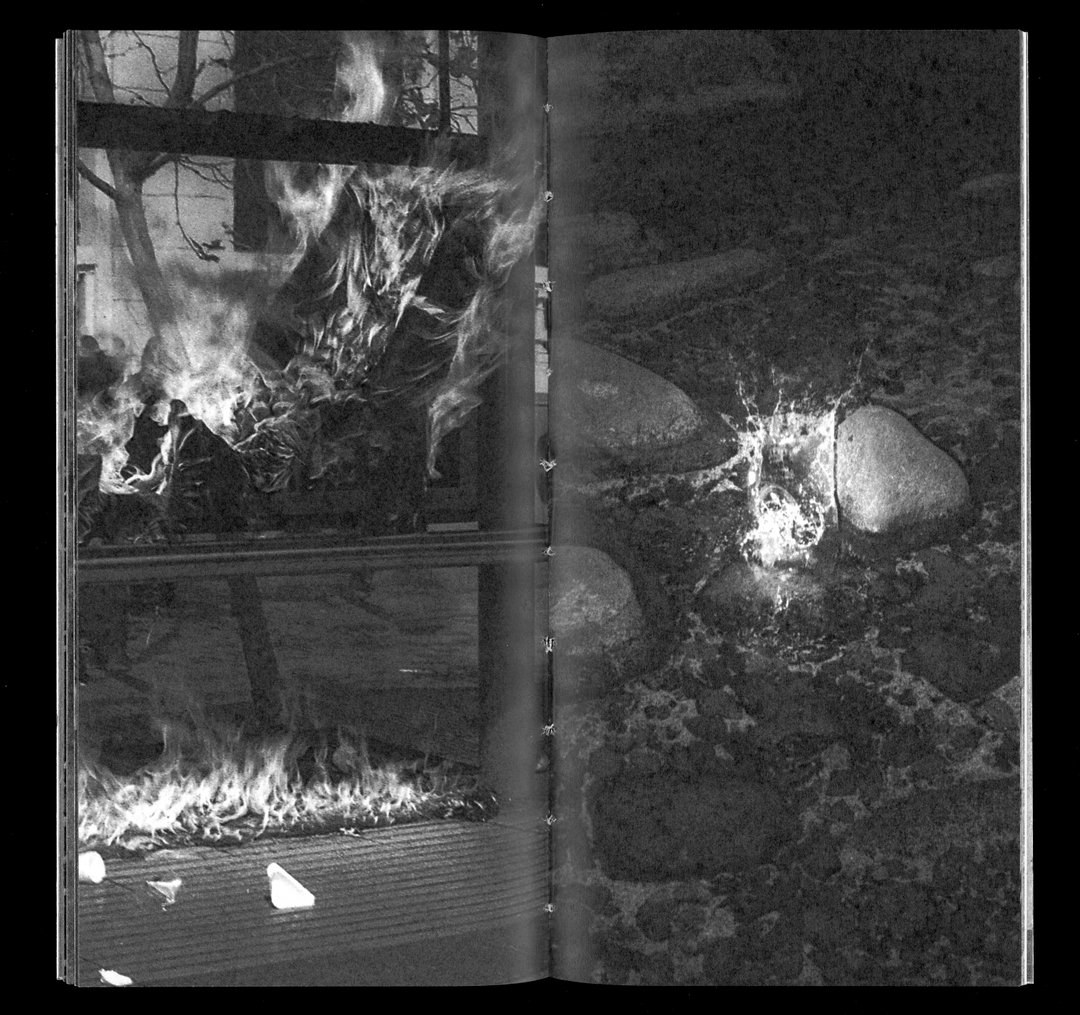
Where the book is really born was in the quiet, uncanny connections between images that captured “the ruin and feeling of uncertainty” growing up in the “third world” they grew up in, which they found to be genetically made up of abandoned places, fragile objects, industrial leftovers, traces of ecological collapse and moments where nature and human structures collided. In Uncertainties, the collision of imagery creates a menacing tone throughout: where one photo shows a hand holding a delicate crystal, the accompanying photo shows a smashed windshield. Where one side of the spread shows a dilapidated bathroom sink, the next shows an inverted photograph of assault rifles lined up against the wall. Yihan and José allow the viewer to create the narrative, however uncertain and open-ended it may be.
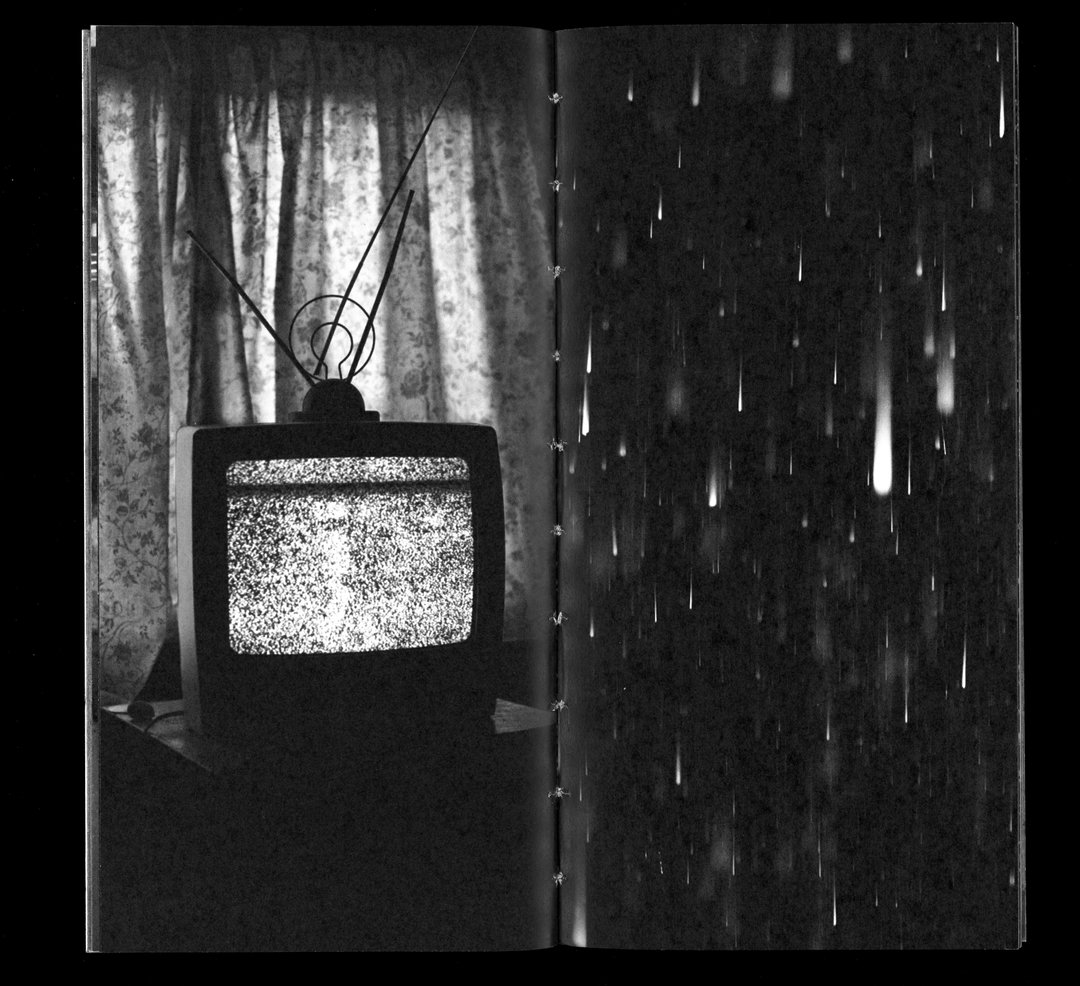
The duo were drawn to subjects that feel fragile, overlooked or unresolved, inspired by the “vertiginous nature of realising that they lived in the margins of the wider world”. The photographs have a textural interplay that is fascinating – in one diptych, a television shows fuzzy static and next to it, an image shows an almost cosmic, glittering downpour of rain. It recontextualises rain as a type of natural static that happens in the air. But both images capture the inbetween of places, the inbetween of channels and the inbetween of ground and cloud.
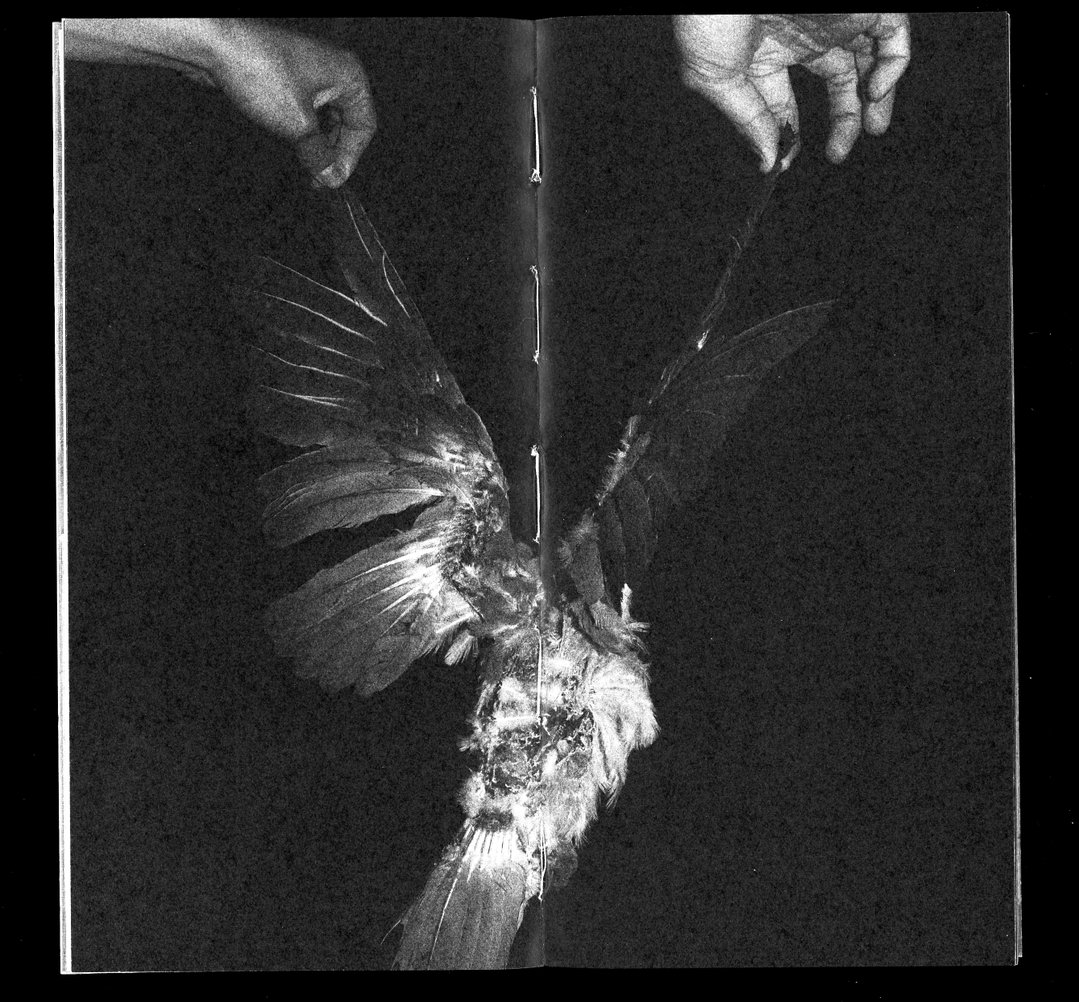
“These images aren’t about China or Chile as national identities. They’re about what it feels like to grow up in places where everything is shifting faster than you can process,” says José. “We both come from regions marked by transformation — political, ecological, economic — and those tremors seep naturally into the work.” In a geographical sense, one can see tremors as a type of almost-trauma, a vibration that could’ve been something much worse, like an earthquake or a flood. That same tension carries through into Uncertainties, the uncertainty of what could have been, what could happen. This ambient violence manifests into photos of dog’s jaws, a blaze, a rock striking water, a crushed bug, a dead bird – natural occurrences that hold savage possibilities.
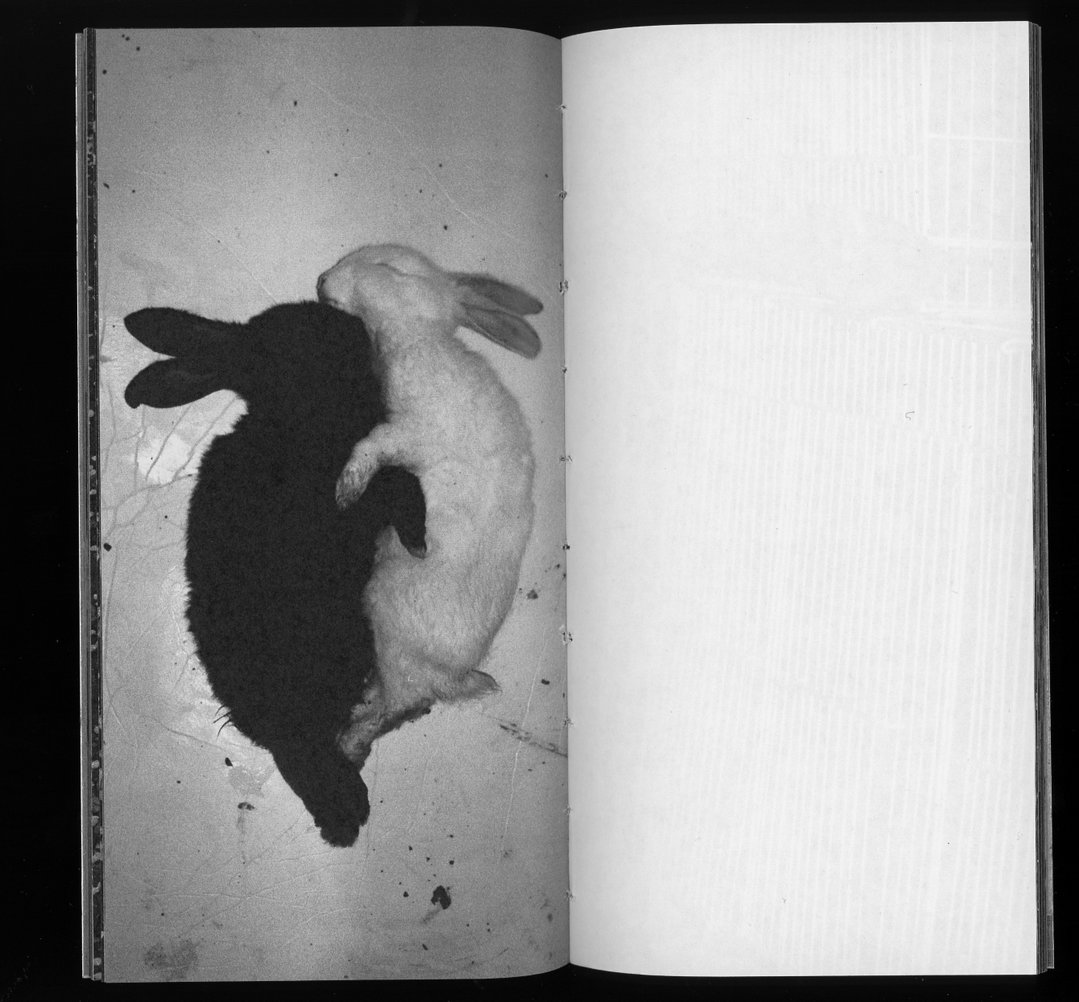
“In Yihan’s images, you see the residues of China’s accelerated transformation in the form of precarious infrastructure and threats to wildlife,” says José. “Meanwhile In José’s images, you see the scars of extractive economies in Chile in the leftovers of big machinery and industrial leftovers,” says Yihan. “These parallels weren’t intentional but we found that the traces of the accelerated industrialization of the 20th century were present everywhere we looked in our past.” Accepting decay as a natural process, perhaps even a beautiful process, the book’s main theme is encapsulated in a photo of two dead bunnies, one white, one black, holding each other in an eternal stillness. But together, they become a yin-yang symbol, an acceptance of life and death.
GalleryYihan Pan and José Cárdenas: Uncertainties (Copyright © Yihan Pan & José Cárdenas, 2025)
Hero Header
Yihan Pan and José Cárdenas: Uncertainties (Copyright © Yihan Pan & José Cárdenas, 2025)
Share Article
About the Author
—
Paul M (He/Him) is a Junior Writer at It’s Nice That since May 2025. He studied (BA) Fine Art and has a strong interest in digital kitsch, multimedia painting, collage, nostalgia, analogue technology and all matters of strange stuff. pcm@itsnicethat.com
To submit your work to be featured on the site, see our Submissions Guide.