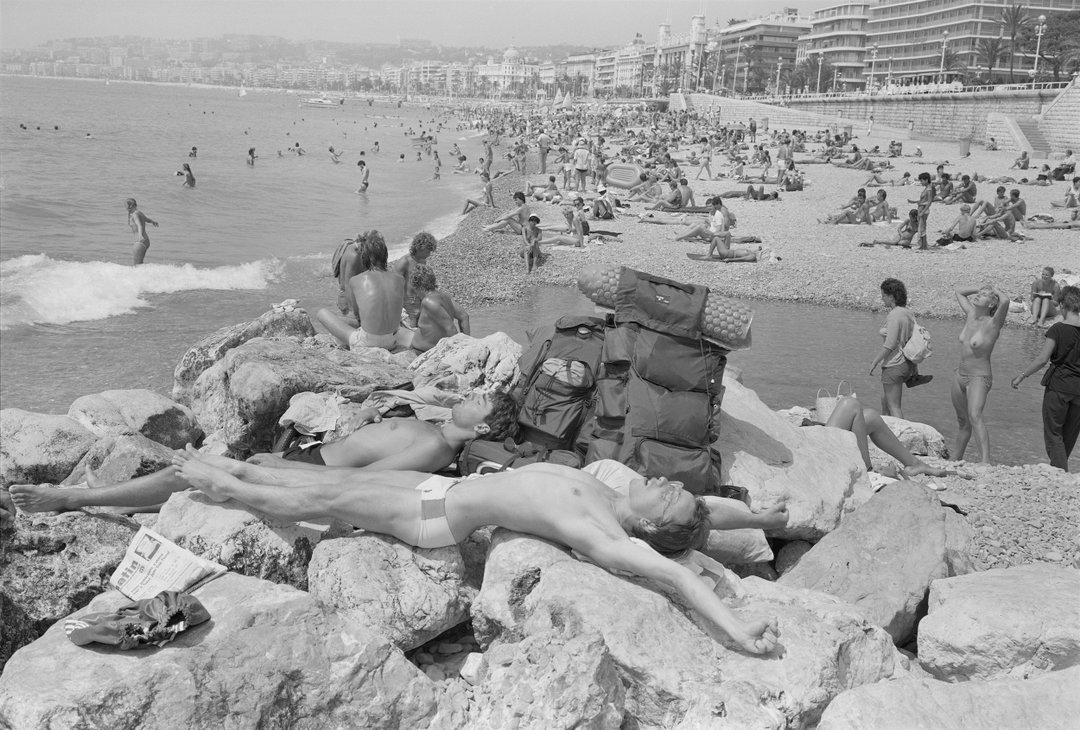
A respite from the unfolding events across the globe, Sergio Purtell’s Love’s Labour traverses back to summers spent in Europe
Reminiscent of sweet, carefree days in the summer, the photographer has turned his earlier works into a new book, published by Stanley/Barker.
We’re in precarious times; neither do we know what will happen in the next few days let alone in a few weeks. Travel is still restricted and, for many, we can only dream of those warm, summer evenings listening to a local band playing in a Spanish village square – or something equally as relaxing perhaps in Italy, Greece or Germany.
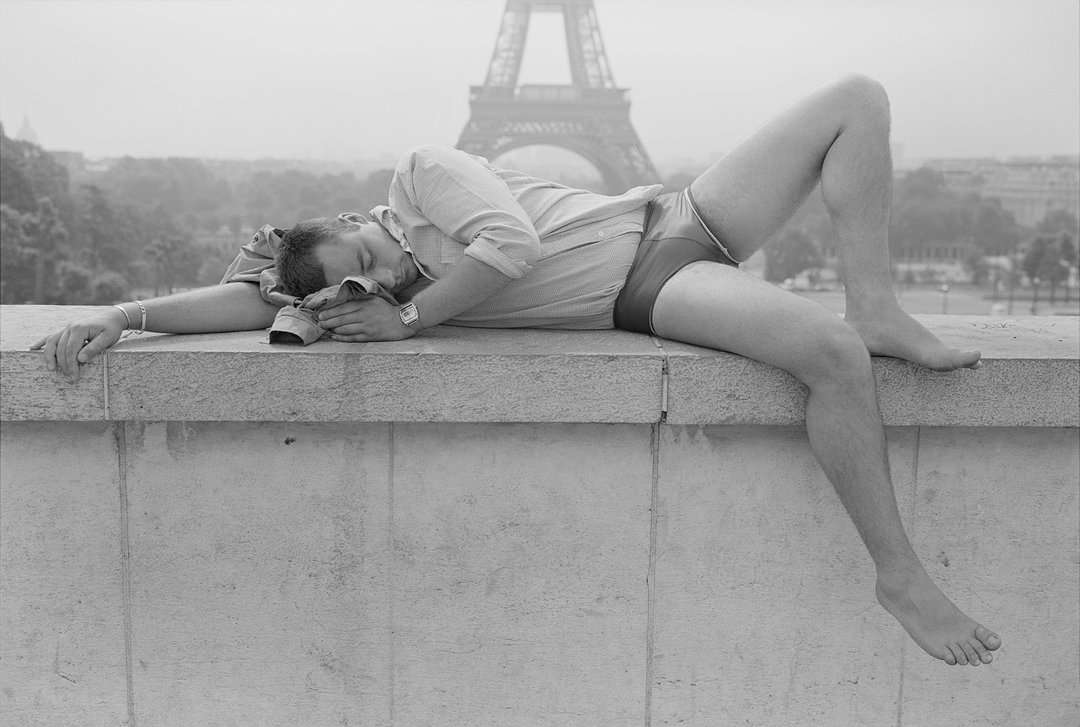
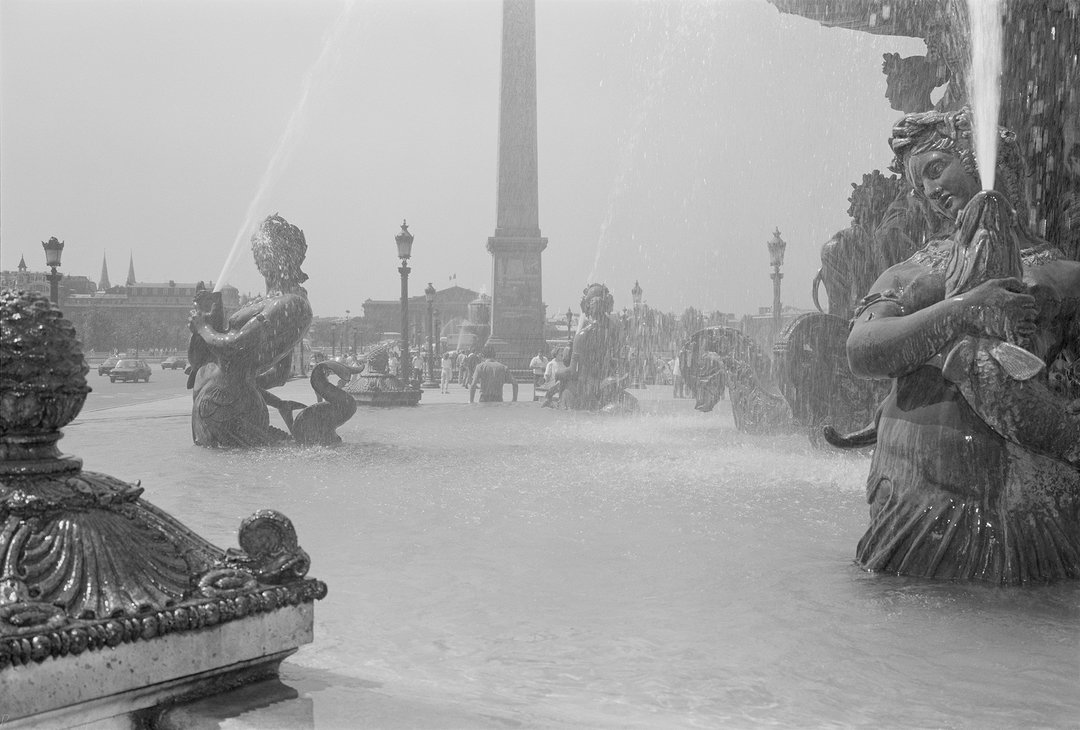
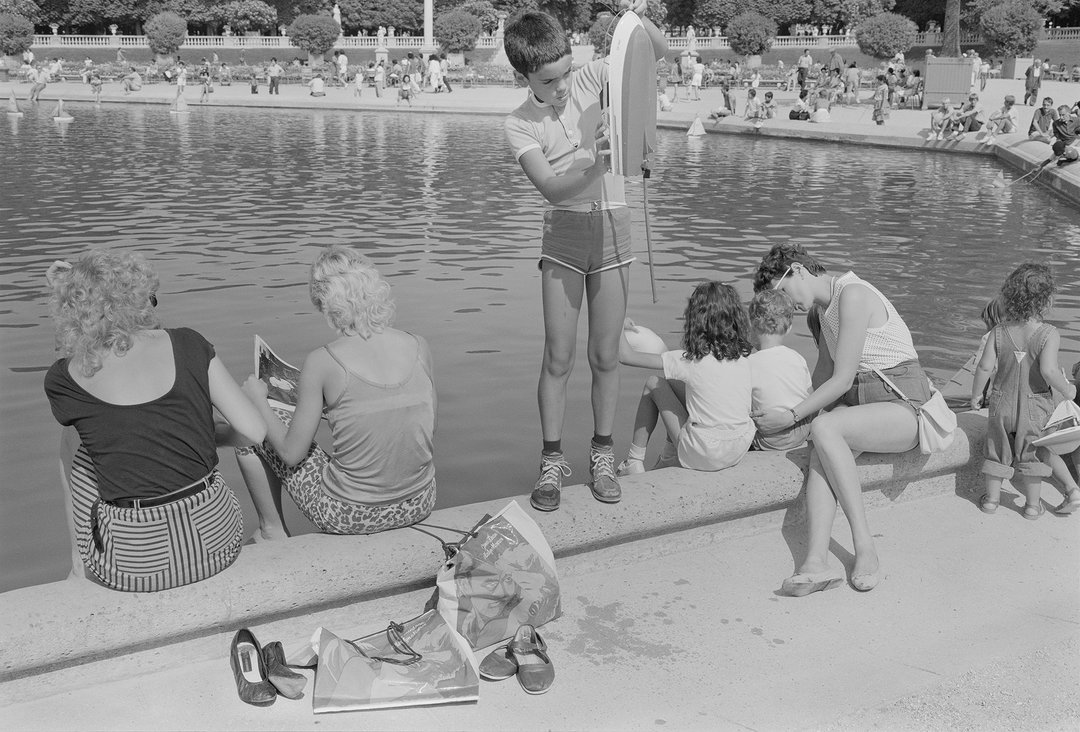
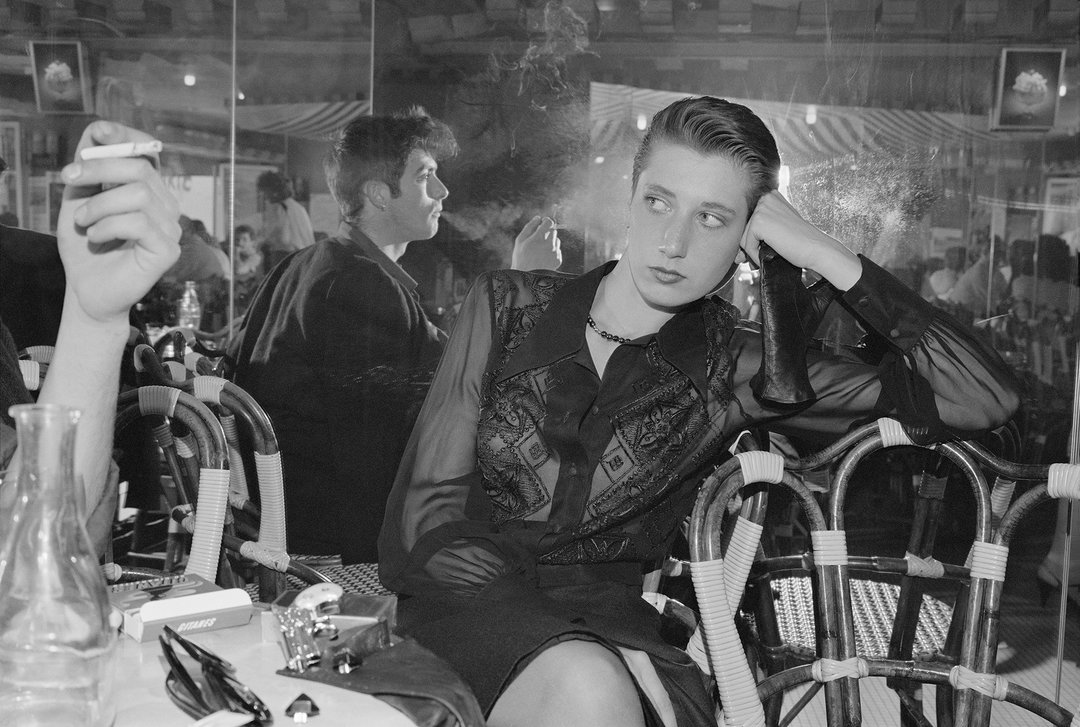
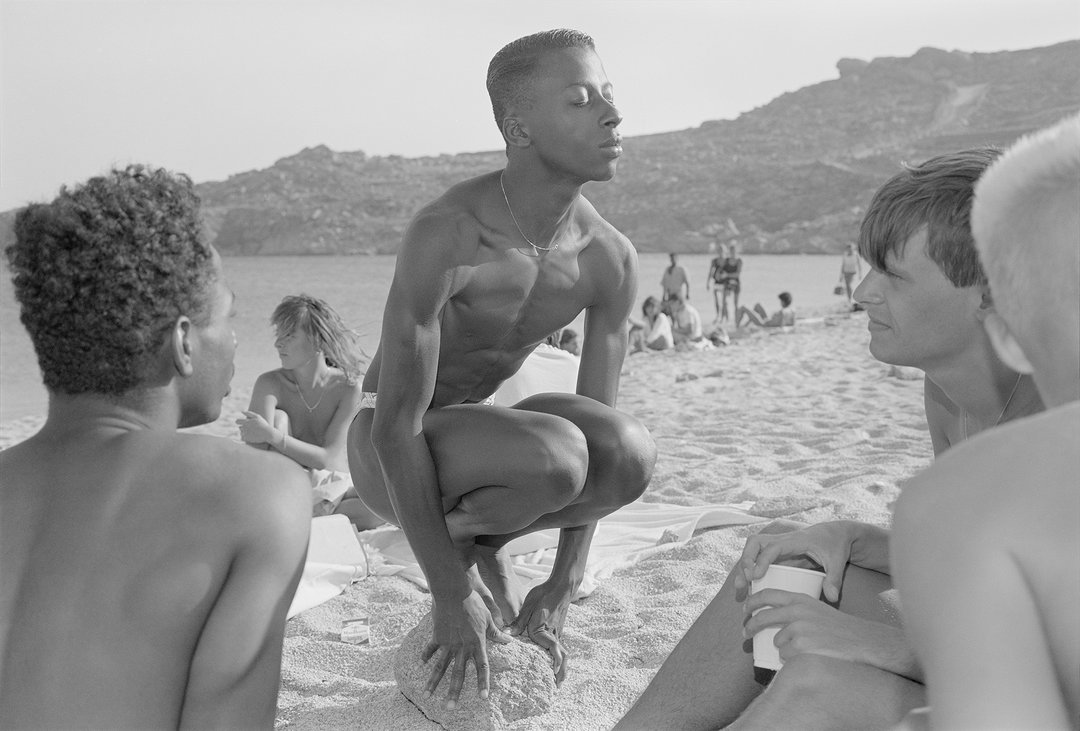
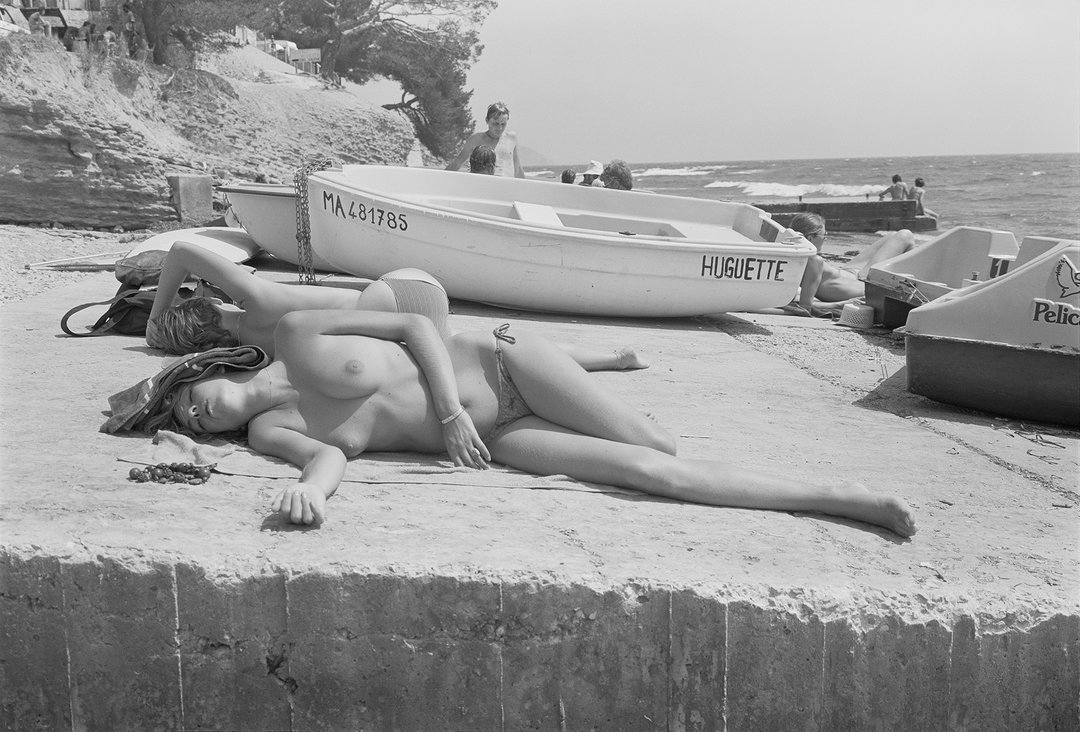
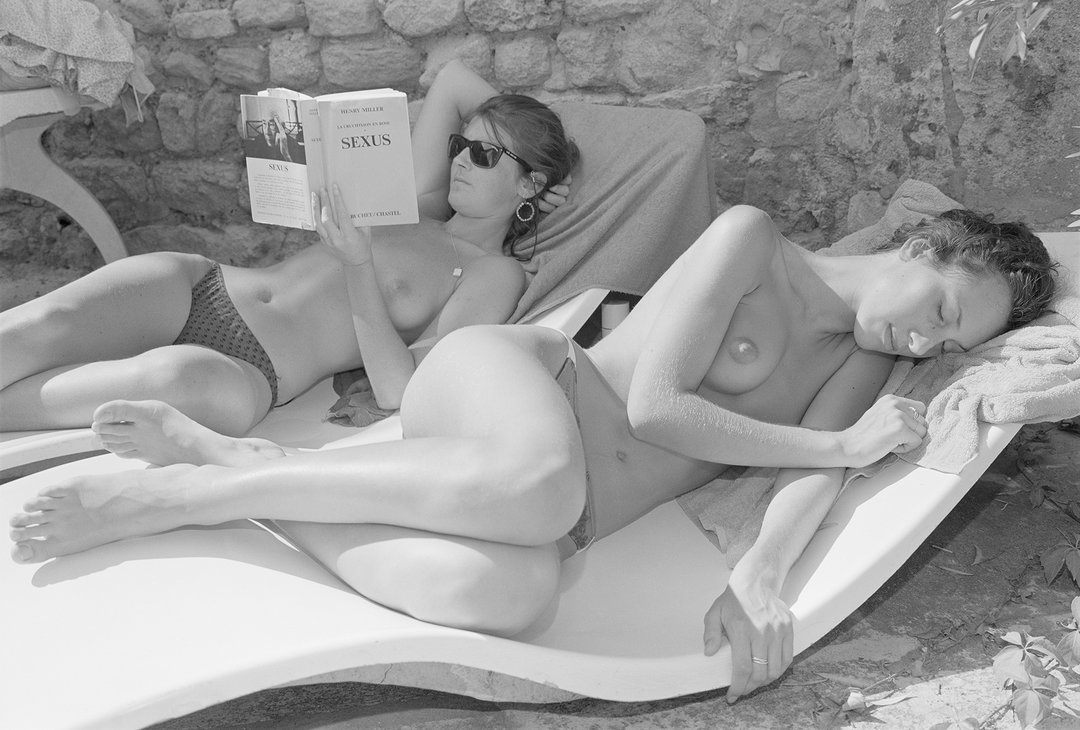
This is precisely the feeling that’s conjured up through Sergio Purtell’s new photography publication, Love’s Labour, published by Stanley/Barker. Shot entirely in a hazy tone of black and white, his snapshots of European metropolis and idle characters in the blissful sun are more than just enticing – they’re enviable and reminiscent of old times gone by. And what’s even more interesting is that these pictures were taken over the course of every summer between the late 70s to mid-80s, despite the fact that they have a profound relevancy today.
Sergio was born in Santiago, Chile, and had started studying architectural design while the Coup D’état of took place – a military coup that deposed the Popular Unity government of President Salvador Allende. “I left for the US in 1973 – by myself, I was 18,” Sergio tells It’s Nice That. “I worked menial jobs and put myself through school,” he recalls, receiving a BFA from Rhode Island School of Design and an MFA from Yale – “I was 50 years old when I finished paying off my student loans!” Then, in 1978, that’s when he’d began to fully engage himself with the medium of photography, while working on his BFA at RISD. It was his art history classes that truly opened his eyes to the possibilities of art as a whole: “instead of spending the rest of my life sitting on a stool and drafting ideas for dwellings, I could spend my time wandering the world, finding meaning and direction for my life,” he adds. “Suddenly, the world started to make sense to me, and photography gave me a strong shove to be physically present in it.”
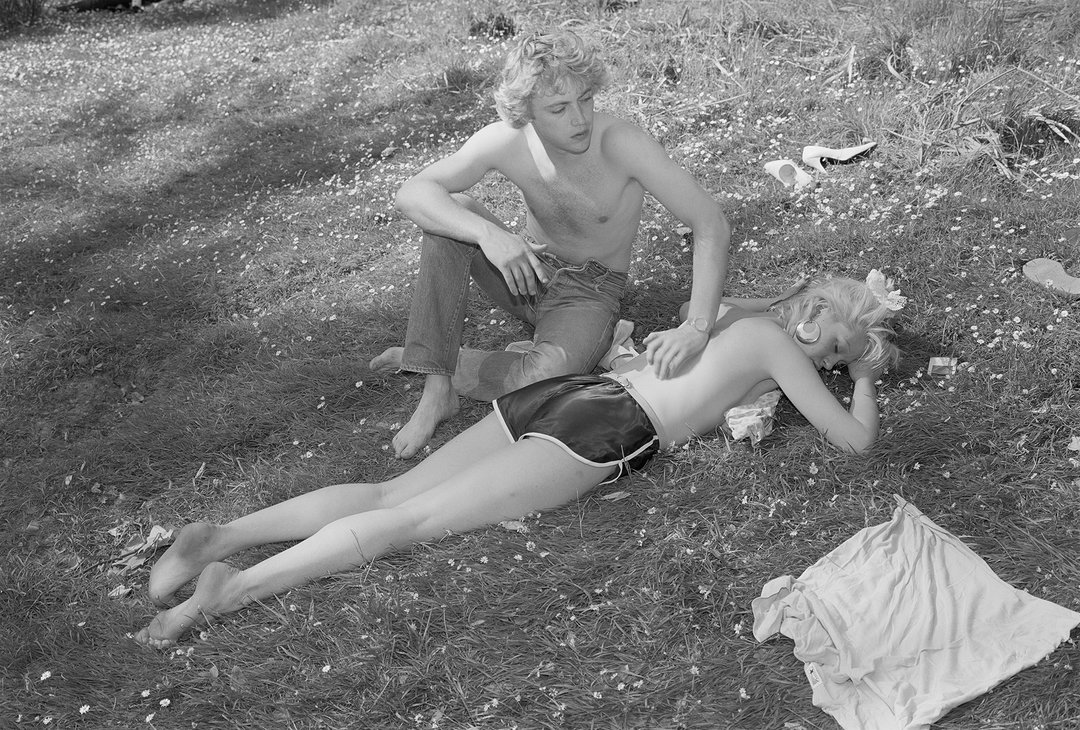
Sergio Purtell: Love's Labour
As such, Sergio has always worked intuitively. Inspired by life and peoples’ behaviour, the way that he traverses through the world is somewhat lyrical and deciphered by fate – “or destiny to guide me and put me mindfully where I needed to be.” In this case, Sergio was approached by Gregory Barker from Stanley/Barker to create a body of work. Destiny placed the photographer in a time capsule, whereby his earlier bodies of works were to be reintroduced into a new title. “Gregory first proposed Moral Europe as a title, but I thought that it was a bit ambiguous and wanted to take politics out of the picture since we are living in a very changed world right now,” explains Sergio. Commencing the project at the end of last year, 19 rounds of sequencing and the book began to form its composition; “It definitely helped to have Gregory’s fresh perspective, and his discerning eye and editing skills.”
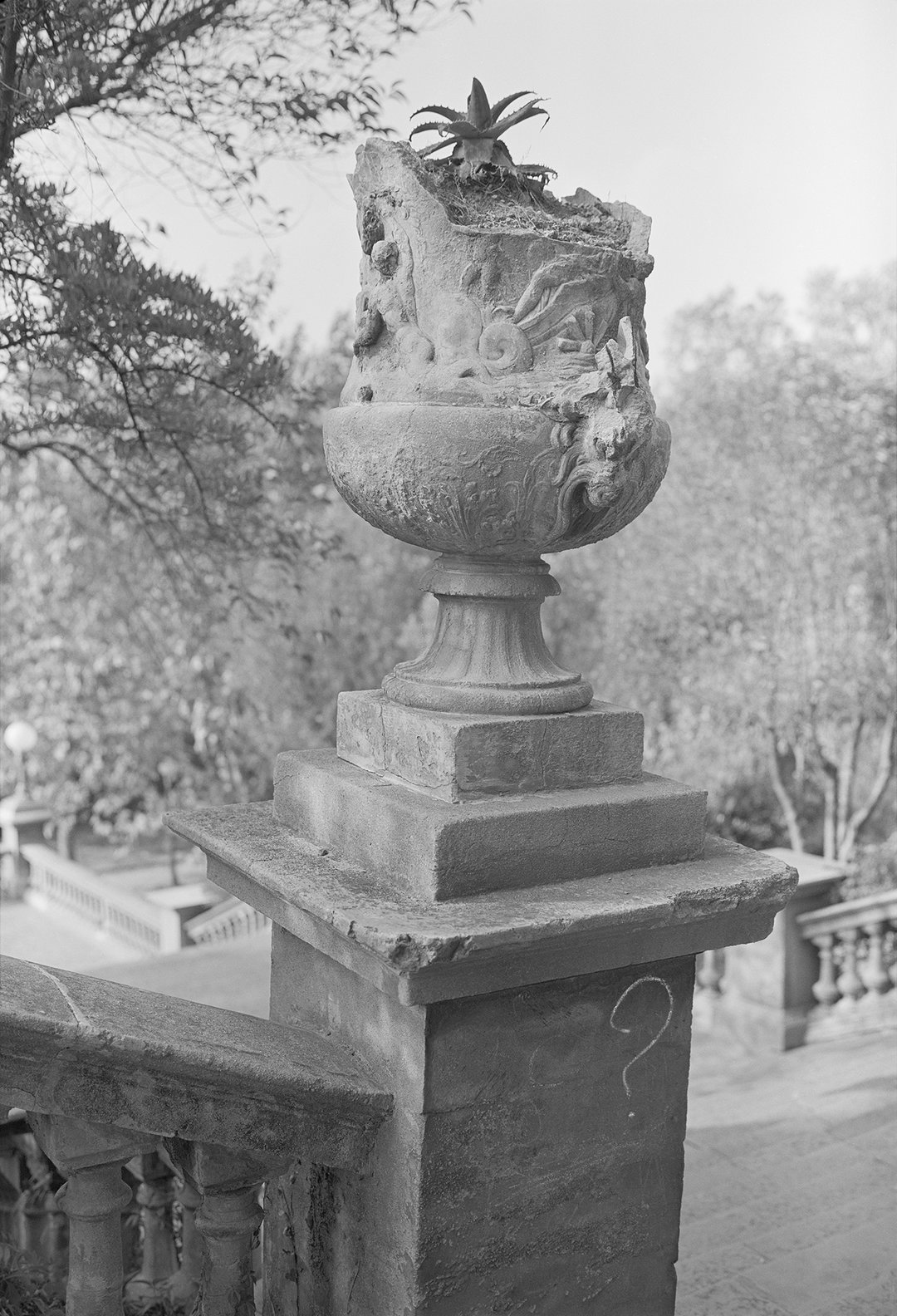
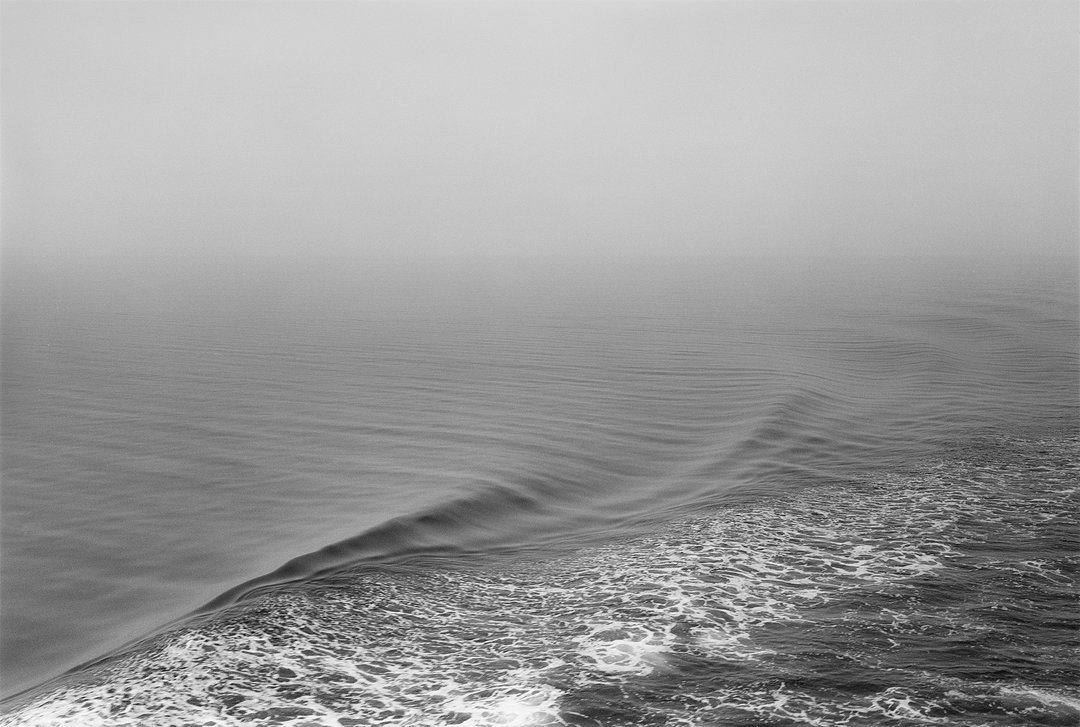
Throughout the process some “obvious” themes began to surface, which includes a “young man’s journey”, sex – “an obvious one” – an abundance of water, sculptures, books and newspapers. This sparked a memory for Sergio who was reminded of Shakespeare's’ early work Love’s Labour Lost, “where love is the unifying force – the play also draws on themes of masculine love and desire, estimation, justification and reality versus fantasy.” Explicitly the muse behind the series and newly formed publication, when Sergio heads back to the moments of crafting his pictures, at the age of 65 it’s not such a simple task. “It wasn’t easy to go back and revisit my young self, to get into the heart and mind of who I was then,” he adds, but working on this book certainly helped him to escape the tremulous world we’re finding ourselves in at the moment, the kind that’s filled with “so much anxiety and despair”.
Now that the book is complete and his past memories have been solidified into a physical publication, Sergio points out a prominent image on page 30. There are two couples sitting a cafe, seemingly at a distance. Meanwhile, a man is presenting a bill to a women sitting next to him in the foreground, a drink in his other hand and she’s smiling – “her body language says I am not sure.” Sergio adds: “The couple in the background are equally interested in what is going on near them, but they look pensive and suspicious. The three characters to the right are dressed as if they’ve stepped out of a 20’s movie and the man to the left is trying to buy his way into that time machine.” Clearly, there’s a lot to divulge in this image and that’s exactly what the photographer strives to achieve; an image tells us an entire story with just the simple moment of a flash, but answers don’t come easy and Sergio wants his audience to work a little.
Concluding on the matter, Sergio quotes Gregory on what he responded after he asked him if it was indeed the right time to be putting out a book with all that is going on in the world – especially a book that traverses back to the summer months spent in Europe. Gregory responded: “We hope that books can give people a little respite from the unfolding events, and hopefully something to look forward to. We think that at a time like this, beautiful books are needed more than ever. For those isolated indoors, we hope our books can be a connection to the larger world”.
GallerySergio Purtell: Love's Labour
Share Article
About the Author
—
Ayla is a London-based freelance writer, editor and consultant specialising in art, photography, design and culture. After joining It’s Nice That in 2017 as editorial assistant, she was interim online editor in 2022/2023 and continues to work with us on a freelance basis. She has written for i-D, Dazed, AnOther, WePresent, Port, Elephant and more, and she is also the managing editor of design magazine Anima.