Explore the women of Soviet Art through this carefully curated poster collection
Art dealer Stephane Cornille has a lifelong fascination with the Soviet Union. In the midst of a year-long journey traveling the former Soviet Republics, he tells us about his collection and the importance of women in the Soviet era.
Stephane Cornille grew up in New Zealand, in a geographical location he describes as “at the bottom of the world and far removed from almost everything”. As a child, he developed a fascination with the Soviet Union, an interest that would become a lifelong study of the socialist state spanning a sixth of the world’s mass and across 11 different time zones. “I made a goal,” he tells us, “to travel all the former Republics one day and learn about their history.” And at the time of our interview, Stephane was two months into that much-anticipated trip.
With a background in business where Stephane spent eight years working for technology companies, the design enthusiast’s return to art reignited unexpectedly in 2018 on a visit to Ukraine. There, he bought a poster from a flea market in Kiev and slowly started to build up a collection of vintage posters, first for himself then for friends and eventually, selling them too. Years past and with it, Stephane journeyed to many other countries that made up the former Eastern bloc. From the frozen villages of Kazakhstan to the backstreet bazaars of Georgia, Stephane’s collection continued to grow, gathering steam until he finally had an archive big enough to launch Comrade Kiev.
This website, which houses Stephane’s mighty poster collection, is testament to the originality of Soviet art as seen through the disposable posters put up as a means of communication throughout the Soviet occupancy. Stephane tells us more on the uniqueness of the collection, “artists in the Soviet Union weren’t allowed to leave, and could only work for the state,” he says. “Because they lived in a closed society, the art they created wasn’t influenced by western style, and was also heavy in propaganda.” During the time of their creation, the posters weren’t appreciated as an art form, merely regarded as propaganda, and part of Stephane’s goal today is to raise awareness on the artistic merit of these delights.
It’s a collection that’s amassed through the relatives of Airbnb hosts, dusty attics, markets or other art dealers. And for every poster that makes it into the collection, Stephane explains how there are “at least two that don’t.” He often comes across posters that are half water damaged or half missing. Posters from this era were printed on cheap paper, ready to be disposed when a movie or movement was over. Stephane’s collection, on the other hand, are the lucky few peeled off the walls of theatre lobbies and kept safely preserved.
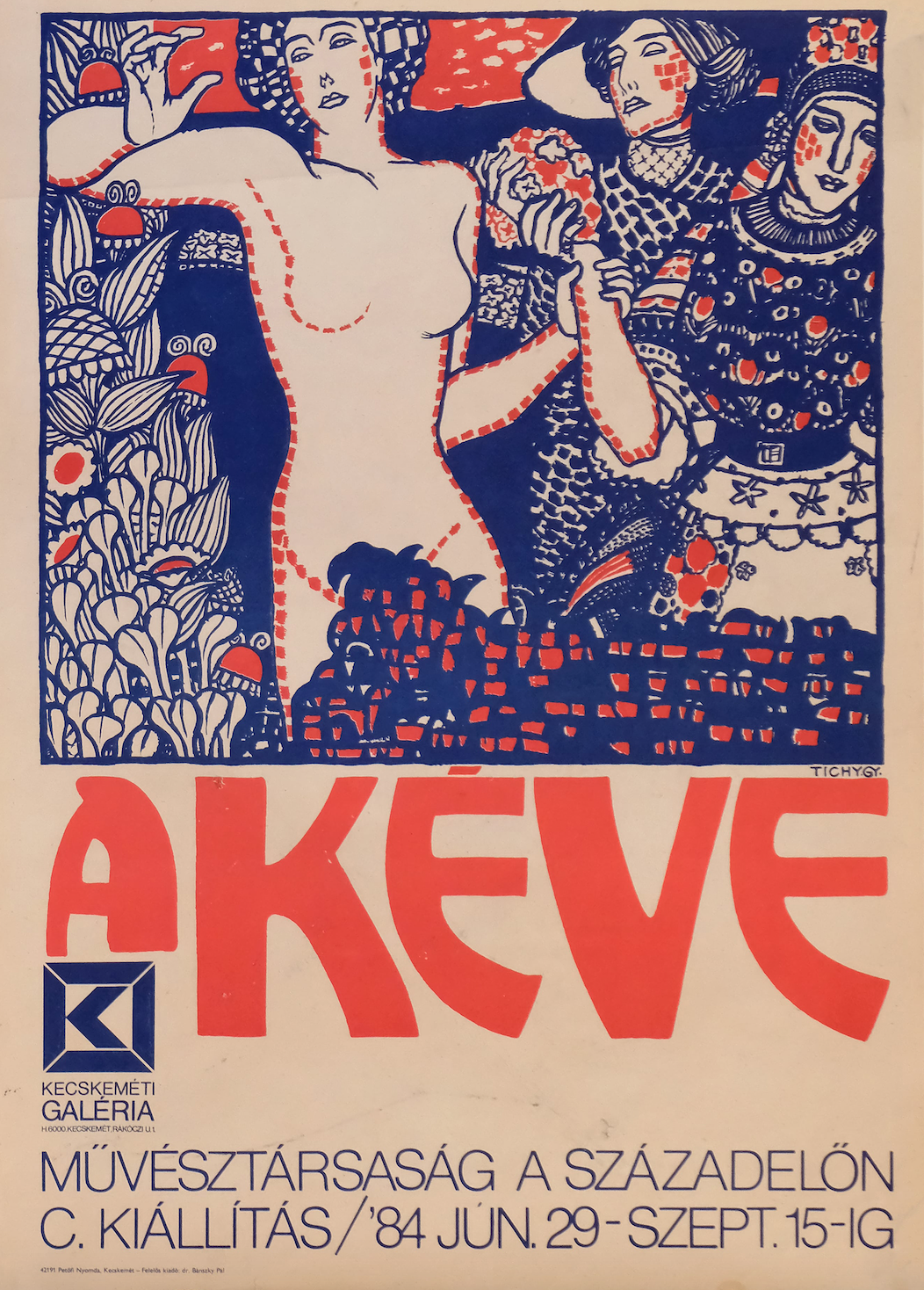
Comrade Kiev, Tichygy: A Keve Art Exhibition, Hungary, 1984
Comrade Kiev is split into a range of collections, one of these being posters designed by women. Stephane tells us about this singular collection which features a multitude of design treasures including the likes of an original 1986 Belarusian propaganda artwork by V Smolyak, a 1988 Ukrainian Drug Addiction is Suicide poster by G Tsevtsov, and an Olympics Under the Banner of Soviet Sports poster from the Russian Games in 1978. “From its founding days, the Soviet Union recognised the power of women,” says Stephane. “After all, they were the ones who kickstarted the Russian revolution,” citing how on 6 March 1917, the female workers of a factory in Petrograd held a massive strike in aid of peace and bread among a worsening economy partly fuelled by the First World War.
The USSR became the first major power to grant women the right to vote (Stephane points out that his birth country New Zealand was the first) and a few years later, Lenon declared 8 March as the official Soviet holiday of Women’s Day. “Girls and women were expected and encouraged to have an equal role in society alongside their male counterparts,” Stephane continues, “long before western society accepted women in the workplace”. The poster dealer goes on to point out how Valentina Tereshkova, the first Soviet woman in space, made the journey a whole 20 years before the US sent their first female astronaut up.
For Stephane, the influence of Soviet art is crucial to not only today’s design canon but also in the way it “helps us understand more about ourselves”. Its impact can be seen in the Bauhaus, Constructivism, modernism, and many other 20th century movements. In this way, Stephane highlights a Kandinsky quote: “Every work of art is the child of its age and, in many cases, the mother of our emotions. It follows that each period of culture produces an art of its own which can never be repeated.” And with that, Stephane finally goes on to say, “the stories of the Soviet Union deserve to be told, and Soviet design is part of that story.”
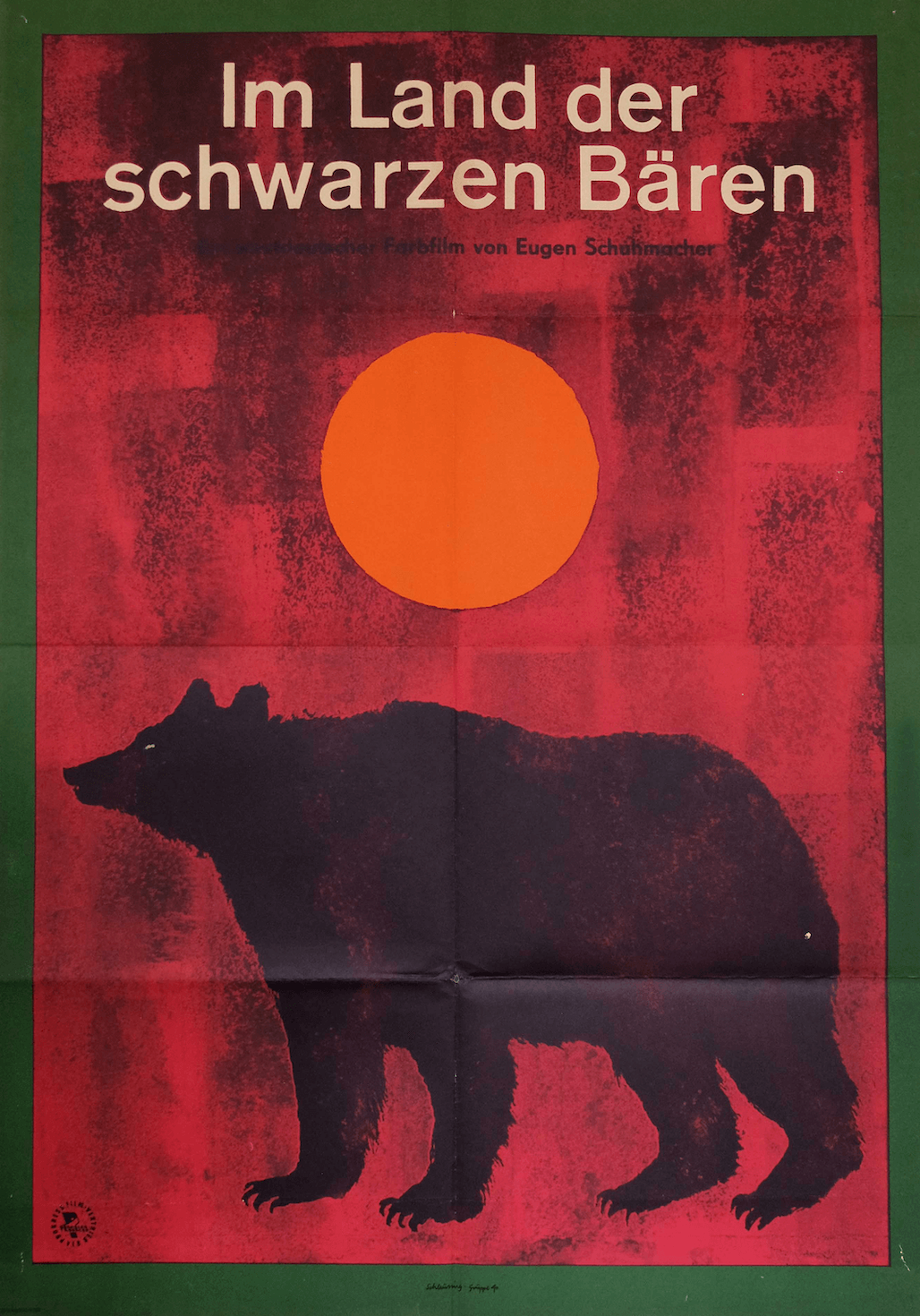
Comrade Kiev, Unknown artist: In the Land of Black Bears, East Germany, 1965
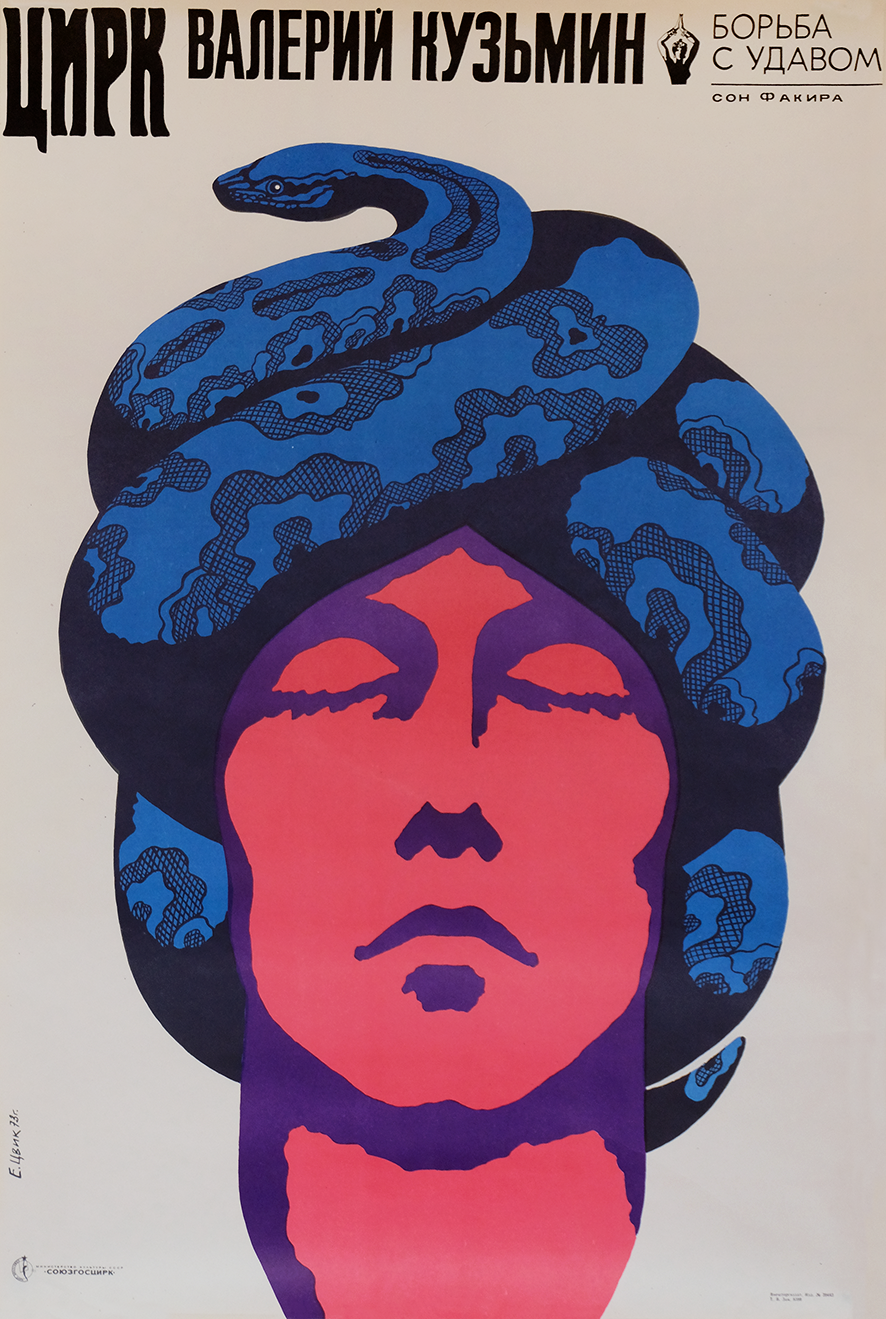
Comrade Kiev, Valery Kuzmin: Moscow State Circus, Russia, 1973
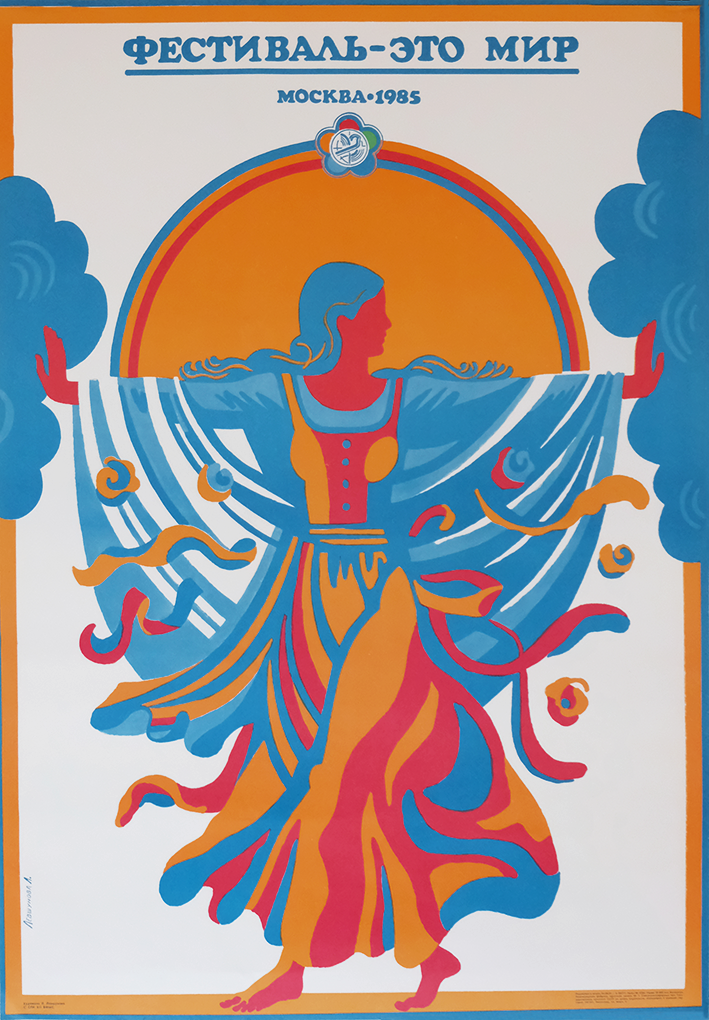
Comrade Kiev, L. Levshunova: World Festival, Moscow, Russia, 1985
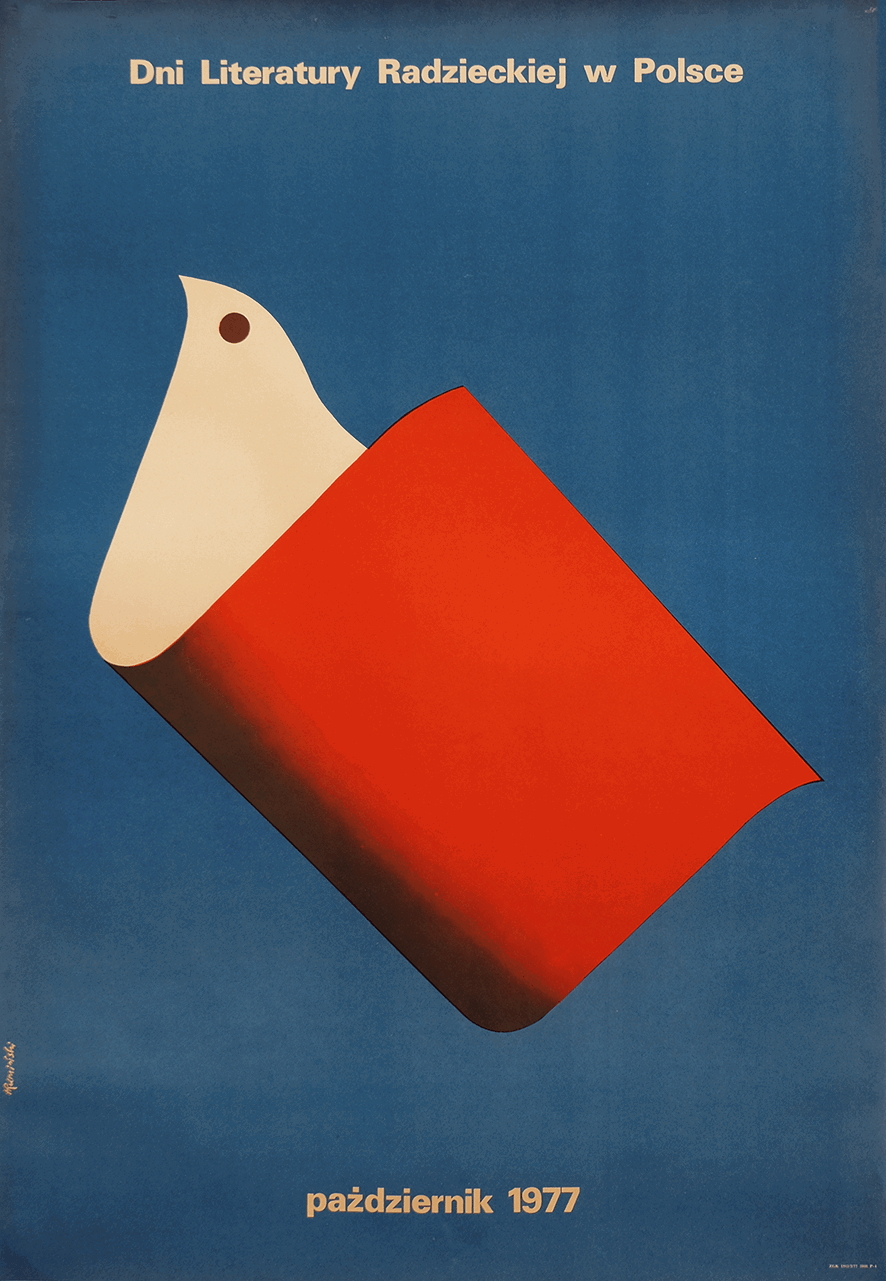
Comrade Kiev, Tomasz Ruminski: Days of Soviet Literature in Poland, Poland, 1977
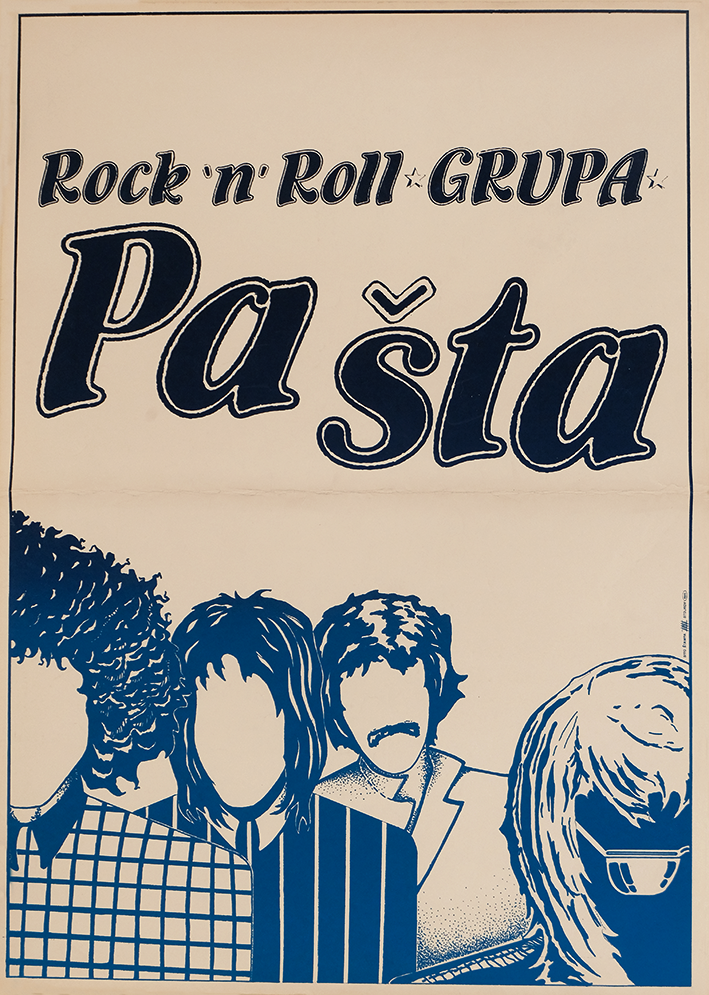
Comrade Kiev, Unknown artist: Rock 'n' Roll Group - Pasta, Yugoslavia, 1980s
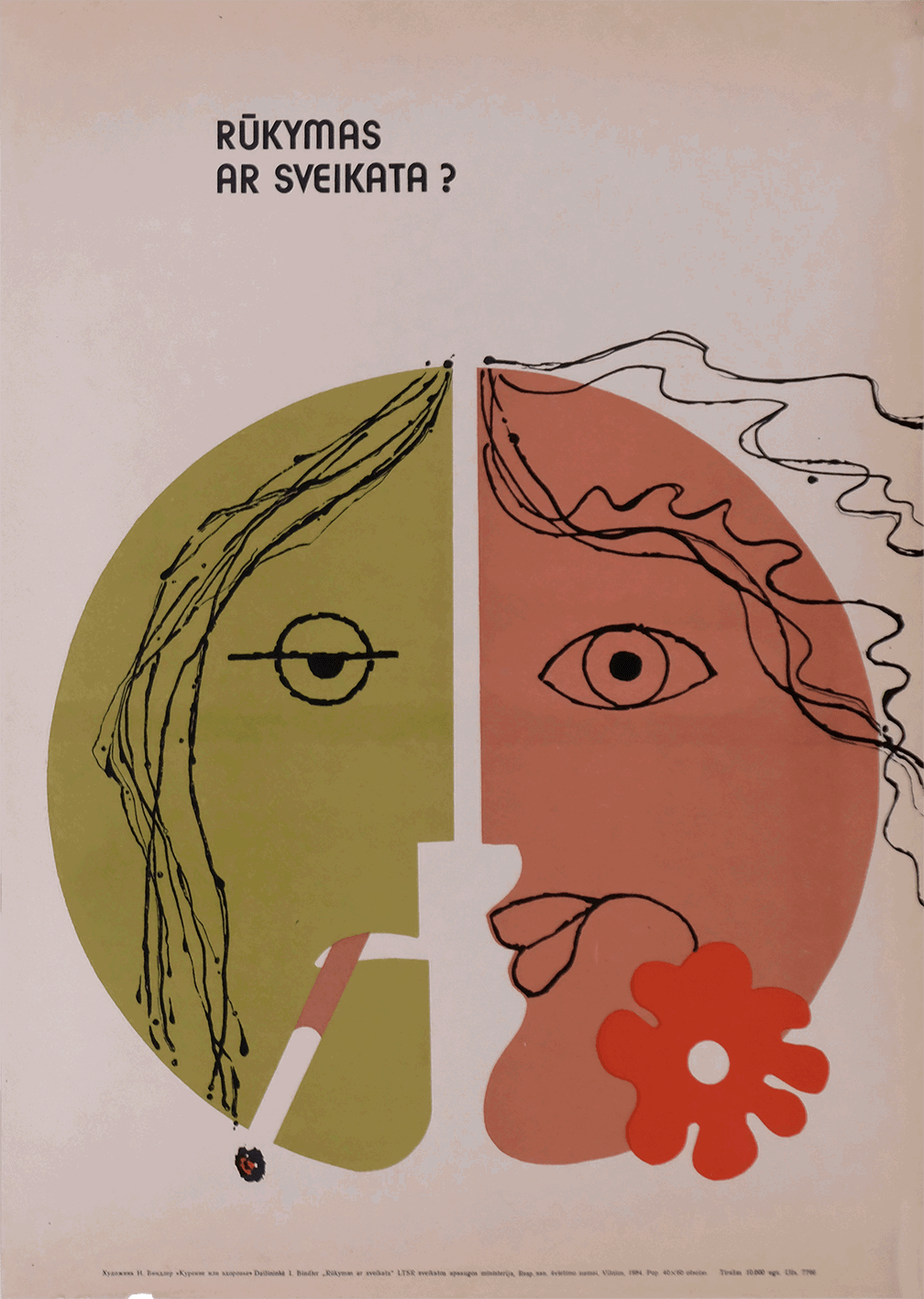
Comrade Kiev, I. Bindler: Smoking is Healthy?, Lithuania, 1984
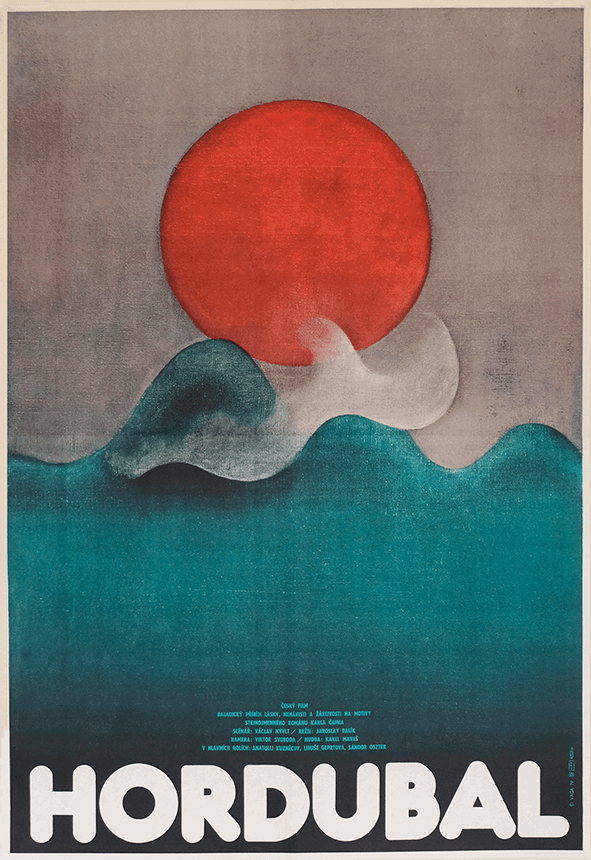
Comrade Kiev, Vaca: Hordubal, Czechoslovakia, 1979
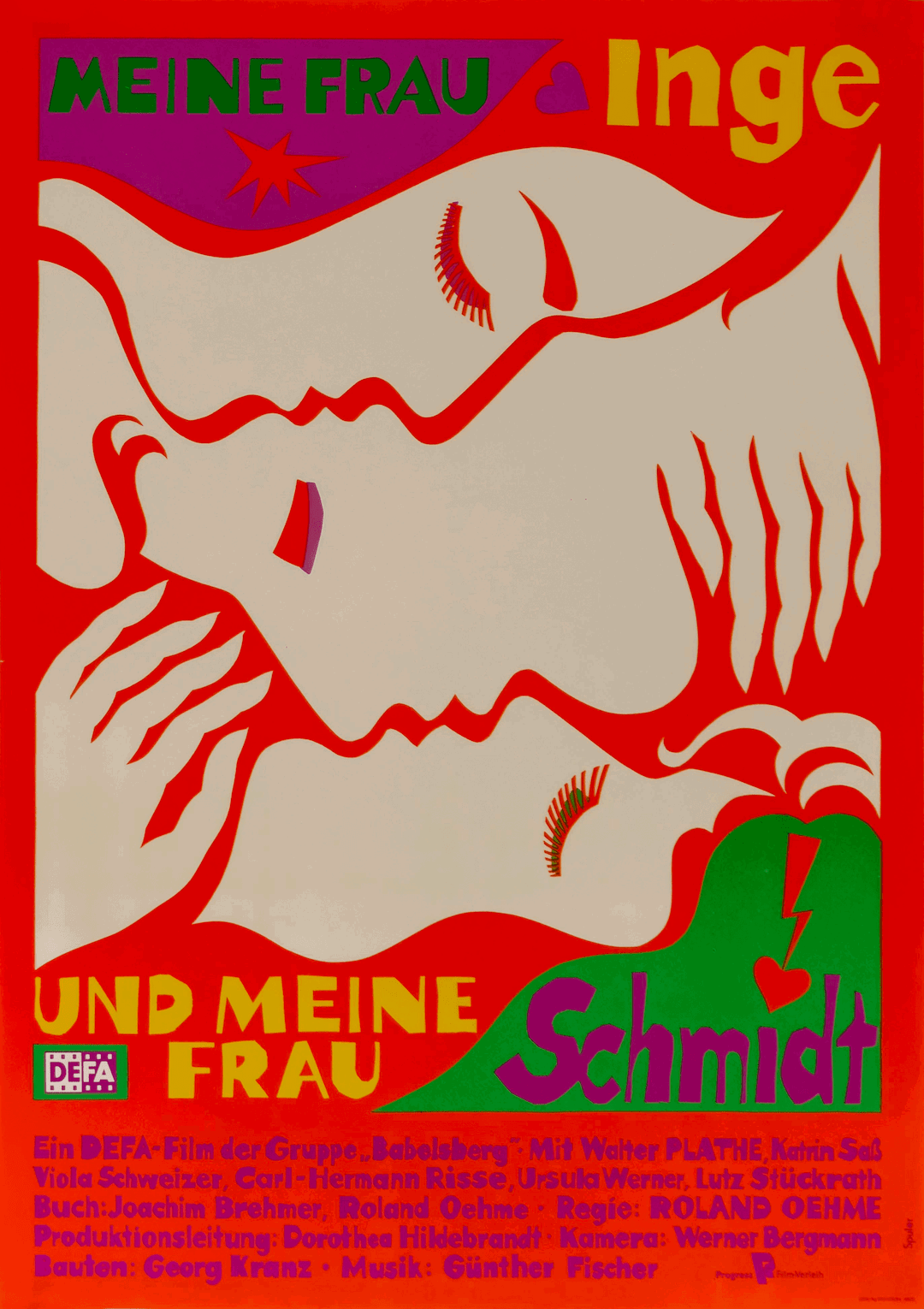
Comrade Kiev, V. Soloviev: My Wife Inge & my Mistress Schmidt, East Germany, 1985
Hero Header
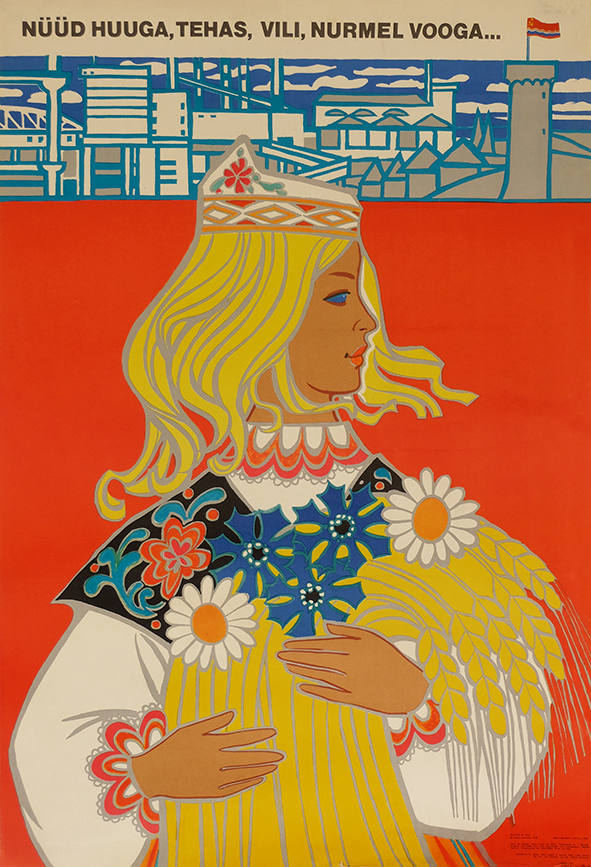
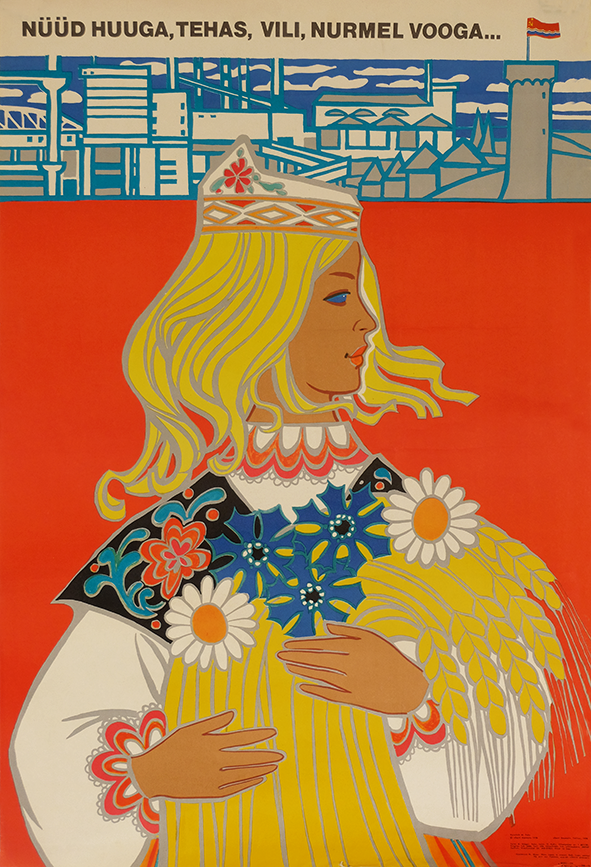
Comrade Kiev, M. Fuks: Ye Roar, Factories, and Cornfields, Wave, Estonia, 1978
Share Article
Further Info
About the Author
—
Jynann joined It’s Nice That as an editorial assistant in August 2018 after graduating from The Glasgow School of Art’s Communication Design degree. In March 2019 she became a staff writer and in June 2021, she was made associate editor. She went freelance in 2022.