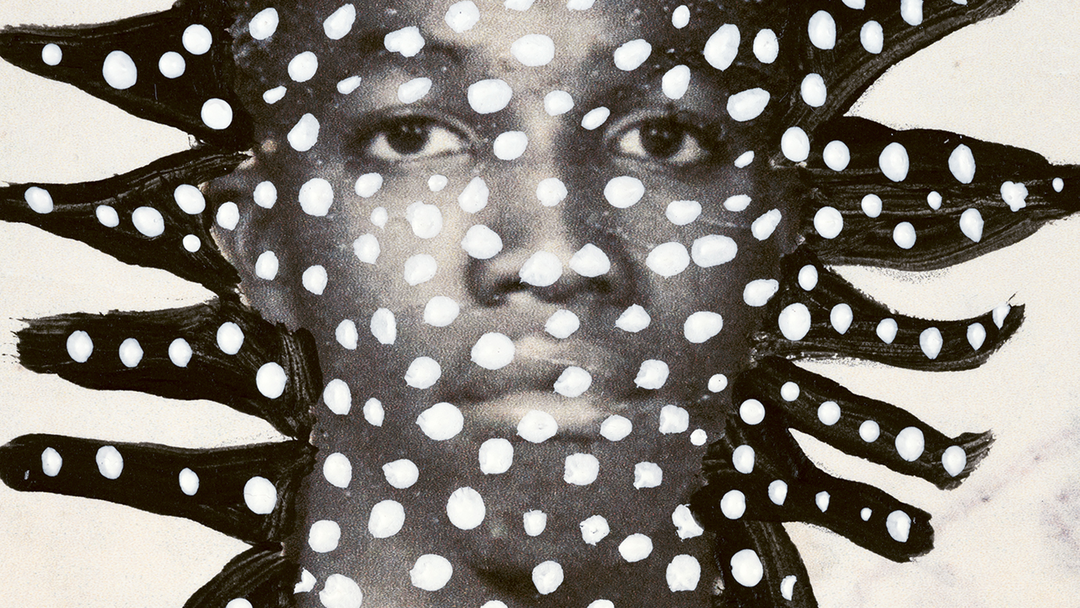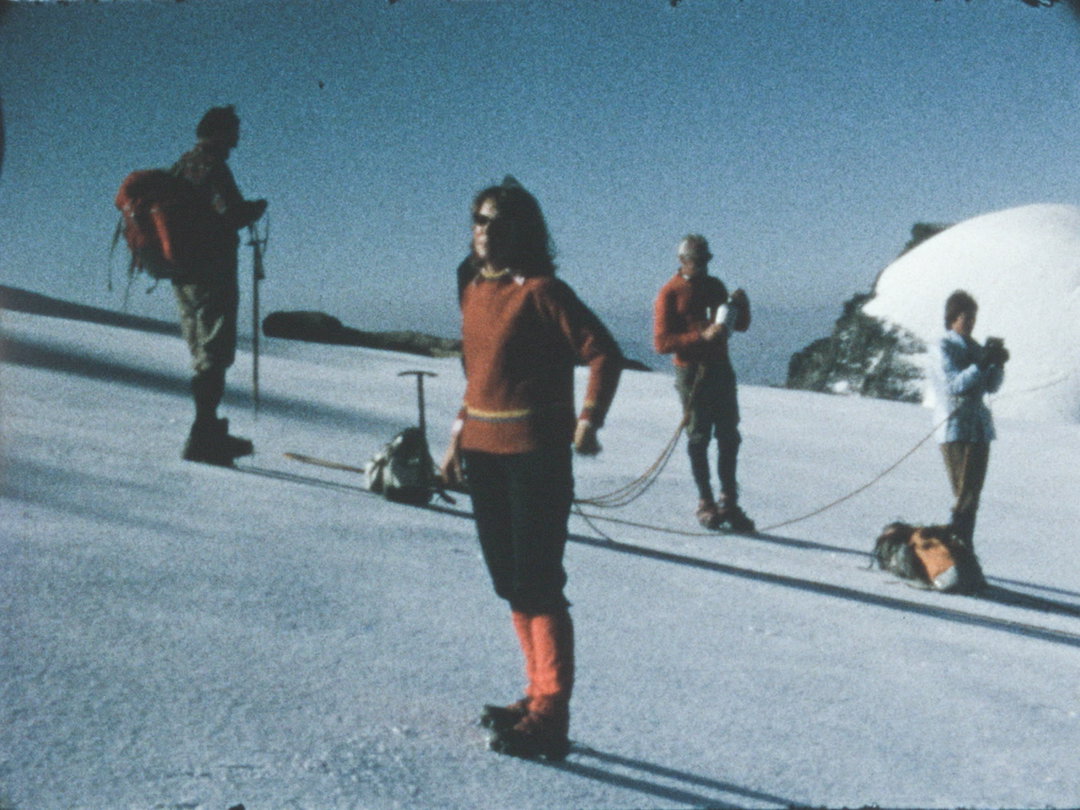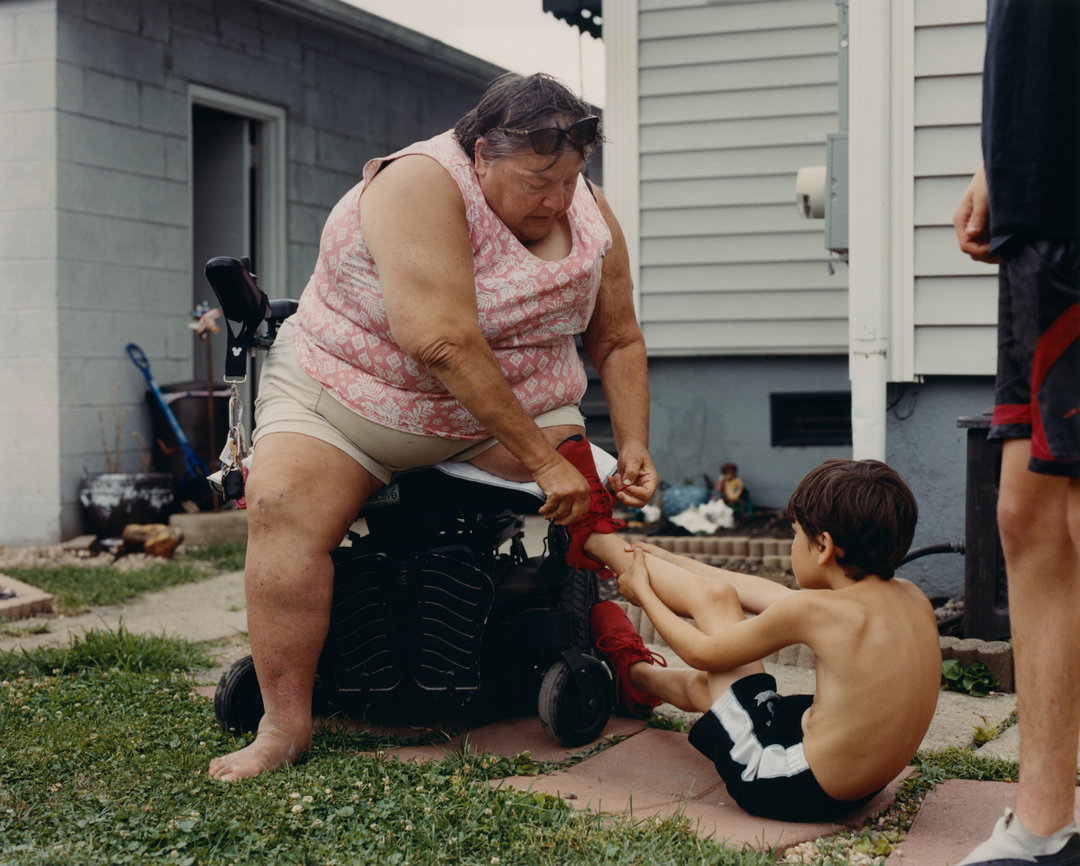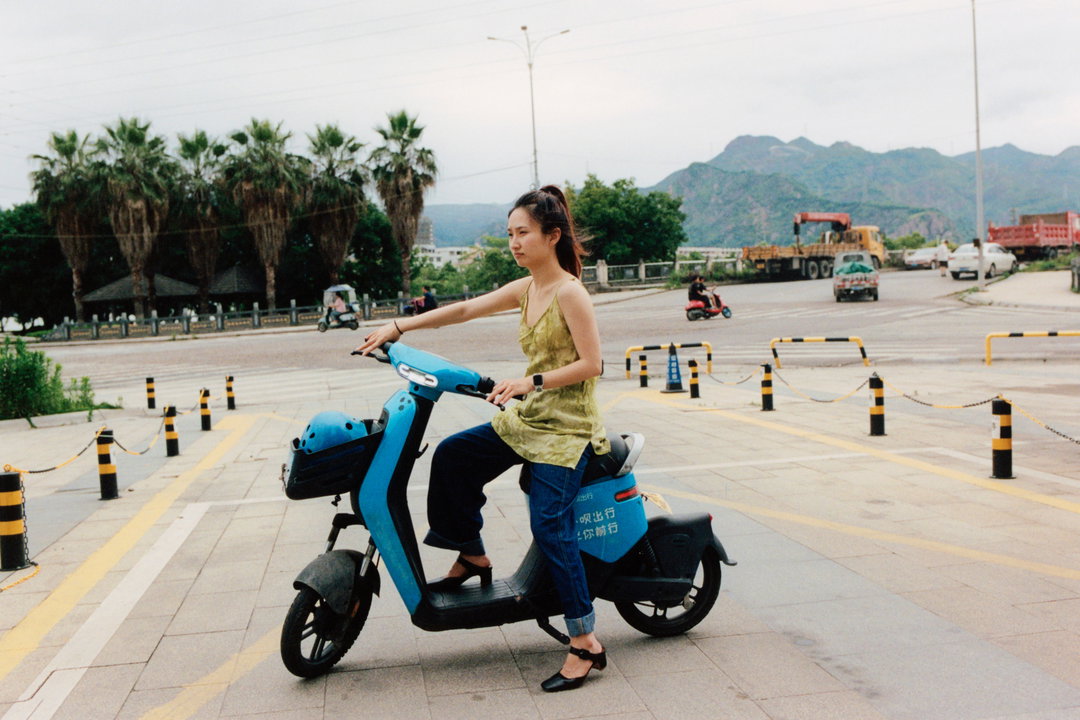
The Filial Daughter孝女 by Mengyu Zhou is a tender story of Chinese womanhood
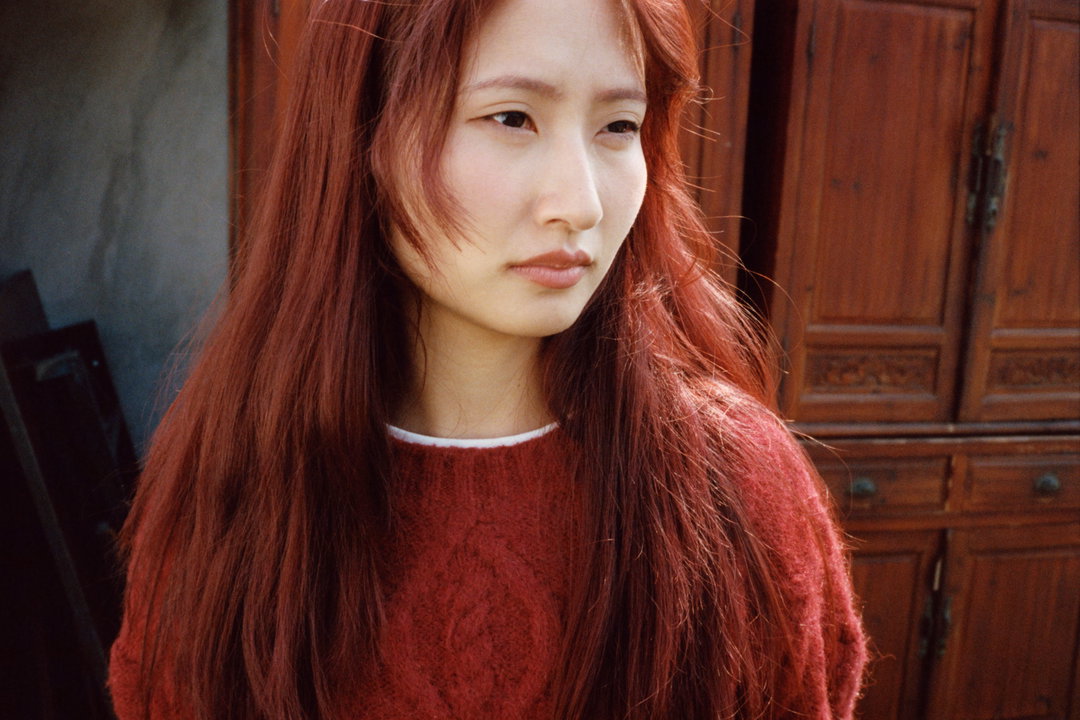
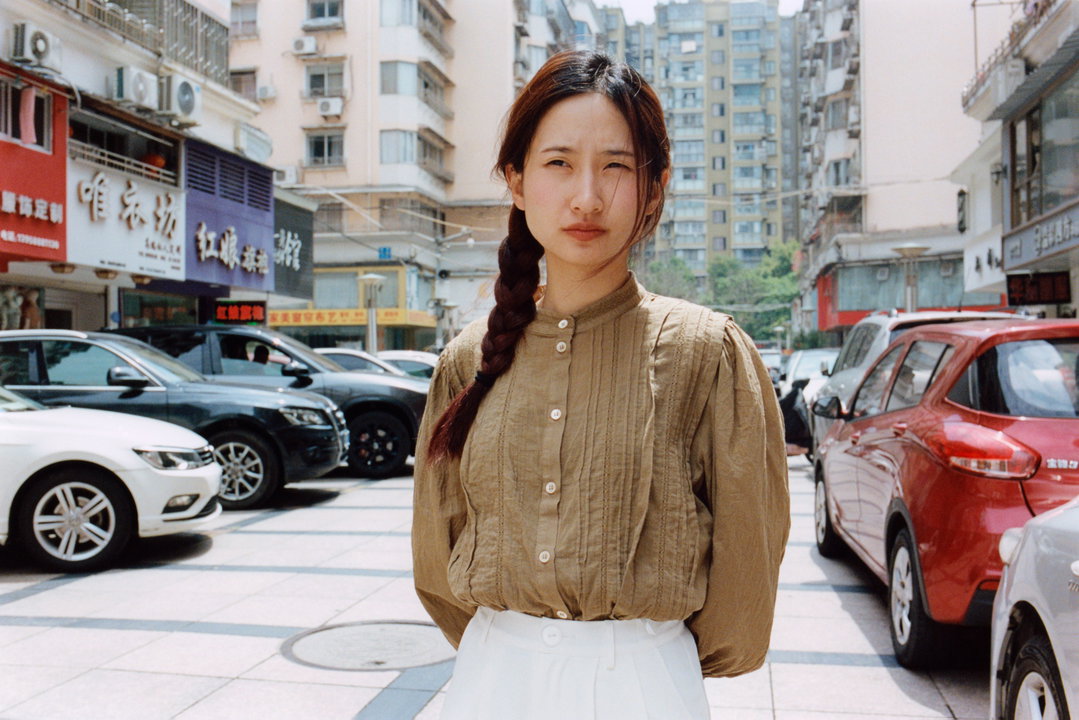
The series sees the photographer return to her hometown of Wenzhou, photographing and reconnecting with the women in her family who still live there – especially her cousin, Orange.
Share
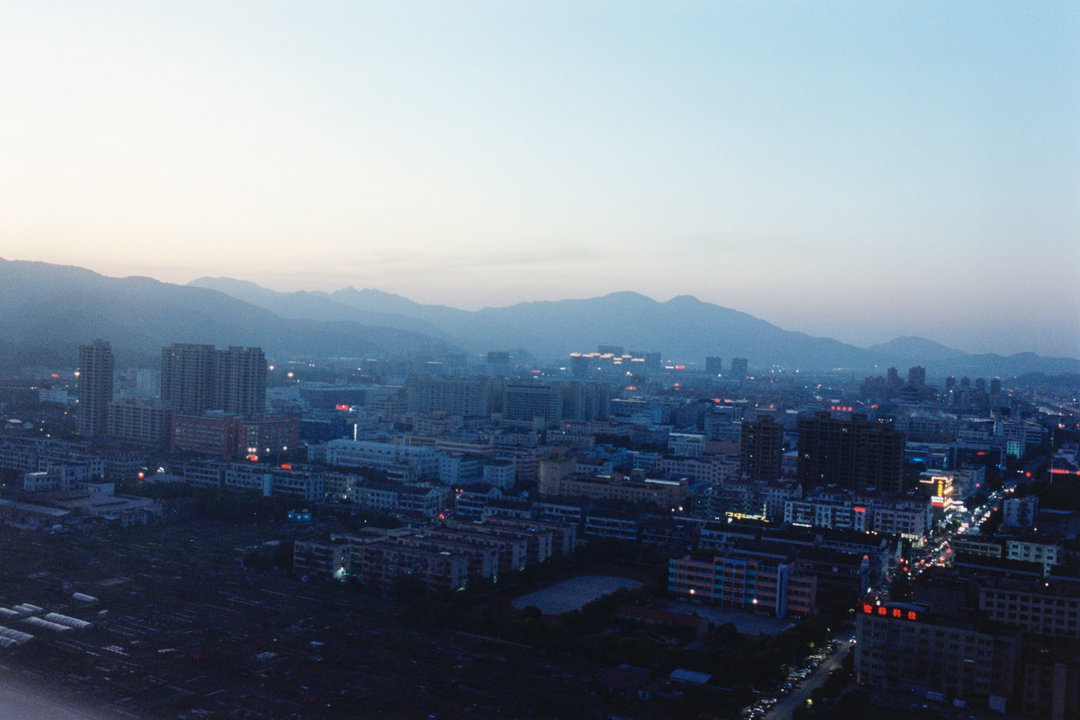
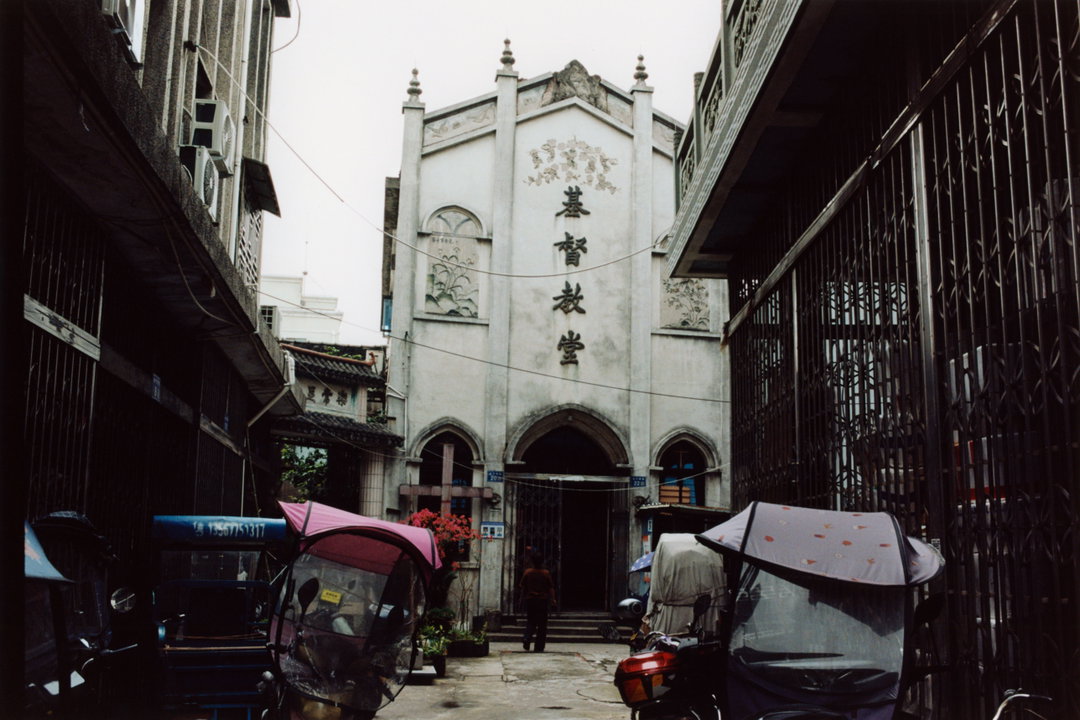
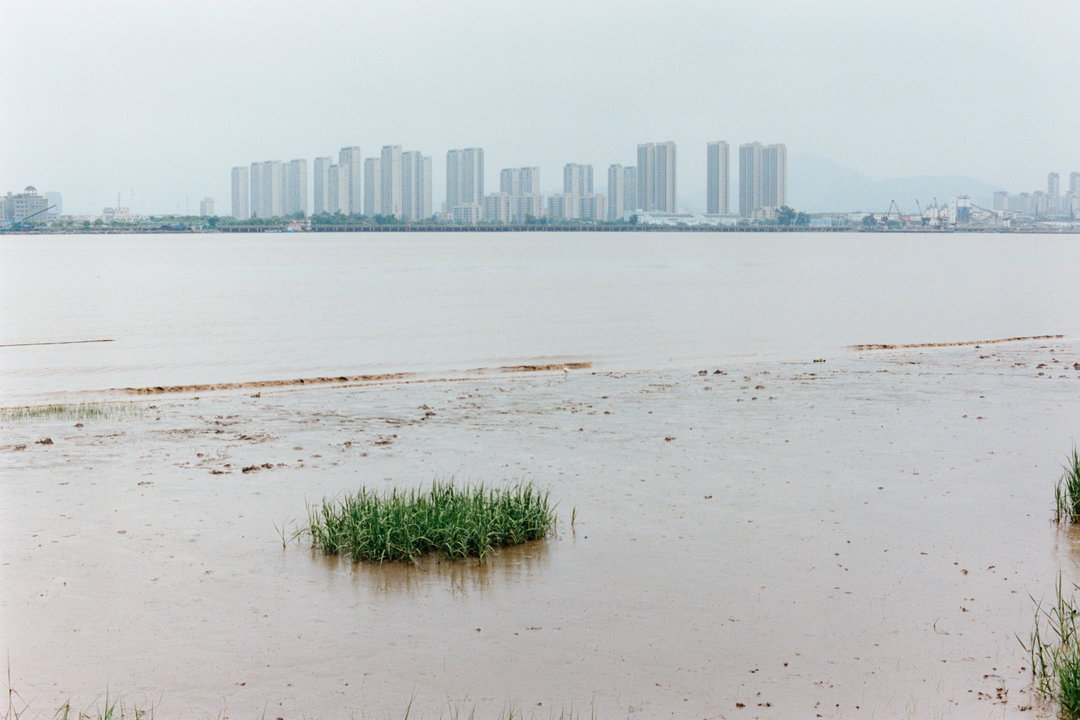
“The idea for this project has been something that’s been brewing inside me for quite some time,” Mengyu tells It’s Nice That. The series in question, The Filial Daughter孝女, documents Mengyu’s return to Wenzhou, an industrial city in the Chinese Province of Zhejiang – and her hometown.
At the age of 15, Mengyu and her family left Wenzhou for Germany, separating her from her extended family and her heritage. “I’ve always wanted to make a project that reflects my connection to my hometown,” she continues, and, when she eventually did, she found the return a fundamentally emotional experience. “The feeling was a mix of nostalgia and reflection,” Mengyu says, “my cousin, Orange and I, have been close since childhood,” both sharing the bond of having dreams of moving away when they grew up. “Yet, the reality is a lot more harsh,” Mengyu says, something she found out when her family upped sticks.
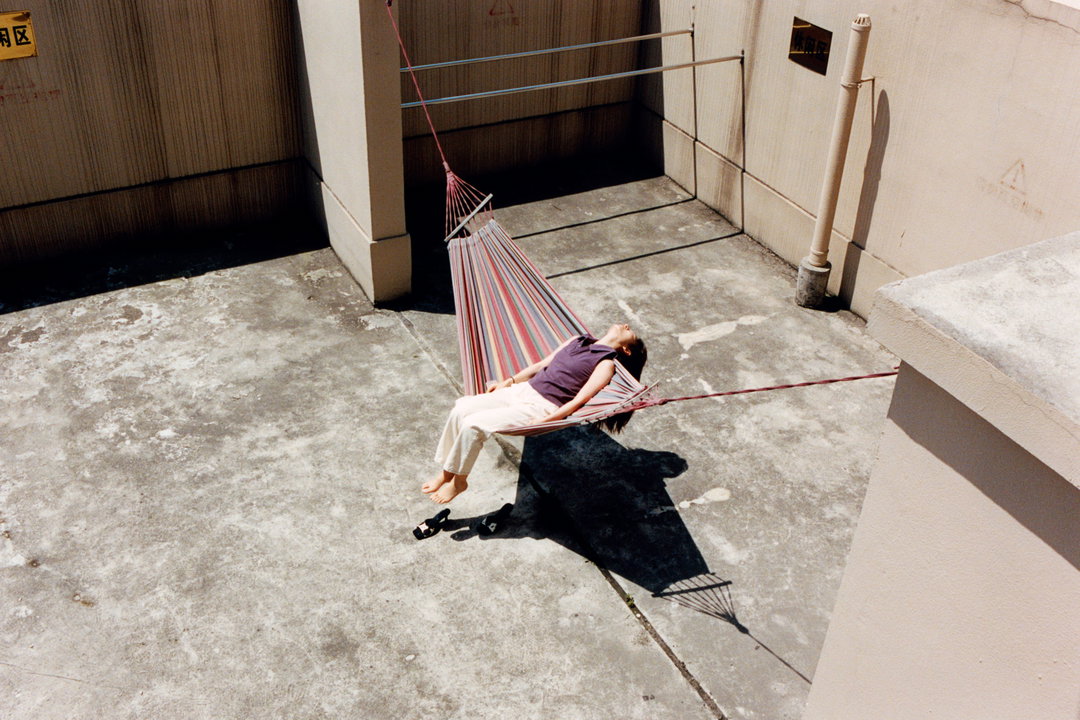
Mengyu Zhou: The Filial Daughter孝女 (Copyright © Mengyu Zhou, 2024)
“It was not an easy transition, everything felt foreign, from the language to the culture,” Mengyu says, discussing the move away and, consequently, the sensitive context of The Filial Daughter孝女. “I didn’t speak a word of German at the time, and that sense of isolation was overwhelming,” she says. Instead, she found a common language in photography and connection in moments of isolation that the medium afforded. “It became my language, a way to connect with my new environment and express emotions I couldn’t yet articulate,” she says. “Photography turned into both a creative outlet and a way to find my place in a world that felt so distant,” especially from Orange.
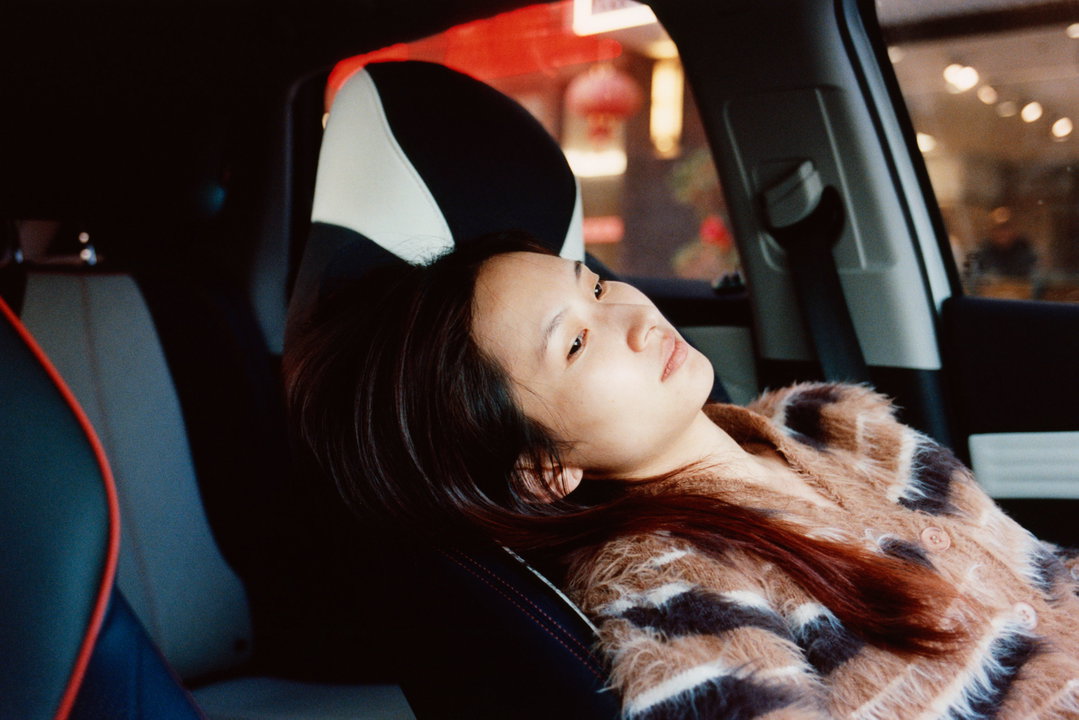
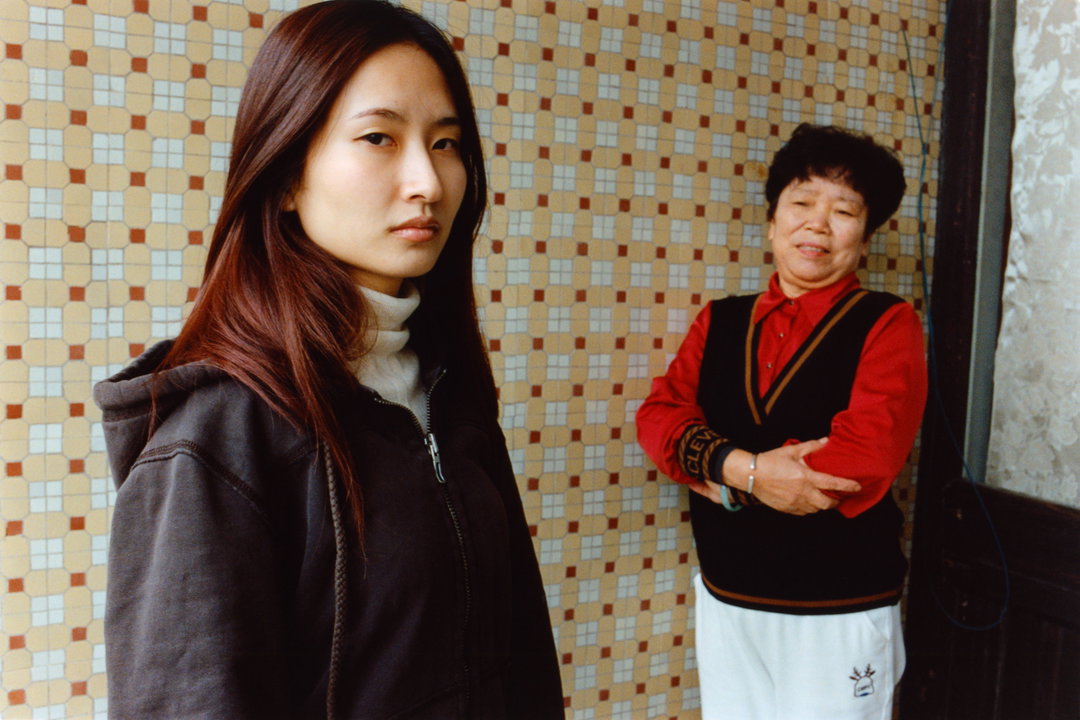
On her return to Wenzhou, Mengyu – now based between Paris and Berlin – would drive through the city with Orange. “We’d talk about everything – womanhood, family, relationships,” she tells us, “those conversations felt both grounding and thought-provoking,” – they offered her a glimpse into what her life could have been. “It was through those moments with her that the direction for The Filial Daughter孝女 became clear,” she says. “I am so grateful that Orange has been on board from the very beginning – her courage and vulnerability in allowing her story to be told has been incredibly inspiring.”
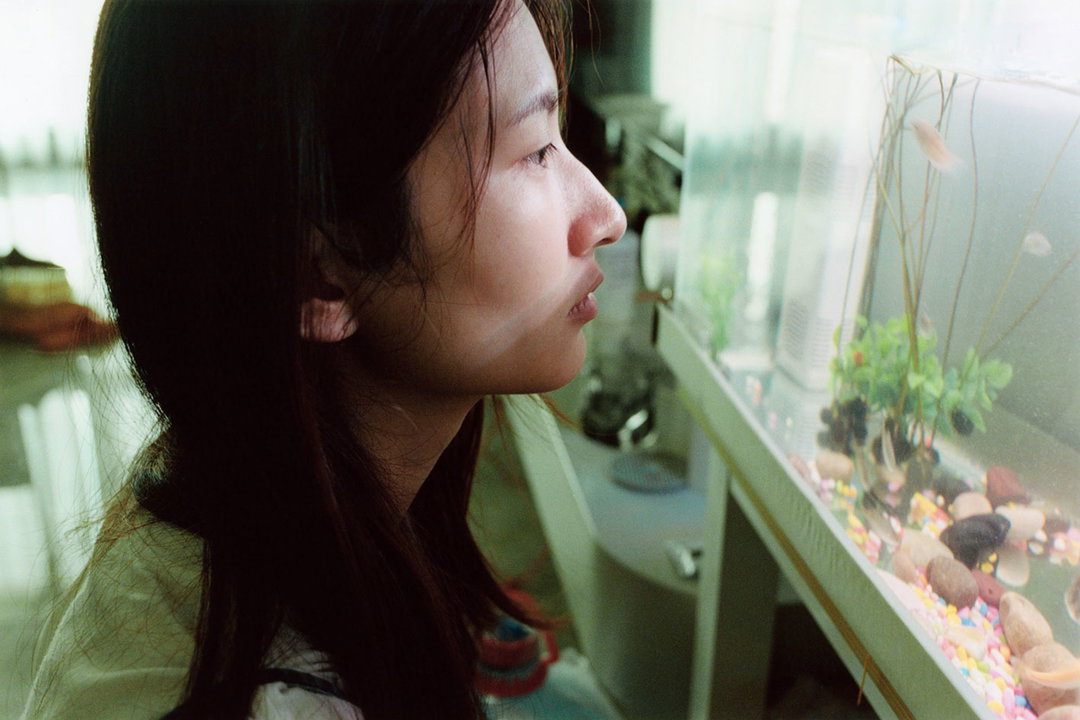
This intimate, thoughtful tone can be seen across the series, captured across a mix of fleeting, candid scenes and choreographed, staged tableaus. “While I approached each scene with intention, I also made space for moments to unfold naturally,” Mengyu says. Having chosen to shoot on film, she explains that, “it forced me to stay present and trust the process, knowing that not everything would be perfect,” whilst equally finding pathos through the act. “That was part of the beauty, that uncertainty kept me in the moment, allowing instinct to guide me,” Mengyu says, something she balanced with an equal sense of responsibility to the town and to Orange.
Mengyu Zhou: The Filial Daughter孝女 (Copyright © Mengyu Zhou, 2024)
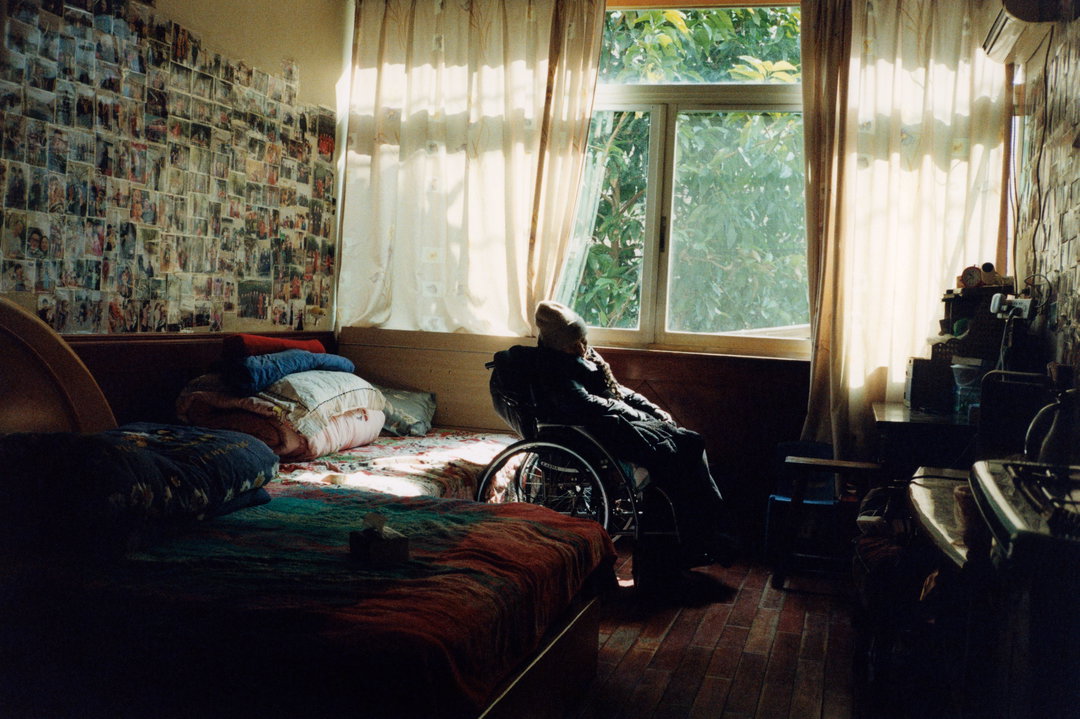
A particularly profound part of the project for Mengyu was the documentation of her now 92-year-old grandmother, who has lived through some of China’s most challenging times in recent history. “The photo was taken when my family visited her during Chinese New Year,” she explains, “ever since Covid, her health has declined, and she no longer remembers who I am.” Mengyu continues: “When I said goodbye, she was already drifting off to sleep. In that quiet moment, the clouds suddenly parted, and the room filled with light; it felt like an almost surreal, fleeting moment of connection.”
This recollection embodies not only the approach and tone of the series as a whole but also what Mengyu hopes others take from The Filial Daughter孝女. “I see my job as telling the story as honestly as I can,” she tells us. “This story can resonate in so many different ways, whether it’s about womanhood, family, tradition, or religion,” Mengyu ends, “but one humble hope I do have is that the women of Wenzhou, who have often been overlooked or invisible, will be seen.”
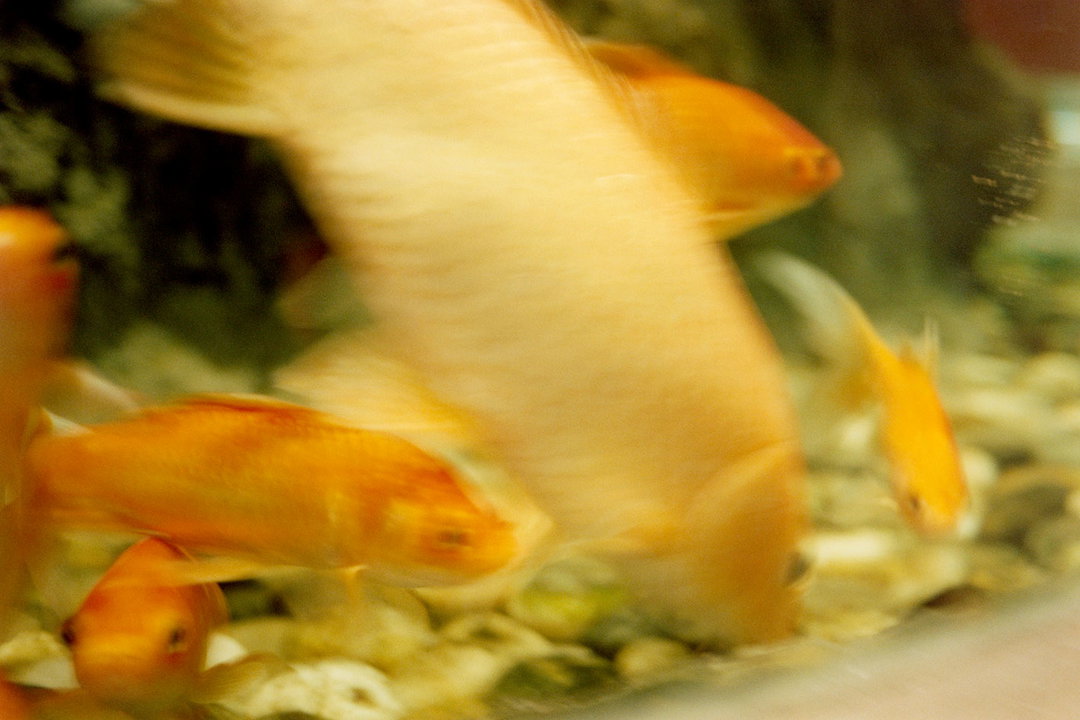
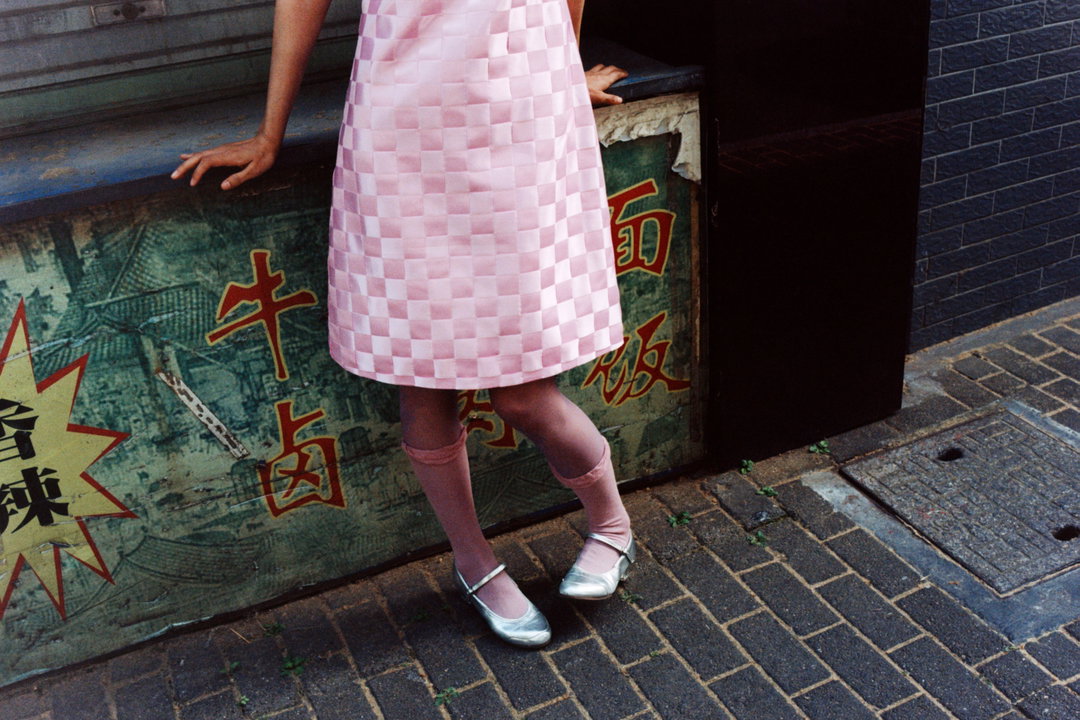
GalleryMengyu Zhou: The Filial Daughter孝女 (Copyright © Mengyu Zhou, 2024)

Hero Header
Mengyu Zhou: The Filial Daughter孝女 (Copyright © Mengyu Zhou, 2024)
Share Article
Further Info
About the Author
—
Hailing from the West Midlands, and having originally joined It’s Nice That as an editorial assistant in March 2020, Harry is a freelance writer and designer – running his own independent practice, as well as being one-half of the Studio Ground Floor.