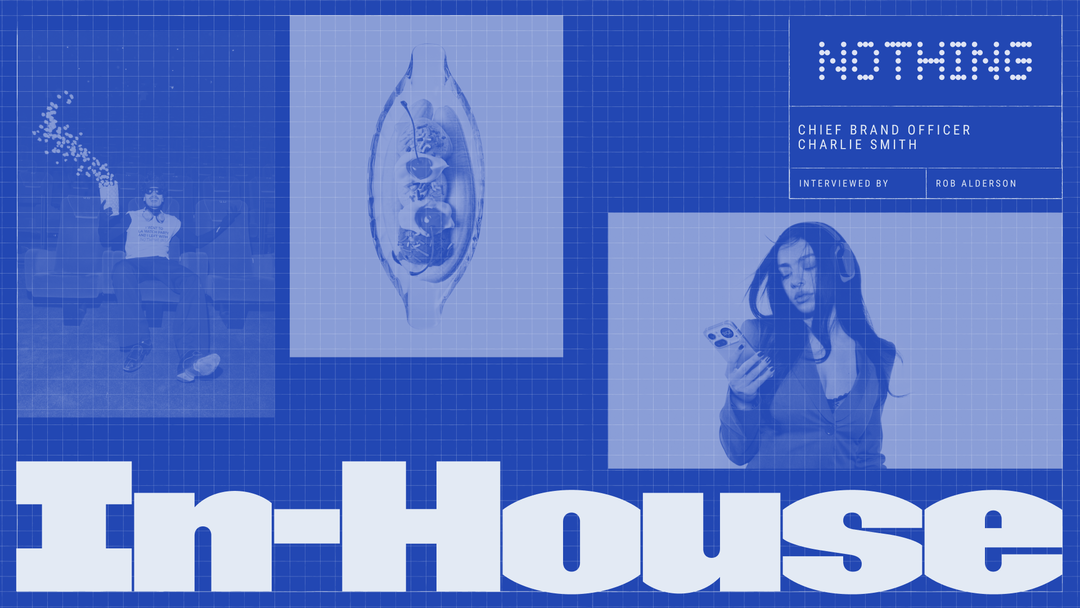
- Words
- Rob Alderson
- —
- Date
- 2 November 2026
- Tags
Why Nothing’s Charlie Smith is doubling down on “joy and wonder”
The former Loewe CMO is on a mission to make tech cool again, and thinks the best brands know how to entertain.
Share
Share
At the beginning of this year, Charlie Smith joined Nothing as its chief brand officer. The move made a lot of waves, as people were intrigued to see how his creative vision – honed over seven years at Loewe – would translate to the tech world.
11 months on and it’s obvious many of his core beliefs have carried over – the sense of joy and fun in his work, his appetite for risk-taking and his willingness to build the brand with its community.
We sat down to discuss brands as curators, the problem with agencies, the importance of trusting collaborators from Charli XCX to Aubrey Plaza, and how a tomato meme became a cultural moment for Loewe.
© Nothing
Rob Alderson:
What was it about your first conversations with Nothing founder Carl Pei that excited you?
Charlie Smith:
Nothing already had this underground cult status of being cool. In recent years, consumer tech has become deeply uncool.
I remember growing up, I got a Casio G-Shock watch from Hong Kong before it had come out in the UK. And I remember buying sound systems and minidisc players, and you’d go into the store and there’d be all of these incredible designs with flashing LED lights and scrolling text. It felt like Bladerunner come to life.
Through the success of of Apple – which went down this Dieter Rams, minimalist, aluminium and glass route – a lot of the personality and the joy has been lost from consumer tech
It has become very utilitarian. Fundamentally, I believe a phone, or headphones, or a wearable is also an identifier. It’s a piece of fashion because it says something about who you are as a person.

© Nothing
RA:
Tech is also quite unpopular at the moment though…
CS:
It’s gone down this slightly dystopian route. Social media was created to connect us better together, but what’s really happened is people doomscrolling online with severe FOMO.
We’re trying to design beautiful technology that’s eye-catching and engaging, at the same time as it taking a backseat in your life. To enable you to be more creative and live your life more fully. That’s what Nothing stands for.
RA:
Your work often brings joy and fun into spaces that can take themselves quite seriously. Is that something you strive for?
CS:
First off on a personal level, sense of humour is really important to me. If I’m not having fun at work, then it becomes more of a grind, so I’m naturally drawn towards opportunities where I believe there’s room for that.
When I was chatting with Carl about Nothing, I told him he has quite a punk approach to tech. Not in the stereotypical spiky hair, nose ring way. But in being anti-establishment, building something from the community, imagining a different future. The best forms of punk and anarchy and dadaism have a sense of humour and irony built into them.
© Nothing
“We lost sight of the fact that the best way of getting people’s attention is to entertain them.”
Charlie Smith
RA:
And humour also helps brands stand out in the attention economy?
CS:
I remember at Loewe when we decided to join TikTok. I think where a lot of brands go wrong is they have this marketing playbook. “What’s our proposition and what’s our product roadmap and ok let’s make some TikToks.”
What I’ve always tried to do with the team is to say, “Find me the most entertaining people on these platforms, and let’s work with those people. We’ll figure out how to get our brand story and our product story in there.”
RA:
Where do you think that conviction comes from?
CS:
I grew up in a world of TV advertising. Think about the Apple 1984 ad, or the Guinness Surfers, or the Levis’s Flat Eric one. They were all supremely entertaining pieces of film. Somewhere along the way, when we got access to loads of data, we lost sight of the fact that the best way of getting people’s attention is to entertain them.
I think that’s where Nike has really fallen off, and you can see it in the share price. They focused on performance, and efficiency, and data, and they lost the brand magic.
Creativity is an art, not a science. Obviously, you can use some data to see if something’s worked or not, but you can also look at something, if you’ve got taste, and know if something’s going to work. It’s also about trusting the creatives you work with.
RA:
Can you give me an example of when that worked out for you?
CS:
No-one knew how to pronounce Loewe, because it’s actually a Spanish mispronunciation of a German word. In every country people would pronounce it differently
So we wanted to do a brand campaign about how to pronounce it, and Jonathan (Anderson, Loewe creative director) chatted to Dan Levy about it. They had this idea of a spelling bee competition, but flipping the concept on its head, where everyone could pronounce it, but no-one knew how to spell it. That way, you could say “Loewe” over and over again in the film.
Dan got Ally Pankiw, who was a writer and story editor on Schitt’s Creek to direct, and Aubrey Plaza to star in it.
Aubrey basically improvised the entire thing on the day – it had nothing to do with the script we’d originally written. We shipped it without changing anything. That’s why it ended up being good, because we were trusting creatives, comedians, to be funny. Rather than giving them notes on comedy, which is what a lot of brands end up doing.
© Nothing
© Nothing
RA:
It’s odd isn’t it to spend lots of money on talent and then stop them from doing what they do best?
CS:
In fashion I saw a lot of brands work with a top tier photographer and give them such a tight brief that you couldn’t even tell it was them who’d photographed it.
The great thing about working with Jonathan is that he trusted people’s creativity. He’d be like, “This is my idea, but I want you to interpret it in your own way. I trust you to make it as great as you’re going to make it.”
RA:
Something you also seem drawn to is creating a real relationship with a brand’s community…
CS:
When I was at Loewe, someone posted this meme of one of those weird Spanish tomatoes that had loads of ridges in it. And they’d written, “This tomato is so Loewe, I can’t explain it.”
Jonathan thought it was hilarious and actually found a designer had designed this tomato clutch bag for us that we hadn’t used yet.
It blew up online but it took six months for that bag to go into production and be sold in our stores, so we had some time to prepare.
We created these stacks of tomatoes for the visual merchandising, we changed our shopping bag into a tomato, we even created a tomato hot air balloon that we flew over Cappadocia in Turkey and we invited a whole load of the original content creators to witness it in real life. It became this full-circle thing.
“Humanity is imperfection. It’s letting people see that we’re imperfect. That we’re just trying to make things a bit better, but we’re going to make mistakes.”
Charlie Smith
RA:
That requires a certain humility, to build on an idea that bubbles up from the community.
CS:
Yeah and I think a lot of luxury fashion brands were scared of doing that. They didn’t really get the idea of community, or narrative storytelling.
Whereas we tried to behave like a magazine in our own right. So if you followed us on social media, or got our emails, or went into our stores, you would be experiencing new parts of culture, across art, film-making, music. We were curators in that sense.
RA:
How has that shaped your work at Nothing?
CS:
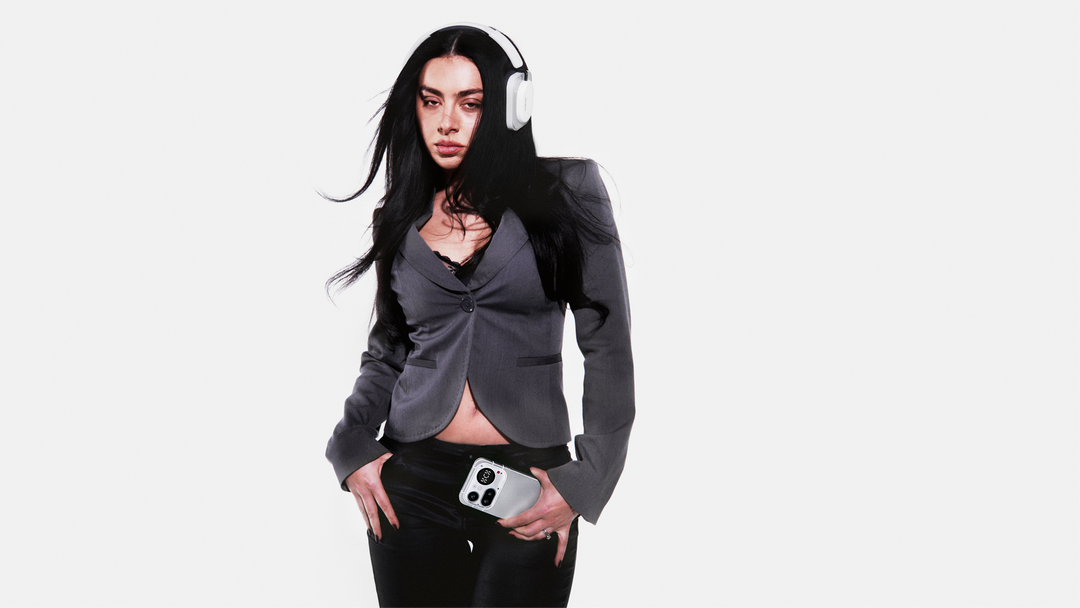
A big part of our business is audio, so we want to be strongly embedded in music culture. That’s one of the reasons we signed Charli XCX as our first global ambassador and shareholder in the brand, and recently announced V of BTS as our new brand ambassador for the launch of the Headphone (1) Pro.
When I joined Nothing I put together this brand strategy which was all around this idea of rebellious creativity. And Charli was actually in that deck because I think she epitomises that.
One of the reasons I think the Brat movement was so powerful was because she was railing against the fake perfection of social media. This matcha drinking, pilates girl, which people are so sick of. I think she described Brat as, “a pack of cigs, a Bic lighter and a strappy white top with no bra.”
People respond to that authenticity, that realness. Humanity is imperfection. It’s letting people see that we’re imperfect. That we’re just trying to make things a bit better, but we’re going to make mistakes.
© Nothing
RA:
Sometimes brands say they want that imperfection but they don’t really follow through on it…
CS:
Shortly after I joined Nothing, we were launching a pink phone for the first time and we found out Apple was doing their launch event the day after ours.
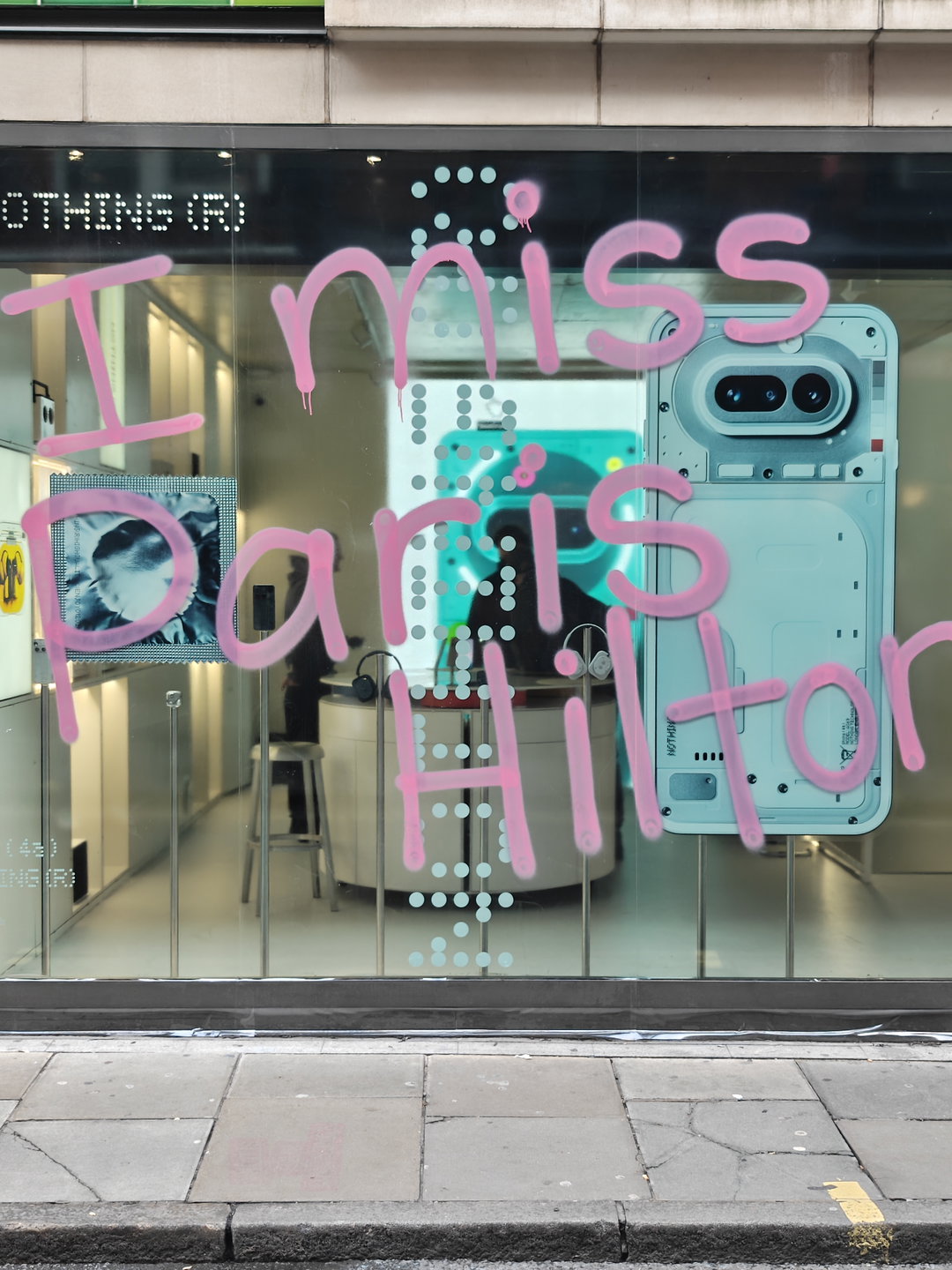
We got Carl to post the Apple launch event invite on his Instagram where we just graffitied the date of ours in pink over the top of it. We also graffitied our own billboards with things like, “I miss Paris Hilton,” which apparently she was a bit upset about because she has a Motorola contract.
To me that is rebellious creativity. The legal team was a bit scared. But if you don’t take some risks then you’re not going to get noticed.
RA:
What does it mean when a brand really contributes to culture?
CS:
You can’t just take; you have to give back as well.
So we’ve been working with Charlie XCX and V from BTS, two massive stars. But we also launched the Club Nothing fund, where we’re giving four different groups of people $10,000 to throw parties around the world.
We sponsored the art direction course at Central Saint Martins. We worked with Lyas, the French fashion influencer. A few seasons ago he didn’t get invited to the Dior show, so he posted on Instagram that he was going to be watching it at this bar in Paris and like 1,000 young people turned up to watch it with him.
He turned it into this concept called La Watch Party, and we worked with him during Paris Fashion Week to screen the Balenciaga show. There were 3,000 young people there, and he was like a rock star. We made these t-shirts which said, “I went to a watch party and I left with Nothing.”
RA:
Why was he such a good fit?
CS:
Because he’s democratising the fashion show experience for the next generation. We want to become the most loved tech company for the next generation. The only way to do that is to show that we’re an ally and uplift the creativity of young people around the world.
It’s partly an altruistic thing, because it’s great to support young people. But it’s also the best way to emerge as a brand, rather than trying to get a bunch of 40- and 50-year-olds to switch from Apple. We can make Apple look like the uncool uncle at the party.
© Nothing
© Nothing
“I’m almost a boomer, so I basically delegate all of the decisions to the younger people on my team.”
Charlie Smith
RA:
How do you make sure you’re talking with young people in the right way?
CS:
I’m almost a boomer, so I basically delegate all of the decisions to the younger people on my team. When we launched the collaboration with V from BTS, we changed our Instagram bio to something like “When V enters the stadium, he wears Nothing.”
It had some connection to his fan community and people really picked up on it. I didn’t really understand it – I still don’t. But I listened to my team, who told me people would love it, and I trusted them.
RA:
Is that trust important in building a creative culture?
CS:
Yeah, and the belief that a good idea can come from anywhere. Going back to my agency days, one of the things I thought was chronically broken was how everyone was put in a box. You’re the copywriter, you’re the art director, you’re the account manager.
I went to art school, then studied English literature, and went into account management. If I tried to talk to the creatives too much about the ideas, they’d get offended.
The culture I try to create is a bit like the tomato thing. An idea doesn’t start off as a great idea. It starts off as a small idea and you collectively build on it to make it into a great idea. The person producing it is just as important as the person who’s creating the moodboards.
© Nothing
“These days, you can’t have a big idea that you then extrapolate into different platforms. You need to have an idea that’s connected to where the audience is going to see it.”
Charlie Smith
RA:
Is it hard to know which ideas will work?
CS:
These days, you can’t have a big idea that you then extrapolate into different platforms. You need to have an idea that’s connected to where the audience is going to see it. Then you can create different versions of that idea for different places. But it can’t be a nebulous thing that doesn’t exist somewhere.
The other thing I’ve been really drilling into the team is that creativity shouldn’t stand alone in brand campaigns, separated from product. One of my favourite marketing books is that Phaidon book of Palace product descriptions from their website.
You can’t have it where the brand is really funny over here, and then it’s super dry over here, when it comes to actually speaking about the technology or the use cases.
RA:
That comes back to not taking the work, or the brand, too seriously.
CS:
One of our brand pillars is around fun. Not being LOL in a cringy way, but being playful and provocative and having a sense of joy and wonder.
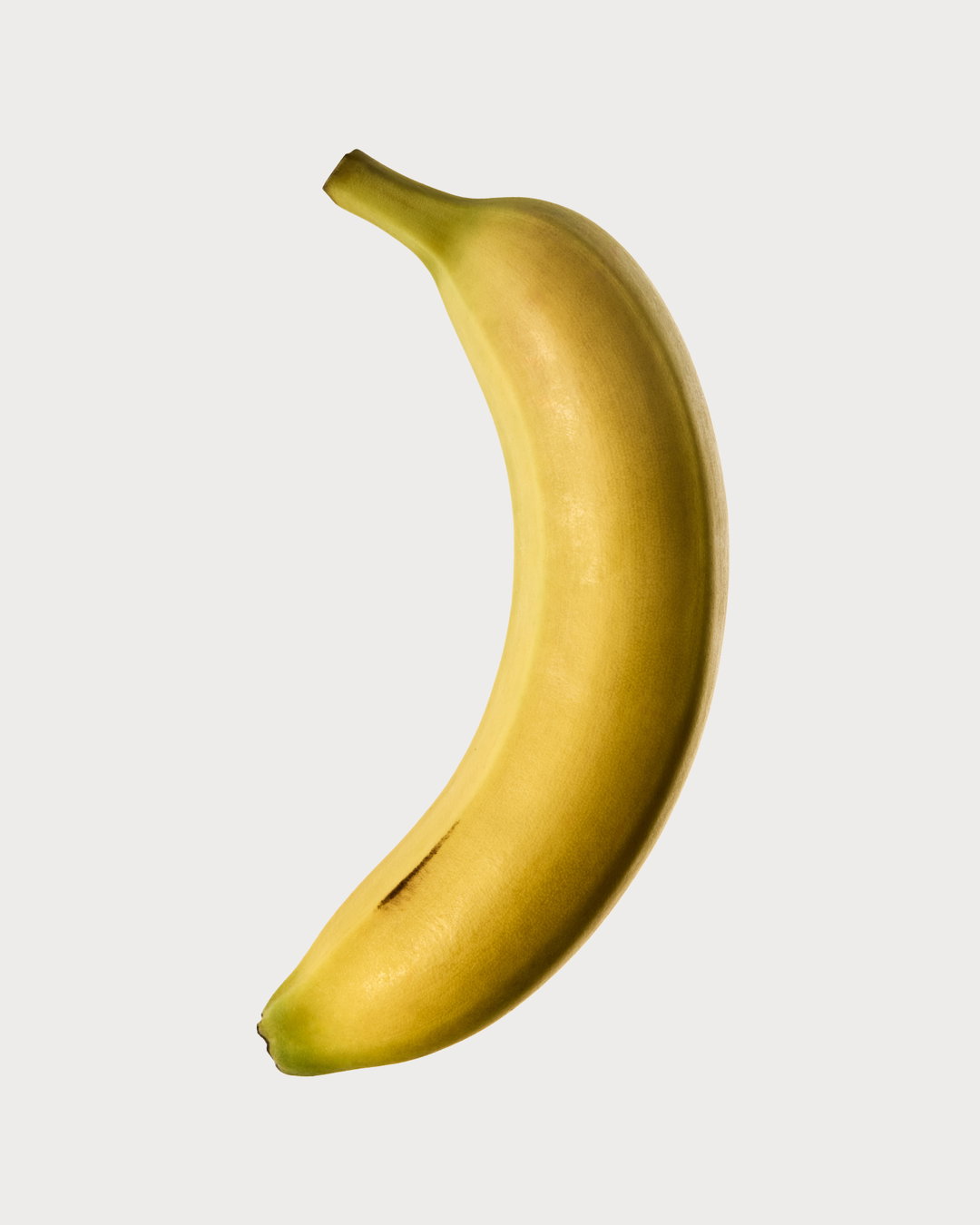
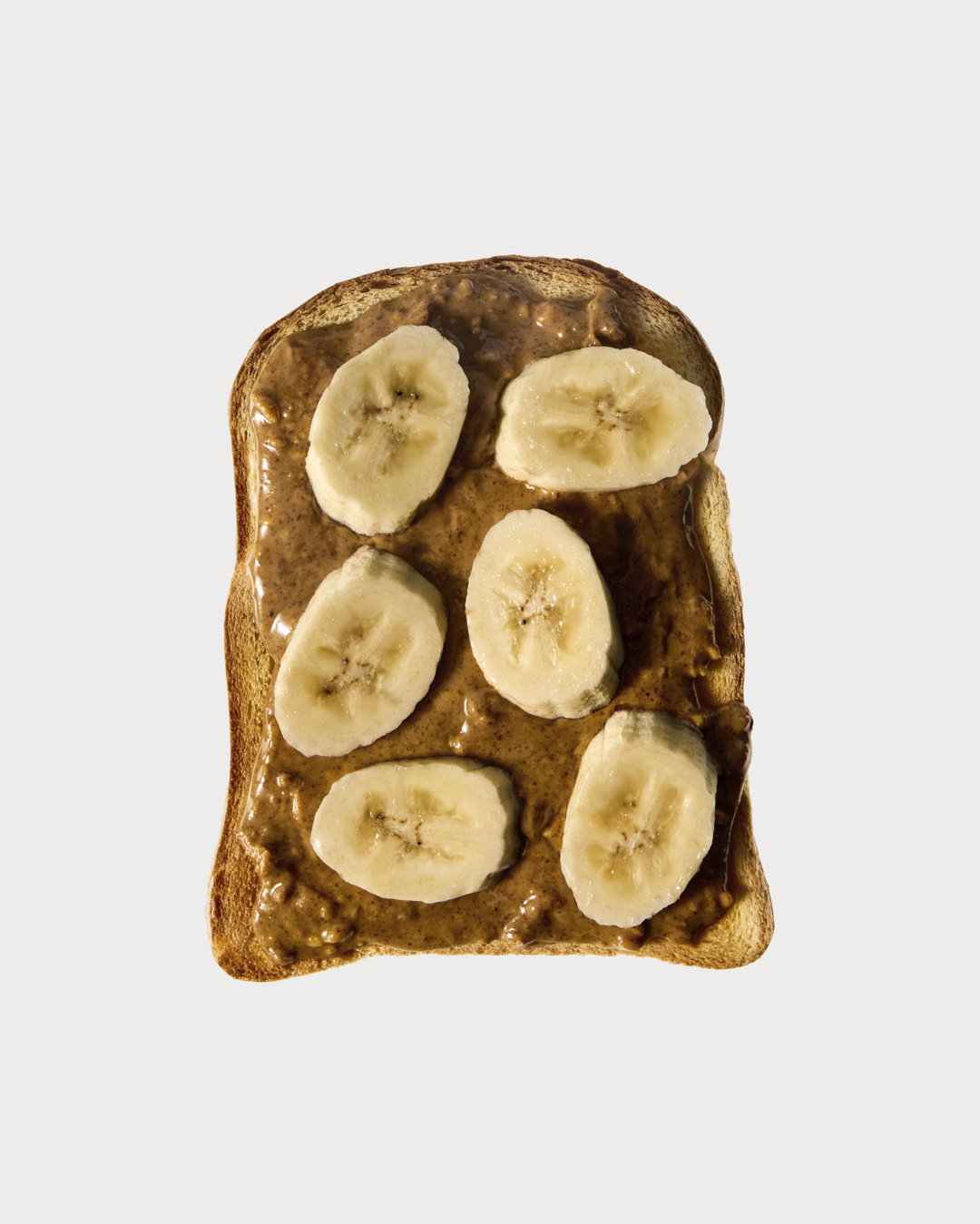
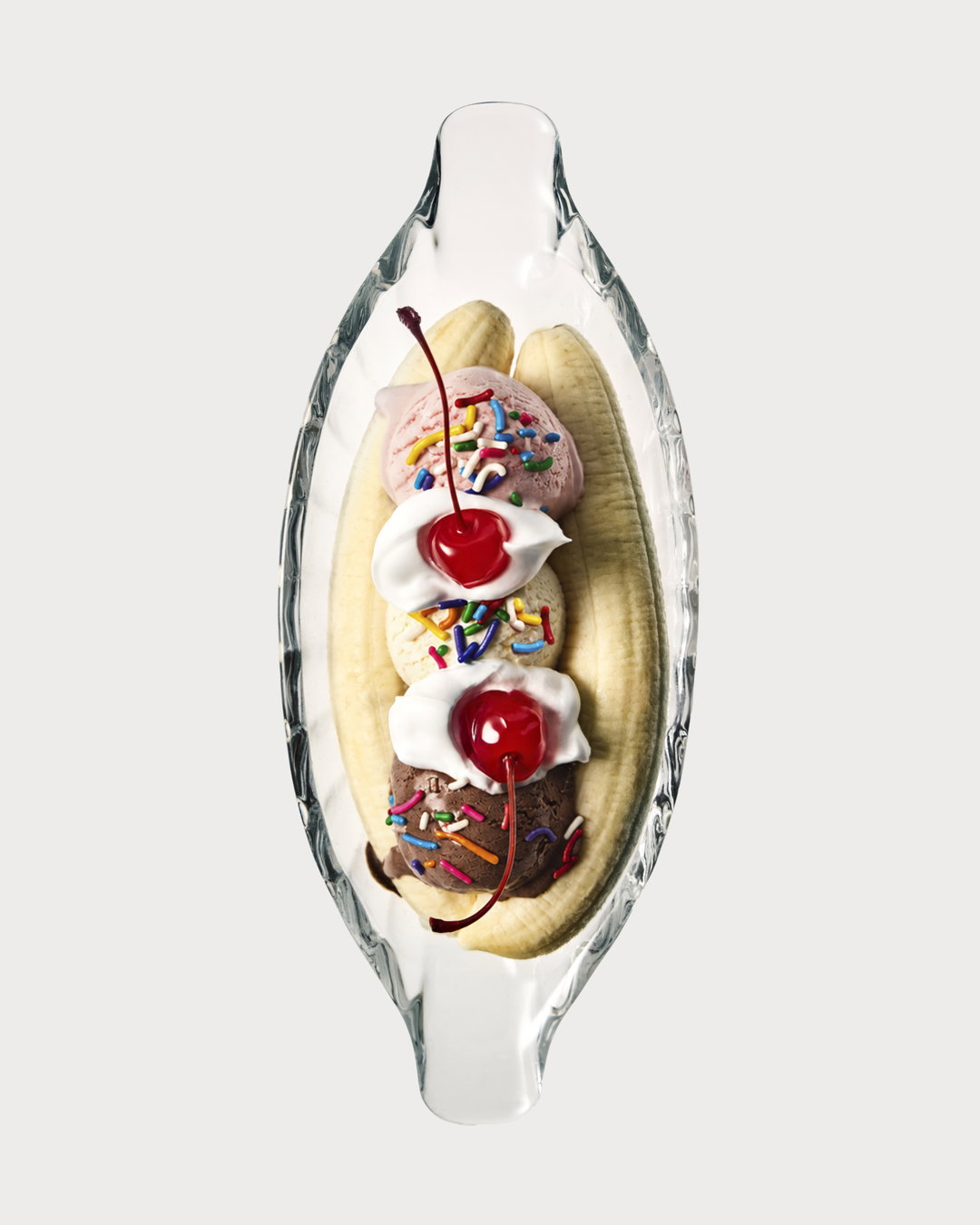
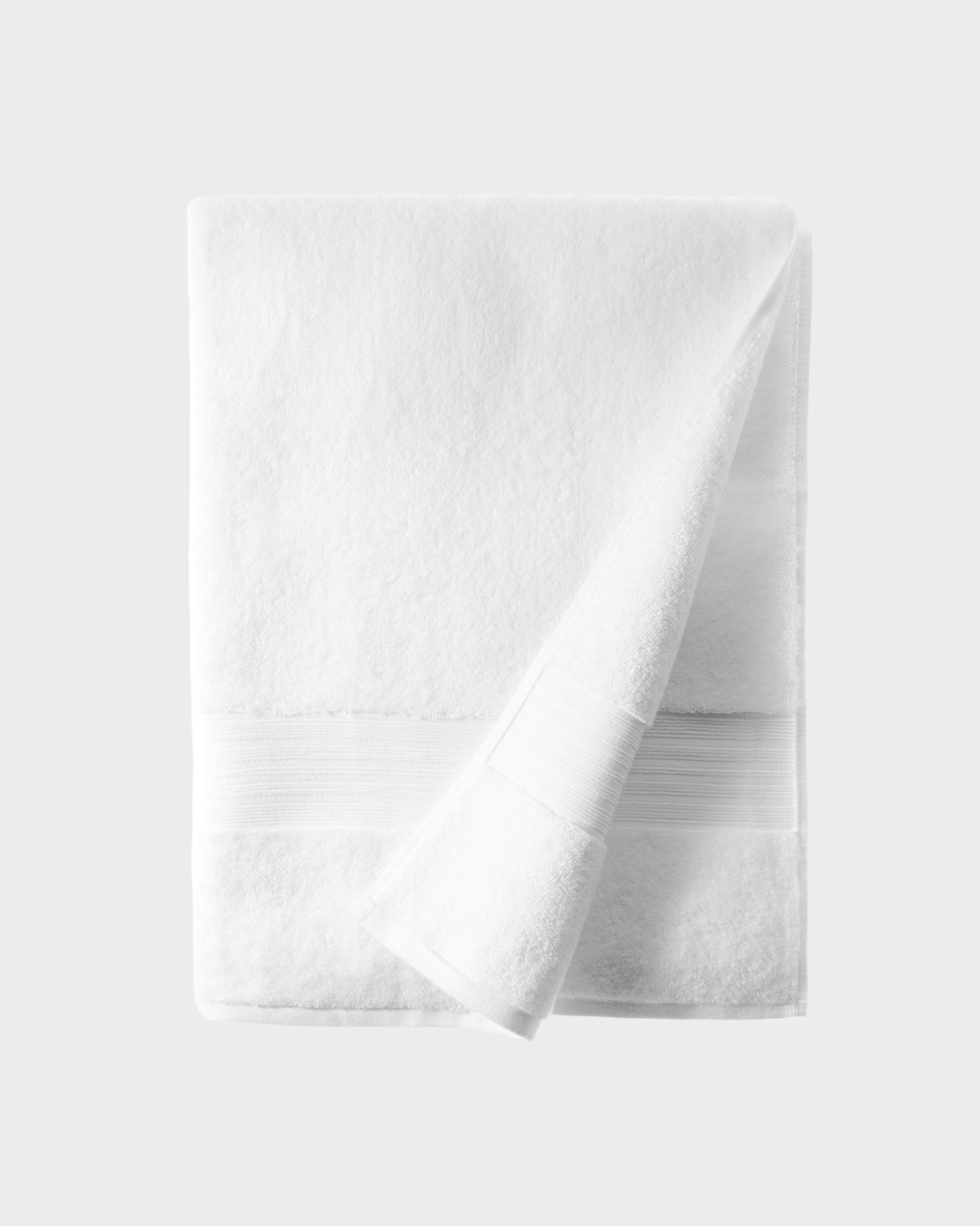
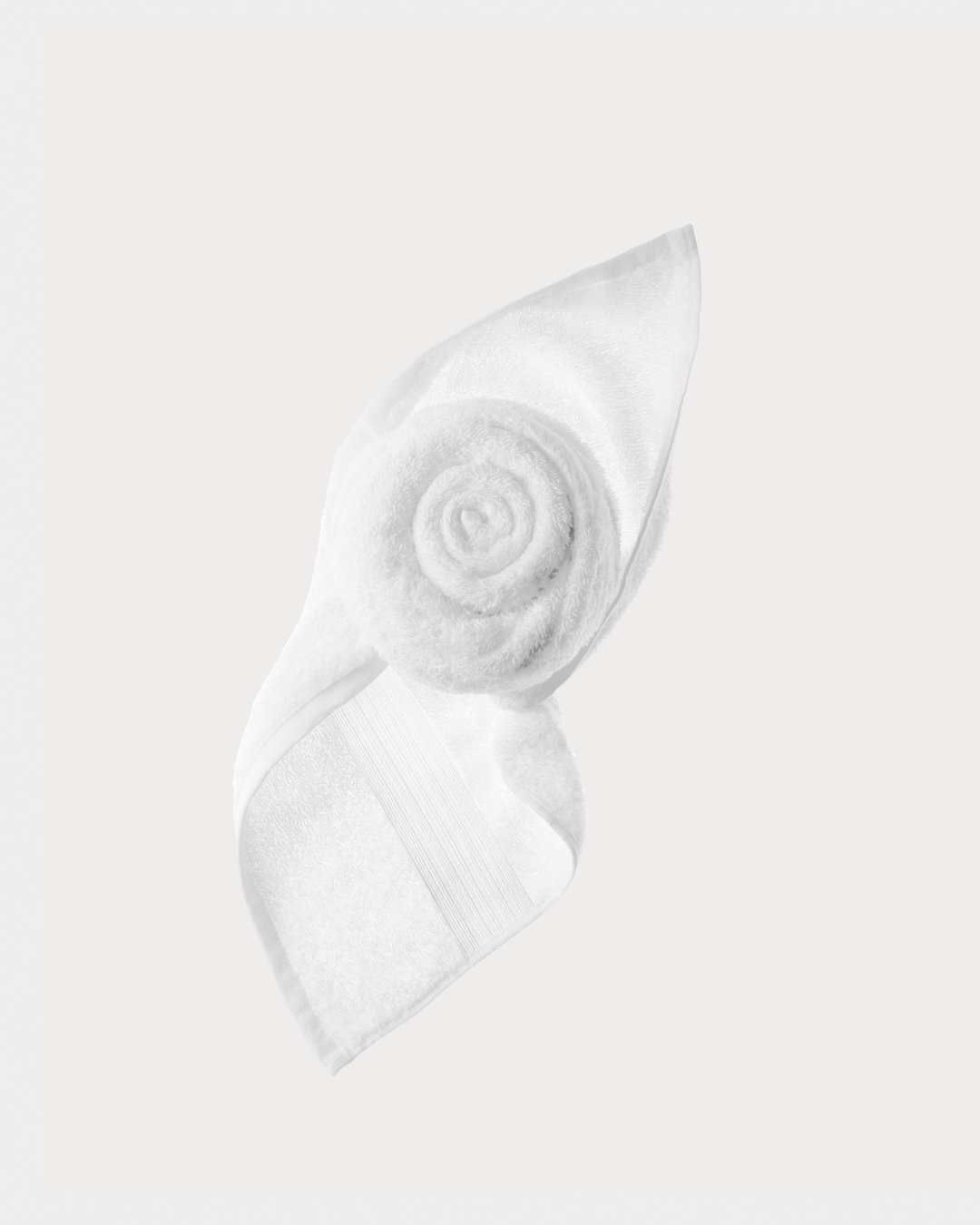
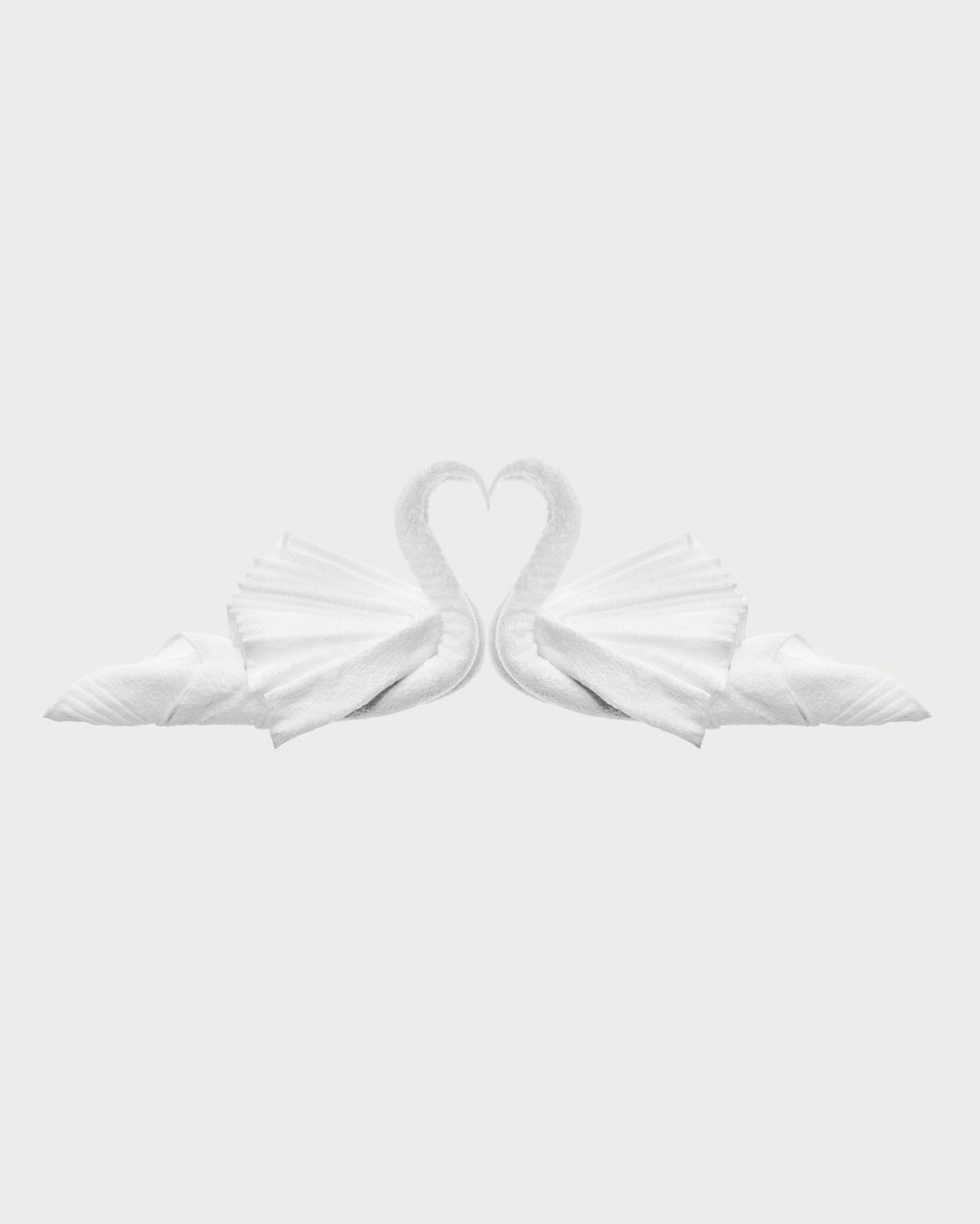
When we launched the Headphone (1) Pro, we made these teaser images playing on the idea that it was ludicrously overengineered. We had one which was a banana, and when you scrolled through it turned into a banana split. Another one was a towel that turned into swans.
That takes a bit of courage, because we were taking the piss out of our product before we’d launched it.
RA:
I guess that also requires buy-in from your tech and product teams?
CS:
(Laughs) It’s an ongoing conversation.

© Nothing
Share Article
Further Info
About the Author
—
Rob Alderson is a freelance writer, editor and strategist. He was previously editor-in-chief of It’s Nice That and WePresent, and editor of Design Week. He publishes the newsletter Undo, which tries to make sense of how AI is changing design work, the design process and the design industry.