V&A announces new digital database providing access to Glastonbury Festival archive
The new archive has been funded by the Arts and Humanities Research Council and will increase public, digital access to the Festival’s history.
Share
Thousands of people this year were left disappointed when Glastonbury Festival – what would have been the festival’s 50th birthday celebrations – had to be postponed due to Coronavirus. To coincide with the official anniversary of the first Glastonbury Festival which was on 19 September 1970, the V&A is launching a new project creating an online database that will allow unrivalled access to an archive of ephemera from the world-renowned cultural event. So, if you were one of the would-be festival goers who attempted to recreate the experience in a £10 tent in your garden with a 32” screen playing Beyonce’s 2011 headline act, creating the ambience just got a whole lot easier.
“We are so happy that this announcement coincides with our 50th birthday on Saturday. The memories and experiences enjoyed and shared by festival-goers are what makes Glastonbury so special, and I'm so pleased that such a wealth of fascinating content will now be accessible to everyone,” says Emily Eavis, Glastonbury Festival co-organiser.
The new archive has been funded by the Arts and Humanities Research Council (AHRC), and “demonstrates the V&A and AHRC’s commitment to promoting the importance of the performing arts,” during what has been one of the toughest times for the cultural and creative sectors, a recent press release outlines.
“As home of the Glastonbury Festival archive, the V&A is incredibly excited by this project,” explains Kate Bailey, senior curator at the V&A. “It will allow us to increase public, digital access to the Festival’s performance history, and to create research opportunities which trace the extraordinary creativity and impact of the Festival’s past, present and future.”
The V&A first became home to the Glastonbury archive in 2014, building a collection of posters, stage designs, costumes, interviews, films and other memorabilia to “safeguard the history and enable the continuing documentation of the Festival today.” As part of this mission, the V&A has been collecting personal anecdotes from the attendees and in June of this year, elicited an open call for audience stories, an element of the archive that will continue to grow.
The archive will be an open source, fully searchable database and the aim is for this to be available to researchers and the public in 2021.
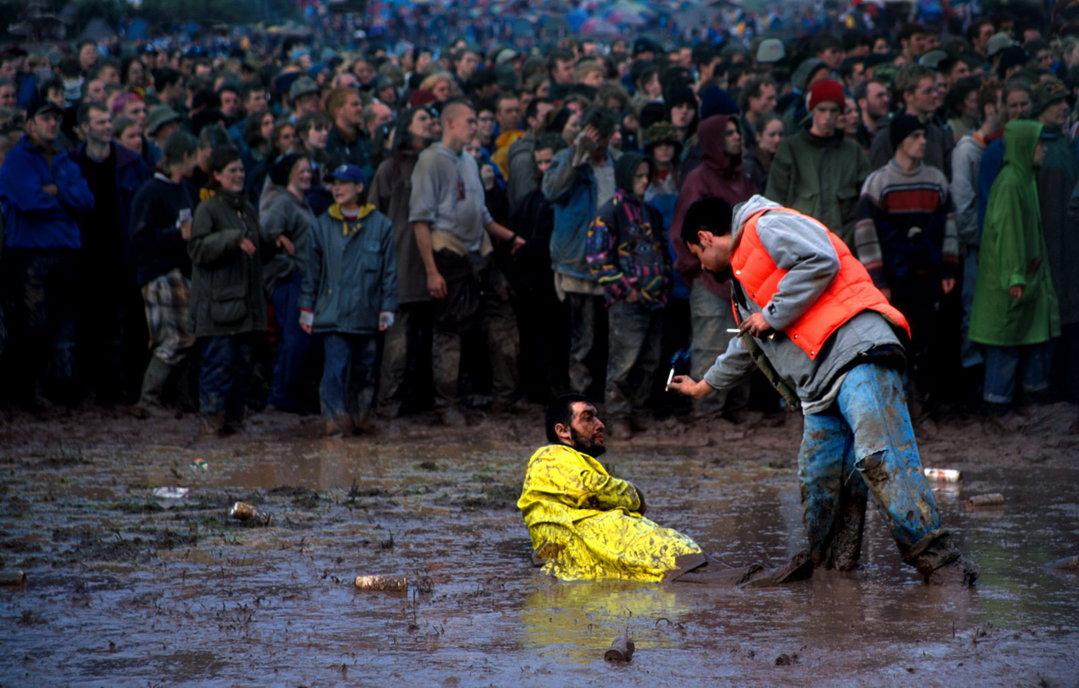
Festival-goer stuck in the mud, 1990s (Copyright © Ann Cook)
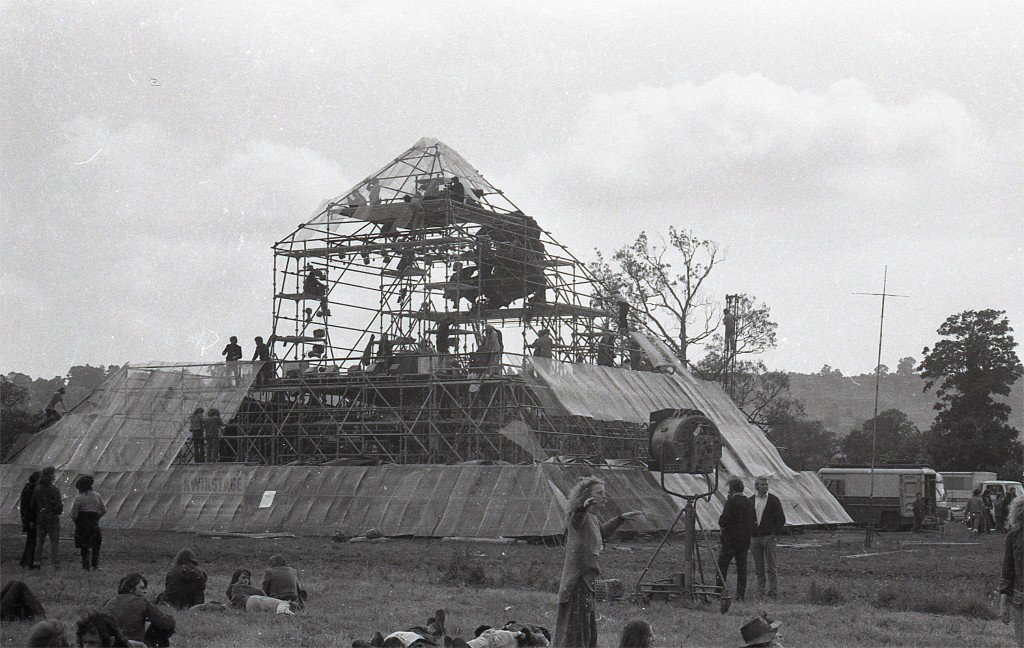
Pyramid Stage 1971. Photograph by Peter Ball (Copyright © Glastonbury Festival)
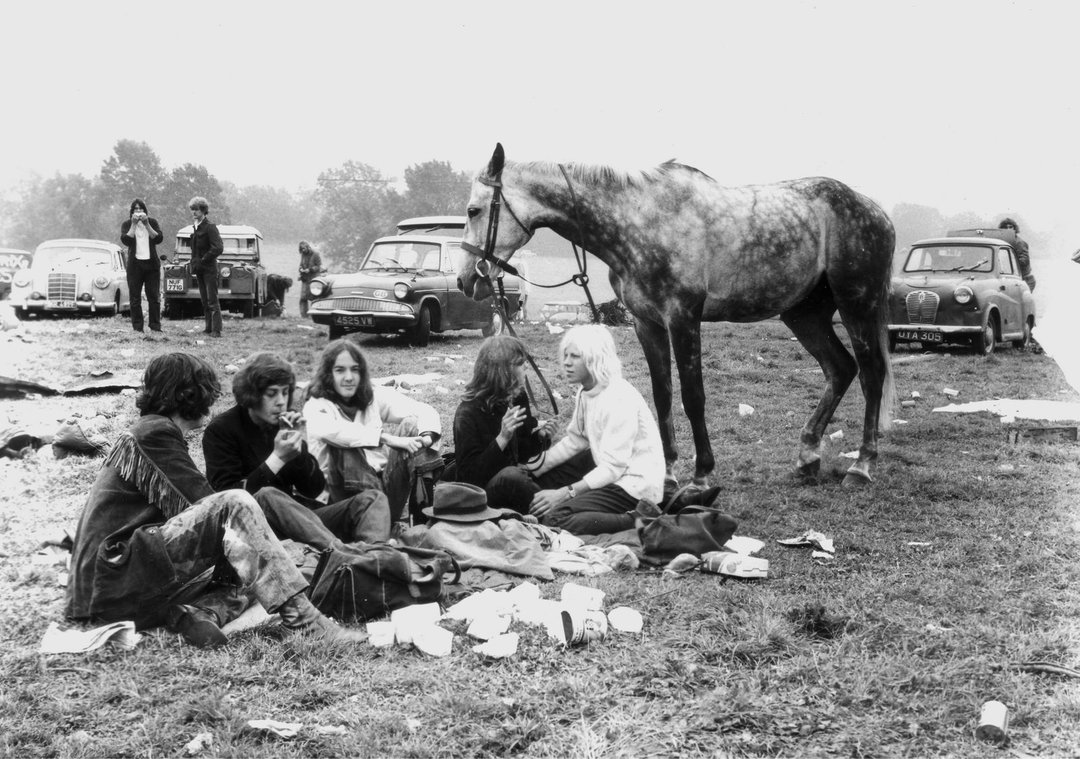
Glastonbury Festival, 1970s (Copyright © Brian Walker)
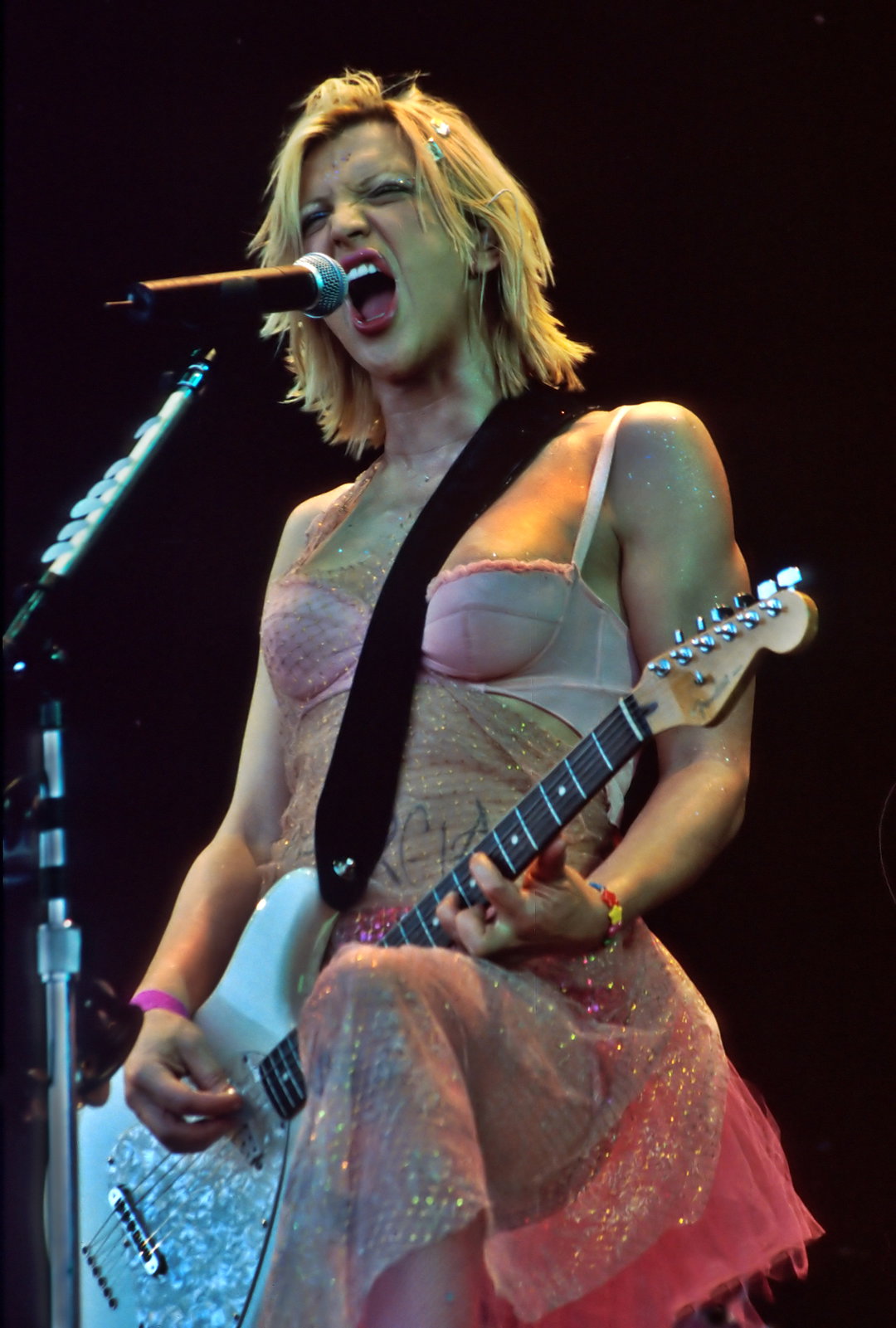
Courtney Love, 1999 (Copyright © Ann Cook)
Blue Man, 1990s (Copyright © Ann Cook)
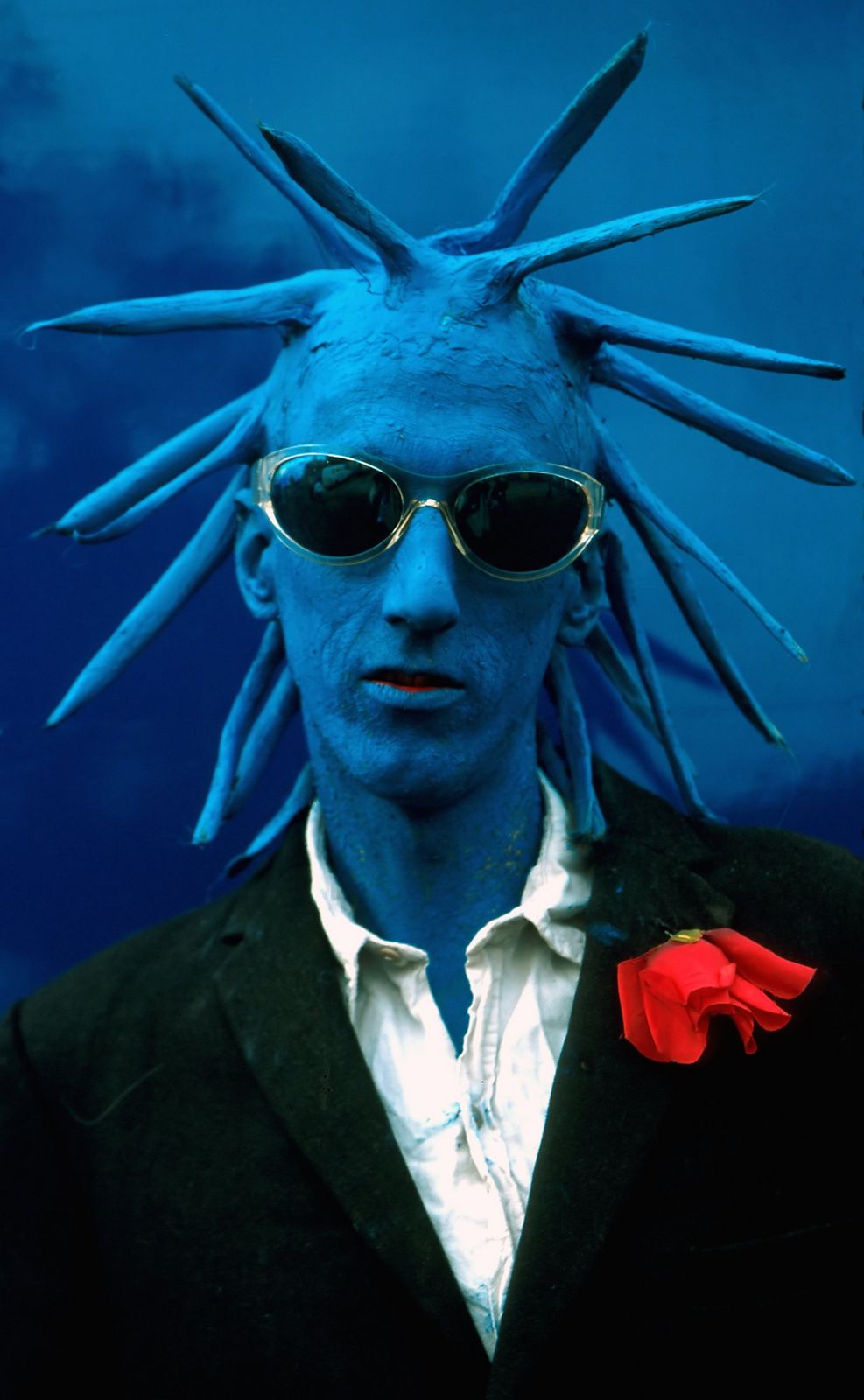
Blue Man, 1990s (Copyright © Ann Cook)
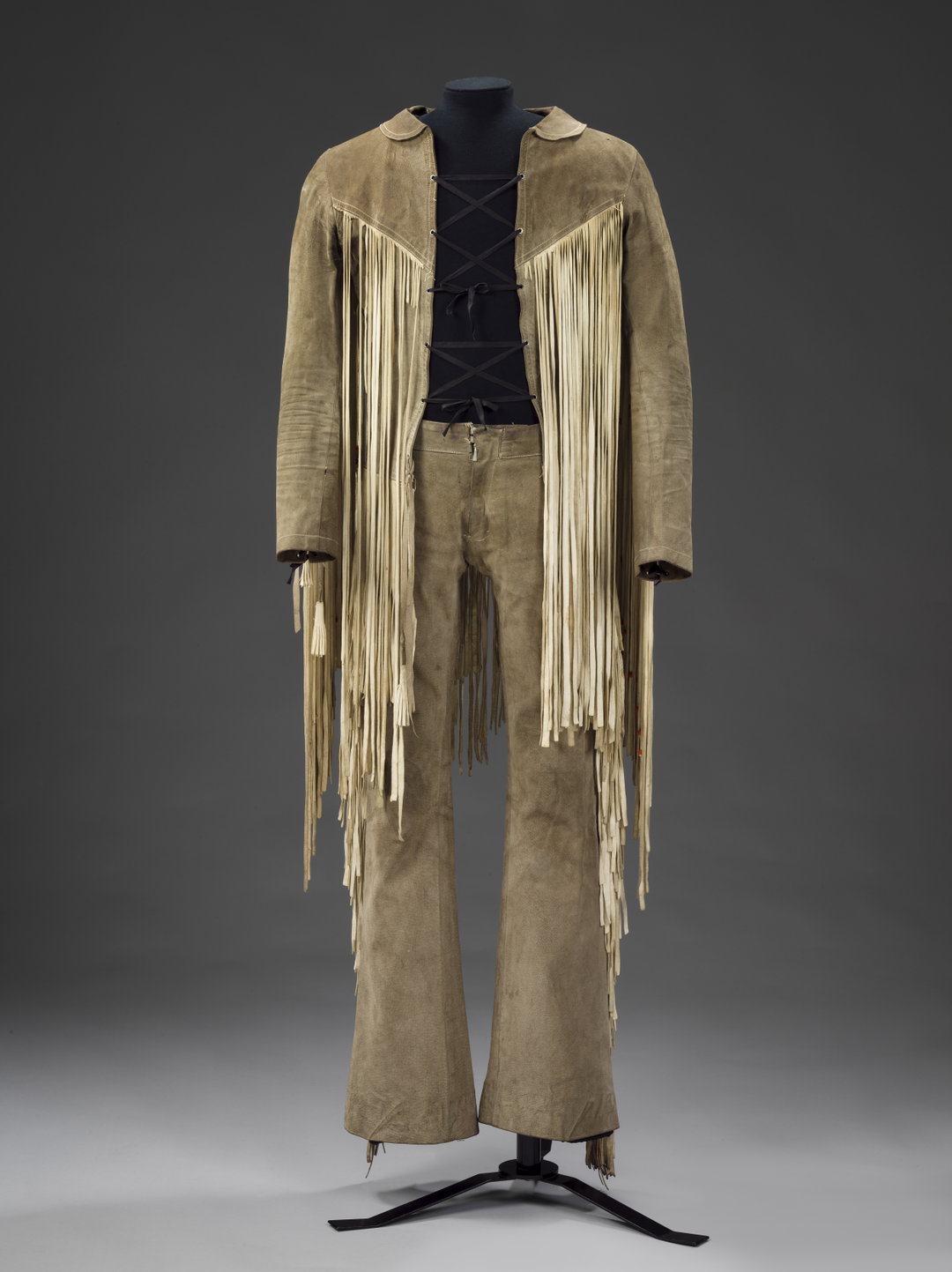
Jacket and trousers worn by Roger Daltrey from The Who at the Isle of Wight Festival, 1969, unknown maker. (Copyright © Victoria and Albert Museum, London)

Trainers, Adidas, part of an outfit that was worn by DJ Slamma, 1994, Britain (Copyright © Victoria and Albert Museum, London)
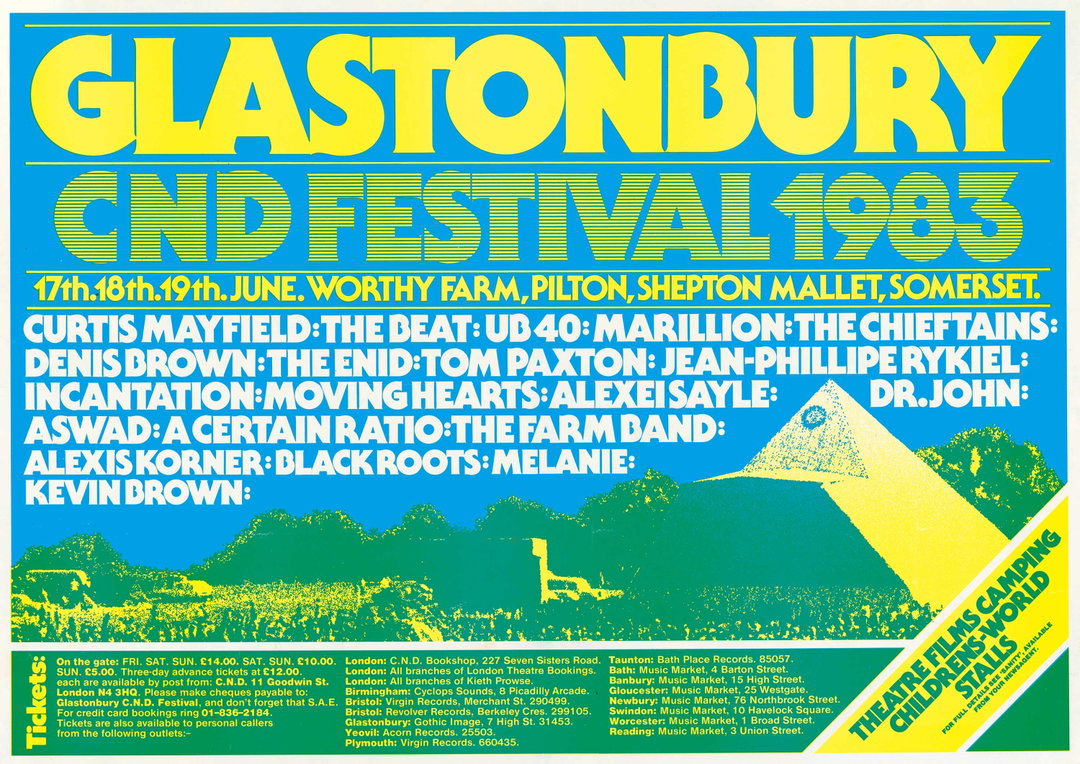
1983 Poster (Copyright © Glastonbury Festival)
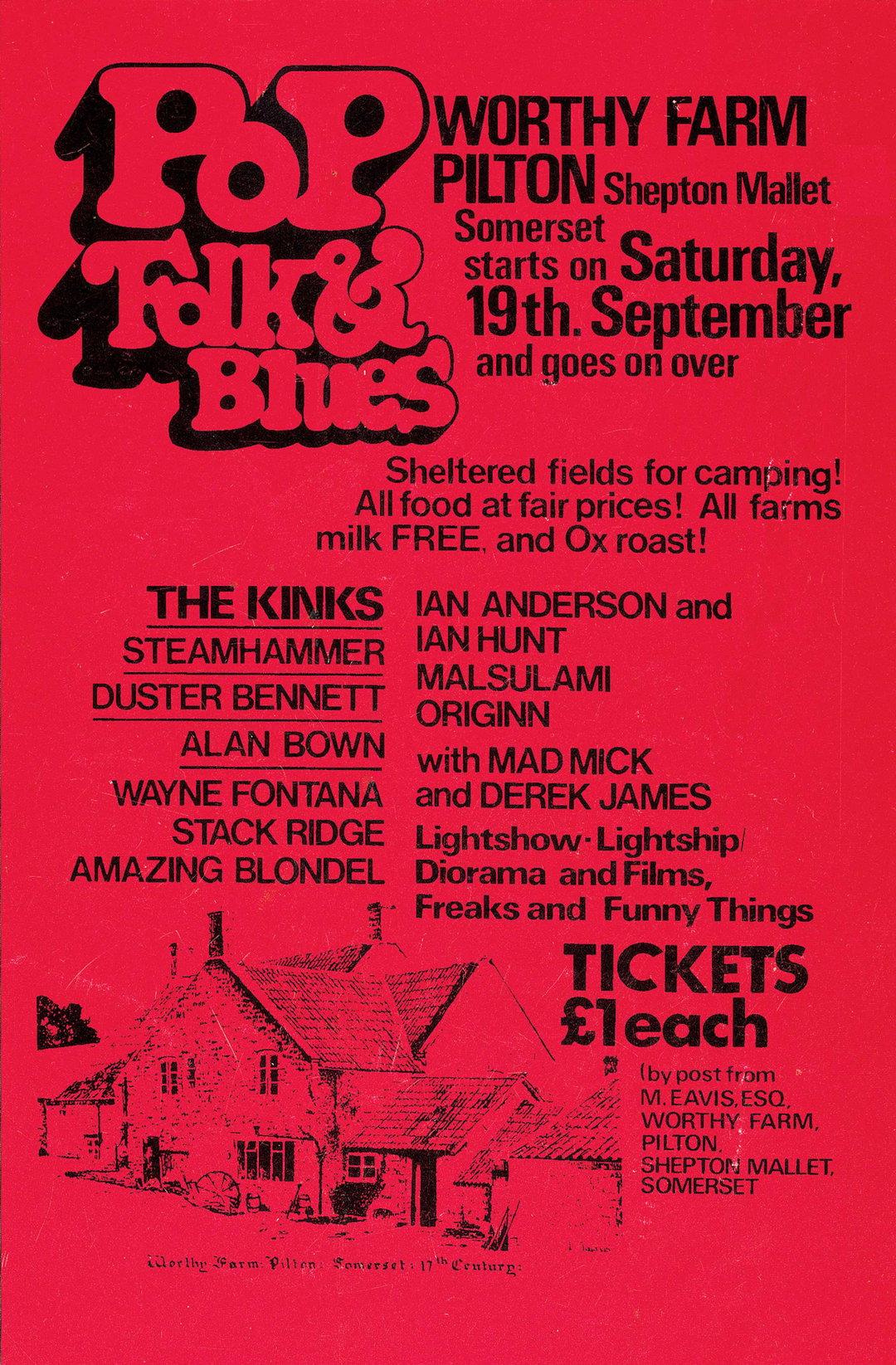
1970 Poster (Copyright © Glastonbury Festival)
Hero Header
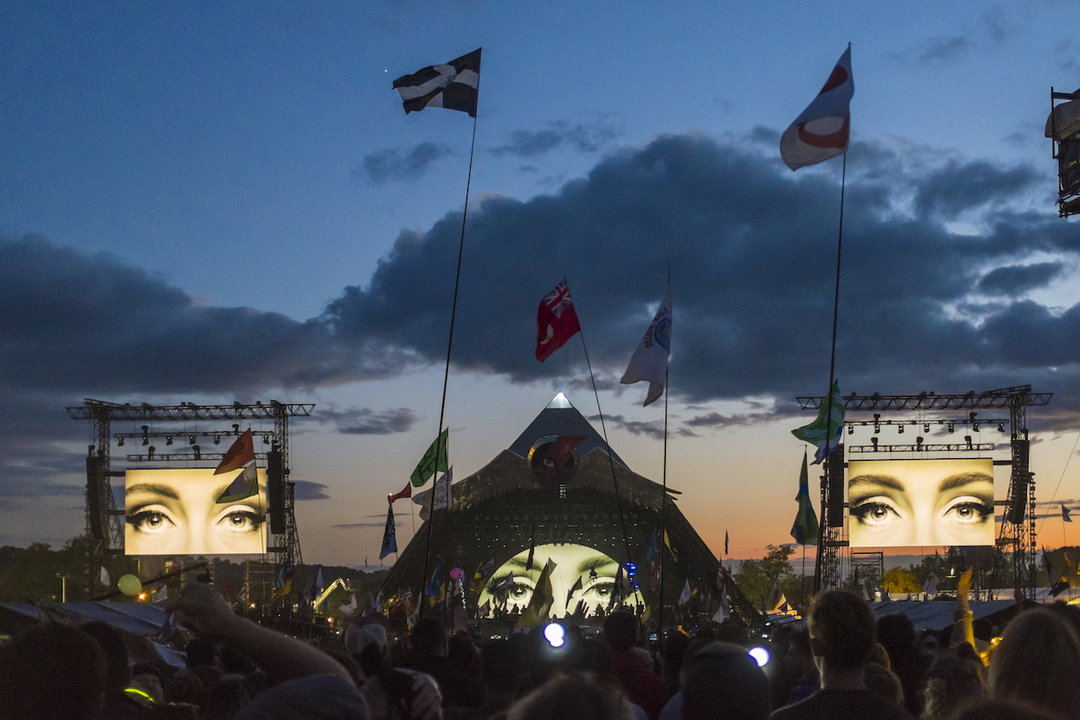
Adele at the Pyramid Stage 2016, Photograph by Iwona Pinkowicz
Share Article
About the Author
—
Ruby is Senior Creative at It's Nice That, overseeing our visual output across platforms and projects. Before that, she was associate editor on the editorial team, after joining in September 2017 following graduation from Central Saint Martins.