Chelsea Pineda reconstructs her father’s past in a tender study of masculinity and survival
Growing up in 1960s Manila, this photographers father was a serial street fighter. Now, his daughter revisits his past, reframing the violence with curiosity and care.
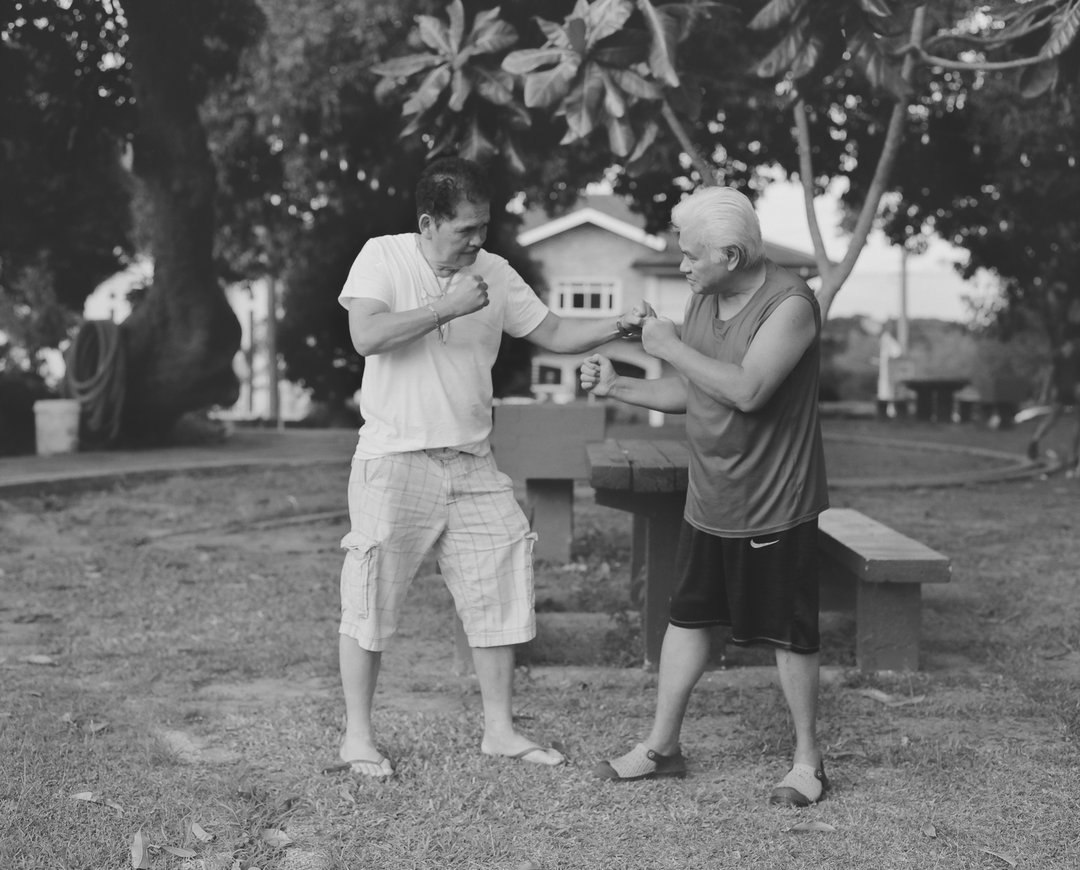
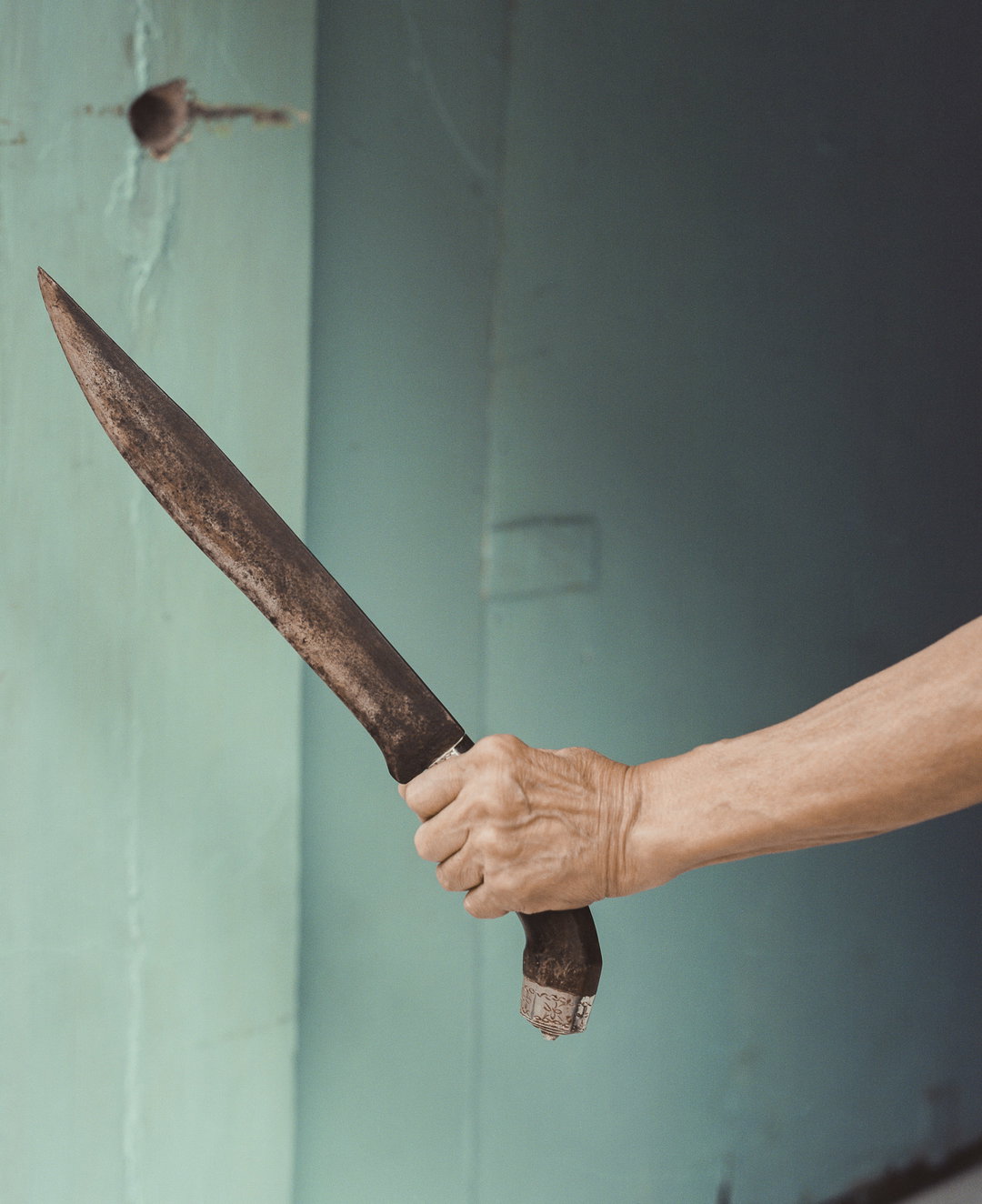
In the Filipino language, the term ‘barako’ is a near-equivalent to the English word ‘stud’. It’s used to describe ‘tough guys’ – men who possess and display typically macho qualities. Chelsea Pineda’s father, epitomised this archetype. Growing up in Manila during the 60s and 70s, he was a serial street fighter, trained in martial arts and boxing.
Chelsea was raised in America, and grew up on stories about her father’s heroic fights back home. “They weren’t too far off from the fairytales, in terms of how it felt to hear them,” says Chelsea. These were vivid tales of surprise attacks, “import” fighters, and the special techniques needed to survive being cornered by eight men. “He never lost a fight – not even his first one, at the age of five, during a game of marbles,” says Chelsea. “I never realised these fights were particularly unique experiences… As I got older, I became more attuned to the nuance and reality of these events.”
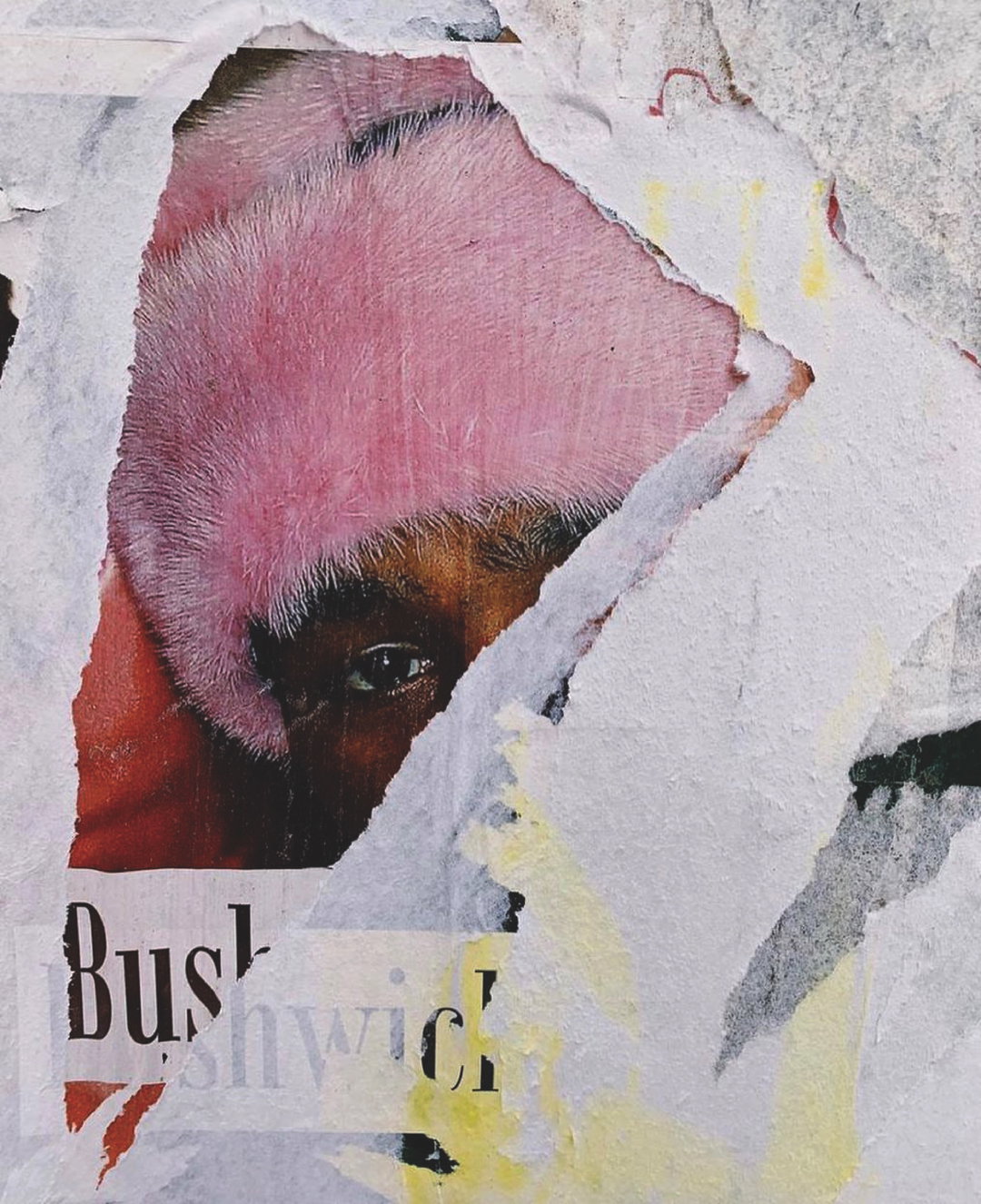
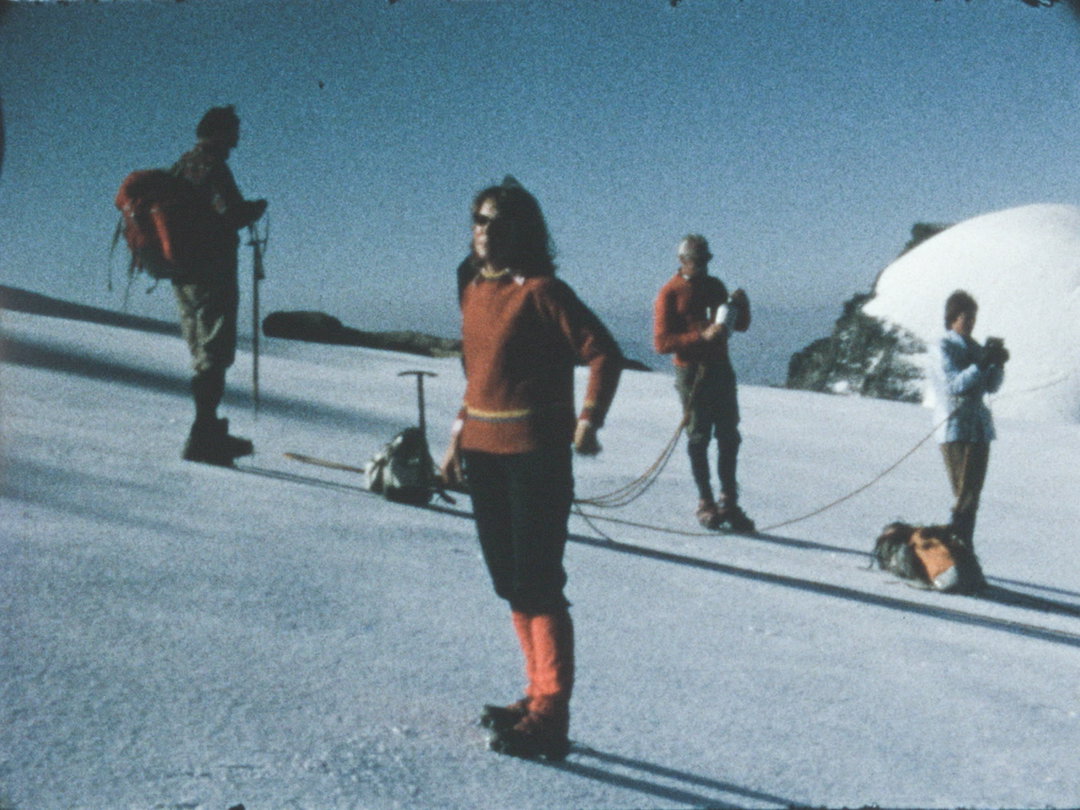
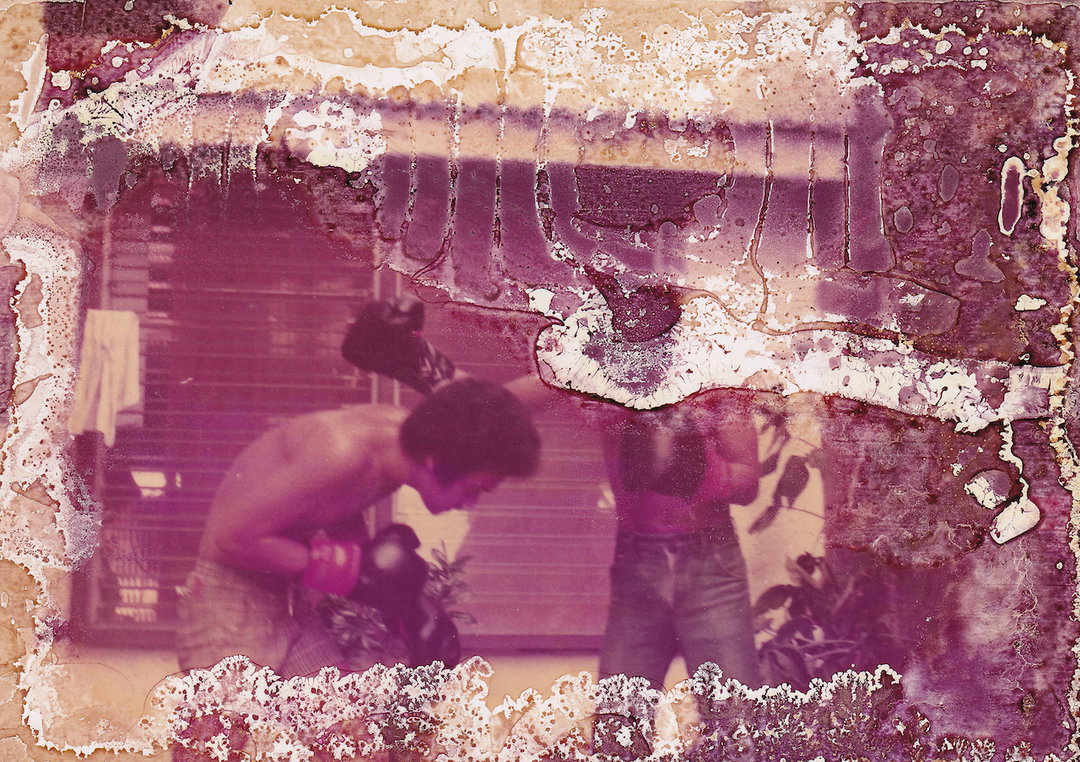
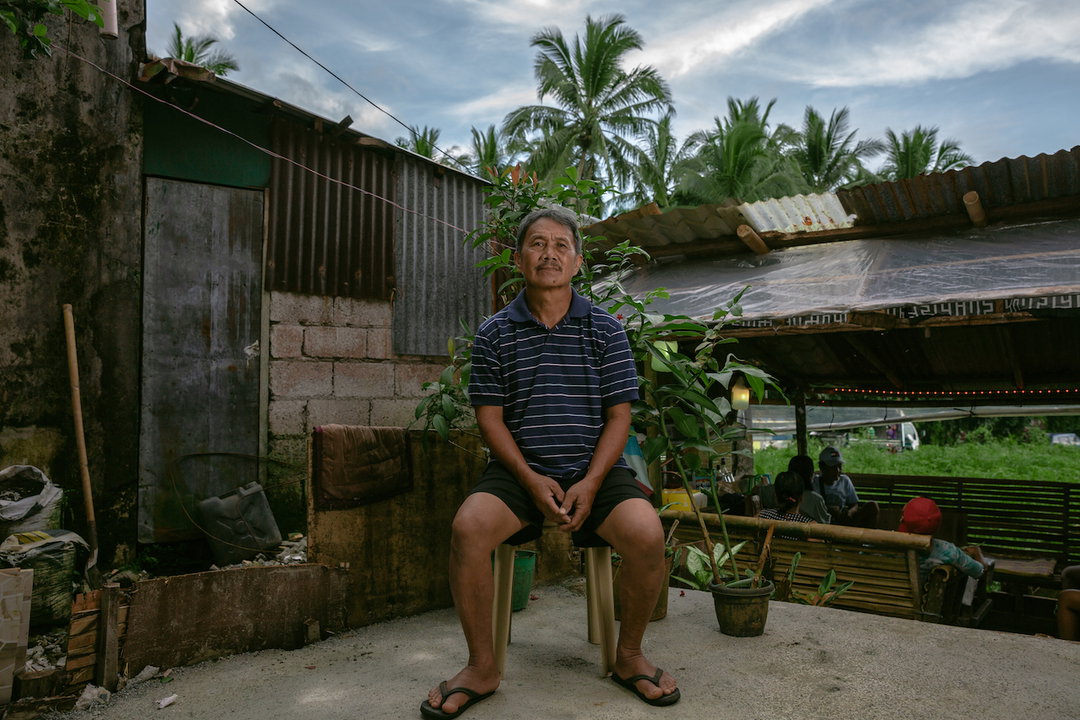
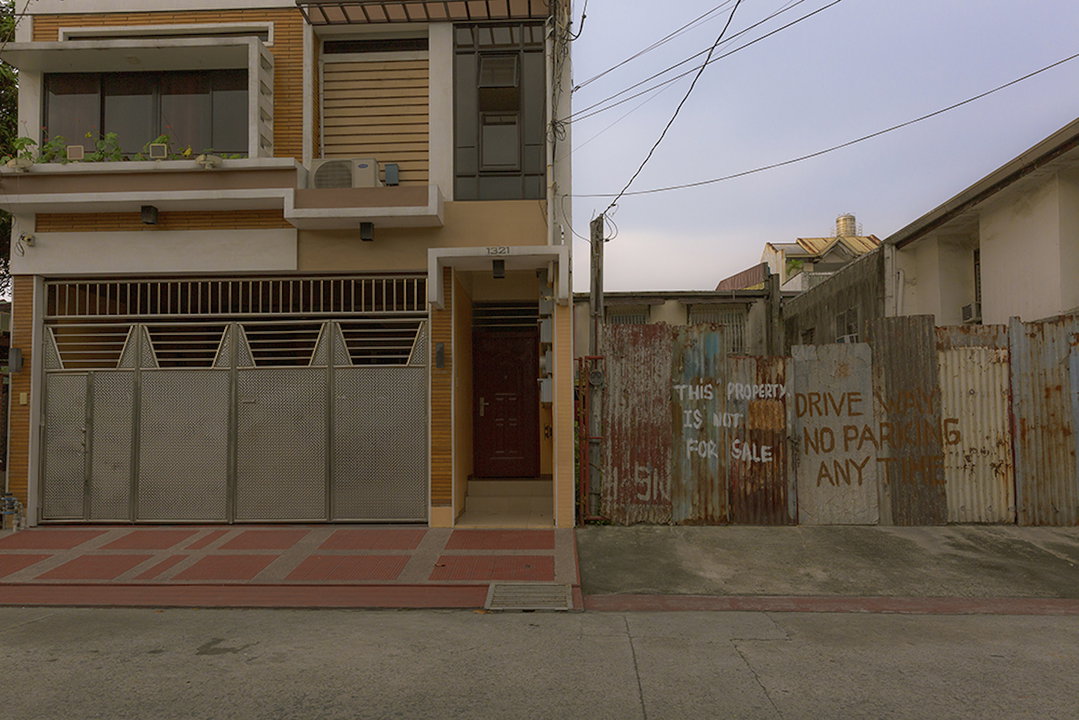
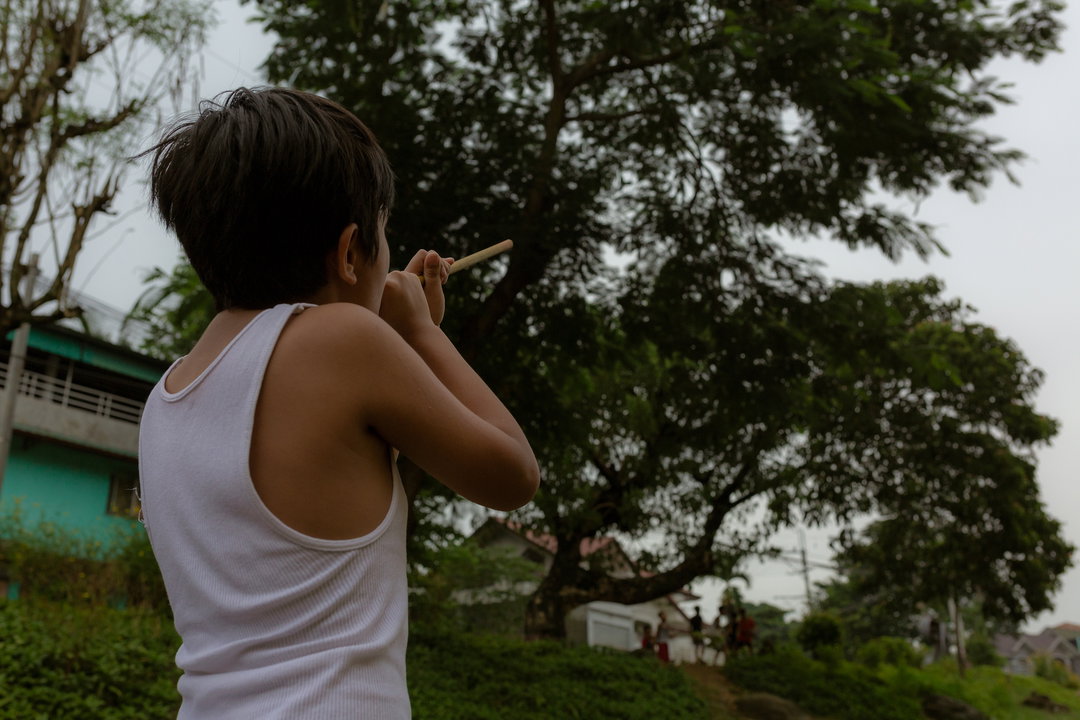
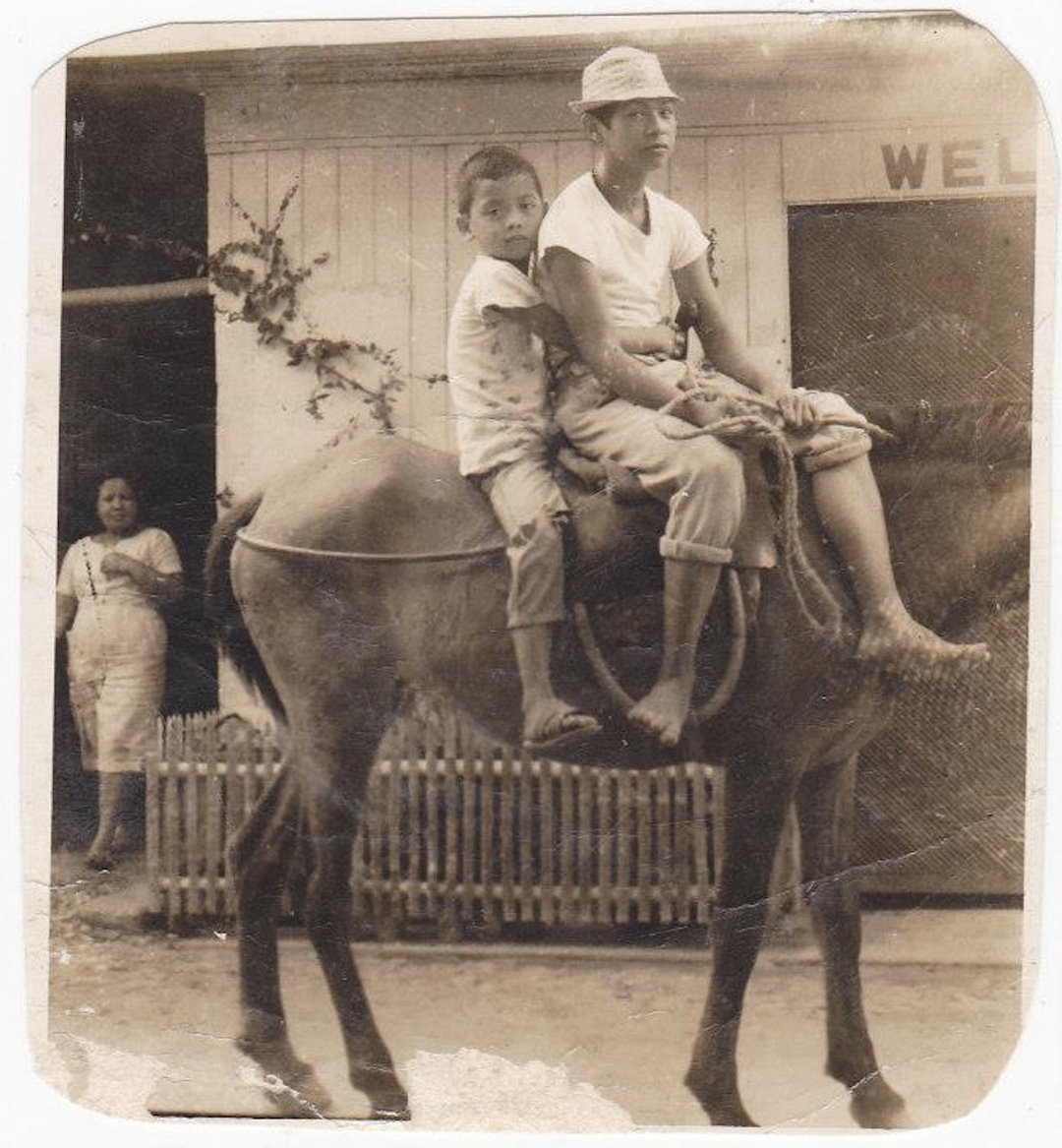
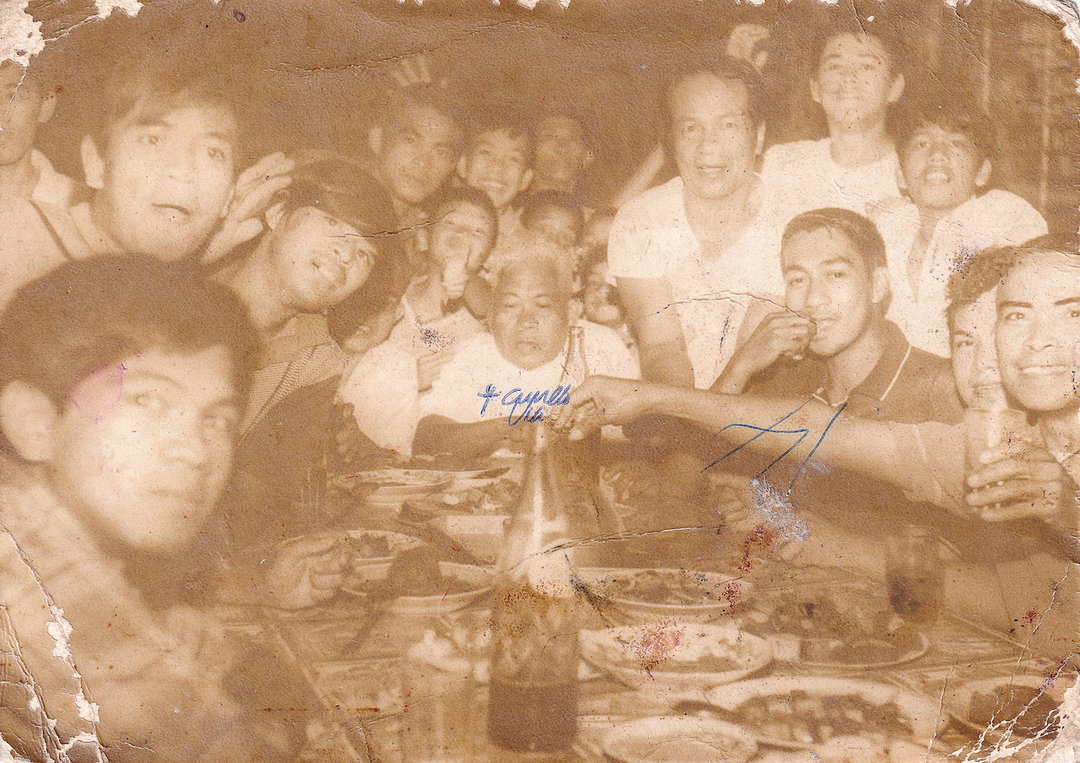
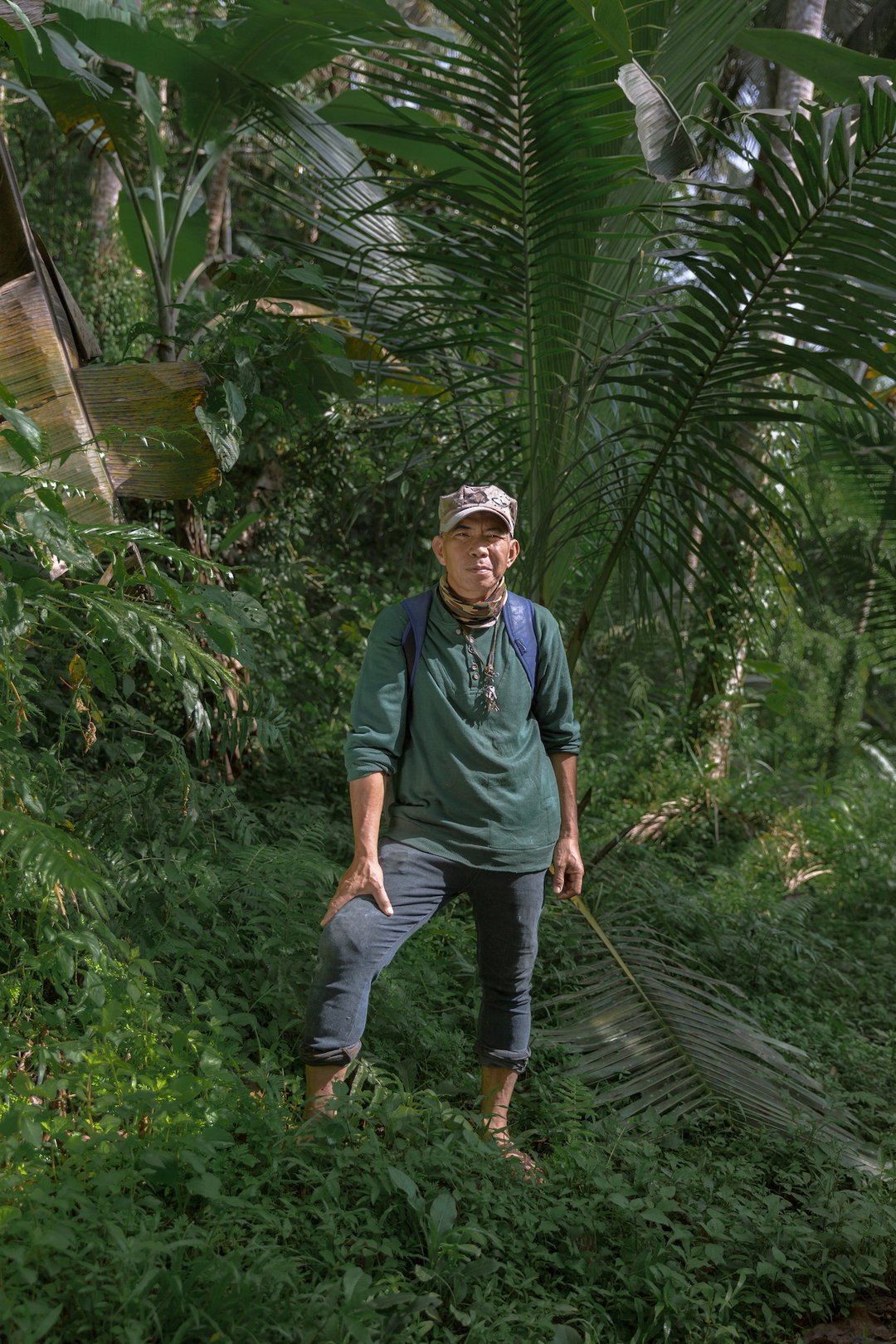
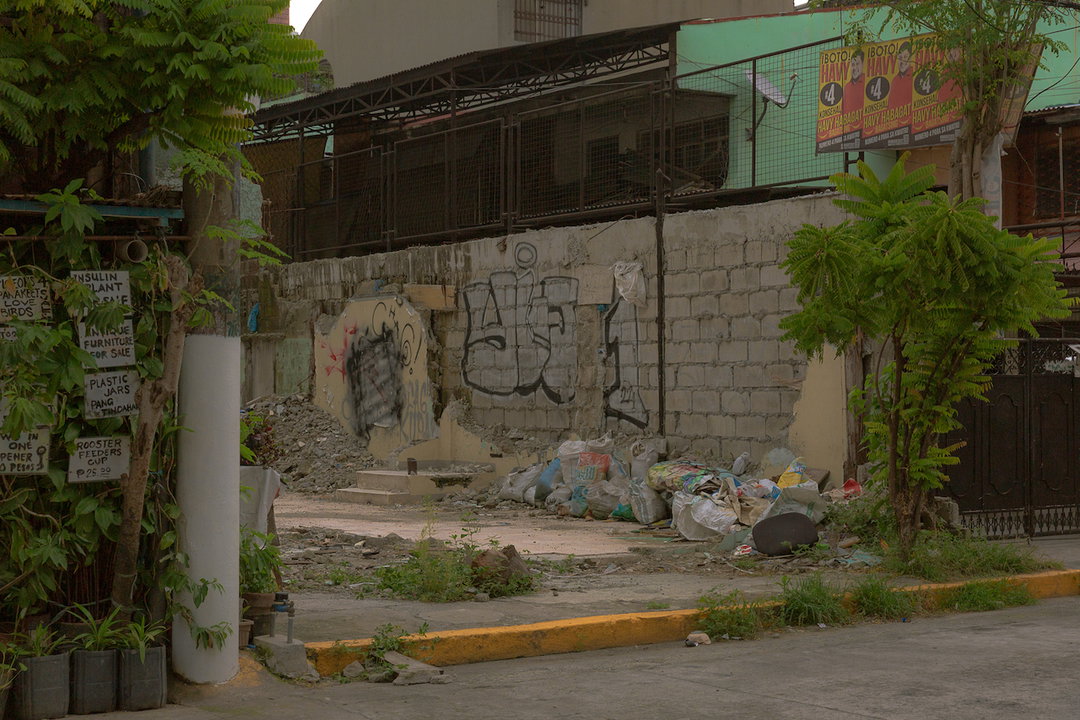
Chelsea interviewed her family and father’s friends, and used photography and found media to reconstruct their oral histories. The resulting project, Barako, weaves together these elements in a moving exploration of boyhood, masculinity, and heritage. It includes shots of her father and his family in the neighbourhood they grew up in, as well as a rare collection of archive media from the 1950s to 1980s. These feature articles about martial law, Western Marlboro cigarette advertisements, and profiles about champion boxers. In combining these artefacts, Chelsea wanted to “build a bridge that allows one to go back and forth more directly between the past and present”.
GalleryChelsea Pineda: Barako (Copyright © Chelsea Pineda, 2025)
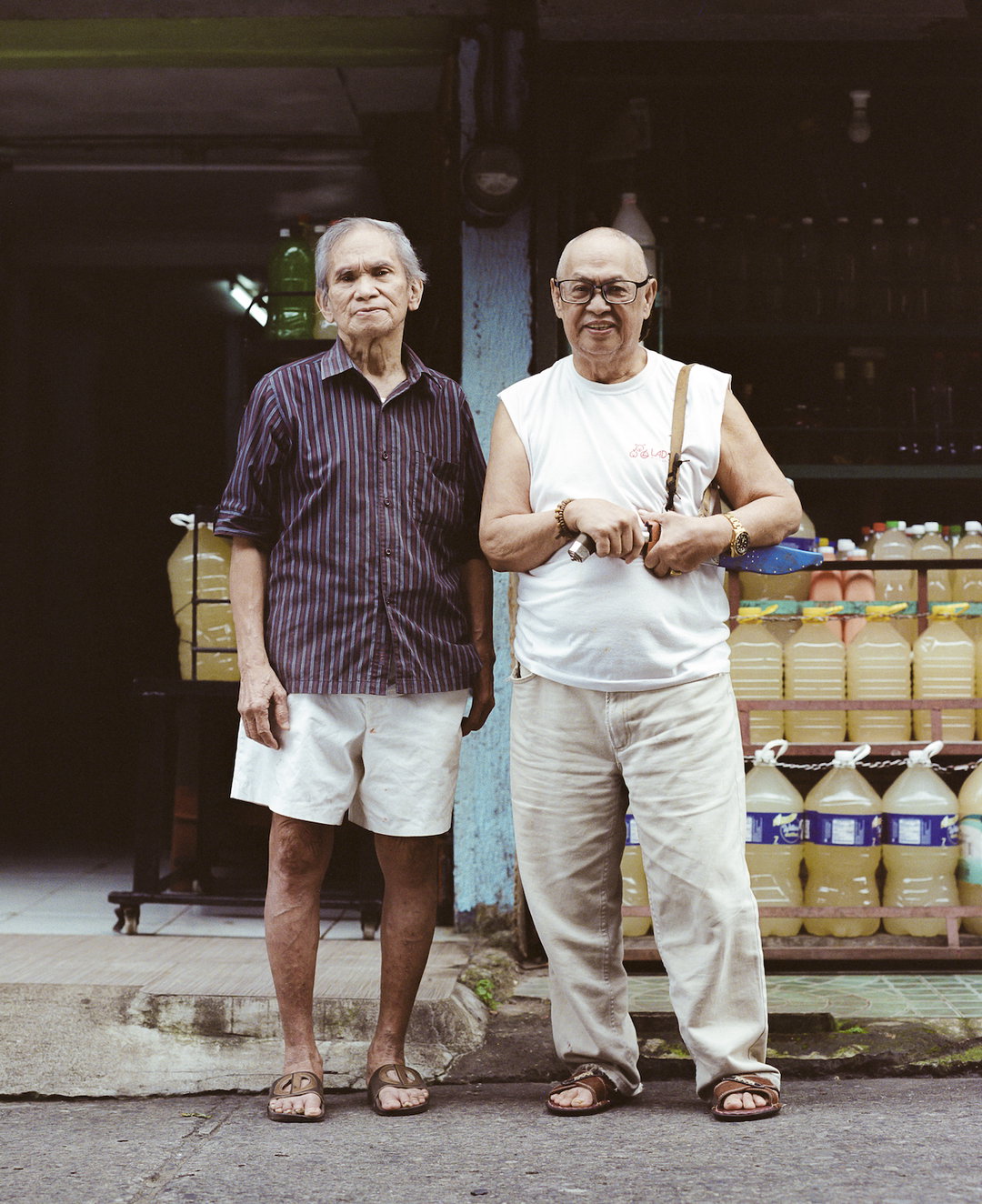
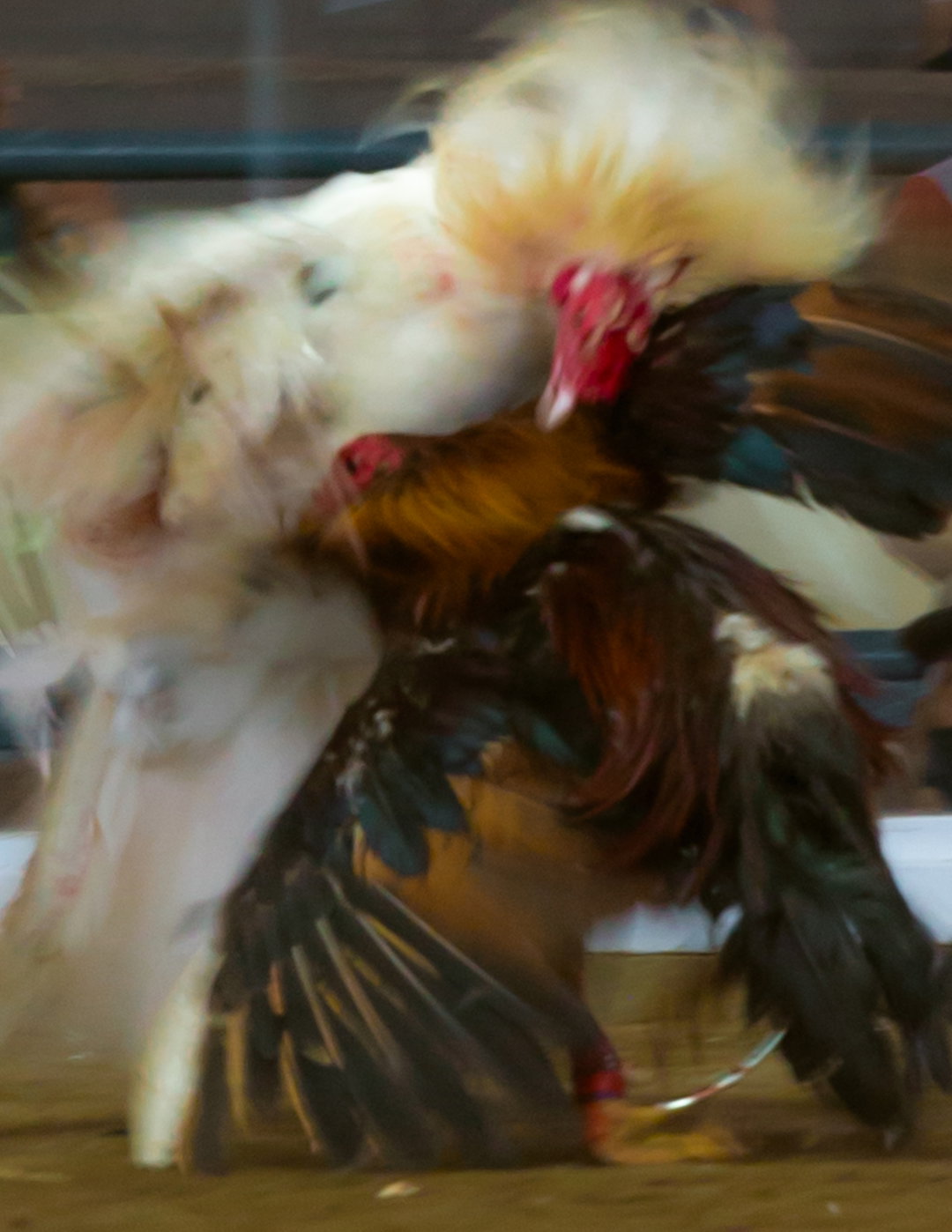
The project was also a way of filling the gaps that her father was hesitant to speak about. “My dad is just as interested in the idea of legacy and lineage as I am,” says Chelsea. “The only thing that really surprised me was that there was one fight story he never told me.” It was the last he ever fought, involving him, his brother, and their uncle right outside of his father’s wake; their family and neighbours witnessed it all.
Through decades of countless story times, the artist’s father had withheld this specific story. “He said that subconsciously, along with his escapes into nature, fighting was a way to release the anger he held as a result of his father physically disciplining him at home,” she reveals. “For his last fight to take place right before his father was laid to rest has been really interesting to think about.”
Weaving in and out of constructed moments and archival documents, Barako reflects the complexities of masculinity and boyhood. “I’d like for audiences to get curious and ask: What about the tenderness and curiosity that comes with boyhood? What of that is essential for physical and emotional survival, especially as a boy becomes a man? What of that survives?”
The final component of Barako is a series of ongoing texts reflecting on masculinity, intergenerational trauma, and Chelsea and her father’s changing relationship. “This project led him to be more vulnerable with me than he’d ever been, and in turn, I found myself moving with a level of sensitivity I hadn’t necessarily needed to have with him before,” she says.
Looking forward, Chelsea plans to bring together these essays, along with a collection of poetry, into a photobook that weaves all the facets of Barako into one cohesive narrative. In doing so, the project dismantles the idea of a singular masculine archetype, revealing instead a nuanced narrative that embraces all the different layers of being a boy, man, and father, all at once.
GalleryChelsea Pineda: Barako (Copyright © Chelsea Pineda, 2025)
Hero Header
Chelsea Pineda: Barako (Copyright © Chelsea Pineda, 2025)
Share Article
Further Info
About the Author
—
Marigold Warner is a British-Japanese writer and editor based in Tokyo. She covers art and culture, and is particularly interested in Japanese photography and design.