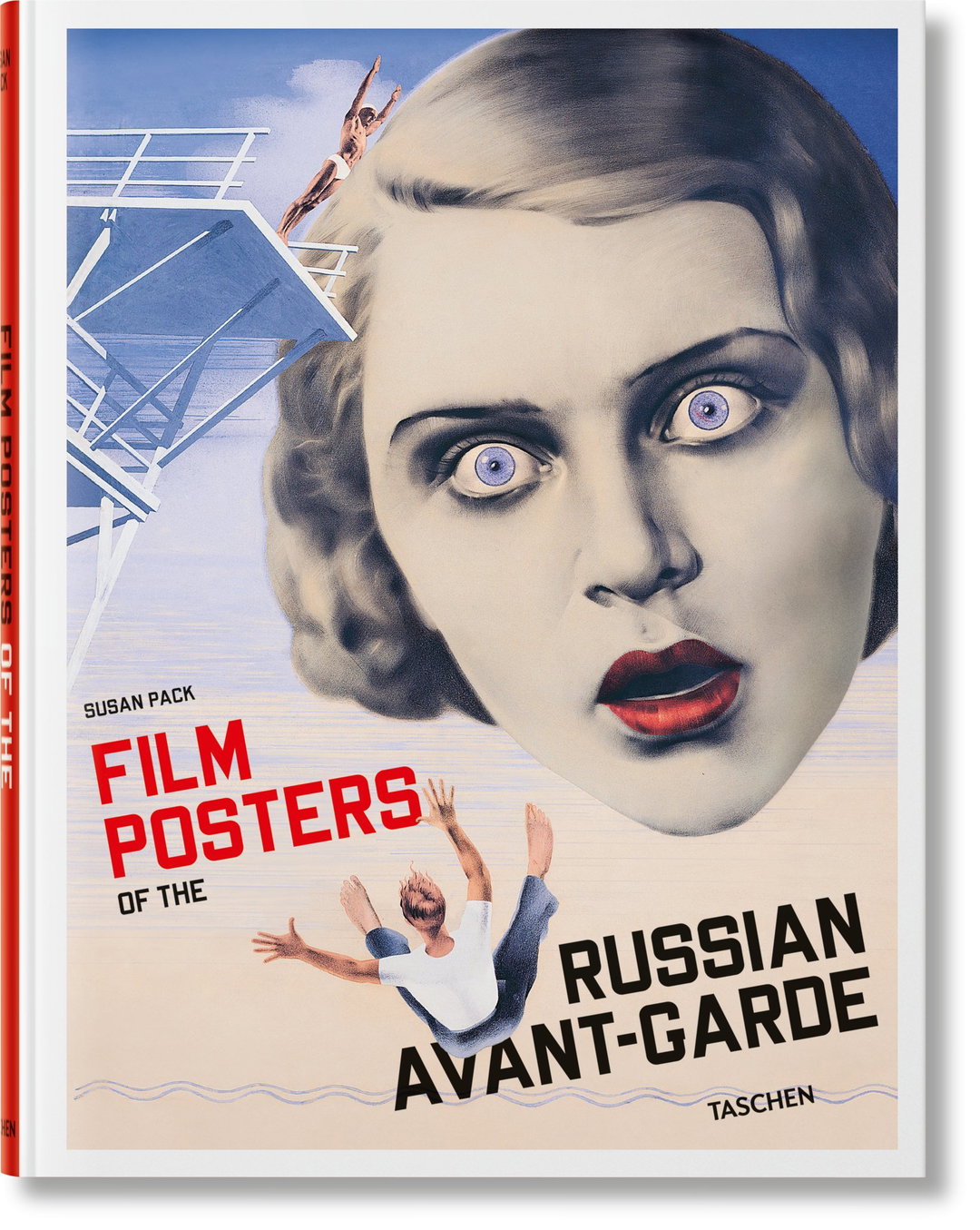
Celebrating the daring designs of Soviet avant-garde film posters with collector Susan Pack
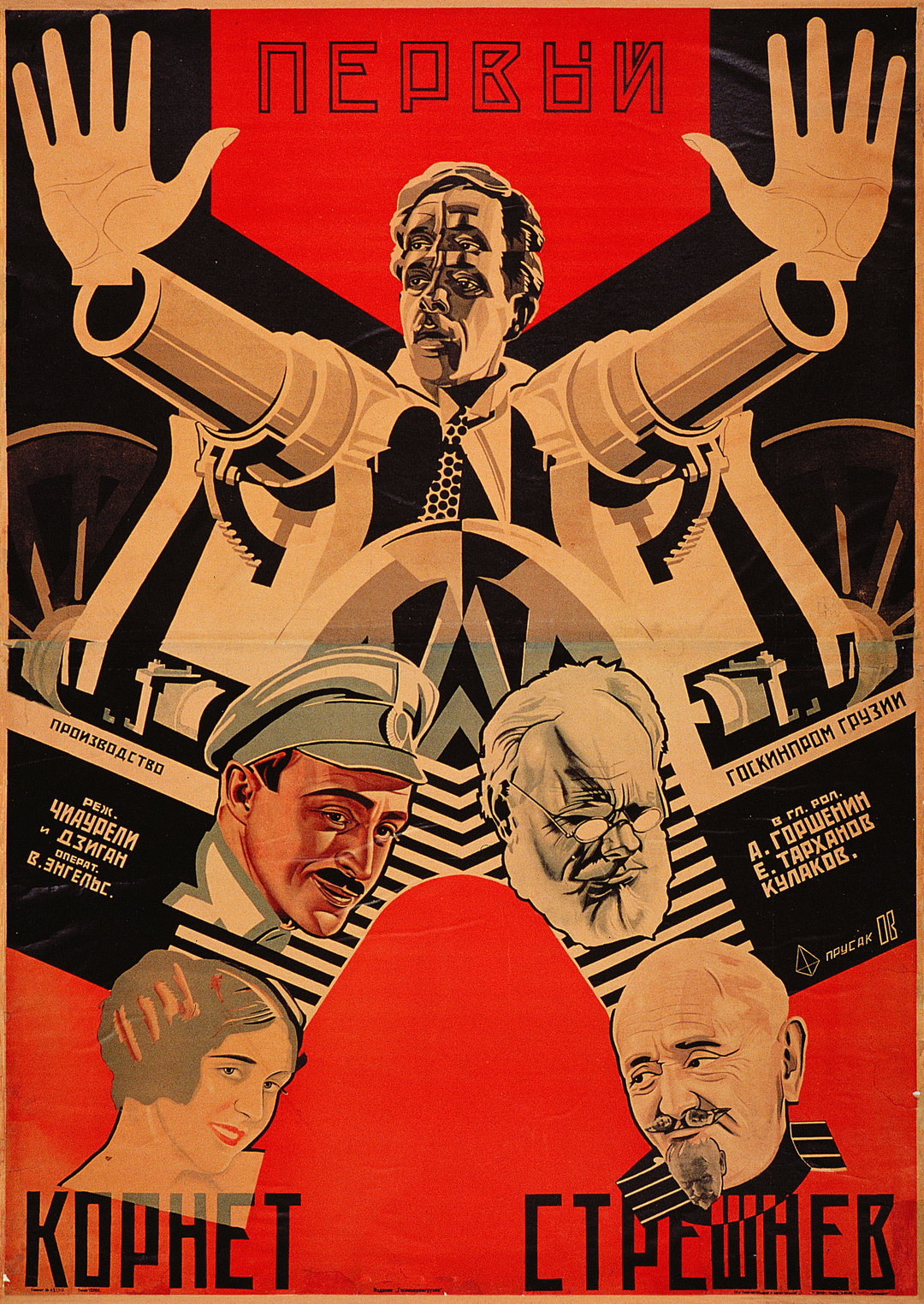
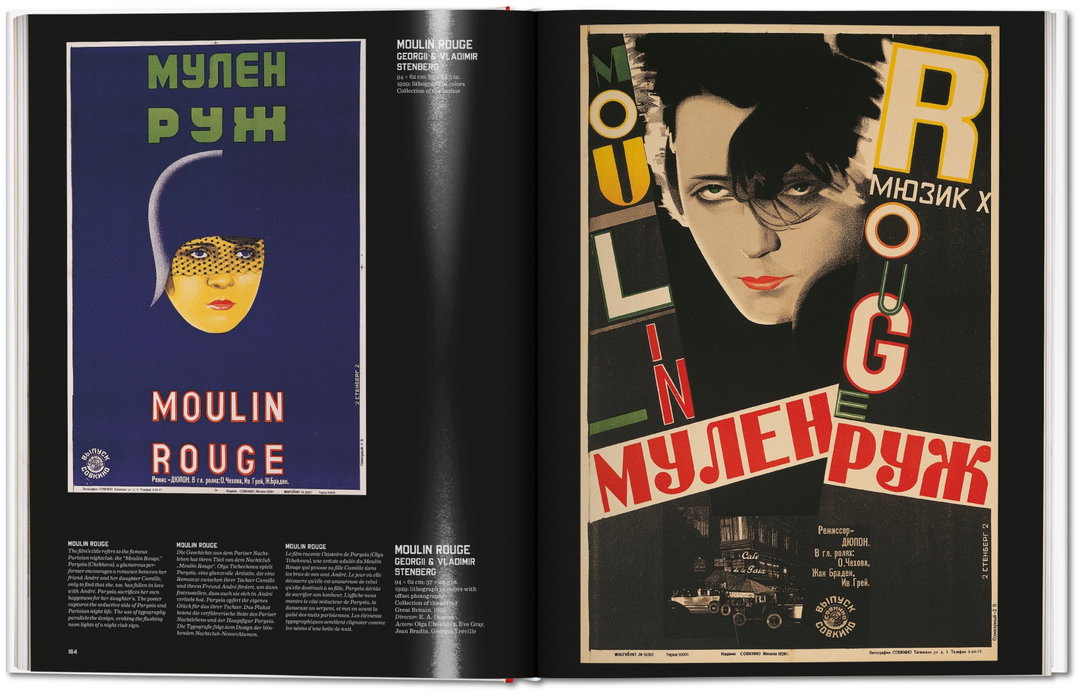
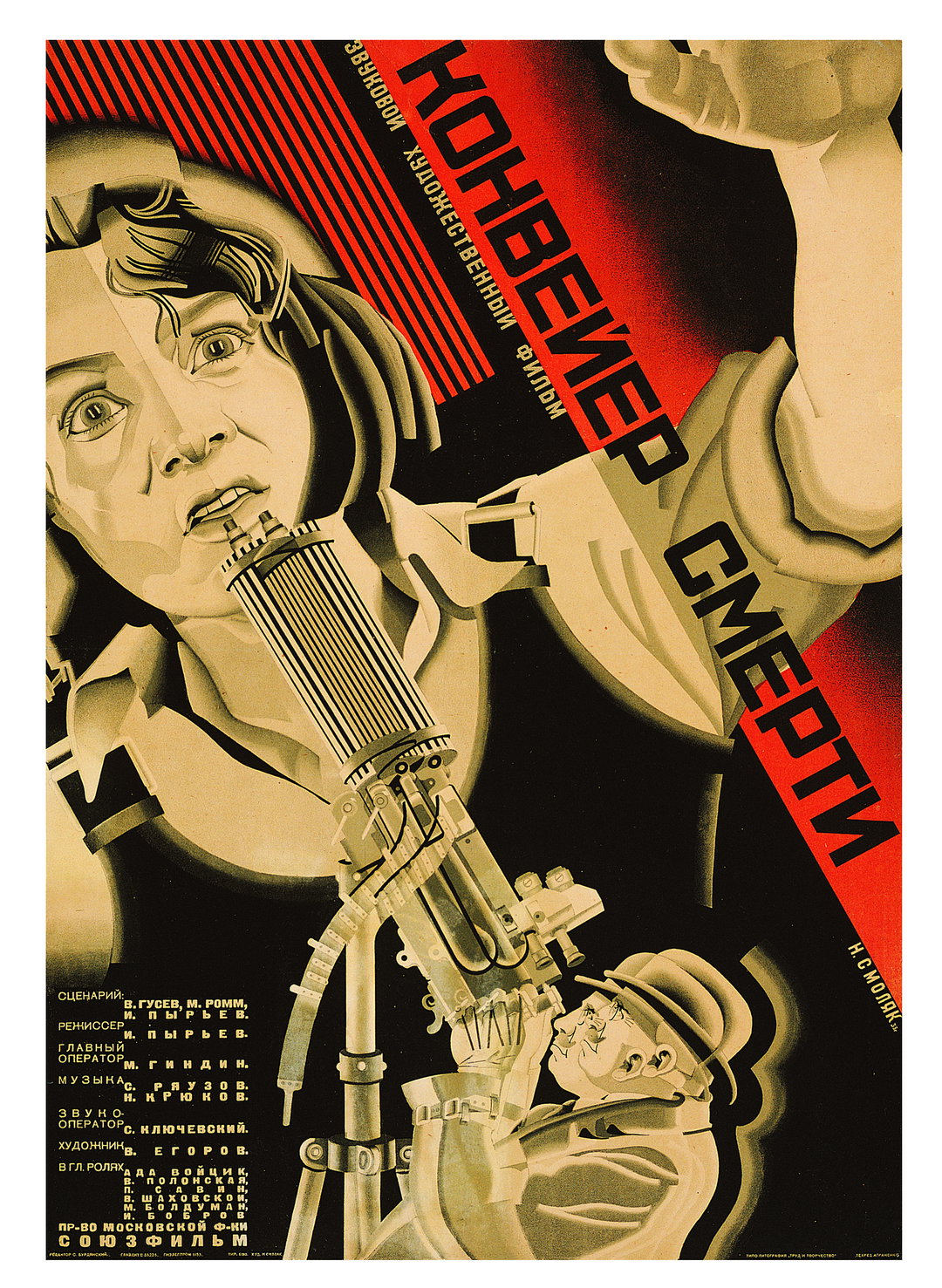
A new Taschen book compiles 250 film posters from the pre-Stalin era, featuring an array of experimental and vivid designs, daring type and graphics.
In 1973, Susan Pack bought her first poster. For practical reasons, she says, as she’d just graduated from college and was in need of filling her bare apartment walls. Then, after visiting a friend who worked at an art gallery, she inquired about whether they had any books on art deco graphics for sale. A poster from a German museum had become available the very next day called Exactitude by Pierre Fix Masseau, “a stunning French Art Deco poster of a train,” she adds. “I bought it for $1,000. Everyone told me that it was a crazy amount of money to spend on a poster, but I love it and wanted it.”
This was a big turning point for Susan, who agreed to lend her poster to the dealer for a weekend exhibit. From thereon she became a poster collector. “I was thrilled that I could collect something I loved and not lose money,” she adds. 17 years down the line and Susan’s collection grew and grew, amassing a renowned collection of works spanning posters, billboards and maquettes – including work by Art Deco master A.M. Cassandre which now hangs in the Museum of Modern Art in Tokyo. “I never thought I would sell my collection, but I had achieved my goal and I was longing for a new theme to collect.” She chose Russian avant-garde film posters, and now, this collection has been published as a new book from Taschen.
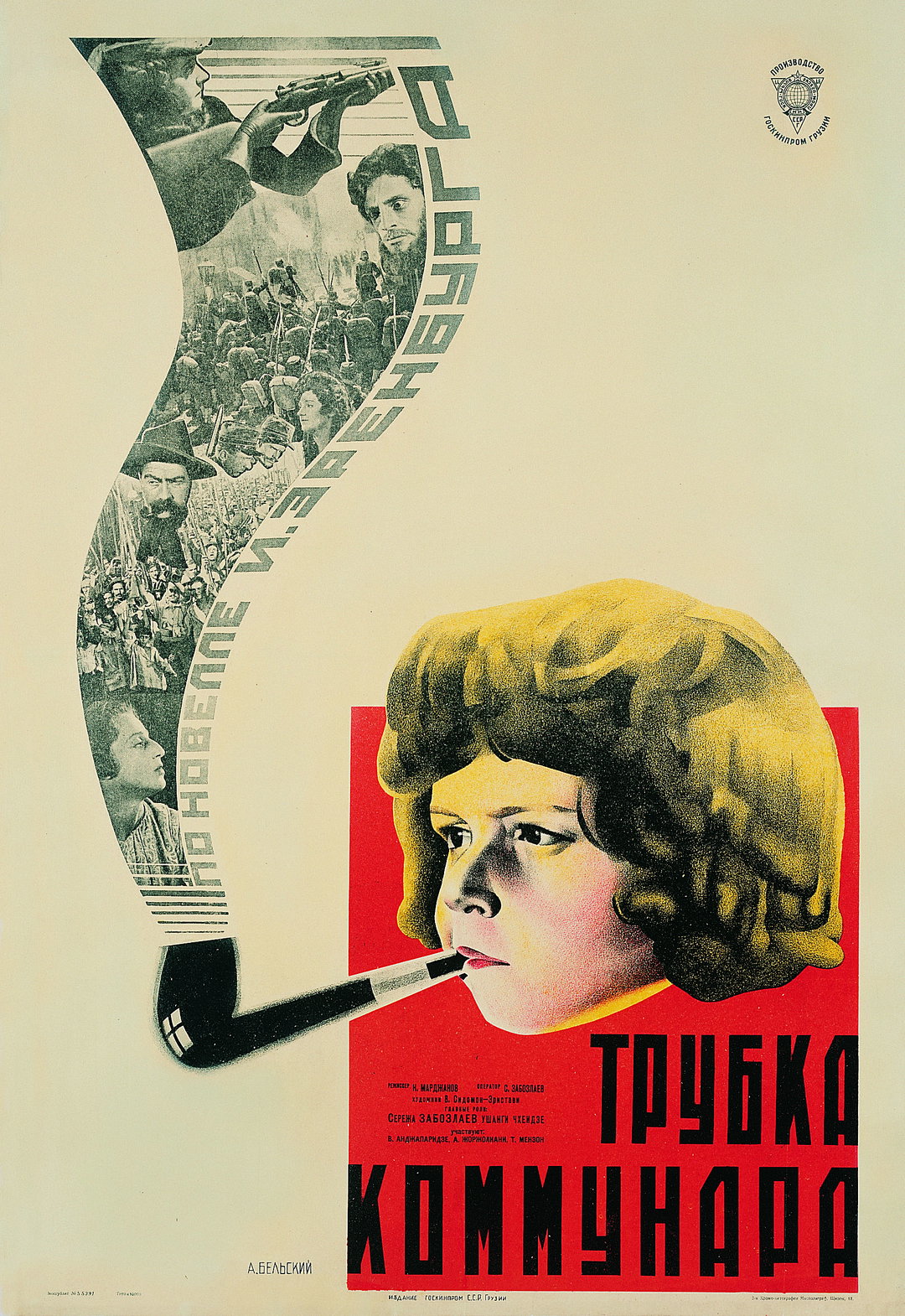
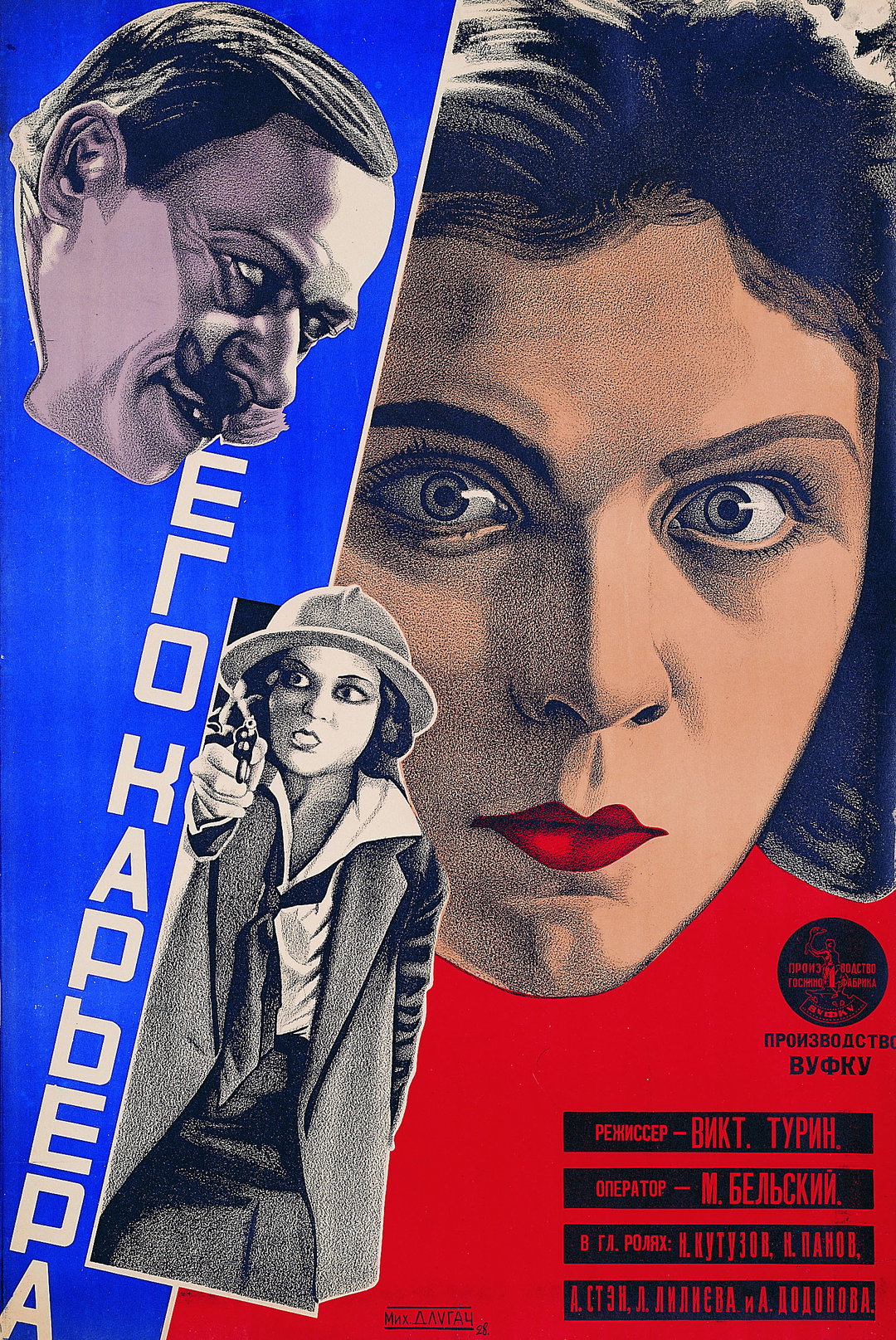
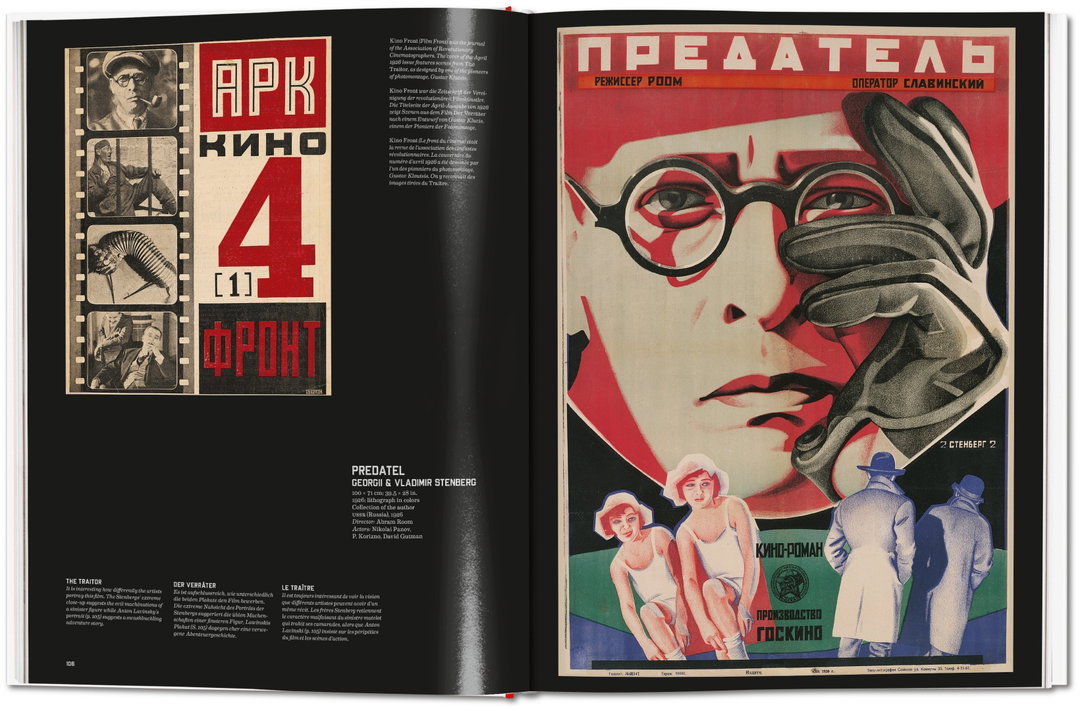
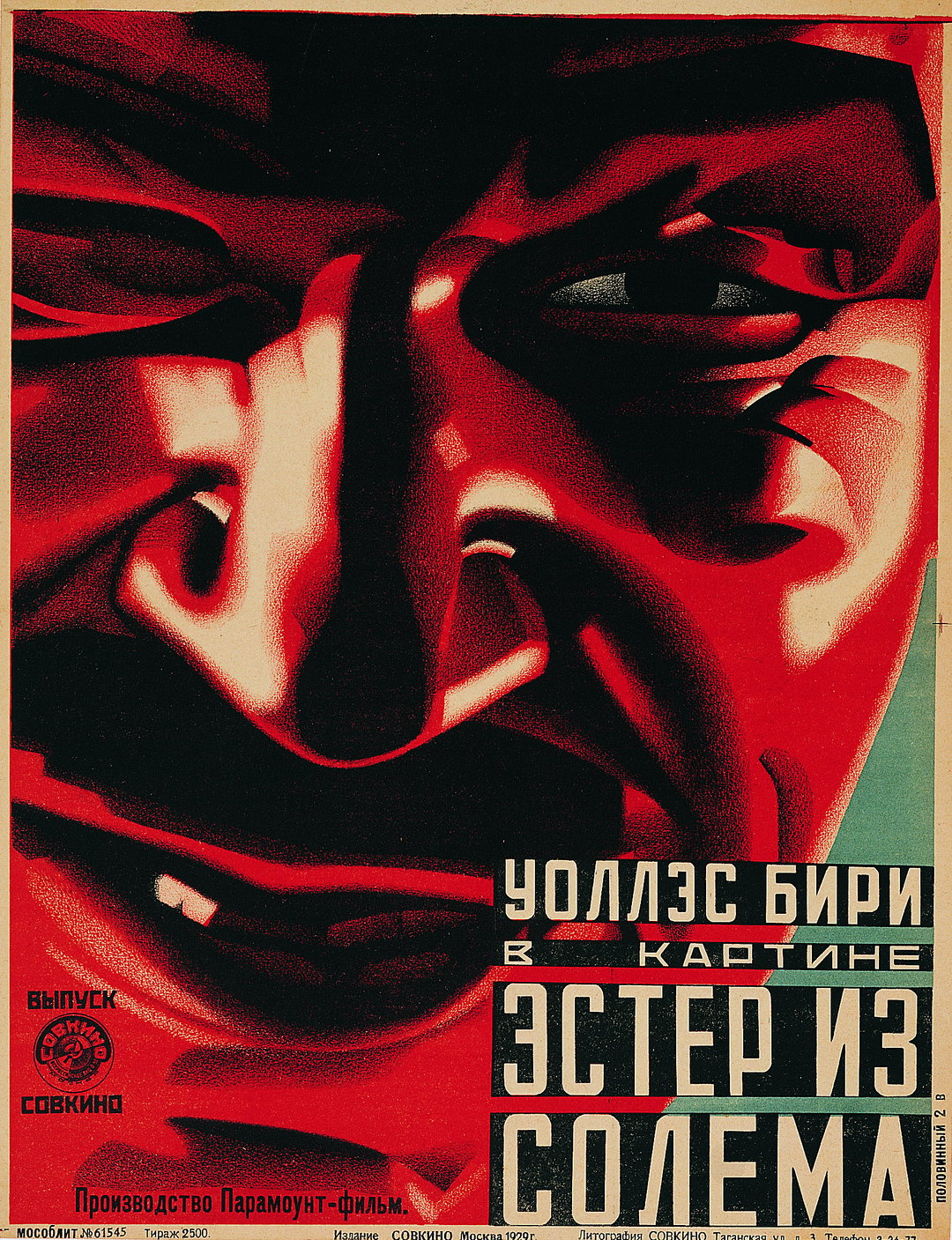
The publication, named Film Posters of the Russian Avant-Garde, comprises 250 film posters from the pre-Stalin era, channeling a vivid and cinematic history of graphic design from the Soviet Union of the 1920s and early 30s. Though turning this new obsession into book form was never really her intention, she says. It all occurred during a “fateful meeting” in an elevator of a small New York City boutique hotel, carrying a tube with several posters, when a European man politely asked what she was carrying. “When I told him that they were Russian avant-garde posters, he said that he was a book packager who had just published a book on avant-garde paintings,” recalls Susan. “I told him to let me know if he ever wanted to publish a book on Russian avant-garde posters.” She sent him some photos of the posters, and the following week discovered the news that Taschen wanted to publish the book. “I wanted to publish the best book on the Russian avant-garde posters, whether I owned them or not,” she adds.
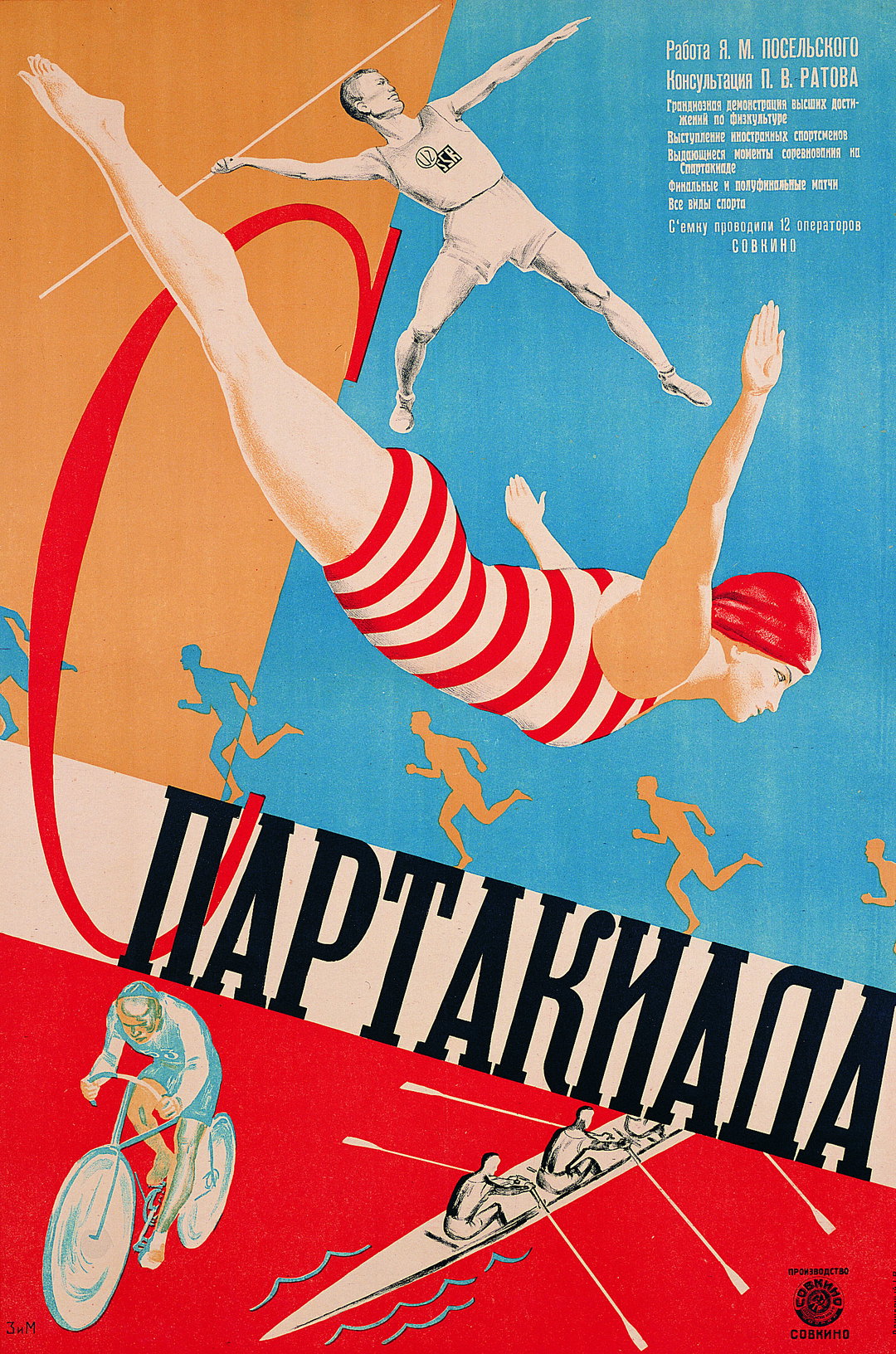
Taschen: Film Posters of the Russian Avant-Garde, curated by Susan Pack (Copyright © Taschen, 2022)
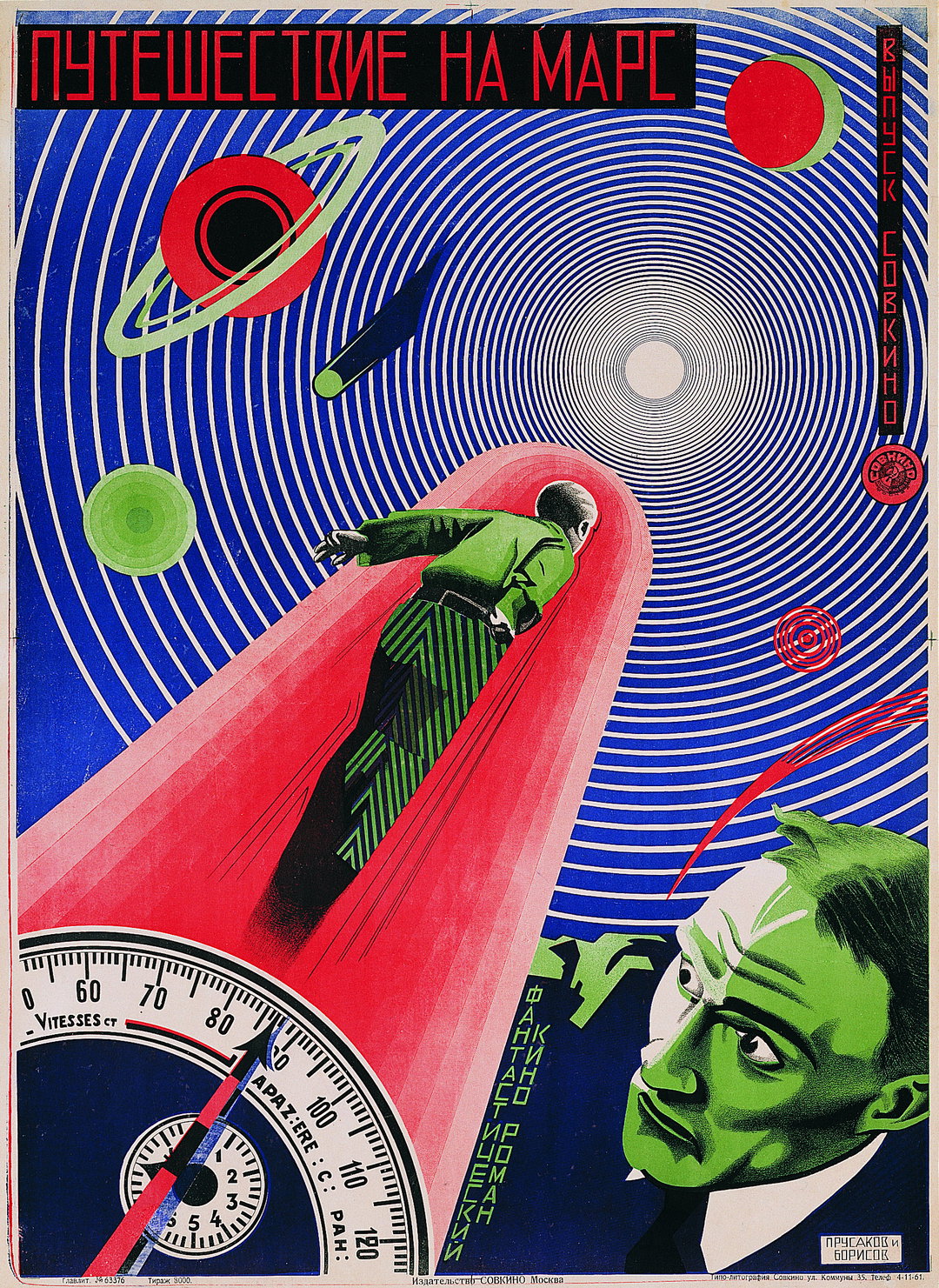
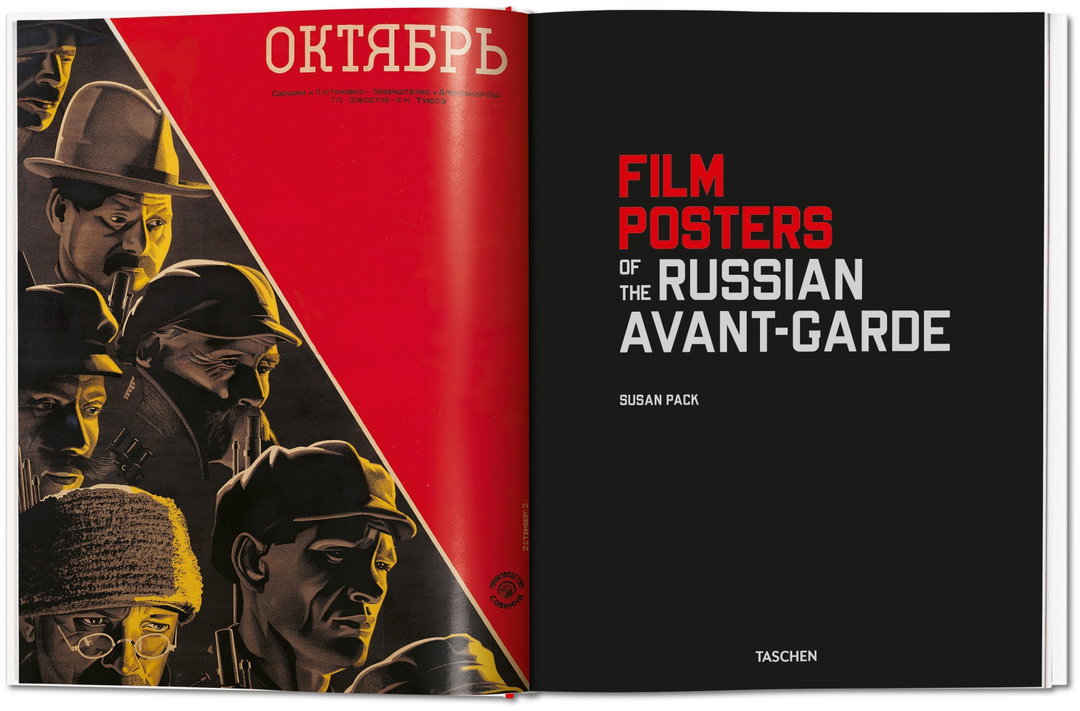
Within, expect to be blown away by the overtly colourful designs of the posters. The work doesn’t shy away from anything too experimental, too boldly typographic or expressive. Instead, it serves up a true depiction of avant-garde, a time before Soviet realism came into play. “When I grew up in the 1960s, I never thought of Soviet art as creative,” admits Susan. “Soviet art seemed more like propaganda to glorify communism. In fact, in 1932, Stalin had made owning or creating avant-garde a crime. But the creativity and brilliance of this time showed how innovative the Russian artists could be.” One good example of this can be seen in the final poster, designed for the film Hot-Blooded. Here, a naked man rides a horse bareback, “practically lying across the horse wearing nothing but a cap on his head,” describes Susan. However, the printed image shows just the headshot of a man smiling, “a fully clothed Soviet Komsomol (a member of the Soviet youth organisation) with the horse’s head seen in the background.”
Susan points out a few other favourites, including Man with a Movie Camera – the one of the woman spiralling in space, created by the Stenberg brothers; Battleship Potemkin, also by the brothers; and The Big sorrow of a Small Woman by Prusakov. Each presents a warped view of the subject matter; “I love posters that play with perspective: posters that get more interesting the longer you look at them,” she says.
The most difficult part of working on this project, according to Susan, is that she wanted to know what the films were about in order to fully understand the images she’d chosen to include. Yet, due to the old age of the posters and films, this was a tricky task – “ a Herculean research effort because many of the films had physically deteriorated and others were minor films that had no information about them.” What’s more is that the Soviets purposefully changed the titles of many American films to obscure their American origins, only adding to the maze. Either way, what Susan has compiled even with such hurdles is a magnanimously informative one. “My hope is that readers will be excited by the images; that they will discover these amazing film posters that were torn down from city walls as soon as the next film debuted, but whose creativity and imagination are not so easily forgotten. I hope that the images will inspire readers to learn more about the Russian avant-garde and to see how much Russia contributed to world art at the time.”
GalleryTaschen: Film Posters of the Russian Avant-Garde, curated by Susan Pack (Copyright © Taschen, 2022)
Hero Header
Taschen: Film Posters of the Russian Avant-Garde, curated by Susan Pack (Copyright © Taschen, 2022)
Share Article
Further Info
About the Author
—
Ayla is a London-based freelance writer, editor and consultant specialising in art, photography, design and culture. After joining It’s Nice That in 2017 as editorial assistant, she was interim online editor in 2022/2023 and continues to work with us on a freelance basis. She has written for i-D, Dazed, AnOther, WePresent, Port, Elephant and more, and she is also the managing editor of design magazine Anima.