

How Tiquismiquis Club brought rhythm and scale to Odda’s 700-page issue
Tiquismiquis Club’s founders, Roberto Espartero and Juan Martín, explain the experimentation and coordination required to design Odda’s 29th issue.
Share
Occupying a culturally leaning creative space that straddles editorial design and visual identities, Malaga-based design studio Tiquismiquis Club tends to work with creative clients – in creative contexts – due to the creative freedom it affords them. “It allows us to explore more experimental directions and to understand each project as a space for research and testing,” says co-founder Roberto Espartero. “It’s within that balance between brief and exploration that we tend to find the ideas that define our practice.”
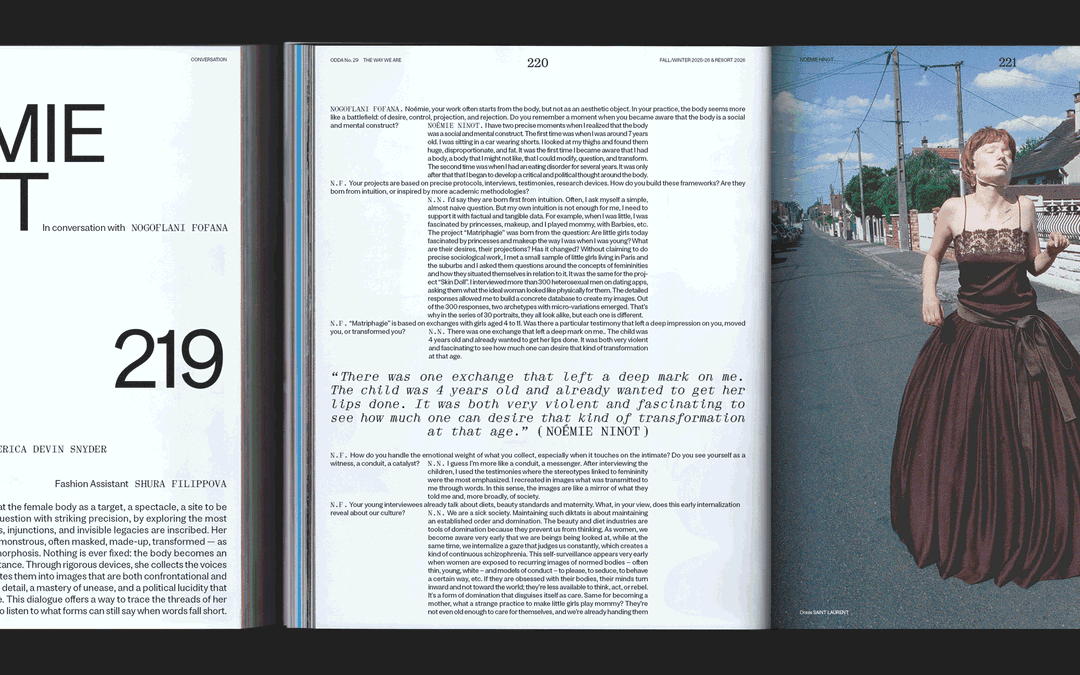
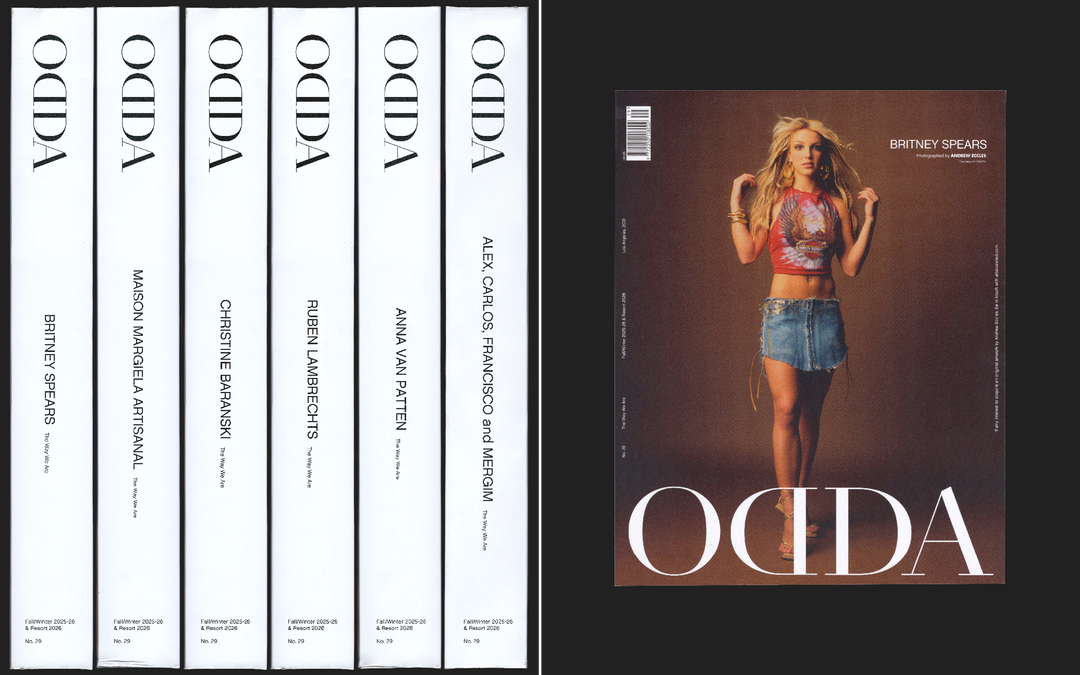
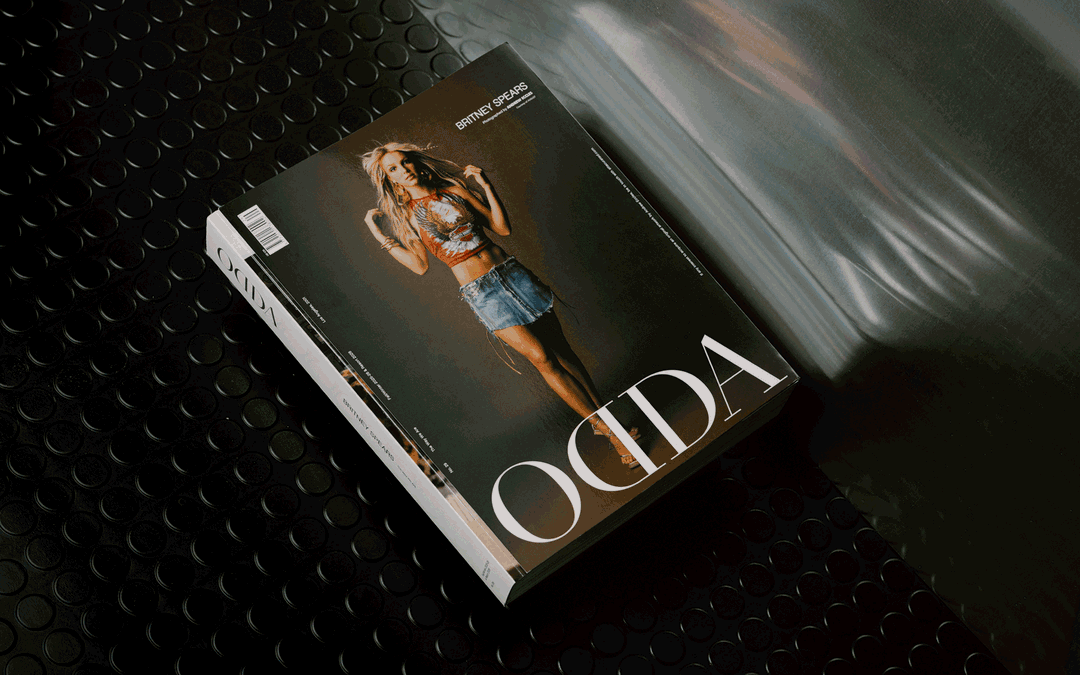
One such project that defines Tiquismiquis Club’s balance of editorial substance and graphic flare is the international fashion and culture magazine, Odda, for which the studio has designed the 29th issue. Exploring ideas and figures within the cultural contexts that inform contemporary fashion, it was no surprise that Odda reached out to the studio, with the magazine and Tiquismiquis Club sharing the same interests and expertise. “Odda was already a familiar publication for us, not only as a key reference within the fashion landscape, but also because of its design history,” says fellow co-founder Juan Martín, equally aware of the number of studios that have informed the magazine’s design over the years. “Each of these approaches has contributed to defining a clear and distinctive visual language across the publication,” Roberto adds, with contributions from Córdoba-Canillas, N-E, Santana Santana and more.
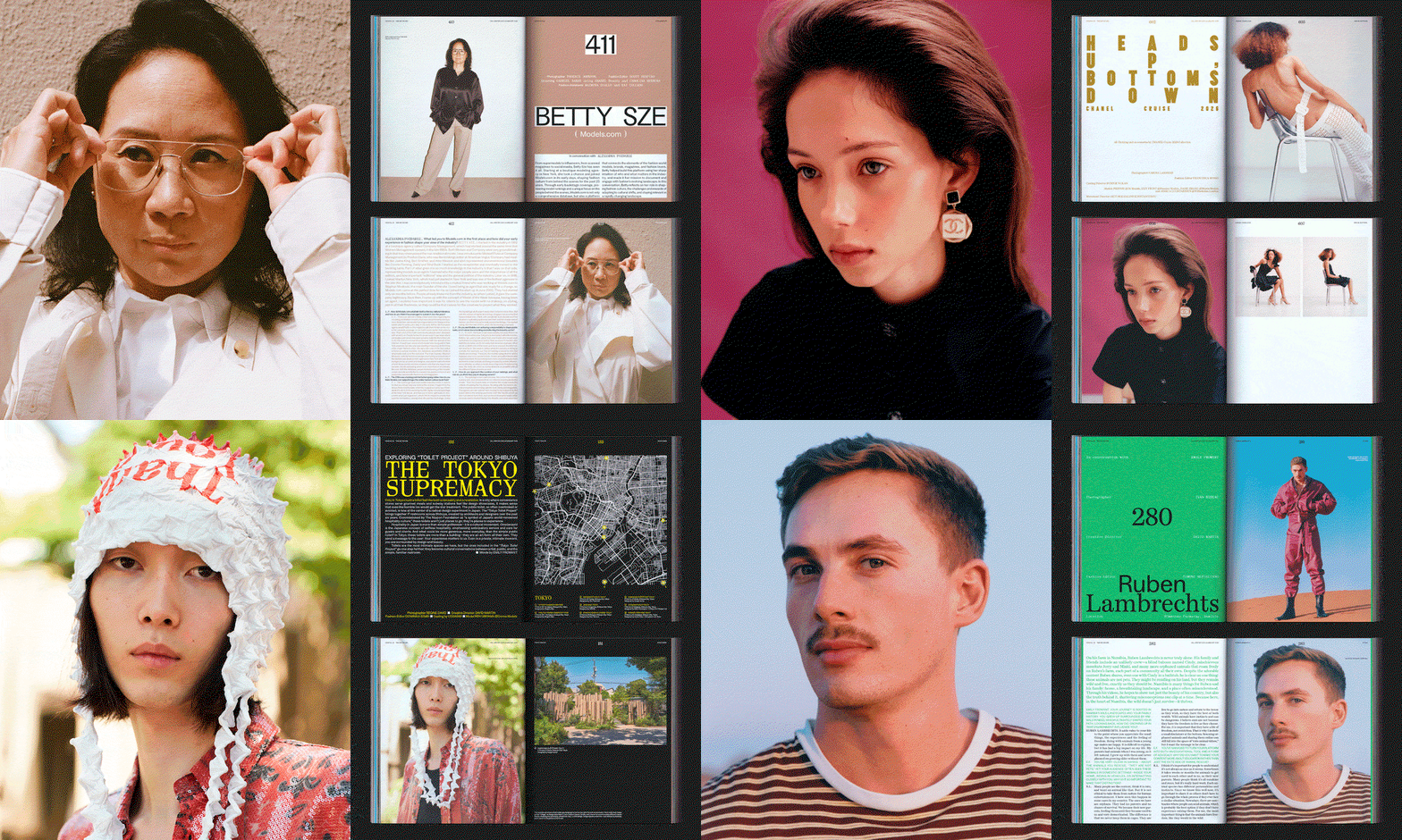
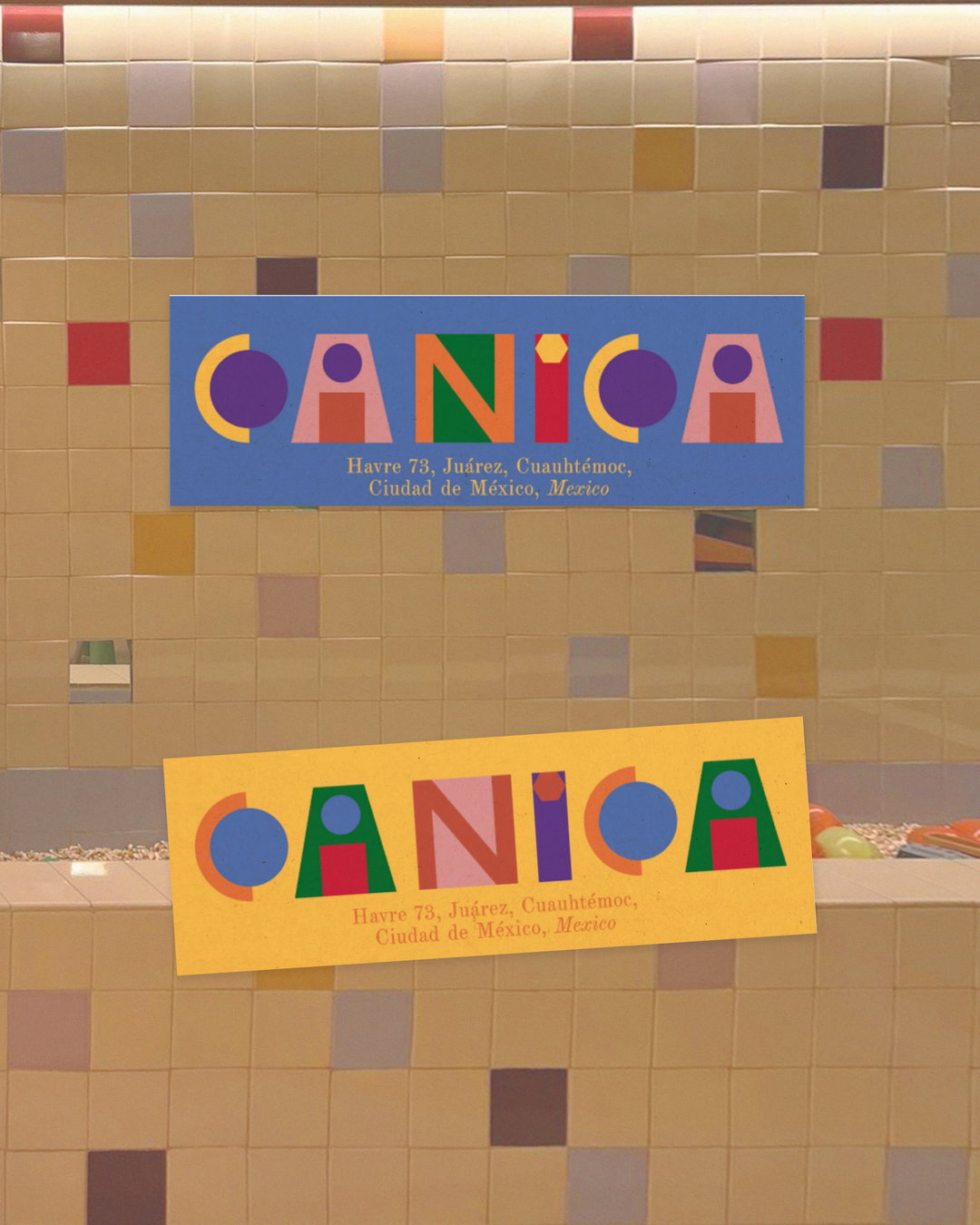
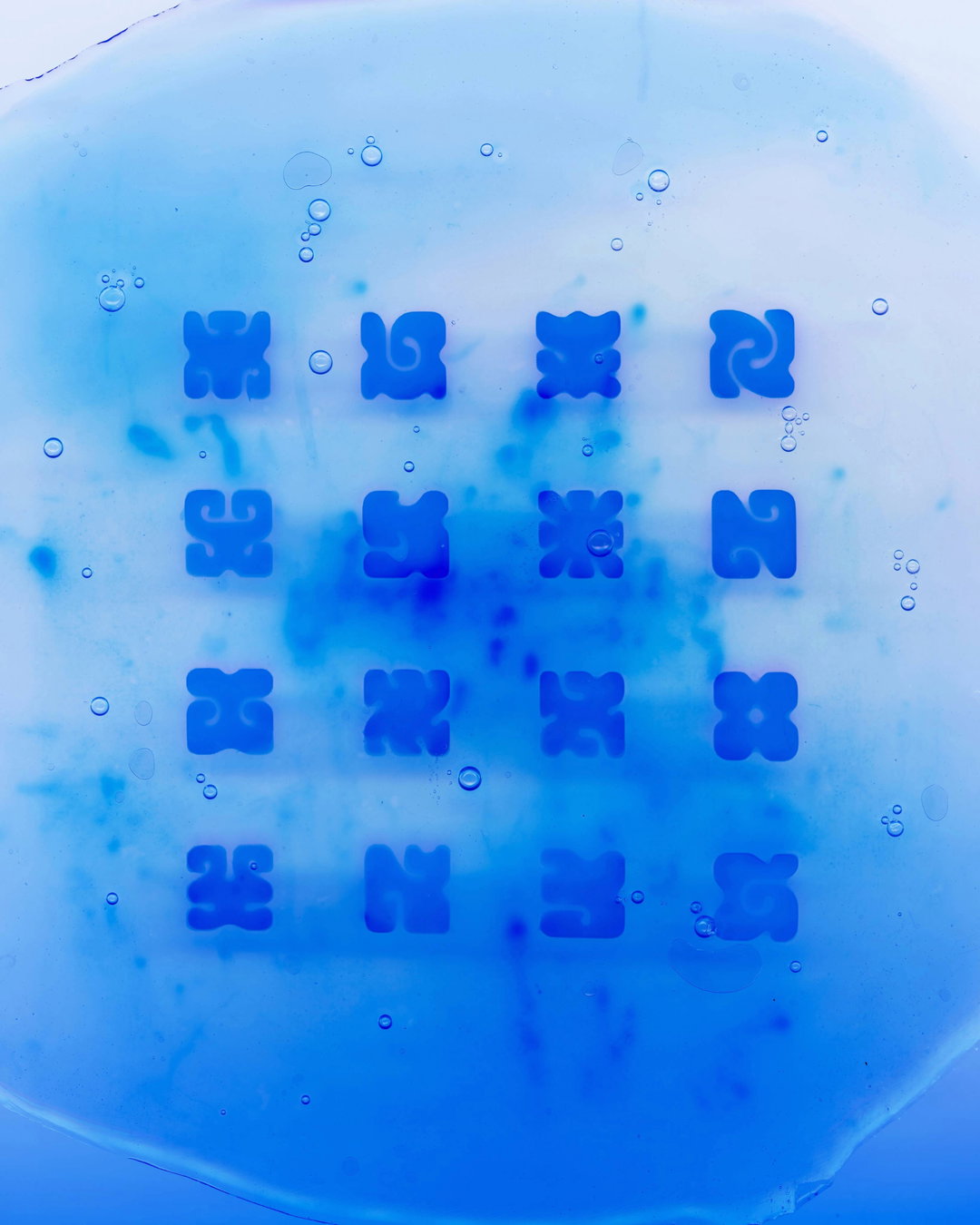
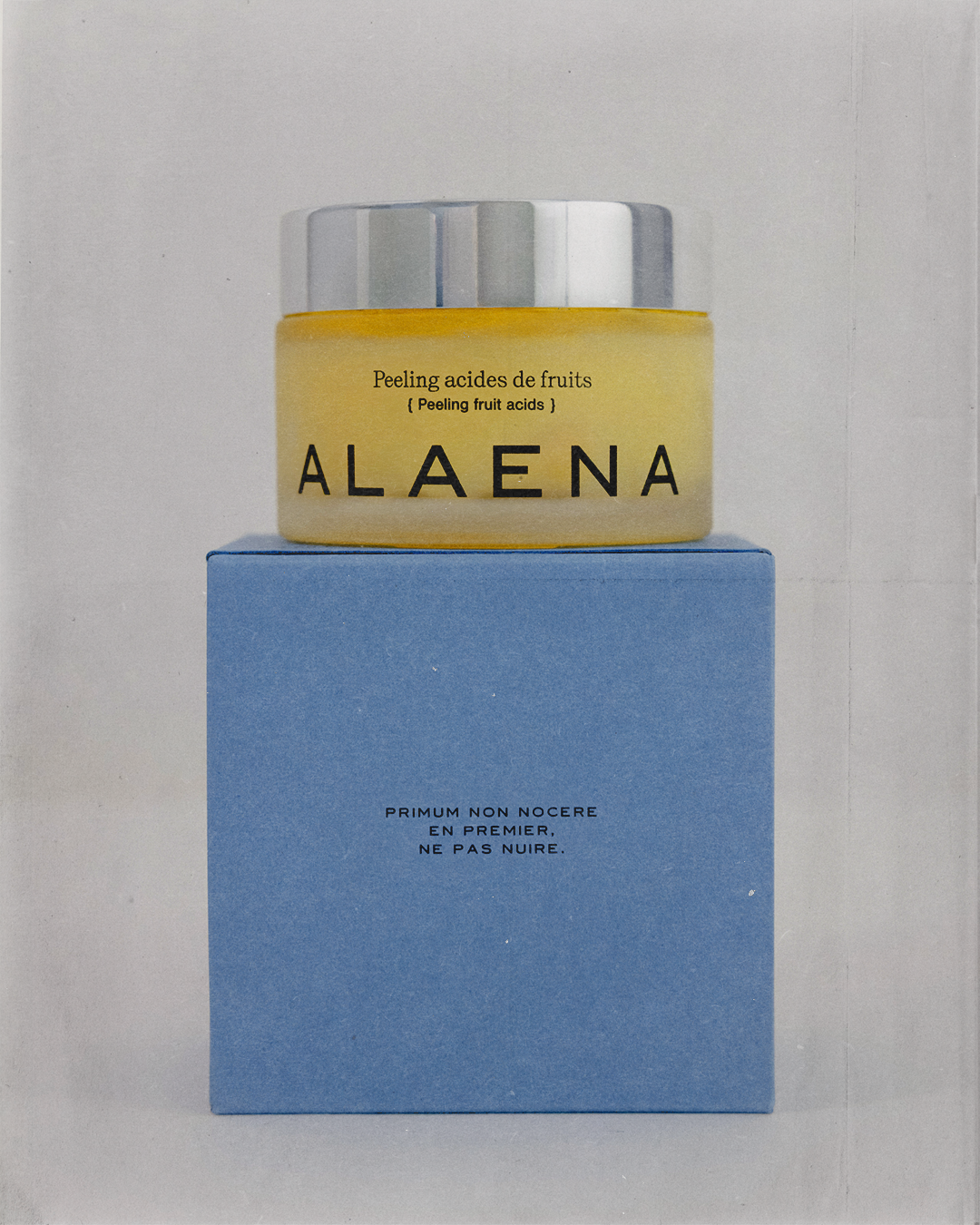
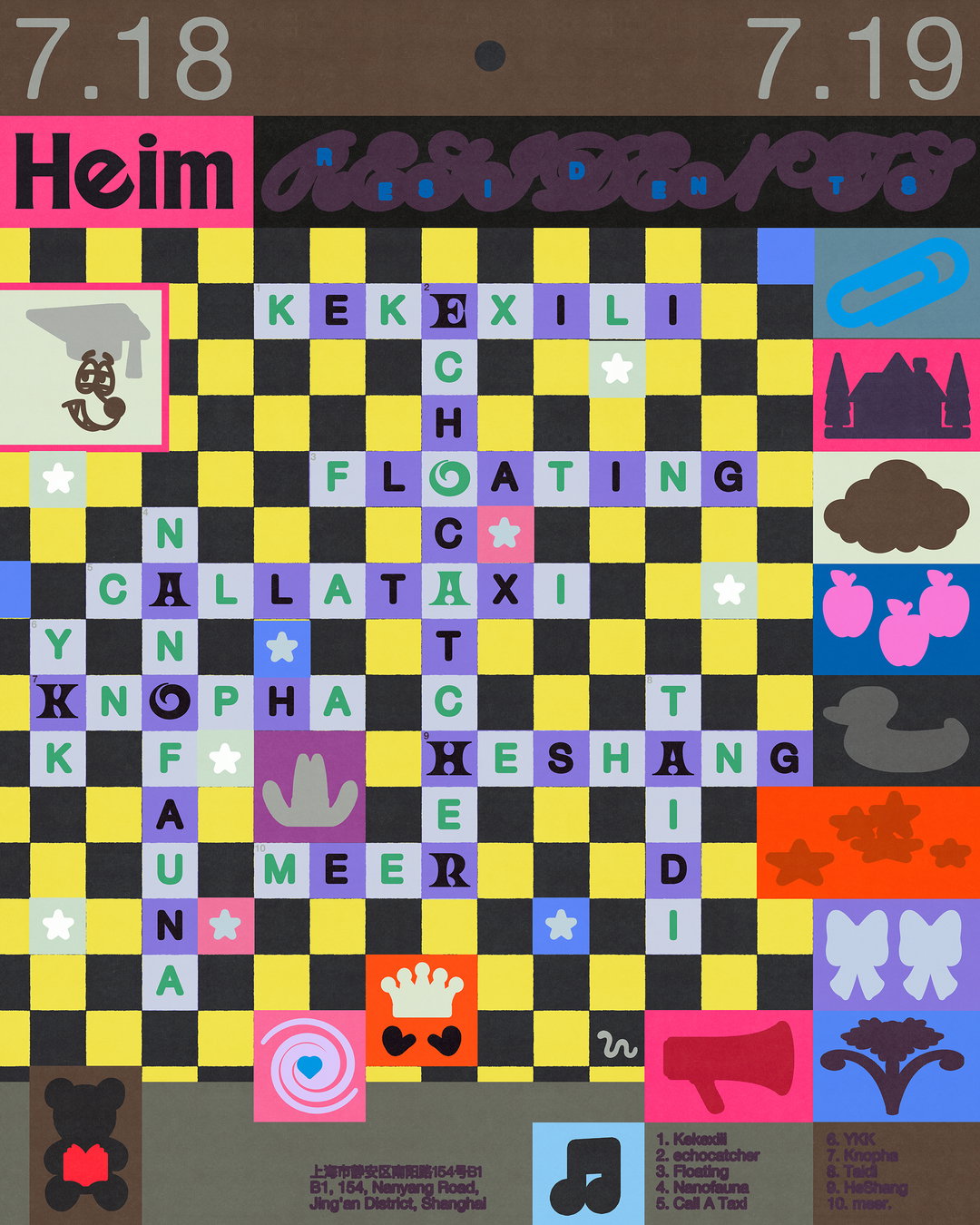
Tiquismiquis Club: Odda Magazine (Copyright © Tiquismiquis Club, 2026)
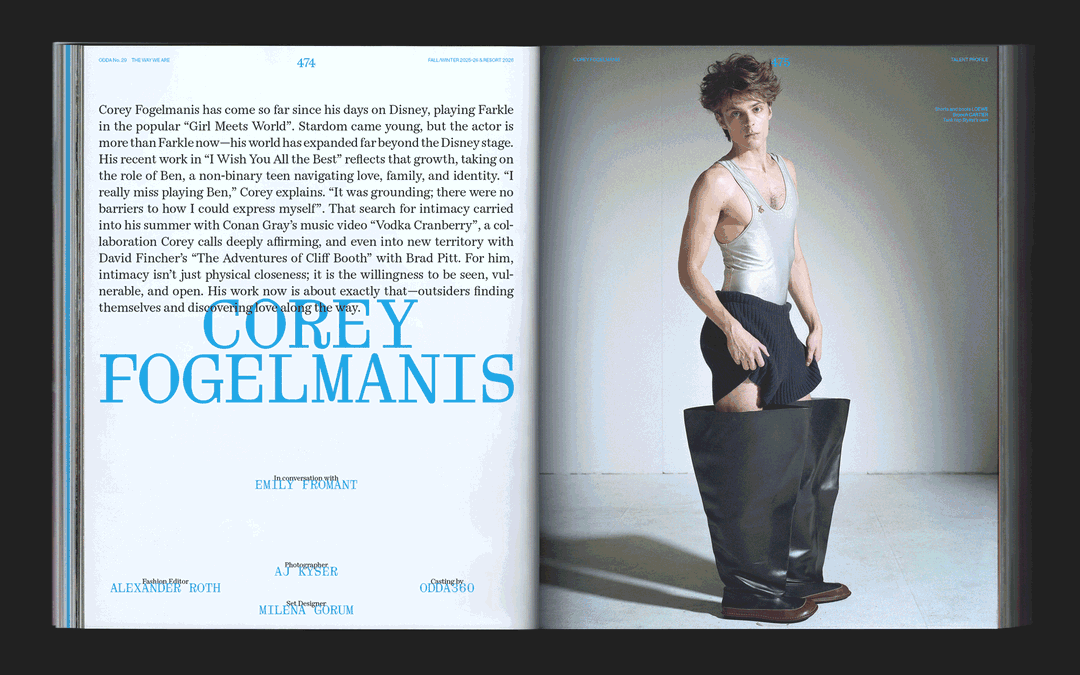
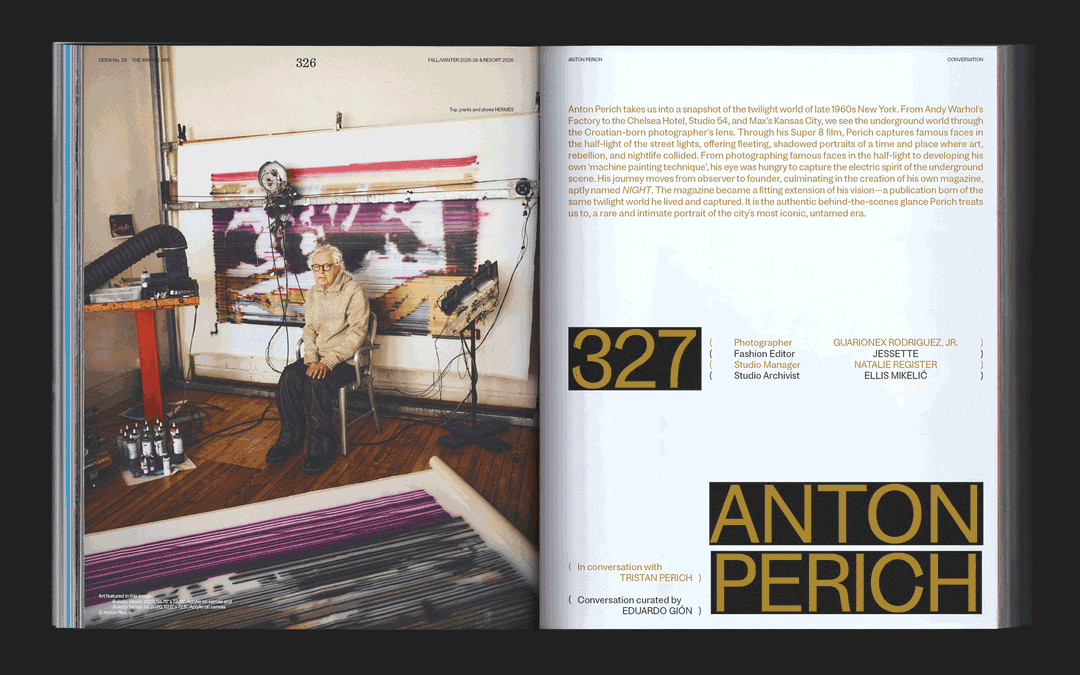
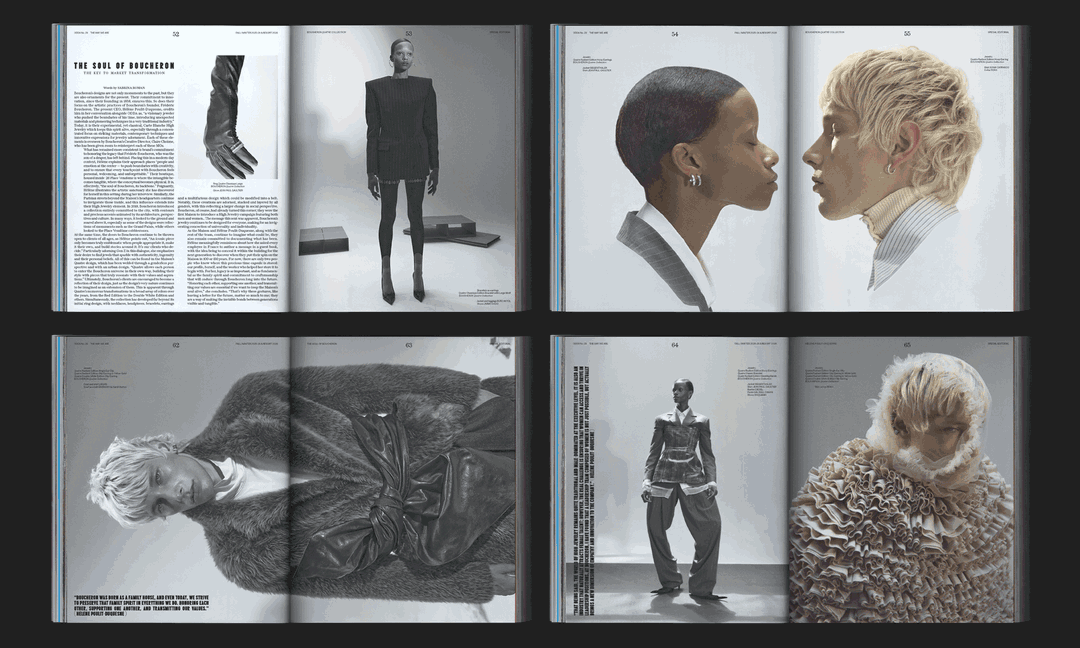
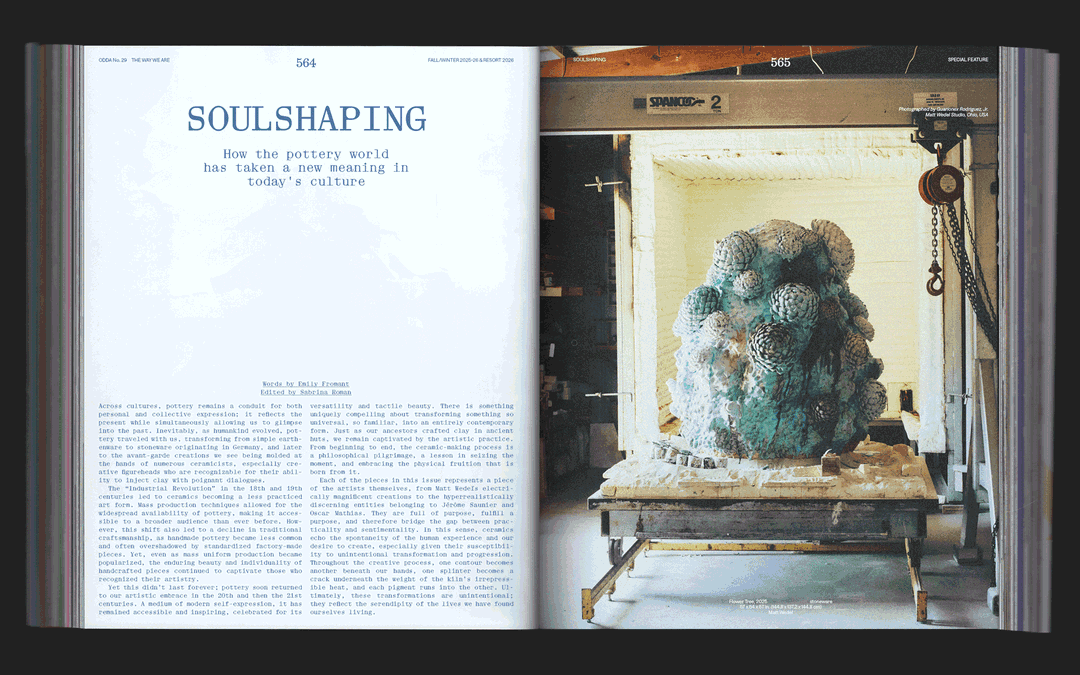
Now it was Tiquismiquis Club’s turn to design; the studio took an all-encompassing, systematic approach to the task, beginning with the typographic system and layout structure. “From the outset, we were given a great deal of freedom to propose and experiment within the design,” Juan says, allowing them to create entirely new formats that responded to the volume of content around the already existing framework. “This led us to focus closely on the relationship between text and image, and to develop compositional systems that could bring rhythm to nearly 700 pages of varied content.” Oh yes, did we not mention? It’s an enormous magazine. “That freedom allowed us to introduce nuance in hierarchy, spacing and typographic combinations.” This meant that each section could explore its own visual landscape while staying holistically coherent.
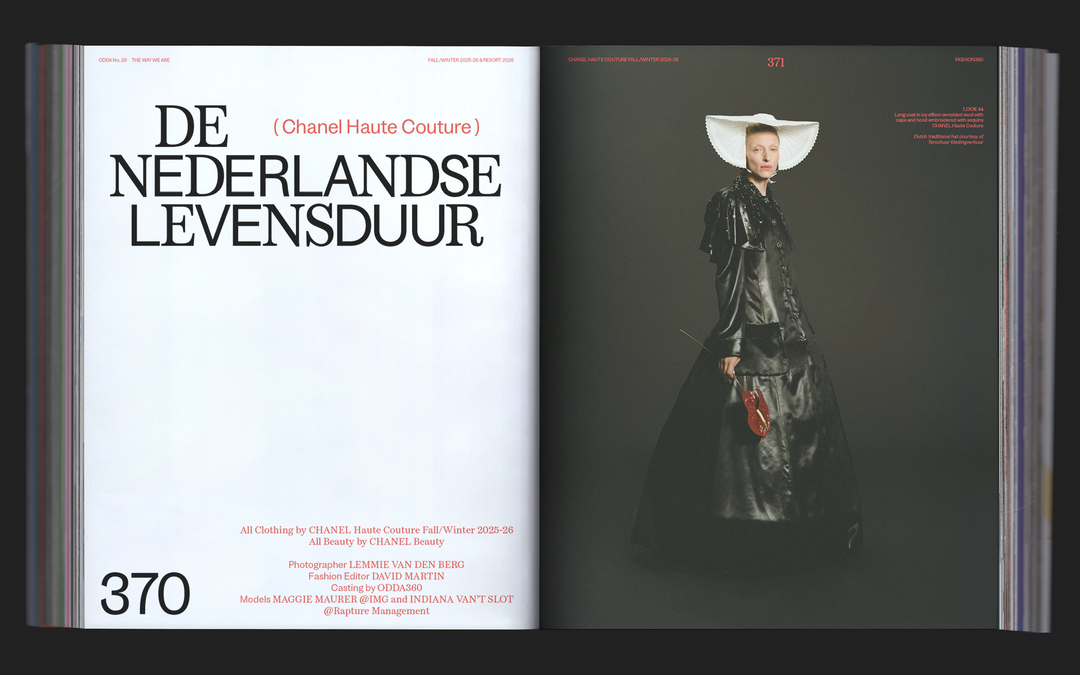
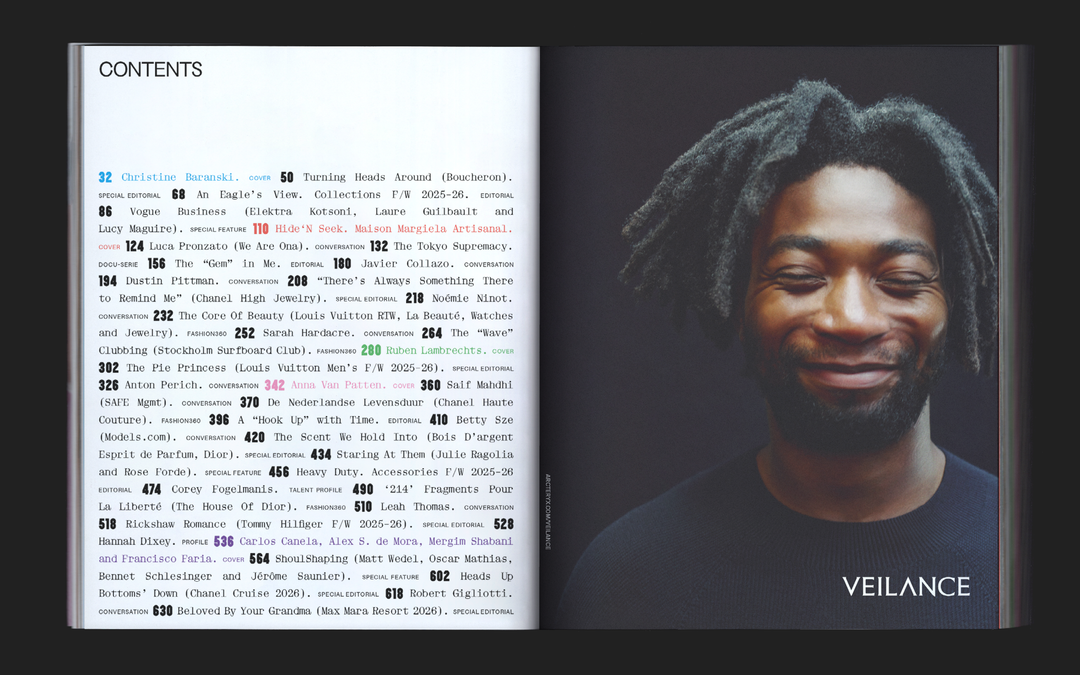
Guiding the editorial design was the issue’s theme, ‘The Way We Are’. Reflecting on culture as a living condition, Roberto and Juan examined the nuance of variation that they could achieve typographically. Balancing type, hierarchy and colour, Tiquismiquis Club constructed compositions that could flex and scale across the magazine’s sections, creating a sense of visual individualism and collectivism in the process. All of which is ultimately shaped by the content it champions. “This process of analysis ensured that typographic decisions were never purely formal, but always responsive to the rhythm and tone of each editorial block,” Roberto notes. This lead them to include an eclectic collection of typefaces within its pages. “We used expressive editorial typefaces for section openers, such as Aether Mono and Tombstone Blues,” Juan says, “and we also combined Sita Sans and Sita Serif for body text and selected section headings.” A clear visual identity of expression and coherence has been established across the magazine.
While the editorial exploration behind Odda was an exciting opportunity to play with type and layout, it was a challenge too, notably due to how limited the time can be on a project within this space. “The window between fashion collections being released” – as well as editorial production and final magazine design – “is very short,” Roberto explains. “This requires intense coordination and fast, precise decision making, without compromising the level of detail the project demands.” This also meant executing everything over 700+ pages. “Working on a large-format publication of this length means thinking beyond individual spreads, and instead designing for a continuous reading experience, where rhythm and clarity need to hold across hundreds of pages.” Juan concludes, “it requires building systems that are strong yet flexible enough to accommodate variation without losing coherence.”
GalleryTiquismiquis Club: Odda Magazine (Copyright © Tiquismiquis Club, 2026)
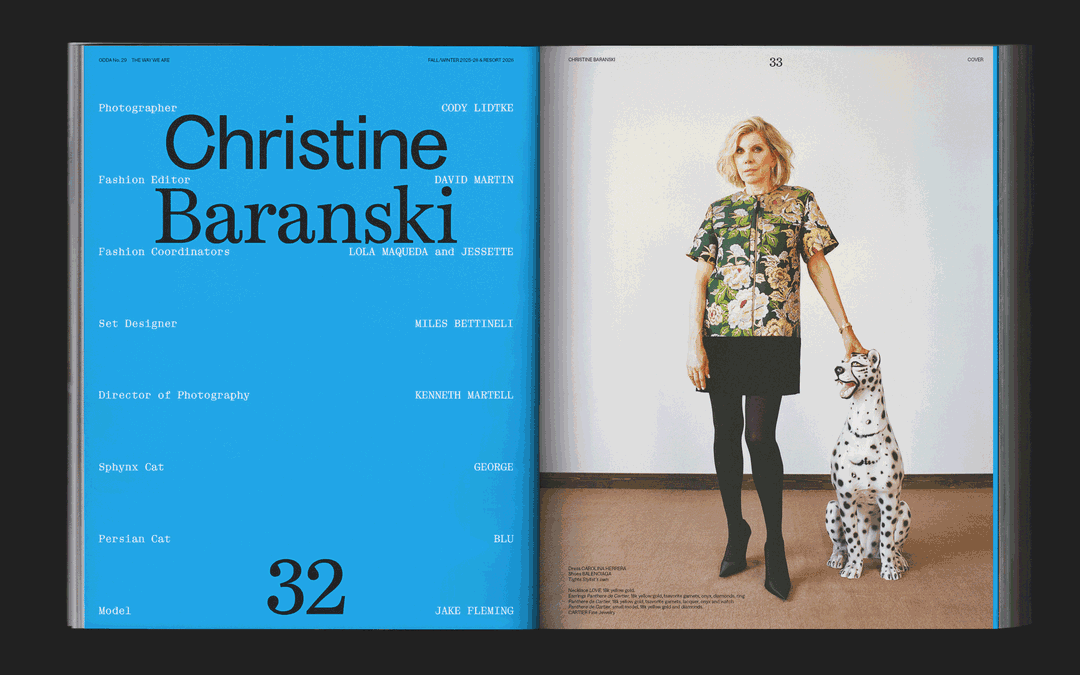
Hero Header
Tiquismiquis Club: Odda Magazine (Copyright © Tiquismiquis Club, 2026)
Share Article
Further Info
About the Author
—
Hailing from the West Midlands, and having originally joined It’s Nice That as an editorial assistant in March 2020, Harry is a freelance writer and designer – running his own independent practice, as well as being one-half of the Studio Ground Floor.