


- Words
- Rob Alderson
- —
- Date
- 7 October 2026
- Tags
Depop’s Steve Dool on how to build a brand with a strong sense of self
Amid growth, change and takeovers, Depop’s brand and creative chief keeps coming back to what the brand does best, and where it has permission to show up.
Share
Share
In-House is a new column from It’s Nice That where we go inside the workings of major brands, agencies and companies shaping the future of the creative industry.
Interesting brands exist in a constant dance between continuity and change.
In its 11-year history, Depop has seen a lot of change – it’s helped drive the explosion of secondhand fashion, and it’s been acquired twice, by Etsy in 2021, and eBay earlier this year.
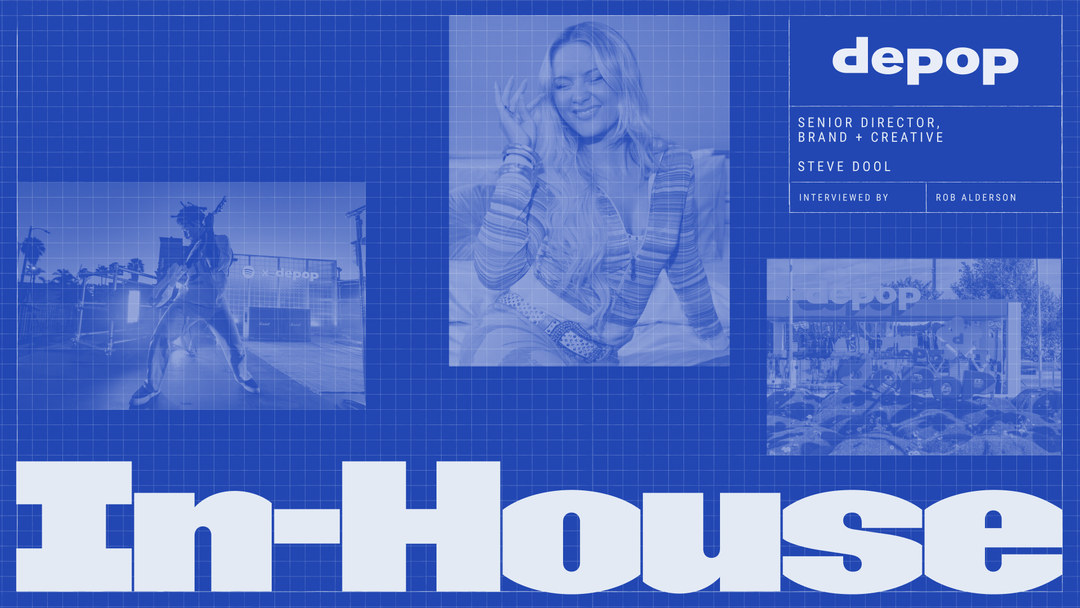
Steve Dool has witnessed this growth up close. He joined Depop in 2018, and has worked across its partnerships, comms and community teams. He’s now senior director of brand and creative, overseeing everything from Depop’s Spotify partnership to its recent Zara Larsson campaign.
Steve believes brands are defined as much by what they don’t do as by what they do put into the world. Strong creative conviction means knowing when to sit something out, and embracing patient, long-term brand building – that’s what opens up opportunities to take bigger, riskier swings.
We sat down with Steve to discuss the relationship between data and creativity, how Depop likes to show up IRL, and why Zara Larsson’s sense of humour created a true collaboration.
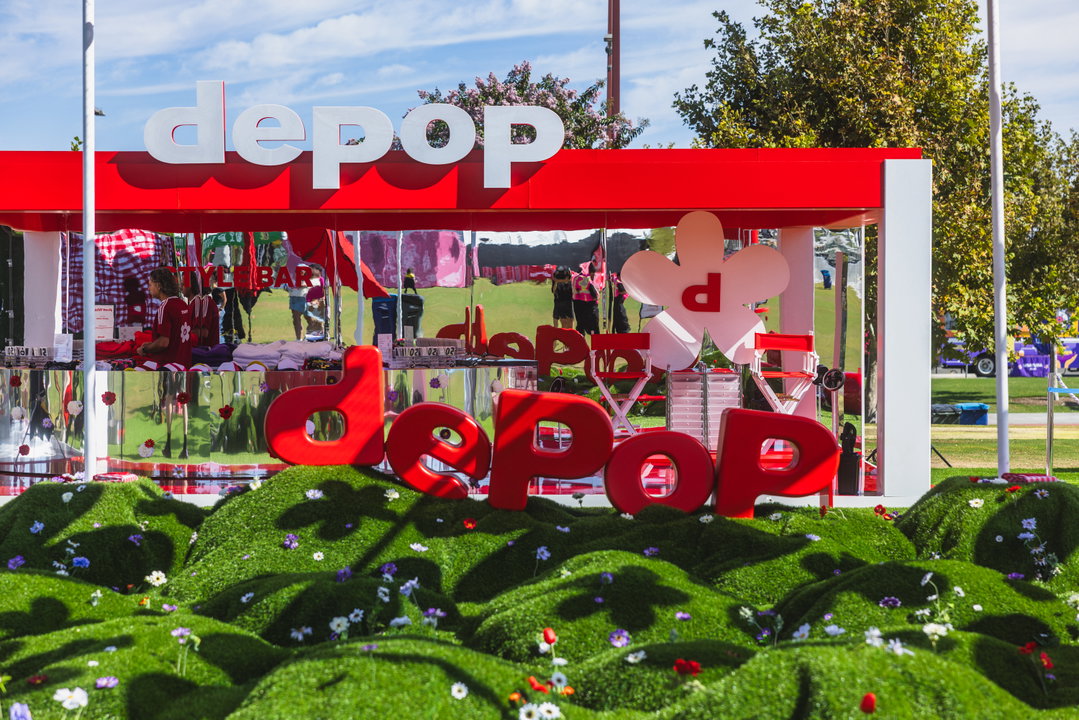
Depop at Daisy Chain Fields. Photo by @mirandamcdonald
Rob Alderson:
What does Depop get right about appealing to younger audiences?
Steve Dool:
I think people, especially young people, are a lot more savvy about marketing. We listen to what the audience wants and we focus on showing up where they are. That implies some restraint.
We’ve been pretty disciplined about interrogating what conversations we have a right to participate in, and where we should steer clear. It’s so tempting for brands to see a trending topic and throw their hat in the ring when it really has nothing to do with them.
We always ask, do we have any right to speak in this conversation? Does anyone actually want us to participate? That overarching discipline helps us not take too many wrong steps.
RA:
Presumably sometimes that means giving up a short-term bump for your longer-term brand vision?
SD:
We know what we do well, and we know where our space is. If something doesn’t tie into something we’ve already said and done, or build towards something we want to do, then it feels cheap.
Maybe a competitor does something that’s funny and gets a bunch of likes for a day. That’s not the worst thing in the world.

Copyright © Depop
“We always ask, do we have any right to speak in this conversation? Does anyone actually want us to participate?”
Steve Dool
RA:
You’ve been through two acquisitions at Depop – what changes when the company gets new owners?
SD:
Maybe in the past it was a bit more freewheeling. Now it’s about thinking, if I can prove something new, what will that enable me to do down the line? We need to focus on the strategy more. To hold ourselves accountable, make sure we’re testing the right things, and interpreting data that comes back in the right way.
RA:
Data analysis and commercial strategy aren’t always things that excite creative people very much.
SD:
I really believe it’s a misdirect to think about creative decision-making and data decision-making as different things. They look different, and the inputs are different. But someone deciding which font to use, they’re making a strategic decision based on information that’s out there, whether it’s research we’ve done or their own expertise.
And someone interpreting data is making creative decisions about how to interpret that.
RA:
But they’re often seen as uncomfortable bedfellows?
SD:
Challenges with attribution and measurement definitely exist.
But often when you hear people complaining about that tension, it’s someone coming into a company with a big idea, swinging for the fences. That is scary for people – a lot of brand building is really about the long game. We’ve been able to push things forward incrementally.
RA:
What’s an example of that?
SD:
We do a lot on YouTube. In our early days of testing and learning, they were really straightforward ads. “List something on Depop, make money, there’s no selling fees.”
There wasn’t a tonne of room for creativity because that was what the business demanded, but we still found small ways to move things forward. That might be licensing a recognisable song which then helped ad recall, which made all the messages work better in conversion. Or casting a known person who helps drive salience.
It takes patience. It’s about building confidence across the business to open up those more innovative or riskier projects. If we don’t build that confidence, and something big doesn’t work out, we might not be able to do something big again.
RA:
Yeah I guess you don’t want to become a mad creative cousin lobbing in weird ideas?
SD:
Someone needs to hold the line for what good creative looks like and fight for things that are the right thing to do because they’re the right thing to do. But we’re not a creative think tank. We’re a business, and we want to contribute to making the business perform as best as it can.
Nothing is better than when something is really successful internally and externally, when we can clearly draw the line and attribute that success to some of the work we’ve done.
Copyright © Depop
“Someone needs to hold the line for what good creative looks like...But we’re not a creative think tank. We’re a business.”
Steve Dool
RA:
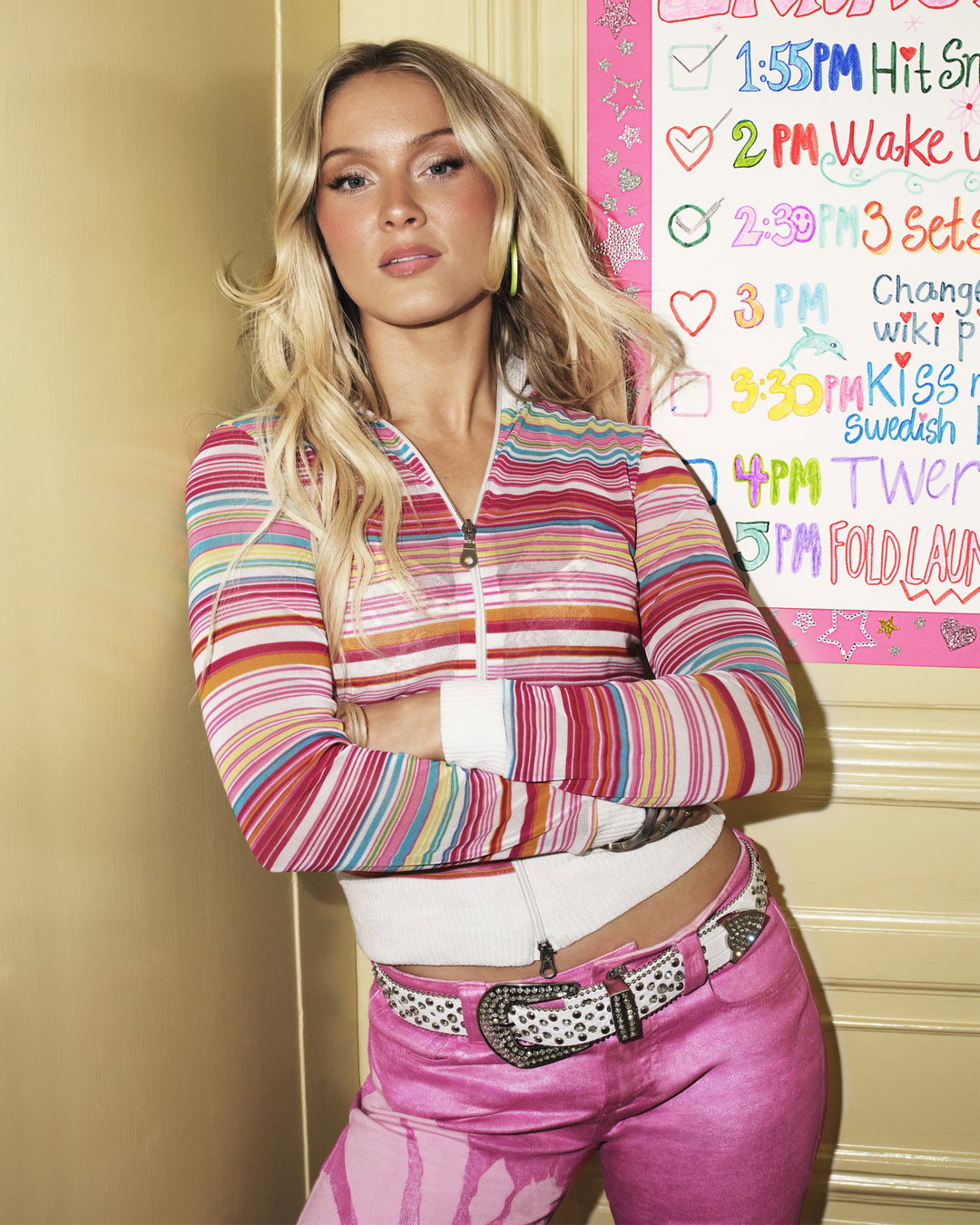
Was the decision to work with Zara Larsson a big swing?
SD:
Yeah because we were removing some of the control we had over the brand, and also, frankly, we were spending a lot of money.
RA:
How do you choose the right person to work with on a campaign like that?
SD:
We’re looking for someone who has some organic connection to what we do. There are a lot of famous people who have Depop accounts, or their stylists have Depop accounts. And we notice when people talk about us, or secondhand shopping, in interviews. So the team has a running roster of people we might reach out to. We look at the message we’re trying to land and who do we think could deliver that. Then if they sign on, how can we shape it so it sounds and feels like them?
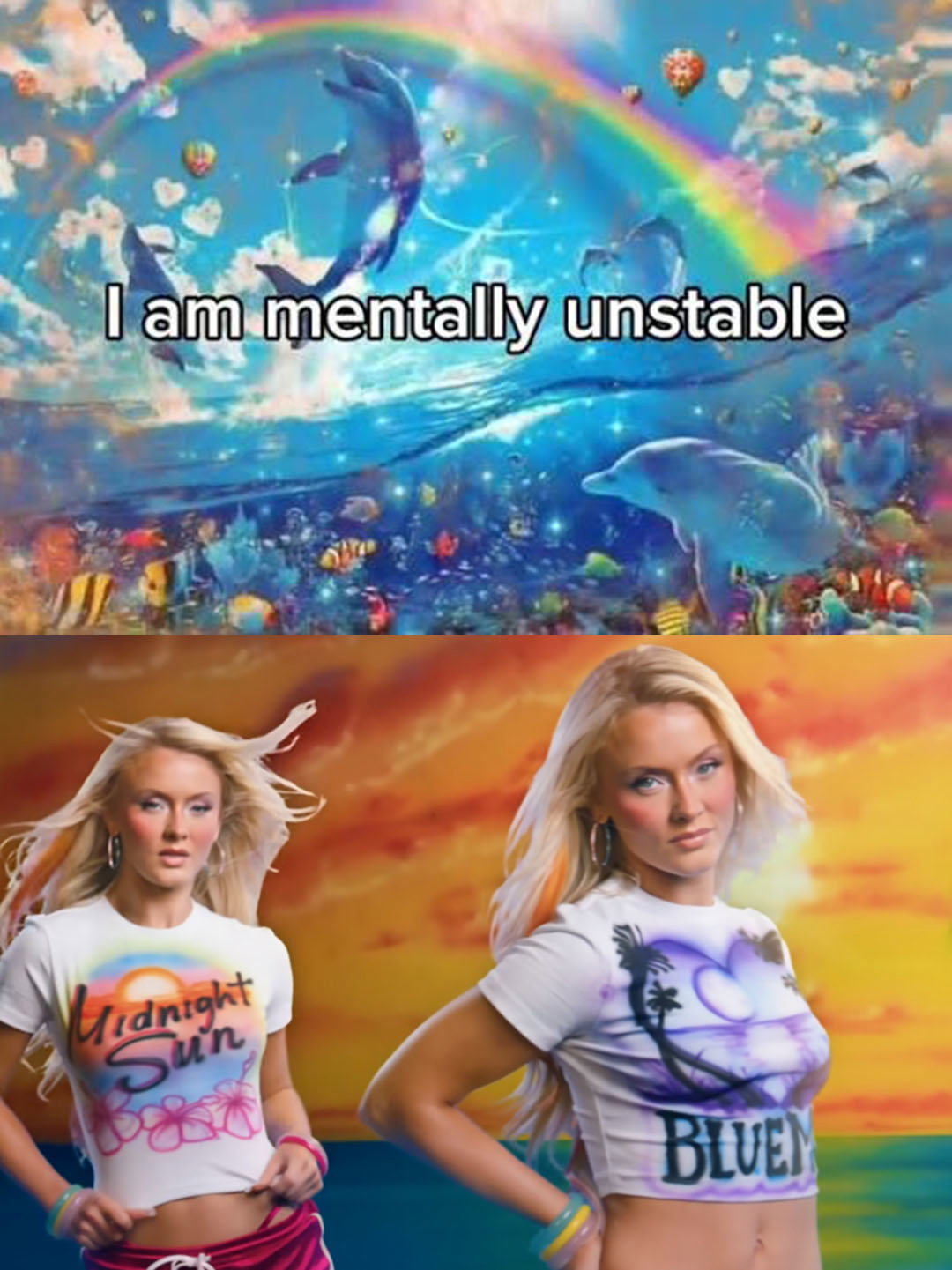
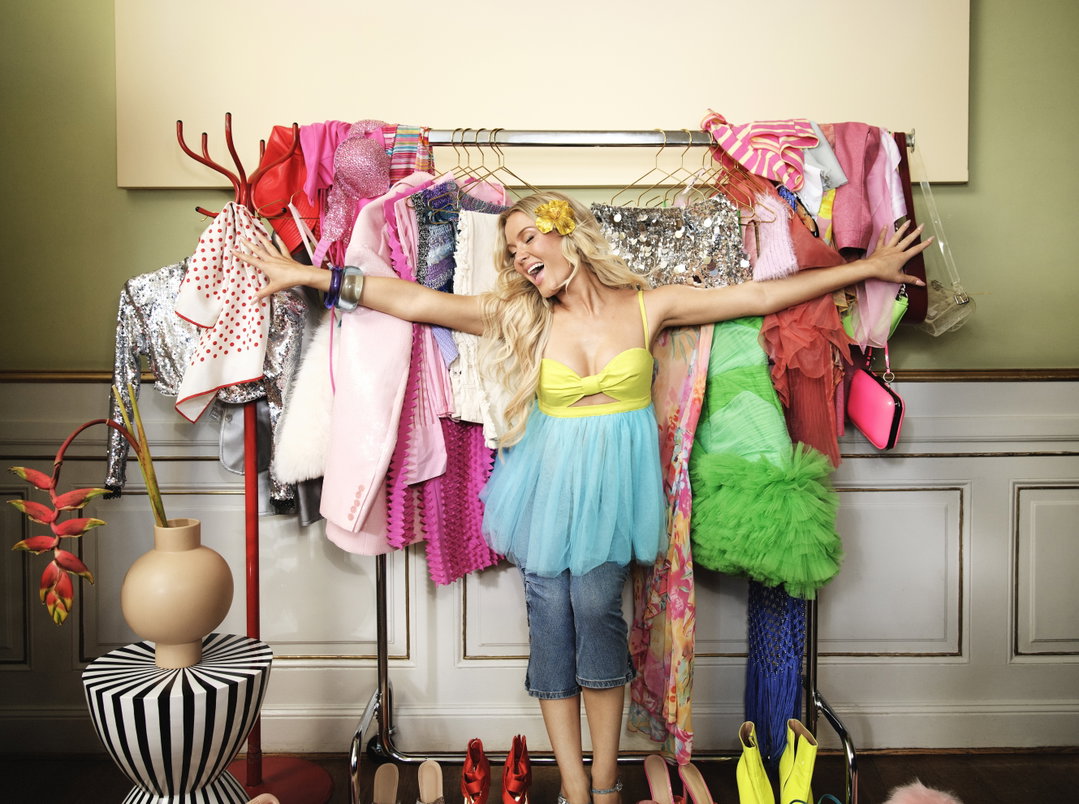
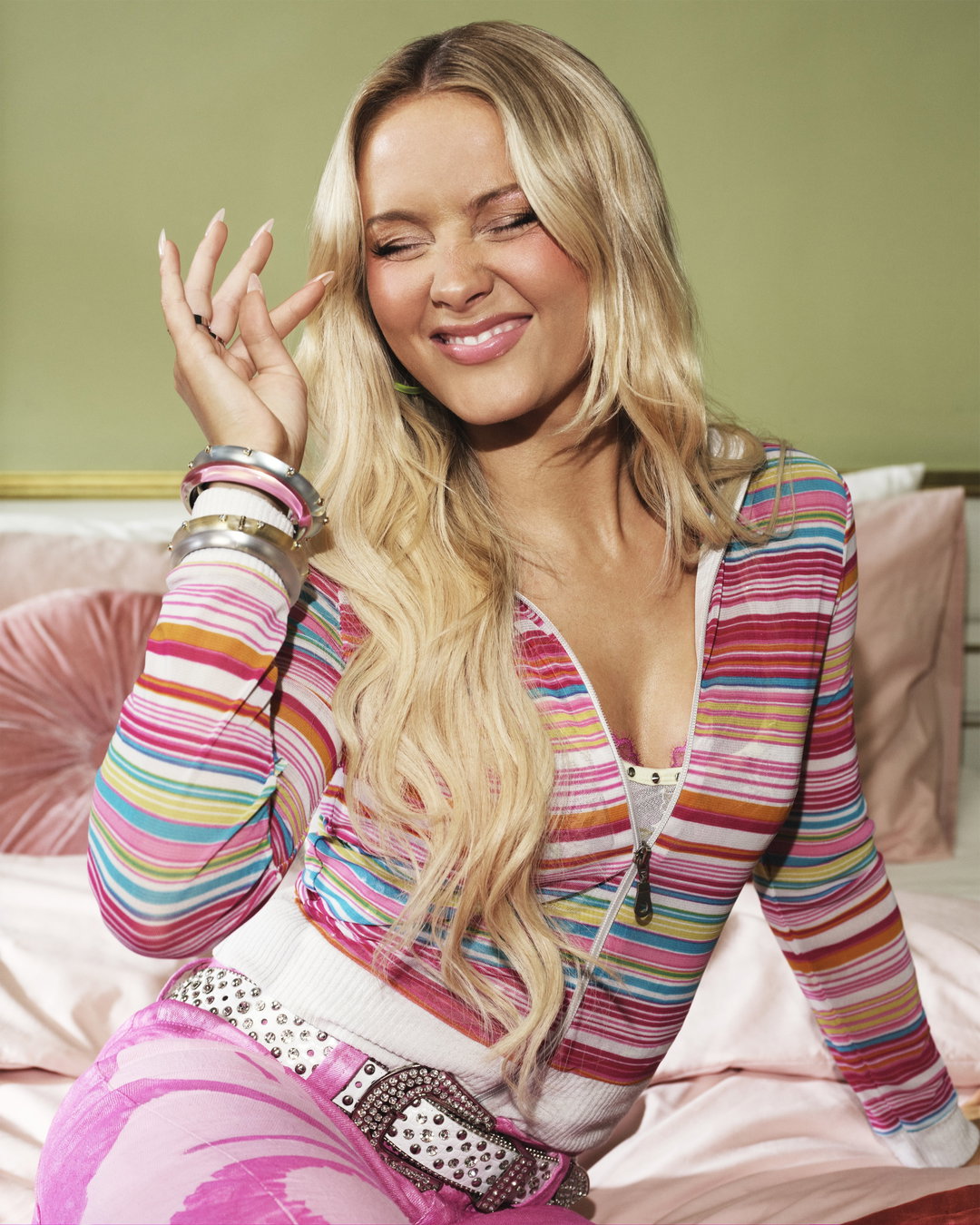
With this campaign, we wanted to transition to not taking our ads so seriously, to inject some humour. There’s a lot in the secondhand space about saving the world, and that’s all true. But it doesn’t have to be every single thing we talk about. Zara has such a great personality, we thought she could deliver a functional message in a fun way, which she did.
Copyright © Depop
RA:
How did you create the scripts?
SD:
We worked with a professional comedian, Jo Sunday, to write the drafts. We wanted a fresh set of eyes so we didn’t really even give her talking points, just the territory we wanted to cover. That worked because we got something we wouldn’t have written ourselves. Then Zara took a pass at it too – she made some edits and suggested some jokes and other little bits that made it into the ads. It’s about actually being collaborative, as opposed to just saying, “Let's collaborate!”
That’s definitely something we’ll look for in whoever we work with next, making sure they’re not just interested in showing up on set and reading the lines.
RA:
It’s hard for brands to be funny though. Why do you think these worked?
SD:
It sounds really pretentious to say because in some ways I’m talking about myself, but there’s a taste level that you just have to hone and train and trust. Not everyone has that, I guess.
Copyright © Depop
“I think with AI we’ll see a reaction to everything being so efficient... our team is very polished and prepared. But what’s exciting is that unknown.”
Steve Dool
RA:
How do you want Depop to show up IRL? Is that an increasing part of what your team does?
SD:
It’s been a part of Depop for as long as I’ve been here. What separates us from retail is you’re buying from a person. Even if you never really speak to that person, you just do the basic transaction and it’s done, there’s still an element of connection. You’re still buying peer-to-peer. And so it’s not that big of a leap to have these other peer-to-peer moments of meeting in person. But I do think coming out of the pandemic, people were so desperate to get together again. There’s a fatigue of everything living online, and these things feed into each other.
RA:
Do you think AI feeds into that?
SD:
I think with AI we’ll see a reaction to everything being so efficient. There’s always an element of things being rough around the edges when you get a bunch of people in person, no matter how polished and prepared the team is. And our team is very polished and prepared. But what’s exciting is that unknown. I think there’s a clear reason we’re not all taking meetings in the Metaverse – because it sucks. It’s not fun.
RA:
How do you decide where the brand shows up?
SD:
Whenever you’re entering into a community as a brand, there needs to be some sort of invitation. You need to have a right to be there – that people want you to be there. What are you going to do that they’re not already doing themselves? What’s your value add? What connection are you facilitating?
RA:
What characterises the way Depop shows up IRL?
SD:
We’re always evolving it and there’s an element of tailoring it to the actual space. But it has to connect to what we do day-in and day-out.
“Whenever you’re entering into a community as a brand, there needs to be some sort of invitation.”
Steve Dool
RA:
It’s amazing how often that isn’t the case when brands show up IRL…
SD:
It’s true. Like, how many sponsored padel courts does the world need? For us, there’s always some element of secondhand clothing, whether there’s a customisation station or somewhere you can exchange clothes with other people. We want to convert people to the world of shopping secondhand, and having a secondhand first mentality.
When we had a space at the Daisy Chain Fields Festival that Olivia Rodrigo launched this year, we had – I don’t even know what they're called? Those tubes where they have cash flying around. We didn’t put cash in there, but you could win prizes like sunglasses, handbags. Exciting pieces we’d sourced from Depop. That's so simple, but if that’s someone's first time getting something secondhand, then that’s meaningful.
We try not to overthink it. We want people to come and engage with the brand, but in a way that mirrors what their actual day-to-day engagement with the brand would be.

Copyright © Depop
“I always bristle when an agency is in a pitching stage... and they tell us what we’re doing wrong. To me that’s a crazy approach.”
Steve Dool
RA:
What do you look for in the people you hire?
SD:
Curiosity about culture, about design, about Depop. If someone gets excited by something, and it sparks a conversation, that’s a really positive sign. That spark is key.
RA:
What about the agencies you work with?
SD:
I always bristle when an agency is in a pitching stage, and maybe doesn’t have a full brief yet, and they tell us what we're doing wrong. To me that’s a crazy approach. I want to see a “build not break” mentality. How can we take what we’ve done and push it further, or take it in a different direction?
We have an in-house creative studio that does amazing work, and so we want to make sure there’s a willingness to be collaborative. We’re going to an agency for a number of different reasons, and one of them is the creative point of view they bring. But there are certain things that someone who’s doing this work every day understands, and knows to be true. There’s got to be give and take to make it work.
With some agencies, you can immediately see they’re excited about that way of working. With others, you can tell pretty early on they’re so precious about what they do and they don’t want any feedback.
RA:
So chemistry is important?
SD:
I think people undervalue the importance of being pleasant to work with. This work is hard, and it’s rigorous, and there’s a lot of opinions, and it’s public-facing, so everyone sees it.
Knowing you’ve got a comrade to go into battle with is a really nice thing. And I think it drives confidence in more complicated ideas, to push things further than you might be comfortable with.
Share Article
Further Info
About the Author
—
Rob Alderson is a freelance writer, editor and strategist. He was previously editor-in-chief of It’s Nice That and WePresent, and editor of Design Week. He publishes the newsletter Undo, which tries to make sense of how AI is changing design work, the design process and the design industry.