

- Words
- Payal Khandelwal
- —
- Date
- 29 June 2026
- Tags
Cord studio on using symmetry and cinema to create one of 2026’s most viral campaigns
Founders Pranav Guglani and Neha Singh on the inspiration and success of their latest campaign, creative collaborations, and integrating nostalgia and travel into their work.
Share
Share
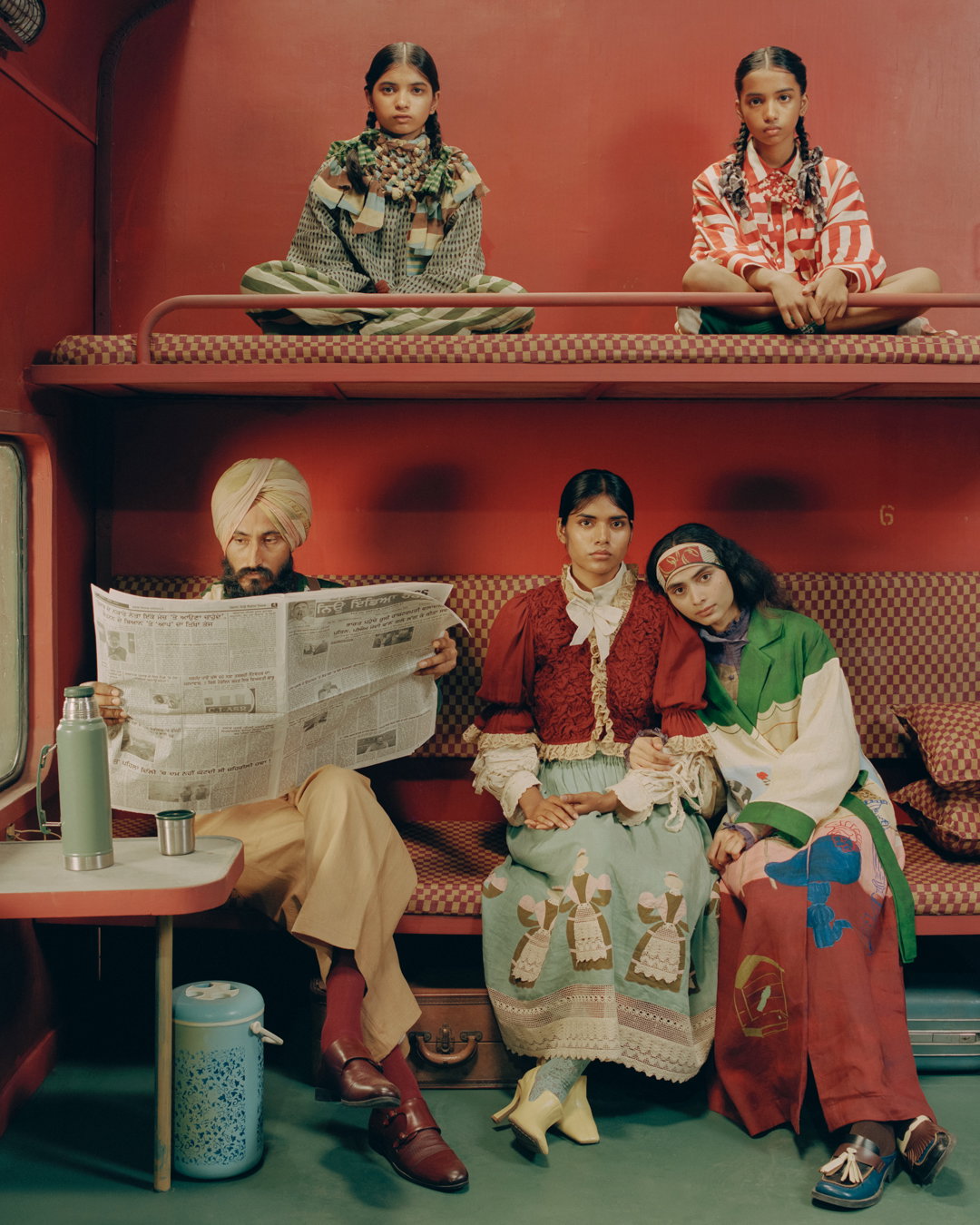
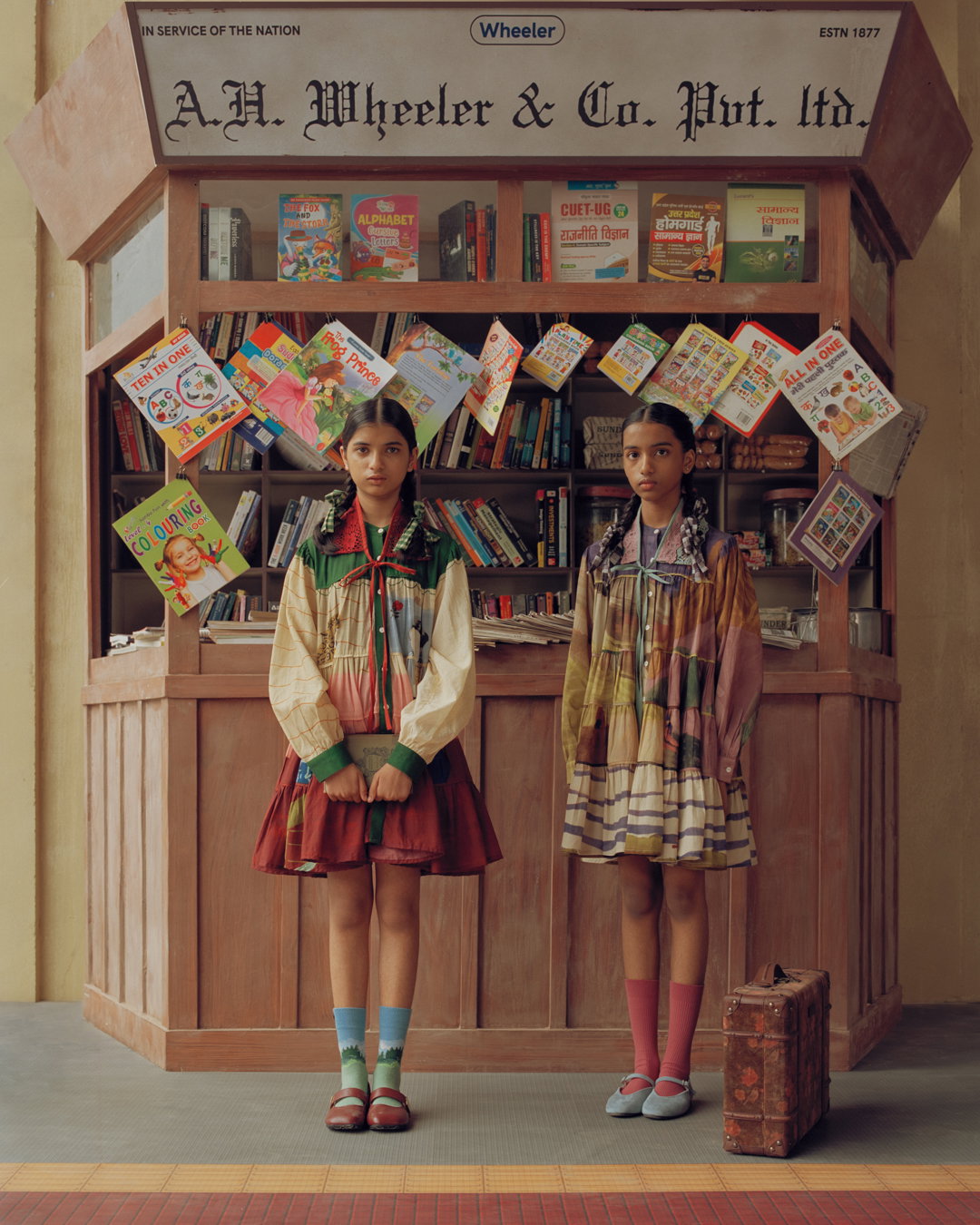
A.H. Wheeler & Co. bookstalls used to be a familiar sight at railway stations across India. So were the vibrant coin-operated weighing machines that would dispense your fortune along with your weight. I realised I had almost forgotten both until memories came rushing back after seeing Delhi-based fashion label Cord Studio’s recent campaign, Album ‘91.
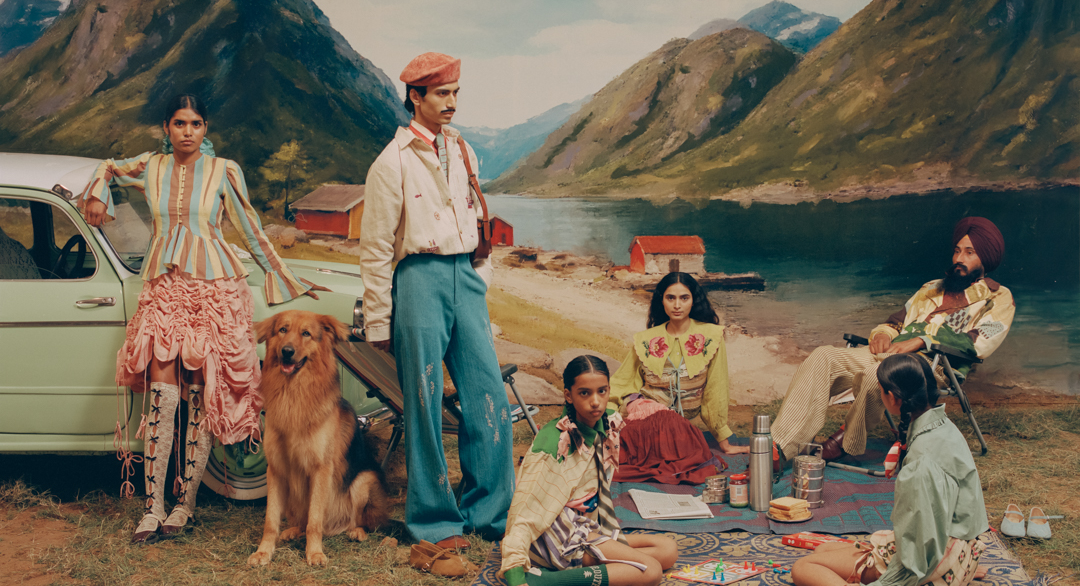
Nostalgia and travel have always been intrinsic to Cord’s brand language, but this particular campaign combines the two in a nuanced and distinctly Indian way. Built around the theme of a typical Indian summer vacation in the 90s, the campaign has tapped into childhood memories of most millennials in the country.
It’s also found a huge international following, with reels dissecting the campaign’s visual language, including a big debate over its cinematic influence: Wes Anderson or the iconic Indian filmmaker Satyajit Ray, whom Anderson has always cited as a major inspiration. The international spotlight has also come with actor Carey Mulligan wearing three pieces from the label in season two of Netflix’s Beef.
We spoke to the founders, creative directors and life partners Neha Singh and Pranav Guglani about how the campaign came together and their creative journey so far.
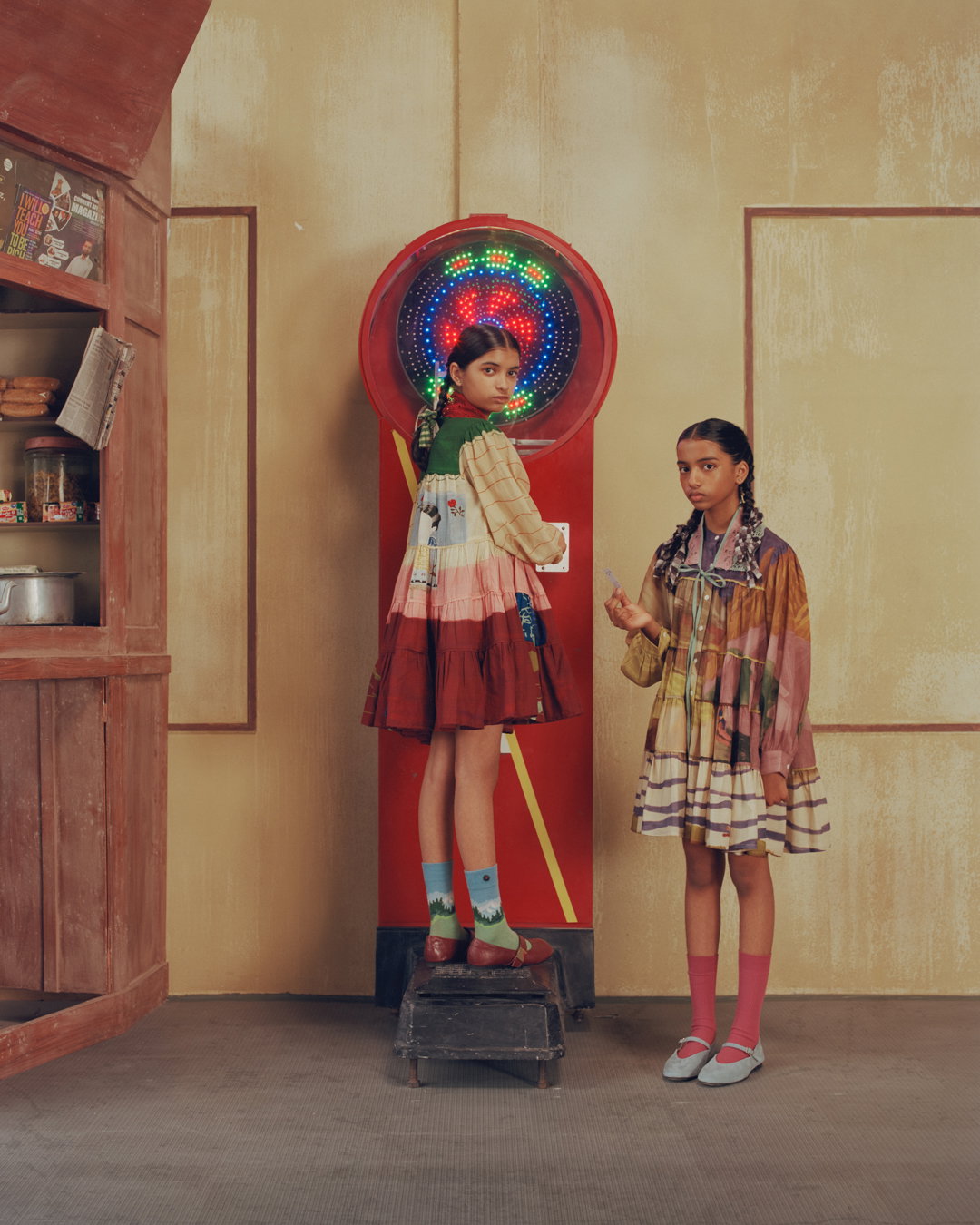
Cord: Album ‘91 (Copyright © Cord)
“That feeling, that familiarity, is what we wanted to capture.”
Pranav Guglani
INT:
Tell us a bit about how you met and what made you believe you wanted to work together?
Pranav Guglani (PG):
We started dating right before Neha left college (Pearl Academy); she was my senior. We had a lot of similar likes and dislikes. There were times when we used to get creeped out by how similar our sensibilities and reactions were, not just in design or fashion, but even as people.
Neha Singh (NS):
Yeah, it was just an experiment for us initially to work together. But every day, we realised we were a great team. It’s one thing to be romantically compatible, but even at work, it just felt very natural for us and an extension of our personalities. We would critique each other and help each other get the best version of what we were building together.
INT:
Did the visual language of Cord develop alongside the creations or afterwards?
NS:
The answer is somewhere in between. The overarching theme was always nostalgia. We knew that this was always going to be the ethos, the core essence of the brand. It was always going to be something that evokes emotion: something that makes you feel a little warm on the inside. We wanted it to be emotive and nostalgic in a lot of ways.
PG:
And that emotion could come through a painting, through a print, details, a classic shape of a bag, or anything that reminds you of old times. Whatever ‘old times’ means, maybe just a comfortable sort of feeling in your heart. Sometimes it’s not easy to connect it to a particular memory, but it makes you feel familiar, right? That feeling, that familiarity, is what we wanted to capture. Also, we wanted to be authentic to what we do, and not follow trends. It was always about timeless and functional designs.
NS:
So the story and visual language were really important for us, right from the beginning. We would randomly go to different streets and try to capture products we had just created. Sometimes we’d make our friends wear whatever we had made, meet them at a nice location and just do a photoshoot with them. I used to have a camera back then, and we just did everything ourselves.
I remember learning Photoshop to make frames and graphics, and somehow our graphics always stood out. At that point, it was still quite new in India to do graphics that way. We even made packaging out of rubber sheets that we used in our bags at the time. Now, when we look back, I wonder how we even thought of something like that back then. But sometimes having fewer resources makes you think differently.
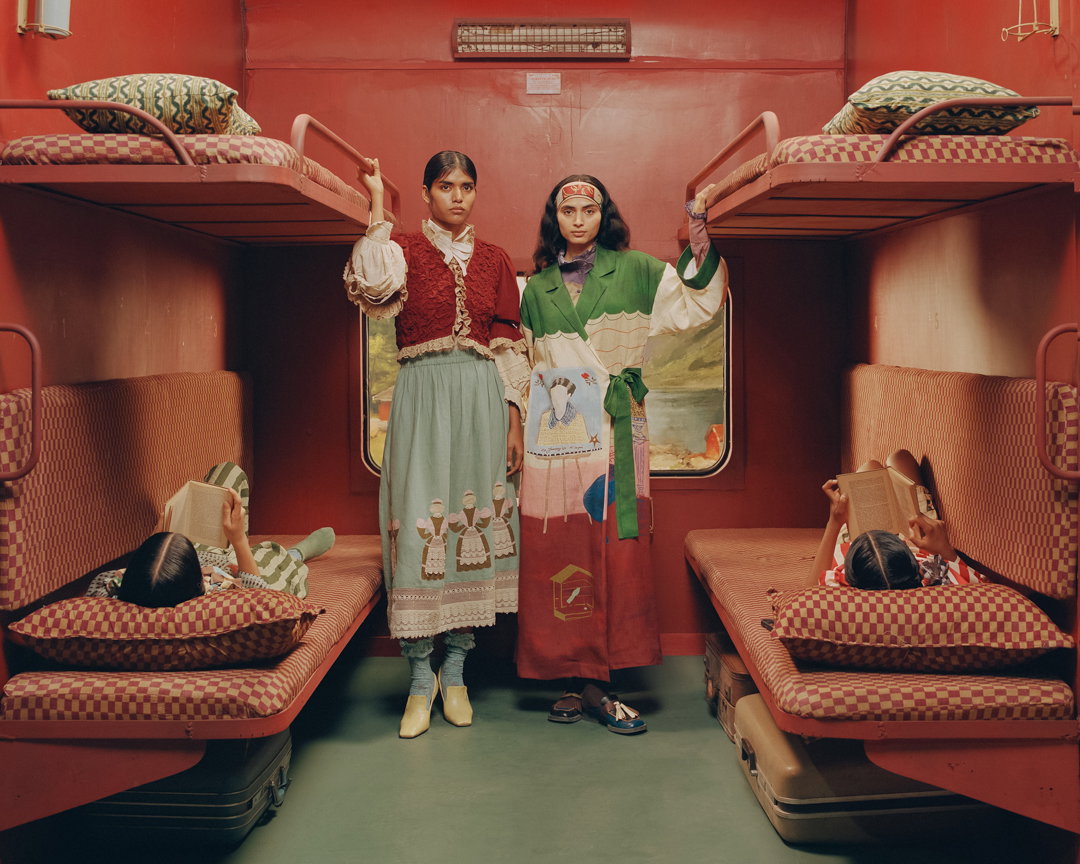
Cord: Album ‘91 (Copyright © Cord)
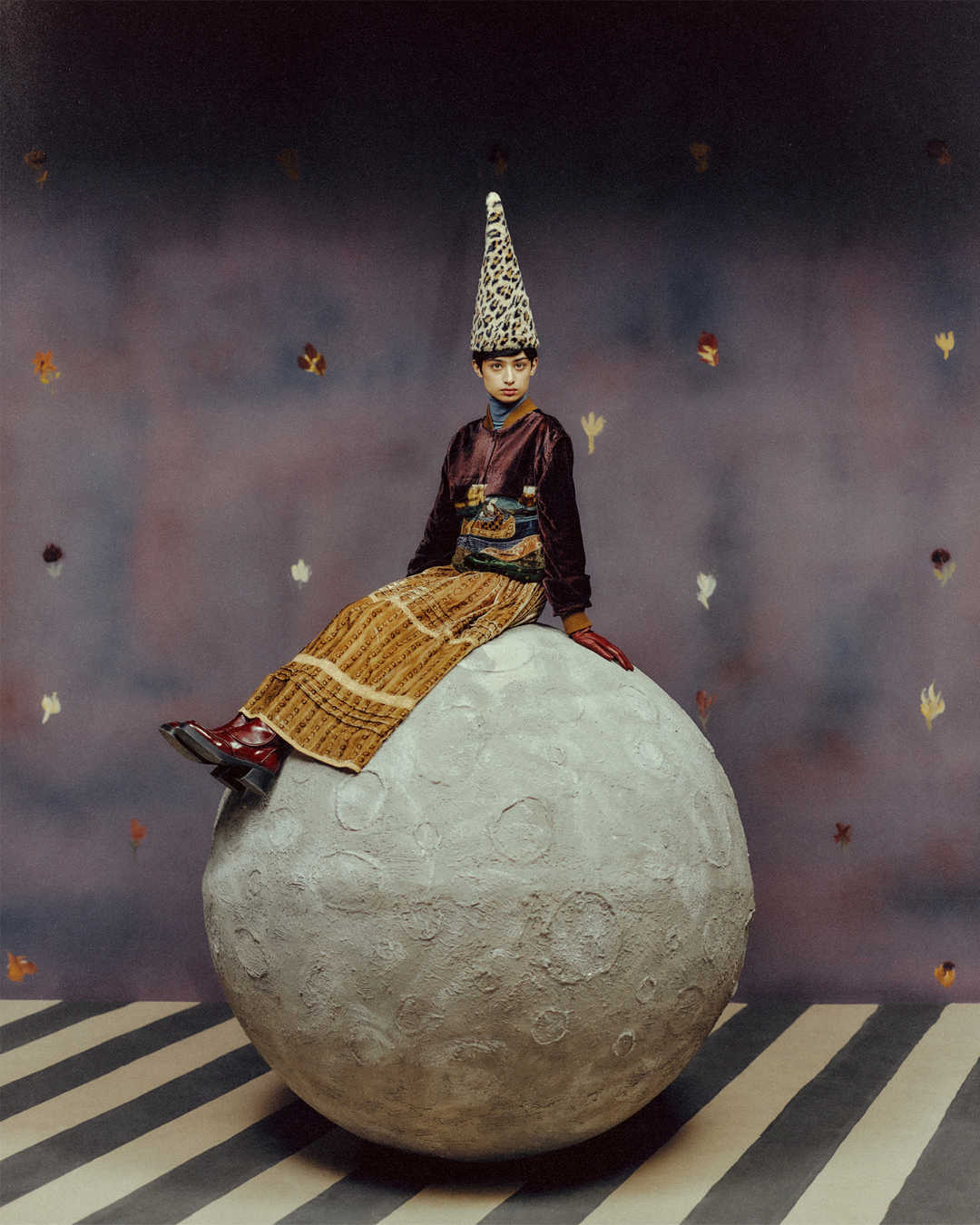
Cord: Daydreamers (Copyright © Cord)
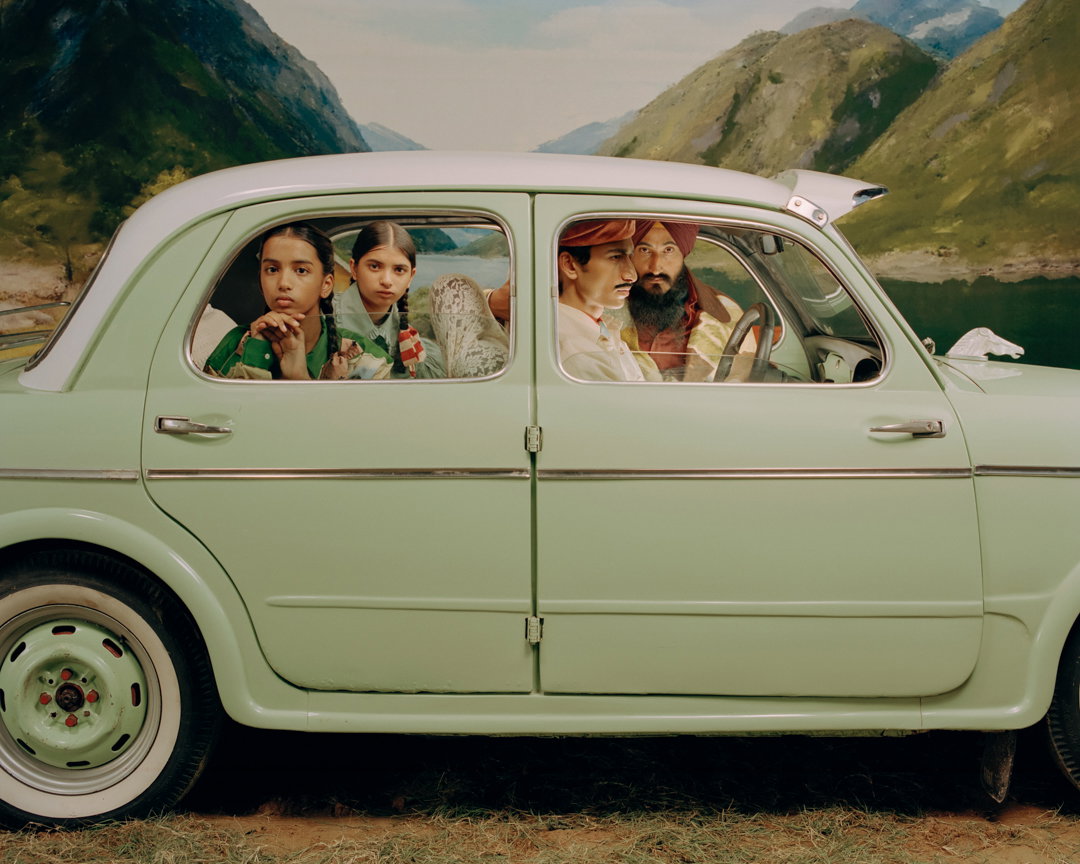
Cord: Album ‘91 (Copyright © Cord)
INT:
When did travel start seeping in as a key theme?
PG:
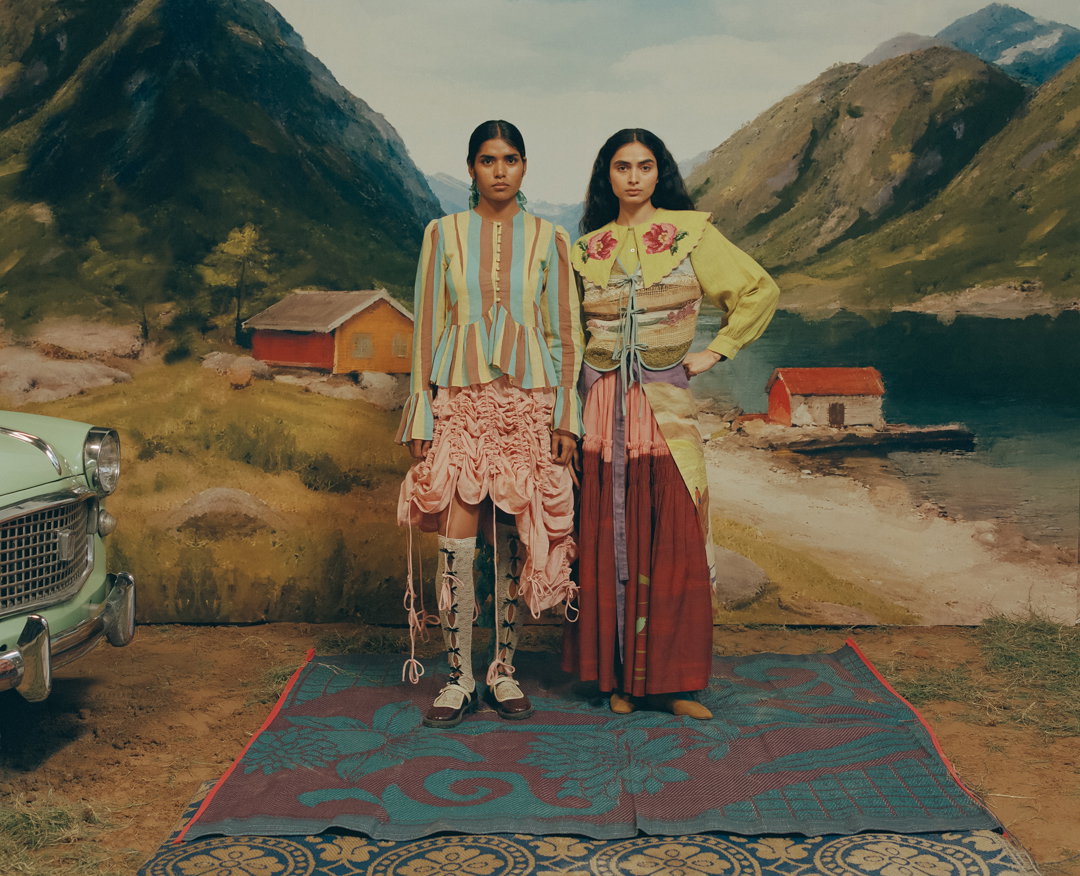
Travel was always a very important part of building Cord because wherever Neha and I travelled, for those few days, that world became ours. We got inspired by different people, by how they carried themselves, by what they were doing, and by the cultures, cities, and streets we saw. That was always part of our inspiration, and we wanted to convey that through storytelling, prints, and everything else. Prints around landscapes became a strong identifier for us.
Even while creating our flagship store in Delhi, it felt natural to include small souvenirs, objects and collectibles we had personally collected on our trips.
“Sometimes these ideas are connected, and sometimes they’re completely random. Some of those random ideas have become our best campaigns.”
Neha Singh
INT:
What does the process look like when a new collection begins? Do you think about the theme first, or the design, or the campaign?
NS:
It’s different every time. Sometimes we begin with a definitive theme, but that’s rare. Even when we do, sometimes midway through the process, everything changes. You suddenly move in a new direction, which starts to feel more exciting and lands you somewhere you hadn’t imagined in the first place.
PG:
We create the collection instinctively first. Then we stitch a story around it and then the campaign ideas come in – that’s always the last step for us. Depending on those ideas, we start looking for collaborators.
NS:
Pranav and I are around each other all day, so we constantly share references. We have a lot of stories in our heads, and whichever story fits the collection best, we go with that. Sometimes these ideas are connected, and sometimes they’re completely random. Some of those random ideas have become our best campaigns.
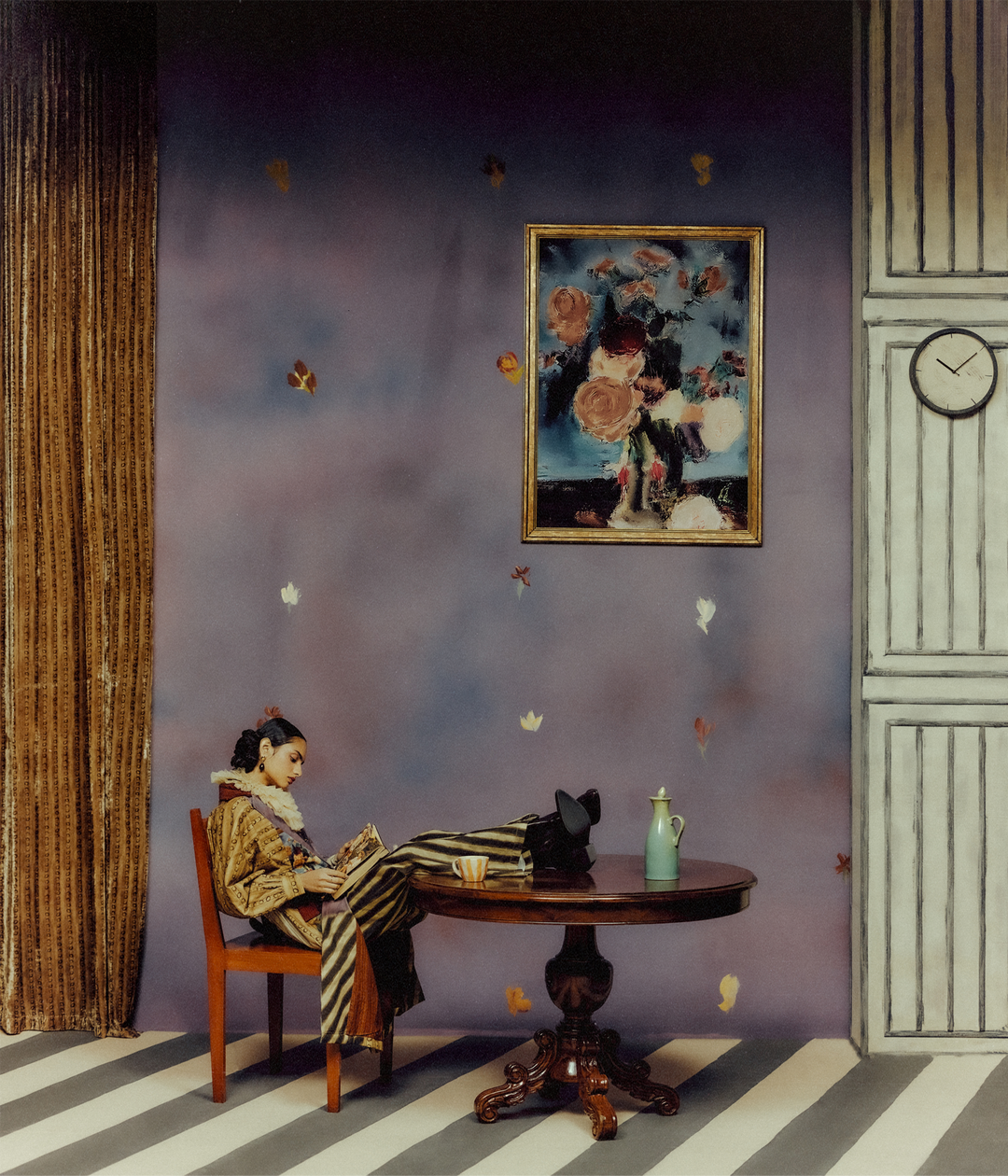
Cord: Daydreamers (Copyright © Cord)
INT:
What makes a good Cord collaborator? How much creative freedom do they get?
PG:
The first and most important thing is how well they understand Cord as a brand, as a personality and what we’re trying to build. Also, how they understand the particular theme we’re working on at that moment. Because when they understand the Cord aesthetic well, half the job is already done. You don’t have to spend all your time explaining who you are and what you stand for. Over the last few years, we’ve been fortunate to work with some amazing artists, photographers, and creators.
NS:
In terms of the space we give them, honestly, we don’t have a benchmark because we don’t know how everyone else works. But when someone joins us, the idea is mutual trust. If they trust us with our vision, we want to trust them with theirs, especially because we already admire what they do.
When we worked with Tillotama [Shome, Indian actor] for our campaign The Muse, we came in with moodboards, references and storylines. But once the shoot started, we realised we had zero control, and beautifully so. She was just doing her thing, and it was mesmerising. We just stood there watching her. At some point, you stop caring about the moodboard – now, this is the mood. And it turned into such a beautiful campaign. Sometimes, you just have to trust people.
PG:
If you look at our campaigns, the Cord personality remains, but there are so many variations. The overall visual direction shifts with each campaign. So we intentionally work with different collaborators to get that freshness.
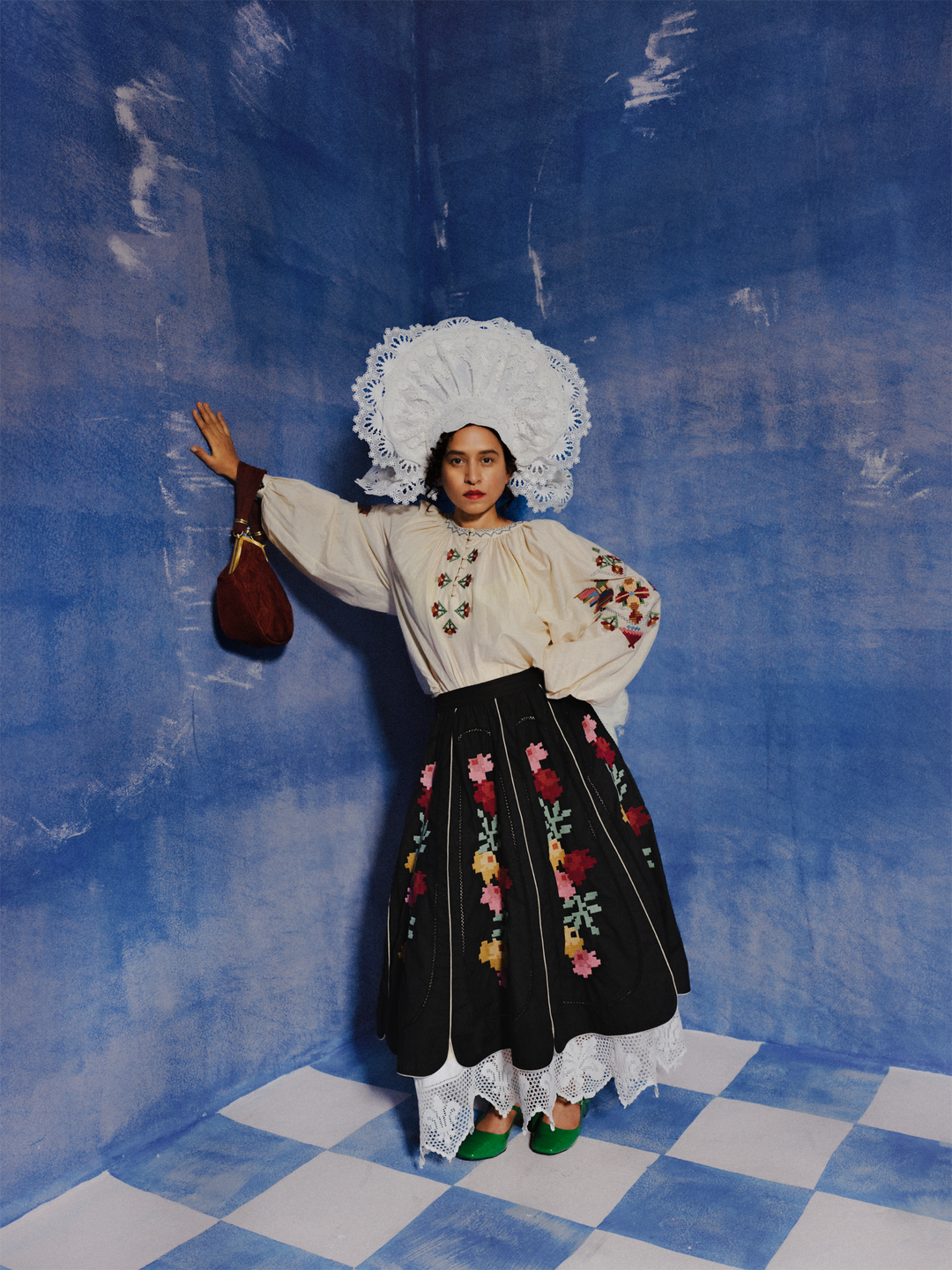
Cord: Tillotama Shome in The Muse (Copyright © Cord)
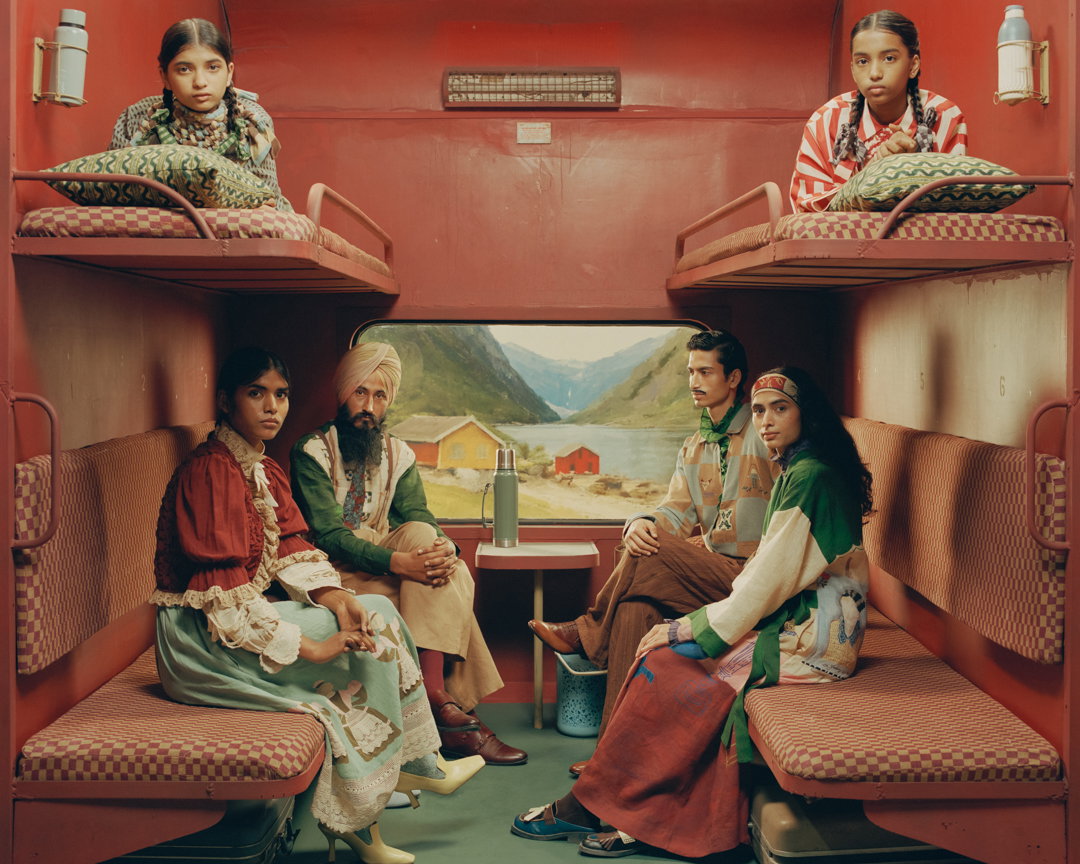
Cord: Album ‘91 (Copyright © Cord)
INT:
How did your collaboration with photographer and creative director Pranoy Sarkar come to be for your Album ‘91 campaign?
NS:
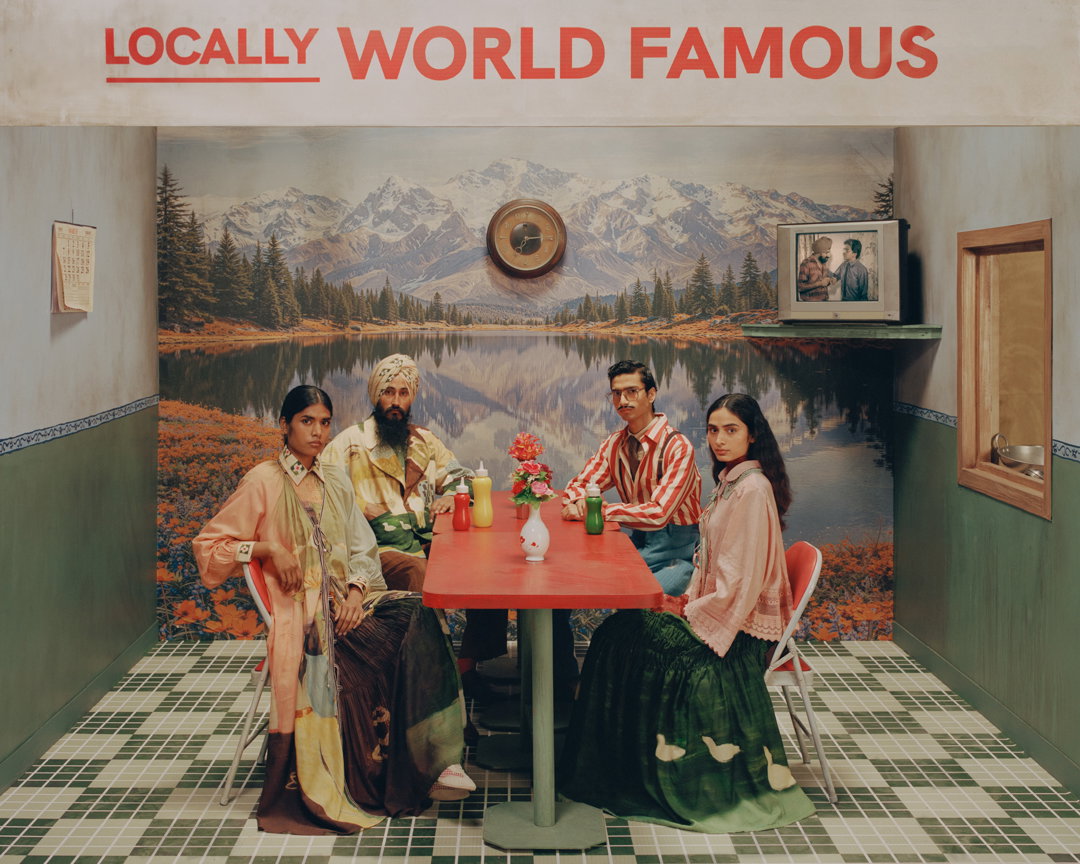
We actually didn’t think of Pranoy initially. While we were deciding the campaign direction, we knew we wanted symmetry, which Pranoy does so well. He understands frames and spaces beautifully. Then we ended up meeting him at a party, and we casually mentioned the idea. He got so excited, and the next day we were meeting with books and references. Within less than 12 hours, we already knew what we were doing. It felt crazy. It felt meant to be.
PG:
What’s funny is that before this campaign, we had been working on another concept for almost three months. It just wasn’t landing, so we snapped out of it. One evening, we were discussing ideas, and suddenly, train journeys came up and immediately felt right. Once you know what you want emotionally, ideas start to narrow down. I told Pranoy the idea, and he immediately said yes. Then he introduced us to Hardev Singh, a Sikh man and a truck company owner who had recently become a model. He really embodied the character and felt perfect for the campaign, and then everything came together naturally.
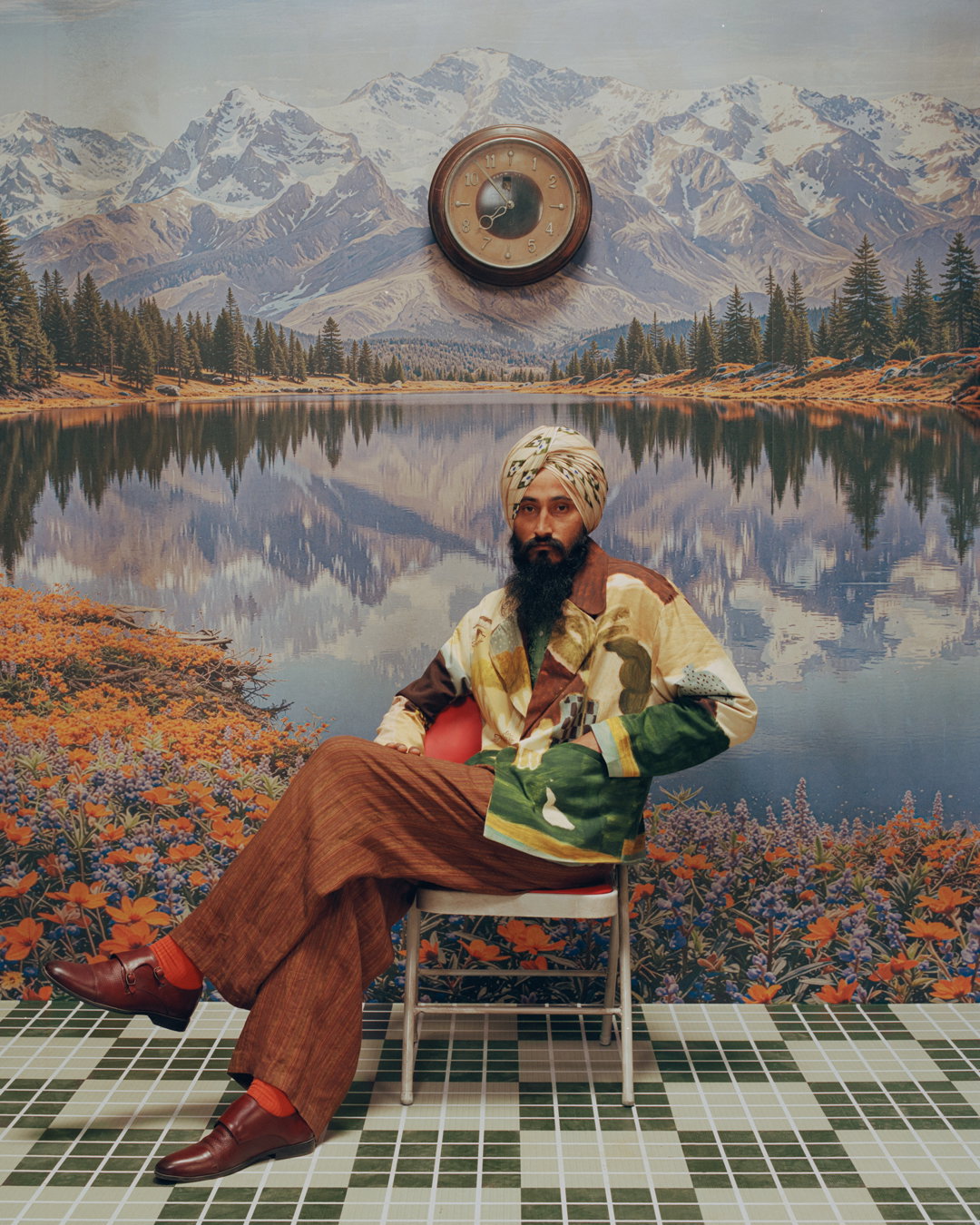
Cord: Album ‘91 (Copyright © Cord)
“It was just the three of us sitting together, throwing ideas around, just three kids having fun.”
Neha Singh
INT:
The details in this campaign feel so deeply relatable. We all took those childhood train journeys and summer vacations.
NS:
It might look like we did very intense research, but honestly, it was just the three of us sitting together, throwing ideas around, just three kids having fun. Every second, there was a new idea, and somehow all those ideas made it in.
PG:
Full credit to the production team as well. They really went deep into recreating an Indian 90s summer vacation. The detailing they brought into the sets was incredible. A lot happened on the go because we all connected with it so deeply. Many props were things we actually travelled with, so it all felt effortless.
NS:
One thing we were very sure about was that we wanted Indianness in this campaign. It had to feel rooted and be nostalgic, specifically Indian nostalgia. If you look at our older campaigns, there are Western or fictional influences. But this felt like the right moment to bring our Indianness to the forefront. Also, if you’re talking about trains and nostalgia, you have to personally connect with it. You can’t talk about a train journey you took once in Paris. It doesn’t feel authentic.
Cord: Album ‘91 (Copyright © Cord)
Cord: Album ‘91 (Copyright © Cord)
INT:
Why do you think it became popular internationally? Then there’s this whole Wes Anderson vs Satyajit Ray debate. Let’s clear that confusion today.
NS:
We are enjoying the debates from a distance. They’re hilarious.
PG:
Wes Anderson was definitely a reference point and a visual influence. When you think about symmetry, it’s impossible not to think about him. We actually considered mentioning him in the collection description because he was a starting point. But before we could even say anything, people had already picked up on it. Satyajit Ray wasn’t part of our direct moodboard. People brought that conversation themselves.
NS:
I think it connected with international audiences because of the cultural references. It gave people a peek into Indian culture in a beautiful way. That aesthetic element is important because that’s often how people like to consume culture, especially when it’s not from the current era and comes from something like the 90s. History, heritage, and nostalgia coming together is a powerful combination.
PG:
I think people found it real. Indians, especially, imagined themselves in it or got reminded of their childhood. It was about things we take for granted and never really celebrate. To show those memories in a romantic way, that felt different. The aesthetics helped attract people, but nostalgia is what made them stay.
“The aesthetics helped attract people, but nostalgia is what made them stay.”
Pranav Guglani
INT:
What were some of the particular visual references or research sources you used for this campaign, apart from your personal experiences?
NS:
Pranoy had collected many references. There was one book that was a compilation of letters from people during the India-Pakistan Partition, and that was a sort of beautiful, emotional reference. Then, of course, Wes Anderson books, including Accidentally Wes Anderson. We also looked at the old Indian Railways imagery, and took references from Shimla (a popular destination for summer holidays).
We wanted to talk about what we did as kids: comic books, passing water bottles in the train, those weighing machines at the stations, and having nothing to do at stations because there were no screens. That’s what entertainment looked like.
PG:
The mountain cafés, station restaurants, and the A.H. Wheeler bookstalls also became our references. We kept thinking about all those little details.
Cord: Album ‘91 (Copyright © Cord)
INT:
Do you feel some kind of pressure because of the huge success of the campaign?
NS:
Yes, there’s pressure to match it or do something even better. But it’s not something we’re worrying about constantly. What’s more important is that whatever we create feels true to us.
INT:
Where do you see yourselves within Indian independent fashion now, after 11 years?
NS:
This is a hard question. Honestly, I think we like living in a bubble. Sometimes it’s nice not to constantly see what everyone else is doing. It feels less cluttered and keeps you more immersed in what you want to achieve. That’s probably a very pageant-answer response, though.
PG:
Yes, we’re part of the industry, and we want to do our best within it. But we’ve never really evaluated ourselves against others. Most of the time, we understand how we are doing through other people’s reactions. Sometimes you think you’re doing great, but you don’t get the response you expect, and at times, a positive reaction comes months after you have created something. So it’s hard to judge.
Personally, we’re very happy with where we are, both in terms of business and creativity. The last 2-3 years have been game-changing. We’ve collaborated with people we always wanted to work with and created work and spaces we’re proud of.
NS:
It’s a new beginning for us. The first nine years were really about survival, dealing with various challenges, building foundations — stores, systems, revenue. Creative freedom comes with financial freedom, and once you have that stability, you can work with your dream collaborators, build bigger sets, and take bigger risks. I think focusing on building a strong base first was the right thing for us. Now we’re finally playing.
Cord: Album ‘91 (Copyright © Cord)
Hero Header
Cord: Album ‘91 (Copyright © Cord)
Share Article
Further Info
About the Author
—
Payal Khandelwal is a Mumbai-based independent journalist and content writer with 18 years of work experience. She mainly writes about visual arts and culture, but has written on a variety of other topics too including marriage detectives in India, a cemetery in Rome, Indian military dogs, and LinkedIn content for a bank. She is It’s Nice That’s Mumbai correspondent.