North rebrands civil rights group Liberty, with a clever logo that also serves as “a rallying cry”
The studio has replaced the organisation’s staid branding with an assertive new identity in tune with its work holding the powerful to account.
Share
Liberty is an independent civil rights campaign group that, since 1934, has made it its mission to challenge those in power and speak up for people’s freedom. It started out in response to police brutality during the peaceful Hunger Marches, and has since defended everyone from traveller communities to Government whistle-blowers, a team of lawyers, policy experts and campaigners looking out for the fair and dignified treatment of everyone in the UK.
However, its visual identity had remained in the past, and was therefore associated with Westminster elitism and the “legal bubble of the UK’s political power centre,” says North. So the studio has rebranded Liberty with an assertive new look that not only aims to attract new, younger members but more importantly represents its brave work.
“While Liberty’s values and aims have remained constant throughout time, their visual identity failed to reflect the cutting-edge nature of its work,” says North’s Julian Goll. “Liberty’s branding looked outdated, making the organisation unappealing to new members. Campaign material visually lacked strength, coherence and a clear voice. Its fight to achieve positive and real impact on millions of ordinary lives was not communicated.”
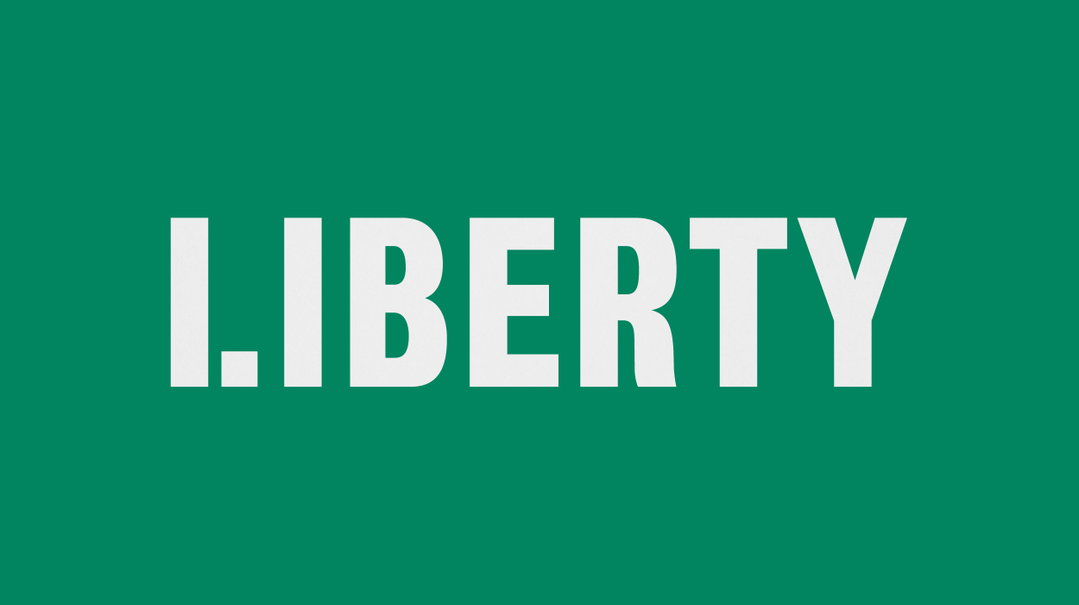
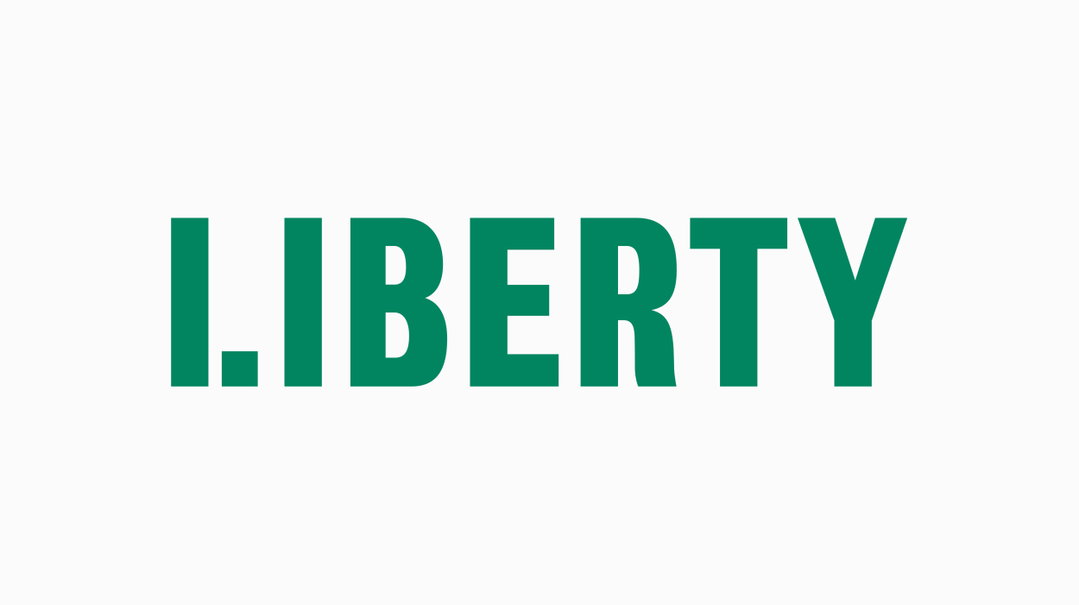
North, therefore, came up with a new graphic language hinged on a clever new logo that acts as a capital “L” and “I”. It reads as an “L” in the logotype, and in campaign statements, it’s employed as an “I” to denote the defiant declarations of individuals, for example: “I resist facial recognition” or “I know my rights”. “Liberty is [a group of] ordinary people standing up to power,” Goll explains. “Our civil rights are dependent on the effort of individuals, and so challenge us to be responsible. The special ‘L’ and ‘I’ character expresses the dichotomy between the organisation and the individual. It provided the formula for a singular and recognisable voice. With this device, Liberty can easily create consistency of messaging.”
North: Liberty rebrand
The typefaces are Bureau Grot Condensed Bold and Bureau Grot Light by Font Bureau, chosen for their strong expression, so Liberty’s brand could stand out and be more visible in this sphere and the wider world. The typefaces also have an “approachable quality,” Goll adds, despite their bold appearance. He notes that the identity has to not only be recognisable and distinctive in its public presence, but also function throughout the organisation on things like legal documents, hence clarity and simplicity were key.
Colour was an important choice too, as Liberty is independent of any political agenda or popular opinion, so it was crucial the organisation’s branding was perceived as nonpartisan – which eliminated red and blue, which have political connotations. North analysed the branding of other human rights groups and saw an opportunity to be distinctive with its choice of a sea green, inspired by an Argentinian women’s rights movement. “It uses trademark handkerchiefs in a beautiful green-blue tone. We would like to pay homage to their campaign,” says Goll.
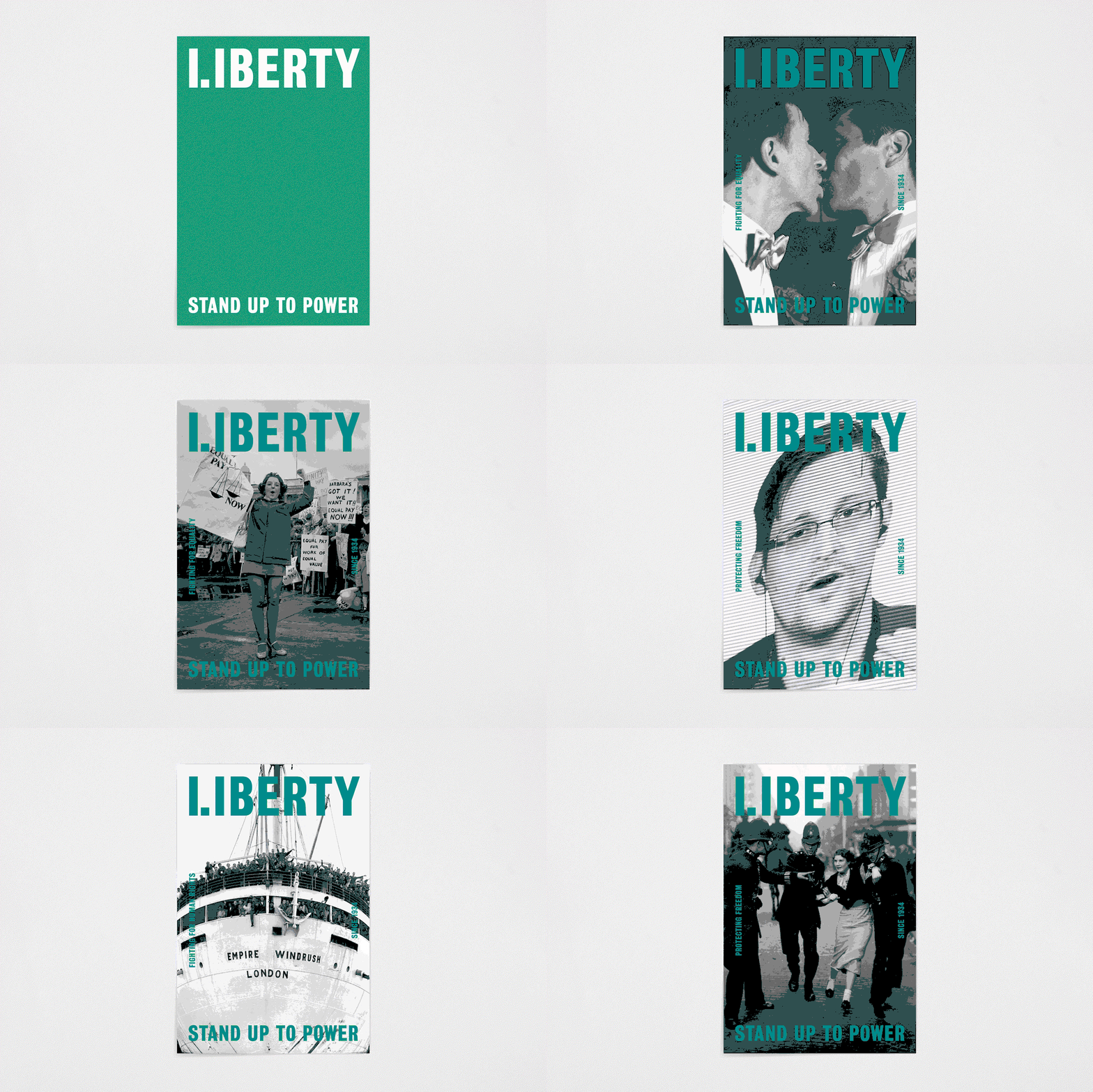
The new identity has been launched in a campaign of posters, also designed by North, to highlight the historical impact of the organisation. It brandishes the new graphics on photos signifying landmark campaigns Liberty has fought, including Edward Snowden and the Empire Windrush ship. The mixture aims to juxtapose older and more recent issues to show “what a crucial and dynamic role Liberty has played in championing civil rights in the UK,” Goll concludes.
GalleryNorth: Liberty rebrand
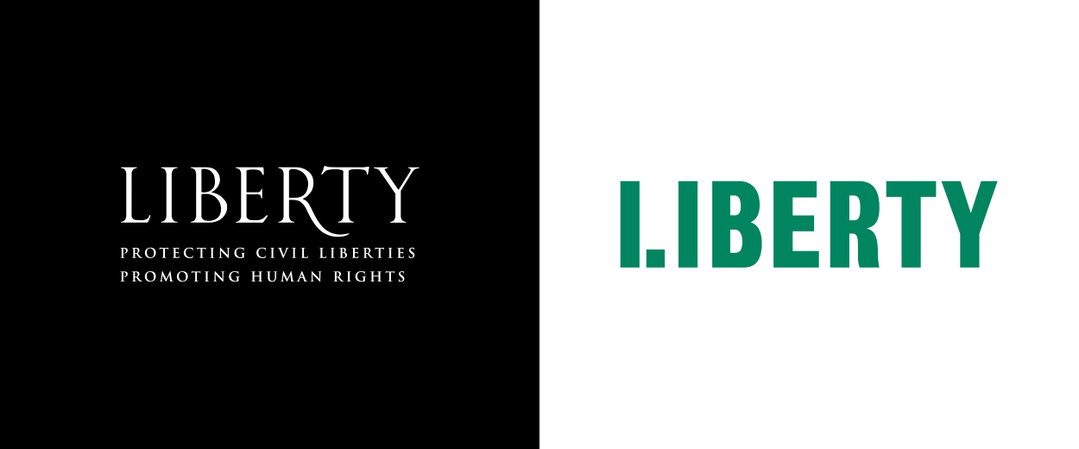
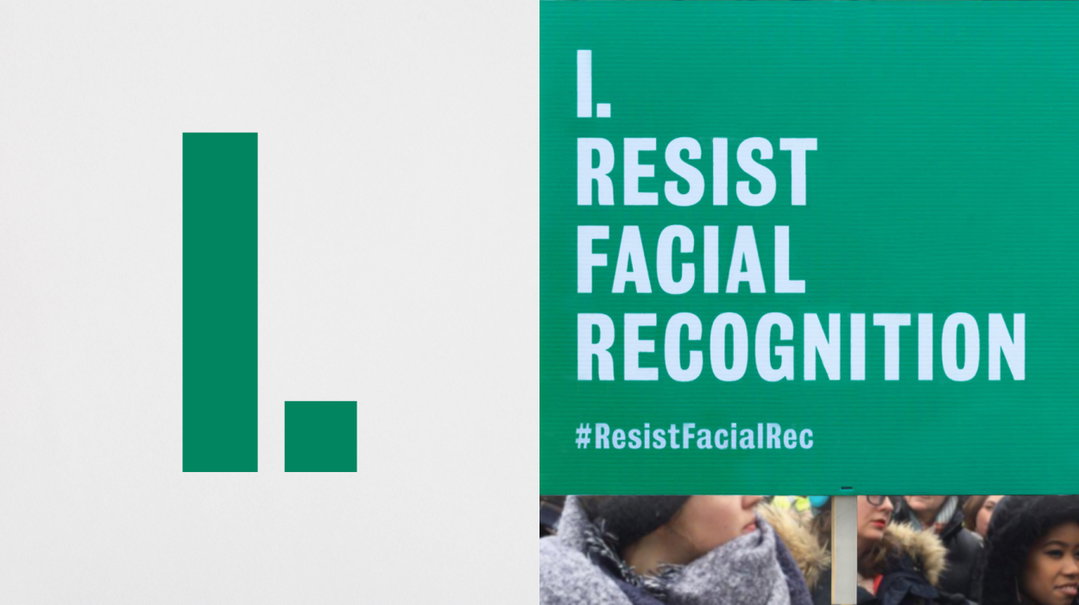
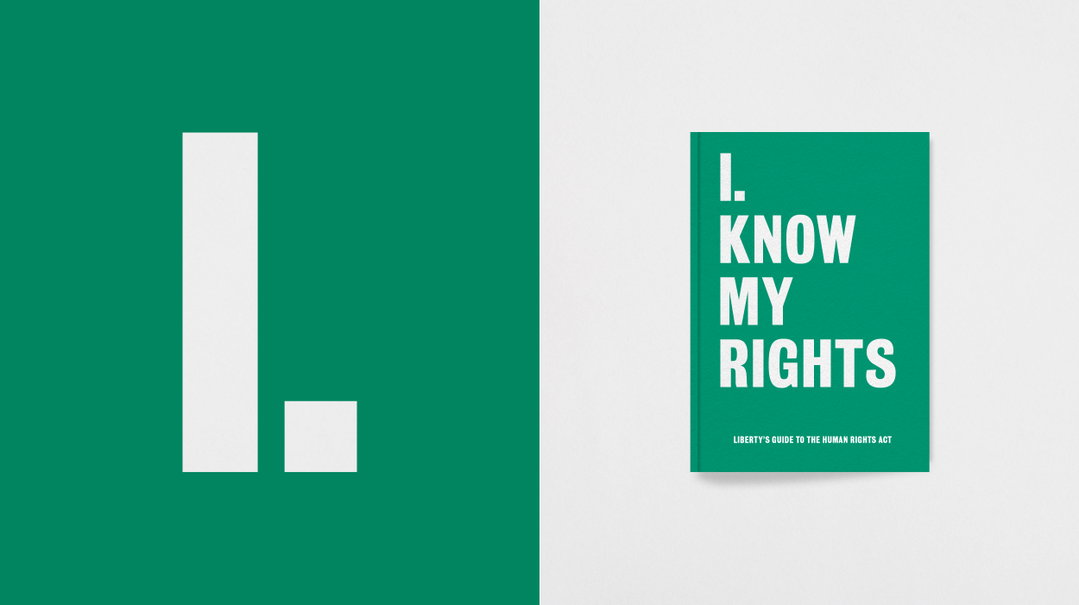
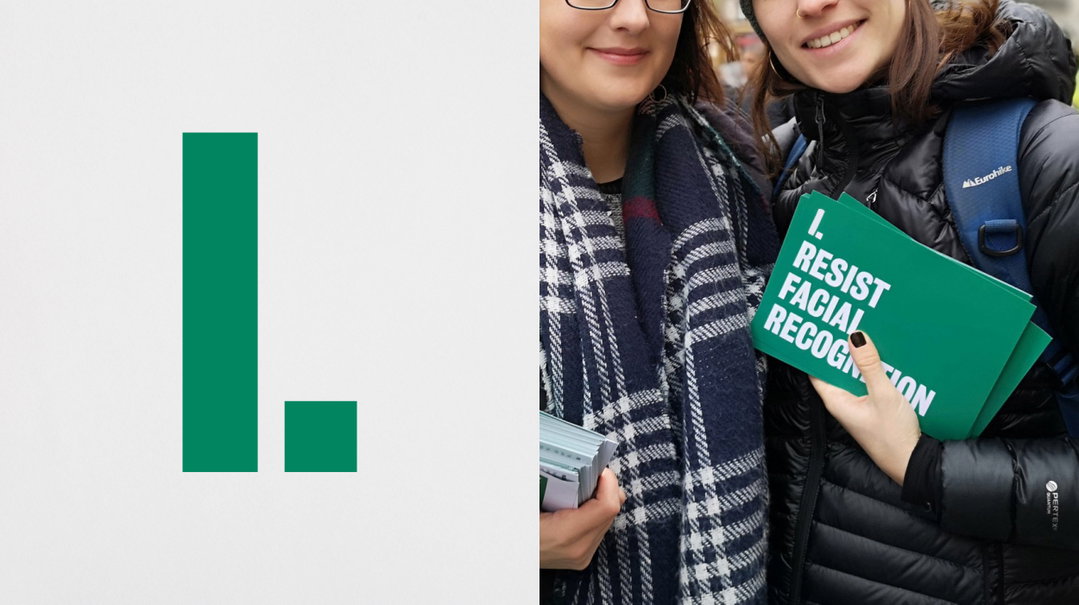
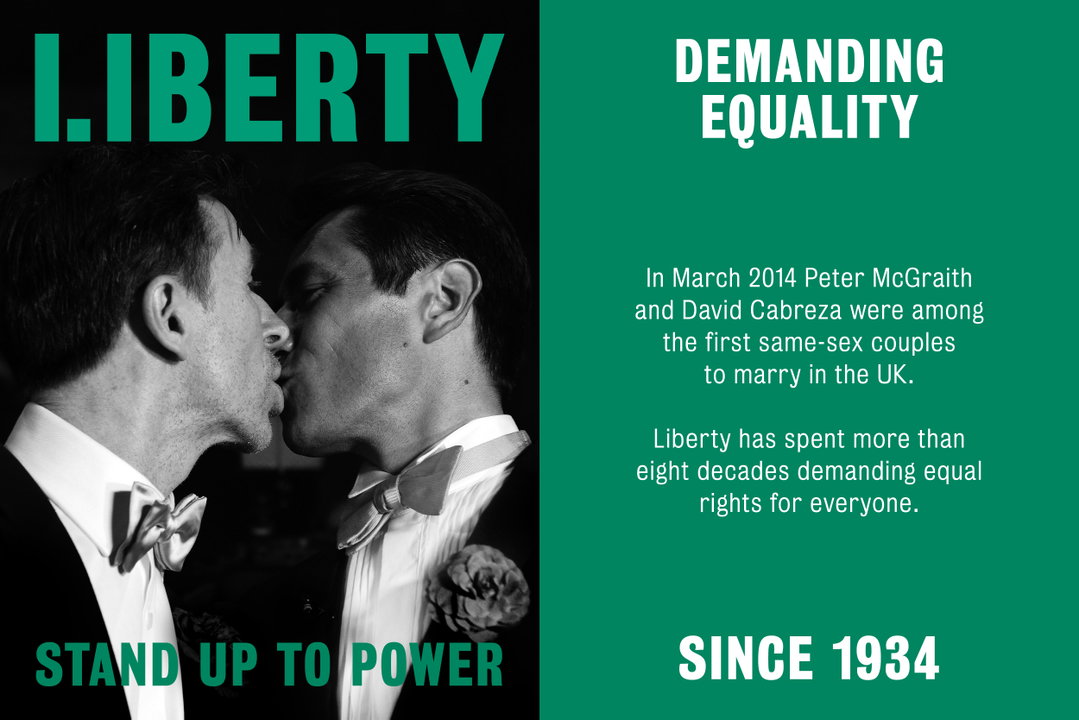
Photo: Shutterstock
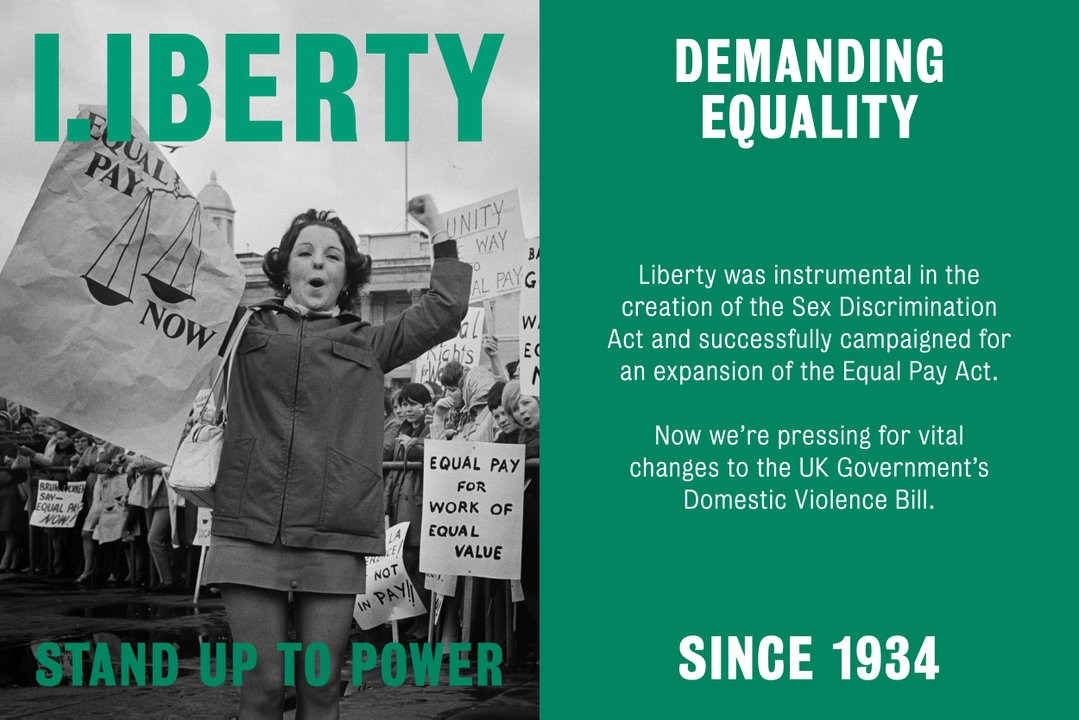
Photo: Getty Images
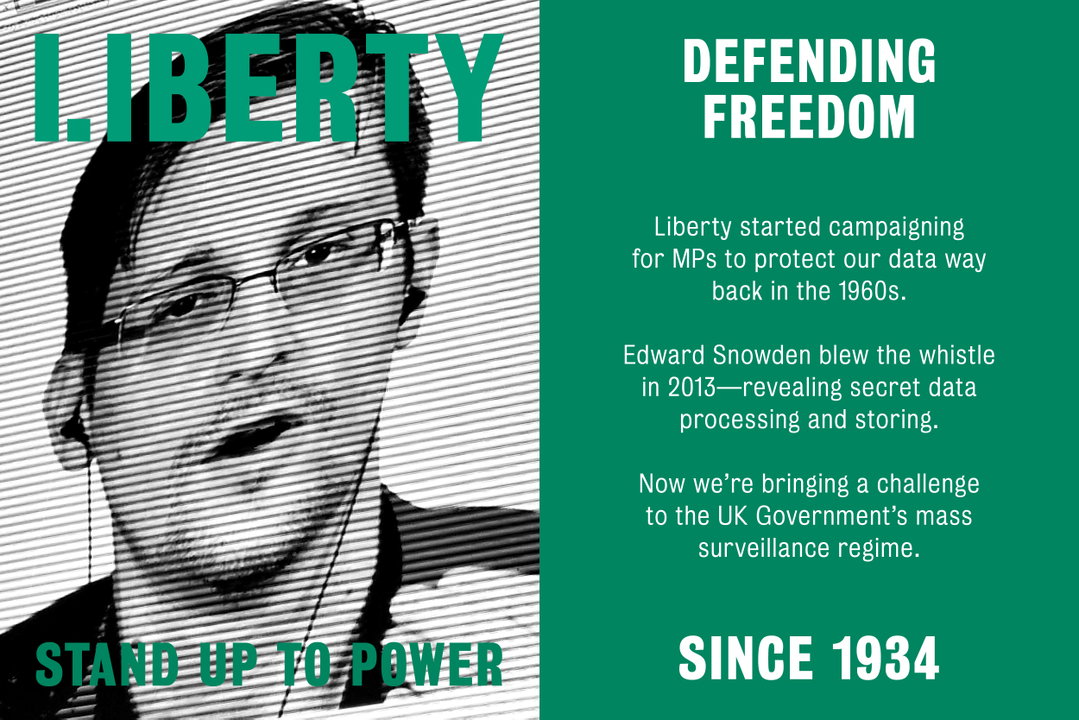
Photo: Alamy
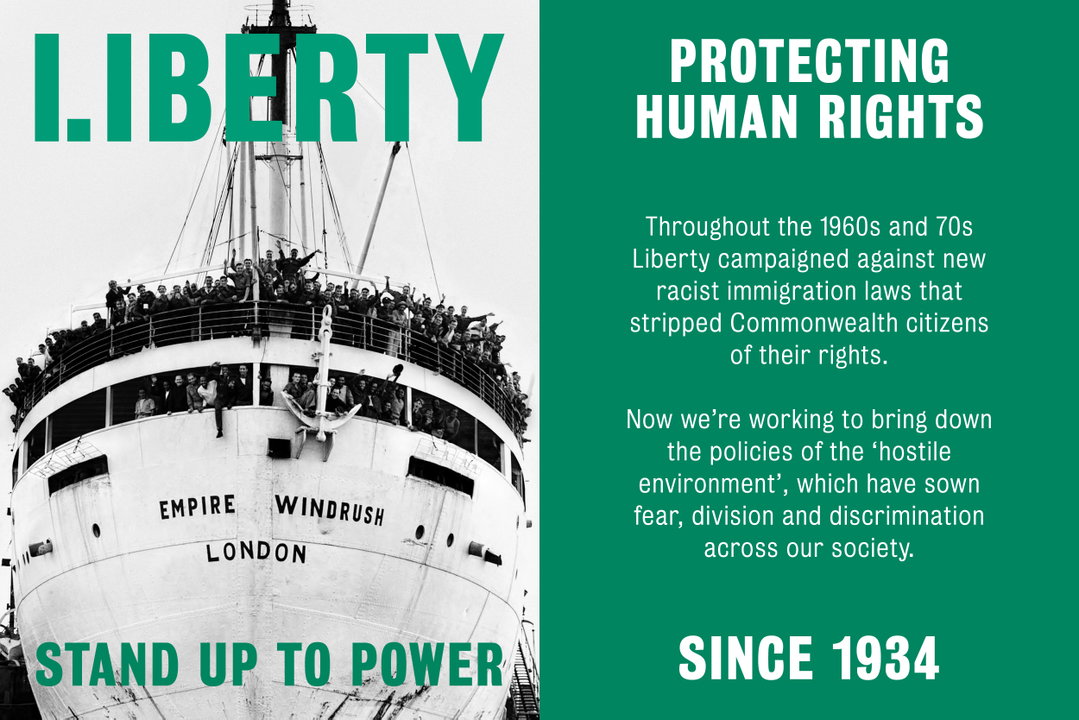
Photo: Getty Images
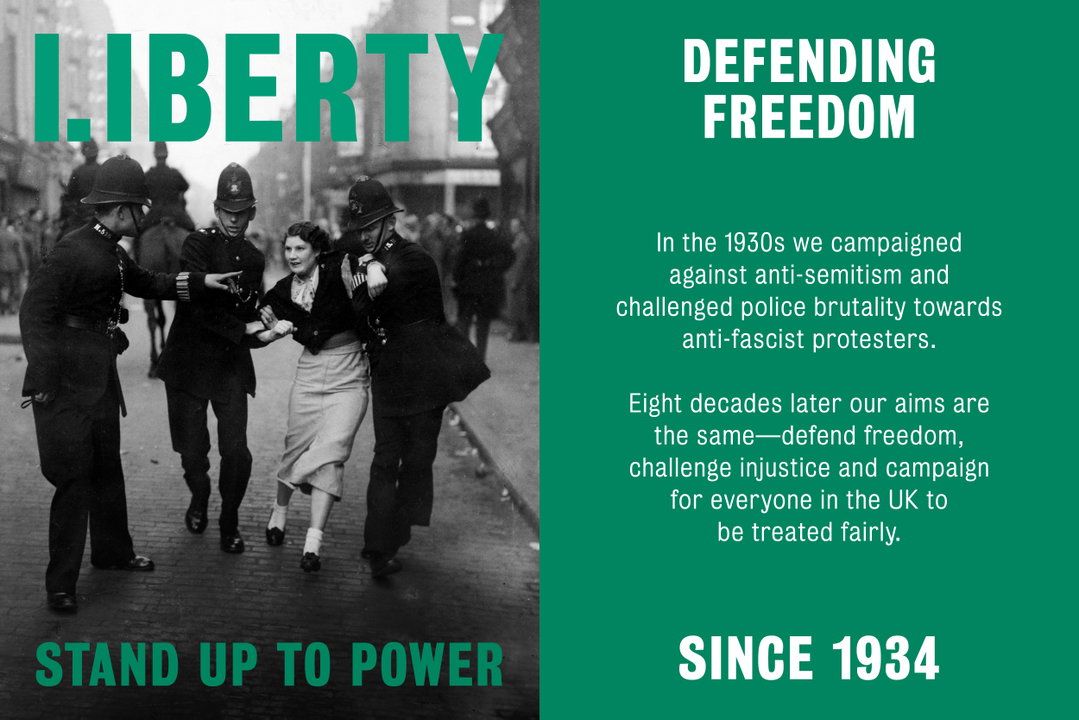
Photo: Getty Images
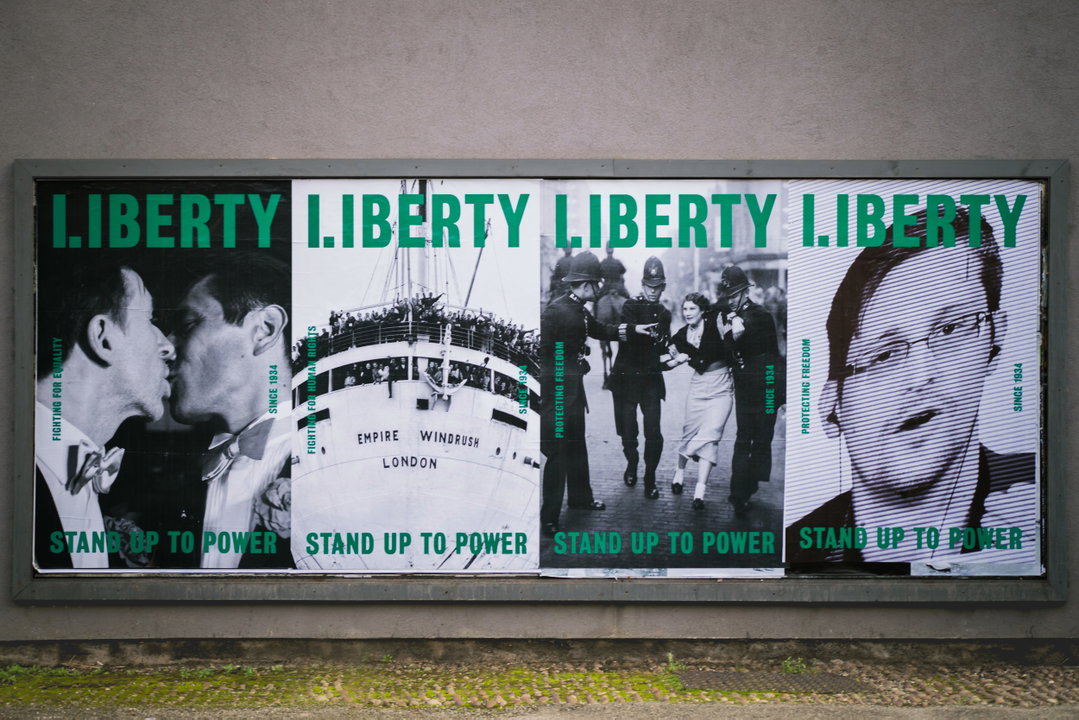
Photo: Jackarts
Share Article
About the Author
—
Jenny oversees editorial output across It’s Nice That. Get in touch with writing pitches for features or opinion pieces, big creative story tips, or questions about all things editorial. jb@itsnicethat.com
To submit your work to be featured on the site, please see our Submissions Guide.