How creativity can empower people living with dementia
Ellie Robinson-Carter – founder of The Photobook Project – discusses working with individuals to document their experiences through photography, and the impact a creative project can have.
Share
The Photobook Project was founded in 2015, as part of my Illustration MA at Falmouth University, and earlier this year became a Community Interest Company (CIC). It was designed for people living with dementia. Through photography, book-making and other media, the project provides an accessible method for individuals to document the world around them; it provides a space to curate creative activities around their interests; a form of cognitive stimulation; a body of memory; and a professional platform to empower them as artists. After losing my grandfather to vascular dementia in 2008, I wanted to support others who were going through this challenging disease and find a way of focusing on what is still possible with a diagnosis.
In 2014 I started volunteering with The Happy Wanderers – a Sensory Trust, dementia-friendly walking group which supports people living with dementia and their carers to access outdoor spaces. Every Wednesday I would hop on a train to meet the group and enjoy exploring the beautiful areas around St. Austell. As the group walked in these landscapes, they became so closely connected to them – spotting flowers, noticing cobwebs glistening on the trees, speaking about days gone by. The conversations were so rich and informed by the surrounding environments. They were filled with such tender, fleeting moments which were likely to be forgotten when the group members arrived home.
“[The arts] provide a space to capture, connect, self-express, communicate, escape, be transported and reconnect to self-hood.”
Ellie Robinson-Carter
As a group, we soon decided to capture our walks together. As we strolled around the Lost Gardens of Heligan on a dreary November day in 2015, I brought along two single-use cameras and we passed them around the group, taking photographs. Group members were showing each other how to use them – they resembled a point-and-shoot camera, which they were more familiar with than digital ones.
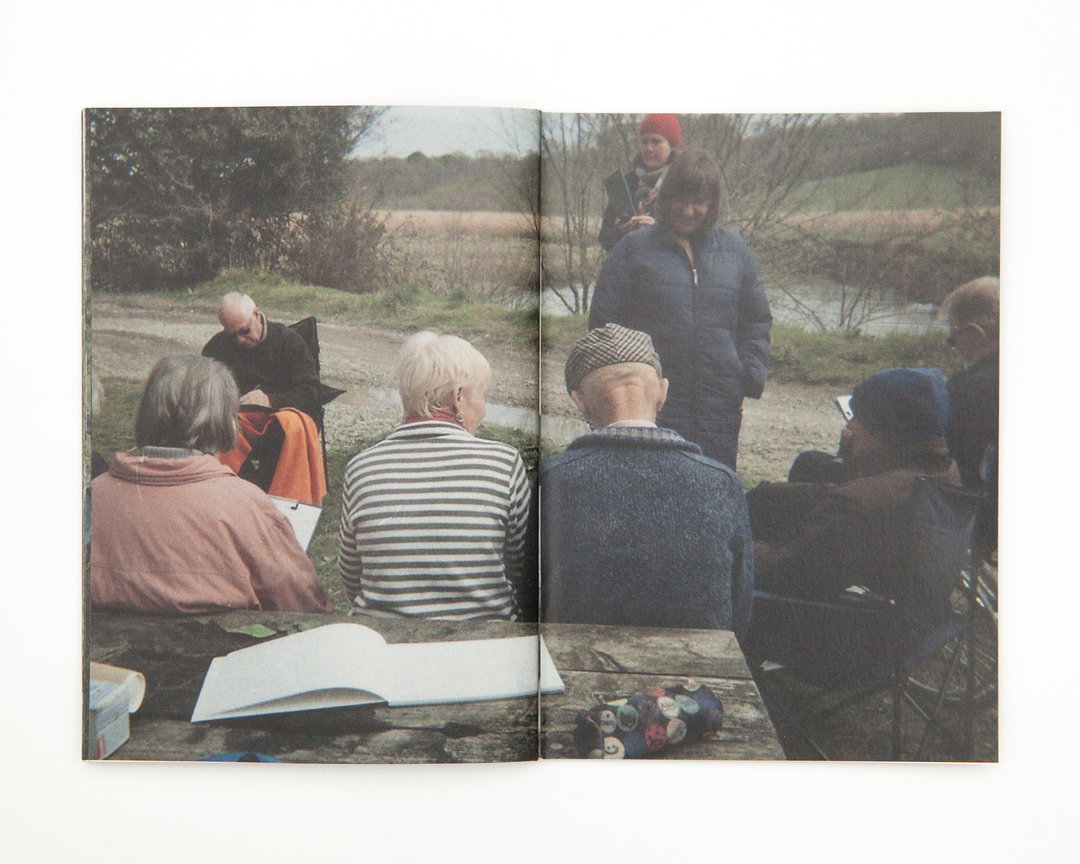
On developing the cameras, I couldn’t believe how beautiful the images were. It was like seeing the walks through their eyes for the first time, from the big, enveloping trees and details of purple flowers emerging from the soil, to the backs of heads and rucksacks. I was struck by how the images were like illustrations in their own right, illustrations by the group members of their shared narratives. From this point, the group chose a theme for each walk – such as sound, texture and weather – and took photographs linked to these topics.
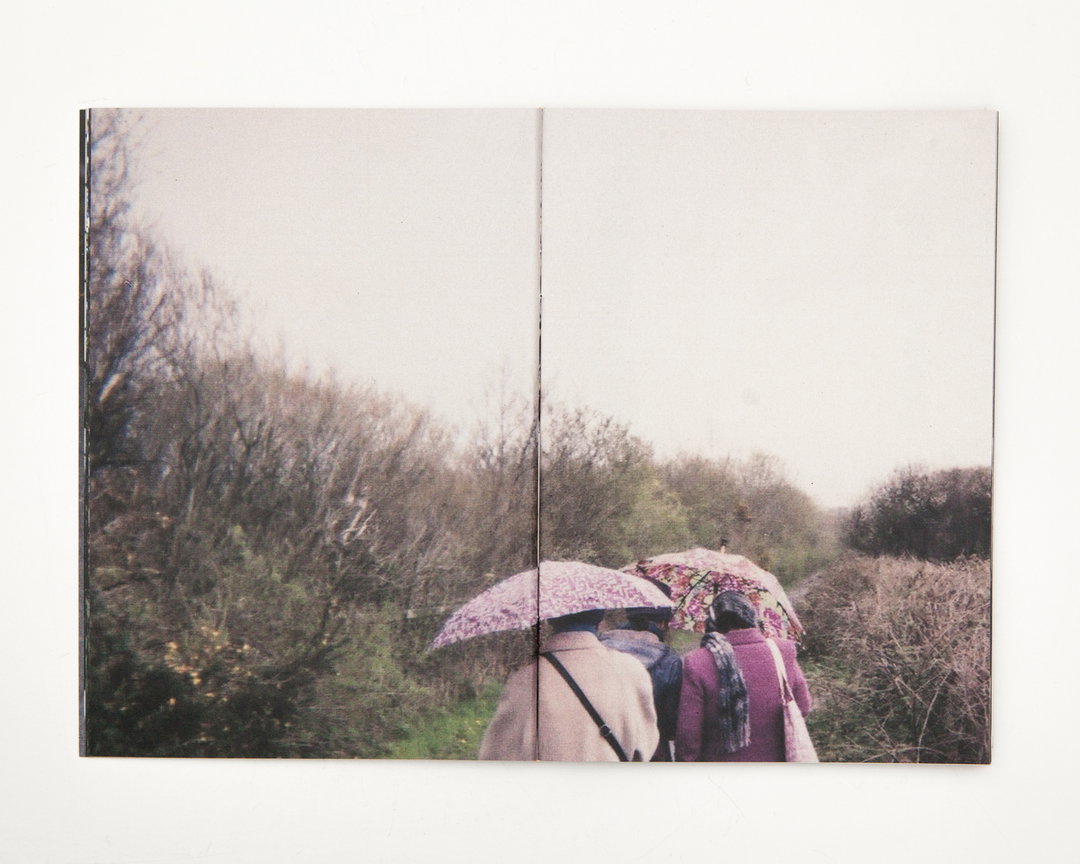
Observations by the Happy Wanderers, Sound at Goss Moor (Copyright © The Photobook Project, 2016)
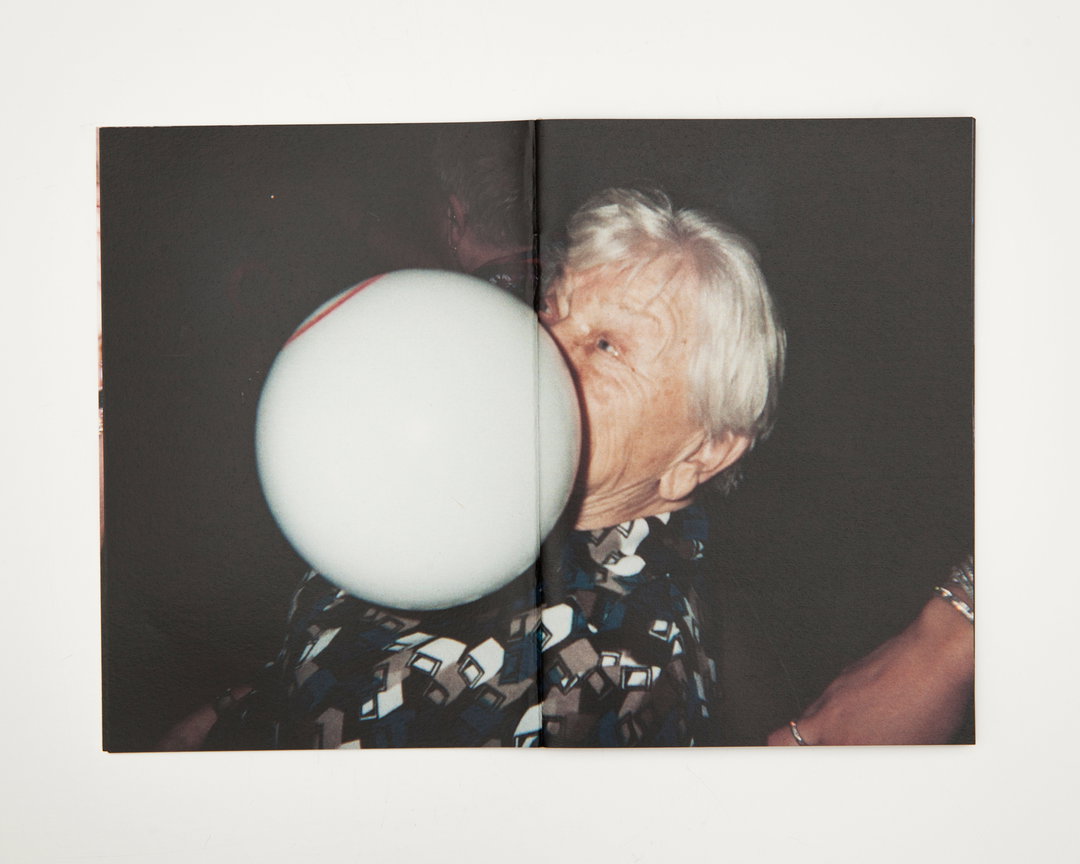
I decided to present the images in photobooks to resemble old-fashioned travel guides, since the images provided a new way of experiencing place. The images are kept in the order they are taken in, to preserve the narrative experienced by the photographers. The photobooks are then gifted to the individuals who take part, which they can keep and share with their families and friends. Each group’s collection is also displayed in a box, designed by Juniper Bespoke and made by the Wyvern Bindery. One set is kept in an important place in that group’s community – such as a library, care home or memory cafe – and another kept in The Photobook Project archive.
As well as taking photographs, we also take part in creative activities as a group linked to the particular themes mentioned earlier. For example, the photobook Signs of Spring at Lostwithiel inspired a series of drawings showcased in a smaller book at its centre, attached to the spine. These smaller, A6 publications inside the photobooks have featured objects such as recipes, shopping lists, weather maps, sound maps and dialogue between group members. These activities are decided upon by the group members and tailored to the interests and skills of the group.
“It was like a light switched on and the images enabled them to recollect moments and memories, and to provide them with self-evidence of living well with dementia.”
Ellie Robinson-Carter
In 2016 The Happy Wanderers attended an exhibition at Falmouth University, displaying its 16 photobooks. It was like a light switched on and the images enabled the group to recollect moments and memories, and to provide them with self-evidence of living well with dementia. This was the beginning of me realising just how powerful the arts are for people living with dementia: they provide a space to capture, connect, self-express, communicate, escape, be transported and reconnect to self-hood.
Colette J Brown speaks about the power of the arts in her Ted Talk, How Art May Alter The Face Of Dementia, exploring how art stimulates so many parts of the brain, exercising reasoning, problem-solving, imagination and emotions. Engaging in the arts is good for the neuroplasticity in the brain, which can slow down the progression of neurodegeneration and, some argue, reverse it. In 2021 I wrote a paper for the Journal of Illustration which speaks more about the science behind the process, which you can access here.
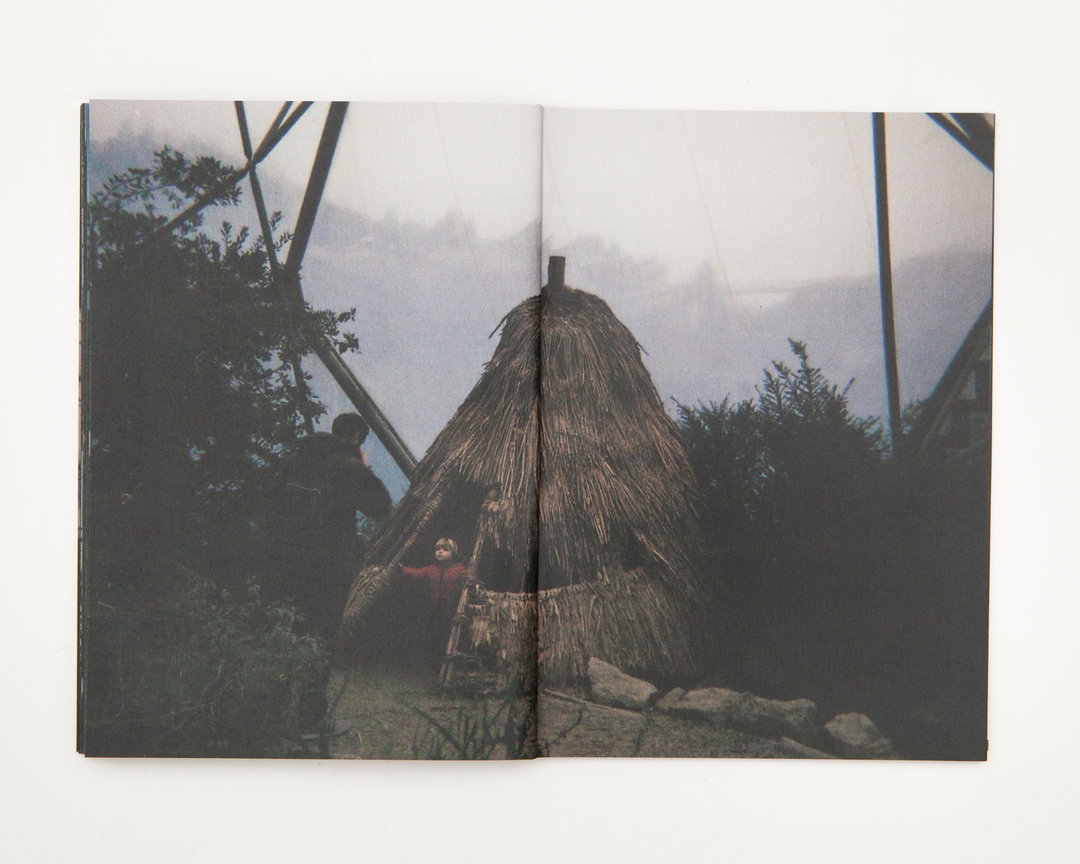
Observations by the Happy Wanderers, Inside Spaces at the Eden Project (Copyright © The Photobook Project)
“A diagnosis of dementia doesn’t mean the end of enjoying life and still having a role.”
Ellie Robinson-Carter
Since working with the Happy Wanderers, the project has travelled the globe – from London to Holland and Japan. In 2020 I met Ronald Amanze, who was diagnosed at the age of 58. He’s an advocate for the power of creativity and empowers the lives of people living with dementia. Ronald told me that he is not used to being part of the conversation and that working with The Photobook Project is “his example of meaningful inclusion”. Ronald was empowered to take a project management role and was keen for us to explore creating a film about the project, which resulted in Amanze, launched by Crack Magazine and Girls in Film in 2021. In the film, Ronald shares: “Dementia could be an ignition to embrace a new phase of life.” This epitomises our aim as a project and the message we want to share far and wide, fostering a dementia-friendly take on someone who isn’t living in fear of a diagnosis.
The Photobook Project is incredibly passionate about the role the arts can take in empowering people living with dementia. We believe that intergenerational projects are incredibly powerful and important, as they teach young people from the start that a diagnosis of dementia doesn’t mean the end of enjoying life and still having a role. The dream would be to see more people with dementia encouraged to continue work, to draw on their skills and to be supported creatively.
If you would like to get in touch with The Photobook Project team, please contact [email protected] or visit www.the-photobook-project.com.
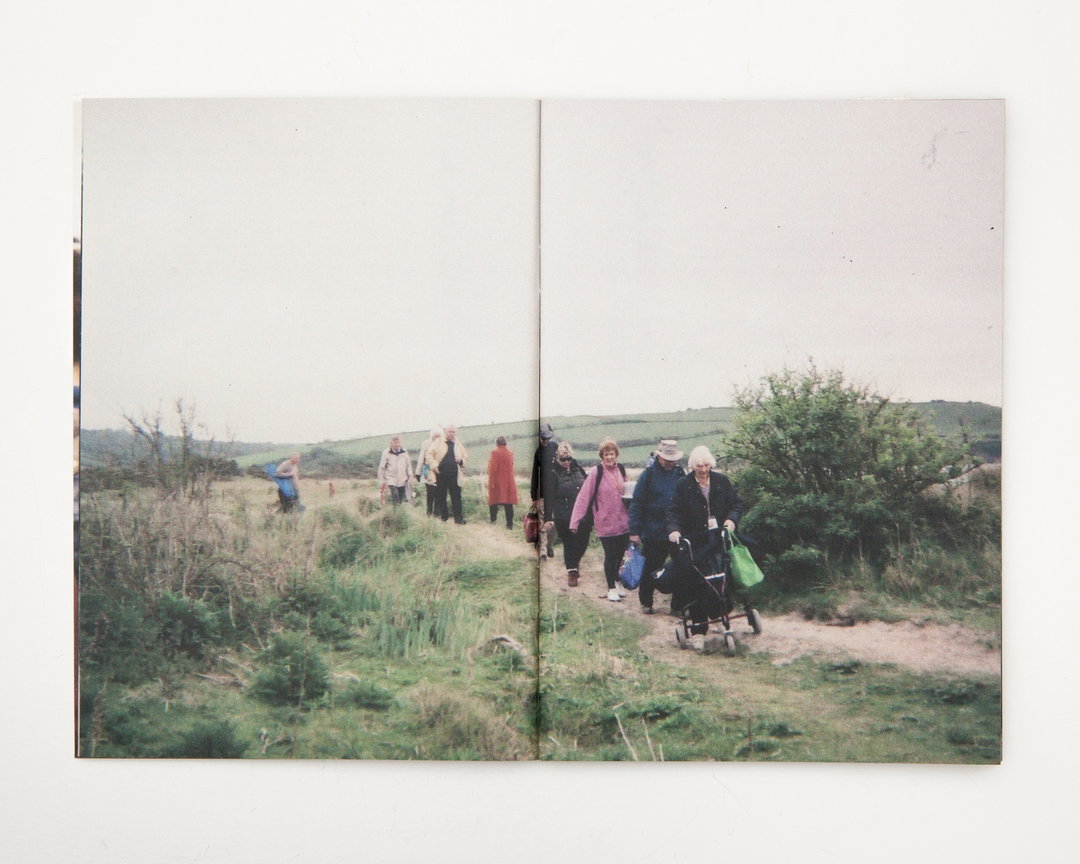
Observations by the Happy Wanderers, Picnic at Par (Copyright © The Photobook Project, 2015)
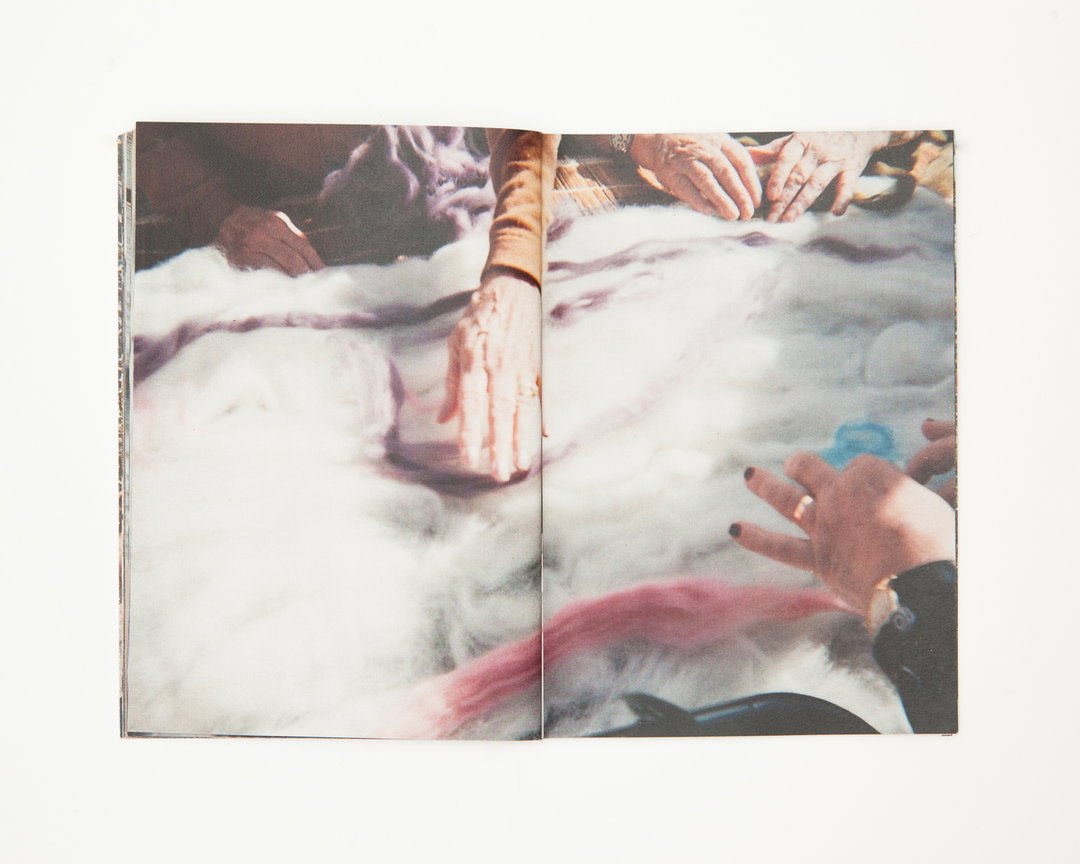
Observations in Nature, Texture and Touch (Copyright © The Photobook Project, 2018)
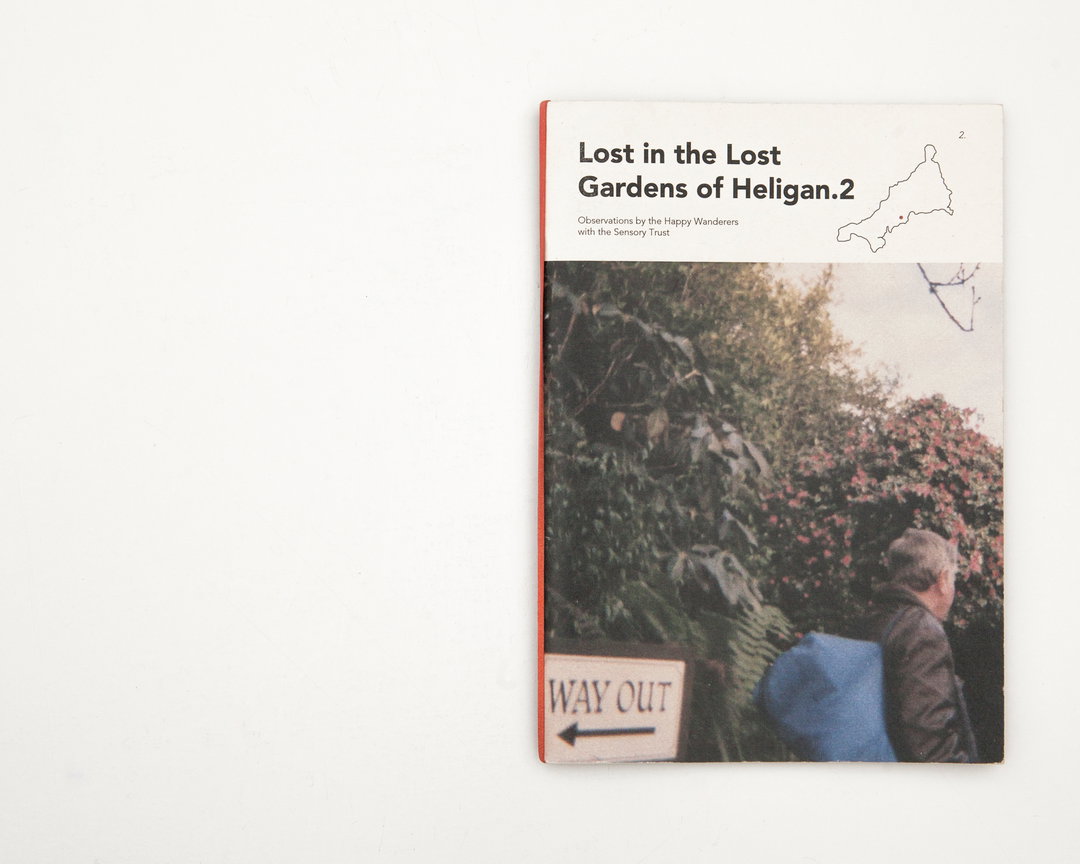
Observations by the Happy Wanderers, Lost in the Lost Gardens of Heligan (Copyright © The Photobook Project, 2016)
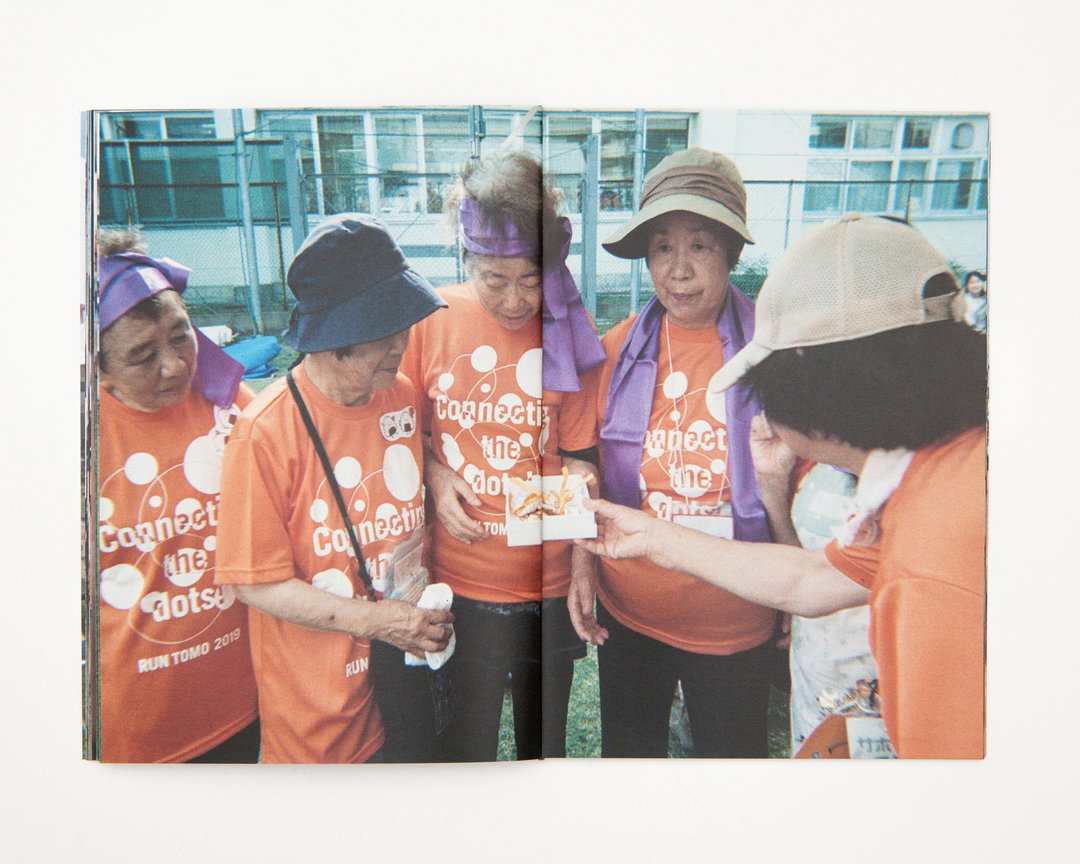
Pass the Baton!: Community in Machida (Copyright © The Photobook Project, 2019)
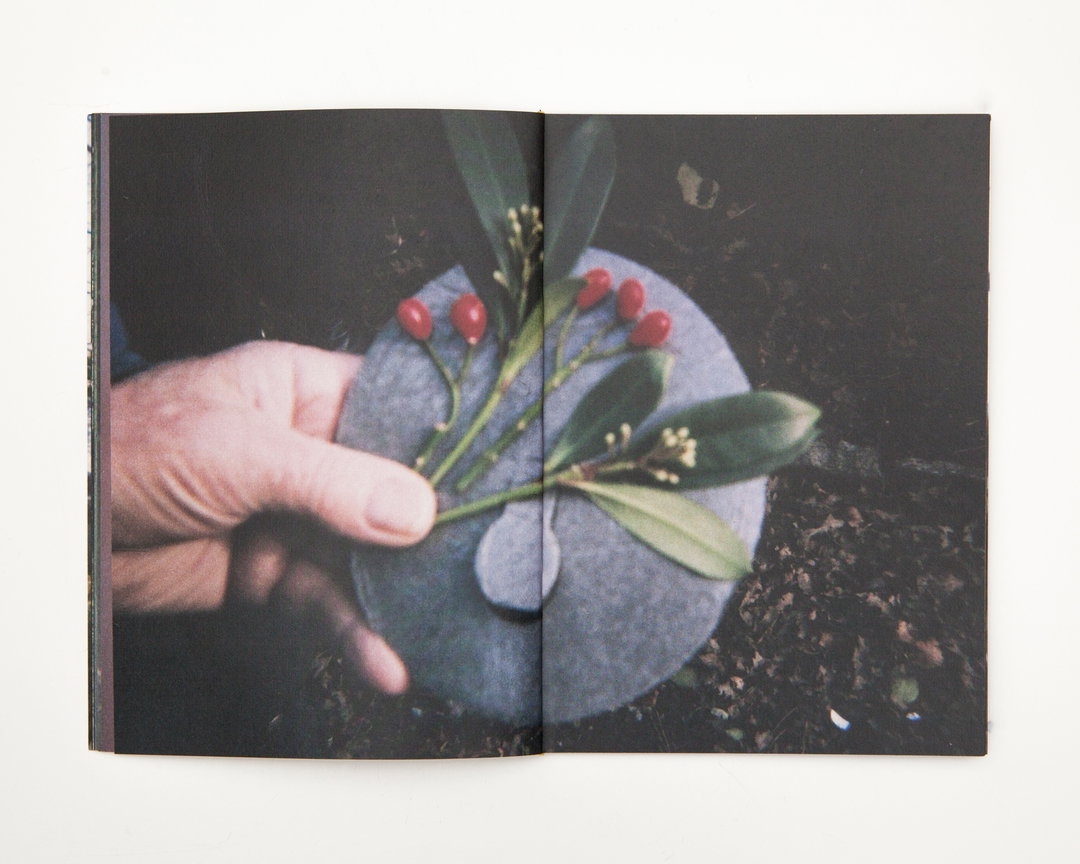
Observations by the Happy Wanderers, Texture and Touch (Copyright © The Photobook Project, 2016)
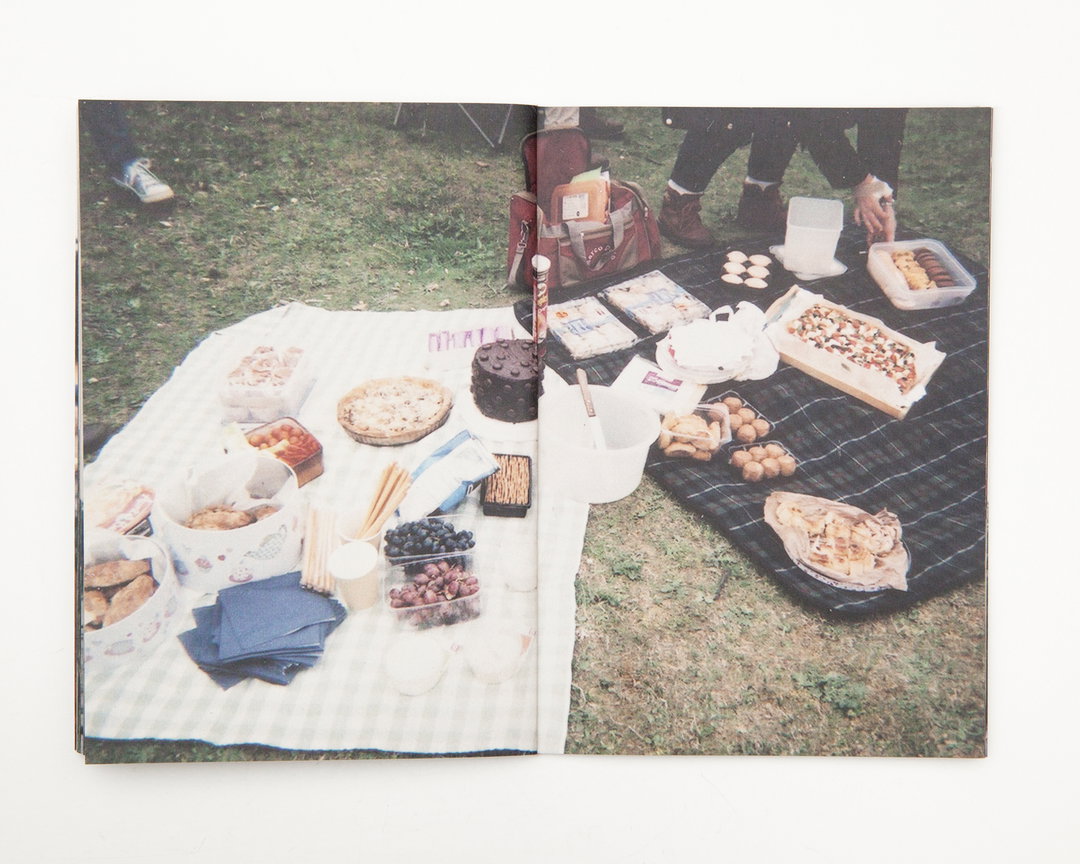
Observations by the Happy Wanderers, Picnic at Par (Copyright © The Photobook Project, 2016)
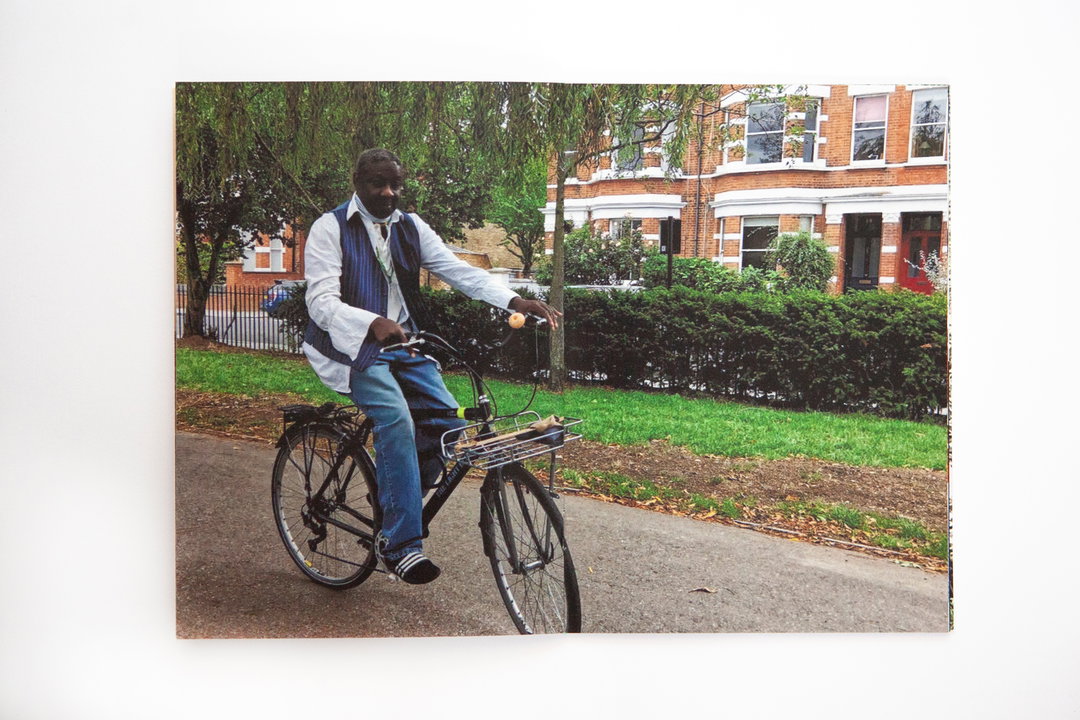
Ronald Amanze: My Dementia Life Matters (Copyright © The Photobook Project / Ronald Amanze)
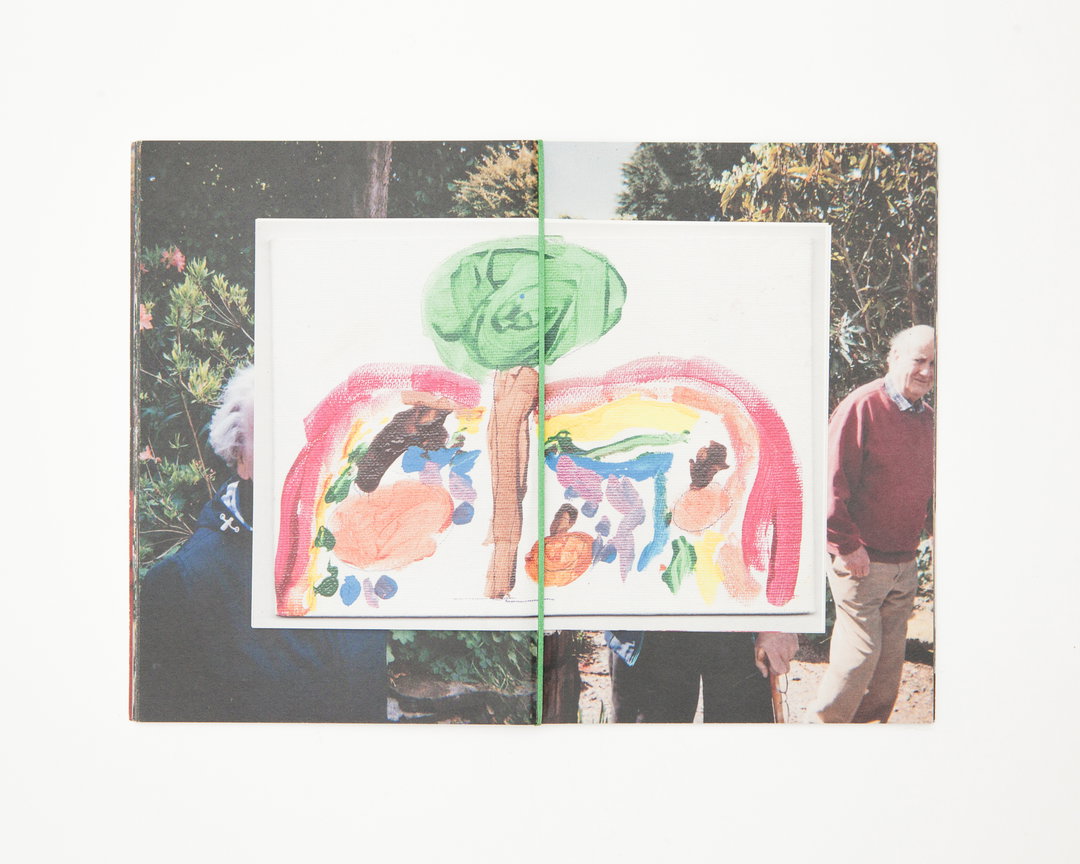
Observations in Nature, Spring Watch (Copyright © The Photobook Project, 2018)
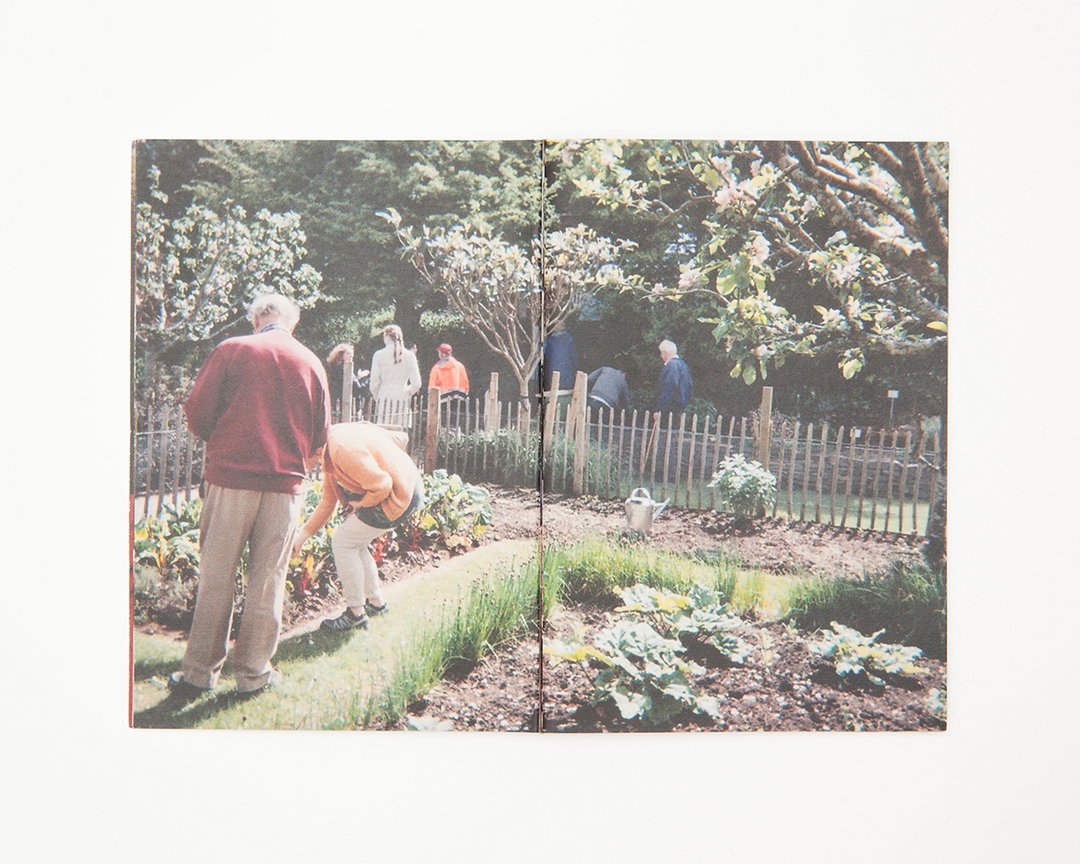
Observations in Nature, Spring Watch by the Potager Peas (Copyright © The Photobook Project, 2018)
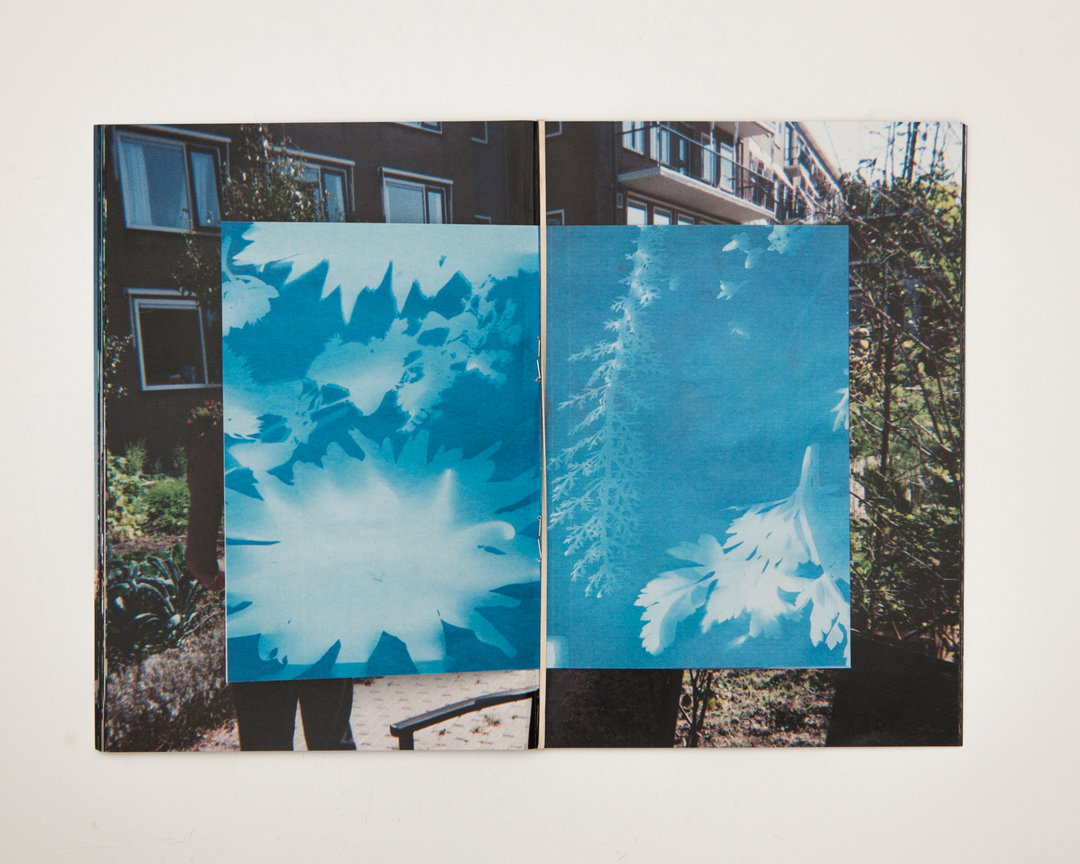
Hello Neighbour! Light and Shadow (Copyright © The Photobook Project, 2018)
(Copyright © The Photobook Project)
Hero Header
Hello Neighbour! Surprise Party (Copyright © The Photobook Project, 2018)
Share Article
Further Info
About the Author
—
Ellie is founding artistic director of The Photobook Project. Alongside this, she is the creative spaces project manager at Sensory Trust, supporting people living with dementia to access nature. She is also an online tutor for MSc Dementia at the University of Hull.